2027 Highest-Paying Jobs with a Clinical Mental Health Counseling Master's Degree

Co-Founder and Chief Data Scientist
A clinical mental health counseling master’s degree can qualify graduates for licensed counseling roles, specialized practice areas, supervisory work, and behavioral health leadership. The main question is not simply whether the degree can lead to meaningful work, but which paths are most likely to pay well, support advancement, and fit a graduate’s licensure status, clinical interests, and tolerance for administrative responsibility.
Pay in this field varies by setting, state, specialization, experience, and whether the role includes supervision, program management, complex casework, or private-practice revenue. According to the U.S. Bureau of Labor Statistics, employment of mental health counselors is projected to grow 16% from 2021 to 2031, signaling strong demand but not guaranteeing high earnings in every job or location.
This guide explains the highest-paying job options for clinical mental health counseling master’s graduates, the industries and states that often offer stronger compensation, the skills and specializations that can raise earning potential, and how to think about return on investment before choosing a program or career path.
Key Benefits of the Highest-Paying Jobs with a Clinical Mental Health Counseling Master's Degree
- Pursuing the highest-paying clinical mental health counseling master's programs can increase immediate earning potential by 20% compared to average graduates, enhancing financial outcomes early in your career.
- Specialized training accelerates advancement to executive-level roles, where compensation packages often exceed $120,000 annually within five to seven years post-graduation.
- The sustained demand for clinical mental health counselors ensures long-term financial stability, with a projected 22% job growth through 2032, outpacing many other healthcare professions.
What Are the Highest-Paying Jobs With a Clinical Mental Health Counseling Master's Degree?
The highest-paying jobs for clinical mental health counseling master’s graduates usually combine advanced clinical judgment with leadership, supervision, compliance, or program oversight. Direct counseling roles can be rewarding, but salaries often rise when a professional becomes responsible for staff performance, treatment quality, budgets, accreditation requirements, or high-risk client populations.
According to the Bureau of Labor Statistics, many advanced roles offer median annual wages exceeding $70,000. Actual earnings depend on licensure, years of experience, employer type, geographic market, and whether the role is clinical, administrative, or both.
- Clinical Director: Leads counseling programs, supervises clinical staff, reviews policies, monitors compliance, and helps set standards for treatment quality. This role is often found in healthcare systems, behavioral health organizations, residential treatment facilities, and larger outpatient clinics. It typically requires strong leadership experience in addition to clinical credentials.
- Licensed Professional Counselor Supervisor: Oversees counselors who are working toward or maintaining professional standards. Supervisors review cases, support ethical decision-making, document supervision, and help reduce clinical risk. This path can increase income for counselors who enjoy mentoring and quality assurance rather than carrying only a direct-service caseload.
- Rehabilitation Counselor Manager: Manages rehabilitation services, coordinates multidisciplinary teams, and tracks client progress across treatment, employment, disability, or recovery goals. Higher pay is more likely when the role includes team leadership, reporting responsibilities, and coordination with healthcare or public-service partners.
- Psychiatric Rehabilitation Specialist: Develops recovery-focused plans for clients with serious mental health conditions. The work can involve complex care coordination, crisis planning, skills training, and collaboration with psychiatrists, social workers, case managers, and community agencies.
- Behavioral Health Program Manager: Designs, implements, and evaluates behavioral health initiatives. These professionals may manage budgets, staffing, grants, community partnerships, outcomes reporting, and service delivery. The role often rewards counselors who can translate clinical knowledge into scalable programs.
Graduates who want higher earnings should look beyond job titles and examine the responsibility level behind each role. A “counselor” position with limited autonomy may pay less than a “program manager” or “clinical supervisor” role, even when all require a counseling background. Professionals who want to move into senior research, teaching, or executive-level roles may also consider doctoral study, including a PhD online, after weighing cost, accreditation, licensure relevance, and career goals.
Which Industries Offer the Highest Salaries for Clinical Mental Health Counseling Master's Graduates?
Industry has a major effect on counseling salaries because employers differ in funding, reimbursement models, client acuity, staffing needs, and administrative complexity. Data shows that the healthcare sector typically offers median salaries about 15% above the national average for these professionals, but individual offers still depend on role scope, location, and licensure.
In general, industries that pay more tend to expect one or more of the following: specialized clinical expertise, crisis response capacity, documentation discipline, interdisciplinary collaboration, supervisory duties, or measurable program outcomes.
- Healthcare Facilities and Hospitals: Hospitals and large healthcare systems may offer stronger compensation because counselors work with complex cases, integrated care teams, discharge planning, crisis stabilization, and compliance-heavy documentation. These settings can be demanding, but they often provide structured career ladders and benefits.
- Government Agencies: Public agencies may offer competitive compensation, strong benefits, retirement plans, and job stability. Roles can include community mental health, corrections, veterans services, public health, or state-funded behavioral health programs. Hiring may require detailed credential verification and, in some cases, civil service processes.
- Private Practice and Outpatient Care Centers: Private practice can increase earning potential, especially for licensed counselors with a defined niche, referral network, and business skills. However, income may fluctuate with client volume, insurance reimbursement, cancellations, rent, billing costs, and marketing expenses.
- Educational Institutions: Colleges and universities may hire counseling graduates for student mental health services, wellness programs, crisis response, prevention work, and training-related roles. Compensation can be stronger when the position involves supervision, program development, or coordination across campus departments.
- Corporate Wellness Programs: Employers increasingly invest in mental health support to address productivity, retention, burnout, and workplace wellbeing. Counselors in this area may deliver workshops, short-term counseling, crisis support, referrals, and organizational consultation. These roles often favor professionals who understand both clinical care and workplace dynamics.
When comparing industries, salary should not be the only factor. Graduates should also evaluate caseload size, supervision quality, documentation burden, benefits, licensure support, promotion paths, and burnout risk. Additional credentials can help in certain settings, and some professionals explore certifications that pay well to strengthen a focused skill set, especially in management, assessment, addiction treatment, trauma care, or healthcare administration.
What Is the Starting Salary with a Clinical Mental Health Counseling Master's Degree?
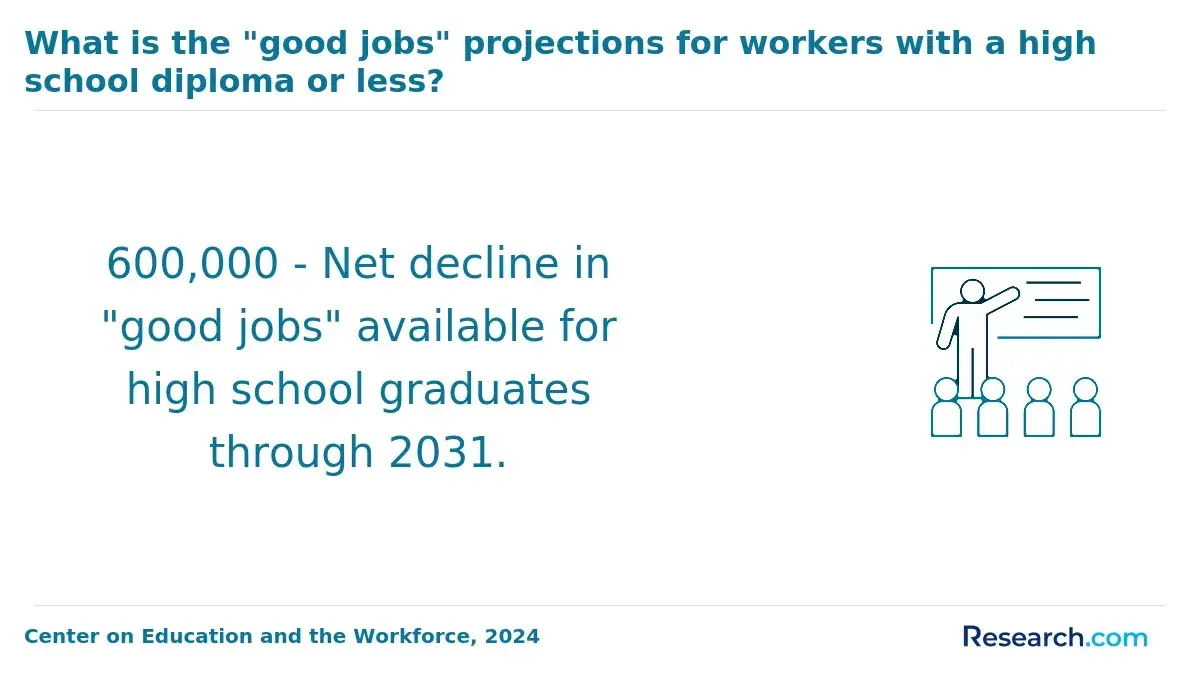
Entry-level clinical mental health counseling master’s graduates in the United States commonly earn between $40,000 and $50,000 annually. Starting pay is often lower than later-career compensation because many graduates are still completing supervised hours, building a caseload, preparing for licensure, or gaining experience with documentation, diagnosis, and treatment planning.
The strongest first offers usually go to candidates who graduate from an accredited program, complete relevant practicum and internship placements, understand state licensure requirements, and can show readiness for the population the employer serves.
- Employer Type: Hospitals, specialty clinics, and larger outpatient providers may offer higher starting pay than some nonprofit or community agencies. However, nonprofit roles can provide valuable supervised experience, diverse client exposure, and a faster path to competency.
- Experience Level: Internships, practicums, volunteer crisis work, case management experience, and prior human services roles can improve a new graduate’s competitiveness. Employers value candidates who can document clearly, manage risk, and work with clients beyond classroom scenarios.
- Licensure Status: Graduates who move efficiently through the licensure process often become more marketable. Requirements vary by state, so candidates should confirm supervised-hour rules, exam expectations, title restrictions, and renewal obligations before accepting a role.
- Specialized Skills: Training in trauma counseling, substance abuse, family therapy, crisis intervention, group counseling, or culturally responsive care can support stronger offers when those skills match employer needs.
- Market Demand: Areas with high demand for mental health services may offer more competitive starting salaries, especially where employers struggle to recruit licensed or license-eligible counselors.
New graduates should evaluate the full compensation package, not salary alone. Supervision toward licensure, paid training, manageable caseloads, benefits, loan repayment options, and promotion timelines can significantly affect long-term financial outcomes. Students comparing career paths may also review broader education-to-income patterns, including resources on the most profitable majors, while remembering that counseling careers also depend heavily on licensure and clinical fit.
Which States Pay the Highest Salaries for Clinical Mental Health Counseling Master's Degree Holders?
State-level pay for clinical mental health counseling master’s degree holders can vary widely because of cost of living, licensure rules, healthcare infrastructure, demand for services, reimbursement rates, and employer concentration. Recent data suggests some states provide salaries that surpass the national median by 15-20%, but higher pay may be offset by housing, taxes, commuting costs, and licensing transition requirements.
Before relocating for salary, counselors should compare net income, state licensure portability, supervision rules, job availability, and the type of clients or settings they want to serve. A higher posted salary is not always the better financial decision if the cost of living is substantially higher or if licensure delays prevent immediate practice.
- California: Large metropolitan areas, extensive healthcare systems, and high demand for behavioral health services can support stronger salaries. The state’s high cost of living is an important factor when comparing offers.
- New York: New York’s dense healthcare, education, nonprofit, and private-practice markets create many counseling opportunities. Compensation may be higher in competitive labor markets, but expenses can also be substantial.
- Massachusetts: A strong healthcare and higher education environment can benefit advanced counseling professionals, particularly those with specialized training or experience in integrated care, student mental health, or program leadership.
- Washington: Population growth, telehealth adoption, and policy attention to behavioral health can contribute to demand for qualified counselors. Salary comparisons should include both urban and rural opportunities.
- Connecticut: Stable demand, regional cost-of-living pressures, and access to healthcare and private-practice markets can support elevated salaries compared with many areas.
One clinical mental health counseling graduate described relocation as both promising and complicated. “It was daunting at first,” he said, “because each state’s requirements and market conditions felt so different. But knowing which places really value my skills helped me make an informed decision.” His experience reflects a common reality: salary matters, but state licensing, professional networks, family needs, and cost of living determine whether a move is truly worthwhile.
Which Clinical Mental Health Counseling Master's Specializations Lead to the Highest Salaries?
Specializations can improve earning potential when they align with high-demand client needs, employer priorities, or reimbursable services. Professionals in some specialized areas earn up to 20% more than those in general practice due to high demand for their focused expertise. The strongest specialization is not always the one with the highest perceived pay; it is the one that matches a counselor’s licensure path, clinical strengths, local job market, and preferred work setting.
- Addiction Counseling: Substance use treatment remains a high-need area across outpatient clinics, residential programs, hospitals, community agencies, and justice-related settings. Counselors with addiction expertise may work with co-occurring disorders, relapse prevention, group therapy, and family systems.
- Marriage and Family Therapy: Training in couples, family dynamics, communication patterns, and relational conflict can support work in private practice, clinics, and family service agencies. Earning potential may be stronger for clinicians who build referral networks and serve clearly defined client needs.
- Trauma and Crisis Intervention: Trauma-focused counselors support clients affected by violence, loss, disasters, abuse, medical trauma, or acute distress. This specialization can be valuable in hospitals, crisis centers, schools, community agencies, and private practice, but it requires strong boundaries and ongoing professional support.
- Child and Adolescent Counseling: Counselors who understand development, family involvement, school systems, behavioral concerns, and youth risk assessment can be competitive in clinics, schools, hospitals, and community programs. Demand may be especially strong where youth mental health services are limited.
- Gerontological Counseling: As the population ages, counselors with expertise in older adult mental health, grief, caregiver stress, cognitive changes, chronic illness, and life transitions may find growing opportunities in healthcare, community agencies, and private practice.
Students should choose specialization coursework and field placements strategically. A specialization is most valuable when it leads to demonstrable competence, supervised experience, and credentials that employers or clients recognize. Graduates should also confirm whether a specialization affects state licensure, certification eligibility, insurance paneling, or scope of practice.
What Skills Can Increase the Salary of a Clinical Mental Health Counseling Master's Degree Graduate?
A master’s degree creates the foundation, but salary growth often depends on the skills a counselor can apply reliably in complex situations. Data shows professionals with advanced competencies can command salaries up to 20% higher than those lacking such skills. Employers tend to pay more for counselors who reduce risk, improve outcomes, manage programs, supervise others, or serve hard-to-staff clinical needs.
- Evidence-Based Treatment Proficiency: Skill in approaches such as cognitive-behavioral therapy (CBT) helps counselors deliver structured, measurable care. Employers value clinicians who can match interventions to client needs rather than relying on general supportive counseling alone.
- Clinical Assessment and Diagnosis: Strong assessment skills support accurate treatment planning, risk evaluation, referrals, documentation, and continuity of care. This skill becomes especially important in settings with complex cases or interdisciplinary teams.
- Program Development and Management: Counselors who can design services, manage workflows, track outcomes, train staff, and improve operations are better positioned for supervisory and administrative roles. These responsibilities often support higher compensation than direct-service work alone.
- Interdisciplinary Collaboration: Behavioral health increasingly overlaps with primary care, psychiatry, social services, education, justice systems, and community organizations. Counselors who communicate well across disciplines can help coordinate care and reduce service gaps.
- Crisis Intervention: The ability to respond calmly and ethically to acute risk, suicidal ideation, panic, trauma reactions, or psychiatric emergencies is highly valued. Crisis competence requires practice, supervision, and clear knowledge of legal and organizational protocols.
These skills increase a graduate’s value because they improve clinical quality and organizational performance. They also help counselors qualify for roles with broader responsibility, such as team lead, supervisor, program coordinator, clinical manager, or director.
A working professional in a clinical mental health counseling master’s program described crisis intervention training as one of the most difficult but career-shaping parts of her preparation. “It’s not just about knowing the theory; it’s about staying calm during pressure and making quick, informed decisions,” she reflected. She also found that program management training expanded her career options by preparing her to supervise community projects and coordinate services beyond individual counseling sessions.
Is There a Salary Difference Between Online and On-Campus Clinical Mental Health Counseling Master's Graduates?
There is generally no meaningful salary difference based solely on whether a clinical mental health counseling master’s degree was completed online or on campus. Employers usually focus more on accreditation, state licensure eligibility, supervised clinical training, institutional reputation, internship quality, and the candidate’s experience.
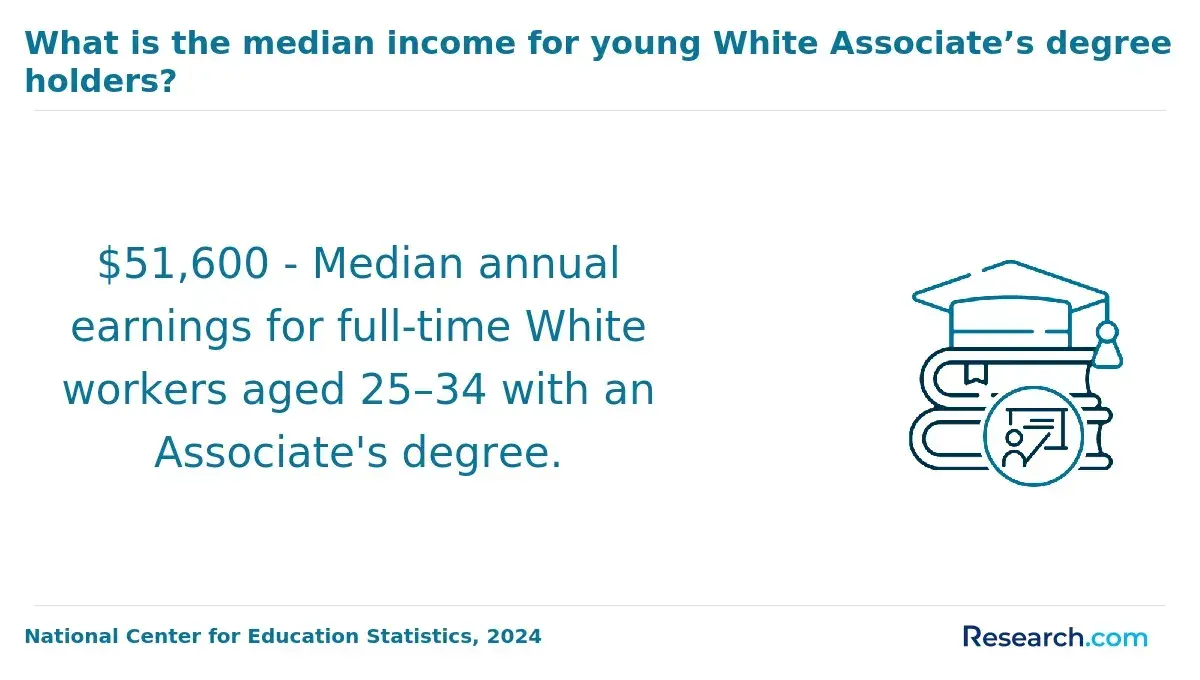
Data from the National Center for Education Statistics indicates that master’s degree holders typically earn about 20% more than those with only a bachelor’s degree. That earnings advantage is tied to degree level and qualifications, not simply to delivery format. In counseling, the most important question is whether the program prepares graduates for the licensure path in the state where they plan to practice.
Online programs can be a strong option for working adults, career changers, rural students, and learners who need schedule flexibility. However, students must confirm how the program handles practicum and internship placements, supervision requirements, residency expectations, and state authorization. A convenient online format is not enough if the program does not meet licensure requirements.
On-campus programs may offer easier access to faculty, local clinical partners, peer relationships, and campus counseling resources. Those advantages can help with networking and field placement, but they do not automatically produce higher salaries after graduation.
The best choice is the accredited program that fits the student’s licensure goals, learning style, budget, schedule, and clinical placement needs. Prospective students should ask direct questions about graduate outcomes, licensure exam preparation, internship support, and whether graduates have successfully become licensed in the state where the student intends to work.
Are Clinical Mental Health Counseling Master's Graduates More Competitive for Executive Positions?
Clinical mental health counseling master’s graduates can become more competitive for executive positions, but the degree alone is rarely enough. Senior roles usually require a combination of clinical credibility, management experience, budgeting knowledge, supervision skills, regulatory awareness, and the ability to lead teams through change.
The degree can be a strong foundation because it helps professionals understand client care, ethics, assessment, treatment systems, and mental health service delivery. To move into executive work, graduates must then build evidence of leadership and organizational results.
- Leadership Preparation: Graduate training can build communication, conflict resolution, ethical reasoning, and supervision readiness. These skills matter in roles where leaders must support staff while maintaining service quality.
- Decision-Making Authority: Counselors with advanced training learn to make careful decisions under uncertainty, particularly in situations involving client risk, confidentiality, mandated reporting, and care coordination.
- Organizational Impact: Graduates who can design programs, improve workflows, evaluate outcomes, and respond to community needs can demonstrate value beyond individual sessions.
- Professional Credibility: A master’s degree in the field signals advanced preparation and commitment to ethical clinical practice. This credibility can help when leading licensed staff or representing a behavioral health program to stakeholders.
- Strategic Capability: Coursework and professional experience may support skills in data use, policy interpretation, quality improvement, and long-term planning, all of which are important in senior leadership.
Professionals aiming for executive roles should seek supervisory assignments, committee work, grant or budget exposure, compliance training, and measurable program leadership. Some students begin with earlier credentials before advancing to graduate study, and resources explaining what is the easiest associate's degree to get may be useful for those mapping a longer education path. For master’s graduates, the key is to pair clinical expertise with business, operations, and people-management experience.
What Is the ROI of a Clinical Mental Health Counseling Master's Degree?
The return on investment of a clinical mental health counseling master’s degree depends on tuition, debt, licensure timeline, starting salary, long-term advancement, and the graduate’s ability to move into specialized or leadership roles. Research shows that master’s degree holders in counseling earn approximately 20% to 30% more annually than those with only a bachelor’s degree, but ROI varies substantially by program cost and career path.
A strong ROI is more likely when the program is properly accredited, supports licensure, offers quality field placements, and is affordable enough that loan payments do not overwhelm early-career earnings.
- Tuition Costs: Lower tuition, scholarships, employer assistance, assistantships, or financial aid can improve ROI by reducing debt. Students should compare total program cost, not just per-credit tuition.
- Salary Growth: Many graduates see stronger earnings as they complete supervised hours, obtain licensure, gain experience, specialize, or move into supervisory and program leadership positions.
- Opportunity Cost: Time spent in graduate school may reduce working hours or delay full-time income. Flexible or well-structured programs can help students continue earning while completing requirements.
- Career Mobility: The degree can open doors to licensed practice, specialized counseling roles, private practice, clinical supervision, and behavioral health administration. These options can improve long-term financial and professional stability.
- Networking Value: Faculty, supervisors, internship sites, alumni, and professional associations can lead to referrals, job offers, supervision opportunities, and mentorship.
Prospective students should calculate ROI using realistic assumptions: expected debt, likely starting salary, time to licensure, local job demand, and the salary range for roles they actually want. Comparing unrelated fields, such as an online construction management degree, can help clarify opportunity costs, but counseling also involves licensure, ethical responsibility, and a service-oriented career path that should fit the student’s long-term goals.
What Is the Job Outlook for Clinical Mental Health Counseling Master's Degree Holders?
The job outlook for clinical mental health counseling master’s degree holders is strong. The U.S. Bureau of Labor Statistics forecasts a 22% increase in employment for mental health counselors from 2022 to 2032, which is significantly faster than the average for all occupations. Demand is supported by growing awareness of mental health needs, expanded access to services, and the continued use of counseling in healthcare, education, community, and workplace settings.
- Long-Term Demand Trends: More individuals, families, schools, employers, and healthcare providers recognize the need for mental health support. This creates ongoing demand for qualified counselors across multiple settings.
- Evolving Skill Needs: Employers increasingly value counselors who can provide evidence-based care, work with diverse populations, document effectively, and respond to complex mental health concerns.
- Technological Change: Telehealth has expanded access to counseling, particularly for clients in underserved, rural, or transportation-limited areas. Counselors who can provide ethical, effective virtual care may have more employment options.
- Leadership Pipelines: As behavioral health programs grow, organizations need supervisors, clinical managers, training leads, and program directors. Counselors who develop management skills can benefit from this need.
- Economic Resilience: Mental health services often remain necessary during economic uncertainty. While funding and reimbursement can shift, the underlying need for trained counselors is unlikely to disappear.
Graduates can improve their job prospects by choosing an accredited program, completing strong clinical placements, pursuing licensure promptly, developing a specialization, and staying current with state laws, ethics, documentation standards, and telehealth requirements.
What Graduates Say About the Highest-Paying Jobs with a Clinical Mental Health Counseling Master's Degree
-
: "Choosing a master's degree in clinical mental health counseling was a turning point in my life. Despite the initial cost, I saw it as an investment that opened doors to some of the highest-paying roles in the field. Today, the financial stability and personal fulfillment I enjoy make every tuition dollar worth it.
Augustus"
-
: "Reflecting on my journey with a clinical mental health counseling master's, I realize how pivotal this degree was not just for knowledge but for career advancement. The expenses were manageable through scholarships and work-study, which helped mitigate the financial burden. Now, I earn considerably more and have a career that truly impacts lives.
Antonio"
-
: "My decision to pursue a clinical mental health counseling master's degree came from a desire to merge passion with financial security. While the cost was a concern, the salary prospects in specialized counseling roles reassured me. The degree has genuinely transformed my professional opportunities and financial outlook.
Julian"
Other Things You Should Know About Clinical Mental Health Counseling Degrees
To maximize earning potential with a Clinical Mental Health Counseling Master's Degree in 2027, obtain the Licensed Professional Counselor (LPC) certification. This certification typically requires passing the National Counselor Examination (NCE) and completing supervised clinical hours, as outlined by the National Board for Certified Counselors.
California, New York, and Massachusetts typically offer the highest salaries for Clinical Mental Health Counseling professionals with a Master's Degree in 2027, influenced by demand and cost of living. Salaries can exceed $80,000 annually depending on specific roles and experience.
References
- Counselor Salary by State (Median Annual Counseling Pay) https://www.allpsychologyschools.com/counseling/salary/
- The Best States For Psychologists | Psychology.org https://www.psychology.org/states/best-states-for-psychologists/
- The Essential Skills for Building a Successful Counseling Career https://www.cui.edu/townsend/articles/post/the-essential-skills-for-building-a-successful-counseling-career
- 4 Jobs You Can Get With a Master’s in Clinical Counseling https://www.grace.edu/4-clinical-mental-health-counseling-jobs-you-can-get-with-a-masters-degree/
- Becoming a Mental Health Counselor: Salary, Requirements Skills https://onlinedegrees.bradley.edu/blog/how-to-become-a-mental-health-counselor
- Is a master's degree in counseling worth it? | edX https://www.edx.org/resources/is-a-masters-in-counseling-worth-it
- 75 Best Master’s Programs in Mental Health Counseling https://addiction-counselor.org/degrees/masters-mental-health-counseling/
- Careers - MastersInCounseling.org https://mastersincounseling.org/careers/
- Mental Health Counselor Career and Salary Profile https://online.fit.edu/degrees/undergraduate/applied-psychology/clinical-psych/mental-health-counselor-career-and-salary-profile/
- MA in Psychology or Clinical Mental Health Counseling: Which degree is right for me? | News and Updates | Adler University https://www.adler.edu/news/ma-in-psychology-or-clinical-mental-health-counseling-which-degree-is-right-for-me/