2027 What Can You Do with a Clinical Mental Health Counseling Master's Degree? Careers, Salaries & Growth

Co-Founder and Chief Data Scientist
Many individuals seeking to address mental health challenges face a shortage of qualified counselors, with the U. S. Bureau of Labor Statistics projecting a 22% growth in clinical mental health counseling jobs from 2022 to 2032. This demand highlights the need for well-educated professionals equipped to provide effective care. However, prospective students often struggle to understand how a clinical mental health counseling master's degree translates into career opportunities, salary expectations, and professional growth. This article offers a comprehensive overview of program structures, employment outcomes, salary data, and certification options, helping prospective students make informed decisions about pursuing this degree within the evolving workforce landscape.
Key Things to Know About What You Can Do with a Clinical Mental Health Counseling Master's Degree
- Admission typically requires a bachelor's degree, letters of recommendation, and prerequisite coursework; programs often combine coursework and supervised clinical hours over 2-3 years, available in both online and campus formats.
- Graduates pursue careers as licensed counselors or therapists, with a median annual salary near $48,000 and potential growth in healthcare, education, and social services sectors.
- Long-term earning potential increases with certifications and experience; comparing programs by cost, flexibility, and accreditation is essential for aligning with career goals and financial considerations.
What Are the Admission Requirements for a Clinical Mental Health Counseling Master's Program?
Preparing the prerequisites for enrolling in a clinical mental health counseling master's degree is essential for a smooth admissions process. Demand for mental health counselors is increasing rapidly, with employment projected to grow 22% from 2022 to 2032, making this a promising career path. Key admission factors generally include the following:
- Relevant Undergraduate Degree: Applicants usually must hold a bachelor's degree in psychology, counseling, social work, or a related field. This foundational knowledge supports success in advanced coursework and practice.
- Minimum GPA: Many programs expect a minimum undergraduate GPA of around 3.0, although some accept lower scores if compensated by strong professional experience or other application components.
- Work or Volunteer Experience: Practical exposure to mental health settings strengthens applications by demonstrating commitment and firsthand understanding of the field.
- Standardized Tests: The GRE is often requested but increasingly optional. Some schools have waived this requirement, while others maintain it for competitive admissions.
- Supplementary Materials: Letters of recommendation, personal statements detailing career goals and motivations, and occasionally writing samples are typically required to evaluate applicants' readiness and fit for the program.
- Field-Specific Prerequisites: Courses like abnormal psychology, human development, or statistics may be required, varying by institution. International applicants often must demonstrate English proficiency.
Those exploring their options might also consider related programs such as an msw degree, which can complement a career in clinical mental health counseling through broader social work perspectives.
What Is the Minimum GPA Requirement for a Clinical Mental Health Counseling Master's Program?
Prospective students aiming for a clinical mental health counseling master's degree should be aware that minimum GPA requirements often influence admission decisions. The average GPA needed for admission to clinical mental health counseling master's degree programs generally falls between 2.75 and 3.0 on a 4.0 scale. These requirements differ based on program prestige, institution type, and specialization. Employment of mental health counselors is projected to grow 22% from 2020 to 2030, highlighting strong job market prospects. Below are key considerations regarding GPA and admissions criteria.
- Typical GPA Ranges: Most clinical mental health counseling programs expect a minimum GPA between 2.75 and 3.0, with more competitive programs often requiring higher academic performance.
- Institutional Variation: Public universities may have more flexible GPA criteria, while private institutions frequently enforce stricter requirements.
- Holistic Admissions: Schools evaluate applications beyond GPA by considering professional experience, recommendations, and personal statements to gauge candidate potential.
- Overcoming Low GPA: Applicants with lower GPAs can improve their chances by showcasing relevant work experience or strong standardized test results.
- Financial Considerations: Exploring options such as attending a cheapest online college can ease financial barriers to entering clinical mental health counseling programs.
How Much Does a Clinical Mental Health Counseling Master's Degree Cost and How Can You Finance It?
Preparing financially for a clinical mental health counseling master's degree helps students manage tuition, fees, living costs, and opportunity expenses. Knowing key cost factors and funding options early supports realistic budgeting and better decisions. Below are essential considerations for managing these financial elements effectively.
- Tuition Variability: Public in-state programs generally cost significantly less than private institutions, often ranging from $10,000 to over $40,000. Online programs may reduce relocation and commuting expenses but still require budgeting for technology and occasional residencies.
- Additional Costs: Beyond tuition, students should plan for fees, textbooks, supplies, and living expenses, which vary by location and lifestyle. Opportunity costs, such as potential income loss while studying full-time, should also be factored in.
- Funding Opportunities: Scholarships, fellowships, graduate assistantships, employer tuition reimbursement, and federal loans are common routes to finance education. Applying widely and early increases chances of securing aid.
- Debt Reduction Techniques: Choosing in-state public universities, leveraging teaching or research assistantships for tuition waivers and stipends, and targeting departmental fellowships can substantially lower debt burdens.
- Evaluating ROI: Comparing overall educational expenses against expected salaries within chosen counseling specialties, such as healthcare settings, helps determine if the financial investment aligns with long-term earning potential.
I spoke with a graduate of a clinical mental health counseling master's program who shared their experience managing costs and funding. They recalled the stress of balancing work hours with studies while applying for multiple scholarships and assistantships to avoid excessive debt. "It wasn't easy coordinating deadlines or juggling job responsibilities, but securing a graduate assistantship that covered tuition and provided a stipend made a huge difference," they explained. Their journey highlighted the importance of persistence and strategic planning to afford the degree without overwhelming financial strain, ultimately enabling a smoother transition into their counseling career.
For those exploring a clinical mental health counseling master's degree, knowing how long program completion typically takes is crucial for setting realistic educational goals. The time needed to finish varies widely because of factors like enrollment status, program format, and academic track. Below is a helpful summary of key elements influencing the time to complete a clinical mental health counseling master's program:
- Full-Time Enrollment: Most full-time students earn their clinical mental health counseling master's degree in approximately 1.5 to 2 years. This timeframe assumes a steady course load without significant outside obligations, enabling focused study.
- Part-Time and Online Programs: Students attending part-time or through online learning pathways often extend their study to 3 or 4 years. Flexible scheduling and lighter semester loads accommodate career changers and working professionals but lengthen overall program duration.
- Accelerated Options and Combined Pathways: Some schools offer accelerated tracks or combined bachelor's/master's programs that integrate undergraduate and graduate studies. These pathways can shorten degree completion to under two years by overlapping coursework.
- Transfer Credits: Bringing in graduate-level transfer credits may significantly reduce time in the program, depending on institutional policies and the relevance of prior coursework.
- Thesis vs. Non-Thesis Tracks: Choosing a thesis track generally adds time due to research and writing commitments, while non-thesis options may allow faster completion through exams and course requirements.
- Internship or Practicum Requirements: Clinical experiences are essential and often extend program timelines. The nature and scheduling of internships or practicums influence when students can graduate.
Since program durations can vary, prospective students should also explore options for affordable tuition to manage expenses effectively. Resources highlighting the most affordable online programs, such as cheap online colleges, offer valuable guidance for budgeting throughout the degree. Understanding these timelines and cost factors helps align educational choices with career objectives and personal circumstances.
This overview offers a clear understanding of the career opportunities open to those graduating from a clinical mental health counseling master's program. It highlights a variety of industries and roles, illustrating both immediate job options and future advancement possibilities.
Here are key career trajectories for graduates:
- Direct Clinical Roles: Most graduates work as licensed professional counselors, providing individual or group therapy. These positions focus on diagnosing and treating mental health disorders in settings like hospitals, private practices, or community centers.
- Nonprofit and Government Sectors: Counselors often design and manage programs addressing issues such as substance abuse or trauma. Government employment includes public health, veteran support, and correctional facilities, expanding impact beyond traditional clinical roles.
- Private Sector Opportunities: Increasing attention to workplace mental health has created roles in employee assistance and corporate wellness programs, making the private sector a notable employer of counseling graduates.
- Leadership and Management: Although many start as individual contributors, graduates can advance to lead clinical teams, oversee program development, or enter executive leadership, especially in larger organizations.
- Academic and Research Careers: Some pursue further qualifications to engage in teaching, research, or clinical supervision, contributing to the field's knowledge and practice.
A graduate shared that navigating the varied career paths felt more manageable because their program emphasized both practical skills and professional flexibility. "Knowing I could apply what I learned in multiple environments helped reduce anxiety about my job search," they said. Challenges like licensure requirements and adapting to different work settings were less daunting thanks to the program's comprehensive preparation, which ultimately made career transitions smoother and opened unexpected doors.
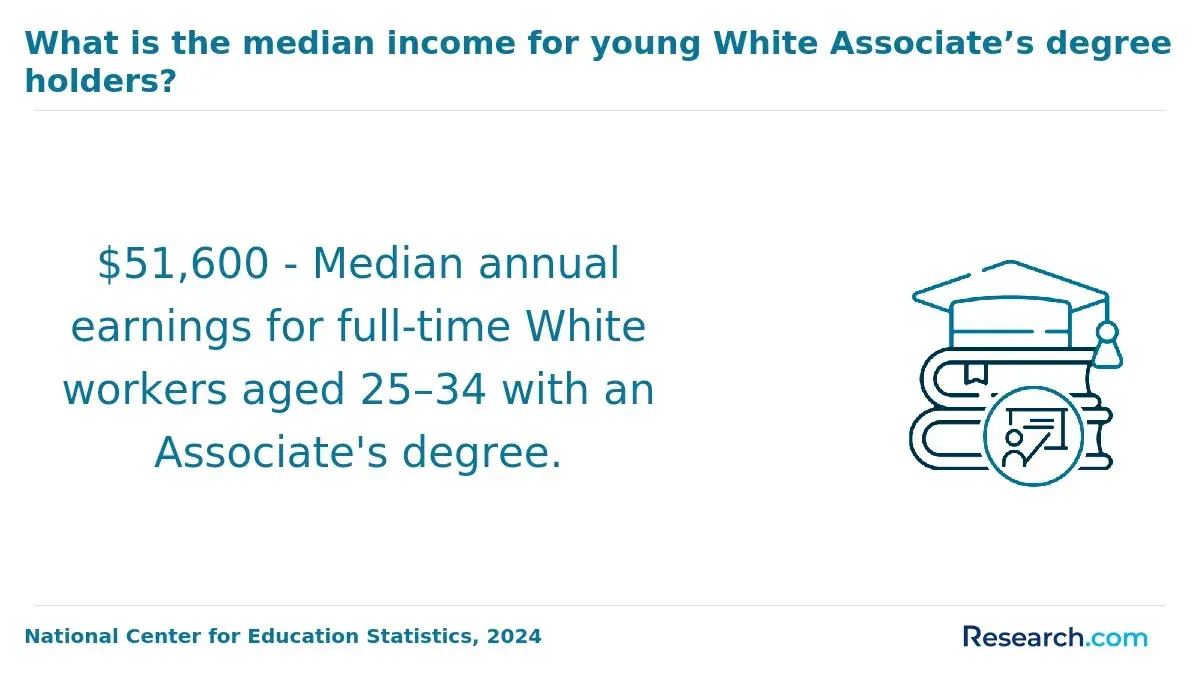
Salaries for clinical mental health counseling master's degree holders vary based on experience, location, and employer, with the U.S. Bureau of Labor Statistics reporting a median annual wage near $48,520 in 2022. Entry-level counselors typically start between $35,000 and $40,000, while those with mid-career experience can expect $50,000 to $60,000. Senior counselors or supervisors often earn $70,000 or more. Compensation is also influenced by various factors including geography and employer type.
Below are key points outlining these variations and additional compensation elements.
- Experience Levels: Starting salaries for new counselors usually range from $35,000 to $40,000 annually. Professionals with several years of experience generally see increases up to $60,000, while senior-level or supervisory roles often exceed $70,000.
- Geographic Differences: Salaries can significantly fluctuate across regions. Urban centers and states such as California, New York, and Massachusetts often offer pay 15-30% above the national median, while rural or lower-cost-of-living areas tend to pay less.
- Employer Type and Industry: Public sector jobs in schools or government agencies usually provide stable benefits but lower wages. In contrast, private practices, healthcare organizations, and hospitals tend to offer higher base pay and sometimes bonuses.
- Master's Degree Advantage: Holding a master's in clinical mental health counseling generally yields 15-25% higher earnings than having only a bachelor's degree, reflecting the value of specialized training and licensure.
- Additional Compensation: Total pay packages often include benefits like health insurance, retirement plans, paid leave, and occasional bonuses. Equity or profit-sharing options are rarer but can be found in private or group practice settings.
Several professional certifications significantly enhance the value of a clinical mental health counseling master's degree by validating specialized knowledge and improving career prospects. Key credentials support mental health counselor certification requirements in the United States and open doors to various settings such as private practices, hospitals, and community agencies. Below is a concise overview of the most valuable certifications along with strategic advice on when to pursue them.
The most noteworthy professional certifications include:
- Licensed Professional Counselor (LPC) Credential: Awarded by state licensing boards, the LPC requires a master's degree, 2,000-4,000 supervised clinical hours, and passing the National Counselor Examination (NCE) or state equivalent. Renewal usually demands continuing education credits biennially. This license is essential for independent clinical practice and highly valued by many employers.
- National Certified Counselor (NCC): Offered by the National Board for Certified Counselors (NBCC), the NCC requires a master's degree, 3,000 hours of supervised work experience, and passing the NCE exam. Renewal is every five years through continuing education. This certification enhances mobility across states and is favored by agencies and large counseling organizations.
- Certified Clinical Mental Health Counselor (CCMHC): Also administered by the NBCC, the CCMHC focuses explicitly on clinical skills and builds on the NCC credential. It requires additional clinical experience and a specialized exam. Holding this certification signals advanced clinical competence and may lead to elevated roles and salaries.
Pursuing these certifications during or immediately after the master's program is advisable as it allows students to align supervised clinical hours with certification requirements and streamline licensure pathways. For prospective students assessing costs and program options, exploring an affordable online master's in psychology may provide flexibility and financial advantages while meeting the credentialing criteria for clinical mental health counseling graduates.
For students pursuing a clinical mental health counseling master's degree, understanding the primary industries employing graduates is essential for aligning career goals and skill development. Different sectors offer varied roles, employer sizes, and certification requirements, which can influence job prospects and professional growth. The following points highlight the leading industries and emerging fields where demand for clinical mental health counselors is expanding.
- Healthcare Sector: This industry is the largest employer, including outpatient clinics, hospitals, and specialized mental health centers. Positions such as licensed professional counselors, substance abuse specialists, and rehabilitation counselors are common. Employers range from small private practices to extensive hospital networks, often necessitating licensure like Licensed Professional Counselor (LPC) or Certified Clinical Mental Health Counselor (CCMHC) credentials.
- Social Assistance Organizations: These include non-profits and community groups focused on family counseling, youth outreach, and crisis management. Flexibility and cultural competence are highly valued, with many organizations seeking experience in evidence-based approaches such as cognitive-behavioral therapy (CBT).
- Educational Services: Colleges, universities, and increasingly K-12 school systems hire counselors to support student mental health and wellness initiatives. Credentials in school counseling improve employability within this sector, which prioritizes developmental and academic support services.
- Telehealth and Digital Platforms: Growing rapidly due to technological advances and increased acceptance of virtual care post-pandemic, these platforms require counselors skilled in teletherapy tools and digital documentation. This emerging sector presents new opportunities for innovation and remote service delivery.
- Targeting Industries: Engaging in internships, joining professional associations, and selecting coursework relevant to specific organizational settings can enhance job placement. Gaining experience aligned with industry standards and certifications helps graduates adapt to diverse employment environments.
For graduates holding a clinical mental health counseling master's degree, identifying roles with the highest earning potential can significantly impact career planning and financial success. Salaries in this field fluctuate depending on the position, experience, geographic location, and employer type. Securing additional credentials and gaining specialized expertise often opens doors to leadership and advanced clinical roles with better compensation. Below are some of the top-paying positions accessible with this degree.
- Licensed Professional Counselor (LPC) Supervisor: LPC supervisors typically manage and mentor other counselors, requiring years of practical experience and licensure. These roles are often found in private practices or health organizations and provide higher pay due to leadership duties and advanced certifications in supervision.
- Clinical Director: Clinical directors oversee counseling programs or departments, combining administrative oversight with clinical knowledge. Median salaries in this role exceed $80,000 and vary with factors like organization size and location. A license or certification plus strong management skills are usually required.
- Marriage and Family Therapist (MFT) Specialized in Clinical Counseling: MFTs licensed at the state level with a master's degree command competitive earnings, especially in private or specialty clinics. Their expertise in systemic family dynamics and therapeutic communication enhances their value and salary prospects.
- Substance Abuse and Behavioral Disorder Counselor: Counselors tackling addiction and behavioral challenges in hospitals or rehab centers can attain higher wages, particularly when holding credentials such as Certified Addiction Counselor (CAC). Competency in crisis management and patient care are essential.
- Forensic Mental Health Counselor: Working at the intersection of mental health and the legal system, forensic counselors provide expert evaluations and testimony. Additional forensic psychology credentials improve earning capacity. Salaries vary widely depending on employer type and geographic region.
Obtaining further qualifications like Licensed Mental Health Counselor (LMHC) status, specialized certifications, or a doctoral degree enhances eligibility for senior positions, often translating to greater financial rewards. Compensation also tends to be higher in metropolitan areas and private sectors compared to rural or public settings.
Employment growth projections for clinical mental health counselors indicate a robust expansion compared to the average for all sectors, making this a significant consideration for prospective students evaluating their career prospects. The job outlook for clinical mental health counseling professionals in the United States suggests increasing opportunities driven by social, economic, and technological changes.
- Strong Employment Growth: The U.S. Bureau of Labor Statistics projects a 22% increase in mental health counselor jobs from 2022 to 2032, substantially higher than the 6% average across all occupations. This indicates that clinical mental health counseling is a rapidly growing field with expanding opportunities.
- Rising Awareness and Demand: Greater public understanding of mental health issues and wider acceptance of counseling services fuel demand across diverse populations. This shift contributes notably to the consistent need for qualified professionals.
- Economic and Demographic Factors: Population growth and broader insurance coverage enhance access to mental health services, increasing the demand for counselors, making this field resilient to economic fluctuations.
- Technological Advancements: Telehealth technologies have expanded access but have not replaced the need for human interaction, ensuring continued relevance for counselors in various settings.
- Policy and Licensing Constraints: Local licensing requirements limit globalization's impact on the profession, while evolving healthcare policies and reimbursement models will shape job availability and compensation structures.
Students considering a mental health counseling master's degree might also explore related options like a 2 year construction management degree that offers different timelines and career paths.
Prospective clinical mental health counseling master's students benefit from understanding the key capabilities developed throughout the program. These skills not only ensure effective client care but also enhance employability across a variety of fields by fostering both technical expertise and interpersonal strengths.
- Technical Proficiency: Students gain familiarity with diagnostic instruments, evidence-based interventions, and research methodologies. Competence in data analysis and navigating electronic health records systems prepares graduates for accurate assessment and documentation.
- Legal and Ethical Understanding: Mastery of relevant laws and ethical principles in mental health care is essential to maintaining professional standards and protecting client rights throughout practice.
- Communication and Empathy: Effective verbal and nonverbal communication, coupled with empathy, builds strong therapeutic relationships and supports client engagement and trust.
- Critical Thinking and Leadership: Analytical skills allow for informed clinical decisions, while leadership abilities facilitate collaboration within multidisciplinary teams and contribute to organizational growth.
- Career Flexibility: The combination of hard and soft skills equips graduates for roles beyond counseling, including healthcare administration, social services, education, and human resources, broadening employment options.
- Experiential Learning: Practical experiences such as internships, role-play simulations, case study evaluations, and group assignments enable students to apply theory in real-world situations and develop problem-solving capabilities.
- Employer Priorities: Employers consistently emphasize interpersonal skills, ethical judgment, and cultural competence as vital when assessing candidates, favoring those showing both technical knowledge and emotional intelligence.
What Graduates Say About Their Clinical Mental Health Counseling Master's Degree
- Sylvia: "Applying for admission to an online clinical mental health counseling program felt daunting at first, but carefully reviewing accredited institutions made my choice much clearer. I relied heavily on official academic catalogs and accreditation details to ensure the program met all federal education standards. This thorough approach gave me the confidence to succeed and graduate early."
- Antonio: "Navigating the landscape of accredited online clinical mental health counseling programs was challenging, yet rewarding. I focused on comparing course requirements and program flexibility through federal education resources, which helped me plan my studies efficiently. Reflecting on the journey, I appreciate how detailed research made my early graduation possible."
- April: "My experience applying to an online clinical mental health counseling master's degree program was structured around verifying accreditation and understanding degree requirements from official sources. Using academic catalogs and accrediting agency information helped me stay organized throughout the process. Being proactive in these areas was key to my successful and timely completion of the program."
Other Things You Should Know About Clinical Mental Health Counseling Degrees
Most states require passing the National Counselor Examination (NCE) or, in some states, the National Clinical Mental Health Counseling Examination (NCMHCE). After that, counselors usually complete supervised post-master’s hours, often 2,000 to 4,000, before earning full independent licensure.
Clinical Mental Health Counselors can work in diverse settings such as hospitals, private practices, schools, and community health centers. These environments offer opportunities to specialize in areas like substance abuse, marriage counseling, or crisis intervention, depending on the graduate's focus and career interests.
In 2027, the job market for Clinical Mental Health Counseling graduates remains robust, with an increasing demand for mental health services. Graduates find opportunities in private practices, hospitals, and community settings. Growth in teletherapy also expands job prospects, making the degree worthwhile for those interested in mental health careers.
- 10 Things You Should Know About Becoming a Clinical Mental Health Counselor https://www.ucumberlands.edu/blog/10-things-you-should-know-about-becoming-clinical-mental-health-counselor
- Online Mental Health Counseling Masters: Careers That Heal https://sdgs.org.uk/online-mental-health-counseling-masters-careers-that-heal
- How Long Does It Take to Become a Clinical Mental Health Counselor? | Wake Forest University https://counseling.online.wfu.edu/blog/how-long-take-become-mental-health-counselor
- Mental Health Counseling Trends: Why Now is the Best Time to Pursue This Career https://www.cui.edu/townsend/articles/post/mental-health-counseling-trends-why-now-is-the-best-time-to-pursue-this-career
- 5 High-Paying Jobs with a Master’s in Counseling| University of Bridgeport https://www.bridgeport.edu/news/high-paying-jobs-with-a-masters-in-counseling/
- How To Become A Mental Health Counselor https://www.psychology.org/careers/mental-health-counselor/
- M.S. Clinical Mental Health Program Admissions Requirements | EOU https://online.eou.edu/programs/ms-masters-clinical-mental-health-counseling/admissions/
- 10 Fulfilling Mental Health Careers You Can Train for Now | Palo Alto University https://paloaltou.edu/resources/blog/mental-health-careers-you-can-start-now
- CIMHP - Certified Integrative Mental Health Professional (US) https://www.evergreencertifications.com/certification/certified-integrative-mental-health-professional/
- Clinical Mental Health Counseling - CACREP https://www.cacrep.org/program/clinical-mental-health-counseling-139/