2027 Self-Paced Online SLP Programs: Pros and Cons

Co-Founder and Chief Data Scientist

Reviewed by Rhea Paul, PhD
SLP Education & Research Expert
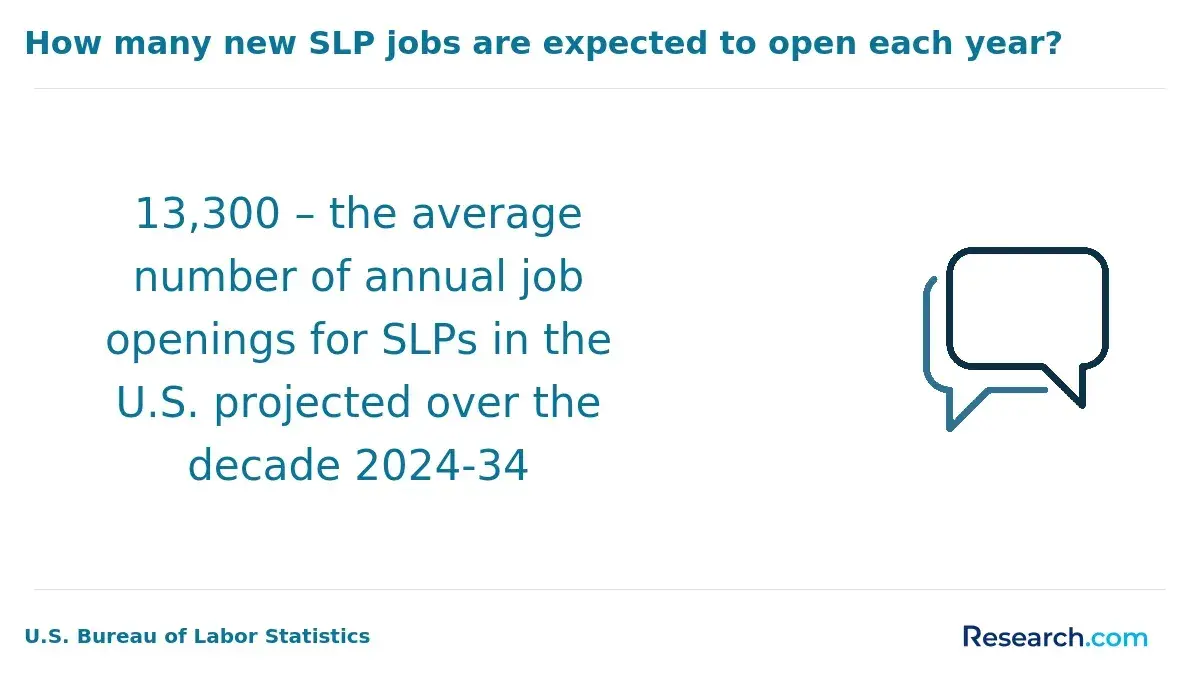
Choosing a speech-language pathology graduate program is no longer only a question of campus versus online. Many prospective SLPs need a program that can fit around work, caregiving, relocation limits, or prerequisite gaps without delaying their path to clinical practice. That matters because demand for SLPs continues to rise, with employment projected to grow 19% this decade.
Self-paced online SLP programs can make graduate study more manageable, but they are not shortcuts. Students still need a CAA-accredited pathway, approved clinical training, supervised practicum hours, and preparation for certification and state licensure. The real question is whether the flexibility of self-paced coursework outweighs the added responsibility of managing deadlines, placements, technology, and independent learning.
This guide explains how self-paced online SLP programs work, how they compare with traditional degrees, what to check before applying, and where the format helps or hurts students preparing for speech-language pathology careers.
Key Benefits of Self-Paced Online SLP Programs
- Qualify for roles such as school-based SLP, medical SLP, early-intervention specialist, or private practice clinician.
- Earn a competitive median annual salary of about $97,870 as a licensed speech-language pathologist.
- Study on a flexible schedule that accelerates graduation and reduces lifestyle disruption compared to traditional on-campus programs.
What is a self-paced online SLP program and how does it differ from traditional SLP degrees?
A self-paced online SLP program is a graduate speech-language pathology program that lets students complete much of the academic coursework on a flexible schedule. Instead of attending every lecture at a fixed time, students usually move through recorded lectures, readings, quizzes, assignments, and discussion activities within broader course deadlines.
The degree should not be academically lighter than a campus-based program. Students still study core SLP subjects such as language development, speech sound disorders, fluency, voice, augmentative and alternative communication, assessment, intervention planning, ethics, research methods, and clinical practice. The curriculum must still support the competencies required for certification and licensure pathways.
Where the format is different
- Course delivery: Traditional programs often rely on scheduled class meetings, while self-paced programs use asynchronous modules that students complete on their own timeline.
- Student responsibility: Self-paced learners need stronger time management because fewer live class meetings can mean fewer external reminders.
- Program rhythm: Some students can move faster through academic modules, while others may slow down during demanding work or family periods.
- Clinical training: Practicum experiences are not fully self-paced. Clinical placements must be scheduled, supervised, documented, and approved by the program.
The most important distinction is that “self-paced” usually applies to didactic coursework, not to the entire degree. Supervised clinical hours, competency evaluations, placement availability, and state requirements still create fixed points in the program. For students who are organized and cannot attend regularly scheduled classes, the format can provide flexibility without removing the professional standards expected of future SLPs.
Are self-paced online SLP programs accredited by ASHA or CAA?
Self-paced online SLP programs can be accredited, but students must verify accreditation carefully before applying. In the United States, graduate programs in speech-language pathology are accredited by the Council on Academic Accreditation in Audiology and Speech-Language Pathology (CAA), which is affiliated with ASHA. The delivery format—online, hybrid, campus-based, or self-paced—is less important than whether the graduate program itself holds appropriate CAA accreditation.
This matters because CAA accreditation is commonly tied to eligibility for the CCC-SLP credential, ASHA membership, state licensure pathways, and employment in many schools, hospitals, clinics, and healthcare organizations. A program can advertise online flexibility and still fail to meet the accreditation standard a student needs.
How to verify accreditation before enrolling
- Search the official ASHA directory of CAA-accredited programs.
- Confirm that the specific SLP graduate program is accredited, not just the university as a whole.
- Check whether the program is fully accredited, a candidate for accreditation, or operating under another status.
- Ask the department how online and self-paced students complete clinical requirements.
- Confirm that the program supports licensure requirements in the state where you plan to practice.
Reputable online speech pathology master’s programs generally follow the same academic and clinical standards as campus programs. The risk is not the online format itself; the risk is enrolling before confirming CAA status, clinical placement policies, and licensure alignment.
Are self-paced SLP programs cheaper than traditional SLP master’s degrees?
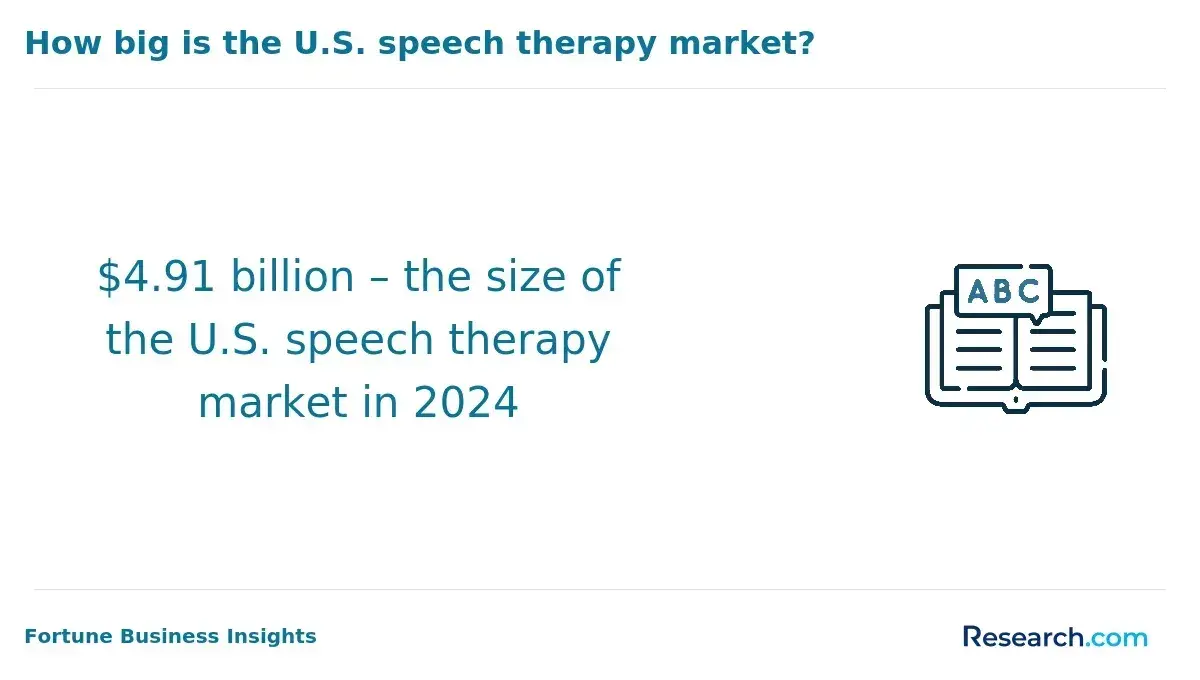
Self-paced SLP programs may cost less overall, but they are not automatically cheaper. Tuition for both online and traditional formats typically ranges from $30,000 to $75,000, depending on the school, residency status, program length, and required fees. The biggest financial difference is often not tuition; it is the cost of attending.
Students in self-paced online programs may avoid or reduce several indirect expenses, especially if they do not need to relocate or stop working. That can make the program more financially realistic even when the published tuition is similar to an on-campus option.
Costs that may be lower in a self-paced format
- Relocation, campus housing, or higher local living costs
- Commuting, parking, and daily meal expenses
- Lost wages from leaving a job or reducing work hours
- Some campus-based student fees, depending on the university
Costs students should still check
- Online learning or technology fees
- Clinical placement, lab, or simulation fees
- Textbooks, assessment materials, and software
- Travel to approved practicum sites or required campus intensives
- Background checks, immunizations, liability insurance, and other clinical compliance costs
Some universities charge premium tuition for flexible online formats, so students should compare the total cost of attendance rather than tuition alone. A self-paced program is usually most cost-effective for students who can keep earning income, stay in their current home, and complete clinical placements without expensive travel.
How do clinical placements work in self-paced SLP programs?
Clinical placements in self-paced SLP programs follow the same professional expectations as traditional SLP programs. Students must complete at least 400 supervised clinical hours (375 direct + 25 observation), and those experiences must help them build competence across populations, communication disorders, assessment, intervention, documentation, and professional conduct.
Coursework may be flexible, but clinical training is structured. The program must approve placements, ensure supervision by qualified professionals, document student progress, and evaluate whether the student is meeting required competencies. Common placement settings include schools, hospitals, outpatient clinics, private practices, skilled nursing facilities, early intervention programs, and telepractice environments.
What students should expect
- Supervision by an ASHA-certified SLP (CCC-SLP)
- Scheduled practicum blocks rather than fully open-ended clinical hours
- Skill evaluations tied to clinical competencies
- Experience with different age groups, diagnoses, and service settings
- Documentation requirements for hours, feedback, and performance
Some programs help students find local placements, while others expect students to identify potential sites that the university then approves. That distinction is important. Before enrolling, ask who is responsible for securing placements, what happens if no local site is available, whether telepractice hours are permitted, and whether evening or weekend options exist for working students.
The main limitation of a self-paced SLP program is often clinical scheduling. A student may finish online modules quickly but still need to wait for an approved practicum site, supervisor availability, or a required rotation sequence.
Are self-paced online SLP programs easier to get into?
Self-paced online SLP programs are not necessarily easier to get into. Accredited SLP graduate programs must maintain academic and clinical standards, so applicants should still expect requirements such as prerequisite coursework, transcripts, letters of recommendation, a statement of purpose, GPA expectations, and sometimes GRE scores.
What may differ is the admissions model. Some self-paced or online programs use rolling admissions, multiple start dates, or larger online cohorts. That can make the application process feel more accessible than a traditional program with one annual start date and a small campus cohort. However, a flexible calendar does not mean reduced academic rigor.
Factors that may affect admission competitiveness
- The number of available clinical placements the program can support
- Whether the program admits students once per year or throughout the year
- How many applicants already have communication sciences and disorders prerequisites
- Whether GRE scores are required, optional, or waived
- The applicant’s GPA, clinical exposure, recommendation strength, and career fit
Applicants seeking more accessible options sometimes compare online speech-language pathology programs with less competitive admissions profiles. Even then, students should not choose a program only because it appears easier to enter. Accreditation, clinical support, licensure alignment, graduation outcomes, and total cost matter more than convenience at the application stage.
The better way to think about self-paced admissions is this: getting accepted may or may not be easier, but managing the program after enrollment requires discipline, independence, and consistent progress.
What are the biggest advantages of a self-paced online SLP master’s program?
The biggest advantage of a self-paced online SLP master’s program is control over when academic work gets done. That flexibility can be valuable for working professionals, parents, military spouses, caregivers, and career changers who cannot relocate or attend classes at set times.
For the right student, flexibility is not just a convenience. It can determine whether graduate school is possible at all. Students may be able to keep their job, maintain family responsibilities, avoid relocation, and complete lectures or assignments during the hours when they are most productive.
Key advantages
- Schedule flexibility: Students can often complete lectures, readings, and assignments around work or family obligations.
- Geographic flexibility: Many students can remain in their current communities while completing academic coursework online.
- Potential income stability: Continuing to work full- or part-time can reduce financial pressure during graduate school.
- Individual pacing: Students who learn quickly may move through some material faster, while others can spend more time on challenging topics.
- Technology readiness: Online coursework can build comfort with digital tools, documentation systems, and remote communication.
Some students may also pursue an accelerated SLP master’s program if the university allows faster movement through coursework. Still, acceleration has limits because clinical hours, supervisor availability, and competency evaluations cannot be skipped.
When the format works best
Self-paced programs are usually strongest for students who are self-directed, comfortable asking for help early, able to create weekly study routines, and realistic about clinical scheduling. They may be less ideal for students who need frequent live instruction, in-person peer accountability, or a highly structured classroom environment.
Which learning platforms do self-paced SLP programs use for coursework and labs?
Self-paced SLP programs typically use a learning management system to organize coursework, deadlines, faculty communication, assessments, and learning materials. Common platforms include Canvas, Blackboard, Moodle, and D2L. These systems allow students to access recorded lectures, submit assignments, take quizzes, participate in discussion boards, and receive instructor feedback.
Because SLP training also requires applied clinical skill development, programs may use additional tools beyond the standard LMS. These can include Simucase, Master Clinician Network, virtual anatomy resources, phonetics practice tools, video-based case reviews, and digital documentation exercises.
Common online learning components
- Recorded lectures, slides, readings, and module checklists
- Discussion boards or peer response activities
- Video demonstrations of assessment and treatment techniques
- Virtual simulations and case-based decision-making exercises
- Practice with documentation, SOAP notes, and treatment planning
- Messaging tools, announcements, rubrics, and instructor feedback
Students should look beyond the brand name of the platform and ask how the technology is used. A strong online SLP program should provide clear weekly expectations, reliable faculty access, meaningful clinical simulations, technical support, and a smooth transition from online coursework to supervised practicum experiences.
How long does it take to finish a self-paced online SLP program?
Most students finish a self-paced online SLP program in 2 to 3 years, which is similar to many traditional SLP master’s programs. The exact timeline depends on course load, prerequisite status, academic pacing, clinical placement availability, and whether the student attends full-time or part-time.
Self-paced coursework may let a student complete academic modules more efficiently, but the full degree cannot be reduced to online class speed alone. Practicum hours, competency checks, supervisor schedules, site approvals, and state licensure requirements all affect progress. A student may move quickly through lectures and still need time to complete required clinical experiences.
What can shorten the timeline
- Entering with all required prerequisites completed
- Taking a full-time course load
- Staying consistently ahead on asynchronous coursework
- Securing approved clinical placements without delays
- Choosing an accelerated online SLP master’s program when appropriate
What can extend the timeline
- Part-time enrollment
- Prerequisite or leveling courses
- Limited local practicum sites
- Work, family, or health-related pauses
- Required clinical rotations that must occur in a specific sequence
Before enrolling, students should ask for a sample degree plan for both full-time and part-time pacing. They should also ask whether the school has firm maximum completion limits, required campus visits, or clinical windows that could affect graduation timing.
Do employers respect self-paced online SLP programs?
Employers generally respect self-paced online SLP programs when the degree comes from a CAA-accredited program and the graduate has completed the clinical training needed for certification and licensure. In hiring, the most important factors are usually eligibility for the role, clinical competence, communication skills, professionalism, population experience, and fit with the setting.
Most employers are less concerned with whether coursework was completed online or on campus than with whether the candidate can assess clients, plan evidence-informed treatment, document accurately, collaborate with teams, and meet ethical and legal standards. A graduate who holds the CCC-SLP or is on the pathway toward it will typically be evaluated by the same professional criteria as other candidates.
Graduates from accredited online speech pathology master’s programs should be prepared to explain their clinical experiences clearly during interviews. Employers may ask about practicum settings, age groups served, disorder areas, assessment tools used, telepractice exposure, and supervision. Strong placement experiences and confident discussion of clinical decision-making can matter more than the program format.
How to strengthen employer confidence
- Choose a CAA-accredited program with transparent clinical support.
- Seek varied practicum experiences across settings and populations.
- Track clinical competencies, tools used, and treatment approaches during training.
- Build references from supervisors who can speak to your readiness.
- Prepare to discuss why the self-paced format helped you develop independence and accountability.
Do self-paced online SLP programs prepare students for telepractice?
Self-paced online SLP programs can prepare students well for telepractice, especially when they include virtual simulations, digital casework, telehealth tools, and supervised remote service experiences where available. Students in online programs already practice communicating through digital platforms, managing remote deadlines, troubleshooting technology, and building professional presence on screen.
Telepractice preparation should still be evaluated program by program. A strong program should address privacy, documentation, client engagement, caregiver coaching, digital materials, accessibility, and professional boundaries. Students should also understand that telepractice rules may vary by state, employer, client population, payer, and service setting.
Interest in remote and hybrid SLP roles has grown alongside broader attention to speech-language pathology salary potential across settings. However, students should not assume telepractice is automatically easier or higher-paying. Remote service delivery requires strong clinical judgment, clear communication, technology fluency, and careful compliance with privacy and licensure requirements.
Telepractice skills students should look for in a program
- Use of HIPAA-compliant platforms and secure documentation practices
- Training in adapting assessments and interventions for remote delivery
- Strategies for engaging children, adults, families, and caregivers online
- Experience with digital therapy materials and data collection tools
- Guidance on state rules, consent, privacy, and professional ethics
For students who want future flexibility in schools, clinics, private practice, or remote service roles, a self-paced online program can be a useful foundation. The best preparation comes from combining online coursework with supervised clinical experiences that show how telepractice works in real client care.
Other Things You Should Know About Self-Paced Online SLP Programs
Students may face challenges such as maintaining self-discipline without regular class schedules, potential isolation without peer interaction, and difficulty accessing hands-on clinical experiences essential for skill development in speech-language pathology.
References
- U.S. Bureau of Labor Statistics - Speech-Language Pathologists https://www.bls.gov/ooh/healthcare/speech-language-pathologists.htm
- ASHA EdFind - Accredited Speech-Language Pathology Programs https://find.asha.org/ed/
- Audiology and Speech-Language Pathology Interstate Compact https://aslpcompact.com/compact-map/
- Delaware Valley University - Master of Science in Speech-Language Pathology (M.S.) https://delval.edu/programs/graduate-programs/speech-language-pathology
- University of North Carolina at Greensboro - Speech-Language Pathology, M.A. (Online) https://csd.uncg.edu/graduate/masters-of-arts-online/
- California State University-San Marcos - Online MS in Speech-Language Pathology https://www.csusm.edu/slp/programs/mastersonline/index.html
- West Virginia University - Speech-Language Pathology, M.S. - Online https://medicine.hsc.wvu.edu/communications-sciences-and-disorders/speech-language-pathology-ms/future-students/curriculum/online-slp-program/
- Abilene Christian University - Master of Science in Speech-Language Pathology (Online) https://acu.edu/academics/graduate/master-of-science-in-speech-language-pathology/