
2027 Cheapest Online Theology Master's Degrees That Pay Well: Tuition, Duration, and Earnings

Co-Founder and Chief Data Scientist
Choosing an online theology master’s degree is usually a three-part decision: Can you afford it, can you finish it on a realistic schedule, and will it support the ministry, education, counseling, nonprofit, or leadership role you want? The cheapest program is not always the best value if it lacks academic quality, useful specialization options, or the flexibility working adults need.
This guide explains how to compare low-cost online theology master’s programs by tuition, fees, completion time, credit requirements, financial aid, and career outcomes. It is designed for students who want a practical, budget-conscious path into advanced theological study without taking on unnecessary debt or delaying career progress longer than needed.
Key Things to Know About the Cheapest Online Theology Master's Degrees That Pay Well
- Tuition for affordable online Theology master's programs can be under $10,000, making graduate education accessible without excessive debt.
- Many programs offer accelerated durations of 12 to 18 months, allowing quicker entry or advancement in ministry and counseling careers.
- Graduates often see median earnings around $50,000 annually, benefiting from stable roles in education, clergy, and nonprofit sectors.
How Much Does an Online Theology Master's Degree Cost?
An online theology master’s degree can vary widely in price, so students should compare programs by total cost rather than tuition alone. Average tuition rates for online master’s programs generally range between $10,000 and $30,000 annually, with the final amount depending on the school type, residency rules, credit load, and required fees.
Public universities often offer the lowest published rates, especially for in-state students. In-state online learners might pay around $12,000 per year, while out-of-state students can face approximately double that amount. Private universities usually charge a flat tuition rate regardless of residency, frequently between $20,000 and $30,000 annually.
The lowest-cost option is often an in-state public program, but price should not be the only factor. Students should also review accreditation, faculty background, theological tradition, course delivery format, student support, and whether the curriculum aligns with their intended career path. A program that costs less but takes longer to complete or does not meet employer or denominational expectations may not be the best financial choice.
Students comparing graduate options should also pay attention to pacing. Accelerated study can reduce time away from career advancement, but it may require a heavier weekly workload. Those exploring faster academic routes in other fields may also want to review 1 year PhD programs online for context on how accelerated online programs are structured.
What Fees Are Included in the Total Cost of an Online Theology Master's Program?
The total cost of an online theology master’s program usually includes more than tuition. Fees can add a meaningful amount to the final bill, especially if they are charged every term or per credit. When comparing schools, ask for a full cost estimate based on your expected enrollment pace.
- Registration fees: These are commonly charged each term or semester and cover enrollment processing, student records, and administrative services.
- Technology fees: Online programs often charge technology fees to support learning platforms, software access, digital library systems, and remote student services.
- Course materials or lab fees: Theology courses may require textbooks, digital resources, language tools, ministry practice materials, or specialized online content. Some programs include these costs in tuition, while others charge separately.
- Graduation fees: These fees may cover degree processing, diploma preparation, transcripts, or commencement-related expenses.
Before enrolling, request a written breakdown of tuition, mandatory fees, optional fees, books, residency or intensive requirements, and graduation costs. Also ask whether tuition is locked for the program or can increase while you are enrolled. Students considering shorter credentials before graduate study may also compare alternatives such as a fast track associates degree online, depending on their academic starting point and career goals.
How Long Does It Take to Complete an Online Theology Master's Degree?
The average time to complete online graduate programs hovers around 2.5 years, but theology master’s programs can be shorter or longer depending on enrollment pace, credit requirements, transfer policy, and whether the school offers accelerated terms. Students should evaluate program length alongside weekly workload, not just the advertised completion timeline.
- Full-time versus part-time enrollment: Full-time study usually shortens the calendar time to graduation but requires more weekly reading, writing, discussion, and research. Part-time study is often more realistic for working adults, parents, and ministry professionals, but it extends the total timeline.
- Accelerated programs: Some schools use condensed courses, year-round calendars, or back-to-back terms to help students finish faster. These programs can be efficient, but they require consistent time management and may leave less room for breaks.
- Course scheduling and availability: Required courses, biblical language sequences, practicums, or capstone courses may only be offered in specific terms. If you miss a course rotation, graduation can be delayed.
- Student motivation and pace: Online theology study requires steady reading and reflection. Students who plan weekly study blocks and avoid course withdrawals are more likely to finish on schedule.
When discussing completion time with a graduate of an online theology master’s degree, he shared that unexpected life events were one of the hardest parts of staying on track. “At times, balancing family, work, and study felt overwhelming, but setting small, achievable goals helped me stay on track.” He added that online flexibility made it possible to adjust his study schedule during demanding seasons without leaving the program.
Credit requirements determine both program length and total cost. A lower-credit program can be less expensive and faster to finish, but students should confirm that it still provides the preparation needed for their professional goals, denominational requirements, or future doctoral study.
- Program specialization: Concentrations such as pastoral counseling, biblical languages, church history, apologetics, ministry leadership, or ethics may require additional coursework beyond a general theology curriculum.
- Core versus elective courses: Some programs require a tightly structured core, while others allow more electives. A flexible curriculum can help students tailor the degree, but it may still require careful planning to avoid extra credits.
- Capstone or thesis requirements: A thesis, capstone, research project, practicum, or internship may count for multiple credits. These experiences can strengthen professional preparation, but they may also affect timeline and cost.
- Institutional policies: Schools differ in transfer credit rules, credit-hour standards, prerequisite expectations, and maximum course loads. These policies can change how quickly students finish even when two programs appear similar on paper.
Students comparing typical credit requirements for theology master’s programs online should start with their intended outcome: ministry leadership, teaching, chaplaincy, doctoral preparation, nonprofit work, or personal theological formation. Those comparing degree value across fields may also review top paying degrees to understand how credit load and earning potential can influence educational return on investment.
Accelerated online theology master’s programs do not automatically cost more. In many cases, the total tuition depends on the number of required credits rather than the calendar length of the program. If an accelerated and traditional track require the same credits at the same per-credit rate, tuition may be similar.
However, accelerated programs can affect the total cost in other ways:
- Credit-hour pricing: If tuition is charged per credit, the total tuition depends primarily on the required credits. A faster schedule does not necessarily mean a higher tuition bill.
- Program duration: Finishing sooner may reduce repeated term-based fees and may allow graduates to pursue advancement earlier.
- Type of institution: The difference between public and private tuition often matters more than whether the program is accelerated.
- Support services: Some accelerated programs include intensive advising, cohort support, or additional student services that can increase fees.
- Financial aid availability: Aid rules can vary by enrollment intensity and term structure. Students should ask how scholarships, loans, employer benefits, and satisfactory academic progress policies apply to accelerated pacing.
The main trade-off is workload. Accelerated study can be financially efficient, but it may be difficult for students with unpredictable work schedules, caregiving responsibilities, or ministry obligations. Before choosing a fast track, review sample syllabi, weekly time expectations, course sequence, and withdrawal policies.
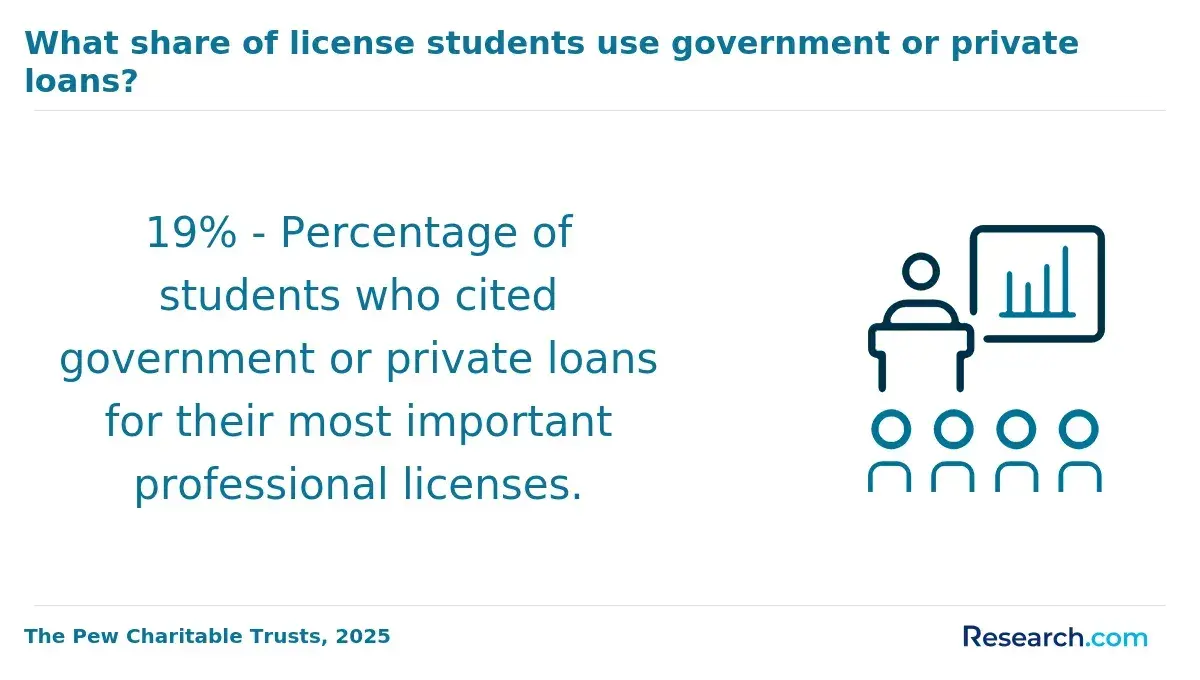
Financial aid can make an online theology master’s degree more affordable, but students should focus on net cost after aid rather than the advertised tuition rate. Recent studies show nearly 85% of graduate students rely on some form of financial assistance to manage costs, which makes early planning important.
- Federal loans and grants: Eligible graduate students can complete the FAFSA to be considered for federal student aid, commonly including Direct Unsubsidized Loans and, when applicable, other federal loan options. Federal Pell Grants are generally associated with undergraduate study, so master’s students should not assume grant eligibility without confirming with the school’s financial aid office.
- Scholarships: Seminaries, universities, denominations, foundations, and faith-based organizations may offer scholarships for theology students based on academic merit, ministry service, financial need, or vocational goals. Scholarships are especially valuable because they do not require repayment.
- Employer tuition assistance: Churches, schools, nonprofits, hospitals, and other employers may provide tuition reimbursement or professional development funding. Students should ask about eligibility rules, grade requirements, repayment obligations, and annual limits.
- Private loans: Private loans may help cover remaining costs after federal aid and scholarships, but they often have less flexible repayment terms. Borrow only after comparing interest rates, repayment protections, and total repayment cost.
A professional with an online theology master’s degree said the financial aid process felt overwhelming at first, but became manageable once she separated it into steps. “Applying for scholarships and employer assistance took time, but seeing the reduction in my tuition made it all worthwhile,” she said. Her advice was to start early, track deadlines, and apply for multiple forms of aid rather than relying on one source.
Earnings with an online theology master’s degree vary because graduates enter different fields, including ministry, education, chaplaincy, nonprofit leadership, counseling-adjacent roles, publishing, and ethics-focused work. Salary should be evaluated by role, employer type, location, experience, and required credentials rather than by degree title alone.
A theology master’s degree may improve access to leadership roles or specialized positions, but it does not guarantee a specific salary. Some ministry and nonprofit roles are mission-driven and may offer modest pay, while institutional leadership, higher education, healthcare chaplaincy, and consulting roles may provide stronger earning potential depending on experience and employer resources.
Recent data shows mid-career professionals often see earnings rise significantly beyond entry-level salaries, reflecting the value of experience, leadership responsibility, and specialized expertise. Students should compare expected earnings with tuition, fees, loan repayment, and the time required to complete the degree.
For a realistic financial plan, identify three target jobs before enrolling and research whether employers prefer or require a theology master’s degree, ordination, clinical pastoral education, teaching experience, or additional credentials. Students comparing affordable graduate programs in related leadership fields may also review online educational leadership programs.
The highest-paying paths for online theology master’s graduates usually combine theological training with leadership, teaching, counseling, administration, or specialized ethical expertise. Pay can vary significantly by organization size, region, experience, and required credentials.
- Clergy leaders and pastors: Senior pastors, executive pastors, and clergy leaders in larger congregations or denominational roles may earn more than entry-level ministry workers because they oversee staff, budgets, teaching, pastoral care, and community strategy.
- University professors of theology: Teaching at colleges, seminaries, or theological schools can provide stable professional work, especially for those who also publish, conduct research, or pursue further graduate study. Some teaching roles may require more than a master’s degree.
- Religious counselors and chaplains: Chaplains in hospitals, hospice settings, the military, correctional institutions, or corporate environments provide spiritual care in structured professional settings. Some roles require additional supervised training or certification.
- Nonprofit executive directors: Faith-based and religious nonprofit leaders manage programs, fundraising, staff, community partnerships, and mission strategy. Leadership experience is often as important as theological training.
- Ethicists and consultants: Theology graduates with strong ethics preparation may advise organizations on bioethics, business ethics, religious literacy, or social responsibility. This path often rewards specialization and professional reputation.
Students should not choose a theology program based on salary alone. The best financial outcomes typically come from matching the degree with a clear role, relevant experience, and any required credentials. Those comparing other counseling-oriented or accelerated pathways may find it useful to review LMFT programs for contrast.
Online theology master’s graduates work in more settings than churches and seminaries. The degree develops ethical reasoning, biblical and theological interpretation, communication, cultural understanding, and leadership skills that can apply across service-oriented industries. Employment in community and social service occupations, which often include theology-related roles, is projected to grow by 10% from 2022 to 2032 according to the U.S. Bureau of Labor Statistics.
- Religious organizations: Churches, denominations, ministries, and mission organizations hire graduates for pastoral leadership, teaching, discipleship, spiritual formation, outreach, and administration.
- Nonprofit and social services: Faith-based and community organizations value theology-trained professionals for advocacy, program management, volunteer coordination, social justice initiatives, and ethical leadership.
- Education: Colleges, seminaries, private schools, and religious education programs may hire graduates for teaching, curriculum development, academic support, or research-related work.
- Healthcare: Hospitals, hospice organizations, and care facilities employ chaplains and spiritual care providers to support patients, families, and staff during illness, grief, and crisis.
- Publishing and media: Faith-based publishers, digital media organizations, and educational platforms may use theology graduates for writing, editing, content strategy, curriculum review, and religious analysis.
Because hiring expectations differ by industry, students should confirm whether their target role requires ordination, certification, supervised clinical training, teaching credentials, or additional graduate study.
An online theology master’s degree can be a smart financial investment when the program is affordable, the student has a clear career goal, and the credential supports advancement into roles that require or value graduate theological training. It is less likely to pay off quickly if a student borrows heavily without a defined professional plan.
Tuition for these programs is often lower than many other graduate degrees, particularly for online options, and programs usually last between one and three years. That shorter timeline can help students continue working while enrolled and move toward leadership, teaching, chaplaincy, or nonprofit roles without spending many years out of the workforce.
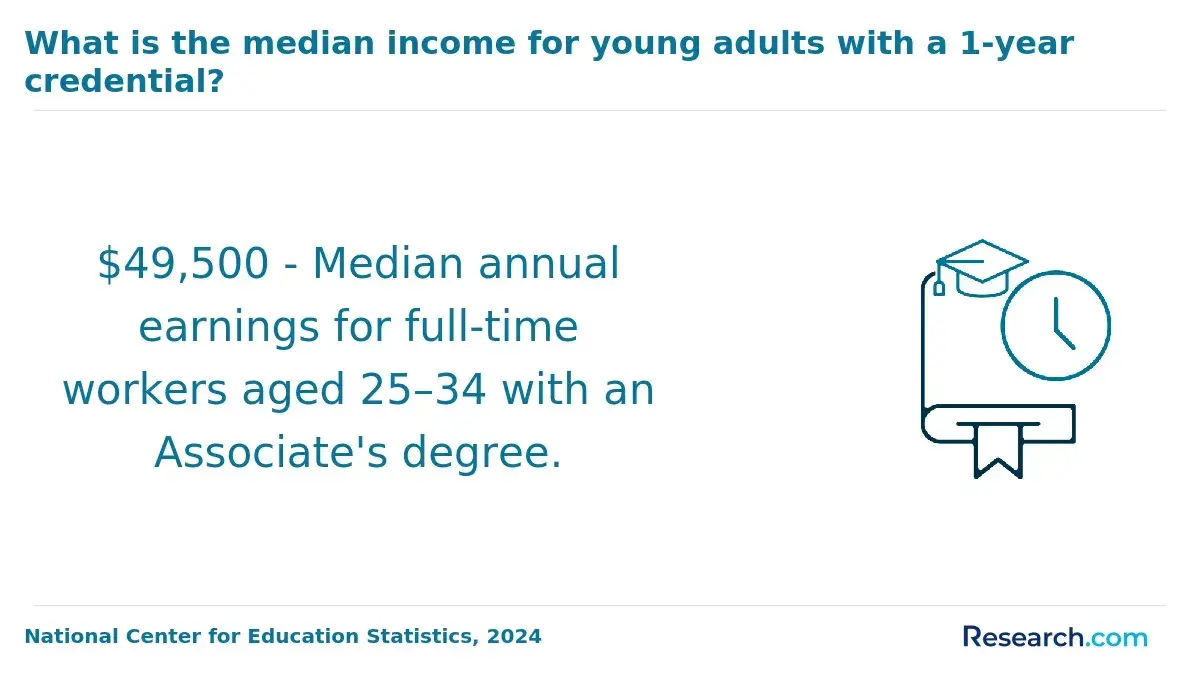
However, median starting salaries for theology-related fields are generally modest, with recent data showing average annual earnings around $45,000 for graduates in religious studies disciplines. Students should calculate whether expected earnings can comfortably support any loan repayment after graduation.
The return on investment improves when the degree leads to promotion, paid ministry leadership, institutional chaplaincy, teaching opportunities, nonprofit management, or specialized ethics work. The degree also offers long-term value through transferable skills such as critical thinking, ethical analysis, communication, research, and cross-cultural understanding. For students called to ministry, religious education, or mission-driven leadership, the right low-cost online program can provide both professional and personal value.
What Graduates Say About Their Cheapest Online Theology Master's Degrees That Pay Well
- Nesha: "Choosing an affordable online theology master’s program helped me keep working while earning the degree. The flexibility mattered as much as the tuition because I could study around family and ministry commitments. After graduating, I was able to move into a stronger role, and the degree made a real difference in my financial stability."
- Mia: "The program’s length was manageable, and the tuition was clear from the beginning. I did not feel rushed, but I also did not have to put my career on hold for too long. The degree helped me qualify for ministry leadership opportunities that increased both my responsibility and income potential."
- Samael: "For me, the value came from being able to study online while keeping my full-time job. The cost required planning, but the schedule made it possible. Since finishing the program, I have gained career options that made the investment worthwhile."
Other Things You Should Know About Theology Degrees
The minimum time commitment for completing an online theology master's degree in 2027 is typically two years of full-time study. Programs often require around 36–48 credit hours, depending on the institution. Exact completion times can vary based on course load and scheduling.
Admission prerequisites for online theology master's programs in 2027 often include a bachelor's degree in theology or a related field, letters of recommendation, and a statement of purpose. Some programs may also request GRE scores or prior ministry experience, enhancing your application.
- Tuition and Fees | Catholic Graduate School | Augustine Institute https://www.augustineinstitute.org/graduate-school/tuition
- Master of Arts (Theology, Justice, and Public Life) https://ptsem.edu/academics/programs-courses/ma-in-theology-justice-public-life/
- Master of Theology - Dallas Theological Seminary https://www.dts.edu/academics/degrees-programs/master-of-theology/
- master theology online https://www.domuni.eu/en/master-theology-online
- M.A. in Theological Studies Tuition and Fees https://www.ccu.edu/ccu/theology/masters/tuition/
- Top Affordable Online MDiv Programs https://www.bestcollegesonline.org/most-affordable/online-mdiv-programs/
- Top 50 Low-Cost Online Master's Degrees in Theology https://www.greatvaluecolleges.net/affordable/theology-masters-online/
- Fully Funded Master's Programs in Religion and Theology | ProFellow https://www.profellow.com/fellowships/fully-funded-ma-mth-and-mdiv-programs-in-religion-and-theology/
- Best Master’s in Theology Online Programs: 2025 Edition https://www.onlinemastersdegrees.org/best-programs/religious-studies/theology/
- 12 Amazing Careers that Become Possible by Earning a Master's in Theology https://www.saintleo.edu/about/stories/blog/12-amazing-careers-that-become-possible-by-earning-a-masters-in-theology


