2027 Shortest Online Theology Degree Master's Programs That Pay Well: Cost, Time to Completion, and Salary Outlook

Co-Founder and Chief Data Scientist
Choosing an online theology master’s program is often a timing decision as much as an academic one. Many students considering graduate theological study are already serving in ministry, teaching, nonprofit work, chaplaincy, or faith-based leadership. A shorter program can help them earn a credential sooner, reduce time away from full-time responsibilities, and limit total education costs.
The shortest online theology master’s programs are typically designed for focused, motivated students who can handle compressed terms, heavier reading loads, and fewer breaks. According to recent data, accelerated online Theology master's programs reduce completion time by up to 40%, making them appealing for students who need a faster path without giving up graduate-level rigor. Some programs can be completed in as little as 12 months, while others take 18 months depending on credits, transfer policies, course sequencing, and capstone requirements.
This guide explains how the fastest online theology master’s degrees are structured, what they usually cost, whether they charge out-of-state tuition, what fees to watch for, and how financial aid may apply. It also looks at career paths and salary considerations so prospective students can evaluate whether a short program fits their ministry goals, career plans, schedule, and budget.
Key Benefits of the Shortest Online Theology Degree Master's Programs That Pay Well
- Accelerated online theology master's programs often allow completion within 12 to 18 months, significantly faster than traditional timelines, enabling quicker entry into advanced ministry or academic roles.
- Cost efficiency is notable, with many short-term programs offering lower tuition and fewer fees due to reduced credit requirements and condensed schedules.
- Graduates from these programs report increased earning potential, with median salaries rising by 15% in ministry, counseling, and nonprofit leadership within two years post-completion.
What Are the Shortest Online Theology Master's Programs Available Today?
The shortest online theology master’s programs are usually accelerated versions of established graduate degrees. They compress coursework into year-round terms, reduce long breaks between sessions, and often use asynchronous online classes so students can complete weekly work around ministry, employment, and family obligations.
Some of the fastest programs can be completed in as little as 12 months, compared with the traditional 18 to 24 months. However, speed depends on more than the advertised timeline. Students should check whether the program requires full-time enrollment, summer study, synchronous meetings, fieldwork, intensives, a thesis, or a capstone project.
- Master of Arts (MA) in Theology: Often one of the most efficient options for students who want broad theological training. These programs are commonly completed within 12 to 15 months when students enroll year-round and follow a prescribed course sequence.
- Master of Divinity (MDiv): The MDiv is usually a longer professional ministry degree, but some online formats shorten completion time to about 18 months by concentrating on core practical and theological topics. Students considering ordination should verify that the shorter format satisfies denominational requirements.
- Master of Theological Studies (MTS): Often designed for academic, teaching, or ministry-support roles, the MTS can commonly be completed in 12 to 18 months. It may be a strong fit for students who want rigorous theological study without the full professional ministry scope of an MDiv.
- Master of Religious Studies (MRS): These programs may take approximately 15 months and often take an interdisciplinary approach, combining theology, religious history, ethics, and cultural study.
How to compare fast theology master’s programs
A shorter timeline is useful only if the program still supports the student’s goal. Before enrolling, compare programs by accreditation, faculty expertise, course availability, theological tradition, online format, transfer credit policy, fieldwork expectations, and total cost. Students preparing for ordination, chaplaincy, teaching, or doctoral study should confirm that the degree type and curriculum are recognized by their intended employers, denomination, certifying body, or future graduate program.
Prospective students comparing theological study with other career-oriented academic paths may also find it useful to review broader guidance on the best degree to get for long-term professional goals.
How Many Credits Are Required for the Shortest Online Theology Master's Programs?
The shortest online theology master’s programs typically require between 30 and 36 credits. This credit range is one reason many accelerated programs can be completed in as little as 12 to 18 months, especially when courses are offered in compressed terms and students remain continuously enrolled.
Credit count matters because it affects tuition, weekly workload, financial aid eligibility, and time to graduation. A lower-credit program may be faster, but students should make sure it includes the theological foundation, practical training, and academic depth required for their intended career path.
- Total Credit Range: Most accelerated programs fall within 30 to 36 credits, which can make them more manageable for working adults than longer graduate degrees.
- Core Requirements: Required courses usually cover theology, biblical studies, ethics, church history, or related foundations. These courses help ensure that a short program is not merely fast, but academically coherent.
- Electives and Specialization: Electives allow students to shape the degree around ministry leadership, biblical interpretation, counseling, education, or ethics. In a short program, elective space may be limited, so students should choose carefully.
- Capstone Structure: A capstone project or thesis may replace several standard course credits. This can be valuable if the final project aligns with a student’s ministry setting, research interest, or professional goal.
- Credit Transfer and Prior Learning: Some schools accept transfer credits or prior learning assessments. These policies can reduce time to completion, but limits vary by institution and program.
Questions to ask about credits before applying
- Can transfer credits reduce the 30 to 36 credit requirement?
- Are courses available every term, or only once per year?
- Is the advertised timeline based on full-time enrollment?
- Does the program require a thesis, capstone, internship, practicum, or residency?
- Will the degree meet employer, denominational, or doctoral admission expectations?
Students exploring shorter academic pathways outside theology can also compare timelines with options such as an online associates degree, though graduate theological study has different admissions, workload, and credential expectations.
Are There Specializations Available in the Shortest Online Theology Master's Programs?
Yes, many accelerated online theology master’s programs offer specializations, but the selection is usually narrower than in longer programs. Because the fastest degrees are often completed in 12 to 18 months, schools may prioritize core theological coursework and offer only a small number of concentration tracks. About 60% of online master's degrees still provide at least one area of concentration.
Specializations can be valuable when they connect directly to a student’s career plan. A student preparing for church leadership may benefit from Christian leadership coursework, while someone interested in chaplaincy or congregational care may prefer pastoral counseling. Students who want doctoral study may need stronger research, language, or biblical studies preparation.
- Biblical Studies: Focuses on scripture interpretation, historical context, cultural background, and interpretive methods. This track may be useful for teaching, preaching, research, or further theological study.
- Christian Leadership: Emphasizes organizational leadership, ministry administration, congregational development, and practical decision-making in church or faith-based settings.
- Pastoral Counseling: Introduces spiritual care, pastoral guidance, grief support, and basic counseling approaches. Students should understand that this specialization does not automatically qualify graduates for clinical counseling licensure.
- Ethics: Examines moral reasoning, theological ethics, social issues, and ethical leadership. This may be helpful for nonprofit work, education, advocacy, or ministry leadership.
How to choose a specialization
Choose a specialization based on the role you want after graduation, not only on personal interest. In a condensed program, every elective matters. Review the course list, faculty background, field experience options, and final project requirements. If a program offers only one concentration, make sure it is strong enough to support your intended outcome.
A recent graduate described the trade-off clearly: “The program moved quickly, so I had to dive deeply into my chosen field right away.” The limited menu of specializations made the choice easier, but it also required early commitment. For students who know their direction, that focus can be an advantage. For students still exploring theology broadly, a slightly longer program with more electives may be a better fit.
What Is the Typical Curriculum Structure of the Shortest Theology Master's Programs?
The shortest theology master’s programs are built around a tight sequence of required courses, electives, and a final project. Many are designed for completion within 12 to 18 months and are divided into three to four terms. Each term may include around three to four courses, which can create a demanding weekly workload.
- Core Courses: Foundational subjects often include biblical studies, systematic theology, church history, and ethics. These courses provide the academic base for ministry, teaching, leadership, or further study.
- Electives: Electives may cover areas such as pastoral counseling, religious education, interfaith dialogue, leadership, or biblical interpretation. In a short program, electives should be chosen strategically because there may be few open slots.
- Capstone Project: Many programs end with a thesis, ministry project, or applied capstone. This final requirement allows students to connect theological learning to research, teaching, ministry practice, or organizational leadership.
- Term Sequencing: Accelerated programs often run consecutive terms with minimal breaks. This helps students finish faster but leaves less room to pause, retake a course, or reduce course load without delaying graduation.
What the workload can feel like
Students should expect substantial reading, writing, discussion participation, and theological reflection. Online delivery can make attendance more flexible, but it does not make the academic work lighter. A student working full time should confirm whether the program is realistically designed for working adults or whether the 12-month pace assumes near full-time study availability.
The strongest curriculum structure is not simply the shortest one. It is the one that matches the student’s purpose: ministry preparation, career advancement, academic development, nonprofit leadership, or personal theological formation.
What Is the Average Tuition Cost for the Shortest Online Theology Master's Programs?
Accelerated online master’s programs in theology generally range from $12,000 to $25,000 in total tuition. Recent data shows the average total tuition for fast-track online graduate programs hovers near $18,000. These programs may cost less overall than traditional two- to three-year options because students spend fewer terms enrolled, but the payment schedule can be more concentrated.
Students should compare total program cost, not just tuition per credit. A low per-credit rate may still be expensive if the program requires more credits, while a higher per-credit rate may be manageable if the degree is shorter and includes fewer added fees.
- Average Total Tuition: This is the estimated cost of all required credits. It is the most useful number for comparing programs because it reflects the full tuition investment needed to graduate.
- Tuition Per Term: Accelerated formats often place more courses into fewer terms. This can make each bill higher even if the total program cost is lower than a longer degree.
- Additional Program Fees: Technology fees, course materials, administrative fees, graduation fees, and other charges can raise the final cost beyond published tuition.
Cost factors to verify
- Is tuition charged per credit, per course, or per term?
- Does the program require continuous enrollment to keep the accelerated timeline?
- Are books, digital resources, or ministry assessment tools included?
- Are there required campus visits, residencies, or intensives?
- Will dropping to part-time status change tuition, aid, or graduation timing?
Students building a broader education budget may also compare costs with resources focused on the least expensive online bachelor's degree, while remembering that graduate theology programs follow different pricing and aid rules.
Do the Shortest Online Theology Master's Programs Charge Out-of-State Tuition?
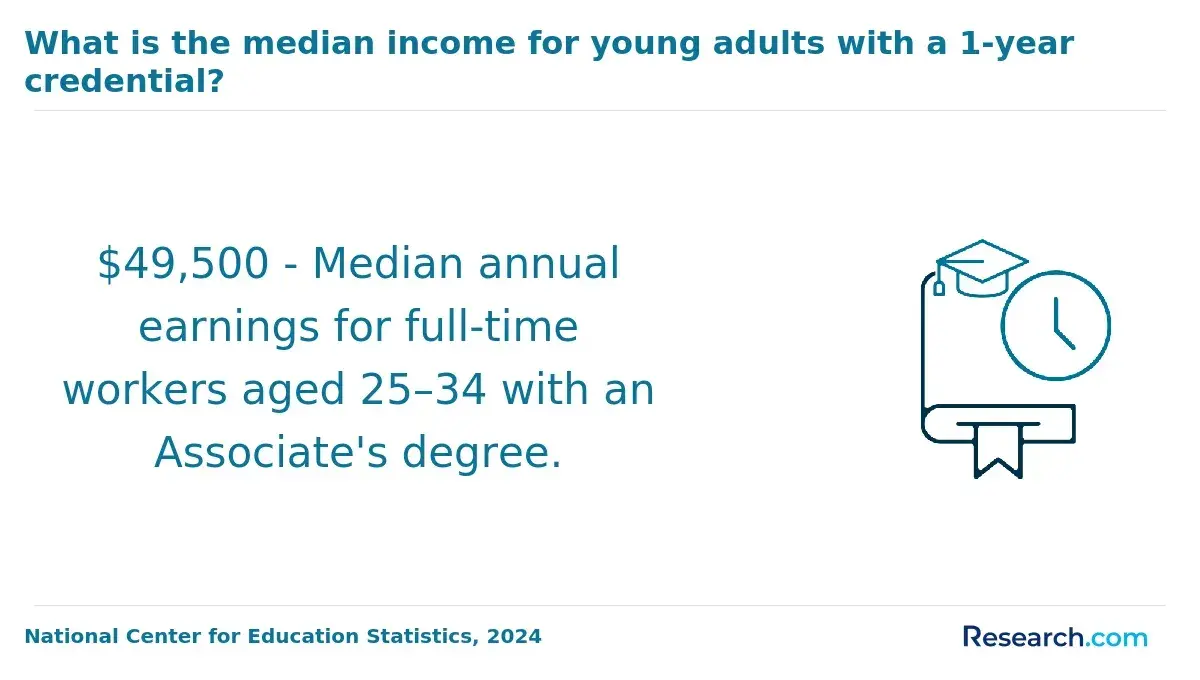
Many online theology master’s programs charge the same tuition regardless of where students live, but this is not universal. According to a 2023 report from the National Center for Education Statistics, nearly 60% of online graduate programs enforce tuition parity, charging the same tuition for in-state and out-of-state students.
Tuition parity can make online programs easier to compare because students do not have to calculate a separate nonresident rate. Still, public universities, hybrid programs, or programs with campus-based requirements may have residency-related cost differences.
- Tuition Parity: Many accelerated online theology programs use one tuition rate for all online students. This can simplify financial planning and make programs accessible to students outside the school’s home state.
- Residency Exceptions: Some public institutions may charge higher rates for non-residents. Students should confirm the online graduate tuition policy rather than relying on undergraduate or campus-based tuition pages.
- Program-Specific Fees: Technology fees, course materials, registration fees, and administrative fees may apply equally to all students regardless of residency.
- Additional Costs: Required residencies, intensives, retreats, or orientation sessions can create travel and lodging expenses. These costs may vary significantly based on a student’s location.
One graduate said the same-rate tuition policy made the decision easier because it removed uncertainty about being charged more as an out-of-state student. However, she still had to budget for mandatory on-campus intensives, including travel and lodging. Her experience highlights an important point: tuition parity can lower financial barriers, but it does not eliminate every location-based cost.
Before enrolling, ask the school for a complete cost sheet that includes tuition, fees, required materials, travel expectations, and payment deadlines. This is especially important in accelerated programs, where costs arrive over a shorter period.
What Additional Fees Are Associated With the Shortest Online Theology Master's Programs?
Tuition is the largest expense in most online theology master’s programs, but it is rarely the only cost. Accelerated students should pay close attention to added fees because a shorter timeline can concentrate expenses into fewer billing periods.
- Technology Fee: Covers online learning platforms, digital systems, software access, and technical support. This fee may be charged per course or per term.
- Application or Enrollment Fee: A one-time fee paid when applying or accepting admission. It is often non-refundable, so students applying to multiple schools should include it in their budget.
- Graduation Fee: Covers diploma processing, degree audit, and related administrative work. It is usually charged near the end of the program.
- Materials or Book Fees: Theology programs can require extensive reading. Some courses rely on physical books, academic texts, or specialized resources that are not included in tuition.
- Proctoring or Exam Fees: Some programs charge for monitored online exams or testing-center services to verify student identity and academic integrity.
Common overlooked costs
- Travel for required residencies, intensives, or campus visits
- Printing, software, library access, or digital subscriptions
- Transcript fees for admissions or transfer credit evaluation
- Late payment, course withdrawal, or re-enrollment fees
- Denominational, certification, or ministry assessment expenses outside the degree
These fees may seem modest individually, but together they can affect affordability and return on investment. Students should request the full estimated cost of attendance and compare it with the published tuition figure.
Those comparing graduate affordability across fields may also review resources on lower-cost professional doctorates, such as online EdD programs, to understand how fees and tuition structures vary across online graduate education.
What Financial Aid Options Are Available for the Shortest Online Theology Master's Programs?
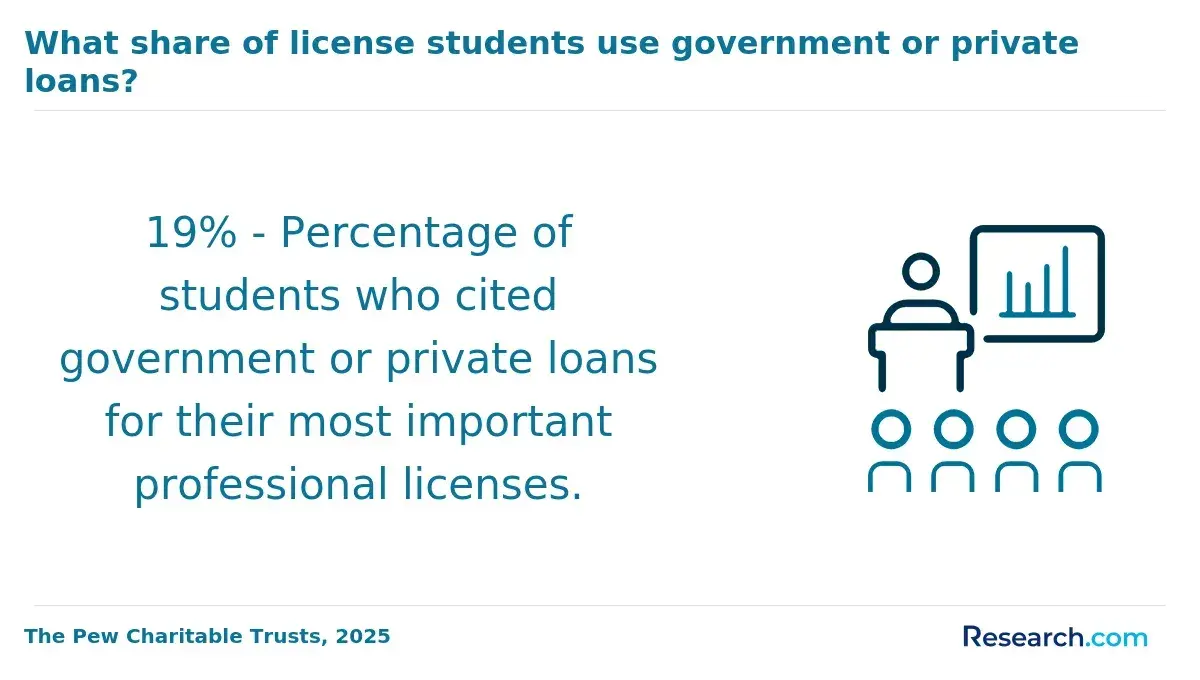
Financial aid can make accelerated online theology master’s programs more manageable, but students need to understand how aid works in compressed formats. About 70% of online graduate students receive financial assistance. Eligibility may depend on accreditation, enrollment intensity, citizenship status, satisfactory academic progress, and whether the program participates in federal aid programs.
- Federal Loans: Eligible graduate students may use federal loans after completing the FAFSA form. Students should borrow carefully and compare expected debt with likely career earnings.
- Scholarships and Grants: These awards do not require repayment. They may be based on financial need, academic merit, denominational affiliation, ministry service, leadership background, or vocational goals.
- Employer Tuition Assistance: Churches, schools, nonprofits, hospitals, and other employers may provide tuition reimbursement or professional development support when the degree is relevant to the employee’s role.
- Institutional Aid: Some schools offer grants, discounts, scholarships, or tuition reductions for online learners, ministry professionals, alumni, military-affiliated students, or students in accelerated programs.
Financial aid checklist
- Confirm that the school and program are eligible for federal student aid.
- Ask whether accelerated enrollment affects loan disbursement timing.
- Check whether scholarships require full-time enrollment or minimum grades.
- Compare aid that does not require repayment before relying on loans.
- Ask your employer or ministry organization about tuition support before classes begin.
The best financial aid strategy is not simply to maximize aid, but to minimize unnecessary borrowing. Students should calculate tuition, fees, books, travel, and living expenses, then compare the total with realistic career and salary expectations.
What Job Opportunities Open Up with an Online Theology Master's Degree?
An online theology master’s degree can support career advancement in ministry, education, chaplaincy, nonprofit leadership, and faith-based service. According to the U.S. Bureau of Labor Statistics, employment for clergy and related occupations is expected to grow about 6% over the next decade. Career outcomes vary by denomination, employer, location, prior experience, and whether the role requires ordination, certification, or additional supervised training.
- Clergy and Pastoral Roles: Graduates may serve as pastors, associate pastors, chaplains, ministry directors, or religious leaders. Requirements can vary widely by religious tradition, so students should verify ordination or credentialing expectations before choosing a program.
- Religious Educators: Graduates may teach theology, scripture, ethics, or religious formation in churches, religious schools, seminaries, or community programs. Some teaching roles may require additional credentials or doctoral study.
- Faith-Based Counseling: Theology graduates may provide pastoral care, spiritual guidance, grief support, or faith-informed mentoring. This is different from becoming a licensed clinical counselor, which typically requires a specific counseling degree, supervised hours, and licensure.
- Nonprofit Leadership: Graduates may work in administration, outreach, program development, volunteer coordination, advocacy, or community service within faith-based and mission-driven organizations.
- Theological Research and Writing: Opportunities may include curriculum development, publishing, ministry content creation, research support, or communications work for religious institutions and media organizations.
How to improve job outcomes
Students should align coursework, projects, and electives with the role they want after graduation. A capstone tied to a real ministry challenge, nonprofit initiative, teaching curriculum, or chaplaincy context can become a useful portfolio piece. Networking with faculty, denominational leaders, alumni, and local ministry organizations can also matter as much as the degree itself.
Students weighing theological education against other career-focused degrees may find cost and duration comparisons useful, including programs such as an accounting degree. The right choice depends on vocation, income goals, and the type of work the student wants to do.
What Is the Salary Outlook for Graduates of the Shortest Online Theology Master's Programs?
Salary outcomes for theology master’s graduates vary significantly. Recent figures show that professionals holding a theology-related master's degree have a median annual salary of around $55,000. A shorter program may help students return to work or qualify for advancement sooner, but the degree alone does not guarantee a specific salary.
- Career Path: Chaplaincy, ministry leadership, religious education, nonprofit administration, and counseling-related roles can have different pay structures. Administrative and institutional roles may pay differently than congregational ministry positions.
- Geographic Location: Salaries often reflect local cost of living, employer budgets, regional demand, and the size of the institution or organization.
- Experience Level: Prior ministry, teaching, leadership, nonprofit, or counseling-adjacent experience can influence hiring and pay. Accelerated programs shorten school time, but they do not replace professional experience.
- Employer Type: Religious organizations, schools, healthcare systems, nonprofits, and other employers may have very different compensation models and benefit packages.
Evaluating return on investment
To judge whether a short online theology master’s program is worth the cost, compare total tuition and fees with the realistic salary range for your intended role. Also consider non-salary benefits such as credential eligibility, ministry placement, promotion potential, institutional credibility, and personal vocational goals.
For students already employed in ministry or education, the best salary outcome may come from using the degree to move into leadership, chaplaincy, curriculum, administration, or specialized service roles. For students changing careers, the degree may need to be paired with field experience, networking, certification, or denominational approval.
What Graduates Say About the Shortest Online Theology Degree Master's Programs That Pay Well
- : "The accelerated format helped me keep tuition and time away from work under control. I chose the program because it was affordable and focused, but the real value came from being able to apply what I learned almost immediately in my professional setting. Within a year of graduation, my salary increased significantly, which made the investment feel worthwhile. — Chiara"
- : "I was worried about balancing graduate study with work and family, so the shorter timeline mattered. The pace was demanding, but it reduced the long-term strain of being enrolled for several years. The degree strengthened my credentials and helped me qualify for better opportunities in ministry and education. — Annie"
- : "I compared programs carefully because cost and return mattered to me. A shorter online theology master’s program helped limit tuition and related expenses, while still giving me the graduate credential I needed for advancement. The degree has had a clear impact on my career path and salary growth. — Gerald"
Other Things You Should Know About Theology Degrees
Yes, most online theology master's programs in 2027 require applicants to demonstrate English language proficiency through tests like TOEFL or IELTS, particularly for non-native speakers. Minimum scores vary, but universities commonly expect TOEFL scores above 80 or IELTS bands of 6.5 or higher.
Many online theology master’s programs require a capstone or thesis as the final assessment. Thesis tracks usually need 6 to 9 credit hours and a faculty reader, while capstone projects may include a ministry portfolio, research paper, or applied theology project approved by the program director.
References
- Online Master of Theological Studies | Canada Christian College https://canadachristiancollege.com/ccc-online/online-master-of-theological-studies/
- Master Degree Theology Online https://www.domuni.eu/en/master-degree-theology-online
- Why Choose an Online Seminary Program? - United Theological Seminary https://united.edu/choose-an-online-seminary-program/
- Best Online Master of Divinity (MDiv) Programs - TheologyDegree.org https://www.theologydegree.org/online/mdiv/
- Tuition Costs for Masters Programs - Lancaster Bible College https://www.lbc.edu/admissions/masters-admissions/tuition-costs/
- Top 50 Low-Cost Online Master's Degrees in Theology https://www.greatvaluecolleges.net/affordable/theology-masters-online/
- 2026 Most Affordable Online Master of Divinity Degrees https://www.onlineu.com/most-affordable-colleges/divinity-masters-degrees
- Tuition & Fees - Vancouver School of Theology https://vst.edu/students/tuition-fees/
- 5 Reasons to Earn Your Master’s in Theology Online (ThM) https://calvinseminary.edu/blog/reasons-earn-masters-in-theology-online/
- M.A. in Theological Studies Tuition and Fees https://www.ccu.edu/ccu/theology/masters/tuition/