2027 Questions to Ask Before Enrolling in an Online SLP Program

Co-Founder and Chief Data Scientist

Reviewed by Rhea Paul, PhD
SLP Education & Research Expert
Many prospective students face uncertainty when choosing an online slp program that fits their career goals and personal circumstances. The challenge arises from varied program quality, differing accreditation statuses, and unclear clinical practicum arrangements. Without careful evaluation, students risk investing time and money in programs that do not meet licensure requirements or provide adequate hands-on experience. Navigating these options demands clear criteria and reliable insights. This article examines key questions to ask before enrolling, guiding candidates to identify programs that align with professional standards and ensure a successful transition into the speech pathology field.
Key Things You Should Know
- Accreditation by the Council on Academic Accreditation (CAA) is essential for online SLP programs, ensuring eligibility for certification and licensure in all U.S. states.
- Clinical practicum requirements vary; students must confirm that distance programs provide supervised in-person or telepractice experiences meeting ASHA standards.
- Employment outlook for certified SLPs grows 17% through 2035, making degree investment critical; online programs often offer flexible pacing for working professionals.
What is a speech-language pathology degree and what do SLPs actually do?
A speech-language pathology degree prepares students to assess, diagnose, and treat communication and swallowing disorders across diverse populations. These issues range from speech delays in children and stuttering to aphasia caused by stroke, voice impairments, and cognitive-communication challenges from brain injuries. Students acquire clinical expertise, evidence-based therapies, and in-depth knowledge of anatomy, neurology, and linguistics relevant to human communication, which is essential for understanding what a speech-language pathology degree entails.
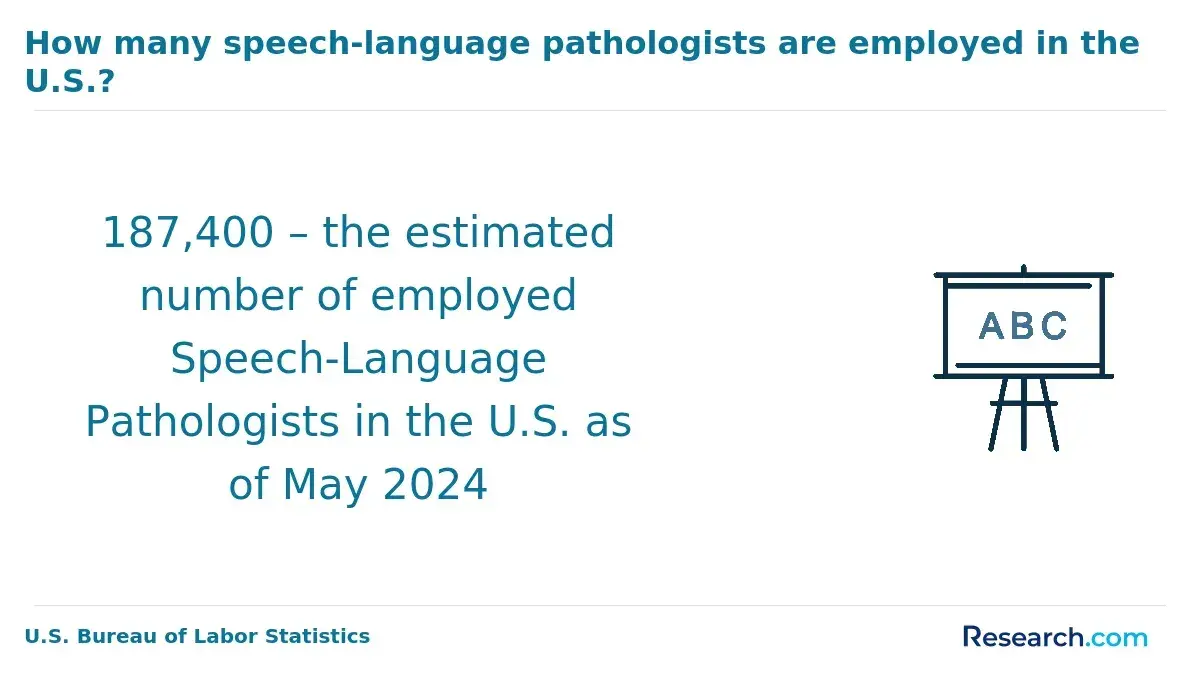
Speech-language pathologists (SLPs) work in schools, hospitals, rehabilitation centers, and private practices. Their responsibilities include evaluating speech and language functions, designing personalized therapy plans, and collaborating with families and healthcare teams. For example, an SLP may help a child with autism improve social communication skills or assist an adult recovering from a brain injury in regaining swallowing function, illustrating the roles and responsibilities of speech-language pathologists.
Program accreditation is vital. Over 300 master's programs hold CAA accreditation or candidacy, ensuring rigorous educational and clinical training standards required for certification and licensure. Prospective students should confirm accreditation to secure eligibility for national exams and state licensure.
When selecting a program, consider clinical placement quality and support for diverse clients. Research programs offering supervised, hands-on experiences aligned with your career goals. To explore options, review online SLP master's programs that balance affordability with strong clinical opportunities.
What are the accreditation and licensing requirements for speech-language pathologists in the U.S.?
Accreditation and licensing requirements for speech-language pathologists in the U.S. are crucial to ensure professional competence. Any accredited online speech pathology program must be recognized by the Council on Academic Accreditation (CAA) within the American Speech-Language-Hearing Association (ASHA). This accreditation guarantees that the program meets national education standards. Without CAA accreditation, graduates may face challenges obtaining state licensure or the Certificate of Clinical Competence (CCC) from ASHA.
State licensure standards for speech-language pathologists generally require completion of a CAA-accredited master's program, a supervised clinical fellowship, and passing the Praxis Examination in Speech-Language Pathology. States may also have additional application processes and continuing education requirements. It's essential to confirm that any online program prepares students for both the Praxis exam and state-specific licensing mandates.
For instance, James Madison University's distance learning SLP cohort reports a 100% Praxis pass rate for online students, demonstrating effective exam preparation. Key factors to consider include:
- Is the program CAA-accredited and recognized by ASHA?
- Does it prepare students for the Praxis Examination?
- How does it support clinical fellowship placements?
- Does the curriculum align with state licensing standards?
Ensuring these elements before enrolling helps avoid certification delays and protects your career path. Additionally, understanding the speech pathologist salary with a master's degree can provide insight into the profession's economic prospects.
How do online SLP programs differ from campus-based programs in curriculum and clinical training?
Online SLP programs offer the same core curriculum as campus-based programs, covering communication sciences, anatomy, and disorders. However, the delivery differs, with online students accessing video lectures, interactive content, and virtual discussions. This flexibility requires strong self-discipline and time management. A key divergence lies in clinical training: campus programs integrate hands-on experience with direct supervision at university clinics or healthcare settings.
Online SLP programs arrange local clinical placements near students' homes, sometimes offering telepractice options to conduct supervised sessions remotely. This model demands that students independently find or utilize program networks for clinical hours, which may vary in quality and availability. Students should confirm whether programs comply with Council on Academic Accreditation (CAA) clinical hour requirements, typically a minimum of 400 clock hours.
Tuition costs also differ. For example, Arkansas State University's online SLP master's program charges about $7,322 per academic year with a 3.0 GPA requirement, regardless of residency. In contrast, campus tuition often varies between in-state and out-of-state rates.
Prospective students exploring how online SLP programs structure clinical training compared to campus-based programs should ask about clinical placement supervision, in-person versus telepractice hours, accreditation transparency, additional fees, and support services.
- How are clinical placements arranged and supervised for online students?
- What percentage of clinical hours require in-person attendance versus telepractice?
- Does the program maintain CAA accreditation with full transparency on clinical training requirements?
- Are there additional fees for local clinical placements or technology support?
- What support services exist for online students completing practicum requirements?
Exploring options like 5 year accelerated speech pathology programs can also inform decisions about curriculum delivery differences between online and traditional speech pathology programs.
Admission requirements for online SLP master's programs generally include a bachelor's degree from an accredited institution, often in communication sciences and disorders or a closely related field. Applicants without a relevant undergraduate major may need to complete key prerequisites such as anatomy and physiology of the speech and hearing mechanism, phonetics, or audiology to satisfy entry standards. These prerequisites are common for enrolling in an online speech pathology master's degree.
Many programs require a minimum GPA, usually around 3.0 on a 4.0 scale, to demonstrate academic readiness for graduate studies. Although some schools request standardized tests like the GRE, others waive this requirement based on undergraduate performance or relevant professional experience.
Practical experience is also vital. Most programs ask for clinical observation hours-often between 25 and 50-to ensure familiarity with speech pathology practices. Applicants must submit strong letters of recommendation from academic or professional sources, alongside a personal statement outlining career goals and dedication to the field.
The hybrid format of many online programs means prospective students need to arrange in-person clinical practicums. For example, CSUN's distance SLP cohort requires completing at least three supervised practicums locally while finishing coursework online. Such programs expect students to secure approved clinical sites near their residence and fulfill state licensure mandates.
Applicants should note some programs mandate background checks and immunizations before clinical placements. Early verification of all academic, experiential, and logistical requirements is essential for successful admission and completion.
For more details on admission criteria, consider exploring asha accredited online SLP programs.
Online speech pathology programs typically require two to three years to complete, depending on whether students attend full-time or part-time. Most programs mandate between 61 and 69 graduate credits. Many schools, such as UNC, offer fully online programs with the same curriculum and faculty as their on-campus versions, allowing flexibility through asynchronous coursework to help working professionals balance education with other responsibilities.
Tuition costs vary widely based on institution type, residency status, and public versus private status, ranging roughly from $20,000 to $60,000 for the entire program. Students should also budget for additional expenses like books, clinical practicum fees, and certification exam preparation. It is vital to clarify fee structures beforehand and explore financial aid options such as scholarships or employer tuition reimbursement.
Key questions for prospective students to ask include:
- Exact credit hour requirements for graduation
- Availability of part-time or accelerated study options
- Total anticipated costs, including hidden fees
- Clinical training opportunities that meet licensure standards
- Structure of asynchronous classes and availability of technical support
Balancing accredited faculty standards with flexible course delivery, as highlighted by onlinespeechpathologyprograms.org, helps students manage their education alongside career or personal commitments effectively.
Certification in speech pathology requires completing at least 400 clinical practicum hours, with a minimum of 375 supervised by a certified speech-language pathologist, as required by the American Speech-Language-Hearing Association (ASHA). These hours must include diverse clinical settings and populations to develop well-rounded skills. Students typically split their practicum between on-campus simulations and off-site placements in hospitals, schools, rehabilitation centers, or community clinics.
Online programs often partner with local agencies to help students secure placements, offering flexibility for those living outside clinical hubs. Supervised experience includes direct client interaction and related tasks such as assessment reviews, treatment planning, and advocacy. Proper documentation of each supervised hour is vital for certification or state licensure applications, as incomplete records may delay credentialing.
Maryville University's online speech pathology program, launched in Fall 2022 with its first graduating class in May 2024, exemplifies adherence to these standards. Rigorous supervision and structured clinical placements have supported positive certification outcomes according to their student support data.
Prospective students should inquire:
- How clinical hours are structured and documented
- Which patient populations will be served
- The qualifications and accessibility of supervisors
- If assistance with local clinical placements is provided
The demand for speech-language pathologists (SLPs) is projected to grow by 17% from 2025 to 2035, significantly faster than average occupational growth, according to the U.S. Bureau of Labor Statistics. This surge is driven by an aging population with more strokes and dementia, leading to increased opportunities in healthcare settings such as hospitals, nursing homes, and rehabilitation centers. Schools also remain major employers, addressing speech and language disorders in children.
Telepractice has expanded access to SLP jobs, with pandemic-era flexibilities becoming permanent in many states. This allows practitioners to provide remote services across state borders, enhancing job flexibility and access to underserved rural areas. Prospective students should confirm their program's preparation in telepractice competencies and its compliance with licensure regulations.
- What percentage of graduates find employment within six months?
- Are telepractice technologies and regulations included in training?
- Does the program partner with healthcare or educational institutions for internships?
Specializing in areas like pediatric, geriatric, or neurological speech pathology can improve salary prospects. Considering regional demand and licensure mobility is vital for career planning. The rise in telepractice and diverse work environments shape a promising employment landscape for new professionals in this field.
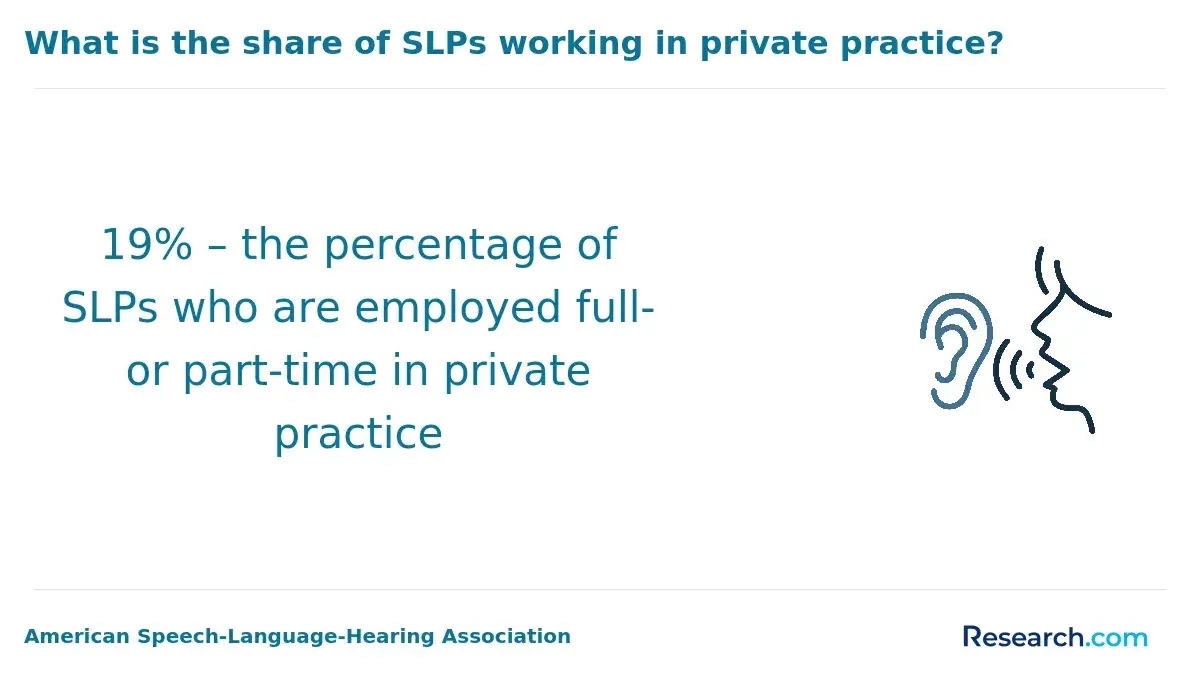
Speech-language pathologists (SLPs) experience considerable salary variation depending on their work environment. Entry-level SLPs employed in public schools typically earn between $60,000 and $75,000 annually. This range is affected by factors such as geographic location, district funding, and years of experience. In healthcare settings-including hospitals and rehabilitation centers-starting salaries usually fall between $65,000 and $80,000, with potential pay increases through specialization or advanced certification.
Private practice can offer higher earnings, though income may fluctuate due to client volume and business expenses. SLPs working in research institutions or universities earn from $55,000 up to $90,000, depending heavily on grant funding and academic rank. Clinical environments often provide steadier salary growth compared to educational roles.
Key considerations for prospective students include:
- School settings often provide predictable hours but lower pay.
- Hospital roles may require overtime and shifts but generally offer higher compensation.
- Urban locations and states like California tend to have top-tier salaries.
Admission into speech pathology programs is competitive; for example, CSU Fullerton admitted only 4.98% of applicants recently. Understanding salary trajectories helps candidates make informed decisions about education and career planning.
Accreditation from the Council on Academic Accreditation in Audiology and Speech-Language Pathology (CAA) or a similar body is essential to ensure an online slp program meets national standards and prepares students for certification. Faculty expertise greatly influences program quality; look for instructors with terminal degrees and active roles in research or clinical practice, especially in areas matching your career goals like pediatric or adult speech pathology.
Clinical practica are a vital component. A reputable program provides varied supervised clinical experiences in settings such as schools, hospitals, and community clinics. Online programs that collaborate with trusted local sites enhance hands-on learning necessary for certification requirements.
Assess graduate outcomes by reviewing licensure exam pass rates, especially the Praxis exam, and employment success. Speech-language pathologists earn a median annual salary of $97,870, with a projected job growth of 15% adding 28,200 new jobs, according to the U.S. Bureau of Labor Statistics. Programs connected to industry leaders can boost your career prospects in this expanding field.
Student feedback found in reviews or forums sheds light on support services, technology platforms, and responsiveness-important factors reflecting program transparency and commitment to success.
What professional certifications and credentials should you pursue after earning an SLP degree?
After earning an SLP degree, obtaining professional credentials is crucial for career growth, licensure, and specialization. The key credential is the Certificate of Clinical Competence in Speech-Language Pathology (CCC-SLP), granted by the American Speech-Language-Hearing Association (ASHA). This certification confirms that candidates meet rigorous academic and clinical standards and is often required for state licensure and employment in clinical environments.
Additional certifications can advance expertise in specific areas, such as fluency or swallowing disorders. State licensure typically demands a master's degree, supervised clinical hours, and passing the Praxis exam, with continuing education units (CEUs) required to maintain credentials.
For those working in educational settings, credentials like Qualified Speech-Language Pathologist status or specialized educational certifications are beneficial. Telepractice professionals should pursue ASHA-endorsed training to align with evolving industry standards.
Continuing education helps maintain licensure and keep skills current, with certificates from recognized bodies validating ongoing development.
When choosing a program, balance affordability and return on investment. Arkansas State University's SLP program offers a 100/100 overall score, perfect Praxis pass, completion, and employment rates, and an in-state tuition of $7,322, exemplifying strong long-term value, according to speechpathologygraduateprograms.org.
Other Things You Should Know About Speech Pathology
In 2027, students in online SLP programs often face challenges like maintaining motivation without in-person interaction, ensuring access to clinical placements, and mastering the technology required for virtual learning environments.
Most online SLP programs require a computer with a webcam, microphone, stable broadband internet, and current video-conferencing software such as Zoom or Microsoft Teams. Some also require access to simulation platforms, a quiet private workspace, and proctored exam software for coursework and assessments.
Continuing education is essential for speech-language pathologists to maintain licensure and stay updated on evolving practices, technologies, and research. Most states and professional organizations require ongoing professional development through workshops, courses, or conferences. Lifelong learning ensures SLPs provide evidence-based and effective care throughout their careers.
- U.S. Bureau of Labor Statistics - Speech-Language Pathologists https://www.bls.gov/ooh/healthcare/speech-language-pathologists.htm
- ASHA EdFind - Accredited Speech-Language Pathology Programs https://find.asha.org/ed/
- ETS Praxis - Speech-Language Pathology (5331) https://praxis.ets.org/test/speech-language-pathology-5331.html
- New England Institute of Technology - Master of Science in Speech Language Pathology https://www.neit.edu/academics/graduate-degrees/speech-language-pathology-ms
- California State University-San Marcos - Online MS in Speech-Language Pathology https://www.csusm.edu/slp/programs/mastersonline/index.html
- University of Wisconsin-Eau Claire - Master of Science in Speech-Language Pathology (Online) https://www.uwec.edu/speech-language-and-hearing-sciences-department/graduate-program/speech-language-pathology-online
- California State University-East Bay - Online Master of Science in Speech-Language Pathology https://ce.csueastbay.edu/programs/speech-language-pathology/
- New York University - Online MS, Communicative Sciences and Disorders (Speech@NYU) https://steinhardt.nyu.edu/degree/online-ms-communicative-sciences-and-disorders