2027 How to Research SLP State Licensure Requirements Before Enrolling

Co-Founder and Chief Data Scientist

Reviewed by Rhea Paul, PhD
SLP Education & Research Expert
Many prospective students face confusion when exploring speech pathology state licensure requirements before enrolling in graduate programs. Requirements vary significantly between states, affecting eligibility for certification and future employment. This complexity can lead to wasted time and financial resources if program choices do not align with state regulations.
Students with unrelated undergraduate degrees might find it especially challenging to navigate prerequisite coursework and clinical hours. This article explains how to research specific state licensure standards effectively. It provides clear guidance to ensure that learners choose accredited, flexible programs that meet the criteria needed for successful licensure and career entry in speech pathology.
Key Things You Should Know
- State licensure requirements for speech pathology vary significantly; verifying specific state board criteria ensures compliance with education, clinical hours, and examination mandates before enrollment.
- In 2025, 47 states required the ASHA-CCC or equivalent certification for licensure, emphasizing the need to align program curricula with these standards.
- Understanding license renewal procedures, fees, and continuing education obligations upfront helps avoid future professional disruptions and costs in speech pathology careers.
What are the current SLP state licensure requirements across the United States?
State licensure requirements for slp professionals in the United States include core elements such as completing a master's degree in speech pathology from an accredited program, along with a Clinical Fellowship Year (CFY) involving about 1,260 hours of supervised experience. Nearly all states require passing the Praxis Examination in speech-language pathology. Additional mandates often include background checks and continuing education for license renewal.
Licensing regulations and criteria by state can vary significantly. For instance, New York requires a state-specific law exam, while California demands registration as a speech pathology-language pathology aide before full licensure. Some states have unique requirements such as jurisprudence exams or adherence to state laws designed to protect public welfare.
The ASLP Interstate Compact, adopted in 37 jurisdictions as of November 2025, helps reduce licensing barriers by allowing cross-state practice privileges without multiple licenses. However, professionals must verify individual state participation and any specific compliance rules before relying on these privileges.
Students and graduates should carefully review state licensing boards' expectations before choosing graduate programs. Certain states may impose additional steps like language proficiency assessments or extra clinical hours. Exploring affordable online SLP programs can aid in aligning educational choices with licensing demands and career goals.
Which accreditation bodies should you verify when choosing a speech pathology program?
Accreditation requirements for speech pathology programs in the United States are essential to verify before enrolling. The key accrediting agency is the Council on Academic Accreditation in Audiology and Speech-Language Pathology (CAA) under the American Speech-Language-Hearing Association (ASHA). A program accredited by the CAA ensures it meets the standards necessary to pursue certification and licensure in most states.
Regional accreditation from bodies such as the Higher Learning Commission (HLC) or the Southern Association of Colleges and Schools Commission on Colleges (SACSCOC) is equally important. This ensures the institution offers quality education, which state licensing boards often require for licensure verification.
Some states have additional criteria. For example, only Alaska, Delaware, Massachusetts, Rhode Island, and Virginia require the Certificate of Clinical Competence in Speech-Language Pathology (CCC-SLP) for licensure. In these states, attending a CAA-accredited program aligning with the CCC-SLP requirements is critical for eligibility.
When comparing programs, confirm both CAA and regional accreditation and ensure the curriculum aligns with ASHA's knowledge and skill standards. This is particularly important if you plan to work in multiple states, as accreditation affects the portability of credentials.
Career outlook varies widely, and understanding the speech and language pathologist salary can guide your decisions about education and specialization.
What are the educational prerequisites and degree pathways to become a licensed SLP?
To obtain licensure as a speech-language pathologist (SLP), candidates must complete specific educational requirements for slp licensure in [State], beginning with a bachelor's degree in communication sciences and disorders or a related field. Following this, a graduate degree from a program accredited by the Council on Academic Accreditation in Audiology and Speech-Language Pathology (CAA) is essential. This is usually a master's degree, though some institutions offer doctoral pathways.
Graduate programs combine didactic coursework with a minimum of 400 supervised clinical practicum hours, adhering to American Speech-Language-Hearing Association (ASHA) standards. After completing coursework, students must pass the national SLP Praxis exam, which tests professional knowledge and skills. An additional critical step involves completing a 36-week clinical fellowship under a licensed SLP, a requirement in nearly all states except North Dakota.
Degree pathways to become a licensed speech language pathologist in [State] can vary: some states grant provisional licensure during clinical fellowship completion, while others require full fellowship completion before licensure. Prospective students should check their state's specific licensure board guidelines early to align their educational plans accordingly.
For those seeking flexible options, SLP accelerated programs offer streamlined online pathways that combine rigorous training with clinical experience to meet licensing standards efficiently.
Campus-based and online speech pathology programs differ notably in fulfilling licensure requirements. Campus programs usually provide direct, in-person clinical practicum hours supervised on-site, which better aligns with state-specific licensure criteria for online and in-person slp programs. This setup ensures easier access to approved clinical environments, meeting practicum hour mandates required by licensing boards.
Online programs often use remote or hybrid clinical experiences, coordinating with local sites or telepractice, which may complicate compliance if supervisors or settings don't meet a student's state standards. Students must verify that their clinical placements meet their target state's regulations, especially where licensed supervisors must be physically present.
Compact agreements like those through CompactConnect allow cross-state privileges but currently operate fully only in Louisiana and West Virginia for SLP as of October 28, 2025.
Differences extend to curriculum delivery and support. Online formats offer more flexibility but require students to actively navigate state-specific licensure procedures, including passing the Praxis exam and completing the Clinical Fellowship Year under their state board's conditions. Campus programs tend to offer more structured guidance tailored to a state's regulations, aiding smoother licensure preparation.
For those researching program options, the speech pathology graduate programs provide valuable insights into admissions ease and program structure to consider when weighing online versus campus-based SLP licensure requirement differences.
State licensure for clinical practicum hours and supervised experience in speech pathology requires a minimum of 400 clinical clock hours. This includes at least 25 hours of supervised clinical observation and 375 hours of direct clinical service under the guidance of a licensed speech-language pathologist. Such supervision is crucial to develop competency across diverse patient populations and treatment settings.
Requirements vary by state. For instance, California mandates a Clinical Fellowship Year (CFY) with at least 1,260 hours of supervised professional experience completed after graduation. In contrast, New York combines graduate practicum and post-graduate fellowships to fulfill their standards. Some states allow some clinical hours during graduate education, while others require completion only after earning a master's degree.
Supervisors typically must hold active licensure and possess a minimum of two years of clinical experience beyond licensure to ensure quality guidance. This protects professional standards across all supervised experiences.
Licensing fees vary, usually ranging between $100 and $400 initially, with biennial renewals costing $50 to $300. The Praxis exam fee is approximately $170. Budgeting for these fees alongside your clinical training is essential. Prospective students can find detailed information.
SLP licensing requirements vary widely among states, influencing coursework, supervised clinical hours, exams, and continuing education mandates. Each state board bases its requirements on American Speech-Language-Hearing Association (ASHA) guidelines but adds unique criteria.
For example, some states require the Praxis exam for licensure, while others mandate the national Speech-Language Pathology Licensure Examination (SLPLEX) or their own state-specific tests. Clinical practicum hours typically range from 300 to over 400 depending on the jurisdiction.
License portability is another key consideration. Approximately 25 states participate in interstate compacts that simplify reciprocity by recognizing licenses from compact member states. In states without such compacts, speech-language pathologists must often navigate licensure by endorsement, which may involve additional fees, documentation, or exams.
Prospective students and professionals should carefully research state-specific requirements, focusing on:
- Exams and supervised clinical hours necessary for licensure
- Whether the state is part of an interstate compact facilitating license transfer
- Continuing education requirements to maintain the license
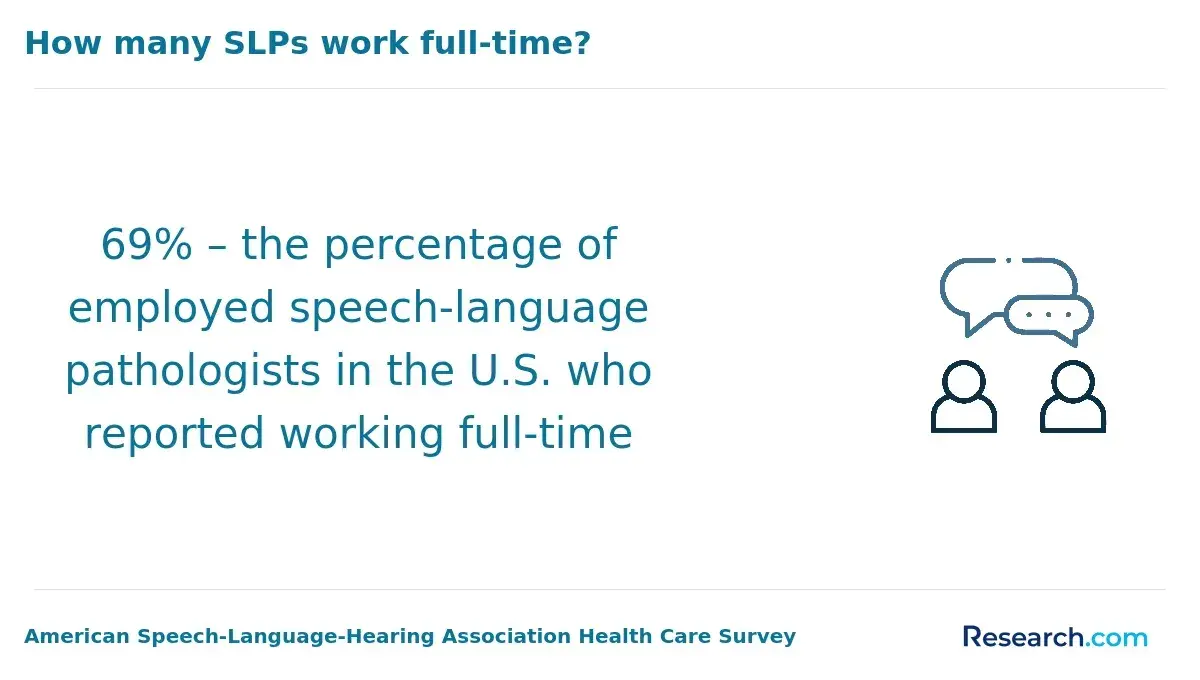
Employment for speech-language pathologists is projected to grow 18% over the coming decade, far exceeding average job growth rates. Timely understanding of these licensure pathways is crucial for career advancement and mobility in this expanding field.
Completing an accredited master's degree in speech pathology typically takes two to three years full-time after earning a bachelor's degree. Coursework covers communication disorders, clinical practicum experiences, and culminates in a clinical fellowship or thesis project. Part-time options may extend the duration up to four years.
Costs vary widely by institution and residency status. Public universities charge in-state students between $20,000 and $40,000 per year, while out-of-state tuition may reach $50,000 or more annually. Private schools often exceed $50,000 annually. Additional expenses-such as textbooks, clinical supplies, licensing exam fees, and student association dues-add $2,000 to $5,000 per year. Financial aid, scholarships, and employer tuition reimbursement can help reduce these costs.
It is essential to ensure the program is accredited by the Council on Academic Accreditation in Audiology and Speech-Language Pathology (CAA), affecting licensure eligibility and federal aid availability. Total degree costs range from $40,000 to over $120,000 depending on length and school.
Graduates enter a career with a median annual wage of $89,290 according to the Bureau of Labor Statistics, with top-paying states like California exceeding $120,000. Prospective students should weigh educational investments against potential earnings to make informed decisions.
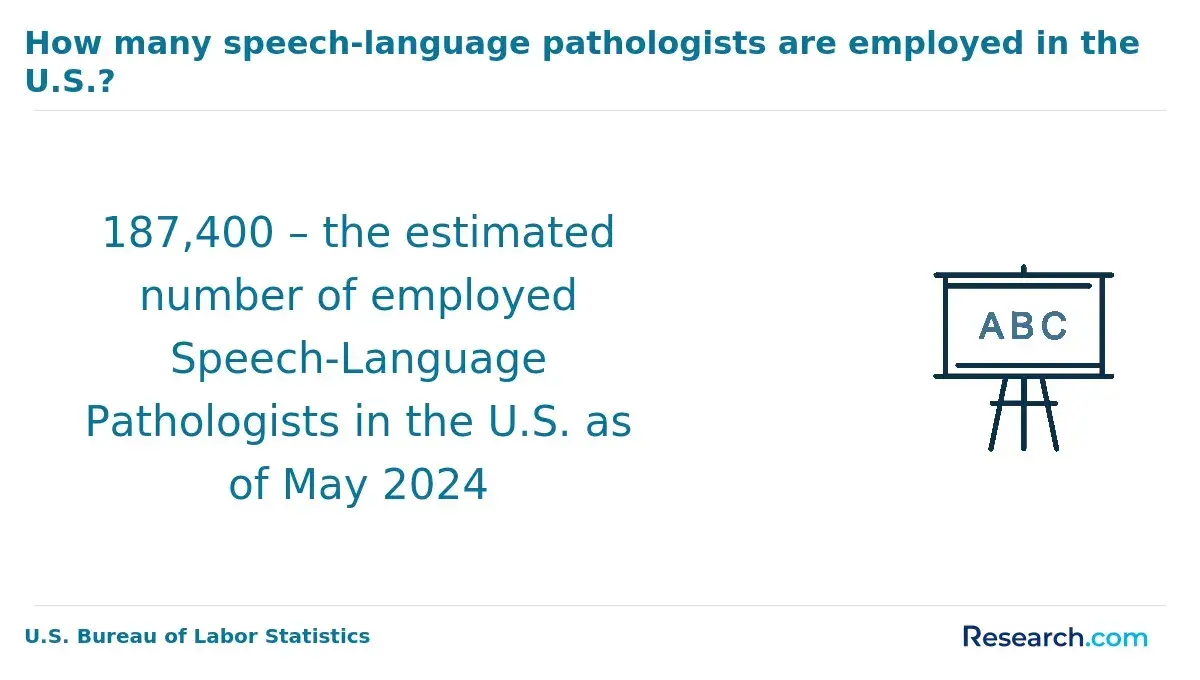
Job prospects for licensed speech-language pathologists (SLPs) are robust due to an aging population and greater recognition of communication disorders. The U.S. Bureau of Labor Statistics forecasts a 17% employment growth for SLPs from 2025 to 2035, a rate much faster than average, reflecting sustained demand in healthcare, educational, and rehabilitation settings.
Salary ranges for licensed SLPs vary widely based on experience, work environment, and location. Entry-level SLPs typically earn between $62,900 and $134,160 annually, while those with five or more years of experience can expect $62,900 to $134,160. Clinical environments such as hospitals and specialty clinics often provide higher compensation than schools. Urban areas usually offer better starting salaries than rural regions, accounting for cost-of-living differences.
Licensure is a key factor affecting job opportunities and earning potential. In 36 states, the Certificate of Clinical Competence in Speech-Language Pathology (CCC-SLP) serves as an accepted pathway to licensure, aligning state requirements with national certification standards. Holding the CCC-SLP credential can improve job mobility and salary prospects.
Prospective speech pathologists should carefully review state licensure requirements and consider obtaining the CCC-SLP to expand their career options. Seeking positions in underserved or high-demand areas may offer additional financial incentives. Staying informed about local labor markets and licensing rules is crucial for effective career planning in speech pathology.
To ensure a speech pathology program meets ASHA standards and state regulations, start by verifying its accreditation with the Council on Academic Accreditation in Audiology and Speech-Language Pathology (CAA). Accreditation from CAA confirms the program fulfills ASHA's strict quality and curriculum criteria. You can check the program's status through ASHA's official accredited program directory.
Next, review licensing requirements from the state board where you plan to work. Each state establishes educational prerequisites that align with ASHA standards but may include additional conditions. State board websites often provide lists of approved programs or guidance for confirming compliance.
Request detailed program materials, such as syllabi, practicum hours, and faculty qualifications, to verify alignment with ASHA's accreditation expectations, including minimum clinical clock hours required for certification eligibility.
Use trusted third-party resources for aggregated data on program compliance and licensure rules across states. Also, be aware of certification-related costs: the CCC-SLP application costs $490 for ASHA members and $446 for non-members, with annual renewal fees of $250 for members. This highlights the importance of enrolling in fully compliant programs to avoid costly delays or additional coursework.
Verifying compliance involves:
- Confirming CAA accreditation through ASHA's listings.
- Checking state licensure board requirements and approved program lists.
- Reviewing program curricula and clinical hours for ASHA alignment.
- Consulting reliable third-party resources for comparative compliance data and certification costs.
What certification exams and continuing education requirements follow SLP licensure?
After obtaining state licensure for SLP, candidates must pass the Praxis exam in Speech-Language Pathology, administered by the Educational Testing Service (ETS). This standardized test assesses essential knowledge and skills needed for entry-level practice.
Because the passing score varies by state, applicants should confirm the specific requirements in their jurisdiction. Many states also mandate a Clinical Fellowship Year (CFY), a supervised professional experience lasting 9 to 12 months following academic training.
Continuing education is required to maintain licensure across all states, with typical requirements ranging from 10 to 30 hours of continuing education units (CEUs) every 1 to 3 years. Approved providers or specific courses on ethics, cultural competence, or updates in Speech Pathology are often mandated. For instance, California requires 20 CEUs every two years, including one hour of ethics.
Noncompliance with continuing education can lead to probation or license suspension. Renewal fees and submission of proof of completed CEUs are common. Professionals working in multiple states or planning relocation should investigate reciprocal licensure agreements and any additional certification requirements.
Those pursuing the Certificate of Clinical Competence in Speech-Language Pathology (CCC-SLP) from ASHA must meet continuing education aligned with ASHA's standards, which complement state mandates. All 50 states and Washington, DC require SLP state licensure before professional practice. More details are available.
Other Things You Should Know About Speech Pathology
To research SLP state licensure requirements for 2027, start by visiting the official state licensure websites. Each state provides detailed information on their specific requirements. Additionally, consult the American Speech-Language-Hearing Association (ASHA) website for a comprehensive overview and links to state boards. This ensures up-to-date and accurate information.
Yes, after obtaining licensure, SLPs can pursue certifications and training in areas such as pediatric speech disorders, voice therapy, fluency disorders, or medical speech-language pathology. These specializations can enhance career opportunities and allow practitioners to work with specific populations, such as children with developmental delays or adults recovering from strokes.
Cultural competence is critical in speech pathology because effective treatment depends on understanding clients' linguistic and cultural backgrounds. SLPs must be sensitive to language differences, dialects, and cultural norms to provide appropriate and ethical care. Many licensure and certification programs emphasize training in multicultural communication and culturally responsive practices.
Check your state’s speech-language pathology board or the state department of health, plus the ASHA state-by-state licensure page. These sources list required graduate credits, supervised clinical hours, Praxis scores, background checks, and any jurisprudence exam or continuing education rules before you apply.
- U.S. Bureau of Labor Statistics - Speech-Language Pathologists https://www.bls.gov/ooh/healthcare/speech-language-pathologists.htm
- ASHA EdFind - Accredited Speech-Language Pathology Programs https://find.asha.org/ed/
- ETS Praxis - Speech-Language Pathology (5331) https://praxis.ets.org/test/speech-language-pathology-5331.html
- Pepperdine University - Master of Science in Speech-Language Pathology https://healthscience.pepperdine.edu/online-masters-in-speech-language-pathology/
- Pennsylvania Western University - Master of Science in Speech-Language Pathology https://online.pennwest.edu/programs/speech-language-pathology-grad/index.php
- New England Institute of Technology - Master of Science in Speech Language Pathology https://www.neit.edu/academics/graduate-degrees/speech-language-pathology-ms
- Auburn University, Montgomery - Master of Science in Speech-Language Pathology https://www.aum.edu/degree/ms-speech-language-pathology/
- University of North Carolina at Greensboro - Speech-Language Pathology, M.A. (Online) https://csd.uncg.edu/graduate/masters-of-arts-online/