2027 Alumni Stories: Graduates From Low-Cost Online SLP Programs

Co-Founder and Chief Data Scientist

Reviewed by Rhea Paul, PhD
SLP Education & Research Expert
The main question for many future speech-language pathologists is not whether the profession is meaningful, but whether the graduate degree is financially realistic. A master’s degree in speech-language pathology is typically required for clinical practice, and the Bureau of Labor Statistics projects employment of speech-language pathologists to grow 17% from 2025 to 2035. That demand makes the field attractive, but tuition, clinical-hour requirements, and time away from work can still make the path difficult to evaluate.
Low-cost online SLP programs can reduce some of those barriers, especially for working adults, career changers, and students who cannot relocate. However, affordability should never be the only factor. Applicants also need to confirm accreditation, clinical placement support, licensure alignment, faculty access, technology requirements, and graduate outcomes.
This guide explains how alumni from affordable online SLP programs managed cost, workload, clinical placements, mentorship, admissions, and early career outcomes. It is designed to help you decide whether this route is a practical, credible, and financially responsible way to enter the speech-language pathology profession.
Key Things You Should Know About Graduates from Low-Cost Online SLP Programs
- Graduates saved significantly by choosing low-cost online SLP programs, with tuition often ranging from ~$286 to over $800 per credit hour.
- Many alumni combined work, family and study—using employer tuition aid, federal aid, and scholarships to minimize debt while completing online SLP programs.
- Alumni report that accredited online SLP programs delivered solid preparation—including clinical experience, administrative tasks and technology use—and many obtained strong job placement results in 2025.
How much cheaper are online SLP programs compared to traditional on-campus master’s in speech-language pathology?
Online SLP programs can be significantly less expensive than some traditional on-campus options, but the savings depend on the school, residency rules, fees, and whether the program is public or private. One fully online program lists total tuition and fees at about $57,300, while some on-campus or private institutions may charge $95,400 or more for the same degree. That difference can materially affect how much a student needs to borrow and how quickly the degree pays off after graduation.
Cost-per-credit data also varies widely. Online programs generally range from around $286 to more than $800 per credit, depending on the institution and the student’s residency status. A lower sticker price is helpful, but applicants should compare the full cost of attendance rather than tuition alone.
- Tuition and required fees: Check whether technology fees, clinical fees, lab fees, and graduation fees are included in the published price.
- Residency pricing: Some public universities charge different rates for in-state and out-of-state students, while others use one online tuition rate.
- Travel costs: Even fully online programs may require short campus visits, clinical intensive sessions, or travel to placement sites.
- Living expenses: Students in fully online SLP master's programs may save on relocation, campus housing, commuting, parking, and lost wages if they can keep working.
The strongest financial comparison is not “online versus campus” in general. It is the total cost of a specific accredited online program compared with the total cost of the on-campus programs you could realistically attend. For many students, the online route is more budget-friendly because it combines lower tuition with the ability to remain employed and avoid relocation.
Which financial aid strategies and scholarships did SLP alumni use to minimize their student loan debt?
SLP alumni who kept borrowing under control usually treated financial aid as a strategy, not a last-minute form. Their first step was often completing the Free Application for Federal Student Aid (FAFSA) as early as possible so they could be considered for federal grants, need-based aid, and federal loan options before relying on higher-cost alternatives.
Many also looked beyond general graduate aid and applied for speech-language pathology scholarships through professional organizations such as the American Speech-Language-Hearing Association (ASHA) and the National Student Speech Language Hearing Association (NSSLHA). Discipline-specific awards can be especially useful because the applicant pool is more closely aligned with the field.
Common debt-reduction strategies included:
- Applying early for institutional aid: Some scholarships and assistantship-style opportunities have priority deadlines well before the program start date.
- Using employer tuition assistance: Alumni already working in schools, healthcare, early intervention, or allied health sometimes used employer education benefits to offset tuition.
- Considering military education benefits: Eligible students used military benefits to reduce out-of-pocket costs.
- Enrolling part time when necessary: A slower pace can reduce the need to borrow for living expenses, though it may delay graduation and full-time SLP earnings.
- Borrowing only after calculating the full budget: Successful alumni compared tuition, fees, books, clinical travel, exam costs, and licensure-related expenses before accepting loans.
Some alumni also emphasized the value of 5-year accelerated speech pathology programs. By completing combined bachelor’s and master’s coursework in a shortened timeframe, students may reduce total tuition obligations and spend fewer years paying for housing and other living expenses.
The key lesson is that the lowest-cost program is not always the one that produces the lowest debt. The best financial outcome usually comes from combining affordable tuition, early aid applications, outside scholarships, employer support, and a realistic plan for managing living expenses during clinical training.
How did working professionals successfully manage full-time jobs while completing an online SLP program workload?
Working professionals succeeded in online SLP programs by choosing programs built for adult learners and by planning their weeks around coursework, clinical requirements, and family responsibilities before the term began. The workload is demanding, so flexibility matters, but flexibility does not mean the program is easy or self-paced in every respect.
Alumni commonly used the following strategies:
- They selected the right format. Part-time tracks, asynchronous lectures, and evening or weekend coursework made it easier to keep a full-time job while progressing through the degree.
- They protected weekly study blocks. Rather than waiting for free time, they scheduled recurring blocks for readings, assignments, exams, group work, and clinical preparation.
- They avoided cramming. Breaking assignments into smaller tasks helped them keep up with dense material in anatomy, language development, assessment, intervention, and research methods.
- They communicated early with employers. Some students adjusted work hours, used paid time off during intensive weeks, or requested predictable schedules before clinical placements began.
- They involved family or support networks. Childcare, household responsibilities, and quiet study time often required planning with partners, relatives, or friends.
- They coordinated with faculty and advisors. Open communication helped students understand when clinical placements, synchronous meetings, or in-person requirements could conflict with work.
Graduates often said the most manageable programs were transparent about pacing, deadlines, and clinical expectations. Some students comparing the easiest SLP programs to get into also looked for strong advising and flexible sequencing, not just less competitive admissions.
A common mistake is assuming online learning can be fit entirely around a full-time job without schedule changes. In reality, didactic coursework may be flexible, but clinical practica often require daytime availability because schools, hospitals, clinics, and supervisors operate on fixed schedules. Working professionals should ask each program exactly when clinical hours typically occur before enrolling.
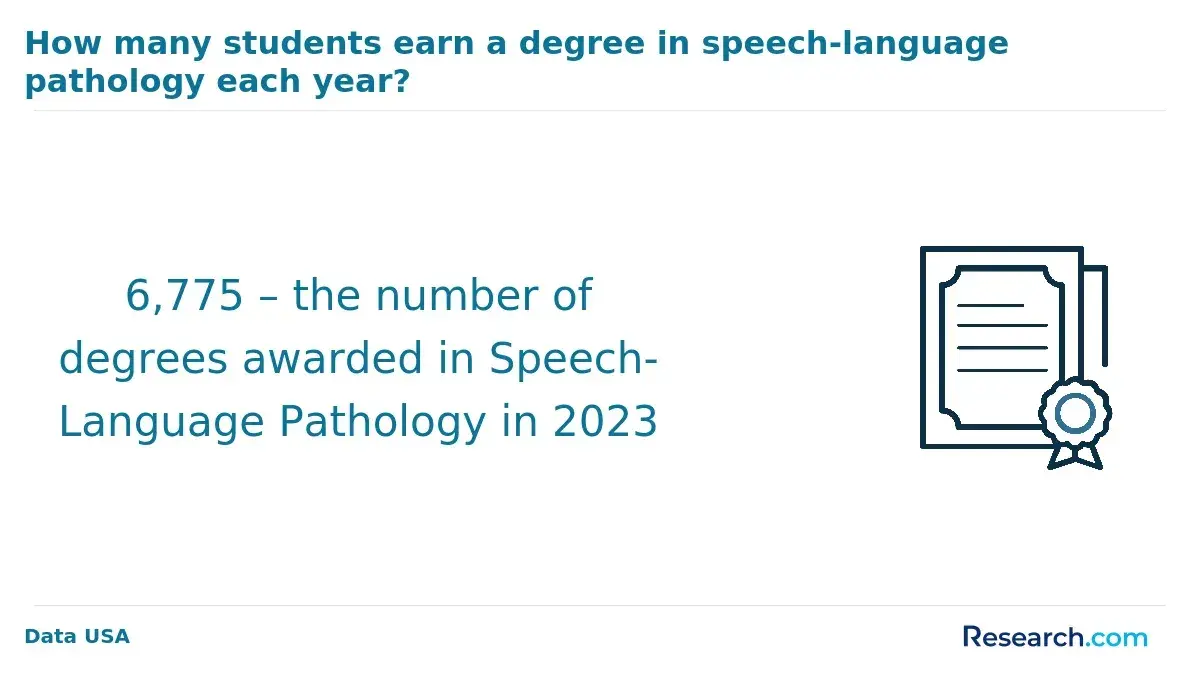
Yes, alumni generally found that online SLP programs prepared them for many non-clinical administrative duties, especially when programs included documentation practice, case-based assignments, virtual collaboration, and telepractice exposure. These responsibilities matter because a working SLP does far more than deliver therapy sessions.
Administrative preparation often covered:
- Clinical documentation: Writing session notes, progress summaries, treatment plans, and evaluation reports.
- Data tracking: Monitoring goals, recording client progress, and using data to adjust intervention plans.
- Compliance-related work: Understanding documentation expectations in schools, healthcare settings, and private practice environments.
- Interprofessional collaboration: Communicating with teachers, physicians, occupational therapists, families, caregivers, and administrators.
- Digital communication: Using online platforms professionally and maintaining clear records of meetings, recommendations, and follow-up tasks.
Many programs used virtual simulations and case-based projects to help students practice administrative decision-making before entering clinical placements. Alumni also noted that the online format itself strengthened time management, written communication, and comfort with digital tools—skills that translate directly to daily SLP work.
Telepractice modules were especially useful for students interested in school-based or pediatric SLP roles, where remote service delivery, family communication, and accurate digital records have become increasingly important.
Still, administrative readiness depends on program design and clinical supervision. Applicants should ask whether students practice writing reports, using clinical documentation systems, preparing individualized plans, participating in team meetings, and receiving feedback on professional communication. Those experiences are more meaningful than simply completing online lectures about administrative work.
Online SLP programs usually arrange local clinical placements through a combination of program support and student participation. The exact process varies, so applicants should clarify responsibilities before enrolling. In strong programs, students are not left entirely on their own; the school provides placement guidelines, approves sites, verifies supervision, and ensures that clinical experiences align with accreditation and licensure expectations.
A typical placement process looks like this:
- The program explains requirements. Students receive information about required settings, supervision qualifications, documentation, and timelines.
- The student identifies possible local sites. Depending on the school, students may suggest schools, hospitals, clinics, early intervention providers, or private practices near their location.
- The clinical coordinator reviews options. The program verifies whether the site can provide appropriate supervision and learning experiences.
- The school secures agreements. Approved sites may need affiliation agreements, compliance documents, background checks, immunization records, or other approvals.
- The student completes hours under supervision. The program tracks practicum progress and evaluates whether competencies are being met.
Many programs maintain networks of approved clinical affiliates in multiple regions, while others rely more heavily on students to identify local options. A clinical coordinator may liaise with sites, confirm supervisor credentials, and help resolve scheduling or documentation issues.
Distance learners should ask direct questions before committing:
- Does the program guarantee placement support, or must students find their own sites?
- How far might a student need to travel for clinical hours?
- Are placements available near the student’s state or region?
- Can placements be completed part time, or are daytime hours required?
- Does the program have experience placing students in the state where the applicant plans to seek licensure?
This model allows many online SLP students to complete required clinical hours without relocating. However, clinical placement is often the least flexible part of an online degree, so it should be evaluated as carefully as tuition and coursework.
Job placement rates for graduates of low-cost online SLP programs tend to be high, often in the 90 percent range, although specific results vary by institution, location, cohort size, and how each school defines placement. One comparison-tool resource reports employment rates of 90–100 percent for programs under $75,000 total tuition.
The broader labor market also supports strong outcomes. With 17% growth projected from 2025 to 2035, graduates are entering a field with sustained demand across schools, healthcare facilities, pediatric clinics, early intervention programs, skilled nursing facilities, private practices, and telepractice settings.
Applicants should still verify outcomes directly with each program. A useful job-placement number should answer more than “How many graduates found work?” It should clarify:
- whether the rate includes only graduates employed as SLPs;
- how soon after graduation employment is measured;
- whether part-time, full-time, temporary, and contract roles are counted together;
- whether graduates were employed in their preferred setting;
- how many graduates pursued licensure, fellowships, or further training before full employment.
Accreditation, affordability, and online delivery can all support strong placement success, but the best evidence comes from program-specific outcomes, licensure pass information, clinical placement quality, and alumni feedback.
Starting salaries for online SLP alumni vary by setting, region, employer type, and cost of living. The degree format alone is usually not the main salary driver. Employers are more likely to base compensation on licensure status, setting, experience, clinical fellowship requirements, geographic market, and specialized skills.
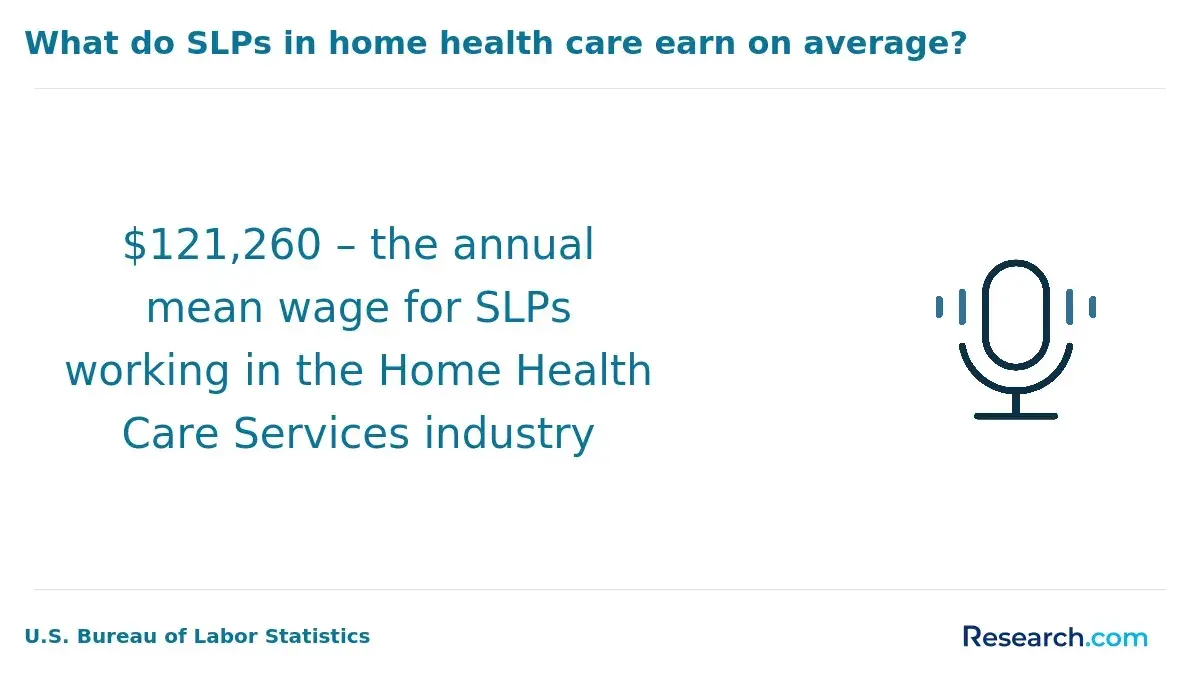
- The national mean annual wage for SLPs in May 2023 was $92,630.
- School settings: One source reports around $66,960 annually.
- Medical, hospital, and private clinic settings: Other sources report starting salaries from $75,630 to $107,780 depending on region.
- Geographic differences: Lower-cost living areas may offer lower starting pay, such as the mid-$70,000s, while high-cost metropolitan areas may exceed $100,000.
These ranges show that graduates from low-cost online programs can reach competitive income levels early in their careers, especially when they complete accredited training, meet licensure requirements, and secure strong clinical experience.
Salary comparisons should be made carefully. A school job may offer lower annual pay than some medical settings but may also include a school-year schedule and public-sector benefits. A hospital or private clinic role may pay more but involve productivity expectations, variable schedules, or specialized caseload demands. High-cost metropolitan salaries may look stronger on paper but can be offset by housing, commuting, and living expenses.
Applicants evaluating return on investment should compare expected starting salary with total debt, repayment timeline, local job availability, and the settings they are most likely to pursue after graduation.
Online SLP students need reliable technology because coursework, advising, simulations, group projects, and some clinical preparation occur through digital platforms. Low-cost programs are not low-tech programs; students should budget for equipment and software access before the first term.
Common technology requirements include:
- A dependable desktop or laptop computer: The device should support video conferencing, exams, recorded presentations, and multimedia coursework.
- Webcam and microphone: These are needed for live classes, faculty meetings, peer collaboration, oral presentations, and simulated client interactions.
- High-speed internet: Stable service is essential for lectures, simulations, telepractice practice, and synchronous sessions.
- Learning-management system access: Programs commonly use platforms such as Blackboard or Canvas for assignments, grades, course materials, and announcements.
- Collaboration tools: Students may use Zoom or Teams for class meetings, supervision, group work, and mentoring.
- Clinical-tracking software: Practicum hours, supervisor evaluations, competencies, and placement documentation may be logged through dedicated systems.
- Documentation and telepractice tools: These help students become comfortable with digital records and service-delivery tools used in SLP care settings.
Students should also plan for practical needs: a quiet space for live sessions, secure file storage, backup internet options when possible, and familiarity with basic troubleshooting. Technical problems can affect participation, deadlines, and clinical documentation, so waiting until classes begin to test equipment is a mistake.
Before enrolling, ask whether the program provides software licenses, whether students must purchase specific tools, and whether technical support is available outside standard business hours.
Online SLP programs can provide meaningful mentorship when they build regular faculty contact into the program rather than relying only on recorded lectures. Alumni often described mentorship as one of the factors that made online learning feel structured and professionally connected.
Common mentorship opportunities include:
- Faculty advising: Students may be paired with an academic adviser who helps with course planning, progression, and preparation for program milestones.
- Clinical coordination: Clinical coordinators guide students through placement readiness, supervision expectations, documentation, and practicum sequencing.
- Virtual office hours: Weekly or recurring office hours give students direct access to faculty for questions, feedback, and clarification.
- Small-group mentor sessions: These sessions can help students discuss cases, professional goals, ethical questions, and clinical decision-making.
- Discussion forums and live class interaction: When well moderated, these spaces allow students to receive feedback and learn from peers’ clinical perspectives.
- Guest mentors: Practicing SLPs and alumni may share insight into clinical settings, job searches, fellowships, and specialty areas.
- Capstone and practicum supervision: Faculty-supervised projects and clinical reflection provide more individualized coaching as students build professional competence.
The quality of mentorship depends on faculty availability, student-to-faculty ratios, communication expectations, and how proactively the program monitors student progress. Applicants should ask how often they will meet with an adviser, who supports clinical issues, how quickly faculty respond to questions, and whether mentorship continues during practicum placements.
Strong online mentorship should help students do more than pass courses. It should help them make better clinical decisions, prepare for licensure steps, build confidence, and understand what professional practice looks like in real settings.
Successful alumni commonly applied with a solid academic record, completed prerequisites, and at least some exposure to communication sciences, education, healthcare, or related service environments. Low-cost online programs can be competitive because affordability attracts a broad applicant pool.
- Many applicants had an undergraduate GPA of around 3.0 or higher on a 4.0 scale; one institution recommended a GPA of 3.2 or higher.
- Applicants often held a bachelor’s degree in communication sciences and disorders (CSD) or a related field.
- Students typically needed prerequisite coursework, such as biology and statistics, depending on program requirements.
- Some alumni brought relevant professional experience, including work as speech-language assistants or in educational support roles.
Experience does not always need to be a paid SLP-related job. Observation hours, school-based work, tutoring, special education support, healthcare volunteering, research assistance, or experience with children and adults with communication needs may help an applicant explain their readiness for the field.
Applicants with lower GPAs can still strengthen their profile by completing prerequisites with strong grades, writing a focused personal statement, securing detailed recommendations, and demonstrating a clear understanding of the profession. The strongest applications connect academic preparation, service experience, and realistic career goals.
Before applying, review each program’s admission requirements carefully. Affordable does not mean less rigorous, and students still need to show they can handle graduate-level science, clinical reasoning, writing, and professional expectations.
Do employers and hiring managers discriminate against candidates with a degree from a low-cost online SLP program?
In most cases, employers focus more on accreditation, licensure readiness, clinical competence, and professional fit than on whether the degree was completed online or at a lower-cost institution. A low-cost online degree is not automatically a disadvantage if the program meets recognized professional standards and the graduate can demonstrate strong clinical preparation.
For speech-language pathologists, the key credibility factors are clear: graduates must complete a Council on Academic Accreditation (CAA)–accredited master’s program, pass the Praxis exam, and fulfill supervised clinical hours to qualify for state licensure and the ASHA Certificate of Clinical Competence (CCC-SLP). Once those requirements are met, candidates are evaluated against a national professional framework rather than simply by delivery format.
Hiring managers often give significant weight to:
- quality and relevance of clinical placements;
- supervisor recommendations;
- readiness for the target setting, such as schools, hospitals, pediatric clinics, or private practice;
- experience with populations or tools the employer needs, such as AAC exposure, pediatric placements, or school-based training;
- communication skills, professionalism, documentation ability, and interview performance.
Employer perceptions can still vary. Some competitive hospitals, specialty clinics, or employers with many applicants may be more familiar with certain universities and may favor candidates from programs they already know. That preference is usually about perceived training quality and past hiring experience, not simply the fact that a program was online or affordable.
The best way to reduce concern is to choose an accredited program with strong clinical placement support, build a record of strong practicum performance, seek supervisors who can speak in detail about your skills, and prepare to explain how your online training included direct clinical practice, documentation, collaboration, and professional feedback.
Ultimately, a low-cost online SLP degree can be a credible hiring credential when it leads to licensure eligibility and strong clinical competence. Employers are most concerned with whether you are prepared to serve clients safely, ethically, and effectively.
Other Things You Should Know About Graduates from Low-Cost Online SLP Programs
2027 graduates from low-cost online SLP programs often face challenges like competition with graduates from traditional programs and skepticism from employers about online education. However, they benefit from the affordability and flexibility of their programs, which can make them adaptable and resourceful professionals.
Yes. Most accredited programs still require supervised clinical practicum hours in approved sites, even if the coursework is online. Students usually complete these placements locally, and the American Speech-Language-Hearing Association requires a minimum of 400 supervised clinical hours for certification eligibility.
The low-cost online SLP programs in 2027 equipped graduates with essential skills and flexibility by offering diverse coursework, cutting-edge resources, and real-world practicum experiences. This preparation enabled graduates to transition seamlessly into professional roles in various settings, including schools and healthcare facilities.
You can become a speech-language pathologist (SLP) even if you complete your degree online—as long as you fulfill the master’s degree, clinical practicum, state licensure, and certification requirements. Online degree holders from accredited programs are eligible to practice and many already work in schools, hospitals, and private practice.
- U.S. Bureau of Labor Statistics - Speech-Language Pathologists https://www.bls.gov/ooh/healthcare/speech-language-pathologists.htm
- ASHA EdFind - Accredited Speech-Language Pathology Programs https://find.asha.org/ed/
- O*NET OnLine - Speech-Language Pathologists https://www.onetonline.org/link/summary/29-1127.00
- New England Institute of Technology - Master of Science in Speech Language Pathology https://www.neit.edu/academics/graduate-degrees/speech-language-pathology-ms
- Idaho State University - Master of Science in Speech-Language Pathology (Online/Distance Education) https://www.isu.edu/slp/programs-offered/slp-graduate-program/
- Nova Southeastern University - SLP Program - Master of Science in Speech-Language Pathology https://osteopathic.nova.edu/degrees/masters/speech-language-pathology/index.html
- Emerson College - Master of Science (M.S.) in Communication Disorders (Speech@Emerson, online) https://speech.emerson.edu/
- California State University-Northridge - Master of Science in Communicative Disorders (Online) https://tsengcollege.csun.edu/programs/CDS