2027 Healthcare Administration Skills Employers Want More

Co-Founder and Chief Data Scientist
Healthcare administration is shifting from back-office coordination to data-informed, compliance-heavy leadership. The U. S. Bureau of Labor Statistics projects employment for medical and health services managers to grow 29% from 2023 to 2033, much faster than the average for all occupations.
That demand matters if you are comparing degrees, planning a career change, or trying to move from clinical or administrative work into management. This guide explains the skills employers value, how programs build them, and how to choose a path that fits your goals, schedule, and return-on-investment expectations.
Key Things You Should Know
- Employers increasingly want healthcare administrators who can connect operations, finance, compliance, staffing, patient experience, and digital systems rather than manage only one narrow function.
- The BLS reported a May 2024 median annual wage of $117,960 for medical and health services managers, but pay varies widely by role, region, employer type, experience, and credentials.
- The strongest education paths combine healthcare policy, accounting, analytics, law and ethics, quality improvement, and supervised field experience instead of relying only on theory-based coursework.
What core healthcare administration skills are most in demand by employers today?
Healthcare administration skills are the abilities used to plan, coordinate, finance, improve, and supervise healthcare services. Employers are not just looking for people who understand hospitals or insurance terminology; they want candidates who can make decisions in regulated, technology-driven, cost-sensitive environments.
The most marketable skill set is a blend of operational judgment and measurable business capability. In practice, that means being able to read a budget, improve workflow, communicate with clinicians, protect patient information, support compliance, and use data to make services safer and more efficient.
The table below summarizes the core skill categories employers commonly screen for and how each one shows up in real healthcare administration work. Use it as a checklist when comparing courses, internships, job descriptions, or your own resume.
| Skill area | What it means in healthcare administration | Why employers value it |
| Healthcare finance | Budgeting, reimbursement basics, revenue cycle awareness, cost control, and financial reporting | Administrators often need to improve service delivery while working within tight margins and payer constraints. |
| Operations management | Scheduling, staffing coordination, patient flow, supply processes, and service-line performance | Operational decisions affect wait times, staff workload, patient satisfaction, and cost. |
| Regulatory compliance | Understanding HIPAA, accreditation standards, documentation rules, fraud and abuse risks, and ethical obligations | Healthcare organizations face legal, financial, and reputational risks when compliance breaks down. |
| Data analysis | Using dashboards, spreadsheets, quality metrics, claims information, and performance reports | Leaders are expected to justify decisions with evidence, not intuition alone. |
| People leadership | Coaching staff, resolving conflict, communicating change, and supporting interprofessional teams | Healthcare work depends on coordination across clinical, administrative, technical, and executive groups. |
| Quality improvement | Process mapping, root-cause analysis, patient safety initiatives, and outcome measurement | Organizations want administrators who can improve care delivery without ignoring cost or compliance. |
The strongest candidates can explain not only that they have these skills, but where they used them. For example, "analyzed denial trends and recommended workflow changes" is more persuasive than "knowledge of revenue cycle management."
How do healthcare administration skills translate into specific job roles and responsibilities?
Healthcare administration careers vary widely. Some roles focus on a department, such as patient access or billing, while others oversee a clinic, long-term care facility, hospital unit, or regional operation. The same degree can lead to different outcomes depending on experience, internships, employer type, and whether the role requires specialized credentials.
The BLS reported a May 2024 median annual wage of $117,960 for medical and health services managers. Readers should treat that as a labor-market reference point, not a personal salary forecast, because entry-level coordinators, rural clinics, large hospital systems, consulting firms, and executive positions can fall into very different pay ranges.
The table below connects common healthcare administration roles with the skills employers usually expect. It can help you decide whether you need broad management preparation or a more targeted pathway.
| Role | Typical responsibilities | Skills that matter most | Common preparation |
| Healthcare administrator or practice manager | Oversee daily clinic or department operations, staffing, budgets, vendor coordination, and patient service processes | Operations, budgeting, staff leadership, patient experience, compliance | Bachelor's degree plus healthcare experience; master's degree helpful for larger organizations |
| Revenue cycle manager | Manage billing workflows, claims, denials, coding coordination, collections, and reimbursement reporting | Healthcare finance, payer rules, data analysis, process improvement | Healthcare administration, health information management, finance, or related experience |
| Quality improvement coordinator | Track performance measures, support safety projects, analyze incidents, and document improvement initiatives | Quality methods, analytics, communication, documentation | Bachelor's or master's degree; exposure to quality improvement tools |
| Health information manager | Supervise medical records, privacy processes, documentation accuracy, and health data governance | EHR systems, HIPAA, data integrity, coding awareness | Health information management or healthcare administration; credentials may be preferred |
| Compliance or risk coordinator | Monitor policies, support audits, investigate issues, train staff, and document corrective actions | Regulatory knowledge, ethics, communication, attention to detail | Healthcare administration, law, compliance, or risk management coursework |
| Department director | Lead a service line or operational unit, manage managers, analyze performance, and align strategy with organizational goals | Strategic planning, finance, leadership, analytics, change management | Graduate degree or significant experience often preferred |
If you are early in your career, look for entry points that build transferable proof: scheduling, patient access, billing support, office coordination, data reporting, or quality support. If you already have clinical experience, your strongest move may be adding finance, leadership, analytics, and policy training so employers can see that you are ready to manage beyond bedside or direct-care responsibilities.
What education and training pathways build the essential skills for healthcare administration careers?
There is no single route into healthcare administration. The right pathway depends on your current education, work experience, target role, time horizon, and budget. A certificate may help someone already working in healthcare move into a coordinator role, while a master's degree may be more useful for leadership, consulting, policy, or multi-site management.
Students comparing affordable online healthcare degrees should look beyond tuition and ask whether the curriculum includes applied finance, analytics, compliance, and supervised projects. A lower-cost program can be a smart choice when it is accredited, transparent about outcomes, and aligned with the jobs you actually want.
The table below compares common education options and the career situations they tend to fit best. It is not a ranking; it is a decision tool for matching credentials to realistic goals.
| Pathway | Best fit | Typical skill focus | Trade-off to consider |
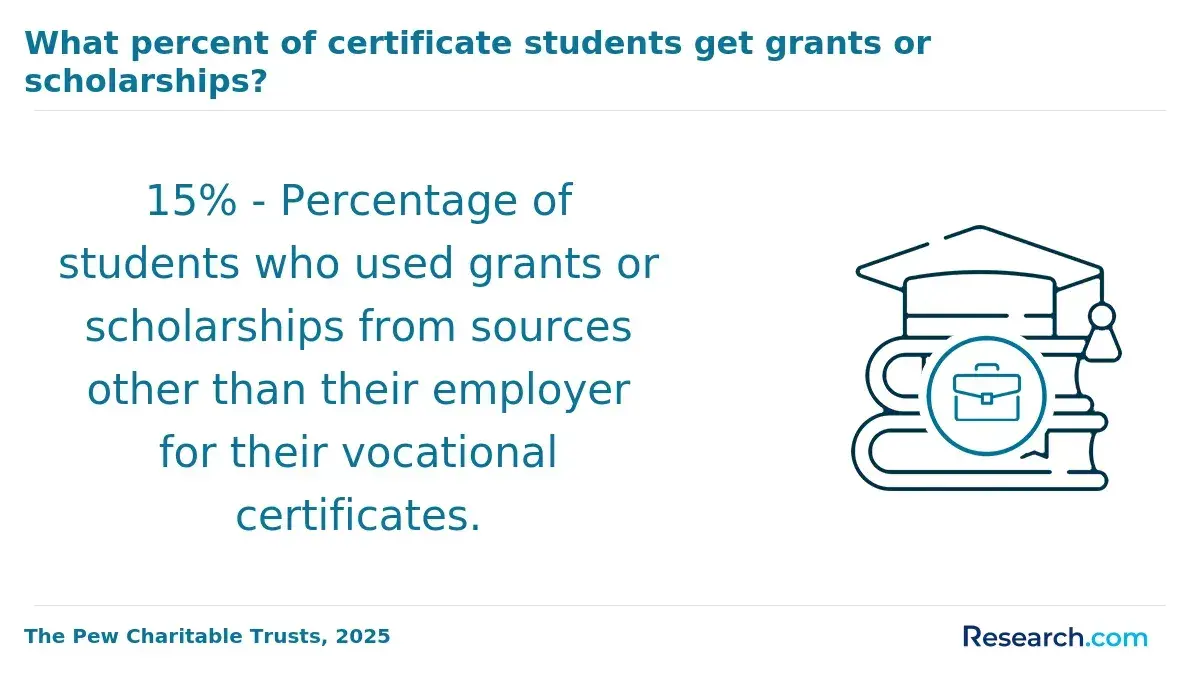
| Undergraduate certificate | Students or workers exploring healthcare administration before committing to a full degree | Healthcare systems, terminology, basic management, compliance foundations | May not be enough for management roles without experience or a degree |
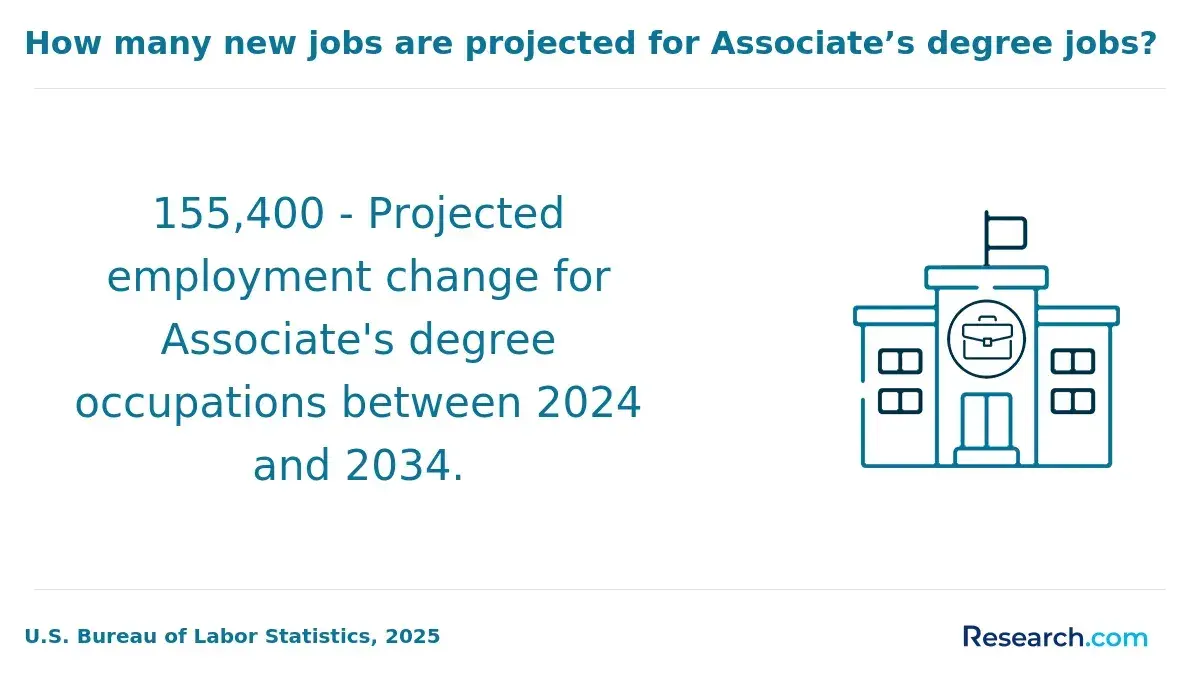
| Associate degree | Entry-level administrative roles in medical offices, clinics, billing, or patient services | Office systems, medical terminology, basic accounting, records, customer service | Advancement may require a bachelor's degree later |
| Bachelor's degree | New professionals seeking coordinator, analyst, practice operations, or department support roles | Management, finance, policy, law, HR, statistics, healthcare operations | Quality varies; internships and employer partnerships matter |
| Graduate certificate | Professionals with a degree who need targeted healthcare management knowledge | Leadership, compliance, quality, informatics, finance, or policy specialization | May not carry the same weight as a full master's degree for senior roles |
| Master of Health Administration or related master's | Professionals aiming for leadership, consulting, policy, or larger organizational roles | Strategy, advanced finance, population health, analytics, governance, executive leadership | Requires a larger time and cost commitment; ROI depends on career stage and employer demand |
| Doctoral study | Experienced leaders interested in executive, research, academic, or high-level policy work | Advanced research, systems leadership, organizational strategy, applied scholarship | Usually unnecessary for many operational management jobs |
Admissions requirements vary by school, but bachelor's programs often review high school or transfer transcripts, while graduate programs may ask for a bachelor's degree, resume, statement of purpose, recommendations, and sometimes professional experience. Before enrolling, confirm accreditation, transfer credit policies, total program cost, fieldwork expectations, and whether the curriculum matches your target role.
Which technical and digital competencies are critical for modern healthcare administration professionals?
Technical skill in healthcare administration does not mean you need to become a software engineer. It means you can work confidently with the systems, data, privacy rules, and digital workflows that support care delivery. Employers value administrators who can ask better questions of dashboards, vendors, IT teams, clinicians, and finance staff.
Digital transformation is especially important because healthcare organizations are using EHRs, portals, telehealth tools, claims systems, scheduling platforms, analytics dashboards, and automation tools at the same time. Administrators who understand how these systems connect are better prepared to reduce duplication, improve reporting, and spot workflow risks.
These technical competencies are especially useful because they appear across many job titles, from clinic coordinator to operations director:
- EHR literacy: Understanding how electronic health records support documentation, orders, scheduling, billing, reporting, privacy, and quality measurement.
- Spreadsheet and dashboard skills: Using tools to summarize staffing patterns, financial performance, patient access metrics, denial trends, or quality indicators.
- Healthcare data interpretation: Knowing the difference between operational, clinical, financial, and claims data so you do not draw the wrong conclusion from a report.
- Cybersecurity and privacy awareness: Recognizing how access controls, phishing risks, data-sharing rules, and HIPAA requirements affect day-to-day operations.
- Telehealth operations: Coordinating scheduling, patient instructions, billing workflows, technology support, and compliance considerations for virtual care.
- AI and automation judgment: Understanding where automation can reduce administrative burden and where human review remains necessary for fairness, safety, compliance, and patient trust.
A common mistake is listing "data analysis" on a resume without evidence. A stronger approach is to build a portfolio of class projects or work examples, such as a mock staffing dashboard, a denial-rate analysis, a workflow map, or a quality-improvement briefing. Do not include protected patient information in any portfolio or interview material.
What interpersonal and leadership skills do employers seek in healthcare administration candidates?
Healthcare administration is people-intensive work. Administrators often sit between patients, clinicians, executives, payers, regulators, vendors, and frontline staff. That makes interpersonal judgment as important as technical knowledge, especially when a decision affects staffing, safety, access, or patient experience.
Employers tend to notice leadership skills when candidates can describe how they handled ambiguity, conflict, competing priorities, or change. These are the soft skills that become hard evidence in interviews when you connect them to real situations:
- Communication across professional groups: Translating financial, operational, or regulatory information into language that clinicians, executives, and staff can act on.
- Conflict resolution: Addressing scheduling disputes, patient complaints, team tension, or policy resistance without escalating avoidable problems.
- Change management: Helping teams adopt new systems, workflows, metrics, or compliance procedures while acknowledging disruption.
- Ethical judgment: Balancing efficiency, cost, privacy, equity, and patient welfare instead of treating decisions as purely financial.
- Cultural responsiveness: Supporting respectful communication with patients and staff from different backgrounds, including people with different language, disability, or access needs.
- Accountability: Owning results, documenting decisions, following up, and learning from mistakes rather than blaming systems or individuals.
One useful test is whether you can explain a leadership story using the problem, your action, the result, and what you learned. Healthcare employers usually prefer grounded examples over vague claims such as "excellent communicator" or "natural leader."
How do online and campus healthcare administration programs develop these in-demand skills differently?
Online and campus programs can both prepare students well, but they build skills through different learning environments. The better choice depends on your schedule, learning style, access to local healthcare employers, and need for flexibility.
Online programs are often attractive to working adults because they may allow part-time enrollment, asynchronous coursework, and continued employment. Campus programs may offer more in-person networking, structured peer interaction, and easier access to local internships or faculty-led projects. Neither format is automatically better; program design matters more than delivery mode.
The table below highlights the practical differences that affect skill development. Use it to decide what format supports your career stage and learning needs.
| Factor | Online healthcare administration programs | Campus healthcare administration programs |
| Flexibility | Often better for working adults, caregivers, military students, and students outside commuting range | Often better for students who want a fixed schedule and in-person structure |
| Networking | Depends heavily on virtual events, alumni access, group projects, and employer partnerships | May provide more spontaneous interaction with faculty, classmates, and local employers |
| Skill practice | Can be strong when courses include simulations, analytics projects, case studies, and local fieldwork | Can be strong when students participate in labs, campus events, employer panels, and nearby placements |
| Internships | May require students to secure approved placements near home | May have established relationships with regional healthcare organizations |
| Cost considerations | May reduce commuting or relocation costs, but technology fees and residency requirements should be checked | May involve commuting, housing, parking, or reduced work hours |
| Best fit | Self-directed students who can manage deadlines and communicate proactively | Students who learn best through face-to-face support and structured routines |
Red flags in either format include limited faculty access, no applied projects, unclear fieldwork support, vague career services, or a curriculum that has not kept pace with analytics, compliance, telehealth, and healthcare finance. Ask for sample syllabi before enrolling if the website only lists course titles.
What courses and learning experiences most effectively build real-world healthcare administration abilities?
The strongest healthcare administration programs do more than introduce the healthcare system. They repeatedly ask students to solve realistic problems: reduce patient wait times, interpret a budget, respond to a compliance issue, analyze quality data, redesign a workflow, or present a recommendation to stakeholders.
When reviewing a curriculum, look for courses that create evidence of applied ability. The following learning experiences are especially useful because they map directly to workplace expectations:
- Healthcare finance and reimbursement: Builds understanding of budgets, payer structures, revenue cycle issues, and cost-aware decision-making.
- Healthcare law, ethics, and compliance: Helps students recognize privacy, documentation, fraud, accreditation, and risk-management responsibilities.
- Health informatics and data analytics: Develops the ability to work with EHR concepts, dashboards, quality metrics, and operational reports.
- Operations and process improvement: Teaches workflow mapping, capacity planning, patient flow, staffing coordination, and performance improvement methods.
- Human resources in healthcare: Covers hiring, retention, scheduling, employee relations, training, and workforce planning.
- Population health and health policy: Connects organizational decisions to access, equity, community needs, public programs, and policy changes.
- Capstone or consulting project: Gives students a structured way to apply research, analysis, communication, and leadership to a realistic problem.
Programs with strong skill development usually assess students through memos, presentations, dashboards, case analyses, group projects, and fieldwork evaluations. Multiple-choice exams can test knowledge, but employers also want proof that you can apply that knowledge in messy, real-world situations.
How do internships, practicums, and experiential learning enhance healthcare administration skill readiness?
Experiential learning is often the difference between knowing healthcare administration vocabulary and being ready to contribute at work. Internships, practicums, residencies, simulations, and employer-sponsored projects help students understand how decisions move through real organizations.
Field experiences are especially valuable because healthcare administration work involves trade-offs. For example, a scheduling change may improve patient access but create staffing pressure; a documentation improvement may support compliance but require training time; a cost-saving idea may affect patient experience if poorly designed.
Students should evaluate experiential learning options by asking what they will actually do, not only where they will be placed. A strong placement usually includes several of the following elements:
- A defined project with measurable objectives, such as improving a workflow, analyzing a metric, or supporting an implementation.
- Exposure to more than one department, such as operations, finance, quality, compliance, patient access, or human resources.
- Regular supervision from a healthcare leader who can explain decisions and provide feedback.
- Opportunities to attend meetings, observe leadership communication, and understand organizational constraints.
- A final deliverable, such as a report, presentation, dashboard, policy review, or process map that can be discussed in interviews without revealing confidential information.
A common mistake is accepting a placement that is mostly clerical and has no learning plan. Some administrative work is useful, but a practicum should build management insight, not just add unpaid office labor. Ask the program how placements are approved, what happens if a site falls through, and whether online students receive equal support.
What certifications or professional credentials validate key healthcare administration skills for employers?
Certifications can help validate specialized skills, especially when you are changing careers, targeting a niche, or trying to stand out for advancement. They are not always required, and they do not replace experience or a relevant degree, but they can signal commitment and practical knowledge.
Credential value depends on your target role. A revenue cycle credential may help in billing leadership, while a health information credential may matter more in records, coding, privacy, or data governance. Executive-level credentials may be more useful after you have management experience.
The table below summarizes credential categories rather than promising that any one certification is necessary for all healthcare administration jobs. Always check current eligibility rules with the credentialing organization before planning your timeline.
| Credential category | Skill area validated | Best fit | Important limitation |
| Healthcare management credentials | Leadership, strategy, operations, governance, and professional standards | Managers, directors, executives, and professionals seeking advancement | Some credentials require experience or membership before eligibility |
| Revenue cycle credentials | Billing, claims, denials, reimbursement, compliance, and financial workflow | Patient financial services, billing managers, revenue cycle analysts, and practice managers | Most useful when your role touches payer and reimbursement processes |
| Health information credentials | Records management, coding systems, privacy, documentation quality, and data governance | Health information managers, compliance staff, coding leaders, and data-quality roles | May require specific accredited education or exam preparation |
| Project management credentials | Planning, stakeholder coordination, risk tracking, timelines, and implementation discipline | Administrators working on EHR rollouts, process improvement, facility changes, or service expansion | General project credentials should be paired with healthcare-specific knowledge |
| Quality and process improvement credentials | Lean, Six Sigma, patient safety, performance measurement, and root-cause analysis | Quality coordinators, operations managers, and service-line improvement roles | Employers may care more about completed improvement projects than the credential alone |
If you are considering advanced leadership or academic pathways, a PhD in healthcare management online may make sense for research, teaching, policy, or senior systems roles. For many operational management jobs, however, a bachelor's or master's degree plus targeted experience and relevant certification may be the more efficient path.
How can prospective students evaluate whether a healthcare administration program teaches marketable skills?
The best way to evaluate a healthcare administration program is to compare its claims with evidence. Marketable skills should be visible in the curriculum, assignments, faculty experience, fieldwork structure, employer connections, and graduate support services.
Start with your target role and work backward. If you want revenue cycle leadership, the program should include reimbursement, analytics, finance, and compliance. If you want operations management, look for staffing, process improvement, patient access, project management, and leadership. If you want policy or executive work, strategy, governance, population health, and advanced analytics become more important.
Use the following steps before you apply or enroll. They are designed to help you avoid common mistakes that can increase cost without improving career readiness:
- Check institutional accreditation and, when relevant, programmatic accreditation or industry recognition; do not rely only on advertising language.
- Request sample syllabi for core courses and look for applied assignments, case analyses, dashboards, budgets, policy memos, and presentations.
- Ask how internships, practicums, capstones, or employer projects are arranged, especially if you are an online or out-of-state student.
- Review faculty backgrounds to see whether instructors have healthcare leadership, finance, compliance, informatics, policy, or research experience that matches the curriculum.
- Compare total cost, including fees, books, technology requirements, commuting, residencies, lost work time, and transfer-credit policies.
- Ask career services for examples of employer partnerships, alumni roles, resume support, interview preparation, and job-search resources.
- Look for transparent outcome information, but remember that salary and job placement results can vary by region, prior experience, economy, and student effort.
It can also help to compare healthcare administration with adjacent paths before committing. For example, students drawn to operations but not healthcare regulation might explore a construction management online degree, while nurses who want advanced clinical authority rather than administration may compare online PMHNP programs. Choosing the right field matters as much as choosing the right school.
The biggest red flags are vague curriculum descriptions, pressure to enroll quickly, unclear accreditation, no fieldwork support, limited cost transparency, and promises that imply guaranteed jobs or salaries. A strong program should help you build evidence of skill, not just complete credits.
Other Things You Should Know About Healthcare Administration
Yes, it can be, especially for people with strengths in operations, finance, customer service, data, human resources, or compliance. Clinical experience can be helpful, but many healthcare administration roles focus on systems, staffing, budgets, records, patient access, or organizational performance rather than direct patient care.
The terms often overlap. Healthcare administration may emphasize organizational systems, policy, compliance, and operations, while healthcare management may focus more on leading people, departments, or service lines. In job postings, employers frequently use the terms interchangeably, so read the responsibilities carefully.
Some roles can be remote or hybrid, especially positions involving analytics, billing, compliance, project coordination, consulting, or payer operations. Roles that supervise clinics, manage facilities, handle patient access, or lead on-site teams are more likely to require in-person work.
In 2027, employers are prioritizing skills such as data analytics, cybersecurity awareness, telehealth management, and patient-centered care coordination. Healthcare administrators should demonstrate proficiency in technology integration, policy compliance, and effective communication to adapt to the evolving needs of the industry.
References
- What Are Employers Really Looking for in Health and Social Care Candidates? https://nwstalenthub.nhs.uk/v2/blog/what-employers-look-for-in-health-and-social-care-candidates
- Enhancing Career Readiness Through Internship Efficacy, ... https://ijsscfrtjournal.isrra.org/Social_Science_Journal/article/download/1650/212/2005
- What are the essential skills needed for health care management | UNF https://www.unfc.ca/blog/healthcare-management-skills
- 15 Best Online Bachelor's Degrees in Health Services 2019 - Healthcare Administration Degree Programs https://www.healthcare-administration-degree.net/best-online-bachelors-degrees-in-health-services/
- How to Become a Healthcare Administrator https://www.publichealthdegrees.org/careers/healthcare-administrator/
- Importance of Internship Programs as a Strategy to Impart Experiential Learning on Graduate https://ijssrr.com/journal/article/view/2200
- 15 Top Management Skills That Can Lead to C-Suite Status in Healthcare Organizations https://opusvi.com/news/15-top-management-skills-that-can-lead-to-c-suite-status-in-healthcare-organizations
- Healthcare Administrator https://www.developingexperts.com/career-builder/1101
- Future Students https://www.aupha.org/resourcecenter/futurestudents
- Enhancing practical skills in medical education: evaluating the effica | AMEP | Dove Medical Press https://www.dovepress.com/enhancing-practical-skills-in-medical-education-evaluating-the-efficac-peer-reviewed-fulltext-article-AMEP