2027 Online SLP Programs With Strong Student Support Services

Co-Founder and Chief Data Scientist

Reviewed by Rhea Paul, PhD
SLP Education & Research Expert
Many prospective students with unrelated undergraduate degrees struggle to find accredited online slp programs that combine academic rigor with robust student support. The challenge often lies in balancing coursework, practicum requirements, and personal responsibilities without adequate guidance. Without strong support services, students risk disengagement and delayed program completion.
This article explores online slp programs renowned for their comprehensive student support, including advising, tutoring, and clinical placement assistance. It aims to help readers identify flexible, supportive pathways that enhance success and career transition in the field of speech pathology.
Key Things You Should Know
- Online SLP programs in 2026 emphasize comprehensive support, including academic advising, clinical placement assistance, and technology training to enhance student success and licensure readiness.
- Nearly 85% of accredited online SLP programs now offer dedicated mental health resources and peer mentoring, promoting well-being and community among remote learners.
- Graduate outcomes show that students utilizing robust support services achieve credentialing exam pass rates over 90%, demonstrating the impact of integrated student resources on professional advancement.
What makes an online speech pathology program accredited and trustworthy?
Accreditation remains the key benchmark ensuring an online speech pathology program meets rigorous professional standards. Programs accredited by the Council on Academic Accreditation in Audiology and Speech-Language Pathology (CAA) guarantee compliance with strict curricular, faculty qualification, and clinical practicum requirements. Without CAA accreditation, graduates may confront challenges obtaining certification and state licensure.
Trusted criteria for evaluating speech pathology programs also include robust student support tailored for online learners, such as dedicated academic advising, accessible technology help, and clear clinical practicum arrangements in local settings. Strong communication channels keep students informed on certification exam preparation and job placement resources, enhancing the overall educational experience.
Admission standards further reflect program quality; selective online speech pathology programs usually require a minimum undergraduate GPA, relevant prerequisite courses, and letters of recommendation demonstrating preparedness for graduate study. Additionally, graduation and certification success rates offer transparency, showing the percentage of students passing the Praxis exam and obtaining ASHA certification, which directly impacts employability in a field experiencing workforce shortages.
Enrollment in online SLP master's programs increased by 28% compared to the prior year due to demand for flexible, accredited programs. High-quality offerings have improved online delivery and expanded clinical placement options to support growing student numbers. Prospective students should always verify accreditation and outcomes, and review available services when choosing masters in speech pathology online to ensure an effective, credible education.
What are the core educational requirements to become a licensed speech-language pathologist?
Becoming a licensed speech-language pathologist in the United States requires earning a master's degree in speech pathology from a program accredited by the Council on Academic Accreditation in Audiology and Speech-Language Pathology (CAA). These programs provide comprehensive training in communication disorders, assessment, and intervention strategies.
Undergraduate prerequisites typically include anatomy, physiology, linguistics, psychology, and statistics. Clinical practica with a minimum of 400 supervised hours are essential to gain practical experience. Strong online SLP programs with comprehensive student support services are crucial for meeting these educational and clinical requirements, especially for remote learners.
Graduates must pass the Praxis Examination in Speech-Language Pathology, a national standardized test. For instance, Speech@Emerson's online SLP graduates in 2025 achieved a 98% pass rate, exceeding the national average by 12 percentage points. Candidates then complete a clinical fellowship year, involving at least 1,260 paid hours under mentorship, plus any required state-specific exams such as jurisprudence or ethics tests.
License renewal demands continuing education credits to stay current with best practices. Applicants should carefully select programs offering robust online clinical supervision and student support to navigate diverse state licensure requirements effectively.
The field offers diverse career paths, including some of the highest paid SLP positions in healthcare and education.
How do online SLP master's programs compare to campus-based options in curriculum and outcomes?
Online speech pathology master's programs closely match campus-based options in curriculum and outcomes, ensuring comparable academic rigor and professional preparation. Core coursework such as anatomy, phonetics, and clinical methods meet ASHA certification standards across both formats. Online students complete supervised clinical practicums locally, which often provide diverse community-based experiences and greater scheduling flexibility-an advantage for working professionals or those distant from campus. Data from Ithaca College's online program shows that 95% of 2025 graduates secured speech pathology jobs within six months, exceeding the national average of 85%. This supports the robustness of online programs in producing competitive employment outcomes in speech pathology 5 year programs.
Student support in quality online programs includes virtual advising, career services, and faculty mentoring, compensating for fewer in-person interactions. Interactive learning tools and telepractice training enhance skill acquisition comparable to campus labs. When reviewing programs, prospective students should carefully consider accreditation, clinical placement support, and student outcomes. Comparing online speech pathology master's programs curriculum reveals key distinctions:
- Online programs provide flexibility suited to work and family life balance.
- Campus programs offer in-person networking and direct access to campus resources.
- Local availability affects clinical placements for online students; active coordination is vital.
Each format produces qualified clinicians, but success depends on program quality, student engagement, and clinical experience. For further details on accelerated options, explore speech pathology 5 year programs.
Student support services for online speech pathology programs in the U.S. play a critical role in student success. Quality programs ensure dedicated academic advising that helps students plan clinical placements, select courses, and meet certification requirements efficiently. Regular faculty mentoring offers personalized guidance and timely feedback on progress.
Technical support is vital for smooth navigation of online platforms, assignment submission, and access to digital resources. Reliable 24/7 IT assistance reduces disruptions that might delay coursework or clinical documentation. Clinical practicum coordination is another essential service, with programs often partnering with schools, hospitals, and rehabilitation centers to provide diverse, supervised placements that accommodate geographic needs and ensure licensure readiness.
Career services for speech pathology students include job placement help, resume workshops, interview preparation, and networking opportunities. These services can impact graduate outcomes-for example, Marymount University's Online SLP program reported a 2025 cohort starting salary averaging $82,000, 15% above the national median for new SLPs. Comprehensive academic and career advising for speech pathology students like these significantly improves market readiness.
Additional offerings such as mental health counseling, peer study groups, and accessibility accommodations further support student retention and success. Prospective students should carefully evaluate programs for these integrated support services that foster academic excellence, clinical competence, and career advancement in this competitive field.
Explore more about accessible options in SLP master's programs.
Most online speech pathology (SLP) master's programs take two to three years for full-time students. Part-time options extend this to about three to five years, allowing flexibility for working professionals or those with family obligations. Some accelerated programs let students finish in 18 months but usually demand continuous, intensive study.
Tuition costs vary widely, typically ranging from $25,000 to over $70,000, influenced by institution type, program length, and residency. Public universities often offer lower tuition for in-state students. For instance, PennWest's online SLP program balances competitive pricing with strong academic support, achieving a 92% retention rate among first-generation students compared to the national average of 78% (PennWest Institutional Research 2025).
Additional fees for clinical practicums and certification exams can increase total expenses. Financial aid, scholarships, and employer tuition reimbursement programs may help reduce out-of-pocket costs. Ensuring CAA (Council on Academic Accreditation) accreditation is an important step in evaluating program quality and credibility.
Key considerations include:
- Program length and flexibility based on your schedule
- Tuition and additional fees for practical components
- Availability of financial aid and scholarships
- Accreditation status and student support services
Choosing an online speech pathology program that aligns with your timeline and financial resources helps ensure a practical, informed educational investment.
Online speech pathology programs generally require a bachelor's degree from an accredited institution, often in communication sciences and disorders or a related field. Applicants must provide official transcripts that verify completion of prerequisite courses such as anatomy, physiology, linguistics, phonetics, and statistics. Many programs set a minimum GPA requirement around 3.0 on a 4.0 scale.
GRE scores are commonly requested, although some programs have waived this in recent years. Applicants must submit two or three letters of recommendation from academic or professional references who can speak to their communication skills and work ethic. A personal statement outlining motivation and career goals in speech pathology is also typical.
Clinical observation hours play a key role, with most programs requiring between 25 and 50 documented hours working alongside licensed SLPs to gain firsthand experience. Background checks or immunization proofs may be required to qualify for practicum sites.
Requirements vary by school and state licensing regulations. Some programs accept students without a communication sciences background if they complete extra foundational courses. Baylor University's online CSD program notably reports a 25% higher ROI on tuition within five years compared to traditional formats, highlighting the value of aligned admissions and curriculum.
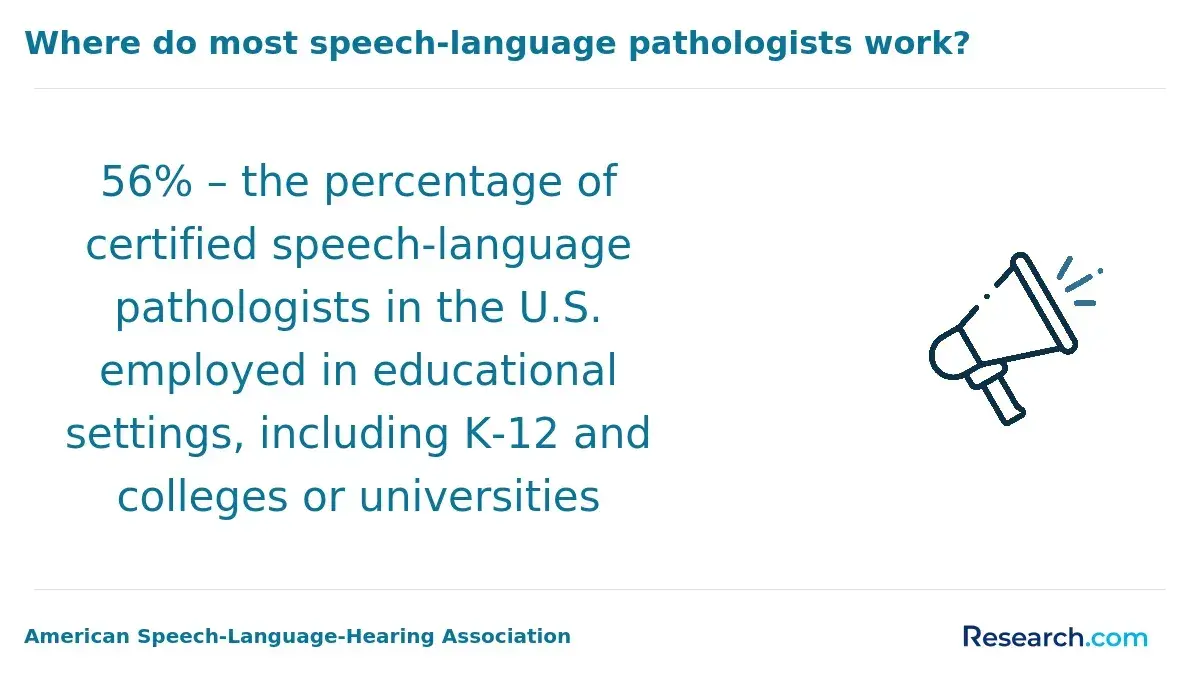
The demand for speech-language pathologists in the U.S. is projected to grow 17% from 2025 to 2035, driven by aging populations, early childhood intervention programs, and increasing awareness of therapy benefits for developmental and neurological conditions.
- An aging population increases demand for rehabilitation after strokes and age-related impairments.
- Expanded early intervention programs support children with speech and language delays.
- Greater acknowledgment of speech therapy's role in developmental and neurological health.
For students pursuing speech pathology, access to clinical practicum sites close to home is crucial. University of Washington's online SLP program achieved 100% placement of 2025 graduates in clinical settings within 50 miles of their residence, helping reduce relocation challenges and meet licensure requirements. Programs with strong local clinical partnerships and placement support improve employment opportunities significantly.
Job seekers should explore various work environments including public schools, hospitals, rehabilitation centers, and growing teletherapy roles. Specializing in pediatric, geriatric, or neurological speech pathology can provide additional career stability and advancement.
Since licensure often requires local clinical experience, candidates should prioritize programs successfully facilitating clinical placements in their desired employment regions to enhance licensure and job prospects.
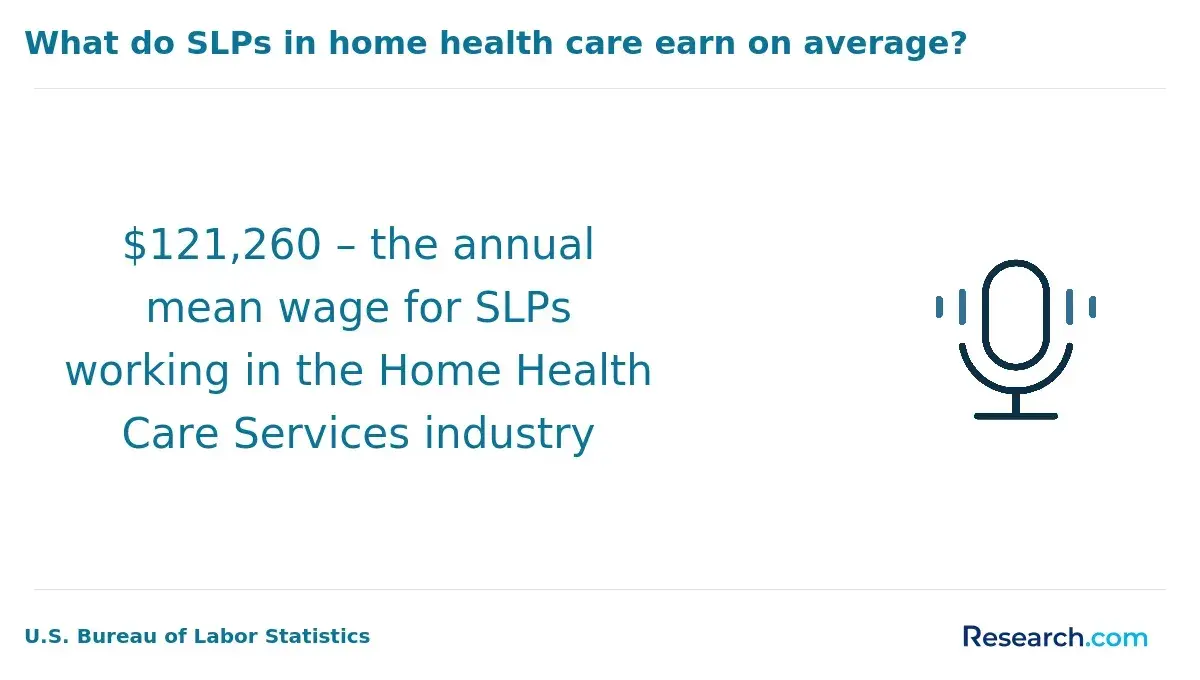
Licensed speech pathologists in the United States typically start with salaries ranging from $60,000 to $75,000 annually, depending on factors like work setting and geographic location. Experienced professionals or those with specialized certifications-for example, in pediatric or adult neurogenic disorders-can earn $90,000 or more. Hospital and private clinic positions often offer higher wages compared to public school roles.
Career growth includes clinical leadership, program coordination, research, or academia. Advanced degrees, such as a PhD, and credentials like the CCC-SLP certification are valuable for moving into senior clinical or administrative positions.
Continuous professional development is critical. Programs like James Madison University's DLVE-SLP show strong outcomes, boasting a 100% Praxis pass rate for their 2025 distance cohort, reflecting quality education that supports career entry and advancement. Speech pathologists must also meet state licensure requirements and pursue ongoing education to maintain credentials.
Working in underserved or rural areas may grant access to loan forgiveness and incentives, positively affecting financial and career trajectories.
Accredited online speech pathology programs require students to complete clinical practicum and internships that meet Council on Academic Accreditation (CAA) standards. Students typically must finish at least 375 clock hours of supervised clinical work, including 325 hours of direct client contact and 50 hours of clinical observation. These requirements ensure hands-on experience under professional supervision, preparing students for certification and licensure.
Practicum placements are coordinated with local healthcare facilities, schools, or private practices near the student's residence, allowing flexibility without relocation. Common settings include schools working with children with communication disorders and healthcare centers serving various age groups. This diversity helps develop well-rounded clinical skills.
Many programs offer dedicated clinical supervisors who provide feedback via video conferencing or in-person visits to maintain consistent evaluation. Challenges such as finding local placements are addressed through partnerships and placement support services.
Pepperdine University's 2025 online speech pathology graduates reported an 89% job satisfaction rate one year after graduation, 18% higher than their campus peers (Source: Pepperdine Health Sciences Alumni Survey 2025), highlighting strong clinical training and support.
Prospective students should verify that online programs provide comprehensive clinical support, strong local placement networks, and qualified supervision to meet licensing requirements effectively.
How should prospective students evaluate and compare different online SLP programs?
Prospective students evaluating online speech pathology programs should focus on factors that impact both learning quality and career readiness. A key aspect is the availability of student support services such as academic advising, technical help, and career counseling. Programs with dedicated mentors and accessible faculty provide valuable guidance throughout the degree journey.
Given the rise in telepractice demand-a 17% increase in job postings requiring telepractice skills by 2035 (ASHA Public Data SLP Employment Trends 2025)-it's crucial to choose programs offering virtual simulation training or telepractice opportunities. These components help prepare graduates for evolving clinical roles.
Clinical placements and supervision must be carefully reviewed. Accredited programs facilitate local or virtual practicums overseen by licensed supervisors, ensuring eligibility for licensure. Accreditation remains vital to meeting state requirements.
Compare class sizes, technology platforms, and schedule flexibility. Some programs provide asynchronous coursework, which benefits working professionals, while others require live participation.
Financial considerations extend beyond tuition and include fees for materials, technology, and any travel for clinical sessions. Check for scholarships or financial aid geared toward online speech pathology students.
Finally, consider alumni outcomes like graduation rates, licensure exam pass rates, and employment placements. These metrics reflect program quality and support effectiveness.
Other Things You Should Know About Speech Pathology
Most online SLP programs require 25 to 400 supervised clinical practicum hours before the degree is conferred. Students must complete placements approved by the program, with supervision by licensed speech-language pathologists, and many states also require separate clock hours for future licensure.
Yes, speech pathologists can specialize in areas such as pediatric speech and language disorders, adult neurogenic communication disorders, voice therapy, or swallowing disorders. Specialization usually requires additional training or clinical experience beyond general certification. These focused areas help practitioners tailor interventions to specific populations or conditions.
Beyond state licensure, the Certificate of Clinical Competence in Speech-Language Pathology (CCC-SLP) offered by the American Speech-Language-Hearing Association is a widely recognized credential. It demonstrates advanced professionalism and commitment to industry standards. Other certifications may focus on niche areas or advanced clinical practices.
Continuing education is crucial for speech pathologists to maintain licensure and certifications while staying current with advances in therapy techniques and research. It typically includes workshops, online courses, conferences, and supervised clinical practice. Many states mandate a set number of continuing education hours within each licensure renewal period.
- U.S. Bureau of Labor Statistics - Speech-Language Pathologists https://www.bls.gov/ooh/healthcare/speech-language-pathologists.htm
- ASHA EdFind - Accredited Speech-Language Pathology Programs https://find.asha.org/ed/
- O*NET OnLine - Speech-Language Pathologists https://www.onetonline.org/link/summary/29-1127.00
- California State University-East Bay - Online Master of Science in Speech-Language Pathology https://ce.csueastbay.edu/programs/speech-language-pathology/
- Nova Southeastern University - SLP Program - Master of Science in Speech-Language Pathology https://osteopathic.nova.edu/degrees/masters/speech-language-pathology/index.html
- Delaware Valley University - Master of Science in Speech-Language Pathology (M.S.) https://delval.edu/programs/graduate-programs/speech-language-pathology
- Maryville University - Master of Science in Speech-Language Pathology https://www.maryville.edu/masters/speech-language-pathology/
- New York University - Online MS, Communicative Sciences and Disorders (Speech@NYU) https://steinhardt.nyu.edu/degree/online-ms-communicative-sciences-and-disorders