2027 How to Choose an Online Communication Degree for Social Media Careers

Co-Founder and Chief Data Scientist
Choosing an online communication degree for a social media career means weighing cost, credibility, skills, and career outcomes before you enroll. The decision matters because social platforms now shape brand reputation, customer service, news discovery, and sales; Pew Research Center data published in 2024 found that 83% of U.S. adults use YouTube.
This guide is for prospective students, career changers, and working adults who want a practical path into social media, digital marketing, public relations, or content strategy.
Key Things You Should Know
- An online communication degree is strongest for social media careers when it combines communication theory with analytics, campaign planning, writing, audience research, visual content, and hands-on portfolio work.
- College Board's 2024 pricing data lists average published tuition and fees at $11,610 for in-state public four-year institutions and $43,350 for private nonprofit four-year institutions.
- Salary outcomes depend on role and experience; the U.S. Bureau of Labor Statistics reported 2024 median pay of $69,780 for public relations specialists and $159,660 for advertising, promotions, and marketing managers.
What is an online communication degree and how does it prepare you for social media careers?
An online communication degree is an undergraduate or graduate program that studies how people, organizations, media platforms, and audiences create meaning. For social media careers, the most useful programs go beyond general speaking and writing skills. They teach students how to plan campaigns, adapt messages for different audiences, analyze engagement data, manage brand reputation, and communicate ethically in fast-moving public environments.
Social media work is not only posting content. Employers often expect professionals to connect content decisions to business goals such as awareness, lead generation, customer retention, community building, public relations, and crisis response. A communication degree can help because it gives students a framework for understanding audience behavior, persuasion, storytelling, media effects, and organizational communication.
The best-fit student is usually someone who wants a broad communication foundation rather than a narrow software-only credential. A degree may be especially useful if you want to move into strategy, brand communication, public relations, digital marketing management, or communications leadership. If your only goal is to learn one platform quickly, a short certificate or bootcamp may be more efficient.
A strong online communication program should help you graduate with evidence of your skills, not just completed courses. Look for assignments that can become portfolio pieces, such as campaign plans, content calendars, social listening reports, short-form video projects, audience personas, and analytics summaries.
How do online and campus-based communication programs compare for social media-focused study?
Online and campus-based communication programs can both lead to social media careers, but they fit different learning styles and schedules. Online programs are often better for working adults, caregivers, military-affiliated students, and students who need geographic flexibility. Campus programs may offer easier access to student media labs, in-person internships, networking events, and live production spaces.
Online learning is now a mainstream option rather than a niche format. Federal education data released by the National Center for Education Statistics in 2024 continues to show that distance education remains a major part of U.S. higher education, which means employers are generally more familiar with online degrees than they were a decade ago. The key is not whether the program is online; it is whether the institution is accredited, the curriculum is career-relevant, and the student builds a strong portfolio.
The table below compares the practical trade-offs that matter most for social media-focused students deciding between online and campus study.
| Factor | Online communication degree | Campus-based communication degree | Best fit |
| Schedule | Often asynchronous or evening-friendly | Usually fixed class times | Online is stronger for working adults and students with complex schedules. |
| Portfolio building | Depends heavily on course design and self-directed projects | May include campus media, clubs, and production facilities | Either can work if assignments produce real samples. |
| Networking | Requires intentional use of virtual events, LinkedIn, alumni groups, and remote internships | Often easier through campus events and local employer relationships | Campus may help students who want in-person professional networks. |
| Technology practice | Usually strong if courses use collaboration tools, content platforms, and analytics dashboards | Varies by department resources and faculty expertise | Choose the program with the most current digital media coursework. |
| Cost control | May reduce commuting, relocation, and housing costs | May add campus fees and relocation costs | Online often helps students reduce indirect expenses. |
If you are comparing programs in other applied fields, you may notice similar trade-offs around schedule, accreditation, and career outcomes in areas such as sports management online programs. The lesson is the same: format matters, but curriculum quality and career support matter more.
What accreditation should you look for in online communication degrees for social media work?
Accreditation is one of the first checks you should make before applying. For an online communication degree, institutional accreditation is the most important baseline because it affects credit transfer, eligibility for federal financial aid, employer recognition, and graduate school options. In the U.S., legitimate institutional accreditors are recognized by the U.S. Department of Education or the Council for Higher Education Accreditation.
Communication programs do not usually require a specialized programmatic accreditation for social media jobs. Unlike fields such as nursing, teaching, or clinical mental health counseling, social media and digital communication careers are not typically licensed professions. That said, some departments may have strong industry partnerships, advisory boards, internship pipelines, or certification alignment that makes the program more valuable.
Before you apply, use the following checks to avoid low-quality or misleading programs.
- Confirm institutional accreditation through the U.S. Department of Education's recognized accreditor database or the school's official accreditation page.
- Check whether the online program is offered by the same accredited institution that grants the degree, not by an unaccredited third-party provider.
- Ask whether credits transfer to other accredited colleges if you later change schools or pursue graduate study.
- Look for transparent faculty profiles, course descriptions, tuition disclosures, student support services, and career outcomes.
- Be cautious of schools that promise jobs, guaranteed salaries, unusually fast completion without transfer credits, or vague "industry-recognized" credentials.
Veterans and military-affiliated students should also confirm whether the school participates in benefits programs and has experience supporting online learners. Students comparing military-friendly online options in other fields can review how support structures are discussed in an online speech pathology bachelor degree for veterans context and apply similar questions to communication programs.
Which types of communication degrees are best for careers in social media and digital marketing?
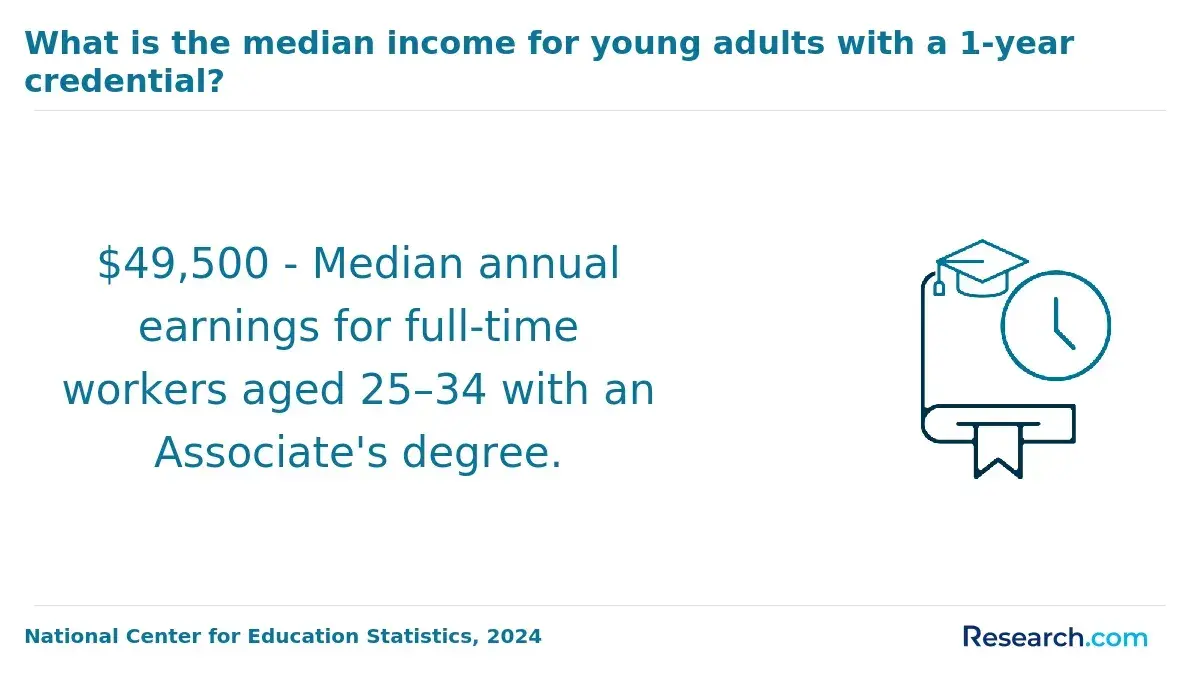
The best degree type depends on your starting point and target role. A bachelor's degree is the most common fit for entry-level social media, public relations, content marketing, and digital communication positions. A master's degree can make sense for professionals seeking leadership, strategy, research, higher education, or executive communication roles. An associate degree or certificate may be useful for testing the field, building software skills, or reducing cost before transferring.
The table below summarizes common degree options and when each one makes the most sense.
| Program type | Typical focus | Best for | Limitations |
| Associate degree in communication or media | Foundational writing, media literacy, public speaking, and general education | Students seeking a lower-cost start before transferring | May not be enough for competitive brand or agency roles without experience. |
| Bachelor's in communication | Communication theory, public relations, media writing, campaign planning, research, and electives | Most students targeting social media coordinator, content, PR, or digital communication roles | Needs digital coursework and portfolio work to be career-aligned. |
| Bachelor's in digital media or strategic communication | More direct emphasis on platforms, analytics, branding, and multimedia | Students who already know they want digital marketing or social media work | May be less broad than a general communication degree. |
| Master's in communication | Leadership, strategy, research, organizational communication, or integrated marketing communication | Working professionals seeking advancement or specialization | Usually not necessary for most entry-level social media roles. |
| Graduate certificate | Focused study in social media, digital marketing, PR, analytics, or content strategy | Degree holders who need targeted upskilling | May not replace a bachelor's degree when employers require one. |
Choose a broad communication degree if you want flexibility across PR, corporate communication, media relations, and social strategy. Choose a more specialized digital media or strategic communication program if you already know you want content strategy, paid social, analytics, or brand management. If your long-term goal involves coordinating teams and campaigns, it can also be useful to understand adjacent business pathways such as what jobs can you get with a project management degree, because many senior social media roles involve timelines, budgets, stakeholders, and cross-functional execution.
What core courses and specializations should a communication program include for social media roles?
A social media-focused communication program should balance theory, writing, strategy, analytics, and production. Programs that only teach broad communication concepts may leave students underprepared for platform-specific and data-informed work. Programs that only teach tools may become outdated quickly. The strongest curriculum teaches durable communication principles while giving students practice with current digital workflows.
When reviewing a curriculum, look for courses or electives that cover the following skill areas.
- Media writing and editing, including short-form copy, captions, headlines, scripts, press materials, and brand voice.
- Strategic communication or campaign planning, including goals, audiences, messaging, channel strategy, timelines, and evaluation.
- Social media analytics, including engagement metrics, conversion concepts, reporting, A/B testing basics, and performance interpretation.
- Public relations and crisis communication, including reputation management, issue response, stakeholder communication, and ethical decision-making.
- Digital content production, including video, audio, graphics, accessibility, mobile-first storytelling, and platform-native formats.
- Communication research methods, including surveys, audience analysis, social listening, content audits, and qualitative insight gathering.
- Marketing communication or consumer behavior, especially if you want to work in brand, agency, or ecommerce settings.
- Law and ethics, including copyright, privacy, disclosure rules, influencer marketing standards, and misinformation concerns.
AI is also changing the skill mix. Employers increasingly expect communication professionals to use generative AI tools responsibly for drafting, ideation, content repurposing, and research support. However, AI does not replace judgment. A good program should teach students how to verify information, protect confidential data, maintain brand voice, disclose sponsored content properly, and avoid publishing inaccurate or biased material.
Specializations worth considering include strategic communication, public relations, digital media, integrated marketing communication, journalism, advertising, visual communication, or organizational communication. The right choice depends on the role you want: PR-heavy students should prioritize media relations and crisis courses, while marketing-focused students should prioritize analytics, audience segmentation, and campaign measurement.
What admission requirements and prior experience do online communication programs typically expect?
Admission requirements vary by school and degree level, but online communication programs are generally accessible to students from many academic and professional backgrounds. Bachelor's programs usually ask for a high school diploma or equivalent, transcripts, and sometimes standardized test scores, though many schools are test-optional. Transfer students may need college transcripts and a minimum GPA. Graduate programs commonly require a bachelor's degree, statement of purpose, resume, recommendation letters, and sometimes writing samples.
Prior professional experience is helpful but not always required. For social media-focused study, admissions teams may value evidence that you can write clearly, manage deadlines, collaborate online, and think critically about audiences. A personal Instagram, TikTok, YouTube, or LinkedIn presence is not a substitute for academic readiness, but it can support your application if it shows thoughtful content strategy, community management, or measurable campaign work.
Applicants can strengthen their readiness by preparing a few materials before applying.
- Collect unofficial transcripts early so you can estimate transfer credits and identify missing prerequisites.
- Prepare two or three writing samples, such as blog posts, press releases, campaign briefs, newsletters, or analytical essays.
- Create a simple portfolio page that includes class projects, volunteer social media work, internships, or freelance samples.
- Ask admissions advisors how the program supports online students with tutoring, advising, library access, internship help, and career services.
- Confirm technology requirements, including reliable internet, video meeting access, design software, analytics tools, and learning platform expectations.
Do not overestimate informal social media experience. Running a personal account may demonstrate creativity, but professional roles require brand safety, audience research, accessibility, analytics, stakeholder approval, and legal awareness. Programs that help convert informal experience into documented portfolio projects can be especially valuable.
How long do online communication degrees take, and what do they usually cost?
Completion time depends on degree level, transfer credits, course load, and calendar format. A full-time bachelor's degree usually takes about four years from the start, while transfer students with an associate degree may finish in about two years. Accelerated online programs can shorten the timeline, but they often require heavier workloads and less flexibility. Part-time students may take longer, which can be worthwhile if they need to keep working.
Cost varies more than many students expect. College Board's 2024 Trends in College Pricing data lists average published tuition and fees of $11,610 for in-state public four-year institutions and $43,350 for private nonprofit four-year institutions. Those figures are not online-program-specific and do not include every personal expense, but they are a useful benchmark for judging whether a program's sticker price is unusually high or relatively affordable.
The table below outlines common cost and timeline factors that affect the total investment.
| Factor | How it affects the student | What to verify |
| Transfer credits | Can reduce both time and tuition if accepted toward major and general education requirements | Ask for a written transfer evaluation before enrolling. |
| Per-credit tuition | Determines direct academic cost, especially in programs with 120-credit bachelor's requirements | Confirm whether online students pay different rates. |
| Fees | Technology, distance learning, graduation, and course fees can add to the advertised price | Request a full cost-of-attendance estimate. |
| Course load | Full-time study may finish faster; part-time study may fit work schedules better | Ask how often required courses are offered. |
| Internship or project requirements | Can improve employability but may require unpaid time or local placement coordination | Ask whether remote internships or workplace-based projects are allowed. |
| Software and equipment | Content production may require design tools, video editing software, microphone, camera, or storage | Check what tools are included in tuition. |
Do not choose based on tuition alone. A cheaper program that accepts few transfer credits or lacks career support can cost more in the long run. On the other hand, a higher-priced program is not automatically better. Students comparing affordability in graduate or professional online fields, such as a construction management masters, should use the same principle here: compare total cost, completion time, credit transfer, employer value, and support services together.
What social media and communication career paths can you pursue with this degree?
An online communication degree can support several career paths, especially when paired with internships, portfolio work, certifications, freelance projects, or campus media experience. Entry-level roles are usually execution-focused, while mid-level and senior roles involve strategy, analytics, budgeting, team leadership, and stakeholder management.
The table below shows common roles that align with communication training and social media-focused coursework.
| Career path | Typical responsibilities | Helpful preparation |
| Social media coordinator | Schedule posts, monitor comments, draft captions, track engagement, and support campaigns | Content calendars, platform analytics, community management, and writing samples |
| Content strategist | Plan content themes, audience journeys, editorial calendars, and performance goals | Audience research, SEO basics, analytics, brand voice, and campaign planning |
| Public relations specialist | Write press materials, pitch media, manage reputation, and coordinate announcements | PR writing, media relations, crisis communication, and ethics |
| Digital marketing specialist | Support paid and organic campaigns across social, email, web, and search channels | Marketing communication, analytics, campaign measurement, and consumer behavior |
| Community manager | Moderate communities, respond to users, encourage engagement, and escalate issues | Interpersonal communication, conflict management, brand safety, and customer empathy |
| Influencer or partnership coordinator | Identify creators, manage outreach, coordinate deliverables, and track campaign results | Negotiation, disclosure rules, analytics, contracts basics, and campaign reporting |
| Corporate communication specialist | Create internal and external messages, support executive communication, and manage announcements | Organizational communication, writing, stakeholder analysis, and reputation management |
Career progression often starts with coordinator or assistant roles and moves toward specialist, strategist, manager, director, or consultant positions. Students who want advancement should build skills in analytics, budget management, project coordination, presentation, and cross-functional collaboration. Employers may also value platform certifications, but certificates work best as supplements to a portfolio and degree, not as replacements for demonstrated communication judgment.
What is the salary outlook and job demand for social media and digital communication roles?
There is no single federal occupational category for "social media manager," so salary outlook is best estimated through related communication, marketing, public relations, and digital media roles. The U.S. Bureau of Labor Statistics reported 2024 median pay of $69,780 for public relations specialists and $159,660 for advertising, promotions, and marketing managers. These figures show the range between execution-oriented communication roles and higher-level management roles, but they should not be read as guaranteed outcomes for degree graduates.
Demand is shaped by how organizations use digital channels. Brands, nonprofits, government agencies, schools, healthcare organizations, sports teams, media companies, and startups all need professionals who can communicate clearly online. Growth is also influenced by employer expectations around analytics, short-form video, community engagement, paid social media, influencer partnerships, and crisis response.
Salary varies by location, industry, experience, portfolio quality, and whether the role is entry-level, specialist, or managerial. Agency roles can provide fast learning and diverse clients but may involve tight deadlines. In-house roles may offer deeper brand knowledge and more stable workflows. Freelance or consulting work can be flexible, but income may be less predictable and requires business development skills.
To improve your career outlook, focus on evidence employers can evaluate. A degree can open doors, but hiring managers often want to see campaign samples, measurable results, writing ability, analytics interpretation, and judgment under constraints. A portfolio that explains your strategy, not just the final post, is often more persuasive than a list of platforms you have used.
How can you evaluate and choose a reputable online communication program for social media careers?
The right program should match your target role, budget, schedule, and learning style. Start with accreditation and cost, then examine whether the curriculum produces the skills employers actually request. Do not rely only on rankings or brand recognition. A well-known school may not offer the digital coursework you need, while a less famous accredited program may have stronger portfolio assignments, internship support, or transfer policies.
Use the following steps to compare programs in a practical, decision-focused way.
- Define your target role first, such as social media coordinator, PR specialist, digital marketing specialist, content strategist, or communication manager.
- Check institutional accreditation and confirm that the online degree is awarded by the accredited school.
- Map required courses to employer needs, including writing, analytics, campaign planning, ethics, research, visual content, and crisis communication.
- Ask for examples of student portfolio projects, capstones, internships, or client-based assignments.
- Compare total cost, not just tuition, including fees, software, transfer credit acceptance, books, and time away from work.
- Review career support for online students, including resume help, internship placement, alumni networking, mock interviews, and portfolio reviews.
- Ask how often required courses are offered so you do not face delays near graduation.
- Contact current students or alumni if possible and ask whether faculty feedback, advising, and technical support are reliable.
Watch for red flags before enrolling. Be cautious if a school is vague about accreditation, refuses to provide a full cost estimate, pressures you to enroll immediately, promises specific salaries, or cannot explain how online students complete internships or portfolio projects. Also avoid programs that have not updated digital media courses in years; social media changes quickly, and the curriculum should reflect current platform, analytics, AI, accessibility, and ethics issues.
A good final test is simple: after reviewing the program, can you name five portfolio pieces you will likely complete before graduation? If not, ask more questions. For social media careers, your degree should give you both academic credibility and concrete work samples.
Other Things You Should Know About Communication
A communication degree and a marketing degree offer distinct advantages for social media careers in 2027. A communication degree emphasizes content creation and audience engagement, while a marketing degree focuses on strategies and analytics. Choose based on whether you're more interested in storytelling and branding or data and strategy.
Yes. You can create sample campaigns for a mock brand, volunteer for a nonprofit, support a student organization, analyze a public campaign, or redesign content for a small business with permission. Explain your goals, audience, strategy, and metrics so employers can see your thinking.
Start with writing and analytics tools before chasing every new platform. Useful basics include spreadsheet software, social scheduling tools, native platform analytics, simple design tools, video editing software, and presentation tools. The exact tools vary by employer.
References
- CourseCareers https://coursecareers.com/blog-posts/how-to-choose-the-best-digital-marketing-course
- Social Media Jobs 2026: Roles, Skills & Career Paths for Comm Grads https://www.mastersincommunications.org/social-media-jobs/
- How Long is an Online Master’s in Communication Program? https://www.onlineeducation.com/communication/faqs/how-long-to-earn-a-communications-masters-degree-online
- What Degree Do You Need to Become a Social Media Manager? https://www.nobledesktop.com/careers/social-media-manager/required-degrees
- Admissions Requirements for Master's in Communication Programs (Campus, Online) https://www.mastersincommunications.com/faqs/admissions-requirements
- From Uncertain to Unstoppable: Launching a Career in Social Media https://www.cw.edu/news/from-uncertain-to-unstoppable-finding-your-path-through-social-media-career-opportunities/
- Learn how to become a social media manager | edX https://www.edx.org/become/how-to-become-a-social-media-manager
- Pros and Cons of Using Social Media as a College Student https://www.cune.edu/news/pros-and-cons-using-social-media-college-student