2027 Best Online Communication Degrees for Digital Media Careers

Co-Founder and Chief Data Scientist
Choosing an online communication degree is really a career-fit decision: you need a program that builds writing, analytics, platform strategy, and media production skills employers can use. BLS May 2024 wage data shows media and communication occupations paid a median annual wage above the U. S. all-occupation median, but outcomes vary widely by role and portfolio quality.
This guide is for students, career changers, and working adults comparing online options. You will learn which degree types fit digital media goals, how to verify quality, what costs to expect, and how to choose a program wisely.
Key Things You Should Know
- The strongest online communication degrees for digital media combine strategic communication, multimedia storytelling, audience analytics, ethics, and portfolio-based projects rather than relying only on theory.
- For cost planning, College Board's 2024 pricing data lists average published tuition and fees at $11,610 for in-state public four-year institutions and $43,350 for private nonprofit four-year institutions, before aid and online-specific fees.
- BLS 2023-2033 projections show faster-than-average growth for several adjacent digital roles, including market research analysts at 8% and web developers and digital designers at 8%, while some traditional news roles face contraction.
What is an online communication degree and how does it prepare you for digital media careers?
An online communication degree is an academic program that teaches students how people, organizations, brands, and media platforms create and distribute messages. For digital media careers, the best programs go beyond public speaking or interpersonal communication and include content strategy, digital campaigns, social media management, visual communication, media law, data interpretation, and audience research.
The degree prepares students for digital work by connecting communication theory with applied production. A strong student portfolio might include a brand campaign, social media audit, podcast episode, video script, digital newsletter, analytics report, crisis communication plan, and capstone project for a real or simulated client.
Online communication programs are especially useful for students who need flexibility but still want structured feedback. Many courses use discussion boards, video presentations, collaborative documents, learning management systems, and project-based assignments that mirror distributed digital media teams. That matters because many communication jobs now involve remote collaboration, campaign dashboards, content calendars, and cross-functional work with marketing, design, product, or leadership teams.
This path fits students who enjoy writing, editing, storytelling, research, persuasion, brand voice, and audience behavior. It may not be the best fit for someone who wants a highly technical production career focused mainly on coding, animation, cinematography, or software engineering. Those students may benefit from a digital design, computer science, film, or user experience program instead.
How do online communication programs compare to campus-based options for digital media training?
Online and campus-based communication programs can both lead to digital media careers, but they differ in scheduling, networking, production access, and how students build experience. The better choice depends on your work schedule, learning style, local internship options, and need for hands-on studio resources.
The table below compares the practical trade-offs students should review before choosing a format. Use it to decide whether flexibility, campus access, or a hybrid experience matters most for your goals.
| Factor | Online communication degree | Campus-based communication degree | Best fit |
| Schedule | Often asynchronous or evening-friendly | More fixed class meeting times | Online works well for working adults and caregivers |
| Digital media practice | Strong for social, writing, analytics, content strategy, and remote collaboration | Strong when campus has studios, equipment labs, student media, or agency-style spaces | Match format to the kind of media you want to produce |
| Networking | Requires more intentional effort through virtual events, alumni outreach, and online internships | More spontaneous access to clubs, faculty, guest speakers, and local employers | Campus may help students who need built-in networking structure |
| Cost control | May reduce commuting, housing, and relocation costs | May include more campus fees and living expenses | Online can be more affordable, but total cost still varies by school |
| Employer perception | Generally strongest when the school is accredited and the transcript does not signal a lower-quality credential | Generally familiar to employers | Accreditation, reputation, skills, and portfolio matter more than delivery mode alone |
A common mistake is assuming online automatically means easier or less respected. In a good program, online students still complete research papers, campaign plans, group projects, presentations, and media assignments. The real red flag is not the online format; it is a program with weak accreditation, unclear faculty credentials, limited student support, or no portfolio-building opportunities.
Which types of online communication degrees best support digital media career pathways?
The best online communication degree for digital media depends on the role you want after graduation. A broad communication major can work well for flexible career goals, while a specialized track is better if you already know you want social media, public relations, brand communication, or media production.
The comparison below summarizes common degree types and when each one makes sense. It is not a school ranking; it is a decision framework for matching the credential to a career path.
| Degree type | Best for | Digital media strengths | Potential limitation |
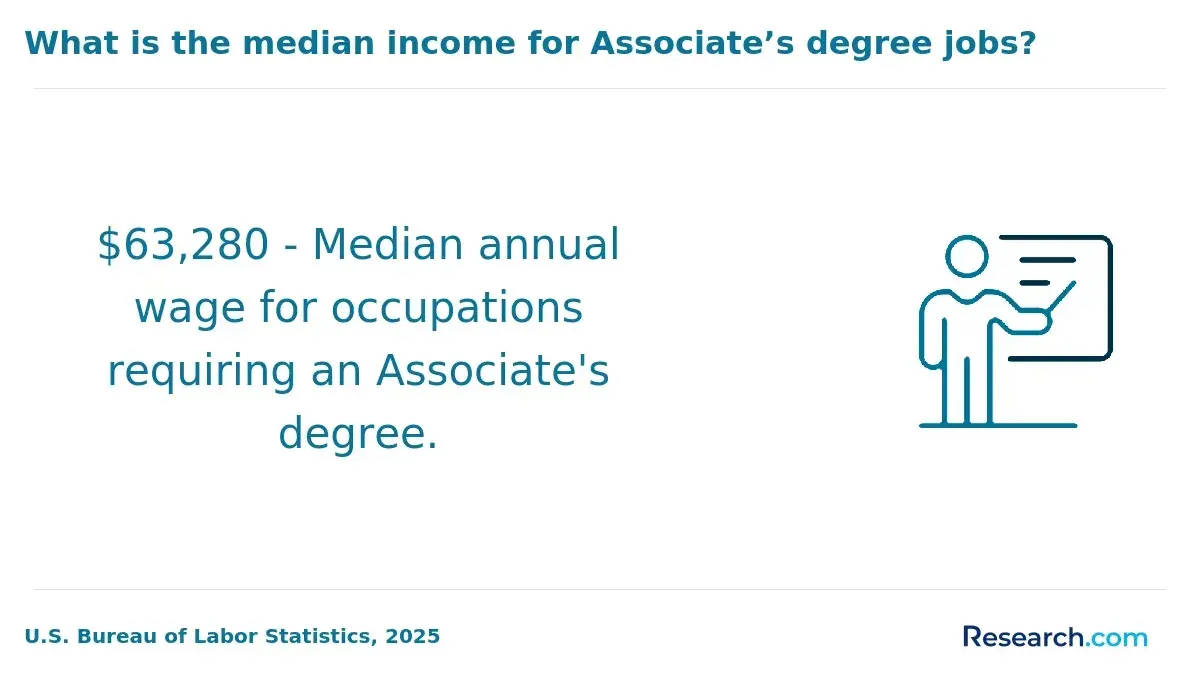
| Associate degree in communication | Students testing the field or planning to transfer | Writing, presentation, media literacy, general education | May not be enough for competitive strategist or manager roles |
| Bachelor's in communication | Entry-level digital media, PR, content, and corporate communication roles | Broad preparation across writing, persuasion, research, and media channels | Students must intentionally build a portfolio and technical tools experience |
| Bachelor's in strategic communication | Brand, campaign, public relations, and organizational messaging careers | Campaign planning, stakeholder messaging, crisis communication, analytics | May be less production-heavy than digital media or design programs |
| Bachelor's in digital media communication | Content creation, multimedia storytelling, and platform-based media work | Social platforms, video basics, digital publishing, audience engagement | Quality varies depending on access to production software and applied projects |
| Master's in communication | Career advancement, leadership, consulting, or specialization after a bachelor's degree | Research, strategy, leadership communication, analytics, reputation management | Usually not necessary for many entry-level digital media jobs |
| Graduate certificate | Professionals adding targeted skills without a full degree | Social media, strategic communication, analytics, digital marketing communication | Less comprehensive than a degree and may not satisfy degree-preferred job postings |
Students interested in the business side of digital media may also compare communication programs with a business administration degree online. Communication is usually stronger for messaging, media, and audience engagement, while business administration may be stronger for operations, finance, management, and entrepreneurship.
If you are unsure, choose the program that gives you the most transferable evidence of skill: writing samples, analytics reports, campaign case studies, presentation recordings, and client-style projects. Digital media employers often want to see what you can produce, not just the name of the major.
How can you verify that an online communication program is properly accredited in the U.S.?
Accreditation is the first quality check for any online communication program in the U.S. It helps determine whether credits are more likely to transfer, whether students can access federal financial aid, and whether employers or graduate schools will view the credential as legitimate.
The most important form is institutional accreditation from an agency recognized by the U.S. Department of Education or the Council for Higher Education Accreditation. Communication programs usually do not require field-specific accreditation in the same way that nursing, counseling, or teacher preparation programs may, but program reputation, faculty expertise, curriculum currency, and student outcomes still matter.
Follow these steps before applying or paying an enrollment deposit. They can help you avoid diploma mills and programs with weak transfer or financial-aid value.
- Search the institution in the U.S. Department of Education's Database of Accredited Postsecondary Institutions and Programs or CHEA's directory.
- Confirm that the accreditor listed on the school website matches the accreditor shown in the official database.
- Check whether the online program is offered by the same accredited institution that grants the degree, not by an unclear third-party provider.
- Ask admissions whether online students receive the same transcript, faculty access, library access, career services, and alumni services as campus students.
- Review transfer-credit rules in writing, especially if you plan to start at a community college or return with prior credits.
One red flag is vague language such as "internationally accredited," "licensed," or "approved" without naming a recognized U.S. institutional accreditor. Another is pressure to enroll immediately before you can review costs, transfer policies, or graduation requirements.
Communication is not usually a licensure-track major, which makes accreditation less complicated than in regulated fields. For comparison, students researching a healthcare credential such as speech pathology degree online cost must also consider clinical placement, state licensure, and professional accreditation requirements that do not typically apply to communication degrees.
What core courses and specializations do online communication programs offer for digital media?
Strong online communication programs for digital media combine theory, writing, production, ethics, and analytics. The goal is not simply to "use social media," but to understand audiences, create persuasive content, measure performance, and communicate responsibly across platforms.
Core courses usually build the foundation for advanced digital media work. Students should look for courses that connect communication concepts to practical assignments rather than relying only on exams.
- Communication theory and research methods, which help students understand how audiences interpret messages and how evidence supports campaign decisions.
- Media writing and editing, which develop clear, accurate, audience-specific content for web, social, organizational, and promotional channels.
- Digital media production, which may include audio, video, visual storytelling, content management systems, or multimedia publishing.
- Public relations and strategic communication, which cover campaign planning, reputation management, crisis response, and stakeholder messaging.
- Social media strategy and analytics, which teach students how to plan content, interpret engagement data, and adjust messaging based on performance.
- Media law and ethics, which cover copyright, privacy, disclosure, misinformation, accessibility, and responsible use of emerging tools.
Specializations help students signal a clearer career direction. For digital media careers, the most useful concentrations are often strategic communication, public relations, social media management, digital journalism, integrated marketing communication, health communication, political communication, sports communication, and organizational communication.
AI is also changing what "digital media skills" means. Students should not look for programs that treat AI tools as a shortcut for writing; they should look for programs that teach prompt evaluation, source verification, audience testing, accessibility, copyright awareness, brand safety, and ethical disclosure. Employers increasingly need communication professionals who can use automation without weakening accuracy or trust.
What are typical admission requirements for online communication bachelor's and master's programs?
Admission requirements vary by institution and degree level, but most online communication programs evaluate academic readiness, writing ability, transfer history, and fit with the program. Selective programs may also review professional experience or request a statement of goals.
The table below summarizes typical requirements. Always confirm details with the school because GPA minimums, testing policies, and transfer-credit limits can change.
| Program level | Common admission requirements | What applicants should prepare |
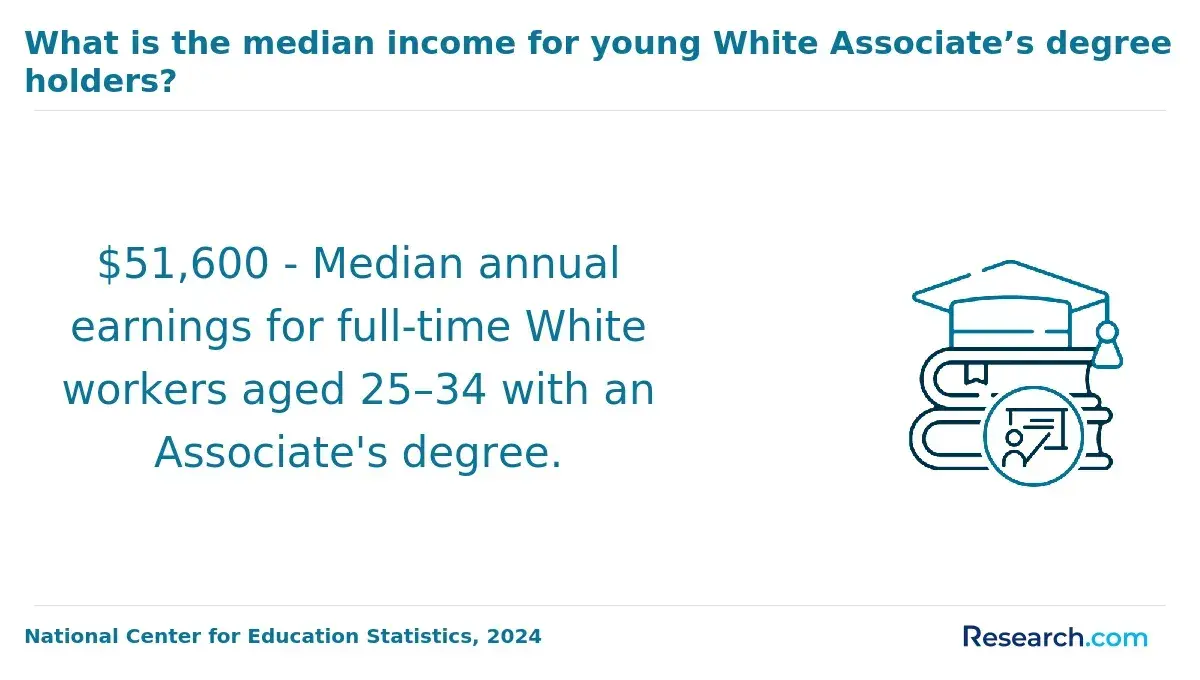
| Associate degree | High school diploma or equivalent, placement assessment if required, application form | High school transcript, prior college records if any, FAFSA information if seeking aid |
| Bachelor's degree | High school diploma or transfer credits, transcripts, minimum GPA, possible personal statement | Writing sample or statement, transfer-credit evaluation, plan for general education and major courses |
| Bachelor's completion program | Prior college credits, minimum GPA, completed prerequisites or general education coursework | Official transcripts from every college attended and syllabi if credits need review |
| Master's degree | Bachelor's degree, transcripts, statement of purpose, resume, recommendations, minimum GPA | Professional goals, writing sample if requested, evidence of communication-related experience |
| Graduate certificate | Bachelor's degree or professional background, depending on the school | Short goal statement and confirmation that certificate credits can transfer if you later pursue a master's |
Test-optional policies are common across many programs, but "optional" does not mean the rest of the application is unimportant. A clear statement of purpose, strong writing, and a realistic career goal can matter, especially for online master's programs in strategic communication or digital media leadership.
A common mistake is applying before checking whether previous credits will count toward the major, electives, or only general education. Students with substantial transfer credit should request a degree audit before enrolling, not after starting classes.
How long do online communication degrees take to complete, and what do they cost?
Most online bachelor's degrees in communication take about four years for first-time full-time students, while bachelor's completion programs may take one to three years depending on transfer credits. Online master's programs commonly take one to two years full time and longer for part-time students. Accelerated terms can shorten the calendar, but they also increase weekly workload.
For cost context, College Board's 2024 Trends in College Pricing reported the following average published tuition and fees for the 2024-25 academic year. These figures are national benchmarks, not communication-specific prices, and they do not include every online fee, book, software, or living-cost difference.
- Public four-year, in-state: $11,610
- Public four-year, out-of-state: $30,780
- Private nonprofit four-year: $43,350
Online students should compare total program cost, not only per-credit tuition. The real bill can include technology fees, distance-learning fees, graduation fees, textbooks, production software, laptop upgrades, transcript fees, and optional campus intensives. On the savings side, online students may avoid relocation, commuting, parking, or on-campus housing costs.
Accelerated programs can be worthwhile if you have transfer credits, employer tuition assistance, strong time management, and a clear career goal. They can be a poor fit if you need a slower pace to build a portfolio, complete internships, or balance family and work obligations. Students comparing pace and cost models in other fields can review how an accelerated online business degree is structured, then apply the same questions about workload, transfer credits, and total tuition to communication programs.
To reduce cost, ask schools whether they accept community college transfer credits, prior learning assessment, military credit, employer reimbursement, scholarships for online students, or flat-rate tuition for full-time enrollment. Also confirm satisfactory academic progress rules before relying on financial aid, because dropping or failing courses can affect aid eligibility.
What digital media careers can you pursue with an online communication degree?
An online communication degree can support many digital media careers, especially when paired with internships, freelance work, student media, certifications, or a portfolio. The degree is broad, so students should shape electives and projects around a target role rather than assuming the major alone will point to one job.
The table below connects common career paths with the kind of work each role usually involves. Use it to identify which skills and portfolio samples you should build while enrolled.
| Career path | Typical responsibilities | Useful portfolio evidence |
| Social media specialist | Plan content calendars, write posts, monitor engagement, report performance, support paid or organic campaigns | Platform audit, campaign calendar, analytics summary, sample posts for different audiences |
| Digital content strategist | Develop content plans, align messaging with audience needs, coordinate web and social assets | Content strategy brief, editorial calendar, web copy samples, audience persona research |
| Public relations specialist | Write media materials, support reputation management, pitch stories, plan stakeholder communication | Press release, crisis statement, media list, campaign plan, executive message |
| Marketing communication coordinator | Support email, web, events, promotions, brand messaging, and cross-channel campaigns | Email sequence, landing page copy, campaign brief, performance report |
| Digital journalist or multimedia reporter | Research, interview, write, edit, and publish stories across digital formats | Reported articles, audio clip, short video, source list, fact-checking notes |
| Corporate communication specialist | Create internal announcements, leadership messages, employee campaigns, and change communication materials | Internal newsletter, town hall brief, change communication plan, employee FAQ |
| Community or audience engagement manager | Build relationships with online communities, moderate conversations, gather feedback, support brand trust | Engagement plan, moderation guidelines, community metrics snapshot, response templates |
Entry-level candidates often start as coordinators, assistants, content writers, junior strategists, or social media specialists. Advancement can lead to communication manager, digital strategy manager, public relations manager, content director, brand strategist, or consultant roles. Management paths usually require evidence of campaign results, leadership, budgeting, cross-functional collaboration, and strategic planning.
Students should be realistic about competition. Digital media roles often attract applicants from communication, marketing, journalism, English, design, and business backgrounds. The best way to stand out is to graduate with measurable work samples: before-and-after analytics, campaign goals, audience insights, editorial calendars, and writing that shows judgment, not just creativity.
What salary ranges and job outlook can communication graduates expect in digital media fields?
Salary and job outlook vary because "digital media" includes several occupations with different responsibilities and skill requirements. Use salary data as a planning benchmark, not a promise of what any degree holder will earn. Location, industry, experience, technical skills, portfolio quality, and management responsibility all affect compensation.
The table below uses BLS May 2024 wage data and 2023-2033 occupational projections for roles commonly connected to communication and digital media. These categories do not map perfectly to every job title, but they are useful for comparing direction and labor-market risk.
| Related occupation | Median annual wage | Projected outlook | What it means for communication students |
| Public relations specialists | $69,780 | 6% growth | Good fit for students focused on media relations, reputation, campaigns, and organizational messaging |
| Market research analysts | $76,950 | 8% growth | Relevant for students who add analytics, consumer insight, survey, and data interpretation skills |
| Writers and authors | $73,690 | 5% growth | Useful benchmark for content-focused students, though freelance and industry variation can be significant |
| Editors | $75,260 | 2% decline | Shows why editing students may need digital publishing, SEO, analytics, and content strategy skills |
| Web developers and digital designers | $95,380 | 8% growth | Relevant if a communication student adds UX writing, web content, design tools, or front-end collaboration skills |
| Public relations and fundraising managers | $134,760 | 7% growth | More realistic as a later-career target after experience leading campaigns, teams, budgets, or stakeholders |
The pattern is clear: communication graduates may find stronger opportunities when they combine message strategy with measurable digital skills. Writing alone is less differentiated than writing plus analytics, stakeholder insight, accessibility, project management, and platform strategy.
AI and automation are changing entry-level work. Routine drafting, transcription, basic image resizing, and first-pass content ideation are easier to automate, but employers still need people who can verify facts, protect brand voice, understand audiences, manage crises, interpret ambiguous feedback, and make ethical decisions. Students should treat AI fluency as a productivity skill, not a replacement for communication judgment.
How should you choose a reputable online communication program for digital media work?
Choosing a reputable online communication program means looking past slogans and checking whether the curriculum, faculty, student support, cost, and outcomes match your digital media goal. A "best" program is not necessarily the most famous or the cheapest; it is the one that helps you build relevant evidence of skill at a manageable cost.
Use the following steps to compare programs before applying. They are designed to help you avoid expensive mismatches and identify programs that can support real digital media work.
- Define your target role first, such as social media specialist, PR coordinator, digital content strategist, or corporate communication specialist.
- Review the degree plan and confirm it includes applied digital courses, not only broad communication theory.
- Ask to see examples of capstone projects, portfolio assignments, internship options, or client-based coursework.
- Check faculty backgrounds for digital media, public relations, journalism, analytics, strategic communication, or industry experience.
- Confirm accreditation through an official database rather than relying only on marketing language.
- Request a full cost estimate that includes tuition, fees, software, books, and the number of credits you still need after transfer evaluation.
- Ask career services how they support online students with resumes, portfolios, internships, alumni introductions, and interview preparation.
- Compare student support, including writing help, library access, advising, tutoring, disability services, and technical support hours.
Red flags include unclear tuition, no published curriculum, limited faculty information, aggressive enrollment pressure, weak transfer policies, no portfolio work, and job-outcome claims that sound guaranteed. Be especially cautious if a school talks more about speed than learning quality.
It can help to compare how different career-focused fields evaluate program quality. For example, a student reviewing the best construction management schools would look for industry alignment, practical projects, accreditation, and career support; communication students should use the same evidence-based mindset rather than relying only on rankings.
Before enrolling, ask yourself one final ROI question: "Will this program help me graduate with credible work samples, a manageable debt level, and skills tied to the role I want?" If the answer is unclear, keep comparing options or consider a certificate, community college transfer pathway, employer-paid training, or a different major.
Other Things You Should Know About Communication
Yes. Many communication roles depend more on writing, research, planning, listening, editing, and audience insight than constant public speaking. Introverts may do especially well in content strategy, internal communication, analytics-supported messaging, UX writing, and editorial roles.
To pursue an online communication degree in 2027, a reliable computer with internet access is essential. Most coursework is compatible with standard software and hardware. While having additional equipment like a good microphone or camera can enhance learning, they are not mandatory.
It can help if it is professional and aligned with your goals. A simple portfolio website, polished LinkedIn profile, writing samples, campaign case studies, or a focused social media project can make your skills easier for employers to evaluate.
Yes, if it supports your target role. Common pairings include marketing, business, data analytics, graphic design, journalism, psychology, political science, nonprofit management, or information technology.
References
- Admissions Requirements for Master's in Communication Programs (Campus, Online) https://www.mastersincommunications.com/faqs/admissions-requirements
- Is Your Online Degree Legitimate? How to Verify Private University Approval https://matchtocollege.com/blog/verify-private-university-online-degree-approval
- CHEA - Find Accredited Higher Education Institutions & Programs https://www.chea.org/directories
- Online MAJMC vs Digital Marketing: Career Guide https://www.onlinecu.in/blog/cu/mass-communication-career-vs-digital-marketing-career
- Media and Communication Degree Careers and Salary in Europe - StudyinEurope.eu https://www.studyineurope.eu/media-communication/media-communication-degree-careers-salary-europe/
- Master’s in Communications Salary and Careers https://teach.com/online-ed/communications-degrees/online-masters-communications/salary-and-career-outlook/
- Admission requirements for the Master's degree program - Selection procedure / Media University https://www.media-university.de/en/application-form/admission-requirements/masters-degree-program/
- How Long is an Online Master’s in Communication Program? https://www.onlineeducation.com/communication/faqs/how-long-to-earn-a-communications-masters-degree-online
- How to Verify a US Partner School's Accreditation Before Committing https://www.amerigoeducation.com/news/how-to-verify-a-us-partner-schools-accreditation-before-committing