2027 Online Communication Degrees With Digital Content Strategy Coursework

Co-Founder and Chief Data Scientist
Choosing an online communication degree is harder now because employers expect graduates to understand writing, analytics, social platforms, audience research, and AI-supported content workflows. The U. S. Bureau of Labor Statistics reported a May 2024 median wage of $68,230 for media and communication occupations, above the $49,500 median for all occupations. This guide is for students comparing communication programs with digital content strategy coursework. You will learn what these degrees include, how online formats compare, what they cost, which careers they support, and how to choose a program that fits your goals.
Key Things You Should Know
- Online communication degrees with digital content strategy coursework are best for students who want roles in content planning, brand messaging, social media strategy, digital campaigns, audience research, or communication analytics rather than traditional journalism alone.
- Cost and time vary sharply by credential: certificates may take a few months, bachelor's degrees often require about 120 credits, and master's programs commonly require 30 to 36 credits.
- Career outcomes depend on portfolio quality, technical fluency, experience, and location; BLS May 2024 median wages for related roles ranged from $69,780 for public relations specialists to $159,660 for advertising, promotions, and marketing managers.
What is an online communication degree with a digital content strategy focus?
An online communication degree with a digital content strategy focus is a communication program that teaches students how to plan, create, distribute, measure, and improve content across digital channels. The degree usually combines core communication theory with applied coursework in content marketing, social media, search strategy, analytics, brand storytelling, multimedia production, and audience behavior.
The key phrase is content strategy. It does not mean simply writing posts or managing a social account. A content strategist studies an audience, defines goals, chooses channels, builds editorial calendars, coordinates writers and designers, measures performance, and revises content based on evidence. In many organizations, this work sits between marketing, public relations, user experience, corporate communication, and product teams.
This kind of degree may be a good fit if you want a career that blends writing, research, planning, persuasion, and digital tools. It may be less ideal if your main goal is a highly technical role such as software engineering, data science, or graphic design; in those cases, a specialized technical program may provide deeper preparation.
The table below shows how the "communication" and "digital content strategy" sides of the curriculum usually work together. This matters because programs vary: some are communication degrees with a few digital electives, while others are built around digital strategy from the start.
| Program component | What it usually covers | Why it matters for content strategy |
| Communication core | Persuasion, media theory, public relations, organizational communication, ethics, and audience analysis | Builds the judgment needed to shape messages for specific audiences and contexts |
| Digital strategy coursework | Content planning, social media strategy, search visibility, analytics, campaign measurement, and platform behavior | Connects communication goals to measurable online execution |
| Applied projects | Campaign plans, content audits, multimedia assignments, editorial calendars, and capstone work | Helps students build portfolio evidence for employers |
| Technology exposure | Content management systems, analytics dashboards, collaboration tools, AI writing support, and scheduling platforms | Prepares students for current digital communication workflows |
How do online communication programs compare with campus-based options for content strategy?
Online and campus-based communication programs can lead to similar academic credentials, but the learning experience is different. Online programs usually appeal to working adults, military students, caregivers, and students who do not want to relocate. Campus programs may offer more in-person networking, student media opportunities, and live production environments.
For digital content strategy specifically, the online format can be a practical advantage because much of the work is already digital. Students often collaborate through cloud tools, present campaign plans remotely, review analytics dashboards, and produce content for web-based platforms. However, online students need stronger self-management and should confirm that the program includes instructor feedback, portfolio projects, and career support.
The comparison below can help you decide which format fits your learning style and career needs. The best option is not automatically online or campus-based; it is the format that gives you enough structure, practice, feedback, and networking for your target role.
| Factor | Online communication degree | Campus-based communication degree | Best fit |
| Schedule | Often asynchronous or partly asynchronous | Usually tied to set class times and campus attendance | Online is stronger for working adults and students balancing family responsibilities |
| Portfolio development | Can be strong if courses include real campaigns, content audits, and digital analytics projects | Can be strong if the campus has student agencies, media labs, or client-based courses | Choose the program with more applied work, not simply the format you prefer |
| Networking | Depends on virtual events, alumni access, faculty engagement, and group projects | Often easier through campus organizations, faculty offices, and local internships | Campus may help students who need more relationship-building support |
| Technology fit | Often mirrors remote content strategy workflows | May offer access to production studios or live media facilities | Online fits strategy and analytics; campus may help more with broadcast or studio-heavy goals |
| Accountability | Requires strong time management | Provides more built-in routine | Campus may be better for students who struggle with independent learning |
A common mistake is assuming that an online degree is automatically easier. Strong online communication programs still require research, writing, discussion, project revision, presentations, and team collaboration. Before enrolling, ask whether courses include live interaction, instructor feedback, and portfolio-ready assignments.
What types of online communication degrees offer digital content strategy coursework?
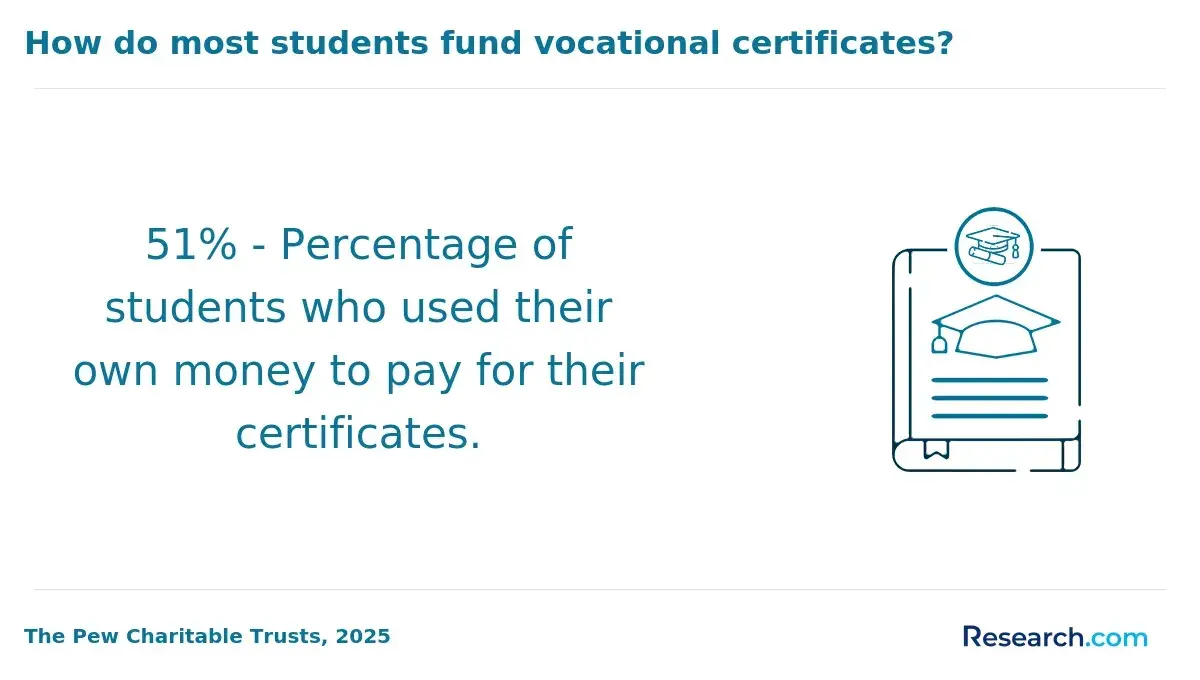
Digital content strategy coursework may appear in several types of online communication credentials. The right choice depends on your prior education, career stage, budget, and whether you need a full degree or a shorter skill-building option.
Students who already have a bachelor's degree and want graduate-level communication training may compare a specialized certificate with an affordable online master's degree in communications. A master's can be more useful for leadership, teaching-adjacent, corporate communication, or strategic communication roles, while a certificate may be enough for a focused skills refresh.
The table below summarizes common credential types. Use it to match your current education level with the kind of outcome you want.
| Credential type | Typical student | Common content strategy coursework | Decision point |
| Undergraduate certificate | Students exploring communication, marketing, or media skills | Social media basics, content writing, digital media production, introductory analytics | Useful for exploration, but usually not a substitute for a bachelor's degree |
| Associate degree | Students starting college or planning to transfer | Public speaking, writing, digital media, mass communication, basic campaign work | Can reduce cost if credits transfer cleanly into a bachelor's program |
| Bachelor's degree | Students seeking entry-level communication, PR, marketing, or media roles | Strategic communication, content creation, social media strategy, research methods, media law and ethics | Often the baseline credential for many professional communication roles |
| Graduate certificate | Professionals adding digital strategy skills without committing to a full master's | Content strategy, brand voice, audience analytics, digital campaign planning | Best when you already have a degree and need targeted upskilling |
| Master's degree | Professionals seeking advancement, leadership, or specialized strategic communication work | Advanced research, communication leadership, digital strategy, analytics, crisis communication, capstone consulting | Most valuable when paired with experience and a clear career goal |
Degree titles vary by school. Look for names such as strategic communication, digital communication, integrated marketing communication, professional communication, mass communication, public relations, media communication, or communication studies with digital media electives. Do not rely only on the title; review the course list and capstone requirements.
What digital content strategy courses and skills are typically included in these programs?
Strong programs teach students to connect message strategy with measurable digital performance. That means the curriculum should cover not only writing and media production, but also audience insight, distribution planning, analytics, ethics, and collaboration.
The following course areas are especially relevant because they map directly to the work content strategists, social media managers, communication specialists, and digital campaign coordinators perform.
- Strategic communication: Students learn how organizations define audiences, goals, message pillars, positioning, and communication plans.
- Digital content strategy: Coursework may cover content audits, editorial calendars, channel planning, content governance, repurposing, and lifecycle management.
- Social media strategy: Students study platform selection, community engagement, social listening, paid and organic tactics, and campaign reporting.
- Writing for digital media: Assignments often include web copy, email campaigns, landing pages, short-form posts, long-form content, and brand voice guidelines.
- Analytics and measurement: Students learn to interpret traffic, engagement, conversion, search, and audience data without treating metrics as goals by themselves.
- Multimedia communication: Programs may include video scripting, podcasting, visual storytelling, image selection, and accessibility-aware content design.
- Media law and ethics: Students examine copyright, privacy, disclosure, misinformation, accessibility, and responsible use of AI-generated or AI-assisted content.
AI is now part of the content workflow, but it does not remove the need for human communication judgment. In a good program, students should learn how to use AI tools for brainstorming, research organization, drafting support, content variation, and workflow efficiency while still checking accuracy, attribution, tone, bias, and audience fit.
By graduation, students should be able to demonstrate practical skills, not just describe concepts. The most useful portfolio artifacts usually include a content audit, campaign brief, editorial calendar, sample analytics report, audience persona set, social media plan, and polished writing samples.
What admission requirements do online communication programs with content strategy usually have?
Admission requirements depend on the credential level and the school's selectivity. Online programs may be flexible, but reputable institutions still verify academic preparation and writing ability because communication courses rely heavily on research, analysis, and written work.
Prospective students should expect some combination of the following requirements. Requirements vary, so always confirm details with the admissions office before paying an application fee.
- Certificate programs: Application form, proof of high school completion or college enrollment, and sometimes a short statement of interest.
- Associate programs: High school transcript or GED, placement information, and possible transfer transcripts if you have prior college credit.
- Bachelor's programs: High school or transfer transcripts, minimum GPA rules, general education prerequisites, and sometimes a personal statement.
- Graduate certificates: Bachelor's degree from an accredited institution, resume, statement of purpose, and official transcripts.
- Master's programs: Bachelor's degree, transcripts, resume, statement of goals, letters of recommendation, and sometimes writing samples or professional experience.
Many communication programs do not require the GRE, especially online professional programs, but policies vary. If you are applying with a lower GPA, a strong writing sample, relevant work experience, or a clear statement of purpose may help show readiness.
Transfer students should pay close attention to credit evaluation. A program that accepts more credits may reduce time and cost, but only if those credits apply to degree requirements rather than generic electives. Ask for a written degree plan before enrolling.
How long do online communication degrees take and what do they cost?
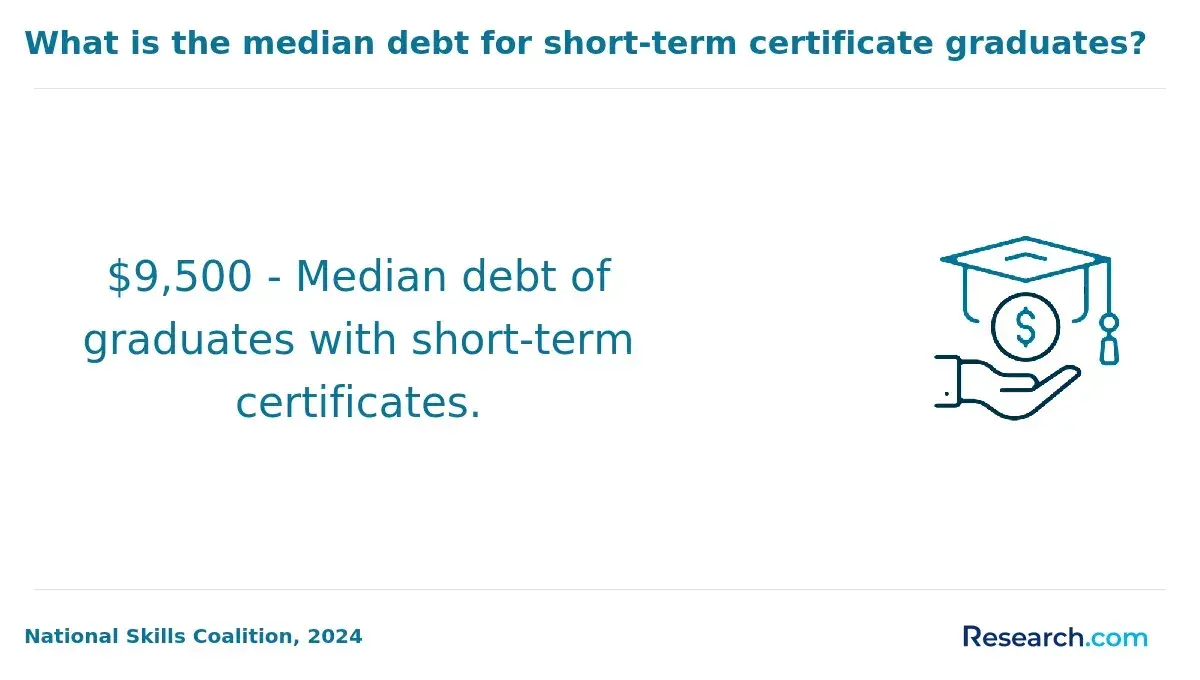
Program length depends on credential level, transfer credits, course load, and whether the school uses traditional semesters, accelerated terms, or self-paced formats. Cost depends on tuition, fees, books, technology requirements, transfer policy, residency rules, and financial aid eligibility.
For a broad tuition benchmark, College Board reported the following average published tuition and fees for full-time undergraduate students in 2024-25. These are not online-program prices, but they help students understand the wider U.S. tuition environment before comparing specific schools.
- Public four-year in-state: $11,610
- Public four-year out-of-state: $30,780
- Private nonprofit four-year: $43,350
Those figures are published tuition and fees, not the final net price after grants, scholarships, employer reimbursement, military benefits, or transfer credits. Online students should compare total program cost rather than per-credit tuition alone because technology fees, proctoring fees, graduation fees, and required subscriptions can change the final amount.
The table below outlines typical timelines. It is a planning guide, not a guarantee, because each school sets its own credit requirements and academic calendar.
| Credential | Typical length | Common credit pattern | Cost considerations |
| Undergraduate certificate | A few months to 1 year | Focused sequence of courses | Lower total cost, but limited credential value compared with a degree |
| Associate degree | About 2 years full time | General education plus introductory communication courses | Can be cost-effective if credits transfer to a bachelor's program |
| Bachelor's degree | About 4 years full time, less with transfer credit | Often about 120 credits | Total cost depends heavily on transfer policy and residency pricing |
| Graduate certificate | Several months to 1 year | Usually a short graduate course sequence | May be worthwhile for targeted upskilling without a full degree |
| Master's degree | About 1 to 2 years | Commonly 30 to 36 credits | ROI depends on career stage, employer support, and advancement goals |
If cost is your main constraint, compare communication programs with other affordable online options and look closely at employer reimbursement, transfer credit, and course load. Students comparing management-oriented alternatives may also review the cheapest online master's in project management to understand how pricing differs across related professional fields.
To reduce unnecessary costs, take these steps before enrolling. Each step helps you avoid paying for credits or services that do not move you closer to your goal.
- Request a full tuition-and-fee estimate for the entire credential, not just the first term.
- Ask how many transfer credits will apply directly to degree requirements.
- Confirm whether online students pay in-state, out-of-state, or separate online tuition.
- Check whether required software, subscriptions, or production tools are included.
- Compare the program's portfolio, internship, and career services against its total cost.
How can students verify accreditation and program quality for online communication degrees?
Accreditation is one of the most important checks for any online degree. In the U.S., students should confirm that the institution is accredited by an agency recognized by the U.S. Department of Education or the Council for Higher Education Accreditation. Institutional accreditation affects credit transfer, graduate school eligibility, employer recognition, and access to federal financial aid.
Communication programs may or may not have programmatic accreditation. For journalism and mass communication programs, specialized accreditation can be a positive signal, but many reputable communication, strategic communication, and digital media programs rely primarily on institutional accreditation. Lack of programmatic accreditation is not automatically a red flag; lack of recognized institutional accreditation is.
Use the following quality checks before you apply. They help you separate legitimate online programs from programs that rely on vague claims or weak student support.
- Verify institutional accreditation directly through the accreditor or federal database rather than relying only on a school webpage.
- Review the curriculum and confirm that digital content strategy is taught through required courses or meaningful electives, not just mentioned in marketing copy.
- Ask whether students complete portfolio-ready projects such as content audits, campaign plans, analytics reports, or capstones.
- Check faculty backgrounds for communication scholarship, digital media practice, PR experience, analytics expertise, or industry consulting.
- Confirm access to online student services, including writing support, library databases, advising, career coaching, and technical help.
- Look for transparent outcome information, but treat salary claims carefully unless they explain the sample, role categories, and collection method.
Red flags include pressure to enroll immediately, unclear accreditation language, no published curriculum, vague tuition pages, unrealistic salary promises, and refusal to provide transfer or degree-completion information in writing. A reputable program should make it easy to understand what you will study, what it costs, and how student support works.
What communication and content strategy careers can graduates pursue with these degrees?
Graduates may pursue roles in marketing teams, public relations agencies, nonprofits, higher education, healthcare systems, government communication offices, media companies, technology firms, and corporate communication departments. A degree helps, but employers usually evaluate a combination of education, writing ability, portfolio samples, platform knowledge, internships, and professional experience.
The table below connects common roles with responsibilities and preparation. Use it to identify which jobs match your interests before choosing electives or a capstone topic.
| Role | Typical responsibilities | How the degree helps | Portfolio evidence to build |
| Content strategist | Plans content goals, audits existing content, defines messaging, builds editorial systems, and measures performance | Combines audience research, writing, analytics, and strategic planning | Content audit, editorial calendar, channel strategy, measurement plan |
| Social media manager | Develops platform strategy, manages calendars, monitors engagement, and reports campaign results | Builds skills in social listening, brand voice, platform behavior, and analytics | Social media campaign plan, sample posts, analytics summary |
| Public relations specialist | Writes releases, pitches stories, manages media relationships, and supports reputation strategy | Strengthens persuasive writing, media ethics, crisis communication, and audience targeting | Press release, media pitch, crisis response plan |
| Digital marketing coordinator | Supports email, web, social, paid campaigns, and content performance tracking | Provides communication strategy plus practical digital channel knowledge | Email sequence, landing page copy, campaign brief |
| Internal communication specialist | Creates employee messages, intranet content, leadership communications, and change-management materials | Applies organizational communication and message planning to workplace audiences | Employee newsletter, change communication plan, executive message |
| UX content or content design associate | Improves interface text, help content, navigation labels, and user guidance | Uses audience analysis, plain language, usability thinking, and content structure | Before-and-after content rewrite, microcopy samples, content model |
Students who want to move from content creation into campaign leadership may benefit from project coordination skills. If your long-term goal is managing timelines, budgets, stakeholders, and cross-functional teams, an accelerated project management degree may be worth comparing with communication-focused programs.
Entry-level candidates should prioritize internships, freelance projects, student agency work, campus communication roles, or nonprofit volunteer projects. For content strategy jobs, a polished portfolio can be more persuasive than a transcript alone because it shows how you think through a communication problem from research to execution.
What salary ranges and job outlook exist for digital content strategy roles?
There is no single federal salary category for "content strategist," so students should look at related BLS categories such as public relations specialists, market research analysts, writers and authors, editors, digital designers, and marketing managers. Salary varies by industry, metro area, seniority, portfolio strength, analytics ability, and whether the role is strategic or production-focused.
The table below uses BLS May 2024 wage data and current occupational outlook categories for common roles related to digital content strategy. These figures are useful benchmarks, but they should not be treated as expected outcomes for a specific graduate.
| Related role | BLS May 2024 median annual wage | Outlook context | What it means for students |
| Public relations specialist | $69,780 | Employment is projected to grow about as fast as or faster than average in current BLS outlook data | Strong writing, media relations, and reputation-management skills remain useful across industries |
| Market research analyst | $76,950 | Demand is supported by organizations' need to interpret customer and audience data | Analytics coursework can make communication graduates more competitive for research-informed strategy roles |
| Writers and authors | $74,090 | Opportunities vary by industry and are affected by digital publishing and AI-supported production tools | Students should pair writing ability with strategy, subject-matter knowledge, and editing judgment |
| Editors | $78,700 | Traditional publishing roles can be competitive, but digital content operations still need editorial oversight | Content governance, quality control, and brand voice skills can broaden options beyond publishing |
| Advertising, promotions, and marketing managers | $159,660 | Management roles usually require experience and proven campaign results | A communication degree may support advancement, but leadership roles typically require a track record |
The strongest salary upside usually comes from combining communication skill with measurable business value. That may include analytics reporting, conversion-oriented content, stakeholder management, search visibility, campaign optimization, or experience in regulated fields such as healthcare, finance, or higher education.
AI is changing the work, especially for drafting, content variation, research synthesis, and workflow automation. The safer career strategy is not to compete with automation on volume alone. Students should build skills in editorial judgment, fact-checking, audience insight, ethical communication, analytics interpretation, and cross-functional strategy.
How should prospective students choose a reputable online communication program for content strategy?
The best program is the one that fits your goal, budget, schedule, and current experience level. A low-cost program with weak coursework may not help much, while an expensive program may not be worth it if it does not add portfolio value or career mobility. Focus on fit and evidence rather than rankings alone.
Start with your target role. If you want to write and manage web content, prioritize writing, SEO-aware content planning, analytics, and editorial workflow. If you want corporate communication, prioritize internal communication, crisis communication, leadership messaging, and stakeholder strategy. If you want marketing leadership, look for campaign analytics, brand strategy, and management electives.
Use this step-by-step process to compare programs without getting distracted by advertising claims.
- Define your target job titles and identify the skills they commonly request.
- Map each program's required courses and electives to those skills.
- Confirm institutional accreditation and financial aid eligibility.
- Ask for a total cost estimate and a transfer credit evaluation.
- Review sample syllabi or course descriptions for applied projects and analytics work.
- Ask how online students access internships, career coaching, alumni networks, and portfolio feedback.
- Compare completion pace, weekly workload, synchronous requirements, and time zone expectations.
- Choose the program that gives you the strongest combination of affordability, applied work, flexibility, and employer-relevant skills.
Some students discover that a communication degree is not the only path to their goal. If you are more interested in process improvement, supply chains, logistics, or business systems than messaging and audience strategy, an operations management degree may be a better fit than a communication program.
Common mistakes include choosing a school without checking accreditation, focusing only on tuition instead of total cost, assuming every "digital media" course teaches strategy, ignoring portfolio requirements, and enrolling before confirming transfer credits. A better approach is to ask for written answers, compare curricula side by side, and choose based on career alignment.
Other Things You Should Know About Communication
Usually no. Most content strategy roles do not require software development skills, but basic comfort with content management systems, HTML concepts, analytics dashboards, accessibility, and structured web content can help you communicate better with technical teams.
Yes. A portfolio is one of the clearest ways to show employers how you think and work. Include polished writing samples, a content audit, a campaign plan, an editorial calendar, and a short explanation of the problem each project solved.
Many can, but support varies by school. Ask whether the program offers virtual internships, employer partnerships, student-run agencies, nonprofit client projects, or capstone consulting assignments that remote students can complete.
Yes, many online programs in 2027 offer specialized coursework in digital content strategy, covering topics such as content creation, analytics, and social media management. These programs are designed to equip students with the skills needed to excel in the fast-evolving digital landscape.
References
- How Long is an Online Master’s in Communication Program? https://www.onlineeducation.com/communication/faqs/how-long-to-earn-a-communications-masters-degree-online
- Online Master's in Digital Communication Programs (2026 Update) https://www.mastersincommunications.com/faqs/online-masters-in-digital-communication
- How to Create a Higher Education Marketing Plan: A Step-by-Step Guide for HE Professionals — HE Professional https://heprofessional.co.uk/edition/release-higher-education-marketing-plan-release
- CourseCareers https://coursecareers.com/blog-posts/7-best-digital-marketing-courses
- Higher Education Marketing: Web Strategies and Trends for 2022 https://evolvingweb.com/blog/higher-education-marketing-web-strategies-and-trends-2022
- How Student Engagement Software Drives Enrollment Growth https://moderncampus.com/blog/marketing-plan-boost-student-enrollment.html
- Five Key Elements for a Strong Digital Communications Strategy - Force4 Technology Communications https://force4.co/five-key-elements-for-a-strong-digital-communications-strategy/
- Top content marketing & content strategy courses for advanced marketers https://cxl.com/blog/top-content-marketing-courses/
- The Top 30 Online Masters in Communications Degree Programs - Best Marketing Degrees https://www.bestmarketingdegrees.org/top-20-online-masters-communications-degree-programs/
- Investigating Digital Marketing Strategies in Influencing Student Enrollment Decisions in Tertiary Education https://www.universepg.com/cjbis/investigating-digital-marketing-strategies-in-influencing-student-enrollment-decisions-in-tertiary-education