2027 Best Online Communication Degrees for Content Strategy Careers

Co-Founder and Chief Data Scientist
Choosing an online communication degree for content strategy means weighing cost, flexibility, portfolio value, and career payoff. The field matters because the U. S. Bureau of Labor Statistics projects media and communication occupations to generate about 109,500 openings each year from 2023 to 2033, published in its 2024 outlook. This guide is for prospective students, career changers, and working professionals who want roles in content strategy, digital communications, UX content, or brand messaging. You will learn how degree types compare, what skills employers expect, and how to choose a program that fits your goals.
Key Things You Should Know
- The best online communication degrees for content strategy combine writing, audience research, digital analytics, UX thinking, and portfolio-based projects rather than focusing only on general communication theory.
- Program costs vary widely: College Board's 2024 data lists average published tuition and fees at $11,610 for in-state public four-year colleges and $43,350 for private nonprofit four-year colleges, so total cost should be compared before enrolling.
- Career outcomes differ by specialization: BLS 2024 outlook data projects faster growth for market research analysts and marketing managers than for editors, making analytics and content operations skills especially valuable.
What is an online communication degree focused on content strategy, and who is it best for?
An online communication degree focused on content strategy is a communication program that prepares students to plan, create, organize, measure, and improve content across websites, apps, social media, email, intranets, and digital campaigns. Content strategy is not just writing. It includes audience research, messaging architecture, editorial planning, search behavior, brand voice, accessibility, governance, analytics, and collaboration with designers, marketers, product teams, and subject-matter experts.
The best fit is a student who wants a communication-centered career but also wants practical digital skills. These programs can work well for aspiring content strategists, digital communication specialists, UX writers, copywriters, social media strategists, internal communication specialists, and brand content managers. They are also useful for professionals already working in marketing, journalism, public relations, customer experience, or nonprofit communications who want to move into more strategic roles.
This degree may not be the best first choice if your main goal is software engineering, graphic design, data science, or licensure-based counseling. In those cases, a communication degree can still complement your work, but the core credential should match the technical or regulated field you want to enter.
When comparing programs, look for evidence that the curriculum connects communication theory to usable work samples. Strong content strategy preparation usually includes the following features:
- Portfolio assignments such as content audits, editorial calendars, campaign briefs, UX microcopy, landing pages, and audience personas.
- Courses in digital communication, strategic communication, media writing, research methods, analytics, persuasion, branding, and ethics.
- Opportunities to work with real or simulated clients, because employers often judge entry-level content candidates by samples as much as by the degree title.
- Faculty or instructors with experience in digital media, public relations, marketing communication, journalism, UX, or organizational communication.
A good rule of thumb is to choose a program for the work you want to produce after graduation. If a program's assignments look like essays only, it may be less useful for content strategy than one that asks students to build campaigns, analyze audiences, and revise content based on evidence.
How do online communication programs for content strategy compare to campus-based degrees?
Online and campus-based communication degrees can lead to similar credentials when they come from accredited institutions, but the learning experience can feel very different. For content strategy, the stronger option is usually the one that gives you consistent feedback, digital collaboration practice, and portfolio-ready assignments, not simply the one with the most familiar format.
The table below compares the decision factors that matter most for students aiming at content strategy careers. Use it to decide whether online, campus, or hybrid study better fits your schedule, learning style, and career plan.
| Factor | Online communication degree | Campus-based communication degree | Best choice when |
| Flexibility | Often designed for working adults, caregivers, military students, and transfer students | Usually follows fixed class times and campus schedules | Online is better if you need to study around work or family obligations |
| Networking | Depends heavily on discussion boards, live sessions, group projects, alumni access, and virtual career services | Often easier to access student media, events, faculty office hours, and local internships | Campus may be better if you want frequent in-person networking |
| Portfolio development | Can be very strong if courses use digital projects, analytics tools, and client-style assignments | Can be strong through campus publications, agencies, student organizations, and internships | Choose the program with stronger project examples, not just the delivery format |
| Cost control | May reduce commuting, housing, and relocation costs, but tuition varies by school | May include more campus fees, housing, and transportation costs | Online can be more affordable when tuition is competitive and transfer credit is generous |
| Technology practice | Often mirrors remote content work through online collaboration, learning platforms, and digital submissions | May offer more in-person production labs or media studios | Online is helpful if you expect to work on remote or distributed content teams |
Online study is not automatically easier. In fact, asynchronous courses require strong time management because you may have fewer reminders than in a classroom. Before enrolling, ask whether the program includes live interaction, instructor feedback turnaround times, group work expectations, and access to writing support.
Campus-based study may be worth the added cost or commute if you want in-person media production, student newspaper experience, public speaking events, or local internships tied to the school's employer network. Online study may be the better investment if you are already employed, need geographic flexibility, or want to build a portfolio while continuing to earn income.
What types of online communication degrees prepare you for content strategy careers?
There is no single required degree title for content strategy. Employers commonly consider candidates from communication, strategic communication, marketing communication, journalism, English, public relations, digital media, and related fields. The right degree level depends on your current education, experience, and target role.
The table below summarizes the most common online degree options and how they fit content strategy goals. It can help you avoid choosing a credential that is either too broad for your career target or more advanced than you currently need.
| Degree type | Typical student | How it supports content strategy | Main trade-off |
| Associate degree in communication or digital media | Students starting college or testing the field at lower cost | Builds foundational writing, media literacy, and communication skills | May not be enough for many strategist or manager roles without further education or experience |
| Bachelor's degree in communication | First-time undergraduates and transfer students seeking entry-level communication roles | Provides broad preparation in writing, audience analysis, persuasion, research, and media channels | Needs electives or projects in digital content, analytics, UX, or marketing to be content-strategy focused |
| Bachelor's degree in strategic communication or public relations | Students interested in brand, reputation, campaigns, and stakeholder messaging | Aligns well with campaign planning, messaging frameworks, media relations, and content calendars | May focus more on external communication than product content or UX writing |
| Bachelor's degree in digital media or media communication | Students who want multimedia content, platforms, and digital publishing | Supports social, video, web, and cross-channel content production | May need additional strategy, research, or analytics coursework |
| Master's degree in communication | Working professionals seeking advancement, specialization, or leadership roles | Can strengthen research, strategy, organizational communication, leadership, and applied communication planning | Best value when it includes portfolio work or supports a clear promotion or career-change goal |
| Graduate certificate in digital communication, content strategy, UX writing, or marketing | Degree holders who need targeted upskilling | Can add practical tools and current methods faster than a full degree | Usually carries less labor-market weight than a full degree for roles requiring a bachelor's or master's |
If you already have a bachelor's degree, a graduate certificate may be enough to add content strategy skills. If you want leadership roles in corporate communication, higher education, government, healthcare, or nonprofit communication, a masters in communications may offer a stronger long-term pathway, especially when paired with measurable project results.
Students who want to blend content strategy with operations, budgeting, or leadership may also consider complementary business coursework. The strongest choice is not always the most specialized degree; it is the program that connects your current background to the work you want to do next.
What courses and skills are taught in communication programs for content strategy roles?
Communication programs prepare content strategists by teaching students how messages work, how audiences interpret information, and how organizations communicate across channels. For content strategy roles, the most useful programs move beyond theory and require students to make decisions using audience needs, business goals, and performance data.
Course names vary by school, but strong programs usually cover a mix of writing, strategy, research, ethics, and digital communication. The following course areas are especially relevant because they map directly to content strategy responsibilities:
- Media writing and editing, which build the clarity, structure, tone, and revision habits needed for professional content.
- Strategic communication, which teaches students how to connect content to audience behavior, organizational goals, and campaign planning.
- Communication research methods, which help students evaluate audience data, survey results, interviews, usability findings, and market information.
- Digital communication and social media strategy, which show how platforms, algorithms, communities, and publishing schedules affect content performance.
- Public relations and brand communication, which support message consistency, reputation management, stakeholder engagement, and crisis communication.
- Content analytics or digital metrics, which help students interpret engagement, conversion, search, retention, and user-behavior signals.
- Visual and multimedia communication, which helps content strategists collaborate with designers, video producers, and web teams.
- Communication ethics and law, which are important for copyright, accessibility, privacy, disclosure, misinformation, and responsible AI use.
The most marketable skills are both creative and analytical. Employers increasingly expect content professionals to write well, understand users, collaborate across functions, and explain how content supports business or mission outcomes.
To get more value from the degree, treat each major assignment as a portfolio asset. A content audit, persona set, editorial calendar, campaign plan, UX copy sample, email sequence, or analytics memo can become evidence that you know how to think like a strategist, not just write like a student.
AI is also changing skill expectations. Generative AI can help with drafts, outlines, tagging, summarization, and content variation, but it has not removed the need for human judgment. Strong programs should teach students how to check accuracy, preserve voice, avoid bias, protect confidential information, and use AI tools ethically rather than treating automation as a shortcut.
What are typical admission requirements for online communication degrees in the United States?
Admission requirements depend on degree level, school selectivity, and whether the program is designed for first-year students, transfer students, or working adults. Most online communication programs use the same institutional admission standards as campus programs, though application processes may be more flexible for adult learners.
Prospective students should expect different requirements by credential level. The list below outlines common requirements so you can prepare documents early and avoid delays:
- Associate degree programs commonly require a high school diploma or GED, transcripts, placement information, and basic application forms.
- Bachelor's degree programs typically require high school transcripts or college transcripts, a minimum GPA, general education prerequisites for transfer students, and sometimes a personal statement.
- Degree-completion programs often require a minimum number of transferable credits and may be best for students who started college but did not finish.
- Master's programs usually require a bachelor's degree, official transcripts, a resume, statement of purpose, letters of recommendation, and sometimes writing samples.
- Graduate certificates may require a completed bachelor's degree, though some professional certificates have fewer prerequisites.
Standardized test requirements vary. Many undergraduate programs are test-optional, and many communication master's programs do not require the GRE. However, applicants should confirm requirements directly with each school because policies can change by term, program, and applicant category.
Transfer credit can be one of the biggest cost and timeline factors. Before applying, ask for an unofficial transfer evaluation if available. A program that accepts more of your prior credits may be more affordable than a school with a lower per-credit price but stricter transfer rules.
Common mistakes include applying without checking whether old credits will count, assuming professional experience automatically replaces prerequisites, and submitting a generic statement of purpose. For content strategy, a strong application should explain your interest in audience-centered communication, digital platforms, writing, strategy, or organizational messaging.
How long do online communication programs take, and what do they cost?
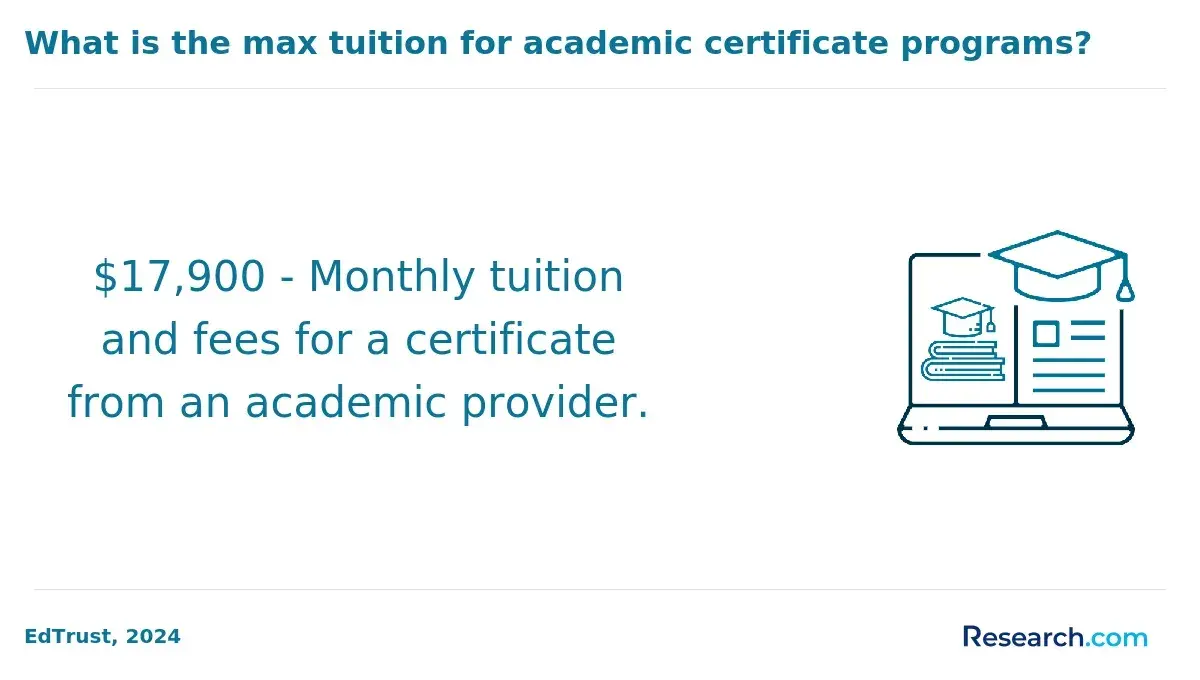
Online communication programs can take a few months to four or more years, depending on the credential, transfer credits, course load, and whether the school uses traditional semesters or accelerated terms. Cost also varies widely, so comparing only tuition can lead to a misleading decision.
College Board's 2024 pricing data shows how large the tuition gap can be across institution types: average published tuition and fees were $11,610 for in-state students at public four-year colleges and $43,350 at private nonprofit four-year colleges for the 2024-25 academic year. These figures are not specific to communication programs, but they are useful benchmarks for judging whether a quoted online tuition rate is unusually low, moderate, or expensive.
The table below summarizes typical timelines and cost drivers. Use it as a planning tool, then request a program-specific cost estimate from each school.
| Credential | Common completion time | Major cost drivers | Decision point |
| Certificate | Several months to 1 year | Number of courses, professional versus academic credit, software or platform fees | Best for targeted upskilling when you already have a degree or relevant experience |
| Associate degree | About 2 years full time | Community college tuition, transfer pathway, online fees, textbooks | Best if you want a lower-cost start before transferring to a bachelor's program |
| Bachelor's degree | About 4 years full time, less with transfer credit | Tuition per credit, transfer acceptance, residency requirements, fees, course load | Best for entry-level professional roles that list a bachelor's degree as preferred or required |
| Master's degree | About 1 to 2 years full time; longer part time | Graduate tuition, employer reimbursement, capstone requirements, course pacing | Best for career advancement, specialization, or leadership when the program aligns with your target role |
To compare real affordability, calculate total program cost rather than semester cost. Include tuition, required fees, books, technology, portfolio tools, graduation fees, travel for any residency, and lost income if you reduce work hours.
Accelerated formats can lower opportunity cost by helping students finish sooner, but they also compress reading, writing, and project deadlines. If you are comparing fast online formats across fields, such as an accelerated construction management degree online, remember that speed works best when the subject matter matches your experience and weekly availability.
Before enrolling, take these practical steps to reduce avoidable cost:
- Request a written total-cost estimate based on your transfer credits and expected start term.
- Ask whether online students pay the same tuition regardless of residency.
- Confirm whether courses use open educational resources, paid textbooks, software subscriptions, or portfolio platforms.
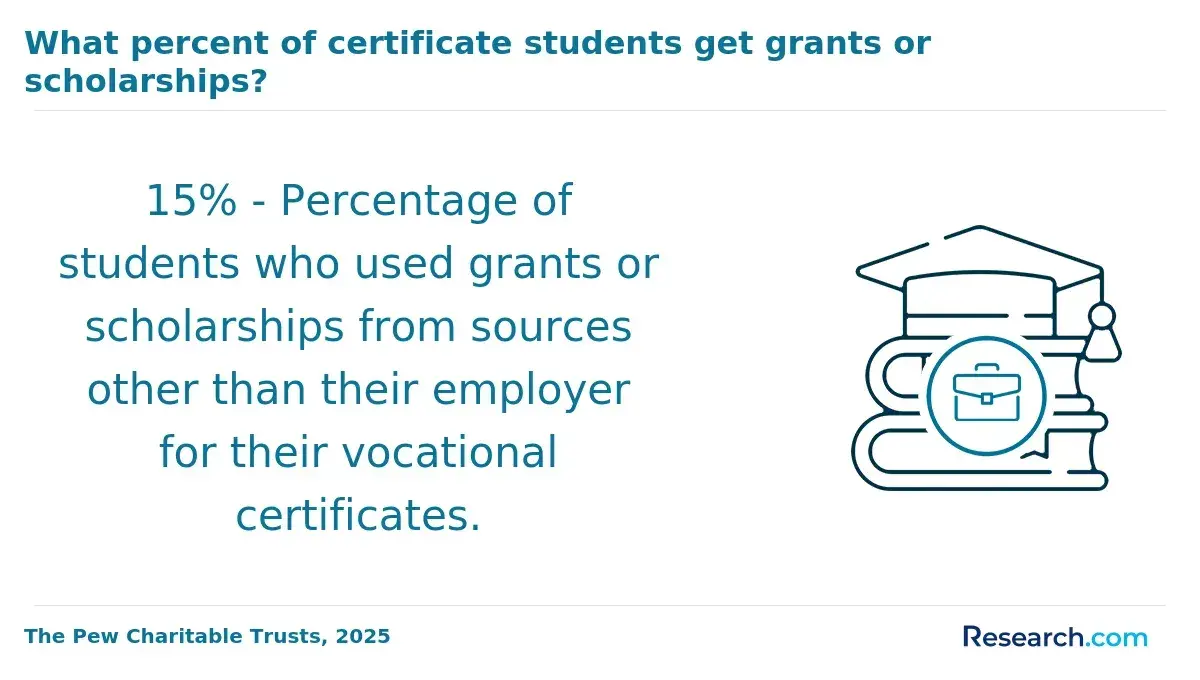
- Check whether employer tuition assistance, military benefits, scholarships, or federal financial aid apply to the specific program.
- Compare part-time and full-time pacing to see which option protects your income and academic performance.
How can you evaluate accreditation and program quality for online communication degrees?
Accreditation is one of the first quality checks for any online degree. In the United States, institutional accreditation is especially important because it affects federal financial aid eligibility, transfer credit, graduate admission, and employer recognition. Programmatic accreditation is less common in communication than in fields such as nursing, education, or engineering, so students should focus first on whether the institution itself is accredited by a recognized accreditor.
Quality is broader than accreditation. A legitimate online communication degree can still be a weak fit for content strategy if it lacks digital coursework, faculty feedback, portfolio projects, or career support. The table below shows what to examine before applying.
| Quality factor | What to look for | Why it matters for content strategy |
| Institutional accreditation | Recognition by an accreditor accepted by the U.S. Department of Education or CHEA | Supports financial aid eligibility, credit transfer, and employer confidence |
| Curriculum fit | Courses in digital communication, research, writing, strategy, analytics, and ethics | Shows whether the program prepares students for modern content work |
| Portfolio requirements | Capstone, applied projects, campaigns, audits, or client-style assignments | Gives you work samples to show employers |
| Faculty background | Academic and professional experience in communication, media, PR, marketing, journalism, or digital strategy | Improves the relevance of feedback and assignments |
| Student support | Online advising, library access, writing center, career services, internship guidance, and tech support | Helps online students stay on track and prepare for job searches |
| Transparency | Clear tuition, fees, transfer policies, graduation requirements, and student outcome information | Reduces the risk of unexpected cost or delayed completion |
Red flags deserve close attention. Be cautious if a school avoids naming its accreditor, pressures you to enroll immediately, will not provide a written cost estimate, promises specific job outcomes, or cannot explain how online students receive feedback and career support.
Ask admissions and program staff direct questions before committing. The best programs should be able to answer these clearly:
- How many content, digital strategy, analytics, or applied communication courses are included in the major?
- Will I graduate with portfolio pieces that match content strategy, UX writing, digital marketing, or communication roles?
- How are online students connected with internships, projects, alumni, or employer networks?
- What percentage of my prior credits will apply to the degree, and which credits will not transfer?
- Who teaches the online courses, and how quickly do instructors typically provide feedback?
Rankings can be useful starting points, but they should not replace fit. A lower-cost accredited program with strong applied projects may be a better choice than a higher-ranked program that does not match your content strategy goals.
What content strategy and communication careers can you pursue with these degrees?
An online communication degree can support many content-related roles, but job titles vary by industry. A "content strategist" at a software company may work closely with UX designers and product managers, while a content strategist at a university, hospital, nonprofit, or agency may focus more on campaigns, governance, web content, or audience engagement.
The table below connects common roles to typical responsibilities. It can help you choose electives, internships, and portfolio projects that match your preferred career path.
| Career path | Typical responsibilities | Helpful degree focus | Portfolio evidence to build |
| Content strategist | Plan content systems, conduct audits, define voice and messaging, map content to audience needs, measure performance | Strategic communication, digital communication, research, analytics | Content audit, messaging framework, editorial calendar, content governance plan |
| Digital communication specialist | Create and manage web, email, social, and internal content for organizations | Communication, digital media, PR, organizational communication | Campaign plan, email sequence, social content calendar, analytics summary |
| UX writer or content designer | Write interface text, error messages, onboarding flows, help content, and product guidance | Communication with UX, human-computer interaction, or digital writing electives | UX microcopy samples, before-and-after revisions, usability-informed content |
| Copywriter | Write persuasive marketing, advertising, landing page, and campaign copy | Advertising, marketing communication, persuasion, brand communication | Ad concepts, landing pages, product copy, brand voice guide |
| Social media strategist | Plan platform-specific content, community engagement, publishing schedules, and performance reporting | Digital communication, social media, analytics, PR | Channel strategy, content calendar, engagement report, campaign recap |
| Internal communication specialist | Support employee communication, change messaging, newsletters, intranet content, and leadership communication | Organizational communication, strategic communication, writing | Internal campaign plan, executive message, intranet content sample |
| Content marketing specialist | Create audience-focused content that supports demand generation, retention, or brand awareness | Marketing communication, analytics, digital strategy | Blog strategy, lead magnet, audience persona, performance report |
Some students pair communication training with business, data, or project management skills to move toward management roles. If you want a broader foundation in marketing, operations, or leadership, a business management degree online may be a useful comparison point, especially for roles that blend content strategy with team leadership or revenue goals.
Entry-level candidates often start as content coordinators, communication assistants, social media associates, PR assistants, marketing assistants, or junior copywriters. Advancement usually depends on a mix of results, writing quality, strategic judgment, collaboration, and the ability to connect content decisions to audience or organizational outcomes.
To prepare while enrolled, build a portfolio around problems, not just samples. For each project, explain the audience, goal, constraints, choices, and results or expected metrics. This helps employers see how you think, which is critical for strategy roles.
What salary ranges and job outlook can content strategists expect in the U.S.?
Content strategy salaries vary by job title, region, industry, experience, portfolio strength, and technical depth. The U.S. Bureau of Labor Statistics does not track "content strategist" as one single occupation, so the most useful approach is to compare related communication, writing, marketing, and research roles.
The table below uses BLS occupational data published in 2024, including May 2023 median pay and 2023-2033 employment projections for related roles. Treat these as labor-market benchmarks rather than guaranteed outcomes for any specific degree.
| Related occupation | BLS median annual pay | BLS projected growth, 2023-2033 | How it relates to content strategy |
| Public relations specialists | $66,750 | 6% | Relevant for brand messaging, media communication, stakeholder content, and reputation management |
| Writers and authors | $73,150 | 5% | Relevant for long-form content, copywriting, editorial planning, and storytelling |
| Editors | $75,020 | -2% | Relevant for content quality, editorial standards, governance, and publication workflows |
| Technical writers | $80,050 | 4% | Relevant for product documentation, help content, knowledge bases, and complex information design |
| Market research analysts | $74,680 | 8% | Relevant for audience research, segmentation, content performance, and insight-driven strategy |
| Advertising, promotions, and marketing managers | $156,580 | 8% | Relevant for senior content marketing, campaign leadership, brand strategy, and team management |
The important takeaway is that content strategy sits between communication, marketing, research, and user experience. Roles with stronger analytics, product, marketing, or management responsibilities often have higher earning potential, but they may also require more experience, measurable results, and cross-functional leadership.
Job outlook also depends on how well you adapt to technology. AI tools can reduce time spent on first drafts and routine content variations, but they increase demand for professionals who can validate information, shape strategy, maintain brand trust, interpret data, and make ethical decisions. Students who graduate with both writing skill and analytical judgment are better positioned than those who rely on writing ability alone.
Location matters as well. Large employers in technology, healthcare, finance, higher education, government, ecommerce, and professional services may offer different pay ranges and advancement paths. Remote roles can expand opportunity, but they may also attract national competition, making portfolio quality and niche expertise more important.
How do certifications and professional development enhance communication and content strategy careers?
Certifications are not usually required for content strategy roles, but they can strengthen a resume when they fill a clear skills gap. They are most useful when they add practical evidence in areas that communication degrees may cover only lightly, such as analytics platforms, SEO tools, content management systems, accessibility, UX writing, project management, or marketing automation.
The best professional development plan depends on your target role. Use certifications to complement your degree, not to collect credentials without a strategy. The following options are commonly useful for communication and content professionals:
- Analytics training, such as web analytics or reporting coursework, for students who want to prove they can evaluate content performance.
- SEO and content marketing certificates for students targeting organic search, editorial strategy, or demand-generation roles.
- UX writing or content design training for students interested in product content, interface copy, onboarding flows, and help systems.
- Accessibility training for students who want to create inclusive digital content and understand plain language, structure, and usability.
- Project management training for students moving toward content operations, editorial workflow management, or cross-functional campaign leadership.
Project management is especially valuable for content strategists who coordinate calendars, stakeholders, reviews, approvals, launches, and measurement. If your goal is content operations or communication leadership, comparing options such as the cheapest online master's in project management can help you decide whether a management-focused credential is a better next step than another communication credential.
Professional development should also include portfolio updates, informational interviews, industry communities, and practice with real tools. A certificate can show initiative, but a well-explained case study often does more to prove you can solve content problems.
A practical path is to earn the degree for broad credibility, choose one or two targeted certifications for role-specific skills, and build portfolio projects that demonstrate both. Avoid paying for expensive certificates before confirming that employers in your target roles actually value them.
Other Things You Should Know About Communication
In 2027, top online communication degree programs for content strategy careers include the University of Florida's Online Master's in Mass Communication with a concentration in web design and online communication, and Southern New Hampshire University's Online MS in Marketing with a focus on content marketing. Both offer specialized courses to enhance content strategy skills.
Yes. Many professionals enter content strategy from English, journalism, marketing, psychology, design, business, or technical fields. You may need targeted coursework, a certificate, or a strong portfolio to show that you understand audiences, channels, and content decisions.
A personal website is helpful but not mandatory. What matters most is that employers can easily review your best samples, understand your process, and see the results or reasoning behind your work. A clean PDF portfolio can also work for early applications.
It is both. Content strategists use creativity to shape messages and experiences, but they also use research, analytics, testing, and business goals to decide what content should exist, where it belongs, and how it should perform.
References
- What Skills You Learn in Online Journalism & Mass Communication | Full Guide 2026 https://www.onlinecu.in/blog/cu/skills-learn-in-online-journalism-and-mass-communication
- Online Training to Grow Your Business https://grow.google/
- Top 6 Career Paths to Pursue with a Strategic Communication Degree https://www.callutheran.edu/programs/articles/careers-with-a-strategic-communication-degree/
- What is a Content Strategist? Job Role, Skills, Salary, Types, & More https://www.acadium.com/blog/content-strategist/
- Admissions Requirements for Master's in Communication Programs (Campus, Online) https://www.mastersincommunications.com/faqs/admissions-requirements
- The Role of Professional Development in Career Success https://almithaqinstitute.com/en/blog/the-role-of-professional-development/
- Why Business Strategy Certifications Are Essential for Leadership Development https://www.thestrategyinstitute.org/insights/why-business-strategy-certifications-are-essential-for-leadership-development
- Future of Accreditation in E-Learning ‚ÄöѨ Prioritizing Public Interests https://elqn.org/the-future-of-accreditation-in-e-learning-prioritizing-public-interests/
- How to become a Brand & Communication Strategist | Domus Academy https://www.domusacademy.com/the-envisioner-magazine/jobs/how-to-become-brand-communication-strategist/
- Content Strategy Salary: Ranges & Outlook (2026) https://ribatai.com/blog/content-strategy-salary