
2027 What are the Easiest and Lowest Stress Nursing Jobs?

Co-Founder and Chief Data Scientist
Nursing can be meaningful work, but it can also become unsustainable when the schedule, patient acuity, emotional load, and physical demands are consistently high. A 2022 American Nurses Foundation survey found that 71% of nurses reported significant stress, and 52% said they were considering leaving their jobs, with pressure especially visible in demanding areas such as telemetry, critical care, and acute care. For nurses who want to stay in healthcare without staying in constant crisis mode, low-stress nursing jobs can offer a more practical long-term path.
This guide is for registered nurses, nursing students, LPNs, career changers, and burned-out clinicians comparing less intense nursing roles. You will learn which nursing jobs are typically considered lower stress, what they pay, what education or certifications may be required, where these jobs are found, and how to move into one without damaging your career or finances.
Quick Answer: What Are the Best Low-Stress Nursing Jobs?
The best low-stress nursing jobs are usually found outside high-acuity hospital units. Common options include school nurse, public health nurse, outpatient care nurse, telehealth nurse, camp nurse, nurse educator, clinical research nurse, nurse case manager, occupational health nurse, and aesthetic nurse. These roles often involve more predictable schedules, fewer life-or-death emergencies, less physical strain, and more focus on prevention, education, care coordination, or wellness.
- Low-stress does not mean stress-free. School nurses, public health nurses, telehealth nurses, and case managers still handle complex situations, documentation, communication challenges, and patient needs.
- Work-life balance matters. In the same workforce context, 27% of nurses said employers should prioritize work-life balance, and approximately 69% said quality time with family and friends improves their well-being.
- The right role depends on your priorities. Some lower-stress jobs trade higher hospital pay for better hours, while others, such as aesthetic nursing, may offer strong earning potential but require additional training and marketable skills.
- Best low-stress nursing jobs to consider
- Salary potential in low-stress nursing roles
- Financial trade-offs to evaluate before switching
- Education and licensing requirements
- Least stressful nursing work environments
- How to advance without returning to high-stress work
- Whether low-stress nursing jobs are patient-centered
- Best options for work-life balance
- Potential downsides of low-stress nursing jobs
- How to find nursing programs aligned with lower-stress careers
- Questions to ask before choosing a low-stress nursing path
- How to transition into a lower-stress nursing career
- Whether online advanced nursing degrees can reduce workplace stress
- How accelerated nursing programs can support career change
- Using accelerated programs to move faster into low-stress roles
- Future trends shaping lower-stress nursing careers
- Why employer support matters
- How education costs affect career options
- Affordable bridge programs for lower-stress nursing roles
- Certifications that may improve career prospects
- Long-term career growth in low-stress nursing
- How advanced MSN programs may support lower-stress work
Best Low-Stress Nursing Jobs to Consider
Low-stress nursing jobs tend to share a few features: scheduled care rather than emergency response, predictable patient volume, limited overnight work, lower physical intensity, and more time for education, prevention, documentation, or care planning. The roles below are often good fits for nurses who want to remain clinically useful while reducing burnout risk.
| Role | Why It May Feel Lower Stress | Best Fit For | Possible Trade-Off |
| School nurse | School-day schedule, prevention, basic care, student education | Nurses who like children, health teaching, and community-based care | May involve limited staffing and responsibility for many students |
| Public health nurse | Community outreach, prevention, education, program work | Nurses interested in population health and health equity | Pay and funding may vary by employer or agency |
| Outpatient care nurse | Scheduled visits, follow-ups, lower acuity than inpatient care | Nurses who want direct patient contact without hospital intensity | Clinic productivity expectations can still be demanding |
| Telehealth nurse | Remote triage, education, chronic care support, less physical strain | Nurses who communicate well by phone, video, or messaging | Requires strong judgment without hands-on assessment |
| Camp nurse | Seasonal work, basic care, medication management, outdoor setting | Nurses who want temporary, community-based assignments | Income may be seasonal and setting-dependent |
| Nurse educator | Teaching, curriculum work, mentoring, limited direct patient care | Experienced nurses who enjoy explaining, coaching, and training | Usually requires graduate education for many positions |
| Clinical research nurse | Protocol-driven care, data collection, participant monitoring | Detail-oriented nurses interested in studies and evidence-based care | Documentation and compliance requirements can be extensive |
| Nurse case manager | Care coordination, planning, advocacy, administrative workflow | Nurses who like problem-solving and system navigation | Insurance, discharge, or utilization pressures may create stress |
| Occupational health nurse | Employee wellness, screenings, injury prevention, business hours | Nurses interested in workplace health and safety | Some roles require independent practice and regulatory knowledge |
| Aesthetic nurse | Elective procedures, wellness focus, private clinic environment | Nurses interested in cosmetic procedures and patient experience | Training, sales expectations, and state practice rules matter |
1. School Nurse
School nurses support student health through screenings, first aid, medication administration, care plans, health education, and communication with families and school staff. The work is usually organized around the school calendar and school-day hours, which can make the role appealing to nurses who want predictable routines.
This job is not without pressure. A National Association of School Nurses survey found that 24% of school nurses reported job-related threats after the pandemic. Still, many nurses find school nursing more sustainable than hospital roles because emergencies are less frequent and the focus is often preventive.
Why it may be lower stress: regular school hours, structured environment, fewer acute emergencies, prevention-focused work, long-term relationships with students.
2. Public Health Nurse
Public health nurses work with communities rather than only individual patients. Their duties may include health education, disease prevention, immunization support, outreach, screening programs, home visits, and collaboration with government agencies or community organizations.
For nurses who want leadership in community health, a public health graduate degree can be useful. Some working nurses explore an accelerated MPH online pathway when they want to build public health credentials while continuing to work.
Why it may be lower stress: preventive focus, team-based projects, community settings, more predictable schedules, less acute bedside care.
3. Outpatient Care Nurse
Outpatient care nurses work in clinics, ambulatory care centers, specialty practices, procedure centers, and follow-up care settings. They may assess patients, administer medications, prepare patients for procedures, provide discharge instructions, coordinate referrals, and teach patients how to manage health conditions at home.
Compared with inpatient units, outpatient clinics usually have scheduled visits and lower acuity. However, the work can still be busy when appointment volume is high or staffing is limited.
Why it may be lower stress: scheduled appointments, fewer overnight shifts, less emergency-driven workflow, more patient education, continuity of care.
4. Telehealth Nurse
Telehealth nurses provide care remotely through phone calls, video visits, chat platforms, remote monitoring tools, or patient portals. They may perform triage, answer health questions, monitor chronic conditions, teach medication adherence, and help patients decide whether they need urgent or in-person care.
As of 2024, 60% of employed and student nurses considered telehealth effective, reflecting its growing place in healthcare delivery. Telehealth may also reduce physical strain because nurses are not lifting, transferring, or standing for long bedside shifts.
Why it may be lower stress: remote or hybrid work options, less physical demand, structured protocols, reduced exposure to high-acuity bedside events.
5. Camp Nurse
Camp nurses care for campers and staff in residential or day camp environments. Their responsibilities may include intake screenings, medication management, basic first aid, illness monitoring, documentation, and prevention of communicable disease spread. Workload depends heavily on the camp’s size, population, staffing, and activities.
Why it may be lower stress: seasonal employment, defined responsibilities, outdoor or recreational setting, support from camp leadership and staff.
6. Nurse Educator
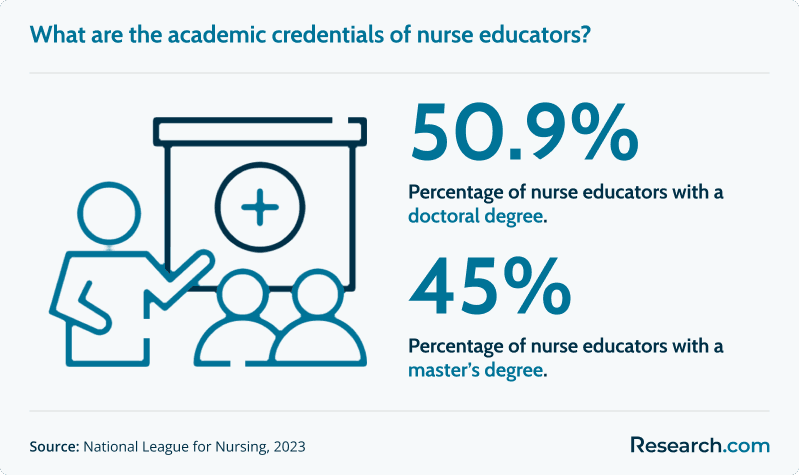
Nurse educators teach nursing students, train clinical staff, develop course materials, evaluate competencies, and help update instruction as healthcare standards change. Some work in colleges and universities, while others work inside hospitals, health systems, or professional development departments.
This role is often less physically intense than bedside nursing, but it requires preparation, grading, mentoring, curriculum planning, and strong communication skills.
Why it may be lower stress: structured teaching schedule, limited direct patient care, predictable academic or training environment, professional autonomy.
7. Clinical Research Nurse
Clinical research nurses support clinical trials and research studies. They screen participants, follow study protocols, monitor patient safety, collect data, document findings, coordinate with investigators, and help ensure ethical and regulatory compliance.
The work is highly structured, which many nurses find appealing. The stress is less likely to come from emergency care and more likely to come from precision, deadlines, and protocol accuracy.
Why it may be lower stress: protocol-based tasks, collaborative teams, office-like settings, fewer urgent bedside demands.
8. Nurse Case Manager
Nurse case managers coordinate care across providers, insurers, social services, and patients. They may help with discharge planning, chronic disease management, treatment plan coordination, resource referrals, and patient advocacy.
The role is often administrative and communication-heavy. It can be a strong option for experienced nurses who understand clinical care but want less physical bedside work.
Why it may be lower stress: office-based or hybrid workflow, planning-centered responsibilities, patient advocacy, fewer hands-on procedures.
9. Occupational Health Nurse
Occupational health nurses support employee health and workplace safety. They may conduct screenings, manage workplace injuries, provide first aid, organize wellness programs, support regulatory compliance, and help prevent illness or injury in the workplace.
These roles are found in factories, corporate offices, schools, public agencies, and large organizations. Many follow daytime business hours.
Why it may be lower stress: business-hour schedule, controlled work environment, prevention and wellness focus, fewer acute patient-care demands.
10. Aesthetic Nurse
Aesthetic nurses provide cosmetic and wellness-related services such as botox, fillers, skin treatments, and other minimally invasive procedures, usually in clinics, med spas, or private practices. They consult with patients, perform treatments within their scope, educate clients, and support follow-up care.
This can be less stressful than acute care because services are typically elective and scheduled. However, nurses should evaluate training quality, supervision, state regulations, malpractice coverage, and employer expectations before entering the field.
Why it may be lower stress: scheduled appointments, private clinic setting, wellness and appearance-focused care, fewer medical emergencies.
Salary Potential in Low-Stress Nursing Roles
Low-stress nursing jobs can pay well, but compensation varies by location, employer, credentials, experience, and specialty. Some roles offer lower base pay in exchange for stable hours, while others can be lucrative if the nurse has specialized skills, strong client demand, or advanced education.
| Role | Salary Information Stated | How to Interpret It |
| School nurse | Average annual salary of around $60,700 | Often valued for predictable hours, school schedules, and benefits rather than top earnings. |
| Nurse educator | Typically earns about $80,780 annually | Graduate education and teaching responsibilities may support stronger pay than some community roles. |
| Camp nurse | Can earn up to $97,000 per year | Seasonal work may pay well during active months but may not provide year-round income. |
| Aesthetic nurse | Median salary of over $117,000 annually | Can be high earning, but training, location, client demand, and employer model matter. |
Aesthetic nurse pay was described as being around the same as a doctor of nursing practice or DNP salary, which helps explain why many nurses are interested in cosmetic and wellness-based roles. Still, nurses should avoid assuming that the highest reported figure is typical for every employer or region.
If you are an RN with an associate degree, completing a BSN may improve eligibility for more outpatient, public health, leadership, and education-related roles. Some nurses compare flexible options such as a 6 month RN to BSN program, especially when they already have clinical experience and want to move quickly.
Financial Trade-Offs to Evaluate Before Switching
Moving into a lower-stress nursing job can improve quality of life, but it may also change your income, benefits, schedule, and advancement options. The best decision is not always the highest-paying one. It is the option that fits your health, family responsibilities, financial goals, and preferred work style.
| Trade-Off | What It Means | How to Evaluate It |
| Lower starting pay | Some roles, including school nursing and public health nursing, may pay less than critical care or emergency nursing. | Compare total compensation, not just hourly wage. Include benefits, pension options, paid time off, and schedule stability. |
| Better schedule instead of higher pay | Regular hours, weekends off, and reduced physical strain may matter more than overtime opportunities. | Calculate whether a lower salary is manageable if it reduces burnout, childcare costs, or unpaid recovery time. |
| Seasonal income | Camp nursing may pay well during a defined season but may not provide steady annual income. | Plan for off-season work, savings, or a second role before relying on seasonal earnings. |
| Training costs | Aesthetic, occupational health, public health, and advanced practice roles may require extra education or certification. | Compare tuition, fees, lost work time, employer reimbursement, and realistic job demand. |
| Career mobility | Some lower-stress roles may have fewer promotion ladders than hospital systems. | Ask about leadership paths, salary steps, certification incentives, and internal transfer options. |
Some nurses also consider adjacent healthcare careers. If you are comparing broader clinical pathways, Research.com’s guide on how to become a physician assistant, salary and career requirements can help you assess whether a non-nursing provider track makes sense.
Education and Licensing Requirements for Low-Stress Nursing Jobs
Most low-stress nursing jobs still require nursing licensure. In many cases, an ADN plus RN license may qualify you for entry-level roles, but a BSN can improve competitiveness, especially for school nursing, public health, telehealth, research, leadership, and case management. Advanced roles may require an MSN, DNP, or specialty certification.
| Career Goal | Common Education or Credential | When Additional Education Helps |
| School nurse | Often a BSN and RN license; some states require school nursing certification | Useful for district-level leadership, student health program development, or specialized school health roles. |
| Public health nurse | Usually BSN and RN license | An MPH can support leadership, program management, or policy work. Nurses comparing costs may review the cheapest MPH programs online. |
| Outpatient care nurse | ADN or BSN with RN license | Specialty experience may help in cardiology, oncology, pediatrics, dermatology, or procedure-based clinics. |
| Telehealth nurse | RN license, clinical experience, and often BSN preference | Experience in triage, chronic care, patient education, and remote documentation is valuable. |
| Nurse educator | Often MSN and RN license | Doctoral education may be useful for academic leadership or advanced faculty roles. |
| Clinical research nurse | Commonly BSN and RN license | Research training, human subjects protection knowledge, and study coordination experience can improve prospects. |
| Nurse case manager | Often BSN and RN license | Case management certification and payer or discharge planning experience may help. |
| Occupational health nurse | RN license; BSN often preferred | Occupational health certification or graduate education may support advancement. |
| Aesthetic nurse | RN license; many employers prefer BSN | Procedure-specific training and compliance with state scope-of-practice rules are essential. |
Some nurses pursue advanced clinical credentials to move into more autonomous settings. For example, nurses interested in primary care may compare options such as the shortest online nurse practitioner program, but they should confirm whether the resulting credential fits their state practice rules and career goals.
Least Stressful Nursing Work Environments
The least stressful nursing environments are usually non-acute, scheduled, preventive, educational, or administrative. They are not automatically easy, but they often reduce the constant urgency found in emergency departments, intensive care units, and high-acuity inpatient floors.
- Schools: School nurses provide health services, education, basic care, medication support, and emergency response in a structured academic setting.
- Public health agencies: Nurses focus on community education, prevention, screenings, outreach, and disease-control initiatives rather than continuous bedside care.
- Outpatient clinics: Clinic nurses work with scheduled appointments, follow-up care, chronic disease education, and procedure support.
- Telehealth services: Remote care can reduce commuting, physical strain, and exposure to chaotic in-person environments.
- Academic institutions: Nurse educators teach, mentor, evaluate, and train in more structured settings.
- Research organizations: Clinical trials and study sites often rely on protocols, documentation, and participant monitoring rather than emergency response.
- Corporate or occupational health settings: Workplace health roles usually emphasize prevention, screening, compliance, and employee wellness.
A 2024 Health Resources and Services Administration report found that nurses in non-patient-care roles reported higher job satisfaction at 87.6% compared with 78.7% among those in direct patient care. This does not mean all non-patient roles are ideal, but it does show why many nurses look beyond bedside care when seeking sustainability.
How to Advance Without Returning to High-Stress Work
Career growth does not have to mean going back to critical care, charge shifts, or unpredictable hospital schedules. Nurses in lower-stress roles can advance by building credentials, leadership experience, program expertise, and specialized knowledge.
- Earn the next appropriate degree. A BSN, MSN, MPH, or DNP can open doors to education, leadership, public health, informatics, or advanced practice roles. Nurses looking for speed and cost control may compare affordable accelerated nursing programs.
- Add a relevant certification. School nursing, public health, occupational health, case management, and specialty practice certifications can strengthen your candidacy.
- Volunteer for program work. Quality improvement, patient education, care coordination, community outreach, and workflow redesign projects can show leadership without requiring high-acuity bedside work.
- Build a professional network. Join specialty associations, attend webinars, and connect with nurses already working in your target environment.
- Track industry changes. Telehealth, remote monitoring, value-based care, and community health initiatives continue to affect lower-stress nursing options.
- Find a mentor. A nurse educator, case management leader, public health supervisor, or occupational health nurse can help you avoid wrong turns.
- Consider leadership carefully. Supervisor and coordinator roles can be rewarding, but they may add administrative stress. If you already have a master’s degree and want higher-level preparation, options such as the cheapest online DNP programs may be worth comparing.
Are Low-Stress Nursing Jobs Patient-Centered?
Many low-stress nursing jobs are patient-centered, but they do not always involve traditional bedside care. Patient-centered work can mean teaching, advocating, coordinating, preventing illness, or helping patients make better decisions. The form of patient care changes by role.
- School, outpatient, and telehealth nurses often interact directly with patients or students and focus heavily on education, prevention, and early intervention.
- Public health nurses apply patient-centered principles at the community level by addressing risk factors, access barriers, and social determinants of health.
- Nurse case managers support patients by coordinating services, reducing confusion, and helping them navigate complex systems.
- Nurse educators may not provide much direct patient care, but they influence patient outcomes by preparing future nurses and training staff.
- Aesthetic nurses work directly with clients, but the focus is usually elective care, satisfaction, safety, and procedure education.
The U.S. Bureau of Labor Statistics noted that 58% of RNs work in hospitals, but patient-centered nursing is not limited to hospital units. Many lower-stress roles still improve patient experience through longer conversations, continuity, education, and proactive care.
Best Low-Stress Nursing Jobs for Work-Life Balance
Work-life balance depends on the employer, staffing model, and individual boundaries. Still, some nursing roles are more likely to offer predictable hours than inpatient hospital jobs.
| Role | Work-Life Balance Advantage | Watch For |
| School nurse | School-day schedule, holidays, and potential summers off | High student-to-nurse ratios and limited backup support |
| Telehealth nurse | Remote or hybrid work, reduced commute, flexible scheduling in some roles | Call volume, strict triage protocols, and screen fatigue |
| Nurse educator | Structured teaching schedule and less physical work | Preparation, grading, student support, and accreditation demands |
| Outpatient nurse | Clinic hours, scheduled visits, limited overnight work | High appointment volume and productivity expectations |
| Aesthetic nurse | Private clinic setting, elective procedures, predictable appointments | Evening or weekend client hours, sales pressure, training costs |
| Occupational health nurse | Business-hour work in many corporate or workplace settings | Independent decision-making and compliance responsibilities |
Potential Downsides of Low-Stress Nursing Jobs
Lower stress does not guarantee a better job. Some nurses leave hospital roles and discover that the new work solves one problem while creating another. Evaluate the downsides before making a move.
- Lower pay in some roles: School nursing, public health, and some clinic roles may not match the earning potential of high-acuity hospital specialties.
- Fewer promotion ladders: Smaller clinics, schools, or agencies may have limited advancement opportunities unless you pursue leadership, education, or graduate credentials.
- Less hands-on clinical intensity: Nurses who enjoy procedures, rapid decision-making, and complex acute care may feel underchallenged.
- Professional isolation: Telehealth, school nursing, home-based roles, and occupational health can involve more independent work and less peer support.
- Skill drift: Moving away from bedside care may reduce exposure to certain clinical skills, which matters if you plan to return to acute care later.
- Variable schedules: Some lower-stress roles, including home health or private clinic work, may still involve evenings, weekends, travel, or unpredictable patient needs.
- Competition: As more nurses seek sustainable careers, desirable low-stress openings may become harder to secure.
How to Find Nursing Programs Aligned With Lower-Stress Careers
The right nursing program should match the job you want, not just the credential you need. If your goal is school nursing, public health, outpatient care, telehealth, education, research, or case management, look for programs that support those outcomes.
- Start with the role, then choose the degree. A nurse educator path may require an MSN, while public health leadership may point toward an MPH or community health-focused nursing program.
- Confirm accreditation. Only consider nursing programs with appropriate accreditation and state approval for licensure or advancement.
- Review the curriculum. Look for coursework in population health, patient education, care coordination, informatics, leadership, research, or community-based practice.
- Ask about clinical placements. A program that only places students in acute hospital settings may not support your lower-stress career goals as well as one with outpatient, school, public health, or telehealth experiences.
- Compare online options carefully. Flexible programs can reduce school-related stress, but students should check accreditation, clinical requirements, state authorization, and transfer policies. Working nurses may compare affordable RN to BSN online programs.
- Use professional associations. Specialty organizations can help you identify recognized credentials, continuing education, and employers in your target area.
- Attend virtual information sessions. Ask program directors how graduates move into non-acute or lower-stress nursing jobs.
- Speak with nurses already in the role. A mentor can tell you which credentials mattered and which ones were unnecessary.
If you are entering nursing and want to reduce admissions-related stress, you may also compare options such as the easiest ABSN program to get into, while still checking quality, accreditation, clinical placement support, and total cost.
Questions to Ask Before Choosing a Low-Stress Nursing Path
Before changing roles or enrolling in another program, ask practical questions. A job that looks calmer on paper may still be stressful if staffing, management, compensation, or expectations are poor.
- What type of stress am I trying to reduce: emotional, physical, schedule-related, administrative, or patient-acuity stress?
- Am I willing to accept a lower salary for better hours or less physical strain?
- Does this role require a BSN, MSN, certification, or state-specific credential?
- Will I still use enough clinical skills to feel professionally engaged?
- Does the employer provide orientation, mentorship, and backup support?
- What is the typical patient load, call volume, caseload, or appointment schedule?
- Are there evening, weekend, on-call, travel, or seasonal expectations?
- How do current employees describe the culture and management support?
- Will this job help me move toward long-term goals, or only help me escape my current job?
How to Transition Into a Lower-Stress Nursing Career
A successful transition starts with clarity. Identify which parts of your current job are causing the most strain, then target roles that reduce those specific stressors. For example, if physical exhaustion is the issue, telehealth, case management, education, or research may help. If rotating shifts are the problem, school nursing, occupational health, or outpatient care may be better fits.
- Audit your current skills. List your clinical strengths, patient populations, certifications, documentation systems, leadership experience, and teaching responsibilities.
- Choose a target role. Do not apply broadly to every “easy” nursing job. Match your background to a specific setting.
- Fill credential gaps. If you are entering nursing from another field, direct-entry MSN programs may provide a structured path into the profession.
- Shadow or interview someone in the role. Ask about workload, stressors, staffing, pay, and advancement.
- Revise your resume. Highlight triage, education, care coordination, chronic disease management, communication, and independent decision-making.
- Apply strategically. Target employers with strong orientation, clear protocols, and reasonable caseload expectations.
Can Online Advanced Nursing Degrees Reduce Workplace Stress?
Online advanced nursing degrees can reduce school-related disruption for working nurses, but they do not automatically make a future job low stress. Their value depends on whether the degree leads to a role with better autonomy, schedule control, and alignment with your interests.
For example, an FNP degree online may help a nurse move toward primary care or less acute practice settings. However, nurse practitioner work can still involve productivity expectations, complex patient needs, documentation burden, and regulatory requirements. Always compare clinical placement support, state authorization, certification eligibility, and employer demand before enrolling.
How Accelerated Nursing Programs Can Support Career Change
Accelerated nursing programs can help nurses or career changers reach a credential faster, but speed should not be the only selection factor. A shorter program may be useful if it is accredited, properly approved, affordable, and aligned with the type of work you want.
Working RNs who want a bachelor’s degree may compare RN to BSN fast options, especially if they want to qualify for public health, outpatient leadership, case management, or school nursing roles. Before enrolling, ask whether the program’s pace is realistic with your work and family responsibilities.
Using Accelerated Programs to Move Faster Into Low-Stress Roles
Accelerated programs can shorten the time needed to qualify for new roles, but they can also increase short-term academic pressure. The best candidates are organized, self-directed, and clear about the credential they need.
Nurses seeking advanced practice roles may explore accelerated nurse practitioner programs. These programs may support movement into more autonomous clinical environments, but prospective students should verify certification preparation, clinical placement requirements, state practice rules, and realistic workload after graduation.
Future Trends Shaping Lower-Stress Nursing Careers
Several healthcare trends are influencing where lower-stress nursing jobs are growing and how they operate.
- Telehealth and remote monitoring: More care can be delivered outside hospitals, creating demand for nurses skilled in triage, education, documentation, and virtual communication.
- Preventive and community-based care: Public health, chronic disease management, school health, and outpatient care continue to rely on nurses who can keep patients stable before conditions become urgent.
- Technology-enabled workflows: Digital tools can reduce some tasks but may also increase documentation and message volume.
- Credential-based hiring: Employers may prefer nurses with BSN, MSN, public health, case management, education, or specialty credentials depending on the setting.
- Workforce well-being: Burnout concerns are pushing nurses to compare employers more carefully, not just job titles.
Students choosing an entry path should balance accessibility with quality. Resources such as the easiest BSN program to get into can help with admissions research, but accreditation, clinical support, graduation outcomes, and affordability remain essential.
Why Employer Support Matters in Low-Stress Nursing Jobs
A low-stress job title can become stressful under a poor employer. Supportive management, reasonable caseloads, clear protocols, mentorship, safe staffing, professional development, and transparent communication often matter as much as the specialty itself.
Employer support is especially important when nurses are changing roles. A strong orientation can help an ICU nurse adapt to case management, a bedside nurse move into telehealth, or an LPN transition toward RN responsibilities. Nurses seeking additional credentials may evaluate flexible pathways such as accelerated BSN nursing programs online, but they should also ask whether their employer offers tuition assistance, schedule flexibility, or clinical advancement support.
How Education Costs Affect Low-Stress Nursing Career Options
Education can expand your options, but overpaying for a credential can create financial stress that offsets the benefit of a calmer job. Compare the total cost of attendance, fees, books, clinical travel, lost work hours, loan interest, and whether the credential is truly required for your target role.
Prospective students should also compare scholarships, employer tuition reimbursement, payment plans, transfer credit, and public versus private options. Research.com’s guide on how much is nursing school can help you frame the cost side of the decision before committing.
Affordable Bridge Programs for Lower-Stress Nursing Roles
Bridge programs can help LPNs and other nursing professionals qualify for broader roles without starting over. For an LPN who wants more options in clinics, public health, school settings, case management support, or outpatient care, moving toward RN licensure may be an important step.
Cost remains important. Programs such as cheap LPN to RN bridge programs may help reduce financial pressure, but students should still verify accreditation, state approval, NCLEX preparation, clinical placement requirements, and whether online coursework fits their learning style.
Certifications That May Improve Low-Stress Nursing Career Prospects
Certifications can help nurses stand out in lower-stress specialties, especially when employers want proof of focused knowledge. Useful areas may include school nursing, public health, case management, occupational health, telehealth, informatics, research, and behavioral health.
Certification is most valuable when it matches a clear job target. For nurses interested in mental and behavioral health roles, programs such as the shortest PMHNP program may support specialization, but psychiatric-mental health practice can be emotionally demanding. Evaluate the population, setting, schedule, supervision, and scope before assuming it will be low stress.
Can Low-Stress Nursing Roles Lead to Sustainable Career Growth?
Yes. Low-stress nursing roles can support long-term growth when they allow nurses to stay healthy, keep learning, and build expertise over time. A sustainable career may involve moving from outpatient nursing into clinic leadership, from school nursing into district health coordination, from public health nursing into program management, or from telehealth into quality improvement.
Advanced degrees can also support growth. A DNP program online may help experienced nurses pursue leadership, advanced clinical practice, policy, or systems improvement. The key is to choose education that expands options without pushing you into a role that recreates the same stress you are trying to leave.
How Advanced MSN Programs May Support Lower-Stress Work
Advanced MSN programs can prepare nurses for more specialized and autonomous work, including primary care, women’s health, education, leadership, and other focused practice areas. Autonomy can improve job satisfaction for some nurses, but advanced practice roles also carry responsibility, documentation, patient complexity, and regulatory obligations.
Nurses interested in women’s health, for example, may compare an accelerated MSN womens health nurse practitioner online pathway. Before enrolling, confirm clinical placement expectations, certification eligibility, state authorization, and whether the role’s day-to-day work fits your definition of manageable stress.
Common Mistakes to Avoid
- Choosing a job title instead of a work environment: A clinic job can be stressful if the employer overbooks patients or understaffs support roles.
- Ignoring accreditation and state approval: Never enroll in a nursing program without confirming that it supports licensure, certification, or advancement in your state.
- Looking only at tuition: Fees, clinical travel, books, lost income, and loan interest can change the real cost.
- Assuming online means easier: Online nursing programs can be flexible, but they still require clinical hours, deadlines, exams, and strong time management.
- Expecting salary outcomes to be guaranteed: Pay depends on geography, experience, credentials, employer type, and demand.
- Leaving bedside care without a plan: Build a bridge through certifications, networking, shadowing, or part-time exposure before making a major switch.
- Underestimating administrative stress: Case management, research, telehealth, and education may reduce physical strain but increase documentation, coordination, or communication demands.
Key Insights
- Low-stress nursing jobs are usually found in school, outpatient, public health, telehealth, research, education, occupational health, case management, camp, and aesthetic settings.
- The main advantage is often predictability: fewer emergencies, more regular hours, less physical strain, and more focus on prevention, education, coordination, or wellness.
- Salary varies widely. School nurses were described as earning around $60,700, nurse educators about $80,780, camp nurses up to $97,000, and aesthetic nurses a median salary of over $117,000 annually.
- Lower stress may involve trade-offs, including lower pay, fewer advancement tracks, seasonal work, reduced hands-on clinical intensity, or more administrative responsibility.
- Education matters, but the right credential depends on the role. Many positions prefer or require a BSN, while education, public health leadership, advanced practice, and specialized roles may require graduate training or certification.
- Employer quality is critical. A supportive workplace can make a role sustainable, while poor staffing or weak management can make even a “low-stress” job exhausting.
- The best move is intentional: identify the stressor you want to reduce, choose a target role, verify credentials, compare total compensation, and speak with nurses already working in that environment.
References
- American Nurses Foundation. (2022, February 28). COVID-19 impact assessment survey - The second year. ANA Enterprise. Retrieved October 30, 2024.
- Glassdoor. (2024, June 6). How much does an aesthetic nurse make? Glassdoor.com. Retrieved October 31, 2024.
- Glassdoor. (2024, June 6). How much does a camp nurse make? Glassdoor.com. Retrieved October 31, 2024.
- Health Resources and Services Administration. (2024, March). Job satisfaction among registered nurses – Data from the 2022 NSSRN. Bureau of Health Workforce. Retrieved October 31, 2024.
- Rink, L. C., Oyesanya, T. O., Adair, K. C., Humphreys, J. C., Silva, S. G., & Sexton, J. B. (2023). Stressors among healthcare workers: A summative content analysis. Global Qualitative Nursing Research, 10(23333936231161127). Retrieved October 31, 2024.
- Rony, M. K., Md. Numan, S., & Alamgir, H. M. (2023). The association between work-life imbalance, employees' unhappiness, work's impact on family, and family impacts on work among nurses: A cross-sectional study. Informatics in Medicine Unlocked, 38, 101226. Retrieved October 31, 2024.
- Schmidt, K. (2022). Camp nursing. Journal of Christian Nursing, 39(2), 90-97. Retrieved October 31, 2024.
- Steward, C. (2024, April 24). Nurses' thoughts on Telehealth U.S. 2024. Statista. Retrieved October 30, 2024.
- U.S. BLS. (2024, August 29). Registered nurses: Work environment. U.S. Bureau of Labor Statistics. Retrieved October 31, 2024.
Other Things You Should Know About Low Stress Nursing Jobs
Yes. Most low-stress nursing jobs require an active RN license from a state board of nursing, and many employers also require BLS certification. Some roles, such as school nursing or case management, may prefer one to three years of bedside experience before hiring.
While specific certifications depend on the job, many low-stress nursing jobs, like school nursing or telehealth, often require a Registered Nurse (RN) license. Additional certifications in areas like Basic Life Support (BLS) might enhance job prospects in 2027.


