
2027 Nurse Practitioner Careers: Guide to Career Paths, Options & Salary

Co-Founder and Chief Data Scientist
Choosing a nurse practitioner career is a major education, licensure, and lifestyle decision. It can lead to advanced clinical responsibility, strong earning potential, and broad career mobility, but it also requires years of nursing preparation, graduate education, certification, and ongoing continuing education. For students, registered nurses, and career changers comparing healthcare paths in 2026, the key question is not only whether nurse practitioners are in demand, but whether the role fits your strengths, preferred patient population, state practice rules, and long-term career goals.
This guide explains what nurse practitioners do, how the role differs from registered nursing, how long the path takes, which specialties are common, what salaries can look like, and how to choose education options without overlooking accreditation, clinical placement quality, cost, or licensure requirements.
Quick answer: Is becoming a nurse practitioner a good career path?
For many registered nurses who want more clinical autonomy, higher-level diagnostic responsibilities, and expanded career options, becoming a nurse practitioner can be a strong path. Nurse practitioners in the US have an annual average salary of $129,210, and the projected job outlook for nurse practitioners is expected to grow by 40% through 2034, creating 29,500 annual new jobs throughout the decade. The path is not quick: most candidates complete a BSN, earn RN licensure, gain clinical experience, and then complete an MSN or DNP program before certification and state licensure.
The best fit is usually someone who enjoys direct patient care, complex decision-making, patient education, and lifelong learning. It may be less suitable for someone who wants a short training timeline, minimal regulatory requirements, or a role with little administrative burden.
Key things to know about a nurse practitioner career
- Nurse practitioners in the US have an annual average salary of $129,210.
- The largest employment settings for NPs include offices of physicians with 143,210 employed NPs, general medical and surgical hospitals with 70,900, and outpatient care centers with 29,330.
- The projected job outlook for NPs is expected to grow by 40% through 2034, creating 29,500 annual new jobs throughout the decade.
- Experience matters: NPs with less than one year of experience earn $97,960, those with three to five years earn $109,940, and those with more than ten years of experience earn $169,950.
- The highest-paying industries for NPs were residential intellectual and developmental disability, mental health, and substance abuse facilities at $163,000, scientific research and development services at $155,150, and psychiatric and substance abuse hospitals at $144,860.
- The highest-paying states for NPs were California at $173,190, New York at $148,410, and Oregon at $148,030.
- Why pursue a career as a nurse practitioner?
- What is a nurse practitioner, and what do they do?
- How does a nurse practitioner differ from a registered nurse?
- What is the job outlook for nurse practitioners?
- What are the most popular nurse practitioner specializations?
- How do you start your career as a nurse practitioner?
- How long does it take to become a nurse practitioner?
- What role does continuing education play in a nurse practitioner's career?
- How can I advance my career as a nurse practitioner?
- How much can I make as a nurse practitioner?
- What are the key factors influencing nurse practitioner salaries?
- How does pursuing a post-masters certification influence career advancement for nurse practitioners?
- What are alternative career options for nurse practitioners?
- What are the best online programs for nurse practitioners to get into?
- How does a strong foundational education impact a nurse practitioner's career success?
- What are the benefits of accelerated nurse practitioner programs?
- How does an accelerated DNP program differ from traditional NP pathways?
- What are the advantages of pursuing an MSN MBA dual degree for nurse practitioners?
- What are the typical admission requirements for nurse practitioner programs?
- How can nurse practitioners improve work-life balance in high-demand roles?
What graduates say about nurse practitioner careers
- For me, becoming a nurse practitioner created a career where meaningful patient care and financial stability exist together. I value the responsibility, the trust patients place in me, and the chance to work in a profession with real community impact. - Joane
- Nurse practitioner work feels personal and purposeful. Each patient visit gives me a chance to educate, listen, and help families make better health decisions. The ability to specialize also keeps the career from feeling limiting. - Carrie
- My NP role allows me to advocate for patients when they are vulnerable and unsure of what comes next. That combination of clinical problem-solving, patient support, and continuous learning is what keeps me committed to the profession. - Samantha
Why pursue a career as a nurse practitioner?
A nurse practitioner career appeals to nurses who want to move beyond bedside care into advanced assessment, diagnosis, treatment planning, and long-term patient management. NPs often serve as primary care or specialty care providers, which gives them a broader role in helping patients prevent illness, manage chronic disease, understand treatment options, and navigate the healthcare system.
The career can also offer mobility. Nurse practitioners may work in physician offices, hospitals, outpatient centers, community clinics, telehealth settings, specialty practices, mental health facilities, public health organizations, academic environments, and administrative roles. Advanced nursing practice is also among the higher-paying medical career paths, with entry-level NPs earning around $97,960 on average at the 10th percentile.
However, the role is not automatically the right move for every nurse. Graduate school requires time and money, state practice authority varies, clinical placement quality can affect preparation, and high-demand roles may involve heavy patient loads or documentation requirements. The best reason to become an NP is a clear interest in advanced clinical responsibility, not salary alone.
| Choose the NP path if you want... | Consider another healthcare path if you prefer... |
| More responsibility for assessment, diagnosis, and treatment planning | A shorter education timeline with fewer licensure steps |
| Direct patient care with more autonomy than many RN roles | Healthcare work that is primarily administrative, technical, or non-clinical |
| Options to specialize in family practice, pediatrics, mental health, acute care, or women’s health | A role with limited continuing education or certification requirements |
| Long-term growth into leadership, teaching, consulting, or doctoral-level practice | A career with minimal exposure to complex patient decisions or liability concerns |
What is a nurse practitioner, and what do they do?
A nurse practitioner is an advanced practice registered nurse, or APRN, who has graduate-level preparation in clinical assessment, diagnosis, treatment, pharmacology, and patient management. NPs care for patients across the lifespan or within a specialty population, depending on their certification and state scope-of-practice rules.
In practice, nurse practitioners may perform physical exams, take patient histories, order and interpret diagnostic tests, diagnose acute and chronic conditions, prescribe medications where permitted, create care plans, refer patients to specialists, counsel families, and provide preventive health education. Many NPs also manage follow-up care for patients with chronic conditions, coordinate with physicians and other clinicians, and document care in electronic health record systems.
The daily work depends heavily on specialty and setting. A family nurse practitioner in a primary care clinic may focus on wellness visits, medication management, and chronic disease follow-up. A psychiatric-mental health nurse practitioner may assess mental health conditions, provide therapy-related support, and prescribe psychiatric medications where authorized. An acute care nurse practitioner may work with complex patients in hospital or specialty settings.
| Common NP responsibility | What it means in patient care |
| Assessment | Collecting symptoms, health history, physical exam findings, and risk factors |
| Diagnosis | Identifying likely conditions and determining whether further testing or referral is needed |
| Treatment planning | Creating medication, lifestyle, follow-up, referral, and monitoring plans |
| Patient education | Helping patients understand conditions, warning signs, prevention, and treatment choices |
| Care coordination | Working with physicians, nurses, specialists, pharmacists, therapists, and social services |
How does a nurse practitioner differ from a registered nurse?
Registered nurses and nurse practitioners are both essential to patient care, but they differ in education level, scope of practice, clinical authority, and typical responsibilities. RNs usually enter practice after completing an associate degree in nursing or a Bachelor of Science in Nursing degree and passing the NCLEX-RN. Nurse practitioners first become RNs, then complete graduate education such as an MSN or DNP that prepares them for advanced practice.
RN education emphasizes nursing fundamentals, bedside care, care coordination, patient monitoring, medication administration, and patient education. NP education builds on that foundation with advanced health assessment, pathophysiology, pharmacology, diagnosis, and management of health conditions. Some nurses use bridge pathways, such as an ADN-to-MSN bridge program, when they want to move from associate-level nursing preparation toward graduate nursing study.
The practical difference is scope. RNs typically deliver and coordinate care based on provider orders and nursing judgment. NPs may diagnose conditions, interpret test results, prescribe medications when allowed by state law, manage treatment plans, and provide primary or specialty care. The degree of independence depends on the state, employer policies, and clinical setting.
| Category | Registered nurse | Nurse practitioner |
| Typical education path | ADN or BSN plus RN licensure | RN preparation plus graduate nursing education |
| Core focus | Direct nursing care, monitoring, coordination, and patient support | Advanced assessment, diagnosis, treatment, prescribing, and care management |
| Patient relationship | Often provides frequent hands-on care and tracks patient status | Often manages visits, diagnoses, treatment plans, and follow-up care |
| Autonomy | Works within RN scope and care team direction | May practice independently or collaboratively depending on state rules |
| Career direction | Bedside care, case management, charge nurse, specialty RN roles | Primary care, specialty practice, leadership, teaching, consulting, doctoral practice |
What is the job outlook for nurse practitioners?
The nurse practitioner job outlook is strong because the healthcare system continues to need clinicians who can provide primary care, specialty care, preventive services, chronic disease management, and patient education. Demand is especially important in communities with limited provider access, aging populations, and growing needs for mental health and long-term condition management.
The projected job outlook for nurse practitioners is expected to grow by 40% through 2034, creating 29,500 annual new jobs throughout the decade. That growth makes the field attractive, but students should still evaluate local hiring conditions, state practice regulations, clinical placement access, and specialty competition before choosing a program.
Technology is also changing the work. Telehealth, remote patient monitoring, electronic health records, clinical decision-support tools, and AI-assisted documentation can help with access and workflow, but they do not replace the need for clinical judgment, communication, ethical decision-making, and careful assessment. NPs who are comfortable with healthcare technology may be better prepared for modern practice environments.
Steps to becoming a nurse practitioner
The NP path is structured because advanced practice requires both nursing experience and graduate-level preparation. Requirements vary by state and program, but the general sequence is consistent.
- Earn a Bachelor of Science in Nursing. A BSN provides the clinical and academic foundation for professional nursing practice. It usually takes four years and includes classroom instruction, simulation, and supervised clinical work.
- Pass the NCLEX-RN and obtain RN licensure. After completing an approved nursing program, graduates must pass the national licensure exam and meet state board requirements to practice as registered nurses.
- Build clinical experience as an RN. Many NP programs expect at least one to two years of RN experience. Hospital, clinic, long-term care, community health, and specialty settings can all help develop patient-care judgment.
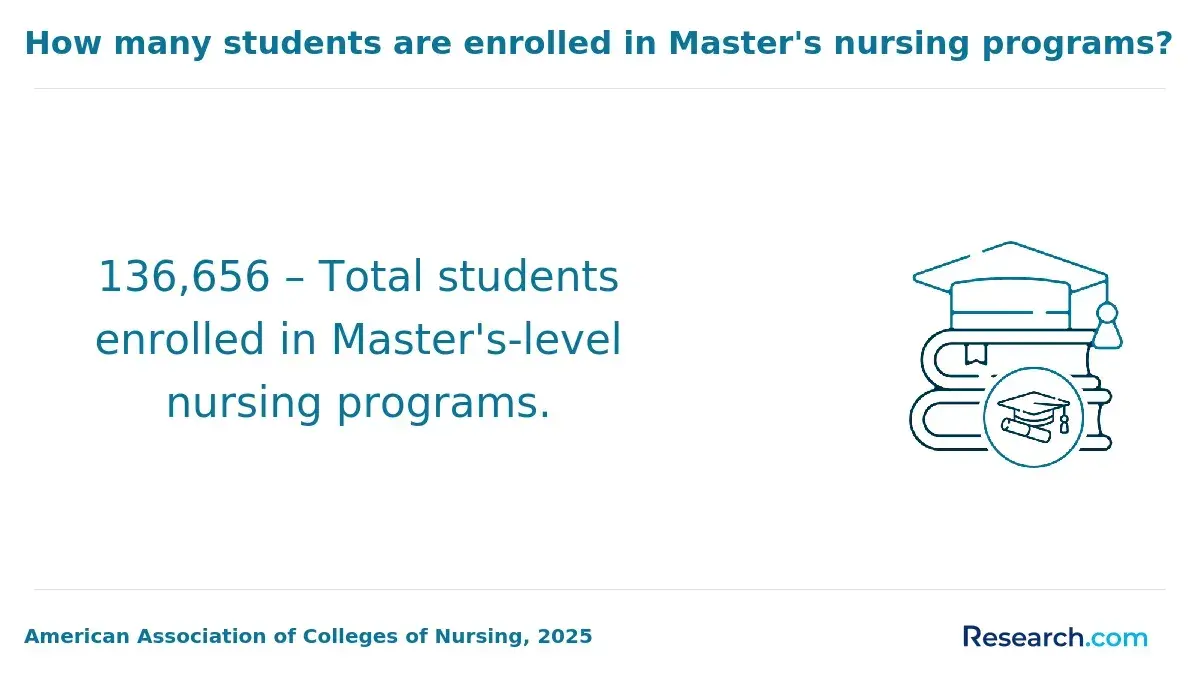
- Complete an MSN or DNP program. Future NPs complete graduate study in advanced assessment, pharmacology, pathophysiology, clinical decision-making, and specialty practice. These programs typically last two to four years. For a deeper walkthrough, see this guide on how to become a nurse practitioner.
- Pass a national NP certification exam. Graduates usually pursue certification through an organization such as the American Nurses Credentialing Center or the American Association of Nurse Practitioners, depending on specialty and eligibility.
- Apply for state NP licensure. Certification does not automatically authorize practice. NPs must satisfy state board requirements, which may include application forms, fees, background checks, documentation, and renewal rules.
What skills do nurse practitioners need?
Strong nurse practitioners combine clinical expertise with communication, technology, leadership, and judgment. These skills matter because the healthcare system must manage complex patient needs, care transitions, quality expectations, and access challenges. Research has noted that the American healthcare system is thought to lag behind other high-income nations in areas such as effectiveness, access to care, and health outcomes, which puts added pressure on clinicians to work efficiently and collaboratively.
NP skill expectations vary by setting. A hospital-based acute care NP may need rapid decision-making and critical care familiarity. A family practice NP may need chronic disease management, preventive counseling, and strong rapport-building. A psychiatric-mental health NP may need advanced communication, risk assessment, and medication management skills.
Clinical and decision-making skills
- Advanced assessment: NPs must gather patient histories, perform physical exams, recognize red flags, and identify when additional testing or referral is needed.
- Diagnostic reasoning: The role requires evaluating symptoms, risk factors, test results, and patient context to form safe clinical impressions.
- Medication management: Pharmacology knowledge is central, especially when prescribing, monitoring side effects, and managing drug interactions.
- Evidence-based practice: NPs need to apply current research, clinical guidelines, and patient preferences rather than relying only on routine habits.
Professional and workplace skills
- Leadership: Nurse practitioners often guide care teams, improve workflows, mentor nurses, and contribute to quality initiatives. Many online nurse practitioner programs include leadership preparation because advanced practice roles frequently require it.
- Communication: Clear communication with patients, families, physicians, pharmacists, nurses, and administrators helps reduce errors and improve care continuity. Poor communication between doctors and nurses in the intensive care unit accounts for 37% of all health-sector errors.
- Digital adaptability: NPs need comfort with electronic health records, telehealth platforms, secure messaging, clinical documentation systems, and other healthcare technologies.
- Time management: Patient visits, charting, medication refills, lab follow-up, insurance forms, and care coordination can compete for attention, so prioritization is essential.
According to the BLS, the industries with the highest levels of employment for NPs were offices of physicians at 143,210, general medical and surgical hospitals at 70,900, and outpatient care centers at 29,330.
What are the most popular nurse practitioner specializations?
Specialization is one of the most important choices in an NP career because it affects your patient population, certification exam, clinical placements, work setting, schedule, and future job market. Students should choose a specialty based on the patients they want to serve, not only on perceived salary or program availability.
| NP specialization | Typical patient focus | Common work settings | Good fit for students who prefer... |
| Family Nurse Practitioner | Patients across the lifespan | Primary care, community clinics, urgent care, outpatient practices | Broad primary care, prevention, and long-term patient relationships |
| Pediatric Nurse Practitioner | Infants, children, and adolescents | Pediatric clinics, hospitals, specialty practices | Child health, family education, growth and development |
| Adult-Gerontology Nurse Practitioner | Adults and older adults | Primary care, specialty clinics, long-term care, hospitals | Chronic disease management and aging-related care |
| Psychiatric-Mental Health Nurse Practitioner | Patients with mental health needs across the lifespan | Mental health clinics, hospitals, telehealth, community programs | Behavioral health, medication management, and therapeutic communication |
| Women's Health Nurse Practitioner | Women’s reproductive and gynecologic health | OB-GYN practices, women’s health clinics, community health centers | Reproductive care, preventive screening, and women’s health counseling |
| Acute Care Nurse Practitioner | Patients with complex acute or critical illness | Hospitals, ICUs, emergency departments, specialty teams | High-acuity decisions, hospital-based care, and complex cases |
- Family Nurse Practitioner. FNPs provide broad primary care for children, adults, and older adults, including preventive services and management of acute and chronic conditions.
- Pediatric Nurse Practitioner. PNPs focus on children and adolescents, including developmental assessment, common pediatric illnesses, family education, and preventive care.
- Adult-Gerontology Nurse Practitioner. AGNPs care for adult and older adult patients, often helping manage chronic illness, functional decline, healthy aging, and end-of-life needs.
- Psychiatric-Mental Health Nurse Practitioner. PMHNPs assess and treat mental health conditions, provide medication management where authorized, and collaborate with behavioral health teams.
- Women's Health Nurse Practitioner. WHNPs concentrate on reproductive, gynecologic, and preventive health services for women across life stages.
- Acute Care Nurse Practitioner. ACNPs manage complex and unstable patients in hospitals, emergency departments, intensive care units, and specialty services.
How do you start your career as a nurse practitioner?
Before committing to the NP path, ask a practical question: Is nursing school worth it for your goals, finances, and timeline? Becoming an NP can be rewarding, but it requires multiple stages of education, licensure, clinical practice, certification, and job search preparation.
- Choose the right undergraduate nursing route. A BSN is the most common foundation for NP preparation. If you are comparing programs, consider accreditation, NCLEX preparation, clinical placements, cost, transfer policies, and support services. If your current school is not a strong fit, this college transfer guide can help you understand the process. Students who need flexibility can also compare options to earn a nursing degree online when appropriate clinical requirements are available.
- Earn RN licensure. After finishing an approved nursing program, you must pass the NCLEX-RN and meet your state’s licensing requirements.
- Gain relevant RN experience. Select RN roles that align with your future NP specialty when possible. For example, pediatric experience can help future PNP applicants, while mental health experience can support PMHNP goals.
- Research MSN and DNP programs carefully. Compare curriculum, accreditation, certification pass preparation, faculty expertise, clinical placement support, state authorization, and total cost.
- Complete certification and state licensure. National certification and state authorization are both necessary steps. Requirements may differ by specialty and state.
- Apply strategically for NP roles. Look beyond job title. Review patient load, orientation, collaborating physician expectations if applicable, administrative time, call schedule, telehealth policies, and mentorship.
If you want a healthcare career but are not sure advanced nursing practice is the right fit, compare adjacent paths before enrolling. Options such as online master's degrees in nutrition or affordable online speech pathology programs may lead to different types of patient care and professional responsibilities.
How long does it take to become a nurse practitioner?
Becoming a nurse practitioner typically takes six to eight years of education and training. A BSN usually takes about four years, RN experience often adds one to two years, and an MSN or DNP program usually requires another two to four years. The actual timeline depends on whether you study full time or part time, enter through a bridge program, already hold nursing credits, or choose an accelerated pathway.
| Stage | Typical time involved | Decision point |
| BSN preparation | About four years | Choose an accredited program with strong clinical experiences |
| RN licensure and experience | One to two years for many candidates | Select RN roles that build specialty-relevant skills |
| MSN or DNP program | Two to four years | Compare cost, clinical placement support, certification alignment, and flexibility |
| Certification and state licensure | Varies by state and certifying body | Confirm all requirements before applying to jobs |
What role does continuing education play in a nurse practitioner's career?
Continuing education is not optional career decoration for nurse practitioners; it is part of staying clinically current, maintaining certification, meeting renewal rules, and adapting to changes in healthcare practice. New medications, evolving guidelines, telehealth policies, patient safety expectations, and specialty standards all require ongoing learning.
Many NPs use continuing education to deepen expertise in areas such as family practice, psychiatric mental health, acute care, women’s health, or chronic disease management. For working professionals who need flexible and budget-conscious options, comparing the most affordable online psychiatric nurse practitioner programs can be useful when the goal is to add or shift specialization.
Professional organizations can also support continuing education. Membership in groups such as the American Association of Nurse Practitioners may provide clinical updates, policy information, networking, conferences, and practice resources. The larger point is simple: the NP career rewards clinicians who keep learning after graduation.
How can I advance my career as a nurse practitioner?
Career advancement as an NP can mean higher clinical expertise, leadership, education, research, business management, consulting, or a move into a different specialty. The right strategy depends on whether you want more patient care authority, a better schedule, higher pay potential, or a transition away from direct clinical work.
- Add a specialty certification. Additional credentials can help NPs move into new populations or practice areas when they meet eligibility requirements.
- Use continuing education intentionally. Conferences, workshops, graduate certificates, and short programs should align with your next role. Some NPs also study healthcare operations through options such as an online medical billing and coding certificate to better understand reimbursement and documentation.
- Broaden your clinical niche. A nurse interested in nutrition-focused care may explore how to become a nurse nutritionist as a way to expand patient education and wellness expertise.
- Join professional associations. The American Association of Nurse Practitioners and similar organizations can help with networking, advocacy updates, and continuing education.
- Seek leadership responsibilities. Charge roles, quality improvement projects, precepting, committee work, and protocol development can prepare NPs for management or administrative advancement.
- Teach or mentor. Supporting students, new NPs, or RN colleagues can build leadership credibility and contribute to the profession.
- Consider doctoral education. A DNP may support advanced clinical leadership, while a PhD in Nursing is often more aligned with research and academic scholarship.
How much can I make as a nurse practitioner?
Nurse practitioner earnings vary by specialty, region, experience, employer type, shift expectations, and leadership responsibilities. The annual median salary for nurse practitioners in the US is $129,210, showing that the role has substantial earning potential compared with many healthcare careers.
Setting can make a difference. NPs working in outpatient care centers earn an average of $143,600 annually, while those in general medical and surgical hospitals make around $138,340. Experience can also raise compensation: NPs with more than ten years of experience typically earn higher salaries, at around $170,000.
| Salary factor | Data point cited | What it means for planning |
| US NP salary | $129,210 | Use this as a broad benchmark, not a guaranteed outcome |
| Less than one year of experience | $97,960 | Early-career offers may be below overall averages |
| Three to five years of experience | $109,940 | Compensation may rise as clinical confidence and productivity grow |
| More than ten years of experience | $169,950 | Experienced NPs may earn more, especially with specialization or leadership duties |
| Outpatient care centers | $143,600 | Work setting can influence pay |
| General medical and surgical hospitals | $138,340 | Hospital roles may offer different pay, schedule, and acuity trade-offs |
What are the key factors influencing nurse practitioner salaries?
NP salaries are shaped by more than degree level. Specialty, geography, employer type, experience, work hours, productivity expectations, union or contract environment, and leadership responsibilities all affect compensation. Salary data is useful, but students should never assume a program automatically leads to a specific income.
Specialization can influence earning potential because some practice areas require more advanced expertise, higher acuity, or harder-to-fill roles. Psychiatric mental health, acute care, oncology, dermatology, and anesthesia-related roles may command higher compensation in some markets, but availability varies by region and employer.
Location is another major factor. The highest-paying states for NPs were California at $173,190, New York at $148,410, and Oregon at $148,030. These numbers can reflect demand, cost of living, payer environment, state policy, and competition. A higher salary in one state does not automatically mean a higher standard of living after taxes, housing, commuting, and insurance costs.
Education cost also affects return on investment. If affordability is a priority, compare programs carefully and review affordable online family nurse practitioner programs alongside accreditation, clinical support, certification preparation, and state authorization.
| Factor | How it can affect salary | Question to ask before choosing a path |
| Specialty | Some specialties have higher demand or require more complex clinical expertise | Does this specialty match my interests and tolerance for acuity, schedule, and stress? |
| State and city | Pay often differs by labor market and cost of living | What do local employers actually offer new NPs in my specialty? |
| Employer setting | Hospitals, outpatient centers, physician offices, and facilities may pay differently | What are the patient load, call expectations, and documentation demands? |
| Experience | More years of practice may support higher compensation or leadership options | Will this first NP job provide mentorship and skill growth? |
| Credentials | Additional certification may open new roles if it matches employer needs | Will the credential qualify me for a specific job, or is it only a resume addition? |
How does pursuing a post-masters certification influence career advancement for nurse practitioners?
A post-master’s certification can help an NP add a new population focus, shift specialties, meet employer requirements, or strengthen preparation for a different certification exam. It is often more targeted than earning another full graduate degree, but it still requires careful review of eligibility, clinical hour requirements, state rules, and certification alignment.
This option can make sense for an experienced NP who already has a graduate nursing degree and wants to move into family practice, psychiatric mental health, acute care, or another specialty. For NPs seeking a shorter route into family practice preparation, comparing short online post-master’s FNP certificate programs can help identify flexible options.
What are alternative career options for nurse practitioners?
Not every NP stays in a traditional clinic or hospital provider role. Advanced nursing skills can translate into leadership, education, research, informatics, policy, consulting, and content development. Alternative paths may be appealing for NPs seeking less direct patient care, more predictable schedules, broader organizational influence, or a different professional challenge.
- Healthcare administration. NPs may move into clinical management, service-line leadership, operations, quality improvement, or hospital administration.
- Nursing education. Experienced NPs can teach future nurses and advanced practice students in academic or clinical settings.
- Medical writing and research. NPs with strong writing and analytical skills may contribute to clinical education, research teams, journals, patient materials, or healthcare communications.
- Health informatics. This path focuses on electronic health records, data, workflow design, clinical systems, and technology-supported care delivery.
- Public health. NPs can work on prevention programs, community health initiatives, health education, policy, and population health strategy.
- Consulting. Experienced clinicians may advise healthcare organizations on patient care processes, regulatory readiness, clinical workflows, or quality improvement.
Some high-paying NP opportunities are outside traditional physician office or hospital roles. One of the five highest-paying industries for NPs was residential intellectual and developmental disability, mental health, and substance abuse facilities, where NPs earned the highest salary at $163,000 yearly.
What are the best online programs for nurse practitioners to get into?
The best online nurse practitioner program is not simply the easiest program to enter or the cheapest one to find. It should be accredited, authorized for your state, aligned with your intended certification, transparent about clinical requirements, and realistic for your schedule. Online coursework can add flexibility, but NP programs still require clinical practice experiences that must meet program and licensure standards.
Students interested in women’s health can compare online WHNP programs to understand admission expectations, specialization fit, and program design. For any online NP program, confirm whether the school helps arrange clinical placements or expects students to secure preceptors independently. That single detail can affect your timeline, stress level, and ability to graduate on schedule.
| Program feature | Why it matters | Question to ask admissions |
| Accreditation | Can affect certification eligibility, licensure, transferability, and employer acceptance | Is the nursing program accredited by a recognized nursing accreditor? |
| State authorization | Online programs may not be approved to enroll students from every state | Can this program enroll students in my state and prepare me for licensure there? |
| Clinical placement support | Clinical sites and preceptors are essential for completion | Does the school place students, assist students, or require students to find sites alone? |
| Certification alignment | Your coursework and clinical hours must match your intended NP certification | Which certification exam does this program prepare graduates to pursue? |
| Total cost | Tuition is only part of the expense | What are the full costs, including fees, travel, background checks, and clinical requirements? |
How does a strong foundational education impact a nurse practitioner's career success?
A strong nursing foundation matters because NP education assumes students already understand patient care basics, clinical reasoning, safety, documentation, communication, and evidence-based practice. Weak undergraduate preparation can create gaps that become harder to fix in graduate-level advanced practice courses.
For RNs who began with an associate degree or diploma, RN-to-BSN pathways can strengthen preparation before graduate study. Options such as the easiest RN-to-BSN online programs may help working nurses complete bachelor’s-level coursework while continuing employment. Students should still compare more than convenience; curriculum quality, accreditation, transfer credit policies, and clinical relevance all matter.
What are the benefits of accelerated nurse practitioner programs?
Accelerated nurse practitioner programs can shorten the time between preparation and advanced practice, especially for qualified students who already have nursing experience or prior academic credentials. They may appeal to motivated learners who can handle a compressed schedule, heavier course loads, and intensive clinical planning.
The trade-off is intensity. Faster does not always mean easier, and students should be cautious about programs that appear convenient but provide limited clinical support. Before enrolling, compare workload, clinical placement expectations, graduation requirements, and certification preparation. Current options can be reviewed through accelerated nurse practitioner programs.
How does an accelerated DNP program differ from traditional NP pathways?
An accelerated DNP program compresses doctoral-level nursing preparation into a shorter format than many traditional routes. Compared with an MSN-only NP pathway, a DNP usually adds more emphasis on clinical leadership, evidence-based practice, quality improvement, systems thinking, and organizational change.
This route can make sense for nurses who want advanced clinical practice plus leadership preparation and who are ready for a demanding academic pace. It may not be the best choice for someone who needs a slower schedule, is uncertain about specialty direction, or wants the lowest-cost entry into NP practice. To compare shorter doctoral options, review an accelerated DNP program carefully for accreditation, clinical requirements, and state eligibility.
What are the advantages of pursuing an MSN MBA dual degree for nurse practitioners?
An MSN MBA dual degree combines advanced nursing preparation with business, finance, leadership, and organizational strategy. This can be useful for NPs who want to move into executive leadership, healthcare operations, practice management, consulting, entrepreneurship, or administrative roles.
The advantage is breadth: graduates can connect clinical realities with staffing, budgeting, quality, compliance, and strategic planning. The trade-off is time, cost, and focus. If your goal is purely clinical practice, a dual degree may be more than you need. If your goal includes management or executive work, comparing online MSN MBA programs can help you evaluate whether the business component supports your long-term plan.
What are the typical admission requirements for nurse practitioner programs?
Nurse practitioner program admissions commonly require an active RN license, prior nursing education, a minimum GPA, prerequisite coursework, recommendations, a statement of purpose, and relevant clinical experience. Some programs may also request a resume, interview, background check, immunization documentation, or proof of state residency eligibility for online enrollment.
Admission standards vary, so applicants should not rely on one school’s requirements as a universal rule. Some candidates compare nursing schools that are easy to get into to understand flexible admission routes, but selectivity should not be the only factor. A program that is easier to enter may still be a poor choice if it lacks accreditation, clinical support, certification alignment, or strong student outcomes.
| Common requirement | Why schools ask for it | Applicant tip |
| Active RN license | NP study builds on registered nursing practice | Confirm whether the program requires licensure in a specific state |
| GPA minimum | Graduate coursework is academically demanding | If your GPA is lower, ask about conditional admission or recent coursework |
| Clinical experience | Programs want students with real patient-care exposure | Choose RN roles that support your intended NP specialty |
| Prerequisite coursework | Subjects such as anatomy, physiology, and statistics support advanced study | Complete missing prerequisites before application deadlines when possible |
| Statement of purpose | Schools evaluate fit, goals, and communication skills | Connect your experience, specialty interest, and patient population clearly |
Common mistakes to avoid when choosing an NP career path
- Choosing a program without checking accreditation. Accreditation can affect certification eligibility, licensure, employer acceptance, and future academic options.
- Assuming every online program works in every state. State authorization and licensure rules vary, so verify eligibility before applying.
- Looking only at tuition. Fees, travel, clinical placement costs, books, technology, background checks, and lost work hours can change the real cost.
- Ignoring clinical placement support. A program that leaves students fully responsible for finding preceptors can create delays.
- Picking a specialty based only on salary. Specialty fit affects daily work, stress, schedule, patient population, and long-term satisfaction.
- Assuming salary outcomes are guaranteed. Published salary figures are benchmarks, not promises. Local market conditions and experience matter.
- Overlooking work-life balance. High-demand roles may include call, charting after hours, productivity targets, emotional strain, or irregular schedules.
- Relying only on rankings. Rankings can be a starting point, but they cannot replace checking accreditation, licensure fit, clinical support, cost, and faculty expertise.
How can nurse practitioners improve work-life balance in high-demand roles?
Nurse practitioners often manage heavy patient panels, complex cases, documentation demands, irregular schedules, and emotionally difficult conversations. Work-life balance is not just a personal wellness issue; it affects patient safety, career longevity, and burnout risk.
- Negotiate schedule structure early. Ask about shift length, call expectations, weekend coverage, telehealth options, administrative time, and charting workload before accepting an offer.
- Set clear boundaries. Define when you are available for messages, refills, lab follow-up, and non-urgent tasks, while still meeting professional and employer expectations.
- Use team-based care effectively. Delegating appropriate tasks to RNs, medical assistants, physician assistants, pharmacists, or care coordinators can reduce overload and improve patient flow.
- Protect documentation time. Efficient use of electronic health records, templates, and time-blocking can reduce after-hours charting when used responsibly.
- Prioritize self-care as a professional requirement. Sleep, exercise, mental health support, peer consultation, and recovery time are not luxuries in high-stress clinical work.
- Reassess fit periodically. If a role consistently damages health or family life, consider a different setting, specialty, telehealth role, teaching position, or administrative track.
References
- American Association of Colleges of Nursing. (2025). 2024-2025 Enrollment and Graduations in Baccalaureate and Graduate Programs. AACN.
- Coherent Market Insights. (2025). Healthcare Staffing Market Size & YoY Growth Rate. Coherent Market Insights.
- Noviyanti, L. W., Ahsan, A., & Sudartya, T. S. Exploring the relationship between nurses’ communication satisfaction and patient safety culture. Journal of Public Health Research, 10(2), 2225.
- Parrales-Choez, A. J., Jaqueline-Beatriz, D. M., Menéndez-Pin, T.-R., & Ramos-Arce, G. C. Effective communication skills as a nurse in understanding patients. CIENCIAMATRIA, 8(1), 2435.
- Ryder, M., Jacob, E., & Hendricks, J. A survey identifying leadership and research activities among Nurse Practitioners. Contemporary Nurse, 56(56), 441454.
- U.S. Bureau of Labor Statistics. (2025). Occupational projections and worker characteristics. BLS.
Key insights
- A nurse practitioner career can be a strong fit for RNs who want advanced clinical responsibility, broader patient-management authority, and long-term specialty options.
- The career outlook is favorable, with projected NP job growth of 40% through 2034 and 29,500 annual new jobs throughout the decade.
- Salary potential is strong, but pay depends on specialty, state, setting, experience, and employer expectations. The US annual average salary cited for NPs is $129,210.
- The usual timeline is six to eight years, including BSN education, RN licensure and experience, and MSN or DNP preparation.
- Specialty choice should be based on patient population and daily work style, not just compensation. FNP, PMHNP, AGNP, PNP, WHNP, and ACNP roles can look very different in practice.
- Online and accelerated programs can be useful for working nurses, but students must verify accreditation, state authorization, certification alignment, and clinical placement support before enrolling.
- Continuing education is central to NP practice because certification renewal, new clinical evidence, technology changes, and state regulations require ongoing learning.
- The best NP career decision balances purpose, cost, timeline, licensure, specialty fit, salary expectations, and work-life sustainability.
Other Things You Should Know About Nurse Practitioner Careers
In 2027, nurse practitioners must pass a certification exam from bodies like the American Nurses Credentialing Center (ANCC) or the American Association of Nurse Practitioners (AANP) to become certified. These exams evaluate clinical knowledge and skills necessary for practice.
Adult-gerontology acute care, neonatal, psychiatric-mental health, and certified registered nurse anesthetist roles often pay the most in 2027. Salaries rise with specialty, setting, and certification; CRNAs and some acute care NPs commonly earn six figures, with top compensation in hospitals and surgical centers.





