2027 How Fast Can You Get a Human Resources Degree Online?

Co-Founder and Chief Data Scientist
If you are comparing online Human Resources degrees, the central question is usually not whether HR can be studied online—it can—but how quickly you can finish without choosing a weak program or overloading your schedule. The fastest path depends on your starting point: prior college credits, HR work experience, professional certifications, military training, enrollment intensity, and whether the program uses traditional terms, accelerated courses, or competency-based progression.
Online HR programs can be especially practical for working adults because many courses focus on workplace issues students may already encounter: hiring, employee relations, benefits, compliance, workforce planning, training, and organizational behavior. A well-designed online program should help you build job-ready HR knowledge while giving you enough flexibility to keep working or managing family responsibilities.
This guide explains how long Human Resources degrees usually take, how accelerated and competency-based options work, what can shorten your timeline, and how to judge whether a fast online HR program is credible, manageable, and respected by employers.
What are the benefits of pursuing a degree in Human Resources online?
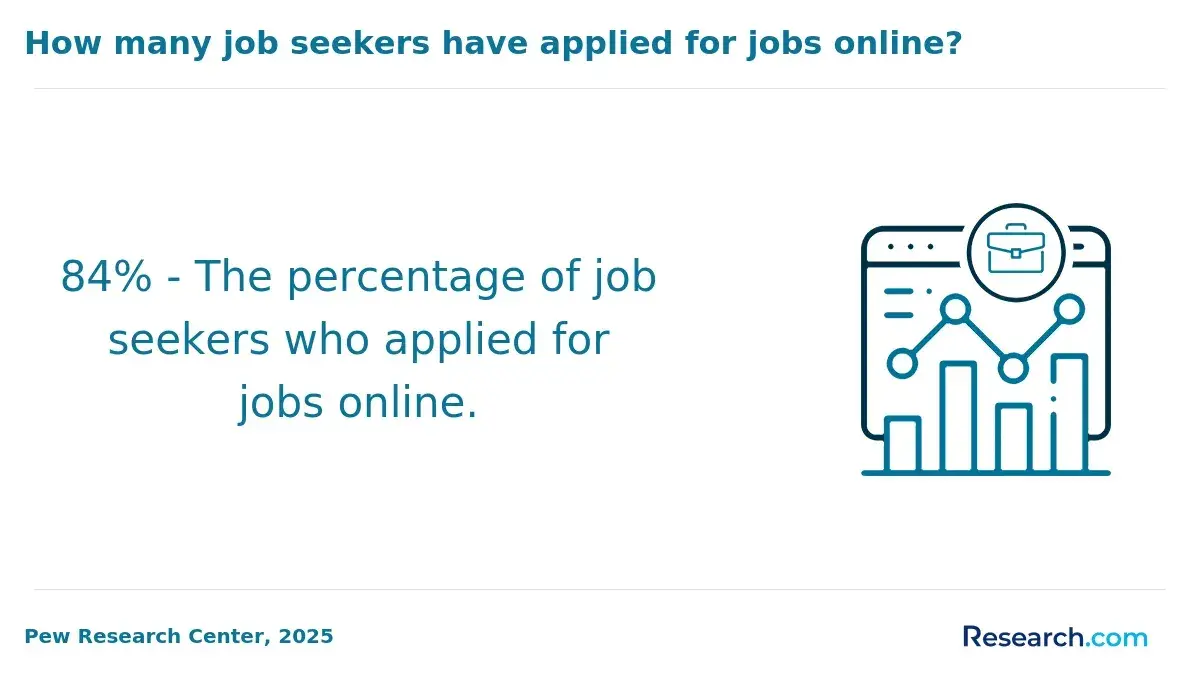
- Fast-track online HR degrees allow students to complete programs in as little as 12 to 18 months, accelerating entry into a growing job market with 7% projected growth through 2031.
- Flexible scheduling enables working professionals and parents to balance coursework with jobs and family, promoting higher retention and graduation rates in accelerated programs.
- Online platforms often provide interactive tools and virtual networking, enhancing practical HR skills and increasing employability in a competitive industry.
How long does it typically take to earn a degree in Human Resources?
The timeline for a Human Resources degree depends on the degree level, the number of credits required, how many credits you already have, and whether you study full time or part time. Online programs are not automatically shorter than campus programs, but they often make faster completion more realistic because they may offer multiple start dates, shorter terms, transfer-friendly policies, and year-round coursework.
An online bachelor’s degree in Human Resources typically takes about four years of full-time study. Most bachelor’s programs require approximately 120 credits. Students who enter with prior college coursework, an associate degree, military training, professional certifications, or documented HR experience may be able to reduce that timeline if the school accepts those credits toward the degree.
Some accelerated bachelor’s programs allow students to graduate in two to three years by combining transfer credits, heavier course loads, and continuous enrollment. This route can work well for focused students, but it requires careful planning because accelerated terms leave less time to recover from missed assignments, demanding work weeks, or family obligations.
Part-time bachelor’s students usually need five to six years because they take fewer courses each term. This slower pace may be the better choice for students working full time, raising children, or returning to college after a long break.
At the master’s level, full-time Human Resources programs usually take between 16 and 24 months. Part-time master’s programs can extend up to three years. Students pursuing leadership roles, HR management positions, or specialized functions may also need to factor in the time required for professional certification, depending on their career goals and employer expectations.
Are there accelerated Human Resources online programs?
Yes. Accelerated online Human Resources programs are designed for students who want to finish faster than a standard semester-based degree allows. They usually shorten the timeline through shorter course sessions, year-round enrollment, generous transfer credit policies, or competency-based learning that lets students move ahead after demonstrating mastery.
These programs can be a good fit for adults who already have college credits or HR-related experience. They are less ideal for students who need a lighter workload, extensive face-to-face support, or a slower academic pace. Before enrolling, confirm how the school defines “accelerated,” how many credits you must complete in residence, and whether all required HR courses are offered frequently enough to support fast graduation.
- Saint Mary's University of Minnesota: This university offers an accelerated degree completion program that can be finished in just one year. Its appeal is strongest for students who already have transferable credits and want a structured pathway to complete the remaining requirements efficiently.
- DeSales University: DeSales offers an accelerated Bachelor of Arts in Human Resources Management that combines liberal arts coursework with business training. With flexible start dates, students can typically complete their degree in 3 to 4 years, making it a practical option for learners who want flexibility but still value a broad undergraduate education.
- Western Governors University (WGU): WGU uses a competency-based model that allows students to progress at their own pace, often completing their degree in less than three years. This format is best suited to self-directed learners who can stay organized without weekly in-person class meetings.
Students comparing fast online options for working adults may also want to review the fastest adult degree programs online to understand how accelerated formats differ across fields and institutions.
How do accelerated Human Resources online programs compare with traditional ones?
Accelerated and traditional HR programs can lead to the same degree credential, but the student experience is different. The main trade-off is speed versus pacing. Accelerated programs help students finish sooner, but they compress reading, assignments, discussions, projects, and exams into shorter windows. Traditional programs spread the same academic expectations over a longer timeline.
For students deciding between the two, the better option depends on work schedule, prior credits, learning style, financial aid requirements, and tolerance for intensive coursework.
- Completion time: Accelerated programs may allow students to finish degrees typically within 12 to 18 months by compressing coursework and allowing transfer credits, while traditional bachelor’s pathways commonly follow a four-year timeline. The actual timeline depends heavily on how many credits the student brings in and how many courses are taken each term.
- Course structure: Accelerated programs often use shorter course blocks, such as eight-week sessions. Traditional programs usually follow semester schedules with fixed course sequences that unfold over several years.
- Flexibility: Online accelerated degrees may offer asynchronous study options, which can help working professionals complete assignments outside standard business hours. Traditional programs may also be online, but they often rely more on fixed calendars, scheduled meetings, or longer course sequences.
- Workload intensity: Accelerated programs require faster mastery of HR concepts and less downtime between assignments. Students need strong time management, reliable internet access, and the ability to complete work consistently every week.
- Accreditation and career readiness: A credible accelerated degree should meet the same institutional quality standards as a traditional degree. Students should look for regional accreditation, relevant business accreditation when available, and coursework aligned with HR practice areas such as employment law, staffing, compensation, training, and employee relations.
Older adults and midcareer professionals comparing pacing options can also explore online degree programs for seniors for examples of programs that balance flexibility, career goals, and manageable course loads.
Competency-based online HR programs can shorten completion time for students who already know some of the material or can learn independently at a fast pace. Instead of moving only according to a semester calendar, students advance by demonstrating mastery of required competencies. In HR, those competencies may involve employment law, talent acquisition, employee relations, compensation, organizational behavior, and workforce planning.
This model can be efficient for students with prior HR work experience because they may move more quickly through familiar content. Some programs also recognize prior learning or previous college credit, which can further reduce the number of courses still required. Accelerated completion can range from just over a year to two years, compared to the usual four-year track.
However, competency-based learning is not automatically easier. Students must be self-directed, comfortable reading and applying material independently, and disciplined enough to maintain momentum without the structure of weekly classroom meetings. Learners who need frequent live instruction, strict weekly deadlines, or extensive peer interaction may prefer a more traditional online format.
The key question is whether you can prove what you know quickly and accurately. If you can, competency-based HR education may reduce your time to degree. If you cannot devote consistent weekly effort, the open-ended flexibility may actually slow your progress.
Yes, many students work full-time while completing fast-track online Human Resources programs, but the combination is demanding. Accelerated HR degrees are often built for working adults, especially when courses are asynchronous. Even so, compressed terms mean assignments arrive quickly, deadlines overlap, and there is less room to fall behind.
Prospective students should expect HR coursework to involve more than reading textbook chapters. Classes may require case analyses, employment law scenarios, policy reviews, group projects, HR analytics exercises, presentations, and research-based writing. These assignments can be manageable with a full-time job, but they require a predictable study plan.
Accelerated HR programs typically demand 15 to 25 hours of study weekly, with heavier weeks during exams, major projects, or final assignments. Before enrolling, compare that workload with your job schedule, commute, caregiving responsibilities, and peak work seasons.
- Best fit: Students with stable schedules, strong writing skills, reliable technology, and supportive employers or family members.
- Higher risk: Students with unpredictable shifts, frequent travel, overtime-heavy jobs, or limited time for reading and writing.
- Practical strategy: Start with one accelerated term before committing to the maximum course load. If the pace is manageable, you can add courses later.
Working full time is possible, but it should not be treated as effortless. The safest approach is to choose speed only to the point that you can still learn the material well and complete assignments at a professional standard.
Yes. Prior learning assessments, often called PLAs, can shorten an online Human Resources degree by awarding academic credit for college-level learning gained outside a traditional classroom. In HR programs, that learning may come from professional experience, workplace training, military training, or industry certifications.
Institutions commonly recognize credentials such as the PHR®, SPHR®, SHRM CP®, and SHRM SCP® when the certification content aligns with degree requirements. Credit is not automatic, however. Students usually need to submit documentation such as certificates, training records, job descriptions, reflective portfolios, or other evidence for faculty review.
PLA policies vary widely. Some schools apply PLA credit mainly to electives, while others may apply it to selected major or business requirements. Schools also set limits on how much PLA credit can count toward a degree, varying by degree level—from as few as 3 credits for graduate programs to up to 48 credits for some undergraduate ones.
Students considering PLA should ask three questions before enrolling:
- What evidence is required? A resume alone is usually not enough; schools often require detailed documentation.
- Where will the credit apply? Credit that only fills electives may be less useful if you already have elective credits.
- How much time will it save? PLA is valuable only if it reduces courses you would otherwise need to take.
Yes. Prior college credits are one of the most reliable ways to finish an online Human Resources degree sooner. If your credits transfer and apply to the right requirements, you may avoid retaking general education, business foundation, elective, or introductory HR courses. This can reduce your time to graduation by one to two years.
The important distinction is between credits that transfer and credits that actually count toward your degree plan. A school may accept credits on your transcript but apply them only as electives, which may not shorten your timeline if your remaining requirements are in the HR major.
To maximize transfer credits for a Human Resources degree, take these steps before committing to a program:
- Review transfer credit policies: Each institution sets its own rules for credit age, minimum grades, course levels, accreditation of the prior school, and maximum transfer limits.
- Submit official transcripts: Admissions teams usually need official transcripts from every college or university previously attended to complete an accurate evaluation.
- Check course equivalencies: Ask how previous courses match current requirements, including minimum grade rules, often a C or higher.
- Separate general credits from major credits: General education credits may transfer easily, but upper-level HR or business courses may receive closer review.
- Explore credit for work experience: Some programs combine transfer credit with prior learning assessment, which may further reduce the number of remaining courses.
- Consult academic advisors: Request a written degree plan showing exactly which requirements are complete and which courses remain.
Transfer policies differ substantially among schools, so verify the rules directly with each institution rather than relying on general statements about credit acceptance.
If you are building your pathway from a lower-cost credential first, understanding how much does it cost to get associates degree can help you compare the total cost and time involved before moving into a bachelor’s program.
Work and military experience can count toward credits in some Human Resources degree programs, but the amount and usefulness of that credit depend on the school’s policy. Colleges do not usually award credit simply because a student has been employed for a certain number of years. They award credit when the student can document college-level learning that matches course outcomes.
For professional experience, schools may evaluate HR responsibilities such as recruiting, benefits administration, employee relations, training coordination, compliance support, payroll, or supervisory work. Students may need to submit portfolios, employer documentation, certifications, training records, or written reflections that connect workplace learning to academic subjects.
For military experience, many institutions use evaluation systems such as the American Council on Education (ACE) to review military training and recommend equivalent credits. Students are typically asked to provide official documentation of their training and service records. Some schools may also allow credit-by-examination to validate knowledge in relevant subjects.
These credits often apply to electives or general education requirements. Core Human Resources classes may still need to be completed through the institution, especially when they cover current law, ethics, strategic HR management, or advanced business topics. Before enrolling, ask the school for a preliminary review so you understand whether your experience will shorten the degree or simply add unused credits to your transcript.
The best accelerated HR program is not simply the shortest one. A strong program should help you finish efficiently while still giving you credible credentials, relevant HR knowledge, adequate support, and a realistic workload. Before applying, compare programs using criteria that affect both graduation speed and career value.
- Accreditation and reputation: Confirm that the institution holds regional accreditation. When available, specialized business accreditation from reputable bodies like the Accreditation Council for Business Schools and Programs can also signal additional quality review.
- Preparation for certifications: Some programs, such as Charleston Southern University's, prepare students for professional credentials like the SHRM-CP while still enrolled. Certification alignment can be helpful for students who want to show HR readiness beyond the degree itself.
- Program structure and flexibility: Review whether the program uses fixed terms, eight-week courses, asynchronous classes, or competency-based progression. Competency-based designs allow students to move forward after demonstrating mastery and may enable completion in as little as 13 months at institutions like Western Governors University and Capella University.
- Transfer credit policies: Generous transfer policies can make a major difference. For example, Saint Mary's University of Minnesota and Concordia University Chicago permit up to 90 credits, which can significantly shorten the path for students entering with substantial prior coursework.
- Student support services: Accelerated programs move quickly, so access to instructors, academic advising, tutoring, library resources, technical support, and career services matters. Weak support can erase the advantage of a fast format.
- Career alignment: Look for coursework tied to practical HR functions, including recruiting, employment law, compensation, benefits, training, HR analytics, labor relations, and employee relations. Students still comparing fields can use resources on college majors and jobs to evaluate how HR fits their broader career plans.
- Online delivery quality: Strong online programs use clear course navigation, reliable learning platforms, accessible faculty communication, and assignments that connect theory to workplace practice.
- Total cost and financial aid fit: A faster program is not always cheaper if tuition is higher, credits do not transfer, or the workload causes you to repeat courses. Ask for a full cost estimate based on your personal transfer evaluation.
- Graduation requirements: Check whether the program requires internships, capstones, proctored exams, synchronous sessions, or specific course sequences that could affect your timeline.
A smart selection process starts with a transcript review, a written degree plan, and a realistic weekly schedule. If a school cannot clearly explain how long the program will take based on your background, keep comparing options.
Accelerated online Human Resources degrees can be respected by employers when they come from accredited institutions and include relevant HR coursework. Employers generally care more about accreditation, skills, experience, internships or projects, certification readiness, and interview performance than whether the degree was completed online or on an accelerated schedule.
Employer recognition is strongest when the program is regionally accredited and aligned with professional HR expectations, including areas such as employment law, talent acquisition, compensation, employee relations, labor relations, ethics, and HR strategy. Programs connected to organizations like the Society for Human Resource Management (SHRM) may also help students prepare for credentials such as the SHRM-CP exam.
The speed of the degree can be a positive signal if you can explain it well. Completing an accelerated program while working may demonstrate discipline, organization, and persistence. However, speed should not come at the expense of substance. Employers may be less impressed if a graduate cannot discuss HR concepts clearly or apply them to workplace scenarios.
The outlook for online HR degree career advancement opportunities remains positive, with a projected 7% growth in HR management roles over the next decade. Still, degree format alone does not guarantee advancement. Career outcomes depend on experience, professional network, certifications, communication skills, and the type of HR role being pursued.
Students comparing cost-effective ways to finish a bachelor’s degree can also review cheapest fastest bachelor's degree options as part of a broader affordability strategy.
What Human Resources Graduates Say About Their Online Degree
- Khai: "Pursuing my accelerated online Human Resources degree was a game-changer for my career. The program's flexible schedule allowed me to balance work and studies, and I was able to complete my degree in less than two years. Considering the average cost of attendance, it was a worthwhile investment that opened many doors for me in HR management."
- Julio: "The Human Resources program offered a comprehensive curriculum that truly deepened my understanding of employee relations and organizational behavior. The online format suited my learning style perfectly, and I appreciated the focused coursework that emphasized real-world applications. Reflecting on my experience, I feel well-prepared to tackle HR challenges with confidence."
- Jayden: "Completing my online Human Resources degree accelerated my professional development in ways I hadn't anticipated. The pace was intense but rewarding, and the skills I gained translate directly into my daily work. For the cost and time commitment, this program delivered exceptional value and a noticeable boost to my career trajectory."
Other Things to Know About Accelerating Your Online Degree in Human Resources
Yes, completing a Human Resources internship online can fulfill degree requirements for some programs. Typically, such internships provide practical experience and can account for course credits needed to graduate, reducing overall study time. Check specific program guidelines for precise information on credit allocation.
In 2027, transferring credits from other majors can significantly reduce the time needed to earn an online Human Resources degree. Accepted credits may satisfy general education or prerequisite course requirements, potentially shortening the program by several months, depending on the university's credit transfer policies.
Prerequisites for an online Human Resources degree generally include a high school diploma or GED. Certain programs may also require completion of specific courses, such as English or mathematics, or an associate degree for accelerated bachelor's degree options in 2027.
- Do College Credits Expire? https://www.coursera.org/articles/do-college-credits-expire
- Do College Credits Ever Expire? | National University https://www.nu.edu/blog/do-college-credits-ever-expire-what-you-need-to-know-before-transferring/
- European Credit Transfer and Accumulation System (ECTS) https://education.ec.europa.eu/education-levels/higher-education/inclusive-and-connected-higher-education/european-credit-transfer-and-accumulation-system
- Can I Work Full-Time While Earning an Online Degree? https://www.athens.edu/online-degree-completion-programs-working-adults/can-i-work-full-time-while-earning-an-online-degree/
- Is It Possible to Work Full Time in HR While Pursuing A Master's Degree? - Best Colleges Online https://www.bestcollegesonline.org/faq/is-it-possible-to-work-full-time-in-hr-while-pursuing-a-masters-degree/
- Do College Credits Expire? Everything You Need to Know https://www.regiscollege.edu/blog/completing-your-degree/do-college-credits-expire-everything-you-need-know