2027 Undergraduate Application & Transfer Guide

Co-Founder and Chief Data Scientist
Getting into a nursing program is a high-stakes academic decision because the path you choose can affect your transfer credits, clinical placement options, licensure preparation, cost, and timeline to becoming a registered nurse. Nursing remains a major part of the healthcare workforce, making up 85% of the global nursing workforce (World Health Organization, 2025), and meeting global demand by 2030 will require more students to enter and complete strong nursing programs.
This guide is for first-time college applicants, community college students, current nursing students considering a transfer, military learners, international students, and working adults comparing undergraduate nursing options. You will learn how to evaluate nursing degrees, what admissions committees usually look for, how transfer credits are reviewed, what documents to prepare, how to compare costs, and how to avoid common mistakes that delay admission.
The goal is simple: help you choose a nursing pathway that fits your academic record, budget, career goals, and licensure plans before you submit applications.
Undergraduate Application & Transfer 2027 Guide: Contents
- How to compare nursing degrees and transfer programs
- Step-by-step nursing application process
- Admission requirements for undergraduate and transfer nursing students
- Do extra credentials strengthen a nursing application?
- What nursing students should know about costs and aid
- Common nursing application challenges and how to handle them
- How to choose the right nursing pathway for your goals
- Can an accelerated associate degree help your application?
- How much should NCLEX pass rates influence your decision?
- Is an associate degree a practical entry point into nursing?
- What happens after you transfer into a nursing program?
- Related academic pathways that can support a nursing career
- Can graduate degrees move your nursing career forward?
- Can online certifications improve your nursing profile?
- How mentorship and networking support nursing students
Quick Answer: How Do You Get Accepted Into an Undergraduate or Transfer Nursing Program?
To improve your chances of admission, choose accredited nursing programs, complete the required prerequisite courses, maintain a competitive GPA, submit official transcripts, meet all deadlines, and prepare a strong supplemental application if you are transferring. Transfer students should also confirm course equivalencies, credit limits, clinical requirements, and articulation agreements before applying.
A strong nursing application usually shows academic readiness in science and math, clear motivation for patient care, evidence of reliability, and an understanding of the demands of clinical education. No single factor guarantees acceptance, so applicants should compare several programs and build an application list that includes realistic, competitive, and backup options.
What to Look for in Nursing Degrees and Programs
Nursing programs prepare students to assess patients, communicate with healthcare teams, document care, administer approved interventions, educate patients and families, and practice within state regulations. The right program should not only help you pass courses; it should prepare you for clinical judgment, professional standards, licensure preparation, and long-term career growth.
For many students, the Bachelor of Science in Nursing (BSN) is an important target because employers often value baccalaureate-level preparation. In the U.S. Midwest, 97% of BSN graduates were offered a job within four to six months after finishing college (American Association of Colleges of Nursing, 2024). That does not mean every graduate receives the same outcome, but it does show why applicants often prioritize BSN programs when comparing nursing options.
| Factor to Check | Why It Matters | Questions to Ask Before Applying |
| Accreditation | Accreditation helps verify that a program meets recognized educational standards and may affect licensure, graduate study, and employer recognition. | Is the program accredited by ACEN or CCNE? Is the specific nursing program accredited, not just the institution? |
| Curriculum and prerequisites | The course sequence determines how long the program will take and whether your prior credits can apply. | Which science, math, and general education courses are required before admission? Are nursing courses offered in a fixed cohort sequence? |
| Clinical placements | Clinical experience is central to nursing education and may affect scheduling, transportation, and readiness for practice. | Where do students complete clinical rotations? Are evening, weekend, or distance placements available? |
| Transfer credit policy | Transfer rules can change your completion time and total cost. | How are quarter credits converted? Are older science courses accepted? Can upper-level nursing courses transfer? |
| Student outcomes | Graduation rates, licensure preparation, and job placement information can reveal whether students are supported through completion. | What are the graduation rates, NCLEX outcomes, and student support services? |
| Cost and aid | Tuition is only one part of nursing school expenses; fees, supplies, exams, and transportation also matter. | What is the full estimated cost of attendance? Are nursing-specific scholarships available? |
- Accreditation. Start with program-level accreditation. The Accreditation Commission for Education in Nursing (ACEN) accredits nursing programs across several levels, including diploma, practical, bachelor’s, master’s, post-master’s certificate, and clinical doctorate programs. Accreditation is important because it signals that the program has been reviewed against nursing education standards. It can also matter when applying for jobs, graduate programs, financial aid, or licensure-related processes.
- Program structure and curriculum. Review the degree plan before you apply. A curriculum map can show whether the program emphasizes classroom learning, simulation labs, clinical rotations, leadership, public health, or research. Transfer students should compare the curriculum with completed coursework to estimate how many credits may apply. Students planning for advanced practice may also want to understand how undergraduate preparation could lead later to accelerated nurse practitioner programs.
- Financial aid and scholarships. Nursing education can involve tuition, fees, uniforms, background checks, health requirements, exam preparation, transportation, and technology costs. Ask whether the school offers nursing scholarships, institutional grants, federal aid access, work-study options, or transfer-specific awards. Transfer applicants should also confirm whether aid from a current school will end before aid at the new school begins.
- Clinical and fieldwork opportunities. Do not choose a program only because a nursing specialty sounds financially attractive, such as researching nutrition nurse salary. Clinical quality matters. Strong programs give students supervised practice in real healthcare environments, expose them to interdisciplinary teams, and help them build professional habits before graduation.
- Graduation and completion indicators. Graduation information can help you identify programs that support students through demanding coursework. Reviewing college graduation information and statistics can also help you understand why completion outcomes matter when comparing schools. If you are managing multiple timelines, connect program deadlines with broader planning resources such as when are college applications due.
How to Get into Undergraduate Degrees and Nursing Transfer Programs
Nursing admissions vary by institution, but the process usually follows a predictable sequence: research programs, verify accreditation, meet prerequisites, talk with advisors, plan finances, complete application materials, and submit everything before the deadline. Transfer students need one extra layer of planning because course equivalency and clinical sequencing can affect whether they enter on time.
1. Build a Targeted School List
Begin by identifying colleges and universities that offer the nursing pathway you need: traditional BSN, transfer BSN, RN-to-BSN, associate degree in nursing, or another approved option. Compare admissions selectivity, prerequisites, cost, location, clinical sites, online or hybrid delivery, and student support. If cost is a major concern, review resources that explain how much nursing school can cost before narrowing your choices.
If your long-term plan includes management, administration, education, or advanced practice, do not wait until graduation to think ahead. The undergraduate program you choose can influence how easily you later move into graduate-level nursing or leadership preparation.
2. Verify Accreditation and Transfer Agreements
In addition to ACEN, the Commission on Collegiate Nursing Education (CCNE) accredits nursing programs. A nursing program accredited by ACEN or CCNE has undergone external review of curriculum, faculty preparation, resources, and outcomes.
Transfer applicants should also ask about articulation agreements. These agreements are formal arrangements between schools that clarify how credits transfer from one institution to another. A clear articulation agreement can reduce uncertainty, but it does not replace the need to confirm how your exact courses, grades, and credit hours will be evaluated.
3. Meet With Academic or Transfer Advisors Early
Advisors can help you avoid problems that applicants often discover too late, such as missing prerequisites, expired science courses, incompatible credit systems, or clinical-entry requirements. According to AACN (2025), 267,889 students were enrolled in entry-level BSN programs while 90,369 were enrolled in RN-to-BSN programs in Fall 2024. This data on college enrollment shows why planning matters: nursing remains a popular field, and competitive programs may have limited seats.
4. Compare Financial Aid, Scholarships, and Out-of-Pocket Costs
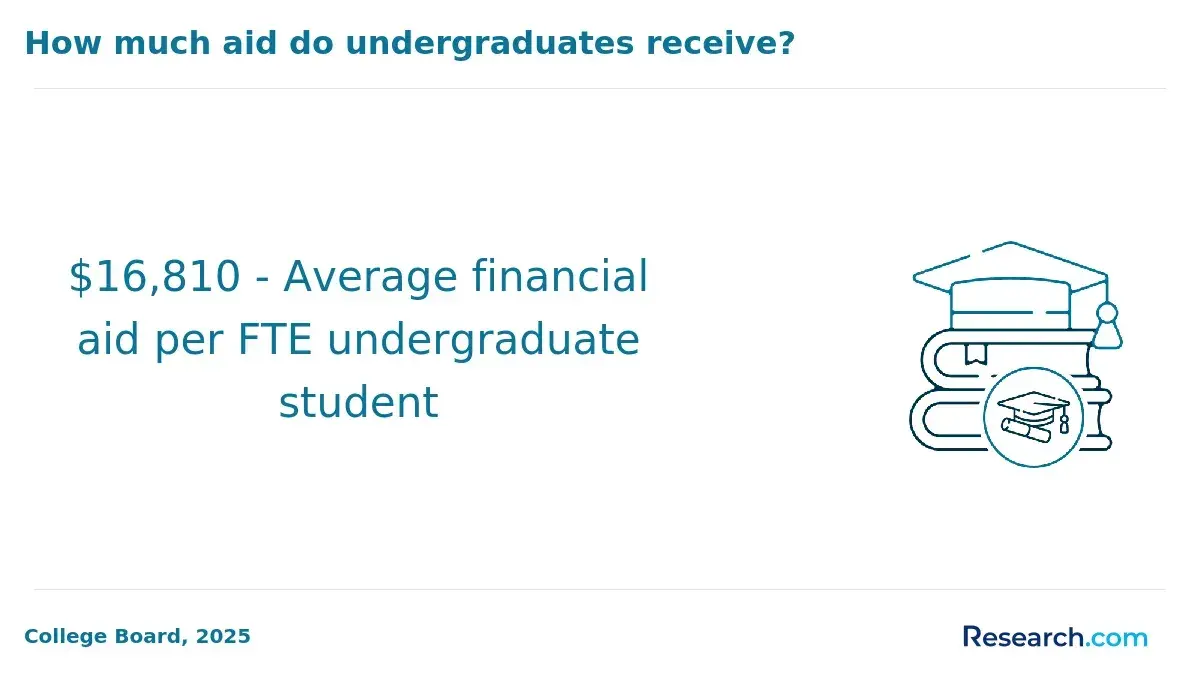
Financial planning should happen before admission decisions arrive. A total of $174.4 billion was allocated for undergraduate student financial aid in 2024 (College Board, 2024). This funding includes different forms of aid, but eligibility depends on student circumstances, school participation, program type, and application timing.
Transfer students should be especially careful because financial aid does not automatically move from one institution to another. Ask both schools when aid ends, when new aid begins, whether scholarships are renewable, and whether nursing students pay additional program fees. Scholarship examples for baccalaureate learners include NurseDeck Go and Healthline and Prevention Institute Stronger Scholarship.
5. Prepare Materials and Submit Before the Deadline
Once your program list is realistic, gather official transcripts, test scores if required, prerequisite documentation, recommendation letters, essays, and any supplemental nursing forms. First-year applicants may choose early decision, early action, or regular decision when available. Transfer applicants should follow nursing-specific deadlines because they may differ from general university transfer dates.
Before submitting, check every requirement against the school’s official admissions page. Nursing programs often reject incomplete applications even when applicants appear academically qualified.
Requirements for Undergraduate Degrees and Nursing Transfer Programs
Registered nurses can expect a 6% job outlook within a decade, equating to about 194,500 job openings per year by 2033 (U.S. Bureau of Labor Statistics, 2024). If you want to enter that workforce, your application needs to demonstrate that you can handle nursing coursework, clinical expectations, and licensure preparation.
Just as applicants researching healthcare careers need to understand profession-specific expectations, such as pediatrician requirements, nursing applicants need to understand both general university admission requirements and nursing-program requirements. Transfer students may also face additional reviews based on their previous school type, credit system, and completed coursework.
General Nursing Admission Requirements
- Application forms. Most schools require a university application, a nursing program application, or both. You may also need to pay an application fee unless you qualify for a waiver.
- Official transcripts. Applicants typically submit official transcripts from high school, colleges, universities, military education providers, or international institutions, depending on background. Transcripts help the school verify completed courses, grades, credit hours, and academic standing.
- GPA expectations. Many programs expect a cumulative GPA of around 3.0 or higher for nursing consideration. Science and math grades are especially important, and individual prerequisite grades generally should not be below C.
- Prerequisite coursework. Nursing programs often review completed or in-progress prerequisite courses, AP test scores when accepted, and other college coursework that may satisfy general education or science requirements. Transfer students should submit all coursework from previous institutions, even if they do not expect every credit to transfer.
- Additional documents. Some programs request recommendation letters, personal statements, resumes, interviews, language proficiency results, background checks, immunization records, or health documentation. Requirements vary, so use the official nursing admissions checklist rather than relying on general college admissions instructions.
Transfer Student Admission Requirements
- Supplemental nursing application. Data show that the undergraduate enrollment of continuing transfer students from 2024 to 2025 had a percentage change of +2.1% or +1,502 students (American Association of Colleges of Nursing, 2026). A strong supplemental application should explain why you are transferring, how your prior coursework prepared you, and why nursing is the right professional direction for you.
- Dean’s and professor’s reports. Some programs request academic or conduct evaluations from prior institutions. These reports can help admissions committees understand your classroom performance, professionalism, and standing at your previous school.
- Standardized or nursing readiness tests. ACT or SAT scores may be required for some applicants. Transfer students may also be asked to take the Test of Essential Academic Skills (TEAS), which helps programs evaluate readiness for nursing coursework.
- Course equivalency review. The receiving institution will compare your prior coursework with its own curriculum. Course titles alone are not enough. Schools may review syllabi, lab hours, learning outcomes, credit hours, and grades before granting transfer credit.
- Course level evaluation. Lower-level general education courses may transfer more easily than upper-level nursing courses. Many nursing programs require students to complete certain professional nursing courses in residence to maintain curriculum consistency and clinical accountability.
- Quarter versus semester credits. If your previous school used a different credit system, the receiving program will convert credits and decide whether they meet requirements. Some schools also limit how old science or nursing courses can be before they must be repeated.
How to Appeal Transfer Credit Decisions
If you are asking, “Can you transfer nursing schools if some credits are denied?” the answer may be yes, but the outcome depends on the school’s policy. This issue is especially relevant for students comparing online RN to BSN programs, where prior nursing coursework and licensure status may be central to admission.
If you believe a course was evaluated incorrectly, act quickly. Most schools have deadlines for credit appeals. Prepare a concise appeal letter, attach course syllabi and descriptions, provide proof of completed coursework, and ask your transfer advisor what documentation is most persuasive. If the appeal is denied, ask whether you can retake the course, use credit-by-examination, or adjust your schedule without delaying clinical entry.
Can Supplementary Credentials Enhance Your Nursing Application?
Supplementary credentials can help when they fill a real gap in your profile. For example, certifications or short programs in healthcare communication, medical terminology, basic patient safety, public health, or data literacy may show that you are serious about the field. They are most useful when paired with strong grades and completed prerequisites; they do not compensate for missing core requirements.
Students who already hold a degree or who want focused academic preparation may also explore online graduate certificate programs. These programs are not a substitute for entry-level nursing education, but they may support applicants who are building expertise in a related area or planning for future specialization.
What Are the Financial Considerations of Pursuing a Nursing Degree?
The cost of nursing school includes more than tuition. Applicants should account for university fees, nursing program fees, uniforms, supplies, textbooks, simulation materials, immunizations, background checks, drug screening, CPR certification, transportation to clinical sites, exam fees, and technology requirements. Online and hybrid programs may reduce commuting for some courses, but clinical requirements usually still require in-person participation.
Before enrolling, estimate the total cost through graduation, not just the first semester. Compare how much aid is gift aid, how much is borrowed, and whether scholarships continue after transfer. Students considering associate-level options can use resources such as how much an online associate degree can cost to frame the broader affordability question.
| Cost Category | Why Applicants Overlook It | How to Plan Ahead |
| Program fees | Nursing programs may charge fees beyond general tuition. | Ask for a full nursing cost sheet by semester. |
| Clinical expenses | Students may need transportation, parking, health records, and required screenings. | Confirm clinical site distance and required pre-clinical documentation. |
| Supplies and technology | Equipment, software, uniforms, and lab materials can add up. | Ask current students or advisors which costs are required and when they occur. |
| Lost work hours | Clinical schedules can limit employment flexibility. | Build a budget that assumes reduced work availability during intensive terms. |
| Licensure preparation | Exam preparation and related fees may not be included in tuition. | Ask whether NCLEX preparation is built into the curriculum or purchased separately. |
Common Nursing Application Challenges and How to Overcome Them
Nursing admissions can be competitive because programs must balance classroom capacity, lab resources, faculty availability, and clinical placement limits. Applicants are often qualified but still face delays because of missed deadlines, incomplete prerequisites, weak documentation, or misunderstood transfer policies.
Common Mistakes and Better Strategies
| Common Mistake | Why It Can Hurt Your Application | Better Strategy |
| Choosing a program without checking accreditation | Accreditation can affect licensure preparation, employment options, and future study. | Confirm nursing program accreditation directly through ACEN or CCNE resources. |
| Focusing only on tuition | Lower tuition may not mean lower total cost if fees, travel, or repeated courses are high. | Compare total cost through graduation, including clinical and exam-related expenses. |
| Assuming credits will transfer automatically | Course names may match, but credit hours, lab content, or course level may not. | Request a formal transfer evaluation and keep syllabi from completed courses. |
| Applying before prerequisites are planned | Missing or low prerequisite grades can make an application ineligible. | Map every required course and retake weak prerequisites when appropriate. |
| Relying only on rankings | Rankings may not reflect your licensure state, budget, schedule, or transfer situation. | Use rankings as one input, then verify outcomes, clinical access, cost, and support. |
| Ignoring online program limitations | Online coursework does not eliminate in-person clinical or state authorization issues. | Ask whether the program meets requirements in the state where you plan to practice. |
Practical Ways to Strengthen Your Application
- Protect your GPA early. Science and math performance matters. If a required course grade is weak, ask whether a retake is allowed and how repeated grades are calculated.
- Track every deadline. Create a calendar for university admission, nursing program admission, financial aid, transcript requests, testing, and scholarship submissions.
- Gain relevant exposure. Volunteer work, healthcare employment, caregiving, community health service, or shadowing can help you write more specific essays and confirm that nursing fits your interests.
- Build recommendation relationships. Ask instructors, supervisors, or healthcare professionals who can describe your reliability, communication skills, work ethic, and readiness for a demanding program.
- Prepare for interviews if required. Practice explaining why you want to become a nurse, how you handle stress, how you learn from feedback, and how you work with diverse patients and teams.
- Have a backup plan. Apply to multiple appropriate programs and know what you will do if you are waitlisted, such as retaking a course, gaining healthcare experience, or applying in the next cycle.
How to Choose the Right Nursing Pathway for Your Goals
The best nursing pathway depends on your starting point, finances, timeline, academic record, and long-term career plan. A student entering college directly from high school may choose a traditional BSN. A community college student may begin with an associate degree and later complete a BSN. A licensed RN may pursue an RN-to-BSN program. A career changer may need to compare accelerated, transfer, or second-degree options.
If speed is important, compare nursing pathways with other quick degrees that pay well, but remember that nursing requires clinical education and licensure preparation. A faster route is only useful if it is properly accredited, fits your state requirements, and prepares you for the NCLEX and safe practice.
| Pathway | Best Fit | Main Trade-Off |
| Traditional BSN | Students who want a full four-year nursing education and broad career preparation. | Usually takes longer than associate-level entry, but may align well with employers that prefer BSN graduates. |
| Transfer BSN | Students who have completed college credits and want to move into a nursing major. | Credit acceptance and clinical sequencing can affect time to graduation. |
| Associate degree in nursing | Students seeking a focused route into RN preparation with a potentially lower upfront cost. | Some students later need or choose to complete a BSN for advancement. |
| RN-to-BSN | Licensed RNs who want to complete baccalaureate-level education. | Requires prior RN preparation and may involve balancing school with work. |
| Related health or human services degree | Students building a foundation before applying to nursing or related care roles. | May not lead directly to RN licensure without a nursing program. |
Questions to Ask Before Choosing a Program
- Is the nursing program accredited by a recognized nursing accreditor?
- Does the program meet licensure expectations in the state where I plan to practice?
- How many of my credits will transfer, and which requirements remain?
- What are the clinical placement locations and scheduling expectations?
- What support is available for transfer students, working adults, or online learners?
- What is the total estimated cost through completion?
- What happens if I fail, withdraw from, or need to repeat a nursing course?
- How does the program prepare students for the NCLEX?
Can an Accelerated Associate’s Degree Enhance Your Nursing Application?
An accelerated associate degree can help some applicants demonstrate academic momentum, especially if it includes strong grades in relevant coursework. It may also help students complete general education requirements faster before applying to a nursing program. However, acceleration should not come at the expense of grades, prerequisite quality, or transferability.
If you are trying to move quickly, research whether you can get an associate's degree online fast while still completing the science labs, clinical prerequisites, or in-person requirements that nursing programs may expect. Always confirm transfer acceptance before enrolling in accelerated coursework.
Do NCLEX Pass Rates Signal the Quality of a Nursing Program?
NCLEX pass rates can be useful, but they should not be the only measure of quality. A strong pass rate may suggest that a program aligns instruction, clinical practice, and exam preparation effectively. Still, applicants should also examine graduation rates, student support, clinical placement quality, faculty access, and whether students are admitted in ways that affect reported outcomes.
Students planning for long-term academic advancement may also compare undergraduate preparation with later graduate options, including cheapest online doctoral programs. Doctoral study is not required for entry-level nursing, but it may become relevant for advanced clinical, academic, or leadership goals.
Can an Associate Degree Offer a Swift, Cost-Efficient Start in Nursing?
An associate degree can be a practical starting point for students who want a focused and potentially lower-cost route into nursing preparation. It can help students build foundational clinical and classroom skills before entering the workforce or later pursuing a BSN. The key is to choose a program that supports licensure preparation and has clear transfer options if you plan to continue your education.
When comparing associate-level choices, look beyond convenience. A program marketed as the easiest 2 year degree is not automatically the best fit for nursing goals. Nursing is demanding by design because patient safety depends on competence. Prioritize accreditation, clinical quality, credit transfer, and completion support.
What Can You Expect After Transferring to a Nursing Program?
Transferring into nursing can feel like starting over, even when you bring substantial college credit. Nursing programs often use cohort-based sequencing, strict clinical requirements, and competency-based progression rules. Expect a transition period as you adjust to new faculty expectations, clinical policies, and peer groups.
- Curriculum adjustments. Some credits may apply to general education while others may not replace nursing-specific courses. Meet with an advisor immediately after admission to confirm your degree plan.
- Clinical onboarding. You may need background checks, immunization records, CPR certification, health forms, drug screening, or site-specific documentation before clinical participation.
- Schedule changes. Nursing schedules can be less flexible than general college schedules because clinical placements depend on healthcare partners and faculty availability.
- New academic expectations. Nursing exams often test application and judgment, not memorization alone. Plan to adapt your study methods.
- Peer and faculty networks. Transfer students may enter a group that already knows one another. Join study sessions, student nursing organizations, and skills lab opportunities early.
- Support services. Many programs, including those offered through accredited online colleges, provide advising, tutoring, counseling, library access, and career support. Use these resources before you fall behind.
Exploring Alternative Pathways to Strengthen Your Nursing Career Prospects
Not every student enters nursing through a straight path. Some build experience in public health, human services, psychology, biology, emergency medical services, or community care before applying. A related academic route can help you develop communication, cultural awareness, case management, and patient-support skills that are valuable in healthcare settings.
For example, a degree in human services can help students understand community resources, social determinants of health, crisis response, and support systems for vulnerable populations. It does not replace nursing education for RN licensure, but it can complement a future nursing application or support related healthcare roles.
Can Advanced Degrees Accelerate Your Nursing Career?
Advanced nursing education can support career movement into leadership, education, research, advanced practice, policy, or administration. It is not the first step for most undergraduate applicants, but it is worth understanding the long-term ladder before choosing a program. A strong undergraduate foundation can make later graduate study more manageable.
Working nurses who want academic or executive pathways may eventually consider an online doctoral program. The right time for doctoral study depends on licensure, experience, career goals, employer expectations, and financial capacity.
Can Online Certifications Enhance Your Nursing Application?
Online certifications can strengthen a nursing application when they are relevant, credible, and connected to healthcare readiness. Useful areas may include basic life support preparation, medical terminology, health informatics, patient communication, community health, or leadership fundamentals. Avoid collecting random certificates that do not connect to your nursing goals.
If you are comparing options, review certifications you can get online and evaluate whether each credential is recognized, skill-based, and worth the time or cost. Admissions committees are more likely to value credentials that support a clear story of preparation.
How Can Mentorship and Networking Enhance Your Nursing Career?
Mentorship can help you make better decisions before, during, and after nursing school. Experienced nurses, faculty members, advisors, clinical supervisors, and student organization leaders can explain what different specialties are really like, how to prepare for clinical rotations, and how to recover from academic setbacks.
Networking also matters because nursing is a relationship-driven profession. Study groups, professional associations, volunteer settings, and clinical sites can introduce you to people who understand hiring expectations and career pathways. As you build skills, targeted training such as a certification that pay well may also support specialized interests, but mentorship can help you decide which credentials are actually useful.
Prepare for Your Career in Nursing
A strong nursing application starts long before you click submit. You need to verify accreditation, understand prerequisites, protect your GPA, document transfer credits, compare costs, and choose a program that fits your licensure and career goals. Nursing can lead to many roles in patient care, leadership, education, and specialized practice, but the foundation is a program that prepares you for safe, competent nursing work.
As demand grows across healthcare, nursing remains connected to some of the highest paid medical jobs, but salary should not be the only reason to enter the field. Choose nursing if you are prepared for rigorous study, clinical responsibility, teamwork, emotional resilience, and lifelong learning.
Key Insights
- Accreditation comes first. Confirm program-level nursing accreditation through ACEN or CCNE before applying.
- Transfer students need extra planning. Course equivalency, credit age, quarter-to-semester conversion, and clinical sequencing can all affect completion time.
- Grades still matter. Many programs expect a cumulative GPA of around 3.0 or higher, and science or math grades below C can create admission problems.
- Cost is more than tuition. Budget for fees, supplies, clinical expenses, testing, transportation, and reduced work flexibility.
- NCLEX pass rates are useful but incomplete. Review them alongside graduation rates, student support, clinical quality, and transfer policies.
- The fastest route is not always the best route. A shorter program only makes sense if it is accredited, affordable, transferable, and aligned with licensure goals.
- Strong applications are specific. Use essays, recommendations, healthcare exposure, and supplemental materials to show readiness for nursing, not just interest in healthcare.
References:
- CollegeData. (2025). Transition to College Survey Results. https://www.collegedata.com/resources/transition-to-college/transition-to-college-survey-results
- Education Dynamics. (2025). Engaging the Modern Learner: Preferences & Behaviors Shaping Higher Ed. https://insights.educationdynamics.com/modern-learner-report-2025.html
- Gatta, M., Kahn, J., Koncz, A. J., Galbraith, A., Patil, S., & Longenberger, A. (2025, November). 2026 Job Outlook. National Association of Colleges and Employers. https://www.naceweb.org/research/reports/job-outlook/2026
- U.S. Bureau of Labor Statistics. (2025). Registered nurses. Occupational Outlook Handbook. https://www.bls.gov/ooh/healthcare/registered-nurses.htm
- Walton Family Foundation & Gallup. (2025). Voices of Gen Z Study Year 3 Annual Report. https://www.gallup.com/analytics/651674/gen-z-research.aspx
Other Things You Should Know About Undergraduate Application & Transfer
Begin preparing your undergraduate application at least a year before the submission deadlines. For Fall 2027 admissions, this means starting in Fall 2025. Early preparation allows ample time for researching programs, gathering necessary documents, and completing standardized tests.
In 2027, transfer applicants’ academic records are crucial. Colleges review transcripts from all previously attended institutions to evaluate coursework, GPA, and prerequisite fulfillment. Competitive programs often set specific GPA requirements and may prioritize applicants with strong performance in relevant courses.
Some institutions allow applicants to submit updates, such as new achievements or corrected information. Policies vary, so applicants should review each school’s guidelines carefully. Updates may be considered if submitted before a decision is made.