
2027 What Is a Bachelor’s Degree? Definition, Requirements & Job Opportunities

Co-Founder and Chief Data Scientist
A bachelor’s degree is often the first major education decision students make after high school, community college, military service, or time in the workforce. The choice matters because it can affect your career options, debt level, graduate school eligibility, professional network, and long-term earning potential. It is also a commitment: most bachelor’s programs require several years of study, structured coursework, and careful financial planning.
This guide explains what a bachelor’s degree is, how it differs from other undergraduate credentials, what types of degrees are available, how admissions and costs usually work, and how to decide whether the investment fits your goals. It also covers online and accelerated options, transfer credits, common mistakes to avoid, and how to think realistically about life after college.
What Is a Bachelor’s Degree? Guide Sections
- Bachelor’s degree quick answer
- Main types of bachelor’s degrees
- Typical admission requirements
- Bachelor’s degree cost factors
- Benefits of earning a bachelor’s degree
- In-demand bachelor’s degree majors
- Challenges students should expect
- Return on investment considerations
- Jobs commonly associated with bachelor’s degrees
- Flexible bachelor’s degree formats
- Using an online associate degree toward a bachelor’s degree
- Online, hybrid, and accelerated study options
- Ways to reduce bachelor’s degree costs
- Bachelor’s degrees in the digital economy
- Certifications that can strengthen a degree
- Choosing a program that fits your career goals
- Accelerated bachelor’s degree programs
- Program selection checklist
- Fast-track doctoral programs after a bachelor’s degree
- Transfer credits and degree completion
- Graduate study after college
- Questions to ask before enrolling
- Career outcomes to research
What is a bachelor’s degree?
A bachelor’s degree is an undergraduate college credential that usually combines general education, major-specific coursework, electives, and sometimes internships, labs, practicums, capstone projects, or research assignments. It is commonly designed as a four-year degree for full-time students, although actual completion time depends on enrollment status, transfer credits, program structure, course availability, and personal responsibilities.
Students typically choose a major such as biology, psychology, business administration, engineering, marketing, information technology, or education. The major provides focused study in a specific field, while general education courses are meant to build broader skills in writing, communication, quantitative reasoning, science, social science, and humanities.
A bachelor’s degree is not the only route into the workforce. Some people build strong careers through apprenticeships, associate degrees, certificates, military training, portfolios, or direct work experience, and there are still career paths that do not require a college degree. However, many employers continue to use the bachelor’s degree as a minimum qualification for professional, technical, managerial, and graduate-school-track roles.
Quick answer: what does a bachelor’s degree do?
A bachelor’s degree shows that a student has completed a structured undergraduate program in a chosen field. It can qualify graduates for jobs that require college-level training, prepare them for graduate or professional school, and help them develop transferable skills such as analysis, communication, problem-solving, research, teamwork, and project management.
| Question | Direct answer |
| How long does a bachelor’s degree usually take? | Many programs are designed for four years of full-time study, but the timeline can change based on transfer credits, part-time enrollment, accelerated terms, and program requirements. |
| How many credits are commonly required? | Many bachelor’s degrees include approximately 120 credits, though requirements vary by school and major. |
| Can you earn it online? | Yes. Many accredited colleges offer online or hybrid bachelor’s programs, but students should confirm accreditation, transfer policies, and any in-person requirements. |
| Is a bachelor’s degree required for every good job? | No. Some strong careers do not require a degree, but many professional roles list a bachelor’s degree as a standard or preferred qualification. |
| Can it lead to graduate school? | Yes. A bachelor’s degree is usually required for master’s, doctoral, and many professional programs. |
Are bachelor’s degrees attainable?
A bachelor’s degree is demanding, but it is achievable when the program, schedule, cost, and support services match the student’s situation. Success is often less about finding an “easy” major and more about choosing a realistic path: the right course load, a workable budget, a supportive academic advisor, and a format that fits work and family obligations.
Students who need more flexibility can compare campus-based, hybrid, and online programs. Some learners also explore in-person and online degree programs that combine fields of study or create more efficient academic pathways. Before enrolling, students should ask how tutoring, advising, disability services, career coaching, online library access, and technical support are delivered.
Is a bachelor’s degree worth the time?
For many students, a bachelor’s degree can be worth the time when it connects to a realistic career goal, an accredited program, manageable borrowing, and strong completion support. Labor market data cited by the U.S. Bureau of Labor Statistics show that the unemployment rate for bachelor’s degree holders is only 2.7%, compared with 5.2% for high school graduates. The original source material also notes that average weekly income may rise from $692 after high school to $1,156 after college graduation.
Still, “worth it” is not automatic. A high-cost program with weak advising, poor completion rates, limited career relevance, or credits that do not transfer can reduce the value of the degree. Students should compare net price, graduation requirements, employment outcomes, licensing rules, internship access, and likely debt before committing. Beyond employment, College Board research has also associated earning a bachelor’s degree with healthier and more socially active living.
Popular Bachelor’s Business Degree Programs
Business is one of the broadest bachelor’s degree areas because it can lead to roles in operations, accounting, finance, human resources, technology management, logistics, marketing, entrepreneurship, and nonprofit administration. The best business major depends on whether you prefer people management, numbers, systems, strategy, technology, or supply chain operations.
Management
A bachelor’s degree in management focuses on how organizations plan, lead teams, solve operational problems, and make decisions. Students often study organizational behavior, strategic planning, human resources, business communication, ethics, and project coordination. This path can fit students who want broad leadership preparation rather than a highly technical specialization.
Accounting
A bachelor’s degree in accounting develops skills in financial reporting, taxation, auditing, cost analysis, and regulatory compliance. It is a strong fit for students who are detail-oriented, comfortable with rules and documentation, and interested in helping organizations understand financial performance. Graduates may pursue roles such as accounting assistant, staff accountant, auditor, financial analyst, or related finance positions, depending on employer requirements and state rules.
Finance
A bachelor’s degree in finance emphasizes investment decisions, financial markets, risk assessment, corporate finance, capital planning, and financial analysis. While accounting concentrates heavily on recording, organizing, and reporting financial information, finance uses financial data to guide planning, investment, and business strategy. The two fields often overlap, but they prepare students for different types of decision-making.
Information Technology Management
A bachelor’s degree in information technology management blends business operations with technology planning. Coursework may cover IT strategy, systems analysis, cybersecurity, database concepts, project management, and technology governance. This major can suit students who want to manage technology teams or projects without pursuing a purely technical computer science curriculum.
Logistics & Supply Chain Management
A bachelor’s degree in logistics and supply chain management prepares students to understand how goods, services, materials, and information move from suppliers to customers. Students may study procurement, transportation, inventory control, warehousing, distribution, analytics, and global operations. This major is especially relevant for students interested in efficiency, problem-solving, and the operational side of business.
What are the different types of bachelor’s degree?
Students can choose from several bachelor’s degree types depending on their academic interests, learning style, and career goals. The degree title matters because it can signal the program’s focus. However, employers and graduate schools usually look beyond the abbreviation and review the major, coursework, accreditation, skills, experience, and academic performance.
| Degree type | Common focus | Best fit for students who want |
| Bachelor of Arts (BA) | Humanities, social sciences, arts, communication, languages, liberal arts, and some business or science majors | A broad academic foundation with room for electives, writing, analysis, and interdisciplinary study |
| Bachelor of Science (BS) | Science, technology, engineering, math, health-related fields, business analytics, and technical disciplines | More structured major coursework, quantitative training, labs, technical skills, or professional preparation |
| Bachelor of Applied Arts (BAA) | Applied or career-focused arts and professional fields | Practice-oriented study that connects directly to employment after graduation |
| Bachelor of Applied Science (BAS) | Technical, applied, and workforce-aligned fields | A practical path that may build on prior technical credits or career training |
| Bachelor of Fine Arts (BFA) | Creative fields such as design, dance, photography, studio art, theater, or related areas | Intensive artistic training, portfolio development, and professional creative practice |
Bachelor of Arts (BA)
A Bachelor of Arts degree usually emphasizes broad inquiry, communication, interpretation, culture, theory, and analysis. BA programs are common in fields such as history, English, communication, political science, sociology, psychology, foreign languages, and some business disciplines. Students often complete general education requirements across multiple subject areas.
Students frequently ask how many years a bachelor’s degree takes. A full-time BA is commonly planned around a four-year schedule, but transfer credits, summer terms, accelerated formats, and part-time enrollment can change the actual timeline.
Bachelor of Science (BS)
A Bachelor of Science degree generally includes more technical, quantitative, scientific, laboratory, or major-specific coursework than a BA in the same field. BS programs are common in biology, chemistry, computer science, engineering, nursing, mathematics, data-related fields, and certain business specialties. Students who prefer structured requirements and applied technical work may find a BS more aligned with their goals.
Bachelor of Applied Arts (BAA)
A Bachelor of Applied Arts degree is typically more career-oriented than a traditional liberal arts degree. It may appear in fields such as studio arts, criminal justice, media, design, or other applied disciplines. BAA programs are often designed for students who want to enter the workforce soon after graduation with practical, field-specific skills.
Bachelor of Applied Science (BAS)
A Bachelor of Applied Science degree usually focuses on technical and occupational areas such as renewable energy technology, culinary leadership, information systems, or other applied fields. A BAS may be especially useful for students who already have technical training or an associate degree and want to complete a bachelor’s credential. A BAS also commonly takes four years when pursued from the start as a full-time program.
Bachelor of Fine Arts (BFA)
A Bachelor of Fine Arts degree provides intensive preparation in creative disciplines such as graphic design, dance, photography, studio art, theater, music, or film. BFA students usually spend a large share of their program developing technique, artistic judgment, performance skills, critique skills, and a professional portfolio. Some graduates enter creative industries directly, while others pursue advanced study to teach or specialize further.
Admission Requirements for a Bachelor’s Degree
Bachelor’s degree admissions requirements vary by school, selectivity, major, and student type. A first-year applicant may need a high school diploma or equivalent, transcripts, GPA documentation, standardized test scores if required, recommendation letters, essays, and proof of prerequisite coursework. Transfer students may need college transcripts, minimum credit requirements, and course equivalency reviews.
Common application materials
- Academic transcripts: Schools usually ask for high school transcripts, college transcripts, or both.
- Proof of completion: Applicants typically need a high school diploma, GED, or equivalent credential.
- GPA information: Some programs set minimum GPA expectations, especially for competitive majors.
- Test scores: Some colleges require or consider standardized test scores, while others use test-optional policies.
- Recommendations or essays: More selective programs may use these to evaluate motivation, writing ability, and fit.
- Major-specific prerequisites: Nursing, engineering, education, fine arts, and science programs may require specific courses, portfolios, auditions, or separate admission steps.
Degree prerequisites and graduation requirements
Many bachelor’s degrees include approximately 120 credits. Students often begin with general education and introductory major courses before moving into advanced coursework. Some students enter college with a declared major, while others decide after exploring several subjects.
Depending on the program, graduation may require internships, student teaching, practicums, labs, a senior project, a capstone course, portfolio review, research paper, or thesis. Students should read the degree plan carefully because these requirements can affect scheduling, tuition, transportation, and time to graduation.
Bachelor’s Degree Cost
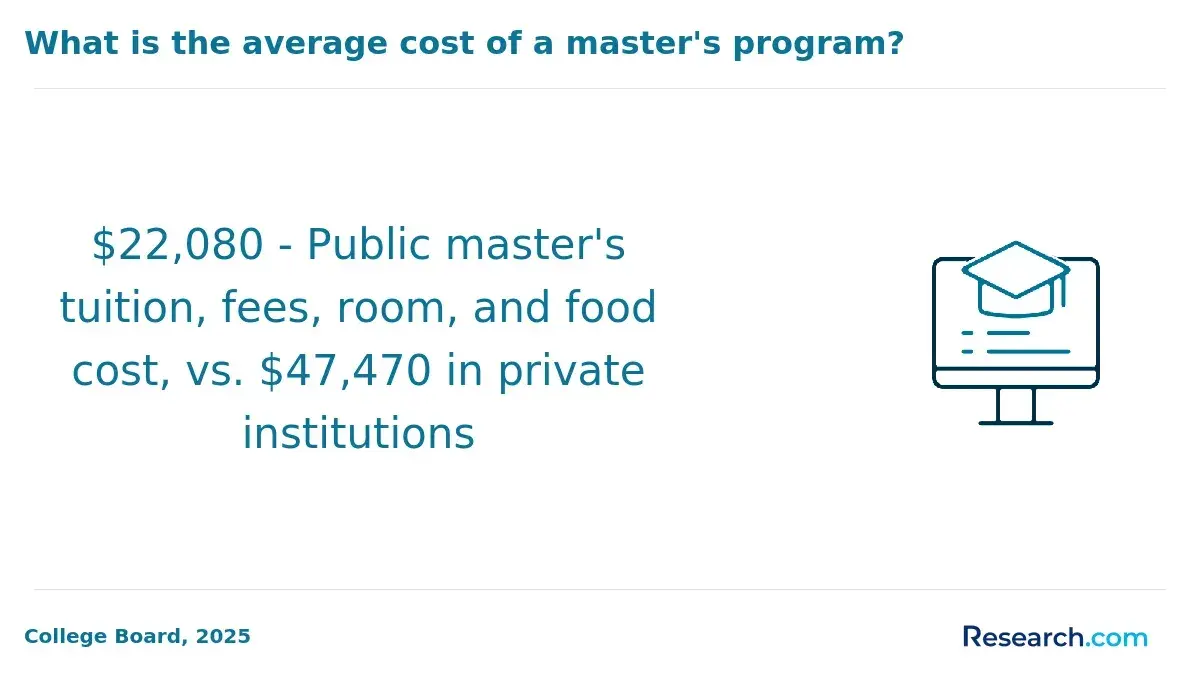
The cost of a bachelor’s degree depends on tuition, mandatory fees, books, technology, housing, transportation, food, health insurance, childcare, lost work hours, and the number of credits a student must complete. The College Board notes that the average tuition and fees for a full-time undergraduate student at public or private nonprofit four-year institutes is $15,230 for the 2024-2025 school year (College Board, 2024). The final amount a student pays can be higher or lower depending on residency status, institutional aid, scholarships, transfer credits, and living arrangements.
Students should compare the net price, not only the advertised tuition. Grants, scholarships, work-study programs, employer tuition assistance, military education benefits, and transfer credit can reduce out-of-pocket costs. Loans can make enrollment possible, but they also increase long-term financial obligations.
| Cost factor | Why it matters | What to ask before enrolling |
| Tuition and fees | This is the most visible cost, but it may not include everything. | What is the total cost per term after mandatory fees? |
| Residency status | Public colleges may charge different rates for in-state and out-of-state students. | Do online students qualify for in-state tuition? |
| Transfer credits | Accepted credits can reduce the number of courses needed. | How many prior credits will apply to my major, not just elective credit? |
| Books and materials | Course materials can add recurring expenses. | Are open educational resources or digital materials available? |
| Housing and commuting | Campus attendance can involve rent, parking, fuel, or public transit costs. | Can I complete required courses online or closer to home? |
| Time away from work | Full-time study may reduce income. | Can I attend part time, evenings, weekends, or asynchronously? |
What are the benefits of earning a bachelor’s degree?
A bachelor’s degree can provide career, academic, financial, and personal benefits, but the strength of those benefits depends on the student’s field, school, debt level, location, experience, and ability to complete the program.
- Access to more job postings: Many employers list a bachelor’s degree as required or preferred for professional roles, management-track positions, and specialized entry-level jobs.
- Higher earning potential: Workers with bachelor’s degrees often have access to roles with stronger salary growth, although income varies widely by major, industry, geography, and experience.
- Lower unemployment risk: The BLS data cited earlier show lower unemployment for bachelor’s degree holders than for high school graduates.
- Graduate school eligibility: A bachelor’s degree is commonly required before entering master’s, doctoral, law, medical, or other professional programs.
- Transferable skills: Students practice writing, research, critical thinking, teamwork, presentation, technology use, and problem-solving across multiple courses.
- Professional network: Faculty, classmates, alumni, internship supervisors, and career services can become valuable contacts.
- Personal development: College can expose students to new ideas, cultures, fields of study, and civic responsibilities.
What are the most in-demand bachelor’s degree majors?
Students often compare majors by employment demand, salary potential, graduate school options, licensing requirements, and personal fit. Commonly discussed high-demand areas include nursing, engineering, medicine-related pathways, business administration, and psychology. Students interested in healthcare careers may also compare undergraduate nursing options with advanced pathways such as an online Master of Science in Nursing.
Demand alone should not decide your major. A field may be growing, but it may also require licensure, graduate education, clinical hours, technical certifications, relocation, or strong academic performance in difficult prerequisite courses. The better question is: “Which major matches both the labor market and my strengths?”
Taking a Bachelor’s Degree Online
Online bachelor’s programs can help students who need flexibility because of work, caregiving, military service, health needs, or distance from campus. Online learning may include asynchronous courses, scheduled live sessions, digital assignments, virtual advising, and remote library access.
Online study is not automatically cheaper or easier. Students should compare tuition, fees, technology requirements, course scheduling, proctored exams, internship placement, state authorization, and whether the program has any required campus visits. For some students, online learning reduces commuting and housing costs; for others, the best fit may be a hybrid program with some face-to-face support.
What challenges might you face while earning a bachelor’s degree?
Common challenges include heavy reading loads, time management, financial stress, unclear degree requirements, limited course availability, online learning fatigue, changing majors, family responsibilities, and balancing school with employment. Students in selective majors may also face progression requirements, clinical placement limits, lab schedules, or portfolio reviews.
Working adults and nontraditional learners should pay close attention to scheduling and student support. Programs designed for adult students, including the best online colleges for working adults, may offer flexible course formats, career-focused advising, and services that reduce friction for students who cannot attend classes during traditional daytime hours.
| Challenge | Why it can derail progress | Better strategy |
| Choosing too many courses at once | An overloaded schedule can lead to withdrawals, low grades, or burnout. | Start with a realistic course load, especially if you work or have caregiving duties. |
| Ignoring degree maps | Missing prerequisites can delay graduation. | Meet with an advisor and follow the official program plan each term. |
| Underestimating online courses | Online classes still require deadlines, reading, projects, and exams. | Block weekly study time and confirm technology requirements early. |
| Focusing only on tuition | Fees, books, housing, and lost wages can change affordability. | Calculate total cost and compare financial aid packages. |
| Waiting too long to use support services | Small academic problems can become major barriers. | Use tutoring, writing centers, advising, and faculty office hours before grades suffer. |
What is the Return on Investment of a Bachelor’s Degree?
The return on investment of a bachelor’s degree depends on the total cost of attendance, debt, completion time, field of study, local job market, work experience, internships, and the earnings a student could have made without enrolling. A degree with a strong ROI is not simply one that leads to a high salary; it is one where the benefits reasonably justify the cost and risk for that specific student.
Before enrolling, students should compare program outcomes, graduation requirements, internship availability, career services, licensure pass information if relevant, and employer connections. Comparing campus-based programs with top online degree programs may help students identify formats that reduce costs or improve flexibility without sacrificing academic quality.
How to evaluate ROI before you apply
- Estimate the full cost: Include tuition, fees, books, transportation, housing, technology, and time away from work.
- Check completion requirements: Identify prerequisites, clinicals, internships, capstones, labs, and minimum grades.
- Research job outcomes: Look for roles graduates commonly enter, not only the highest-paying examples.
- Review debt carefully: Compare expected borrowing with realistic entry-level earnings in your field.
- Ask about career support: Strong advising, employer partnerships, internships, and alumni networks can improve outcomes.
- Consider alternatives: Certificates, associate degrees, apprenticeships, or employer training may be better for some goals.
Bachelor’s Degree Jobs
A bachelor’s degree can support many career paths, but the major and required experience matter. Some jobs are open to a wide range of degree holders, while others require a specific major, licensure, certifications, portfolios, clinical training, or graduate education. SmartAsset’s latest study lists several desired jobs for college graduates:
- Producers and directors: These roles ranked in the top quartile of the study. Employment of producers and directors increased by nearly 9% in the last decade, and the BLS predicts that these jobs will continue to increase by 16,000 or 10.0% by 2029.
- Computer and information systems managers: These roles placed in the top 15% of the study. Computer and information systems managerial jobs increased by 6% in 2024, and the BLS projects that they will grow at twice the overall U.S. workforce rate through 2034.
- Agents and business managers of artists, performers, and athletes: These jobs tied with computer and information systems managers. The median pay for artist, performer, and athlete agents and business managers increased by nearly 7%, while employment increased by 15%.
- Information security analysts: Median salary for these jobs has increased at a similar pace each year, and employment showed a significant growth rate of 16.20% according to the BLS.
- Actuaries: The median annual wage for actuaries was $125,770 in May 2024, the highest on record in this study. Employment for these jobs is projected to grow by 22% from 2024 to 2034.
- Interpreters and translators: The BLS reports that interpreting and translation jobs are projected to grow by 20% by 2029. Employment in these roles will increase by approximately 15,500 workers.
- Fundraisers: Employment of fundraisers is projected to grow 4 percent from 2024 to 2034, about as fast as the average for all occupations. About 10,200 openings for fundraisers are projected each year, on average, over the decade.
- Medical and health service managers: The median salary for medical and health service managers reached $113,730 and $115,160, respectively. Among the 131 occupations in the study, the BLS projects these roles to have a bigger total employment growth of 133,200 workers and the highest employment growth of 31.5% in the next 10 years.
- Athletic trainers: Athletic trainer jobs are predicted to increase by 16.2% by 2029. Median salary for athletic trainers grew by 2.56% from approximately $49,300 to over $50,500.
- Compensation, benefits, and job analysis specialists: The median annual wage for compensation, benefits, and job analysis specialists was $77,020 in May 2024. Employment is projected to grow 5% from 2024 to 2034.
How to connect a bachelor’s degree to a job
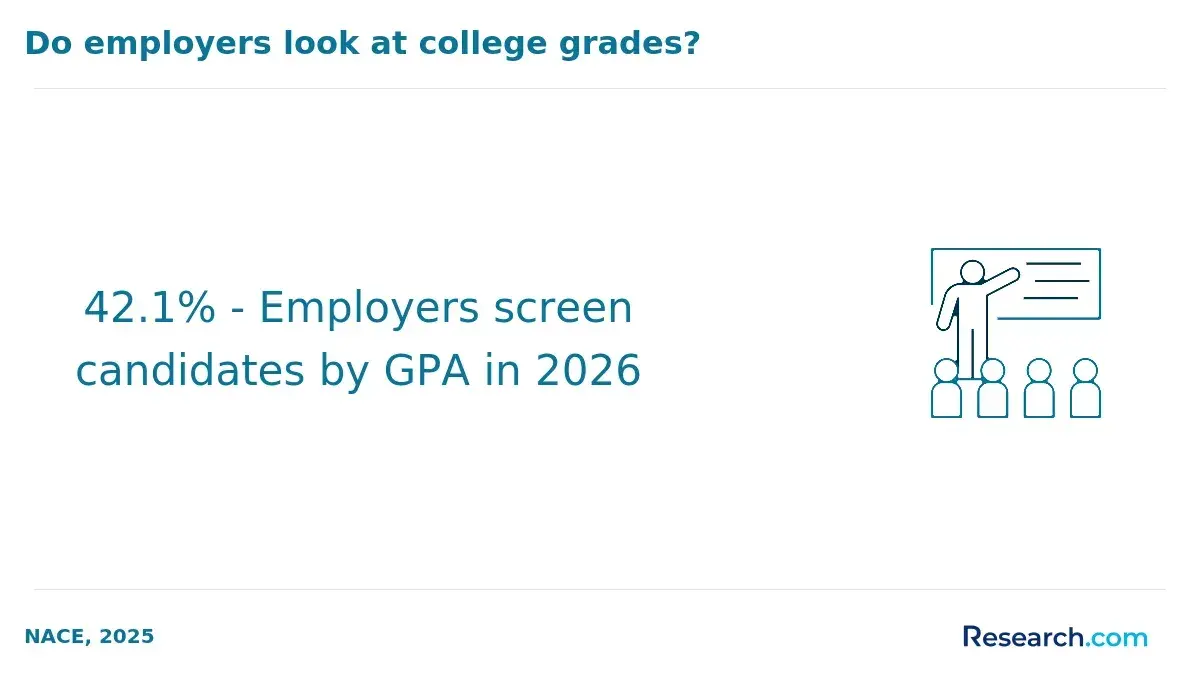
Students should not assume the diploma alone will secure employment. Employers often look for evidence of applied skill: internships, projects, writing samples, portfolios, lab experience, leadership, software knowledge, industry certifications, and strong references. Build these into your college plan early instead of waiting until senior year.
The Increasing Flexibility of Bachelor’s Degree Programs
Bachelor’s degree programs are no longer limited to the traditional full-time, residential model. Students can now find campus-based, fully online, hybrid, evening, weekend, part-time, degree-completion, and accelerated formats. This flexibility can make college more accessible for working adults, parents, transfer students, military learners, and students who live far from a campus.
For motivated students who can handle a heavier pace, accelerated online bachelor degree programs may shorten the time to completion. These programs can be useful when students already have transfer credits, clear goals, and enough weekly study time. They may not be ideal for students who need extensive academic support, are unsure of their major, or are balancing multiple demanding responsibilities.
Hybrid programs can provide a middle ground by combining online coursework with scheduled in-person labs, residencies, clinical experiences, studios, or group sessions. This format can be especially relevant in fields where hands-on learning is important.
| Program format | Advantages | Possible drawbacks |
| Campus-based | Face-to-face instruction, campus resources, in-person networking, structured schedule | Less flexible, commuting or housing costs, fixed class times |
| Online | Flexible access, reduced commuting, useful for working adults or remote students | Requires self-discipline, may include proctored exams or in-person requirements |
| Hybrid | Combines online convenience with hands-on or in-person learning | Still requires travel on specific dates or for specific courses |
| Accelerated | Can reduce time to degree for prepared students | Fast pace can be difficult with work, family, or weak academic preparation |
| Part-time | More manageable for students with jobs or caregiving responsibilities | Longer completion timeline and possible changes in aid eligibility |
Can an Online Associate Degree Accelerate Your Path to a Bachelor’s Degree?
An online associate degree can be an efficient first step toward a bachelor’s degree when credits transfer cleanly into the chosen four-year program. This route may help students complete general education requirements, test their readiness for college, reduce initial costs, and build confidence before moving into upper-division coursework.
The key is transfer planning. Students should confirm whether the associate degree has an articulation agreement with the bachelor’s institution, whether courses apply to the major, and whether minimum grade requirements apply. Students comparing faster options can review fastest online associates degree pathways, but speed should not replace transferability and accreditation.
How to Minimize Costs When Pursuing a Bachelor’s Degree
Reducing bachelor’s degree costs requires planning before enrollment and discipline during the program. Students should complete financial aid forms on time, compare net price offers, apply for grants and scholarships, ask about employer tuition assistance, consider community college transfer pathways, and avoid taking courses that do not apply to the degree.
Application fees can also add up for students applying to multiple schools. For learners seeking flexible and lower-friction options, online colleges with no application fee may be worth comparing, provided the institutions are accredited and the programs fit the student’s goals.
Cost-saving strategies that can work
- Start with transfer planning: If you attend community college first, choose courses that are guaranteed to apply to your bachelor’s degree.
- Ask for a transfer credit evaluation early: Do this before enrolling so you know how many credits remain.
- Compare net price, not sticker price: A school with higher tuition may be cheaper after grants and scholarships.
- Use academic advising: Advisors can help you avoid unnecessary courses that extend your timeline.
- Consider online or hybrid study: These formats may reduce commuting or housing costs, depending on the program.
- Maintain satisfactory academic progress: Falling below aid requirements can make college more expensive.
Is a Bachelor’s Degree Still Relevant in the Digital Age?
A bachelor’s degree remains relevant for many career paths, but its value is changing. Employers increasingly want both formal education and proof of practical skills. That means students should treat the degree as a platform, not a finish line. Projects, internships, technical tools, certifications, portfolios, and work experience can make the credential more persuasive.
Technology has also created more alternatives to traditional college, including bootcamps, online certificates, employer training, and skills-based hiring. These options can be valuable, especially in fast-changing fields. Still, many roles that involve leadership, analysis, regulated practice, research, healthcare, education, or advancement into management continue to favor or require a bachelor’s degree. Students focused on high-earning routes can compare programs tied to degrees that pay 100k, while remembering that salary outcomes are never guaranteed.
Do Additional Certifications Amplify the Value of a Bachelor’s Degree?
Certifications can strengthen a bachelor’s degree when they demonstrate current, job-specific skills. They are especially useful in fields such as information technology, cybersecurity, project management, accounting, data analytics, human resources, healthcare administration, and digital marketing. A certification can help translate academic knowledge into employer-recognized competencies.
However, not every certificate is worth the cost. Students should ask whether employers in their target field actually request the credential, whether it requires renewal, whether it is vendor-specific, and whether it aligns with their degree. Comparing certificates that make the most money can be useful, but the best credential is the one that supports a specific career plan.
How to Choose the Right Bachelor’s Degree Program for Your Career Goals
Choosing a bachelor’s program is partly academic and partly strategic. The right program should fit your interests, budget, schedule, career goals, learning style, and risk tolerance. A well-known school is not automatically the best option if the program is unaffordable, lacks flexibility, or does not support your intended career.
1. Assess your interests, strengths, and work style
Start by identifying the subjects and tasks you can sustain over several years. Do you prefer writing, numbers, people-focused work, technology, research, design, healthcare, business operations, or hands-on problem-solving? Career assessments can help, but they should not replace real research into courses, job duties, and required skills.
2. Evaluate career prospects and industry fit
Research common job titles, employer expectations, salary ranges, licensure rules, graduate school requirements, and internship availability. Majors such as nursing, engineering, computer science, and business administration may offer strong opportunities for some students, but each comes with different academic demands and career paths.
Students who need affordability and flexibility can compare cheapest online college bachelor degrees while still checking accreditation, student support, and career relevance.
3. Compare length, pacing, and flexibility
A traditional bachelor’s program may be structured around four years of full-time study. However, accelerated, part-time, online, evening, and hybrid options can change the timeline. Students who work full time should be cautious about enrolling in an accelerated program without understanding the weekly workload.
4. Verify accreditation and program recognition
Accreditation matters because it can affect financial aid, transfer credits, graduate school eligibility, employer recognition, and licensure pathways. Some fields also require programmatic accreditation in addition to institutional accreditation. Before applying, confirm accreditation through official sources, not only marketing pages.
5. Look for practical experience
Internships, practicums, clinical placements, student teaching, labs, co-ops, research projects, service learning, and portfolios can improve career readiness. Ask who helps students find placements and whether online students receive the same support as campus students.
6. Review financial aid and total program cost
Compare tuition, fees, books, living expenses, transportation, course materials, and expected borrowing. Ask whether scholarships renew automatically, what GPA is required to keep aid, and whether summer courses cost extra. A lower-cost program can still be expensive if credits do not transfer or required courses are hard to access.
7. Match the degree to long-term goals
Think beyond the first job. Will this degree support leadership roles, graduate school, licensure, entrepreneurship, relocation, or a career change later? A narrow major may prepare you quickly for a specific job, while a broader degree may offer more flexibility when paired with internships and certifications.
Questions to ask before enrolling
- Is the institution accredited by a recognized accreditor?
- Does my intended career require licensure, certification, or graduate education?
- How many credits will I need to complete after transfer evaluation?
- Are internships, clinicals, labs, or campus visits required?
- What is the total estimated cost after grants and scholarships?
- What career services are available to online and part-time students?
- How often are required courses offered?
- What happens if I change majors?
- What academic support is available if I struggle?
Common mistakes to avoid
- Choosing only by school name: Program fit, cost, accreditation, and support can matter more than reputation alone.
- Ignoring accreditation: An unrecognized program can create problems with aid, transfer, employment, or licensure.
- Assuming online means easier: Online courses require consistent time management and self-direction.
- Taking credits without a plan: Courses that do not apply to your degree can waste time and money.
- Borrowing without estimating repayment: Students should understand likely debt before accepting loans.
- Waiting until graduation to build experience: Internships, projects, and networking should begin early.
Are Accelerated Bachelor's Degree Programs a Viable Option?
Accelerated bachelor’s degree programs can be a strong option for students who are academically prepared, highly organized, and able to commit significant weekly time to coursework. These programs may use shorter terms, year-round schedules, transfer-friendly degree plans, or competency-based formats.
They are not ideal for everyone. A compressed schedule can make it harder to absorb difficult material, recover from low grades, or balance work and caregiving. Students considering accelerated study should compare curriculum intensity, advising availability, course sequencing, and career outcomes. Reviewing fast track colleges can help identify programs designed for faster completion, but students should still verify quality and fit.
Can a Fast-Track Doctoral Program Enhance Your Career Advancement?
After earning a bachelor’s degree, some students eventually pursue graduate or doctoral study to move into research, advanced practice, teaching, consulting, or leadership. Fast-track doctoral pathways can appeal to professionals who want to deepen expertise more quickly, but they require careful evaluation.
Students should ask whether a doctoral degree is necessary for their target role, whether the program is accredited, how research supervision works, and how the schedule fits employment. Options such as 2 year PhD programs may appear efficient, but students should compare rigor, dissertation or capstone requirements, faculty support, and professional recognition.
Can Transfer Credits Optimize Your Bachelor's Degree Journey?
Transfer credits can reduce the time and cost required to finish a bachelor’s degree, especially for students who have completed an associate degree, prior college coursework, military training, or industry-recognized learning. The key is whether those credits apply to the degree requirements you still need.
Students should request an official transfer evaluation before committing to a program. Ask whether credits count toward general education, major requirements, prerequisites, or electives. Also check grade minimums, credit age limits, residency requirements, and articulation agreements. Starting with colleges with the cheapest online associate's degrees may be cost-effective, but only if credits transfer efficiently into the intended bachelor’s program.
The Real Value of a Bachelor’s Degree
The real value of a bachelor’s degree is not limited to the diploma. A strong undergraduate education can help students learn how to reason through complex problems, communicate clearly, evaluate evidence, work with different people, and adapt to changing industries. Those skills matter even as technology changes the way people work.
At the same time, skepticism about college is understandable. Costs can be high, not every program produces the same outcomes, and some companies that employ undergraduates are expanding skills-based hiring. The best approach is not to assume every bachelor’s degree is valuable or useless. Instead, evaluate the specific program, price, accreditation, completion support, labor market connection, and alternatives.
Former American Association of American Universities president Dr. Hunter Rawlings III captured the broader purpose of college when he wrote, “Genuine education is not a commodity, it is the awakening of a human being.” That idea is still relevant: a bachelor’s degree should prepare students not only for employment, but also for informed judgment, civic life, and continued learning.
Key Insights
- A bachelor’s degree is an undergraduate credential with both broad and specialized learning. Most programs combine general education, major courses, electives, and applied experiences such as internships, labs, capstones, or research.
- The degree can improve career access, but outcomes are not guaranteed. Major, accreditation, experience, location, debt, and employer demand all affect the return on investment.
- Program type matters. BA, BS, BFA, BAA, and BAS degrees differ in focus, structure, and career alignment. Choose based on the curriculum and goals, not only the abbreviation.
- Cost should be evaluated as total cost, not tuition alone. Fees, books, housing, transportation, lost work time, and transfer credit policies can significantly change affordability.
- Online and accelerated programs can be valuable for the right student. They offer flexibility, but they require discipline and careful checks for accreditation, support, and in-person requirements.
- Transfer credits can save time and money when planned correctly. Always confirm whether credits apply to your actual degree requirements before enrolling.
- The strongest bachelor’s degree plan includes career preparation from the start. Internships, projects, certifications, portfolios, networking, and advising can make the credential more useful after graduation.
References:
- Bachelor’s Degree Center. (n.d.). Your Guide to Getting a Bachelor’s Degree. Bachelor’s Degree Center.
- Campus Explorer. (n.d.). Bachelor’s Degree Overview. Campus Explorer.
- Degree Query. (n.d.). What Can I Do With a Bachelors Degree? Degree Query.
- Franklin University. (n.d.). Is a Bachelor’s Degree Worth It? Sorting Fact From Fiction. Franklin University.
- GetEducated. (n.d.). What is a Bachelor’s Degree? GetEducated.
- Lesley University. Five Tips for Completing Your Bachelor’s Degree. Lesley University.
- Premium Schools. (n.d.). What is a Bachelor’s Degree? Premium Schools.
Other Things You Should Know About Bachelor's Degrees
In 2027, admission requirements for a bachelor's degree typically include a high school diploma or equivalent, standardized test scores, and sometimes letters of recommendation. Specific requirements can vary by institution and program, so it's best to check with the school you’re interested in for detailed information.
The main types of bachelor’s degrees are Bachelor of Arts (BA), Bachelor of Science (BS), Bachelor of Fine Arts (BFA), Bachelor of Applied Arts (BAA), and Bachelor of Applied Science (BAS). Each type focuses on different academic areas, such as humanities, sciences, fine arts, vocational studies, and technical skills.
The cost varies depending on the institution and residency status. For the 2025-2026 school year, the average published tuition and fees for full-time undergraduate students at public four-year in-state institutions was $11,950. Financial aid options, such as scholarships, grants, loans, and work-study programs, are available to help manage expenses.
Some of the most in-demand majors include nursing, engineering, medicine, business administration, and psychology. These fields offer strong job prospects and competitive salaries.
Yes, many institutions offer online bachelor’s degree programs that provide flexibility for students to learn at their own pace and balance their studies with personal and professional commitments. Online programs can also be more cost-effective, saving on housing and commuting expenses.
Bachelor’s degree holders have better job prospects and higher earning potential compared to those without a degree. Popular careers include roles in management, accounting, finance, information technology, logistics, and supply chain management.
A bachelor’s degree typically takes four years to complete for full-time students. Some programs offer accelerated options that can be completed in less time, while part-time students may take longer to finish their degrees.


