2027 Online vs Campus Nurse Administrator Outcomes Report: Graduation Rates, Cost, and Career Trade-Offs

Co-Founder and Chief Data Scientist
Adult learners seeking to maximize transfer credits when pursuing a nurse administrator degree often confront hidden costs and delayed graduation timelines that vary sharply between online and campus programs. In 2024, only 58% of institutions fully accept transfer credits for nurse administrator tracks, disproportionately affecting those aiming to shorten their time-to-degree.
This signals a broader institutional trend toward cautious credit evaluation, impacting degree completion efficiency and accessibility for working professionals who cannot afford extended enrollment. Understanding how delivery mode influences graduation rates, cumulative expenses, and employment outcomes is crucial for making an informed choice tailored to individual career and financial goals.
Key Things to Know About Online vs Campus Nurse Administrator Outcomes
- Campus programs show a 12% higher graduation rate than online formats (2024 NABME dataset), reflecting on-campus access to hands-on mentorship that reduces attrition-a crucial factor in long-term credential attainment.
- Online nurse administrator programs often cost 15-25% less but limited direct clinical leadership exposure may affect employer perceptions, necessitating supplementary experience for competitive administrative roles.
- Online pathways enable working professionals faster part-time progression, balancing cost and timing trade-offs, yet delay in-network building common on campuses can slow senior role attainment despite equal academic credentialing.
- Key Things to Know About Online vs Campus Nurse Administrator Outcomes Key Things to Know About Online vs Campus Nurse Administrator Outcomes
- What Are the Biggest Differences Between Online and Campus Nurse Administrator Program Outcomes? Online vs Campus Outcomes
- How Do Graduation Rates Compare Between Online and Campus Nurse Administrator Programs? Comparing Graduation Rates
- Why Do Online and Campus Nurse Administrator Students Have Different Completion Rates? Why Completion Rates Differ
- How Do Online and Campus Nurse Administrator Programs Compare on Total Cost? Total Cost Comparison
- What Hidden Costs Should Students Expect in Online vs Campus Nurse Administrator Programs? Hidden Program Costs
- How Does Financial Aid Affect the Cost of Online and Campus Nurse Administrator Programs? Financial Aid Impact
- Do Online and Campus Nurse Administrator Graduates Have Different Career Outcomes? Comparing Career Outcomes
- How Do Employers View Online vs Campus Nurse Administrator Degrees? How Do Employers View Online vs Campus Nurse Administrator Degrees?
- Which Nurse Administrator Degree Format Offers Better Flexibility for Working Adults? Which Nurse Administrator Degree Format Offers Better Flexibility for Working Adults?
- How Should Students Choose Between an Online and Campus Nurse Administrator Program? Choosing Your Program Format
What Are the Biggest Differences Between Online and Campus Nurse Administrator Program Outcomes?
Graduation rates for online nurse administrator programs tend to lag behind their campus counterparts, with recent data showing approximately 60% completion online versus 68% on campus, a gap reflecting more than just learning environment. Students juggling work and family commitments in online cohorts often face stretched timelines and higher cumulative costs due to extended enrollment and additional fees for technology and practicum travel.
This dynamic increases debt exposure and can slow workforce entry or advancement, especially when on-campus peers benefit from structured schedules, more direct faculty contact, and streamlined access to local clinical placements. These factors play a crucial role when students weigh the importance of timely program completion against the flexibility needed for their personal circumstances.
Cost considerations extend beyond sticker tuition; while online programs may advertise lower per-credit rates, total expenses can quickly rise, complicating financial planning for working professionals. In contrast, campus programs frequently impose extra living costs but often offer more accessible institutional financial aid and credit for internships embedded within the curriculum. Employer perceptions, shaped by these experiential and networking differences, influence career mobility, with many healthcare systems valuing the hands-on practice and cohort support typical of on-campus programs in leadership pipelines.
Prospective students balancing this landscape might explore less costly but flexible options such as the cheapest online DNP program, ensuring they consider both immediate affordability and long-term career signaling. Ultimately, decisions between campus and online formats hinge on personal readiness to navigate local practicum logistics versus the appeal of wider program choice and curricular relevance for working adults.
The online nurse administrator program outcomes versus campus graduation rates comparison highlights critical trade-offs in persistence and support access that impact not just grad rates but future employability. A well-informed strategy integrates these operational realities with career goals: prioritizing immersive, on-site experiences may accelerate growth in established clinical networks, whereas flexible online pathways accommodate ongoing job responsibilities but require greater self-direction and planning to mitigate delays and debt.
How Do Graduation Rates Compare Between Online and Campus Nurse Administrator Programs?
Graduation rates for nurse administrator programs differ significantly between online and campus-based formats, but these statistics reflect more than just academic rigor or program quality. Campus programs generally show four-year graduation rates around 65-70%, while online formats hover near 50-55%, yet these figures must be understood in light of student demographics and enrollment patterns. Many online students juggle full-time employment, caregiving duties, or flexible pacing, leading to slower progression that raw graduation rates don't fully capture.
Meanwhile, campus programs tend to enroll more full-time students with fewer external obligations, enabling a more straightforward path to degree completion through consistent cohort structures and in-person support services like advising and mentoring. These variations highlight how institutional design and student life intersection shape outcomes. Campus-based nurse administrator pathways benefit from embedded clinical experiences and real-time faculty interactions that reinforce momentum, whereas online programs often rely on virtual engagement tools that may not fully replicate informal peer support, affecting retention.
Differences in transfer credit acceptance, stop-out policies, and academic advising also influence persistence and completion timing, creating nuances that simple comparisons overlook. According to the 2024 National Center for Education Statistics, interpreting graduation rates without considering these factors risks undervaluing the practical experience many working students bring, or the flexible schedules required to balance study with career and family life.
One student weighing program options recalled analyzing the graduation data but found herself more influenced by how each format's pacing aligned with her job and family schedule. She hesitated about whether an online program would offer enough structure and peer interaction to keep her on track, especially since she planned to enroll part-time and needed credit for prior coursework.
At the same time, the commute and rigid class times for campus programs threatened to disrupt her work commitments. Her final decision reflected this nuanced tradeoff: balancing reliable advising and cohort support against the flexibility necessary to manage her responsibilities without sacrificing steady progress toward a nurse administrator credential.
Why Do Online and Campus Nurse Administrator Students Have Different Completion Rates?
Completion rate differences between online and campus nurse administrator students largely reflect the distinct enrollment patterns and support structures shaping each modality rather than inherent academic quality. Online learners frequently enroll part-time-often juggling full-time employment and family duties-which extends program timelines and raises the risk of pausing studies. For example, nearly two-thirds of online nurse administrator students attend part-time compared to less than 40% on campus.
Moreover, campus programs typically provide cohort models, in-person advising, and more immediate faculty engagement that build motivation and accountability-factors linked to higher retention. Online formats often lack these immersive supports, which, combined with limited real-time guidance and difficulties in evaluating transfer credits or accessing practicum placements, can stall momentum.
According to recent federal data, online nursing administration programs graduate about 45% of enrollees within six years, compared to 60% for campus-based programs, underscoring how learner demographics and institutional design influence outcomes. Prospective students should weigh these realities against their individual scheduling stability, self-discipline, and need for direct academic interaction when interpreting graduation statistics and choosing their pathway.
How Do Online and Campus Nurse Administrator Programs Compare on Total Cost?
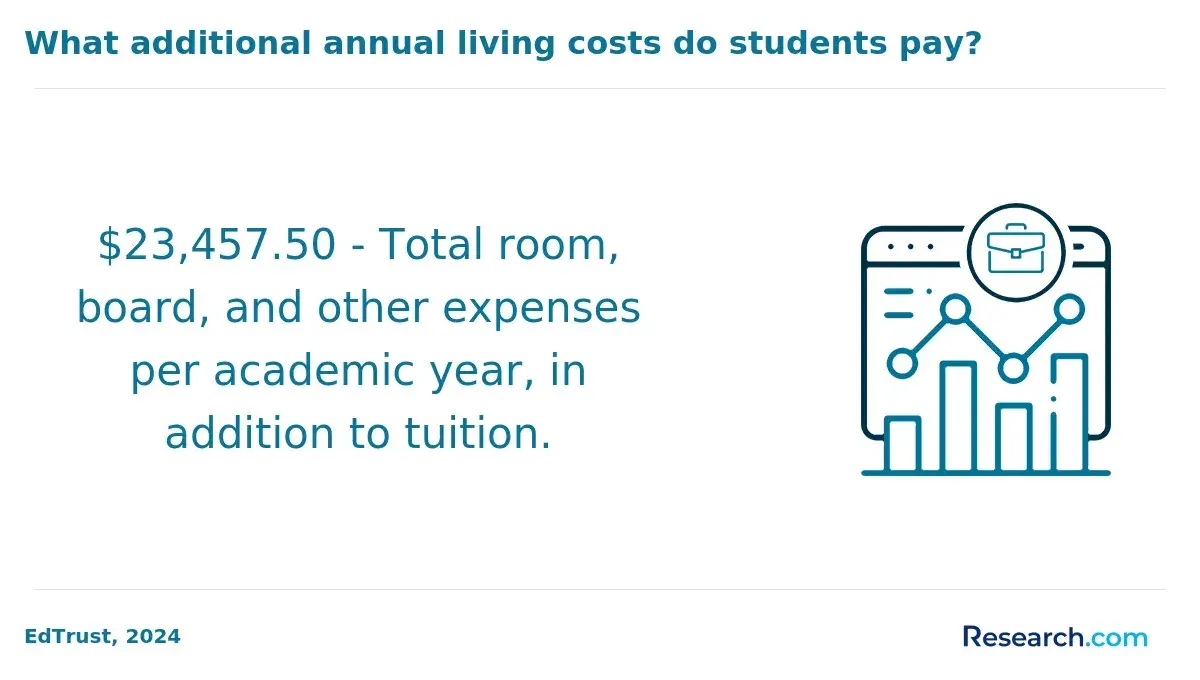
Choosing between online and campus nurse administrator programs requires assessing total costs beyond advertised tuition rates. While online options may offer 15-25% lower tuition, students often face additional technology fees and virtual simulation expenses not included in sticker prices. Conversely, campus learners incur mandatory fees for labs and facilities alongside substantial living costs such as housing and transportation, which can exceed $10,000 annually and significantly affect overall affordability.
This total cost comparison of online and campus nurse administrator programs therefore hinges on factors like residency requirements, travel for clinical placements, and program length, each shaping a student's financial commitment differently. Data from the 2024 IPEDS report shows the average yearly cost at public institutions is roughly $35,000 for campus-based students versus $27,000 for online learners, though these figures may not capture individual variability in aid eligibility or employer tuition reimbursement.
Importantly, the financial differences between online and campus nurse administrator degrees influence student debt burden and study timelines. Online formats often support part-time enrollment, allowing continued employment and reducing debt accumulation, but some employers may favor campus experience, which could impact long-term career returns. Prospective students should also consider options like a nursing school that does not require TEAS test when evaluating programs to optimize both cost and accessibility.
What Hidden Costs Should Students Expect in Online vs Campus Nurse Administrator Programs?
The total cost of nurse administrator programs extends well beyond tuition, with hidden expenses varying sharply between online and campus formats and impacting students' completion strategies. Campus-based participants often face substantial housing, commuting, and parking fees that can add up to over $10,000 annually, alongside mandatory campus service fees that are rarely highlighted in advertised costs.
In contrast, online learners encounter less visible financial demands such as recurring technology fees, proctoring charges for exams, and investments in reliable hardware and internet upgrades. Both formats require clinical placements that may involve complex travel arrangements and childcare costs, all of which can disrupt work schedules and extend program duration, according to 2024 data from the National Center for Education Statistics showing online students are more likely to take longer to graduate, thereby increasing cumulative expenses and opportunity costs.
Choosing between formats requires careful consideration of these indirect costs, especially since campus students might need to reduce paid work hours due to in-person attendance, while online students may face productivity challenges that prolong degree completion. For example, a working adult estimating a campus program's affordability might underestimate relocating and parking expenses, whereas an online learner might not initially account for proctoring fees and new equipment investments, which can erode the perceived savings from lower tuition.
These financial trade-offs influence not just immediate budgets but also affect long-term earning potential and workforce engagement during study periods. A graduate recalled hesitating when planning enrollment, surprised by how much online proctoring and software fees added up each semester, nearly matching the commuting expenses they would have incurred on campus.
They spent weeks comparing placement requirements and realized that, despite the campus program's higher sticker price, the adjunct costs-like parking passes and childcare during clinical rotations-were similarly significant. This careful cost comparison fostered a cautious confidence in choosing a format aligned not just with budget but with personal time constraints and career readiness.
How Does Financial Aid Affect the Cost of Online and Campus Nurse Administrator Programs?
The net cost of nurse administrator programs hinges significantly on the financial aid landscape, which varies between online and campus settings in ways that directly affect borrowing decisions and program pacing. For many working adults, employer tuition reimbursement plays a critical role in reducing expenses for online nurse administrator program financial aid impact, allowing part-time study without large upfront debt.
Conversely, campus programs often provide larger merit-based scholarships and assistantships tied to full-time enrollment and physical presence, which can lower costs but require more concentrated time commitments and potentially higher living expenses. Residency rules and enrollment intensity critically shape aid eligibility, often favoring campus students who qualify for institutional grants with full-time status.
Online learners frequently face smaller, distributed aid awards spread over longer periods, potentially increasing total cost when factoring cumulative living expenses. Military and veterans' benefits add another layer, especially for online students, offsetting technology fees and tuition but not always supplementing other institutional aid sources. Prospective students must weigh these trade-offs carefully, balancing immediate affordability with the flexibility needed for career and life demands while assessing how aid packages influence net cost and graduation timelines.
Given these variables, understanding financial aid is essential for comparing true program value rather than sticker price alone. Those evaluating on-campus versus online pathways should also consider the broader context of professional outcomes and scheduling needs. For instance, while online programs often appeal to employed students needing flexible pacing, insight into comparable fields such as dietitian master's programs reveals how aid complexity and enrollment mode affect overall cost and debt burden.
Do Online and Campus Nurse Administrator Graduates Have Different Career Outcomes?
Employment outcomes for nurse administrator graduates vary in meaningful ways that hinge on program format and employer expectations rather than simple credential equivalence. While data from the National Center for Education Statistics shows similar job placement rates near 85% within six months across online and campus programs, many healthcare employers retain a preference for campus-based graduates due to their more consistent access to clinical internships and structured leadership experiences.
These hands-on components often translate into stronger immediate readiness for supervisory roles and licensure requirements that mandate documented clinical hours, advantages less readily available to online learners balancing work and study. Beyond practical experience, networking and career support differ sharply between formats, with campus programs typically offering more robust alumni connections and ongoing mentorship that can influence hiring decisions in traditional healthcare settings.
Online students benefit from greater scheduling flexibility and reduced educational costs-often lowering debt by 15% to 30%-but may face delays in leadership role attainment due to limited organic relationship-building and fewer in-person opportunities. Ultimately, choosing between formats involves weighing reputation, experiential depth, and professional access to align with a student's work context, state licensure standards, and long-term leadership ambitions within a competitive healthcare environment.
How Do Employers View Online vs Campus Nurse Administrator Degrees?
Employers assessing Nurse Administrator degrees increasingly prioritize program quality markers-such as accreditation, institutional reputation, and curriculum rigor-over whether the degree was earned online or on campus. A 2024 survey by the National Association of Colleges and Employers found that 78% of healthcare employers expressed no strong preference between formats if both credentials came from accredited, well-regarded institutions.
This underscores that institutional selectivity and demonstrated learning outcomes, including applied experiences like internships or clinical practicums, carry significant weight in hiring decisions and perceived candidate readiness. However, the nuances of delivery format still matter in practice. Employers familiar with hands-on learning requirements often scrutinize online programs lacking clear experiential components, since practical skill verification directly impacts confidence in a graduate's management capabilities.
For example, a healthcare system filling a nurse administrator role during a talent shortage might favor applicants whose transcripts explicitly document clinical leadership rotations or fieldwork, regardless of study mode. Conversely, degrees from lesser-known or non-accredited online programs can trigger skepticism, affecting opportunities for advancement or trust in professional competence. Ultimately, the choice between online and campus degrees can influence career trajectories differently depending on a student's existing professional network, employer familiarity with online education, and the transparency of the program's practical training elements.
Which Nurse Administrator Degree Format Offers Better Flexibility for Working Adults?
Flexible nurse administrator degree programs for working adults undeniably tip the scale toward online formats, but this advantage depends heavily on program design and individual circumstances. Many online offerings allow asynchronous coursework and part-time pacing, reducing the impact of work or caregiving responsibilities on progression. However, required synchronous activities or clinical practicums-often tied to geographic location-can limit true flexibility, complicating enrollment for those with irregular or shift-based schedules.
In contrast, campus-based programs, including some with evening or weekend options, demand commuting and fixed attendance that may disrupt employment continuity and extend time to graduation unless employers offer schedule accommodations. Persistence and completion outcomes are shaped by these scheduling realities. Adult learners in online programs generally sustain enrollment amid external pressures, supported by policies that enable stop-outs and transfers, though the variable intensity of on-site components can affect cost exposure and timely degree completion.
Campus learners gain more direct faculty interaction and cohort networking but might face delays when job demands conflict with rigid class schedules. This tradeoff impacts not only academic timing but downstream employability and career trajectory, as prolonged studies can increase costs and postpone advancement. Working adults must therefore contextualize choices beyond format labels, considering how flexibility interacts with their professional obligations and clinical hour requirements.
For those balancing demanding careers, practical decision-making includes comparing fully online, hybrid, and campus options that align with personal schedules while assessing employer support incentives. For vetted pathways, exploring accredited programs such as 1-year NP programs may offer insights into compressed or alternate scheduling models that address these concerns. Understanding these nuances clarifies how and when a nurse administrator degree format can realistically accommodate the competing demands of work, life, and academic persistence.
How Should Students Choose Between an Online and Campus Nurse Administrator Program?
Graduation rates and program delivery formats profoundly impact nurse administrator students' outcomes, with campus programs reporting about 68% graduation within six years versus 54% for online formats according to NCES 2024 data. This difference reflects challenges in persistence and course sequencing for online learners who must navigate less structured environments without regular in-person access to faculty and clinical labs.
Students balancing work or family obligations may prioritize the scheduling flexibility online programs afford, but must also weigh the potential career mobility implications of missing hands-on experiences and networking opportunities that many employers still favor for nurse administrator roles. Cost comparisons between campus and online nurse administrator programs require nuanced evaluation beyond sticker tuition.
While online formats may reduce commuting and relocation expenses, technology fees and the need for reliable equipment can offset these savings, with average annual costs reported near $15,000 online versus $22,000 on campus by the College Scorecard. Students should also consider opportunity costs tied to format choice, as campus programs often provide facilitated clinical placements and stronger employer recognition that can accelerate job prospects.
Those seeking the most compatible pathway might also explore options among the easiest counseling degrees to balance workload and credential acquisition alongside their nurse administrator studies. When weighing online nurse administrator program graduation and cost comparison alongside campus versus online nurse administrator career outcomes, prospective students must assess how format aligns with their personal circumstances and professional goals.
Employer preferences for on-campus credentials often hinge on in-person training components and verified field experience, critical in healthcare leadership roles. Therefore, decisions should factor in the strategic importance of networking, employer perceptions, and work/life balance to select the pathway that maximizes both educational completion and long-term career returns.
References
- What Is an MSN in Nursing Administration? | Betternurse.org https://betternurse.org/msn-nursing-administration/
- The Online College Students' Guide to Financial Aid https://www.edumed.org/financial-aid/
- Online MSN in Nurse Administrator | South University https://www.southuniversity.edu/online/degrees-programs/nursing/nurse-administrator-msn
- Financial Aid - Helene Fuld College of Nursing https://www.helenefuld.edu/financial-aid/
- Financial Aid for Nursing Students https://www.coloradotech.edu/degrees/studies/nursing/articles/nursing-financial-aid
- Virtual learning: Nurse leaders offer strategies for choosing online programs https://www.myamericannurse.com/virtual-learning-nurse-leaders-offer-strategies-for-choosing-online-programs/
- How to Choose a Nursing Program | All Nursing Schools https://www.allnursingschools.com/how-to-get-into-nursing-school/choose-the-right-school/
- Six Ways to Reduce the Cost of a Healthcare Education https://blog.methodistcollege.edu/six-ways-to-reduce-the-cost-of-a-healthcare-education
- The Impact of Education on Nursing Practice https://www.aacnnursing.org/news-data/fact-sheets/impact-of-education-on-nursing-practice
- Nurse Educator vs Nurse Administrator: Career Differences | ACE Blog https://ace.edu/blog/nurse-educator-vs-nurse-administrator/
Other Things You Should Know About Nurse Administrator
Campus programs naturally facilitate face-to-face interactions with peers, faculty, and healthcare leaders, which can lead to deeper professional relationships and mentorship opportunities. Online formats often rely on virtual communication, which can limit spontaneous connection and make accessing local professional networks more difficult. For students aiming to build strong local ties or seeking leadership roles that depend heavily on personal referrals, the campus experience usually offers a practical advantage in networking quality and immediacy.
The rigor of nurse administrator programs varies more by institution accreditation and curriculum quality than by format alone. However, some healthcare employers remain cautious about online degrees, particularly if clinical leadership experience or practical training components are less robust. Students should carefully evaluate whether an online program includes sufficient hands-on or practicum elements, as the lack of direct clinical engagement can affect employer perceptions and readiness for complex administrative roles.
Online nurse administrator programs often attract working professionals, which means students juggle full-time jobs alongside academic responsibilities. While this flexibility is a key benefit, it requires strong time management skills and discipline, as the boundary between work, study, and personal time can blur. Campus programs, by contrast, offer more structured schedules and dedicated study time, potentially easing workload management but demanding relocation or commuting, which can introduce different strains.
Campus programs may provide a slight edge for long-term advancement due to immersive experiences, such as in-person leadership simulations and direct access to institutional resources. These experiences can translate into stronger leadership skills valued by employers managing complex healthcare systems. That said, online programs with comprehensive practicum components and strong industry connections can also position graduates well, especially for those advancing in established healthcare organizations where demonstrated work experience is weighted heavily.