2027 Is Grand Canyon University's Online Master of Social Work (MSW) - Advanced Standing Worth It? What Students Should Know

Co-Founder and Chief Data Scientist
Choosing an online Master of Social Work (MSW) - Advanced Standing program requires weighing the balance between accelerated study and comprehensive skill-building. Over 70% of MSW graduates pursue advanced standing tracks to fast-track licensure, according to a recent report by the Council on Social Work Education. However, this route demands readiness to absorb intensive material quickly while maintaining practical proficiency.
For students considering Grand Canyon University's offering, the decision hinges on whether the program's structure aligns with professional goals, especially regarding field placement flexibility and employer recognition in diverse social service settings. This article explores those factors to clarify if the program meets student expectations and career demands.
Key Points About Grand Canyon University's Online Master of Social Work (MSW) - Advanced Standing Program
- Grand Canyon University's online MSW Advanced Standing program has a 60% acceptance rate, signaling moderate selectivity that balances accessibility with maintaining academic standards.
- The total tuition is $37,212, paired with a median alumni salary of $42,186, yielding an earnings to debt ratio of 1.91x, which suggests a reasonable financial return on investment.
- The program benefits from supportive faculty and strong employer recognition, enhancing graduate employability and practical connections within social work sectors.
What makes Grand Canyon University's online Master of Social Work (MSW) - Advanced Standing program stand out?
Grand Canyon University's online Master of Social Work (MSW) - Advanced Standing program offers a significant time advantage for students who hold a Bachelor of Social Work degree and wish to enter the workforce faster. This accelerated pathway reduces traditional barriers of extended study time, a crucial factor for working adults balancing employment and family responsibilities.
A licensed social worker aiming to switch specializations or pursue leadership roles may find this program better aligns with their schedule and career timeline than longer, more rigid alternatives. The program's fully online format paired with flexible scheduling supports professionals who cannot commit to on-campus attendance, though it demands strong self-discipline and time management to navigate virtual simulations and practicum connections effectively.
Additionally, GCU integrates a Christian worldview into its curriculum, which uniquely appeals to students seeking faith-informed social work training amidst evolving employer expectations for cultural competence. While the university's overall graduation rate averages 43%, the program's design and available resources aim to improve practical readiness and help reduce attrition in a demanding field.
Is it difficult to get admitted to Grand Canyon University's online Master of Social Work (MSW) - Advanced Standing program?
Admission to master's-level advanced standing social work programs generally balances a selective approach with recognition of prior academic work, making entry moderately competitive. Many programs require demonstrated foundational social work knowledge, creating a threshold that weeds out less-prepared candidates while accommodating those with relevant undergraduate credentials.
This dynamic influences employment entry points by filtering for candidates with sufficient practical and theoretical grounding, which matters to employers looking for readiness in clinical and community settings. Grand Canyon University's online Master of Social Work (MSW) - Advanced Standing program admits roughly 60% of applicants, signaling moderate competitiveness. From nearly 48,000 annual applicants, around 29,000 advance, suggesting it is neither overly exclusive nor broadly accessible like some fully open enrollment options.
Admissions criteria, including SAT verbal scores between 540-620 and math between 518-555, as well as ACT scores ranging from 19 to 105, indicate evaluation beyond mere academic prerequisites, aiming to capture a spectrum of applicant potential. This moderately difficult admission process means applicants must prepare thoughtfully but are not facing extreme gatekeeping compared to programs with more restrictive rates.
This balance of selectivity affects real-world decision making. Candidates weighing whether to apply must assess their academic profile and readiness to compete against a large pool but also recognize that the acceptance rate allows room to qualify without perfect scores or exhaustive professional resumes. Choosing GCU's program may pace career progression efficiently by allowing quicker access relative to more restrictive schools, which can be critical for those wanting to integrate accelerated clinical practice into ongoing employment.
How does the curriculum of Grand Canyon University's online Master of Social Work (MSW) - Advanced Standing program stay aligned with current industry trends?
Meeting evolving employer expectations in social work requires a curriculum that balances foundational clinical skills with emerging competencies like telehealth and cultural responsiveness. Grand Canyon University's online Master of Social Work (MSW) - Advanced Standing program addresses this balance but does so with a core focus on traditional clinical social work practice rather than heavily emphasizing newer digital modalities.
Graduates entering community mental health settings must demonstrate proficiency in face-to-face clinical assessment and intervention planning, skills reinforced explicitly in this program. Below are key factors showing how this MSW curriculum responds to current industry demands:
- Clinical Focus: The curriculum prioritizes advanced clinical social work practice including assessment techniques and intervention planning. This strengthens graduates' readiness for roles where direct client interaction and evidence-based treatment are non-negotiable.
- Cultural Competence: With coursework on diverse populations and social policy, students gain a nuanced understanding of cultural and systemic factors influencing client wellbeing, a crucial skill as social work settings become increasingly diverse.
- Ethical and Experiential Learning: Training on ethical decision-making paired with practical field experience ensures that graduates can navigate complex social issues professionally and apply theory in real-world contexts effectively.
While the program integrates essential traditional competencies aligned with many employer standards, the limited emphasis on telehealth and digital communication reflects a tradeoff that prospective students should consider in light of their target practice settings. For those exploring financial aid options while pursuing an MSW, investigating online schools that accept FAFSA can provide practical pathways.
Overall, GCU's Master of Social Work online advanced standing program aligns well with core social work industry trends but requires intentional supplementing for those aiming to lead in technology-enhanced practice environments.
How much does Grand Canyon University's online Master of Social Work (MSW) - Advanced Standing program cost?
The tuition fees for Grand Canyon University's online master of social work (MSW) - advanced standing program stand at $17,450 annually, exclusive of books and living expenses. Prospective students should note the additional cost of around $1,100 per year for books and supplies. Unlike many online programs, GCU does not assess extra technology fees for distance learners, maintaining a flat-rate tuition structure that is uniform regardless of residency, a factor that can simplify budgeting for both in-state and out-of-state students.
However, total costs including room and board, typically relevant to on-campus attendance, will not apply to online students. Financial aid availability is a critical factor in evaluating the cost of grand canyon university online msw advanced standing program. With 99% of undergraduates receiving some form of assistance and an average award of $7,744, these scholarships and corporate tuition reimbursement options can significantly reduce out-of-pocket expenses.
Yet, it is essential that MSW candidates verify aid applicability to graduate-level programs, as external funding can markedly affect the net cost and financial feasibility. When compared with the broader market, the tuition and fees for the master of social work (MSW) - advanced standing at GCU are competitive. Nationally, MSW program costs vary widely but often exceed $20,000 annually at many institutions, especially those with extensive clinical or residency requirements.
The absence of premium technology fees and the program's flat tuition rate enhance cost predictability, a considerable advantage for working professionals balancing education with employment and other obligations. Given these cost dynamics, students should weigh the financial commitment against the program's delivery model and the potential return on investment in social work sectors. For those exploring alternative credentials or supplemental training, exploring accredited certificates online may present less costly, shorter-term options to boost skills or earnings while deciding on a long-term degree path.
What are the admission requirements for Grand Canyon University's online Master of Social Work (MSW) - Advanced Standing program?
Admission to Grand Canyon University's online Master of Social Work (MSW) - Advanced Standing program requires more than minimal credentials, reflecting its selective nature. Prospective students should prepare for a process that assesses both academic readiness and professional suitability, factors that influence employability and graduate success in social work roles.
Applicants from nontraditional or transfer backgrounds may face nuanced evaluations of their prior learning and experience, impacting their credit transfer and progression timelines. Understanding these criteria helps candidates weigh the practical demands of admission against alternative MSW routes. Key admission components include:
- Academic Background: Completion of high school or a GED is mandatory, with submission of secondary school transcripts showing GPA; while formal college-prep coursework and competencies are recommended, they are not strict requirements, indicating some flexibility at this stage.
- Standardized Testing: There is no required MSW-specific entrance exam, but tests like Wonderlic or WISC-III are suggested. International students must provide TOEFL scores to verify English proficiency, a common workforce expectation for effective communication in social services.
- Transfer Credits Policy: Transfer students benefit from an established system accepting ACE, Excelsior College, CLEP, and DSST/Dantes credits. However, absence of explicit caps or passing grades means candidates should closely review credit evaluations to avoid unexpected delays.
- Supporting Documents: Letters of recommendation, personal statements, and professional resumes are typically expected. These materials offer insight beyond academics-highlighting readiness, relevant experience, and career focus important to employers.
- Selective Admissions: The program does not embrace open admission, underscoring its commitment to enrolling candidates who show preparedness and potential for professional social work practice.
What is the ROI of attending Grand Canyon University's online Master of Social Work (MSW) - Advanced Standing program?
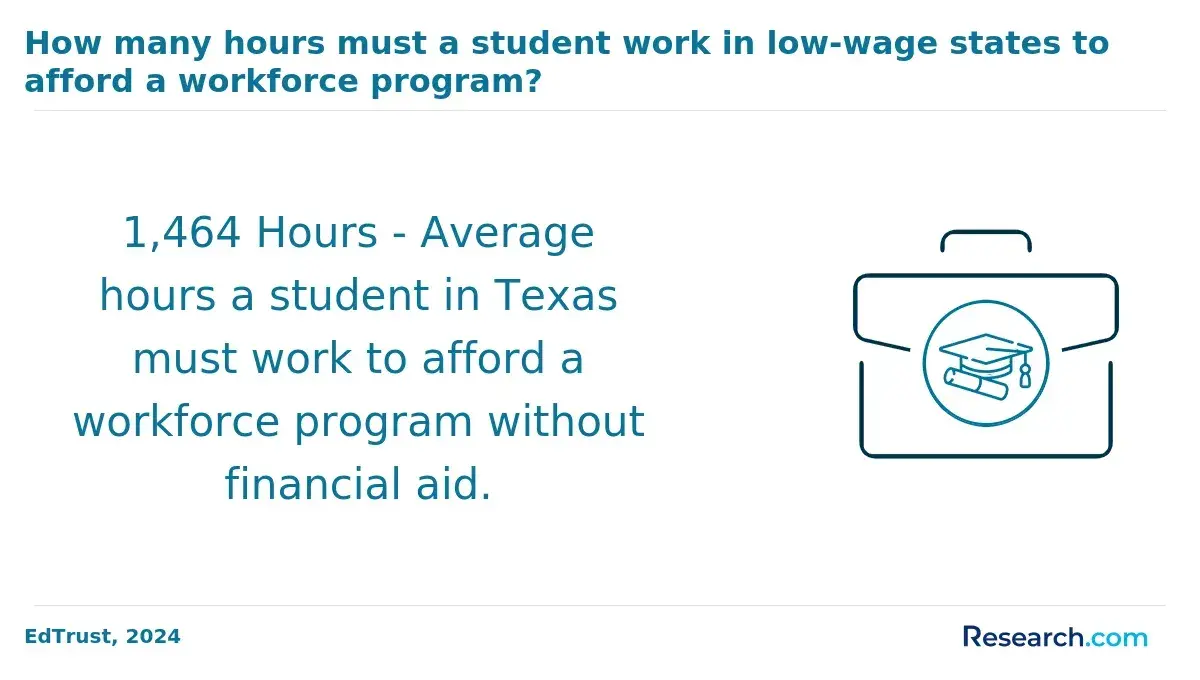
Evaluating the return on investment (ROI) for Grand Canyon University's online Master of Social Work (MSW) - Advanced Standing program requires weighing the financial outlay against realistic income outcomes and debt obligations. The annual cost of attendance, around $37,212 including fees and living expenses, exceeds the Federal Scorecard's in-state campus cost estimate of $31,493, signaling a need for strategic financial planning.
Graduates report median starting salaries near $42,186, which aligns with, but does not significantly surpass, typical entry-level MSW incomes nationally. This relatively narrow margin suggests limited short-term financial gains strictly from salary increases. However, the median student debt of $22,114, paired with a graduate earnings-to-debt ratio of 1.91x, indicates that most alumni earn nearly double their debt burden, a threshold often seen as acceptable risk in professional programs.
Nonetheless, ROI varies depending on factors like scholarships, grants, and the regional job market. Those able to access financial aid or secure employment in sectors like healthcare or nonprofit organizations with higher salary ceilings can see markedly improved returns compared to peers entering lower-paying social services roles.
The program's ROI is also shaped by workforce trends emphasizing licensure and specialized social work competencies that may boost earnings over five to ten years. Prospective students should consider these dynamics and personal financial contexts before committing, recognizing that initial costs may be offset only gradually through incremental salary growth rather than immediate substantial earnings hikes.
Is there a high student satisfaction for Grand Canyon University's online Master of Social Work (MSW) - Advanced Standing program?
Student satisfaction with Grand Canyon University's online master of social work (MSW) - advanced standing program appears mixed and hinges heavily on individual circumstances and expectations. The program's flexibility supports learners balancing work and life commitments, which many find essential for managing a demanding curriculum. Yet, this adaptability can come at the cost of limited real-time interaction, which some students feel diminishes their academic engagement and connection to faculty and peers-elements that can be pivotal in social work education and professional networking.
The online student culture at Grand Canyon University includes access to student organizations and mentoring aimed at fostering community, but the extent to which these resources translate into high satisfaction for MSW students specifically is unclear due to limited program-specific retention data. The university's moderate overall graduation rate signals possible challenges in persistence and completion, reflective either of program demands or the difficulty remote students face in maintaining momentum without in-person support frameworks.
Many learners enrolling in the online MSW program confront the tradeoff between convenience and depth of interaction. While the curriculum's design supports asynchronous study, some students report that workload intensity and limited synchronous engagement can exacerbate the struggle to integrate learning with professional and personal responsibilities.
How does Grand Canyon University help online Master of Social Work (MSW) - Advanced Standing graduates secure employment?
Employment outcomes for social work graduates heavily depend on institutional support structures that extend beyond degree completion. For online Master of Social Work (MSW) - Advanced Standing graduates at Grand Canyon University, this means access to specific career services that directly target the social work labor market-an important advantage given that about 60% of social work professionals find their initial positions through alumni or university networks.
Access to these career resources can materially affect the speed and quality of job placement in a sector where personal connections often outweigh generalized job applications. Students weighing their options should consider how schools enable real-world employment connections as a critical element of return on investment. Below are key resources that GCU employs to assist graduates in securing work:
- Virtual Job Fairs: These online events connect students directly with employers who understand the specialized qualifications of social work candidates, offering opportunities to engage before graduation and expedite hiring processes.
- Resume Workshops: Tailored sessions focus on refining application materials to highlight relevant skills and experiences, improving graduate visibility in competitive social work job markets.
- Job Placement Portal: GCU's niche employment platform features listings expressly for social work roles, streamlining job search efforts within a focused professional community.
- Alumni Mentorship Programs: Pairing current students with experienced practitioners fosters guidance on navigating field-specific hiring landscapes and building meaningful professional networks essential for career sustainability.
Incorporating such career supports helps mitigate some challenges faced by online graduate students, who may lack traditional campus networking opportunities. Given the increasing demand across healthcare and social services systems, graduates also benefit from understanding practical tradeoffs such as program reputation and networking reach, which can influence job prospects immediately after earning the degree.
This focus on employment resources for Grand Canyon University online MSW graduates underscores the value of examining how institutional frameworks impact career trajectories beyond just academic content.easiest associate degrees
What are the career outcomes for recent graduates of Grand Canyon University's online Master of Social Work (MSW) - Advanced Standing?
Career outcomes serve as a crucial metric to assess the practical value of an MSW program, especially when balancing the time and financial investment against realistic job placement and earning potential. For those considering the career prospects for Grand Canyon University MSW advanced standing graduates, understanding the types of roles commonly secured and their associated salaries helps clarify whether the credential aligns with long-term professional goals.
This is particularly important as the social work field demands both licensure and experience to unlock higher-paying clinical opportunities. Here are key career paths typically accessed by graduates of this online MSW advanced standing program:
- Licensed Clinical Social Worker: Graduates often pursue LCSW licensure, enabling clinical therapy roles that involve individual and family counseling, with salaries generally increasing beyond entry levels as specialization and experience grow.
- Case Manager: These professionals coordinate client services across healthcare, child welfare, or rehabilitation, blending administrative and direct support duties with starting salaries reflecting early-career social work norms.
- Program Coordinator: This role focuses on managing social service initiatives and community outreach, requiring organizational skills and a solid grasp of social systems, typically accompanied by salaries consistent with program management within social work settings.
The average alumni salary near $35,775 reflects standard entry-level compensation for advanced social work graduates but also underscores the need to weigh immediate salary expectations against long-term licensing and career development. Many employers prefer candidates with both advanced degrees and clinical credentials, making the pathway beyond graduation a pivotal consideration.
Students analyzing job opportunities after Grand Canyon University online MSW advanced standing program should also consider how program alignment with practical workforce demands compares to alternatives like accelerated college programs that may offer different pacing or specializations.
How do I know if Grand Canyon University's online Master of Social Work (MSW) - Advanced Standing program is the right fit for my goals?
Determining whether Grand Canyon University's online Master of Social Work (MSW) - Advanced Standing program fits your professional and academic goals requires balancing multiple, sometimes competing factors that influence your licensure eligibility and long-term employability. For instance, a candidate aiming for clinical social work licensure in a particular state must verify that the program meets localized accreditation and practicum requirements before committing.
Many students find that weighing curriculum relevancy, delivery format, and support infrastructure together clarifies whether the program's rigor and flexibility align with their career trajectory and personal circumstances. Here are key criteria to evaluate:
- Program Accreditation: Confirming that the MSW program holds Council on Social Work Education (CSWE) accreditation is essential since it directly impacts state licensure eligibility and career mobility. Understanding nuanced state-specific licensing frameworks can prevent wasted time and resources.
- Field Placement and Practical Experience: Access to specialized internships or practicum placements tailored for advanced standing students shapes readiness for immediate employment. Students should investigate how the university supports these connections and whether the placements align with their targeted social work specialties.
- Curriculum Specialization: Assess if the coursework focuses on your intended practice area, such as community advocacy, clinical social work, or policy development, since a generalist curriculum may limit specialized skill development sought by employers.
- Instructional Format and Faculty Engagement: Determine whether asynchronous, synchronous, or hybrid learning modules fit your schedule and learning preferences. Consider the availability of faculty advisement and responsiveness, which substantially affect program completion and academic success.
- Financial and Time Investment: Weigh tuition costs against realistic career outcomes and salary prospects. Flexible pacing options are important for those balancing employment or personal commitments, ensuring academic demands do not compromise life responsibilities.
Prospective students looking closely at Grand Canyon University online MSW advanced standing program admission requirements should remember these involve more than straightforward enrollment criteria; they also reflect readiness for rigorous online study demands.
Career outcomes of Grand Canyon University online MSW advanced standing graduates hinge heavily on how well these factors are matched to individual objectives and regional licensure landscapes. Exploring various degrees for work from home jobs can also broaden perspectives on social work roles compatible with remote or hybrid settings, expanding employability in flexible labor markets.
What Graduates Say About Grand Canyon University's Online Master of Social Work (MSW) - Advanced Standing Program
- Ella: "Studying the master of social work (MSW) - advanced standing program at Grand Canyon University gave me the flexibility to balance work and study since I was already working in the field. What stood out was how the program emphasized practical skills that employers value, especially experience and certifications over just licensure. Although I had to compete heavily for clinical roles without full licensure, the internships I completed through the program opened doors for remote case management positions that fit my lifestyle perfectly."
- Carly: "When I chose Grand Canyon University's master of social work (MSW) - advanced standing, I was focused on a quick return to the workforce with a credible degree. The program's accelerated pace and online structure allowed me to enter advanced roles faster than traditional pathways. However, I later realized that while my salary grew steadily, progression into leadership roles often required additional licensure which wasn't part of the initial plan, pushing me to consider further certifications alongside my experience."
- Autumn: "Reflecting on my time in Grand Canyon University's master of social work (MSW) - advanced standing program, I can say it was challenging but very relevant. The curriculum prepared me to navigate employer preferences that lean heavily on portfolios and hands-on internships instead of solely licensure. After graduation, I had to pivot my focus towards community outreach roles, as competing for clinical positions without full licensure proved difficult. Still, the skills I gained allowed me to build a meaningful career and advocate effectively in non-traditional social work settings."
Other Things You Should Know About Degrees
Yes. MSW programs require supervised field education, and Grand Canyon University’s advanced standing track still includes practicum hours that must be completed at approved sites. Students should confirm placement support, hour totals, and any state-specific field requirements before enrolling.
While coursework is delivered fully online, the program still requires completing field placements in local settings, which must be arranged independently by the student. This hybrid approach means students must be proactive in securing quality practicum sites, a challenge for those without established community contacts. The lack of on-campus resources can make finding and managing these placements more complex, potentially affecting the depth of practical exposure gained.
To enter the Advanced Standing program at Grand Canyon University, applicants must have a Bachelor of Social Work (BSW) degree from a CSWE-accredited program. They should also have a minimum GPA of 3.0 and submit letters of recommendation and a personal statement.
References
- Grand Canyon University Reviews https://www.gradreports.com/colleges/grand-canyon-university
- Careers https://www.gce.com/careers.html
- Career Services https://georgian.edu/academics/career-services/
- Advanced Standing vs. Regular Track MSW Programs https://www.mswhelper.com/blog/advanced-standing-vs-regular-track-msw-programs
- Admission Requirements for MSW Programs: Traditional and Advanced Standing https://www.masterofsocialwork.com/resources/admission-requirements-for-msw-programs
- Best Affordable Master's Degree In Social Work https://www.psychology.org/social-work/best-affordable-masters-programs/
- Advanced Standing Master's in Social Work Programs | MSW Guide https://www.mswguide.org/schools/advanced-standing/
- Grand Canyon University Social Work Major | 78% Acceptance Rate, ROI 60/100 https://www.gradgpt.com/grand-canyon-university/bachelors/social-work
- Best MSW Programs in Arizona - Social Work Education Center https://www.socialworkdegree.net/msw-programs/arizona/
- Grand Canyon University Ranking: What You Need To Know https://www.staging.westernautisticschool.vic.edu.au/vic-news/grand-canyon-university-ranking-what-you-need-to-know-1767648806