2027 Cheapest and Shortest Online Food Industry Management Degree Programs That Pay Well: Cost, Duration, and Salary Outlook

Co-Founder and Chief Data Scientist
Choosing an online food industry management degree usually comes down to three questions: Can you afford it, can you finish it quickly, and will it help you qualify for better roles in food service, food production, distribution, quality assurance, or operations? For working adults, career changers, and current food industry employees, the right program should reduce time away from work while still providing credible management training.
Online options have expanded significantly, with enrollment in online programs increasing by nearly 30% over the past decade. That growth gives students more flexibility, but it also makes comparison harder. Low tuition and a short timeline are useful only if the program is accredited, the curriculum is relevant, and the school can clearly explain costs, transfer policies, student support, and career outcomes.
This guide explains what affordable and accelerated online food industry management degrees typically cost, how financial aid works, what the shortest formats look like, which skills students build, how to judge program legitimacy, and what career outcomes graduates may pursue.
Key Benefits of the Cheapest and Shortest Online Food Industry Management Degree Programs That Pay Well
- Online food industry management degrees often reduce tuition costs by up to 40% compared to traditional programs, easing financial burdens while maintaining quality education.
- Accelerated online programs enable completion in as little as 12 months, allowing faster entry into the workforce and quicker career advancement opportunities.
- Graduates typically experience a strong return on investment, with median salaries around $65,000 annually, reflecting growing demand for skilled management in the food sector.
How Much Does an Affordable Online Food Industry Management Degree Typically Cost?
An affordable online food industry management degree commonly costs less than a comparable on-campus program because students can avoid housing, commuting, and some campus-based expenses. Tuition still varies widely by school type, residency status, transfer credit, and program length. Online tuition fees have also increased gradually, averaging just 1.5% annually in recent years, so applicants should confirm the current published rate before enrolling.
| Cost factor | What students should expect | Why it matters |
| Total tuition | Total tuition usually falls between $15,000 and $30,000, depending on the institution and program length. | This is the main number to compare, but it should be reviewed alongside fees, transfer credits, and financial aid. |
| Cost per credit hour | Most programs bill between $300 and $600 per credit. | Per-credit pricing helps students estimate costs if they transfer credits, study part time, or change course loads. |
| Public vs. private pricing | Public universities often offer lower in-state rates, while private schools may charge more but can still be competitive with traditional campus programs. | The cheapest advertised option is not always the lowest final cost after aid, fees, and transfer evaluation. |
| Online-related savings | Online study can reduce commuting, housing, and some campus fees. | These savings can make a program more manageable for working adults and students with family responsibilities. |
| Additional fees | Students should budget for technology fees, course materials, and possible proctoring charges, which can add several hundred dollars per semester. | Fees can change the real cost of a “low-tuition” program. |
Before applying, ask each school for a full cost-of-attendance estimate rather than relying only on the tuition page. Also confirm whether tuition changes by residency, whether accelerated terms cost more, and whether previous college credits can reduce the number of courses you must complete.
Students comparing broader business pathways may also want to review online MBA programs, especially if they are considering long-term management roles beyond the food sector.
Can You Get Financial Aid in the Cheapest Online Food Industry Management Programs?
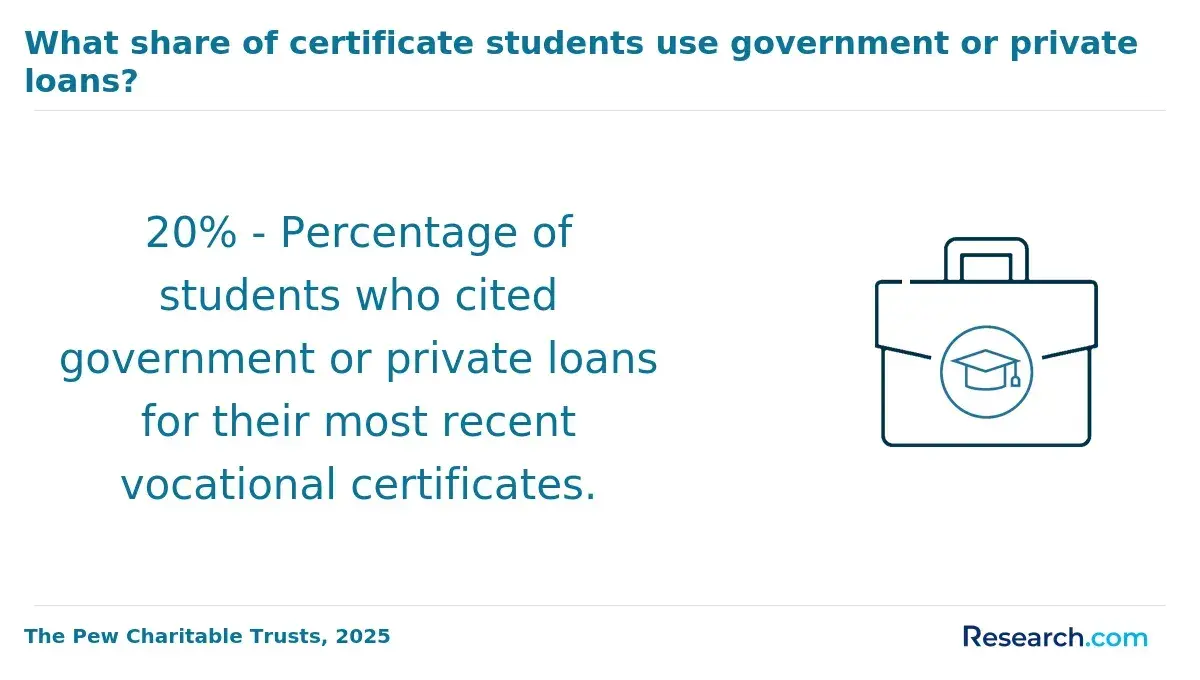
Yes. Students in the cheapest online food industry management programs may qualify for financial aid if the school and program meet eligibility requirements. Recent data shows that about 85% of undergraduate online students received some form of financial aid, which means distance learners should not assume that online study excludes them from assistance.
The most important first step is to complete the FAFSA promptly. That application helps determine eligibility for federal aid and is often required by colleges when awarding institutional aid.
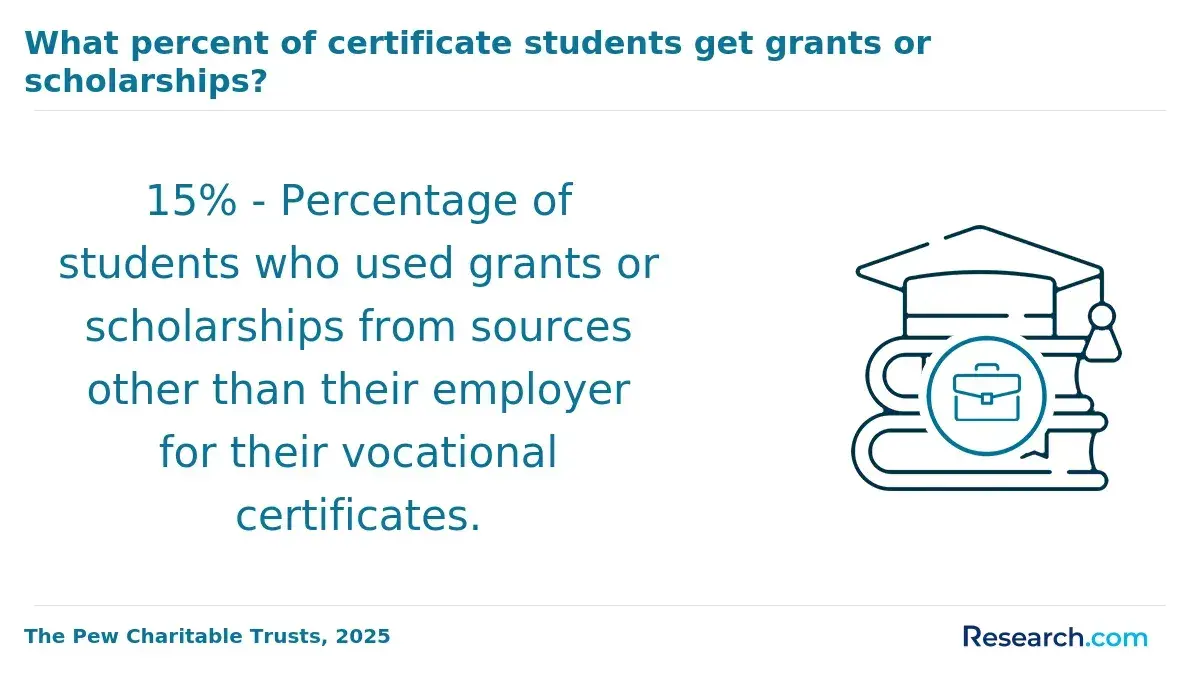
- Federal grants: Need-based grants, including Pell Grants, do not require repayment and can lower the net cost for eligible students.
- Scholarships: Colleges, foundations, and industry organizations may offer scholarships based on academic performance, financial need, career goals, or interest in food industry careers.
- Direct federal student loans: Federal loans may provide repayment protections and lower interest rates than many private alternatives, but they still require repayment and should be borrowed carefully.
- Employer tuition assistance: Working adults should ask whether their employer reimburses tuition, pays directly for approved coursework, or offers education benefits tied to promotion paths.
Financial aid can make programs with tuition costs averaging between $200 and $400 per credit more accessible, but students should compare the net price after aid rather than the advertised tuition alone. A low-cost program with limited aid may cost more out of pocket than a higher-priced program that offers stronger grants, scholarships, or employer partnerships.
When comparing fast-track credentials, students may also find it useful to examine how other accelerated pathways, such as an accelerated psychology degree, structure aid, pacing, and transfer credit.
What Are the Shortest Online Food Industry Management Degree Programs?
The shortest online food industry management degree programs are usually accelerated associate or bachelor’s pathways that use condensed terms, year-round scheduling, transfer credit, or competency-based progression. Nearly 30% of online learners complete their programs faster than traditional timelines because flexible scheduling and continuous enrollment can reduce downtime between courses.
- Short-term associate degrees: These programs typically last 12 to 18 months and focus on practical foundations such as food safety, supply chain operations, quality control, and basic management skills. They can be a good fit for students seeking entry-level advancement or a lower-cost stepping stone toward a bachelor’s degree.
- Bachelor's degrees in 18 to 24 months: Accelerated bachelor’s programs often work best for students who already have transferable college credits. Compact, continuous terms and modular coursework can shorten completion time compared with traditional four-year tracks.
- Competency-based formats: These programs allow students to move ahead after demonstrating mastery. They may benefit experienced food service, hospitality, logistics, or operations professionals who already understand parts of the curriculum.
Costs generally range from $200 to $400 per credit. A shorter program can reduce total time in school, but it does not automatically reduce tuition unless the student transfers credits, completes courses efficiently, or avoids repeating requirements. Graduates of these programs typically enter the food industry with median salaries between $50,000 and $75,000, depending on role, employer, location, and experience.
Students who later want executive-level or organizational leadership credentials may also compare advanced options such as an online PhD leadership degree.
What Is the Typical Format of the Shortest Online Food Industry Management Degree Programs?
The shortest online food industry management programs are usually built around compressed courses and frequent start dates. Instead of taking several courses over a long semester, students often focus on fewer subjects at a time and move through terms quickly. Research shows that 65% of learners in such programs favor a blend of self-paced study and scheduled live engagement because it combines flexibility with instructor and peer interaction.
| Format feature | Typical structure | What students should consider |
| Term length | Courses are commonly delivered in modular segments lasting typically 5 to 8 weeks. | Short terms can accelerate progress, but missed deadlines are harder to recover from. |
| Course delivery | Most content is asynchronous, with some programs adding live discussions, virtual office hours, or scheduled presentations. | Students who need maximum flexibility should ask how often live attendance is required. |
| Weekly commitment | Students often spend 12 to 18 hours weekly on lectures, readings, discussions, projects, and assessments. | Accelerated study requires consistent weekly availability, especially for working adults. |
| Interaction | Programs may use discussion boards, group projects, peer feedback, and instructor check-ins. | Interaction can improve accountability and help students apply concepts to workplace scenarios. |
This format is best for students who can plan their schedules in advance, keep up with weekly assignments, and learn independently. Students who prefer long review periods or lighter weekly workloads may find a standard online timeline more manageable.
How Do Online Classes Work for Accelerated Food Industry Management Degrees?
Online classes in accelerated food industry management degrees combine digital coursework with a faster academic calendar. Students usually complete readings, video lessons, discussions, quizzes, case studies, and projects through a learning management system. Over 75% of programs reported graduation rates of 60% or higher in 2022, showing that condensed online formats can work when students receive clear structure and support.
- Flexible delivery: Most coursework is asynchronous, so students can watch lectures, review materials, and submit assignments around work schedules. Some programs also include scheduled synchronous sessions such as live discussions, Q&A meetings, or presentations.
- Condensed pacing: Courses often run between 5 to 8 weeks each. Students usually take one or two courses at a time, which can make the workload more focused while still shortening the overall timeline.
- Steady weekly deadlines: Accelerated courses rarely allow students to wait until the end of the term. Assignments, discussions, and assessments are typically spaced throughout the course to keep progress consistent.
- Instructor and peer communication: Students communicate through discussion boards, email, video calls, group work, and feedback tools. Strong communication matters because food industry management often involves team leadership, operational decisions, and cross-functional coordination.
- Cost efficiency: The average per-credit cost ranges from $250 to $450. The accelerated format may further reduce indirect costs by helping students finish sooner, but students should still calculate total tuition and fees.
Before enrolling, review a sample course schedule if the school provides one. Look for information about exam proctoring, required software, group project expectations, and how quickly instructors respond to questions.
What Skills Do Students Gain from a Shortest-Track Online Food Industry Management Degree?
A shortest-track online food industry management degree should help students build practical skills for supervising people, controlling costs, improving operations, and meeting food safety and quality expectations. Employment for food service managers trained in such programs is projected to grow faster than average, reflecting employer demand for graduates who can combine business judgment with food-sector knowledge.
- Technical expertise: Students may learn to use inventory management systems, data analytics tools, scheduling systems, and reporting processes used to monitor purchasing, labor, waste, and product flow.
- Regulatory knowledge: Coursework typically addresses food safety laws, quality control procedures, sanitation expectations, and compliance practices that protect customers and reduce operational risk.
- Communication and leadership: Students practice supervising teams, communicating expectations, resolving conflicts, training staff, and coordinating work across kitchen, service, production, logistics, or administrative teams.
- Critical thinking and problem-solving: Programs often use case studies and applied projects to help students evaluate operational problems, compare possible solutions, and make decisions under time and cost constraints.
- Time-management abilities: Accelerated coursework itself requires disciplined scheduling, which mirrors the fast-paced nature of food service, production, and distribution environments.
The strongest programs connect these skills to real workplace scenarios. Look for assignments involving menu costing, supply chain disruption, safety audits, staffing challenges, customer service problems, or process improvement.
Are Cheap and Fast Online Food Industry Management Degree Programs Considered Legitimate?
Cheap and fast online food industry management programs can be legitimate, but students should verify quality before enrolling. A short timeline, including programs that may promise completion in as little as 12 to 18 months, is not automatically a red flag. The concern is whether the school is accredited, transparent about costs, realistic about outcomes, and academically serious.
- Accreditation: Regional or national accreditation is essential because it signals that the institution meets recognized educational standards. It can also affect credit transfer, financial aid eligibility, and employer acceptance.
- Faculty qualifications: Credible programs use instructors with appropriate academic credentials and relevant experience in food service, food production, supply chain, quality assurance, hospitality, or management.
- Curriculum quality: A legitimate curriculum should cover core areas such as food safety, supply chain management, operations, leadership, budgeting, quality control, and regulatory issues.
- Licensing and certification eligibility: Where applicable, reputable programs explain whether coursework supports professional licenses or certifications that may improve career prospects.
- Industry recognition and outcomes: Programs with strong employer relationships, practical learning opportunities, or employment rates typically 70% or higher may offer stronger credibility and return on investment.
Students should be cautious of schools that advertise unrealistic job guarantees, hide fees, pressure applicants to enroll immediately, or refuse to provide accreditation details. A legitimate low-cost program should make it easy to verify its status, curriculum, faculty, transfer policy, and student support services.
What Are the Highest-Paying Roles for Online Food Industry Management Degree Graduates?
Online food industry management graduates can qualify for roles that combine operations, people management, compliance, and business decision-making. The highest-paying paths usually require more responsibility, experience, and specialized knowledge in production, quality assurance, or supply chain management.
| Role | What the role involves | Typical salary information |
| Food Service Directors | Oversee large-scale dining operations in hospitals, universities, corporate cafeterias, or similar settings; manage staff, budgets, service quality, and food safety protocols. | Typical median salaries are around $60,000 to $75,000 annually. |
| Quality Assurance Managers | Lead quality control processes, monitor compliance with food safety regulations, investigate issues, and help maintain production or distribution standards. | Their median salary ranges between $70,000 and $90,000, influenced by company size and industry sector. |
| Supply Chain Managers | Coordinate logistics, purchasing, inventory, vendor relationships, and product flow within food production, distribution, or retail environments. | Average salaries fall between $65,000 and $95,000, often rising with involvement in larger or international firms. |
| Food Production Managers | Oversee processing plants or production operations while balancing efficiency, staffing, safety, quality control, and regulatory compliance. | Experienced professionals in this role can earn between $80,000 and over $110,000 per year. |
Higher salaries usually reflect a mix of sector-specific expertise, leadership skill, measurable operational impact, and experience. Students aiming for these roles should prioritize programs with coursework in analytics, quality systems, supply chain strategy, budgeting, and regulatory compliance.
For broader salary comparisons across fields, students can review what degrees make the most money and compare food industry management with other business, operations, and technical majors.
What Is the Job Placement Rate for Online Food Industry Management Graduates?
Job placement rates for online food industry management graduates often range from 75% to 90% within six months of graduation. These outcomes reflect growing acceptance of online credentials, continued demand across food service and food manufacturing, and the value of practical training. However, students should confirm how each school defines and measures placement before relying on the number.
- Industry demand: The food industry needs managers in production, distribution, service, retail, and support operations. This broad demand can create opportunities for graduates with relevant management and compliance skills.
- Program reputation: Accredited and well-regarded online programs may have stronger employer recognition, especially when the curriculum is rigorous and aligned with food industry needs.
- Internship opportunities: Internships, cooperative education, applied projects, or employer-connected assignments can improve readiness and make graduates more competitive.
- Alumni connections: Active alumni networks can provide mentorship, referrals, job leads, and insight into hiring expectations across the food sector.
Research by the Bureau of Labor Statistics projects a 5% growth in management roles in food manufacturing and service sectors over the next decade. Median salaries hover around $56,000 annually, with experienced grads advancing to six-figure corporate roles. Applicants should ask schools for placement data by program, not just institution-wide averages, and should check whether the reported rate includes full-time jobs, part-time jobs, promotions, continuing education, or jobs outside the field.
Cost-conscious learners who want a lower-cost starting point can also compare the easiest associates degree to get with food industry management pathways that match their career goals and budget.
How Do You Choose the Best Cheap Online Food Industry Management Degree Program?
The best cheap online food industry management degree is not simply the one with the lowest tuition. It is the program that offers credible accreditation, relevant coursework, realistic completion time, strong student support, and a cost that makes sense compared with likely career outcomes.
- Check accreditation first: Make sure the institution is properly accredited. Also look for recognized business-related accreditation, such as from the Accreditation Council for Business Schools and Programs (ACBSP), when available.
- Review curriculum depth: Strong programs cover supply chain management, food safety, operations, quality control, industry-specific marketing, budgeting, leadership, and compliance. Avoid programs that are too general if your goal is food-sector advancement.
- Compare program length honestly: Affordable accelerated programs often last 12 to 24 months, but the actual timeline depends on transfer credits, course load, term availability, and your weekly schedule.
- Evaluate student support: Career advising, internship help, tutoring, academic coaching, and networking opportunities can affect whether students finish on time and move into better roles.
- Analyze return on investment: Median salary prospects generally start near $50,000 and rise above $85,000 for experienced managers. Compare those outcomes with tuition cost per credit, usually between $200 and $500, plus fees and lost time.
Before making a final decision, request a degree plan, ask how many credits you can transfer, confirm all required fees, and find out whether courses are offered often enough to support an accelerated schedule. A program that looks cheap can become expensive if courses are unavailable, credits do not transfer, or support is weak.
What Graduates Say About Their Cheapest and Shortest Online Food Industry Management Degree
- Callix: "I found the affordable and fast online food industry management degree practical for my busy schedule, especially with tuition fees averaging well below traditional programs. The flexibility helped me build essential management skills and move into a managerial role with a reputable restaurant chain. The cost felt manageable compared with the career growth I experienced, and I would recommend this path to students who can stay organized in an accelerated format."
- Sage: "After comparing several options, I chose an online food industry management program because it combined cost-effectiveness—around $5,000 total—with coursework tied to real workplace problems. The concise format allowed me to apply what I learned almost immediately, which helped me take on new responsibilities at work. The degree improved both my confidence and my ability to make better operational decisions."
- Jules: "The streamlined and budget-friendly online food industry management degree made sense because I needed to keep working while studying. The total cost was significantly lower than the on-campus alternatives I reviewed, and the credential helped me transition into supervisory roles. For anyone serious about food service leadership, it can be worthwhile if the program is accredited and fits your schedule."
Other Things You Should Know About Food Industry Management Degrees
Financial aid options for online food industry management degree programs in 2027 include federal financial aid, scholarships from institutions offering these programs, or food industry-specific grants. Students should also explore state-specific aid programs and private scholarships related to the food industry.
In 2027, most online food industry management programs require a high school diploma or equivalent, a completed application form, letters of recommendation, and sometimes English proficiency tests. Specific requirements vary by institution, so check individual program websites for precise details.
References
- Study Food Industry Management in the USA https://www.studyusa.com/en/field-of-study/395/food-industry-management
- Here’s What to Do With a Food Science Degree: The Complete Career List | Innopharma Education https://www.innopharmaeducation.com/blog/heres-what-to-do-with-a-food-science-degree-the-complete-career-list
- 13 Great Careers in the Food Industry https://www.escoffier.edu/blog/culinary-pastry-careers/13-great-careers-in-the-food-industry/
- Pardon Our Interruption https://www.coloradotech.edu/degrees/bachelors/management/food-service-management
- Online Culinary Arts & Food Operations | Institute of Culinary Education https://www.ice.edu/online-programs/online-culinary-arts-food-operations-associate-degree
- Food Business Leadership https://www.ciachef.edu/cia-online-food-business-leadership-bachelors-degree-program/
- Online Master’s in Food Business - CIA School of Graduate and Professional Studies https://masters.culinary.edu/food-business-masters-degree/
- Online Bachelor′s in Hospitality Management (BBA) https://www.monroeu.edu/student-life/online-experience/online-bachelors-hospitality-management-bba
- Highest-paying business careers with a hospitality degree https://www.glion.edu/magazine/highest-paying-business-careers-hospitality-degree/
- The highest paying jobs with a culinary degree https://www.ecoleducasse.com/en/blog/highest-paying-jobs-culinary-degree