2027 Online Agriculture Bachelor's Degree Programs Under $10,000

Co-Founder and Chief Data Scientist
Many working professionals face the challenge of advancing their careers without incurring overwhelming debt. This is especially true for those seeking an online agriculture bachelor's degree under $10,000, where affordable options are limited yet highly sought after.
Current data shows that enrollment in affordable online agriculture programs has grown by 35% over the past five years, indicating rising demand for cost-effective, flexible education in this sector. This article outlines the best accredited online agriculture bachelor's degree programs that fit a budget under $10,000-helping students identify practical pathways to pivot into agriculture without financial strain.
Key Things to Know About Online Agriculture Bachelor's Degree Programs Under $10,000
- Programs under $10,000 dramatically reduce student debt, enabling affordable access to quality education without compromising financial stability post-graduation.
- These degrees offer a strong return on investment, with agriculture graduates reporting median salaries above $55,000 within five years, according to recent labor statistics.
- Flexible scheduling and transfer credit options accommodate working adults and first-generation students, supporting career changes and degree completion at an individualized pace.
What Are the Most Affordable Accredited Online Agriculture Bachelor's Degree Programs Under $10,000?
Defining an online agriculture bachelor's degree program under $10,000 means focusing on the total cost for tuition across all required credits to graduate. Many programs list a low per-credit rate, but total expenses can exceed budget limits when added up. Accreditation remains a non-negotiable baseline for any budget-conscious student, ensuring both academic quality and eligibility for federal financial aid.
Regional accreditors like the Higher Learning Commission (HLC), Southern Association of Colleges and Schools Commission on Colleges (SACSCOC), and Western Association of Schools and Colleges (WASC) validate the integrity of these programs, with some offering additional discipline-specific accreditation to enhance value.
- Fort Hays State University: Offers an online Bachelor of Science in Agriculture at about $9,000 total. The tuition rate is $226 per credit for 120 credits, and the university holds HLC accreditation.
- Valdosta State University: Features an online agriculture Bachelor's through its College of Science and Mathematics with total tuition near $7,500. The rate is approximately $177 per credit, requiring 130 credits. Accredited by SACSCOC.
- Oregon State University (Ecampus): Charges roughly $300 per credit for its agriculture-related degrees, but scholarships can lower total costs to just under $10,000. Accredited by the Northwest Commission on Colleges and Universities.
- University of Florida: Offers a degree completion program online that costs about $9,900 total. Tuition is around $129 per credit hour, accepting about 75 transfer credits. Accredited by SACSCOC.
- Fort Valley State University: An accredited HBCU with a 120-credit online agriculture science program costing approximately $9,500. Tuition runs about $200 per credit hour.
- Walla Walla University: Provides a Bachelor of Science in Agriculture at about $8,800 total, charging near $185 per credit with regional accreditation from the Northwest Commission.
- McNeese State University: Tuition is approximately $205 per credit and totals about $9,200 for an online agriculture degree requiring 45 credits. Accredited by SACSCOC.
- Columbia Southern University: Offers a fully online agriculture Bachelor of Science with flat tuition near $8,500 for 120 credits. Accredited by the Distance Education Accrediting Commission (DEAC).
These most affordable accredited online agriculture bachelor's degree programs in the United States differ from mid-range options primarily in scope of resources and faculty availability. While they may offer fewer extensive research opportunities and campus services, many maintain solid curriculum standards and flexible policies for transfer credits and prior learning assessments.
Financial aid, military benefits, and scholarship options further support cost savings. Graduate salaries vary widely by specialization, but according to U.S. Bureau of Labor Statistics data, median incomes range broadly between $40,000 and $70,000 annually. Prospective students should evaluate programs carefully to balance affordability with educational quality and career outcomes, and can explore more about choosing a program in college that fits their goals.
How Do Tuition Costs for Online Agriculture Bachelor's Programs Under $10,000 Compare Across Public and Private Universities?
Comparing online agriculture bachelor's degree tuition costs under $10,000 reveals notable distinctions between public and private nonprofit universities. These differences arise mainly from tuition structures, funding sources, and program delivery methods, which influence affordability and flexibility for working adults and first-generation students alike.
- Tuition Rates: Public universities typically charge lower per-credit tuition for in-state students, usually ranging between $150 and $300, thanks to state subsidies that offset operational expenses. Private nonprofit institutions often have higher per-credit fees-from $300 up to $400-but can keep overall costs below $10,000 by offering accelerated degree paths or bundling credits efficiently.
- Total Program Length: Public programs tend to require 120 to 130 credits for graduation, maintaining standard length. Private schools may employ competency-based or accelerated formats that reduce total credits needed, which helps lower aggregate tuition despite higher per-credit rates.
- State Subsidies and Funding: Public universities benefit from government funding allowing significant discounts for in-state residents. In contrast, private nonprofits rely more heavily on tuition revenue and private donations, which influences sticker prices but often pairs with flexible institutional aid.
- Financial Aid and Flexibility: Private nonprofit schools generally offer more diverse scholarships and adaptable financial aid packages, which work to lessen net tuition costs. Public institutions may provide fewer targeted scholarships, but their lower base fees offer inherent affordability.
- Enrollment Size and Economies of Scale: Larger public universities spread fixed costs across many students, preserving affordability. Smaller private institutions may focus on personalized instruction or niche program models, which can raise costs unless offset by shorter or more flexible credit requirements.
- Program Delivery Format: Both types of institutions utilize synchronous and asynchronous online learning, but private nonprofits may incorporate advanced technologies and individualized coaching, impacting tuition structure and value.
- When Private Is Comparable: Private nonprofits achieve competitiveness when they adopt accelerated models and generous credit transfer or prior learning assessments, enabling total tuition costs under $10,000. This scenario especially applies when comparing private costs to public out-of-state tuition rates, narrowing or even reversing the cost gap.
Choosing an affordable agriculture degree program involves weighing these factors carefully. Prospective students should also review graduation outcomes and salary data to ensure a strong return on investment. For more details on affordable programs and financial comparisons, consider exploring affordable masters programs that provide insights into cost-effective online education choices.
What Is the Typical Duration of an Online Agriculture Bachelor's Degree Under $10,000, and How Can Students Graduate Faster?
Most agriculture bachelor's degrees follow a 120-credit curriculum designed for completion in about four years by full-time students, based on two 15-week semesters annually. However, affordable programs under $10,000 often modify this structure to help reduce expenses and accommodate working adults.
Programs aiming for ultra-affordability commonly incorporate accelerated formats such as eight-week courses, allowing students to handle more classes yearly compared to the traditional semester system. Continuous enrollment options during summer and winter sessions enable learners to avoid extended breaks, effectively shortening the time to graduate. Additionally, competency-based education models assess a student's mastery rather than time spent in class, benefiting those with relevant experience or prior credit.
- Standard Credit Requirements: A typical agriculture bachelor's degree demands around 120 credits, generally completed within four years at a steady pace, but this can vary with program design.
- Accelerated Terms: Shorter course periods of eight weeks permit students to increase their annual course load, helping them graduate faster and save on tuition.
- Year-Round Enrollment: Availability of summer and winter sessions provides continuous study options, minimizing gaps and speeding up degree completion.
- Competency-Based Paths: Programs that validate prior skills and knowledge can reduce the time needed by focusing on what students already know, a great fit for career changers or experienced professionals.
- Institution Examples: Universities such as Fort Hays State University and Thomas Edison State University offer online agriculture bachelor's degrees under $10,000, with average completion times between three and four years, depending on course load and transfer credits.
A professional who enrolled in one of these sub-$10,000 online agriculture bachelor's programs after military service shared that balancing coursework with a full-time job and family required a disciplined approach.
He mentioned feeling initially overwhelmed by the accelerated pace but grew confident as he leveraged prior knowledge through competency-based assessments. "Completing the degree faster not only saved money but also let me start my new career sooner," he recalled. His experience highlights how flexible schedules and credit recognition can ease the path for adult learners seeking affordable, expedited degree completion.
Which Online Agriculture Bachelor's Programs Under $10,000 Offer the Best Earning Potential After Graduation?
Among affordable accredited agriculture programs with strong graduate salaries, certain concentration tracks tend to yield higher median earnings after graduation, according to data from the Bureau of Labor Statistics (BLS) and PayScale. Selecting the right focus can maximize the return on a sub-$10,000 investment in an online agriculture degree.
- Agribusiness Management: Emphasizes the business operations within agriculture such as marketing, finance, and supply chain logistics. Graduates commonly become agricultural managers, earning a median salary near $77,000 as reported by the BLS. These roles are critical in sectors handling production and distribution.
- Food Science and Technology: Prepares students for careers involving food safety, quality control, and innovation. Median wages for food scientists and technologists typically range between $70,000 and $80,000, supported by growing demand in regulatory compliance and product development.
- Environmental and Soil Science: Focuses on sustainable land use and environmental consulting, with median earnings around $65,000. These professionals play a vital role in advancing eco-friendly agricultural practices.
- Animal Science: Concentrates on livestock management and research. Median salaries are about $60,000, though specialized roles in veterinary sciences or consulting may offer higher pay.
Students benefit from programs offering flexible transfer credit and prior learning assessments to reduce time and costs. Regional accreditation and verified graduate outcomes enhance employability prospects. For those weighing options, examining these concentration tracks alongside cost-effective programs can help identify one of the best online degree programs in agriculture bachelor degrees with high earning potential.
What Financial Aid and Scholarship Opportunities Can Reduce an Online Agriculture Bachelor's Degree Cost Below $10,000?
Financing an online agriculture bachelor’s degree becomes much more manageable when students combine multiple sources of financial aid. Grants, scholarships, and low-interest federal loans can work together to significantly reduce tuition costs and improve affordability. With early FAFSA submission and proactive scholarship applications, students can build a strong financial plan that minimizes debt and makes earning a degree far more accessible.
Federal Pell Grants: Awarded based on financial need through the FAFSA, these grants require no repayment and often cover a large portion of tuition for eligible students. They form a critical foundation in lowering overall costs.
Subsidized Federal Loans: These loans do not accrue interest during at least half-time enrollment, offering affordable borrowing once grant options have been exhausted. They help bridge funding gaps with manageable repayment terms.
State-Based Grants: Many states provide need- or merit-based grants exclusive to residents pursuing agriculture degrees. These awards can be combined with federal aid to further reduce net expenses.
Institutional Scholarships: Colleges frequently offer scholarships targeting online agriculture students, often recognizing academic performance, leadership, or involvement in agriculture-related initiatives. Checking with the school's financial aid office is essential to uncover these opportunities.
Professional Association Scholarships: Organizations such as the National FFA Organization and the American Society of Agronomy grant scholarships focused on agriculture fields, emphasizing community service or career ambitions within the profession.
Stacking various aid forms - grants, scholarships, and subsidized loans - can reduce net program costs well below $10,000. FAFSA completion early each year and applying broadly to local, state, and national scholarships maximize free financial support before borrowing. According to the College Board's Trends in Student Aid, aid packages for programs around this cost commonly combine grants, work-study, and low-interest loans to cover most expenses.
One professional who completed an online agriculture bachelor's degree under $10,000 recalled the initial stress of navigating financial aid despite limited time from work and family commitments. "It felt overwhelming to track deadlines and documents while balancing daily life," she said, but persistence paid off.
She carefully pursued multiple scholarships and relied heavily on Pell Grants, which eliminated much of her tuition cost. "By layering these aid sources strategically, I avoided accumulating burdensome debt and could focus on my studies and deployment readiness." Her experience highlights how thorough planning and early action open the door to affordable agriculture degrees for military students.
How Many Transfer Credits Do Online Agriculture Bachelor's Programs Under $10,000 Accept, and How Does This Reduce Total Cost?
Transfer credit policies play a crucial role in reducing costs and shortening completion times for online agriculture bachelor's degree programs priced under $10,000. Schools that allow students to transfer a significant number of credits earned at previous institutions, via exam credits, or through military training enable learners to avoid redundant coursework. This flexibility substantially lowers tuition expenses and accelerates degree attainment.
Programs permitting up to 90 transfer credits stand out, since a standard bachelor's degree generally requires about 120 credits. Transferring 90 credits means only 30 credits remain to be completed, potentially slashing tuition by more than 75%. Additionally, many institutions accept credits earned through CLEP (College-Level Examination Program) and DSST (DANTES Subject Standardized Tests), which assess subject mastery without additional class time.
Military service members benefit further when schools recognize military training for credit, converting experience into academic progress. This recognition is particularly valuable in affordable programs, helping reduce time enrolled and new tuition charges.
Before applying, it's wise to audit your existing credits by gathering official transcripts and reviewing transfer policies. Many universities offer tools and advisors to help assess which credits qualify. Having this information upfront helps avoid unexpected costs and refines your budget estimates.
- Fort Hays State University: Accepts up to 90 transfer credits, credits from CLEP and DSST exams, plus military training, making it a budget-friendly choice.
- University of the People: Facilitates degree completion by awarding credit for prior learning and maintaining a high cap on transferable credits.
- Excelsior College: Recognized for large transfer credit acceptance including military experience and standardized exams.
- Western Governors University: Combines competency-based education with transfer credits and prior learning assessments to minimize costs.
For example, if tuition costs $300 per credit and a student transfers 60 credits, they pay for only 60 credits, reducing expenses by 50% or more. Such credit transfer strategies are essential for working adults and first-generation students seeking accessible agriculture bachelor's degrees under $10,000.
What Accreditation Should an Online Agriculture Bachelor's Program Under $10,000 Have to Ensure Quality and Employer Recognition?
Regional accreditation is the most respected and widely recognized form of accreditation among employers and graduate schools in the Agriculture field. It ensures that institutions meet high academic standards, which is crucial for students seeking affordable online Agriculture bachelor's degree programs under $10,000. Primary regional accrediting bodies include:
- Higher Learning Commission (HLC): Covers many Midwestern schools with a focus on academic quality and institutional improvement.
- Southern Association of Colleges and Schools Commission on Colleges (SACSCOC): Oversees institutions in the Southern U.S., known for thorough quality assurance.
- New England Commission of Higher Education (NECHE): Accredits schools in the Northeastern U.S., emphasizing comprehensive academic standards.
In addition to regional accreditation, some affordable Agriculture programs may hold programmatic accreditation from organizations like the American Society of Agronomy or the Association of Technology, Management, and Applied Engineering, which further confirm alignment with industry standards.
Programs with only national accreditation or no accreditation often have limited credit transferability and can be viewed negatively by employers. This may create barriers to career advancement despite low tuition costs. Verifying accreditation status through the U.S. Department of Education's accreditation database is a vital step to avoid scams and ensure program quality.
Recent data shows that enrollment in affordable, regionally accredited online Agriculture degrees has increased by over 15% in the last five years, reflecting a rising demand for flexible, cost-effective education options in this sector.
What Are the Admission Requirements for Online Agriculture Bachelor's Programs Priced Under $10,000?
Admission requirements for online agriculture bachelor's programs under $10,000 vary but share common elements aimed at balancing accessibility with academic readiness. Most programs require a high school diploma or GED equivalency.
Minimum GPA thresholds commonly range from 2.0 to 2.5; however, many affordable institutions offer open-admission or rolling-admission policies to increase access for working adults, first-generation college students, and those changing careers. These flexible admissions approaches often waive standardized test scores like the SAT or ACT to reduce barriers.
Applicants should review prerequisite courses-typically foundational classes in biology, chemistry, or mathematics-that ensure preparedness for the core agriculture curriculum. Schools frequently accept transfer credits and offer prior learning assessments, which can accelerate degree completion and lower costs.
More selective programs maintain higher academic standards and enhanced support services but may impose stricter deadlines and a competitive admissions process. Students weighing eligibility criteria for affordable online agriculture degrees should consider these trade-offs carefully, as selective programs might carry stronger employer recognition.
Applicants who do not meet minimum GPA requirements can strengthen their candidacy through relevant work experience, recommendation letters, or supplemental coursework. Crafting clear personal statements articulating career goals and motivation can further improve acceptance chances.
Prospective students should thoroughly research program policies to ensure the best fit with their academic backgrounds and professional ambitions. For those interested in related pathways, exploring online clinical mental health counseling programs may offer additional career options.
- Minimum GPA: Most programs require between a 2.0 and 2.5 GPA, but open-admission schools may waive this, focusing on broad access.
- High School Credential: A diploma or GED is universally required for bachelor's degree consideration in agriculture.
- Standardized Tests: Many programs do not require SAT/ACT scores, especially those with rolling or open admissions.
- Prerequisite Courses: Foundational classes in sciences and math may be needed to ensure preparedness for core agriculture curriculum.
- Admission Policies: Open-admission options offer flexibility and accessibility, while selective schools provide structured academic rigor and enhanced support.
- Application Strengthening: Relevant work experience, recommendations, and personal statements can offset weaker academic records.
How Do Online Agriculture Bachelor's Programs Under $10,000 Support Student Success Through Advising and Career Services?
Online agriculture bachelor's degree programs under $10,000 provide valuable student advising and career services tailored to adult learners and budget-conscious students. These programs emphasize academic advising that creates clear, customized degree pathways, including transfer credit evaluation and prior learning assessments, helping students reduce time to graduation and overall costs. Integrating strong student support helps these programs maintain high satisfaction and graduation rates.
- Comprehensive Academic Advising: Many affordable online agriculture bachelor's programs student advising includes dedicated advisors guiding course selection, degree progress, and alignment with career goals, helping students avoid unnecessary courses and graduate on time.
- Accessible Tutoring and Mentorship: Institutions often provide free or low-cost tutoring and connect students with faculty mentors familiar with agricultural careers and industry challenges, building academic confidence and professional relationships.
- Robust Career Services: Despite low tuition, some programs coordinate internships, work-based learning in agribusiness, online job boards, and career coaching to improve graduate employability and career advancement support for agriculture graduates.
- Active Alumni Networks: Engaged alumni communities help with job leads, networking, and sector insights, assisting graduates in transitioning to the workforce while leveraging peer support.
- Mental Health and Wellness Resources: Affordable programs recognize the stress of balancing work, family, and education by offering remote mental health counseling and wellness workshops, which improve student retention and success.
Findings from the National Survey of Student Engagement (NSSE) confirm that low-cost online agriculture programs with strong advising and career services sustain higher student satisfaction and better on-time graduation rates-essential for managing education costs. These factors directly affect total program expenses and increase long-term earnings after graduation. Students exploring economic options can also consider related certificate programs that pay well to complement or expedite their agricultural career paths.
What Concentrations or Specializations Are Available Within Online Agriculture Bachelor's Programs Under $10,000?
Online agriculture bachelor's degrees under $10,000 offer a range of specializations designed to meet growing labor market demands and provide clear career paths. Each tracks toward stable or expanding roles, with salary prospects informed by the U.S. Bureau of Labor Statistics.
- Agribusiness Management: Centers on marketing, finance, and supply chain aspects of agriculture. Graduates often pursue careers in farm management, agricultural sales, or commodity trading, with median salaries above $70,000 and steady employment growth.
- Sustainable Agriculture: Focuses on eco-friendly farming techniques and conservation. Career outcomes include natural resource management and environmental consulting. Additional certifications related to environmental regulations may be needed, potentially increasing costs.
- Animal Science: Covers livestock care, breeding, and nutrition. Job options include veterinary assistance and animal production roles. Some advanced positions require veterinary licensure or certification, which might push total education expenses beyond $10,000.
- Crop and Soil Science: Deals with plant production, soil health, and pest control. Careers often involve crop consulting and soil analysis, with salary ranges typically between $50,000 and $70,000 and stable job growth.
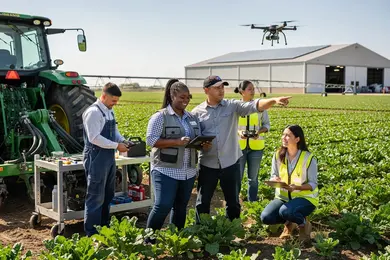
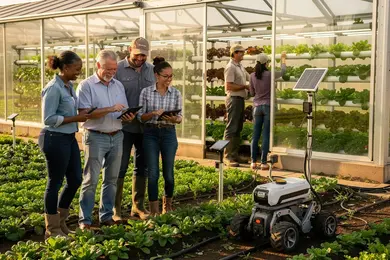
- Agricultural Technology: Applies tools like GIS, drones, and data analytics to enhance farm efficiency. Graduates can enter precision agriculture and equipment management fields, where demand is rising alongside technology adoption.
Choosing a specialization requires weighing personal interests against salary potential and market demand. While most areas do not demand costly additional licensure, some paths may incur extra certification expenses. Evaluating these factors helps ensure the best fit within budget constraints.
What Technology and Learning Platforms Do Online Agriculture Bachelor's Programs Under $10,000 Use?
Leading online Agriculture bachelor's programs under $10,000 depend on robust learning management systems like Canvas, Blackboard, and Moodle to deliver coursework effectively. These platforms act as virtual classrooms, offering lecture access, assignment submissions, quizzes, and forums. Their stability and user-friendly design are vital in ensuring smooth navigation and minimizing tech issues, especially since lower-cost programs might not provide extensive technical support.
Students can expect to use specialized tools such as farm management simulators, crop modeling software, and virtual labs for topics like soil science and animal husbandry. While some programs include these in tuition, others charge extra fees that may raise total costs beyond $10,000, so reviewing fee policies is essential.
Accessibility remains a key factor, as many Agriculture students reside in rural regions with limited internet speeds. Programs optimized for low bandwidth-featuring downloadable content and mobile compatibility-help maintain access. Additionally, LMS platforms that run well on older devices and operating systems enhance inclusivity.
- Reliable Internet Connection: A minimum 5 Mbps download speed is necessary for streaming lectures and downloading coursework without interruptions.
- Compatible Device: Use a Windows or Mac computer with updated browsers and at least 4GB of RAM to manage LMS platforms and simulation software efficiently.
- Basic Software: Essential programs include word processors and spreadsheets to complete projects and analyze data.
- Audio/Visual Equipment: A webcam and microphone enable participation in virtual discussions and presentations.
What Graduates Say About Their Online Agriculture Bachelor's Degree Programs Under $10,000
- Shane: "Choosing the online agriculture bachelor's degree under $10,000 was a decision driven by my tight budget and the flexibility I needed while working full time. The affordable tuition allowed me to focus on learning without the burden of excessive debt. This program truly opened doors in my career by equipping me with practical skills that employers value in today's sustainable farming sector."
- Emiliano: "Reflecting on my time in the online agriculture program, I appreciate how accessible and well-organized the curriculum was, especially given the modest cost. Being able to study remotely meant I could balance family commitments without sacrificing education quality. Since graduating, I've noticed a marked improvement in my understanding of crop management and soil health, which has empowered me to advance professionally."
- Samuel: "From a professional standpoint, enrolling in this affordable agriculture bachelor's degree online was a strategic move. The program's cost efficiency-under $10,000-made it feasible while still offering comprehensive coverage of key agricultural concepts. The knowledge I gained has been instrumental in securing a promotion and taking on more leadership roles in my field."
Other Things You Should Know About Agriculture Degrees
Most programs require about 120 semester credits, including soil science, crop production, animal science, agribusiness, plant pathology, and agricultural economics. Many also include a capstone or internship and some lower-division general education courses such as biology, chemistry, statistics, and writing.
Students can apply for federal financial aid like Pell Grants and Stafford Loans. Additionally, scholarships specific to agriculture or online studies are available through various foundations and associations, helping further reduce costs below $10,000.
References
- What to Look for in an Accredited Online University https://www.collegetransitions.com/blog/what-to-look-for-in-an-accredited-online-university/
- Online Agriculture Degrees | Murray State University https://www.murraystate.edu/academics/CollegesDepartments/HutsonSchoolOfAgriculture/Programs/agriscience.aspx
- Warner University Launches Online Bachelor of Science in Agricultural Business - Warner University https://warner.edu/warner-university-launches-online-bachelor-of-science-in-agricultural-business/
- Top 5 Value Online Agriculture Degree Programs 2026 https://www.collegevaluesonline.com/rankings/online-agriculture-degrees-top-values/
- 5 Best Online Agriculture Bachelor's and Master's Degree Programs https://www.onlineschoolscenter.com/best-online-agricultural-science-degrees/
- Transfer Students - College of Agriculture and Bioresources https://agbio.usask.ca/students/undergraduate/transfer-students.php
- Top 15 Agriculture Scholarships to Apply for in December 2025 https://bold.org/scholarships/by-major/agriculture-scholarships/
- Earn Your Degree in One Year: The Ultimate Guide to Accelerated Programs https://www.fasttrackgraduation.com/degree-in-one-year
- We're Here for You https://www.setonhill.edu/apply-afford/financial-aid-affordability/online-bachelors-degree-certificate-program-aid/index.html
- Agriculture Scholarships https://blog.aghires.com/10-agriculture-scholarships