2027 Online Agriculture Bachelor's Degree Programs With No Prerequisites

Co-Founder and Chief Data Scientist
Many working professionals seek to transition into agriculture without prior experience or specific coursework. However, strict prerequisite requirements often block access to bachelor's degree programs, delaying career shifts. In the U. S., employment in agriculture-related fields is projected to grow 5% from 2022 to 2032, emphasizing increased demand for qualified graduates.
Online agriculture bachelor's degree programs with no prerequisites provide a vital pathway for individuals from unrelated fields to enter this evolving industry promptly. This article explores these accessible programs, detailing how they allow seamless entry into agriculture education while supporting flexible, career-focused learning.
Key Benefits of Online Agriculture Bachelor's Degree Programs With No Prerequisites
- Online agriculture bachelor's programs with no prerequisites offer flexible scheduling, enabling working professionals to balance studies with careers and family commitments effectively.
- These programs accelerate skill acquisition through streamlined curricula and practical coursework, helping students quickly gain industry-relevant knowledge.
- Students build valuable agriculture credentials on affordable, self-paced timelines, optimizing both cost and educational outcomes to fit diverse life circumstances.
What Does 'No Prerequisites' Mean for Online Agriculture Bachelor's Degree Programs, and Who Benefits Most?
In online agriculture bachelor's degree programs, no prerequisites means applicants are not required to have completed specific prior college courses or meet particular academic qualifications before enrollment. This differs from open admission and low-barrier enrollment, which generally accept most applicants but may still require minimal standards like a high school diploma or equivalent. Programs without prerequisites eliminate traditional academic gatekeeping, making it easier for students to begin an agriculture degree without prior related coursework or formal preparation. Such no prerequisites online agriculture degree programs increase accessibility for diverse student groups.
Career changers seeking to switch fields without prior science or agriculture classes can start immediately. Working adults constrained by time benefit from quick access to full degree options. Returning learners who paused studies years ago find it easier to resume without repeating foundational courses. First-generation college students also gain from lowered barriers that might otherwise deter their application or persistence. According to the National Center for Education Statistics (NCES), non-traditional students-including adults over age 25, part-time learners, and those balancing education with work or family-now represent a growing share of online degree enrollees, reflecting the rising demand for flexible programs such as no-prerequisite agriculture degrees.
This article examines essential topics to help prospective students make well-informed decisions about no-prerequisite agriculture programs:
- Admission Policies: Explores how these programs differ from open and low-barrier admissions and what evaluation criteria institutions use.
- Program Quality: Details accreditation and instructional standards to ensure educational value despite no prerequisites.
- Financial Aid: Reviews funding options, including scholarships and federal aids tailored to agriculture students without traditional prerequisites.
- Support Services: Covers advising, tutoring, and career counseling designed to boost retention and success among no-prerequisite students.
- Credit Transfer: Discusses how prior learning and experience may count toward degree requirements, reducing time and costs.
- Career Outcomes: Analyzes employment opportunities for graduates and how degrees prepare them for the workforce.
For those exploring broader higher education options, programs like the most affordable doctoral programs can also provide relevant context on accessible pathways beyond bachelor's degrees.
Which Accredited Online Agriculture Bachelor's Programs Accept Students With No Prior College Coursework?
Several accredited online agriculture bachelor's degree programs welcome students with no prior college coursework, making them accessible to first-generation students, career changers, and working adults. These programs often feature open-admission policies or integrate foundational coursework, allowing learners without formal prerequisites to begin their studies. The list below highlights five regionally accredited institutions offering online agriculture degrees with minimal barriers to entry.
- Fort Hays State University: Known for an open-admission policy, Fort Hays State offers a Bachelor of Science in agriculture online that requires no prior college credits. The program includes video lectures, tutoring, and advising support. With over 10,000 enrolled students across programs, it emphasizes transfer flexibility and financial aid. Regional accreditation through the Higher Learning Commission ensures academic rigor.
- Oklahoma State University: OSU's online Bachelor of Science in agricultural sciences accepts students without prerequisite coursework by embedding introductory courses in the curriculum. This structure helps newcomers build core competencies while progressing. The university serves more than 20,000 students and offers strong career services and internship opportunities within agriculture.
- University of Nebraska-Lincoln: UNL accepts students without previous college work for its online Bachelor of Science in agriculture but requires completion of foundational courses within the program. It pairs this with scholarships and student support, maintaining regional accreditation from the Higher Learning Commission.
- Utah State University: USU's online bachelor's in agricultural education and technology welcomes first-time college students. Core agriculture concepts are embedded early, with advising and online accessibility for about 28,000 students. It is accredited by NWCCU.
- South Dakota State University: Offering a Bachelor of Science in agriculture online, South Dakota State accommodates learners without college experience by including bridging courses. It prioritizes affordability, transfer acceptance, and career preparedness under Higher Learning Commission accreditation.
Common features among these accredited online agriculture bachelor's programs with no prior coursework include open admission or built-in foundational classes that bridge educational gaps. They offer extensive support services like tutoring, advising, and financial aid options. When selecting programs, students should verify regional accreditation, understand prerequisite waiver policies or alternative coursework pathways, and explore career support to ensure quality outcomes. These factors combined help learners pursue agriculture degrees that lead to successful careers.
Working adults and other students returning to education may also benefit from exploring the most profitable degrees to align their agriculture studies with strong career prospects.
2026 Update: Checking Hands-On Requirements Before Enrolling
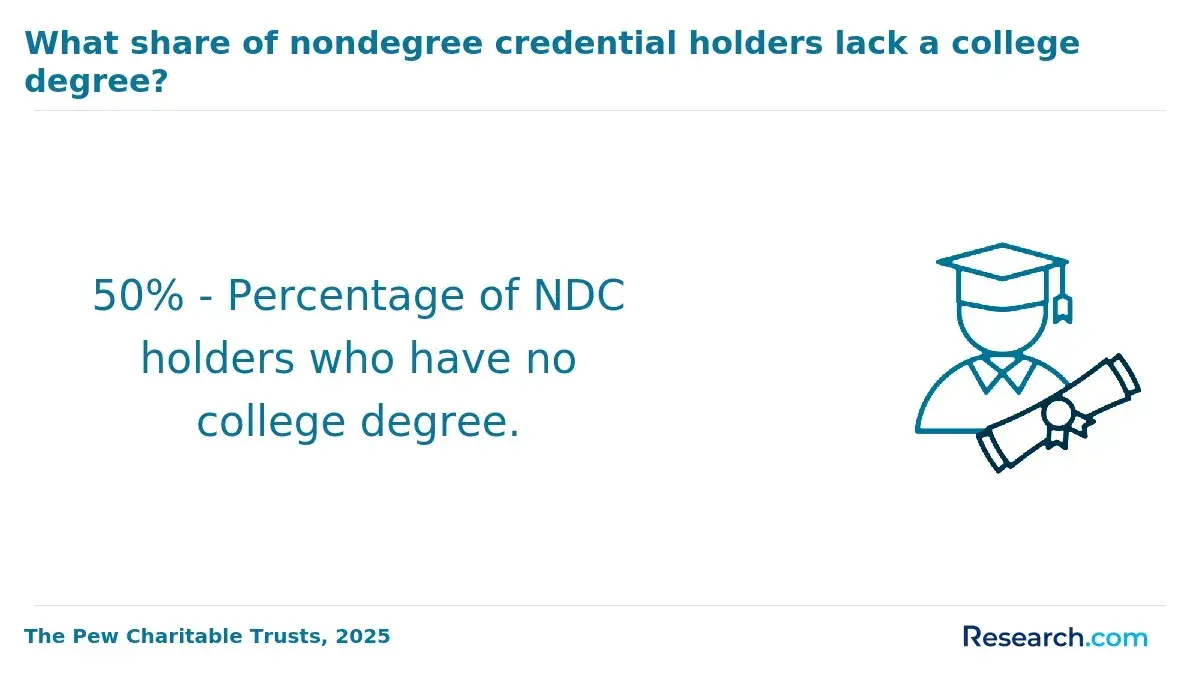
This 2026 update adds a closer look at the practical learning requirements that may come with online agriculture bachelor’s programs, even when no academic prerequisites are required.
- Whether labs, field observations, farm visits, or practicums must be completed in person
- If students can use a local farm, employer, extension office, or community site for required experience
- How the program handles seasonal coursework tied to planting, harvesting, soil testing, or livestock cycles
- Whether specialized tools, software, kits, or reliable outdoor access are needed for assignments
- If concentrations such as agribusiness, crop science, animal science, or sustainability match your career goal
- How internship or capstone requirements are arranged for fully online students in different locations
Reviewing these details helps students choose a no-prerequisite program that is not only accessible, but also realistic for their location, schedule, and career plans.
How Do Open-Admission Policies in Online Agriculture Programs Differ From Traditional Selective Admissions?
Open admission policies allow online agriculture bachelor's degree programs to accept all applicants who hold a high school diploma or equivalent, without requiring minimum GPAs, test scores, or prior coursework. This contrasts with selective admissions, where candidates must meet specific academic standards, submit test results, and sometimes provide recommendations or undergo interviews. Rolling admissions review applications as they arrive but maintain selective criteria, while conditional admissions permit enrollment contingent on completing preparatory classes.
- Definition of Open Admission: Programs enrolling students without strict eligibility reviews focus on accessibility. For instance, Colorado State University Global Campus openly advertises its open admission policy for online agriculture-related degrees on its admissions site, welcoming diverse backgrounds.
- Selective vs. Rolling: Universities like the University of Florida require minimum GPAs and exam submissions for their agriculture programs, with some using rolling review to assess applications continuously while upholding selectivity.
- Addressing Academic Gaps: Open-admission institutions often provide foundational courses, tutoring, and orientation programs to help students build essential skills necessary for success in agriculture disciplines.
- Institutional Verification: Schools such as Southern New Hampshire University and Liberty University affirm their open admission approaches through publicly available admissions pages and IPEDS data, confirming their low-entry barriers.
- Consideration for Students: While open admission eases access, students aiming for rigorous research or competitive careers may prefer selective programs that emphasize academic preparedness.
- Enrollment Trends: In 2023, about 45% of online undergraduates in agriculture fields enrolled in open- or low-barrier admission schools, reflecting growing demand for flexible study paths, according to the National Center for Education Statistics.
A professional who enrolled in an online agriculture bachelor's program without prerequisites shared his experience: "Coming from a non-academic background, I worried about keeping pace with others, but the foundational courses really helped me catch up." He described initial feelings of uncertainty but praised the accessible admission and support services, which allowed him to focus on shifting careers without the stress of competitive entry requirements. "It wasn't about proving I was already prepared but building that readiness step by step," he explained, emphasizing how this approach opened doors he hadn't thought possible before.
What Are the Typical Enrollment Requirements for No-Prerequisite Online Agriculture Bachelor's Programs?
Proof of High School Completion: Applicants typically must submit official documentation such as a diploma or transcript confirming high school graduation or its equivalent. Both public and private nonprofit schools require this proof to establish a foundational level of education for agriculture programs with open enrollment.
English Proficiency: Since instruction is delivered in English, students whose first language is not English must usually demonstrate proficiency through exams like TOEFL or IELTS. This ensures they can successfully engage with course content and academic communication.
Minimum Age Requirement: Most programs expect students to be at least 18 years old, aligning with standard educational and legal guidelines. However, dual-enrollment initiatives sometimes allow younger high school students to begin coursework early, providing alternative access points.
Alternative Pathways: For those lacking key credentials such as a high school diploma, options exist including earning a GED or participating in dual-enrollment programs. These routes promote broader access to bachelor's programs in agriculture with no prior coursework needed, supporting diverse student populations.
Application Preparation: Organizing necessary documents in advance-such as transcripts, identification, and proof of residency-helps streamline admission processes. Clear and complete submissions enhance the likelihood of timely acceptance and reduce administrative delays.
Students evaluating admissions criteria for online agriculture degrees with open enrollment may find parallels in other fields; for example, similar verified admissions documentation supports quality assurance in online psyd clinical psychology programs.
Are No-Prerequisite Online Agriculture Bachelor's Programs Available at Regionally Accredited Universities?
Regional accreditation plays a crucial role for online agriculture programs without prerequisites, impacting credit transfer, employer acceptance, and eligibility for financial aid. Regionally accredited institutions meet rigorous academic standards verified by trusted organizations like the U.S. Department of Education and the Council for Higher Education Accreditation (CHEA). In contrast, nationally accredited schools often focus on vocational training and may offer limited transfer options or financial aid support. Those seeking flexible entry into agriculture degrees should prioritize regionally accredited programs to ensure their education holds recognized value and facilitates further academic or career advancement.
Using official accreditation directories can help identify open-admission agriculture programs at regionally accredited universities. These resources confirm institutions maintain qualified faculty, rigorous curricula, and adequate student support. Attending such schools enhances a student's ability to transfer previously earned credits, qualify for federal loans or grants, and gain recognition from employers who value reputable degrees.
- Accrediting Body: Ensure the college's regional accreditor is recognized by the U.S. Department of Education or CHEA, as this confirms institutional credibility beyond national vocational programs.
- Program Accreditation: Check if the agriculture program has specialized accreditation which can further validate the curriculum's quality and relevance.
- Transfer Policies: Review the school's stance on accepting prior credits to maintain flexibility and avoid repeating coursework unnecessarily.
- Financial Aid Eligibility: Confirm that the program qualifies for federal aid, which is typically tied to regional accreditation and helps make tuition more affordable.
A professional who earned an online agriculture bachelor's degree without prerequisites recalled navigating initial uncertainty about accreditation but ultimately felt empowered by her choice. She shared that confirming regional accreditation early on eased worries about transfer limits and financial aid options. "Knowing the school was properly accredited made me confident my degree would matter," she said. Balancing work and studies was demanding, but she appreciated that her credits transferred smoothly when she pursued advanced training later. Her experience showed that accessible, no-prerequisite online programs at regionally accredited universities can provide a solid foundation for career growth in agriculture.
How Do Students Without Academic Prerequisites Catch Up in Online Agriculture Bachelor's Courses?
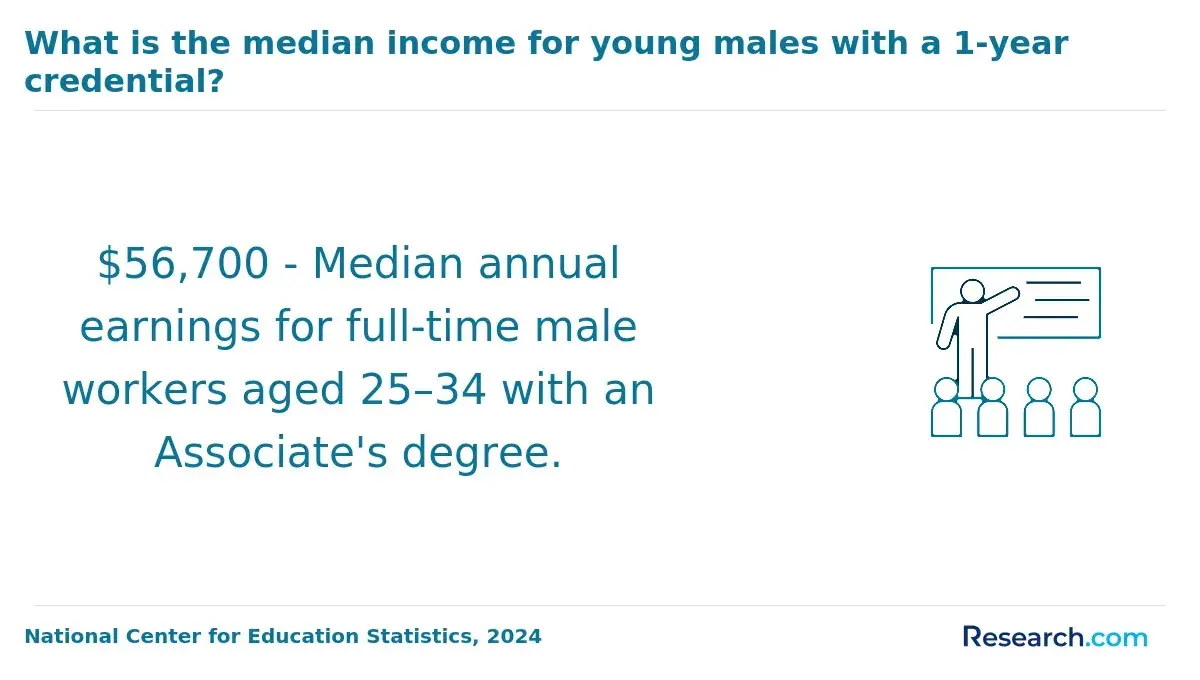
Transitioning into an online Bachelor of Science in Agriculture without a traditional background is a common path for career changers or those pivoting from other sectors. Universities have developed several "bridge" mechanisms to ensure students can handle the technical rigor of the curriculum.
Developmental Courses: Accredited online agriculture programs often provide bridge courses aimed at reinforcing core skills in math, science, and communication. For instance, Purdue University's program includes foundational classes that revisit essential algebra and biology concepts before progressing to advanced subjects.
Tutoring Services: Many institutions offer virtual tutoring staffed by agriculture specialists available on demand. Texas Tech University's online platform, for example, supports students with real-time assistance to deepen understanding and boost academic confidence in challenging topics.
Peer Mentoring: Connecting new students with experienced peers or alumni fosters a collaborative environment that shares effective study techniques and practical guidance. Research including National Survey of Student Engagement (NSSE) findings highlights how such peer support increases student persistence and engagement.
Self-Assessment Tools: Prospective enrollees are encouraged to use online quizzes and skill checklists to realistically evaluate their preparedness. This proactive measure helps identify learning gaps early, promoting better outcomes throughout the program.
Retention Impact: Data from NSSE indicates that students utilizing comprehensive academic support in online agriculture programs experience approximately 25% higher retention rates. This underscores the critical role structured support services play in advancing degree completion.
What Support Services Help No-Prerequisite Students Succeed in Online Agriculture Bachelor's Programs?
Students enrolled in online agriculture bachelor's programs without prerequisites benefit from extensive support services tailored to enhance academic achievements and personal well-being. These services address common challenges faced by adult learners juggling work, family, and higher education, helping to minimize withdrawal risks.
- Academic Advising: Personalized advising helps students navigate course selection, degree requirements, and scheduling through virtual appointments that accommodate diverse time zones and busy lifestyles.
- Mental Health Resources: Online counseling, stress management workshops, and peer support groups provide vital emotional support, boosting motivation and resilience in primarily asynchronous learning environments.
- Disability Accommodations: Compliant with ADA guidelines, accredited programs offer accessible materials, assistive technologies, and virtual resource centers that confidentially facilitate accommodation arrangements.
- Career Counseling: Tailored career services include online advice, resume building, internship placement assistance, and networking opportunities focused on agriculture-related fields-strengthening the connection between academic progress and professional outcomes.
These support structures are prominently featured in programs ranked by U.S. News Best Online Bachelor's Programs, which consistently highlight institutions with strong student service infrastructure. Federal data reveal students who engage with such supports experience up to a 30% higher retention rate compared to those without access. Investing in an online agriculture degree program with robust, flexible student services significantly increases the likelihood of graduation while balancing life responsibilities.
Can Transfer Credits or Prior Learning Assessments Replace Prerequisites in Online Agriculture Programs?
Many online agriculture bachelor's degree programs allow transfer credits and Prior Learning Assessments (PLA) to replace prerequisite courses, saving students time and tuition fees. For those seeking programs where transfer credits fulfill no-prerequisite requirements in online agriculture degrees, these policies are crucial. Institutions commonly accept credits from community colleges or accredited universities, helping learners bypass introductory courses if their previous coursework aligns. Moreover, PLA options-leveraging exams like CLEP and DSST-assess knowledge gained outside traditional classrooms, including military service, professional certifications, or workplace training.
- Transfer Credit Flexibility: Several universities permit transfer credits to meet prerequisite demands, provided comparable courses were completed with a minimum grade. Some schools accept up to 90 semester credits, covering not only general education but also core agriculture classes, thereby shortening time to degree completion.
- Prior Learning Assessments: PLA programs convert verified prior experience-such as workplace training and military service-into academic credit by following the American Council on Education (ACE) credit recommendations. This approach standardizes credit evaluation and supports students in bypassing initial course requirements.
- Approved Exam Types: CLEP and DSST exams are widely recognized in online agriculture programs for prerequisite substitution. These exams span foundational subjects including biology and chemistry, allowing students to demonstrate subject competency without formal class attendance.
- Documentation and Submission: To optimize prerequisite waivers, students must submit detailed documentation like official transcripts, certificates, employer letters, or portfolios. Clear and organized evidence significantly improves acceptance chances.
- Institutional Leaders: Schools such as Thomas Edison State College and Charter Oak State College stand out with generous PLA and transfer policies, high credit acceptance limits, and broad recognition of various assessments, supporting diverse agriculture student backgrounds.
- Recent Trends: According to the National Center for Education Statistics, PLA credit usage increased by over 20% between 2015 and 2022, reflecting broader acceptance of prior learning in online degree pathways. Learners exploring online agriculture bachelor programs can also benefit from strategies used in other fields, like masters in social work online, where flexible admission and credit transfer policies improve access and affordability.
What Is the Average Time to Completion for No-Prerequisite Online Agriculture Bachelor's Degree Programs?
The average time to complete no-prerequisite online agriculture bachelor's degree programs generally follows the standard 120-credit-hour framework common to most U.S. bachelor's degrees. Enrollment pace, term length, and prior credit transfer play crucial roles in determining the actual time to completion for these open-admission programs.
- Credit Hour Requirement: Most agriculture bachelor's degrees require about 120 credit hours, equating to roughly four years of full-time study. Programs without prerequisites often accommodate working adults through part-time enrollment options.
- Enrollment Pace and Term Length: Accelerated programs with eight-week terms and year-round enrollment help reduce overall time to completion. Multiple start dates throughout the year enable steady progress without lengthy breaks.
- Competency-Based Formats: Some accredited online agriculture programs allow students to advance by demonstrating mastery rather than fixed seat time. This flexible approach is especially beneficial for motivated learners seeking faster completion.
- Prior Credit Transfer: Although designed for students without prerequisites, many programs encourage transfer evaluations to avoid redundant coursework, shortening time to degree for those with past credits or certifications.
- Admission Selectivity and Completion Rates: According to IPEDS data, online agriculture programs with open admission policies tend to have longer average completion times than selective-admission programs, which often provide more structured academic support and clearer pathways.
- Financial and Opportunity Costs: Time to completion impacts total tuition paid and opportunity costs, making it a critical factor for working adults balancing education and career. Choosing programs with accelerated or competency-based options can offer significant savings and faster workforce reentry.
Working adults and career changers should consider program flexibility, pacing, and credit transfer policies when evaluating typical duration for online agriculture bachelor's degrees with open admission. Programs vary widely, and it's important to look for accredited options that offer quality support. For students planning beyond the bachelor's degree, researching graduate degrees that are worth it can provide valuable context and long-term career benefits.
How Does Tuition Compare Between No-Prerequisite and Standard Online Agriculture Bachelor's Programs?
Tuition for online Agriculture bachelor's programs without admission prerequisites generally aligns with or is somewhat lower than rates for selective programs. These no-prerequisite options are often hosted by public universities or community colleges expanding into four-year degrees, aiming to keep costs reasonable for students with diverse backgrounds.
- Tuition Rates: Open-admission programs typically feature similar or slightly reduced per-credit-hour charges compared to their selective counterparts.
- Additional Fees: Some no-prerequisite programs levy extra fees for foundational or developmental courses mandatory for students lacking prior academic preparation, increasing overall expenses beyond basic tuition.
- Institutional Type: Public institutions with open enrollment often benefit from state funding, which helps keep tuition lower than private or nonprofit universities that offer selective admission programs with higher tuition rates.
- Program Delivery: Online programs designed for students without prior coursework may include enhanced support services and resources, potentially raising costs, whereas selective programs may provide more streamlined access for students already academically prepared.
- Total Cost Awareness: Prospective students should assess the entire cost of earning the degree-including tuition, extra fees, and time to completion-rather than comparing per-credit rates alone, as no-prerequisite programs may require more credits or developmental classes.
Which Online Agriculture Bachelor's Programs Allow Students To Start Without A High School Diploma Or GED?
Many accredited online agriculture bachelor's degree programs accept students with a GED, HiSET, or equivalent credential instead of a traditional high school diploma. These programs aim to increase access for nontraditional learners such as working adults and career changers. Applicants presenting equivalency credentials typically must submit official test scores and transcripts to confirm eligibility, streamlining the admission process compared to standard high school diploma requirements.
- GED Acceptance: Numerous institutions explicitly recognize GED or HiSET credentials as meeting their minimum admission criteria, enabling prospective students to apply without a traditional diploma.
- Conditional Enrollment: Some universities offer provisional admission to GED holders, requiring completion of foundation or remedial coursework designed to build essential skills before full program entry.
- International Applicants: Students whose secondary education occurred outside the U.S. usually need a credential evaluation from approved agencies to verify equivalency with U.S. high school or GED standards.
- Support Services: Online agriculture programs for students without conventional prerequisites commonly provide tutoring, academic advising, and career counseling to improve retention and academic success.
- Financial Aid Eligibility: Enrollees with GEDs at accredited schools qualify for federal financial aid, making it important to complete the FAFSA early and explore scholarships suited to adult learners.
What Graduates Say About Their Online Agriculture Bachelor's Degree Program With No Prerequisites
- Shane: "Choosing an online agriculture bachelor's degree without prerequisites was a game-changer for me. I appreciated the flexibility it offered, allowing me to balance work and family while gaining essential knowledge. The affordable tuition made it accessible, and now I proudly advance my career in sustainable farming practices."
- Emiliano: "Reflecting on my decision to pursue an online agriculture degree, the lack of prerequisites lowered the barrier to entry and ignited my passion for agribusiness. The cost was reasonable compared to traditional programs, which eased my financial concerns. This degree has notably enhanced my expertise and opened doors to leadership roles within the agricultural sector."
- Samuel: "I approached the online agriculture bachelor's degree with a professional mindset, seeking practical skills to establish my career. The no-prerequisites feature meant I could start immediately, and the program's cost was a smart investment. Since graduating, I've seen a tangible impact on my career growth, especially in crop management and resource optimization."
Other Things You Should Know About Agriculture Degrees
Employers generally value agriculture bachelor's degrees from accredited online programs, even when admission requires no prerequisites. The key considerations for employers are the program's accreditation, curriculum relevance, and graduate skills. Open-admission policies do not lessen a degree's worth if the institution maintains rigorous academic standards and practical training components.
Accreditation for online agriculture programs is typically granted by regional accrediting bodies recognized by the U.S. Department of Education. Additionally, program-specific accreditation may come from agencies like the Association to Advance Collegiate Schools of Agriculture (AASCA). These accreditations verify that the curriculum meets industry standards and that the institution provides adequate student support and resources.
References
- How fast can I complete at bachelor's degree program? - Answers https://www.answers.com/education/How_fast_can_I_complete_at_bachelor%27s_degree_program
- Warner University Launches Online Bachelor of Science in Agricultural Business - Warner University https://warner.edu/warner-university-launches-online-bachelor-of-science-in-agricultural-business/
- Study Agriculture & Related Subjects in Malaysia https://www.easyuni.my/malaysia-agriculture-and-related-subjects/
- The College Admission Process at Less Selective Colleges | College Coach Blog https://blog.getintocollege.com/blogs/2021/09/21/20/07/the-college-admission-process-at-less-selective-colleges
- Admission & Registration / University of Agriculture in Krakow https://urk.edu.pl/en/study/study-in-english/bachelor-studies/admission-registration
- World's Largest platform as University Common Application https://www.planstudyabroad.uniagents.com/course-details.php
- How to choose agricultural courses to advance your career - Skills for Agriculture https://agricultureskills.org/how-to-choose-agricultural-courses-to-advance-your-career/
- Online College Tuition Comparison: Online vs. In-Person https://www.uagrantham.edu/blog/online-college-tuition-comparison-online-vs-in-person/
- Exploring the Benefits of an Online Agriculture Degree https://outlet.beddinginn.com/favorite-finds/exploring-the-benefits-of-an-online-agriculture-degree/
- How Long Does an Online Degree Take, Actually? https://degreeonline.education/how-long-does-an-online-degree-take-actually/