2027 Online Agriculture Bachelor's Degree Programs With Open Enrollment

Co-Founder and Chief Data Scientist
Imagine a working adult in a rural area seeking a flexible way to earn a bachelor's degree in agriculture without strict admission barriers. Many potential students face limited access to traditional enrollment cycles, delaying their educational progress. According to recent studies, over 40% of Agriculture bachelor's degree programs with online options offer open enrollment to accommodate nontraditional learners. This flexibility supports career advancement in a fast-evolving sector where timely education is critical.
This article explores the best online agriculture bachelor's degree programs with open enrollment, guiding prospective students toward convenient pathways to achieve their academic and professional goals.
Key Benefits of Online Agriculture Bachelor's Degree Programs With Open Enrollment
- Flexible start dates enable students to begin their online agriculture degree programs year-round, accommodating varying schedules and reducing wait times compared to traditional semesters.
- Open enrollment offers accessible admissions pathways by minimizing prerequisites and standardized test requirements, expanding opportunities for nontraditional and working students.
- Online delivery provides convenience, allowing learners to balance education with work or family duties, aligning with the 45% growth in remote education participation since 2015.
Who Qualifies for an Online Agriculture Bachelor's Degree With Open Enrollment?
Open enrollment policies for online agriculture bachelor's degree programs are designed to expand access to higher education by reducing traditional barriers. Such policies enable a broader range of applicants to qualify, regardless of strict academic prerequisites, which helps support educational equity and flexibility. Nearly 40% of undergraduates in the U.S. are nontraditional students, highlighting the growing importance of flexible admissions systems that accommodate diverse backgrounds and career paths. Below are several typical qualifying groups for these programs:
- Recent High School Graduates: These students seek a straightforward pathway into higher education, benefiting from open enrollment policies that often waive standardized test score requirements or rigid admission criteria.
- Working Adults: Adults balancing employment can advance their careers or change fields without interrupting work commitments, making online agriculture degrees with flexible access very appealing for them.
- Nontraditional Students: This group includes those returning to education after a break, caregivers, military veterans, or others needing adaptable enrollment options to fit their life circumstances.
- Prior College Experience: Individuals who have some college credits but did not complete a degree can resume their studies and move forward toward a bachelor's, supported by open enrollment policies that recognize their prior learning.
- Self-Motivated Learners: Some applicants may lack conventional academic credentials but demonstrate potential through other forms of assessment or practical experience in agriculture fields.
Those curious about the requirements for open enrollment agriculture degree online will find that these programs emphasize accessibility and support rather than restrictive entry criteria. For prospective students interested in affordable options, exploring an online college that accepts fafsa can be a strategic step toward financing their agriculture education.
What Is the Difference Between Open Enrollment and Rolling Admission in an Online Agriculture Bachelor's Degree?
Open enrollment and rolling admission are two different admission strategies often confused in the context of online agriculture bachelor's degree programs. Notably, enrollment in fully online postsecondary programs has grown by more than 20% recently, underscoring the increasing demand for flexible admission options. Prospective students weighing these approaches should understand their key distinctions to optimize application timing and maximize opportunities.
Below is a comparison of open enrollment and rolling admission processes.
Open Enrollment
- Admission Flexibility: Students can enroll at virtually any time of the year, offering maximum flexibility particularly suited for nontraditional learners balancing work and education.
- Application Timing: Applications are accepted continuously without fixed deadlines, making it easy to apply when ready.
- Evaluation Process: Minimal or no assessment is typically involved, allowing broader access and faster entry.
- Enrollment Structure: Immediate enrollment is often possible, without organizing students into cohorts.
- Program Accessibility: This model supports a more open approach, encouraging enrollment in online agriculture degrees from diverse learner backgrounds.
Rolling Admission
- Admission Flexibility: Accepts applications throughout the year but only during particular start periods, providing some structure alongside flexibility.
- Application Timing: Early submission is encouraged since spots fill as applications are reviewed and seats assigned incrementally.
- Evaluation Process: Each application is reviewed on arrival, introducing a competitive element unlike open enrollment.
- Enrollment Structure: Students are typically admitted into cohorts that begin at designated dates, aligning class start times.
- Competitive Edge: The rolling model rewards timely applications, often making promptness critical for acceptance in popular agriculture bachelor's programs.
For those interested in advanced flexible learning options beyond bachelor's level, exploring online masters counseling programs may also be worthwhile.
2026 Update: Fieldwork and Hands-On Learning Requirements
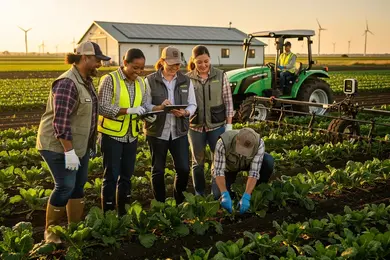
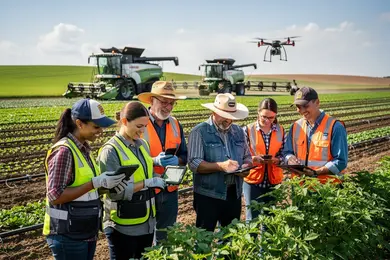
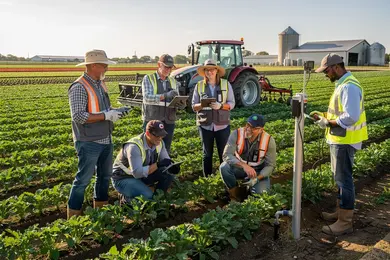
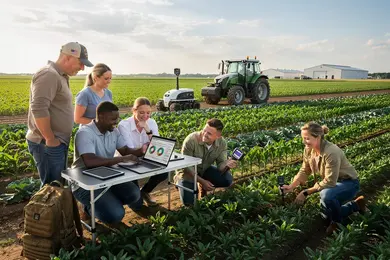
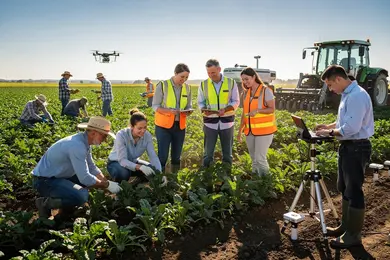
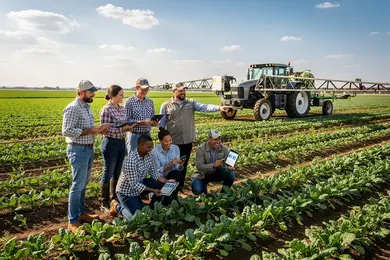
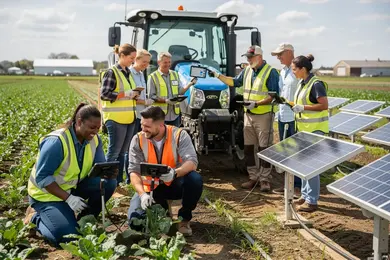
For 2026, this section was added to help students look beyond open enrollment and confirm how an online agriculture bachelor’s program delivers practical, hands-on training.
- Whether the program requires labs, field observations, internships, or supervised agricultural projects.
- If hands-on requirements can be completed near your home, farm, employer, or local extension office.
- Whether you need access to specific equipment, land, livestock, greenhouse space, or soil and crop testing tools.
- How the school approves local supervisors or work sites before you begin field-based assignments.
- Whether seasonal activities, such as planting or harvesting, affect when certain courses can be completed.
- If prior farm, agribusiness, or conservation work experience can support required experiential learning.
Checking these details early helps students choose an open enrollment program that is not only flexible to enter, but also realistic to complete from their location.
What Are the Admission Requirements for an Online Agriculture Bachelor's Degree With Open Enrollment?
Online agriculture bachelor's degree programs with open enrollment offer more accessible admission standards than traditional routes, making higher education attainable for a broader range of learners. Nearly 40% of online undergraduate programs nationwide embrace open or nonselective admissions, highlighting the shift toward inclusivity. These programs typically require basic documentation to verify eligibility and preparedness.
- Proof of Prior Education: Applicants must provide evidence of completing secondary education, such as a high school diploma or equivalency certificate, to establish foundational academic qualifications.
- Application Materials: Candidates submit essential enrollment documents, including a standard application form and requested personal details needed for administrative processing.
- Identity Verification: Institutions confirm the applicant's identity to comply with regulatory standards and uphold academic integrity throughout the program.
- Online Learning Readiness: Many programs assess students' capacity for virtual coursework through surveys or orientation activities, ensuring they can successfully manage independent study and technology-driven instruction.
A student currently enrolled in an online agriculture bachelor's degree with open enrollment shared his experience, explaining that while the application process was straightforward, the readiness assessment was surprisingly valuable. "It really made me think about my time management and tech skills before starting," he said. He also noted initial concerns about balancing work and studies but felt reassured knowing the admission process focused on practical readiness rather than high academic barriers.
Which Online Agriculture Bachelor's Degree Programs Have Open Enrollment?
Open enrollment options are increasingly common in online agriculture bachelor programs, providing more flexibility for a wide range of learners, including working adults and nontraditional students. Nearly 40% of undergraduate online programs have seen enrollment growth recently, highlighting a rising demand for accessible online agriculture degree programs. These options typically cover diverse fields within agriculture, supporting career-focused education without stringent admission requirements.
Common areas with open enrollment pathways include:
- Plant Science and Crop Management: Programs in this area focus on sustainable farming practices, soil health, and plant biology to support efficient crop production and environmental stewardship.
- Animal Science and Livestock Management: This specialization emphasizes animal care, nutrition, and welfare, preparing students for roles in animal husbandry and livestock industries.
- Agribusiness and Agricultural Economics: Combining business fundamentals with agriculture, this field covers market trends, policy, and management strategies relevant to the agricultural economy.
- Environmental and Soil Science: Focused on ecosystem conservation and soil resource management, this pathway addresses environmental challenges through scientific approaches.
- Food Science and Technology: Concentrating on food safety, processing methods, and quality control, this area supports careers in the food production and regulation sectors.
Flexible enrollment options reflect the evolving needs of the agriculture sector and offer practical pathways for students seeking adaptable, career-oriented study. For those interested in related fields, programs like construction management degree online also provide accessible learning opportunities.
How Do I Apply to an Online Agriculture Bachelor's Degree With Open Enrollment?
The application process for online agriculture bachelor's degree programs with open enrollment is designed to be simple and accessible, especially for students balancing other responsibilities. These programs often remove barriers like standardized testing and long application forms to streamline enrollment. Below are the typical steps applicants follow when applying.
- Create an Online Account: Begin by setting up a student profile on the school's application platform. This account grants access to all necessary application materials and progress tracking.
- Fill Out the Application Form: Provide personal details, educational background, and your intended major. The form is usually straightforward and requires minimal additional information.
- Submit Required Documents: Upload or mail official high school transcripts or GED certificates, along with any identification or residency proof requested. Most open enrollment programs avoid requesting essays or recommendation letters.
- Receive Enrollment Confirmation: After review, the school will notify you of your acceptance, share course registration dates, and offer orientation information when available. Personalized advising often accompanies this stage to assist with course choices.
- Follow Next Steps: Once enrolled, you'll get detailed instructions on tuition payment, accessing online classes, and obtaining textbooks, ensuring you're fully prepared to begin your studies.
A graduate of an online agriculture bachelor's degree with open enrollment reflected on her experience, saying, "The most challenging part was keeping track of all the deadlines since everything was online and self-managed." She appreciated how the process was clear once she created her account, and the advising helped her avoid feeling overwhelmed by course selections. "It felt empowering to handle my enrollment details independently but knowing support was there if I needed it." Her story highlights how open enrollment cultivates both flexibility and guidance for students navigating higher education on their own terms.
Can I Start an Online Agriculture Bachelor's Degree at Any Time?
Many online agriculture bachelor's degree programs with open enrollment provide flexible start dates, allowing students to begin their studies at different times throughout the year. Roughly 65% of these programs offer multiple entry points annually, enhancing accessibility for learners balancing other responsibilities. However, the availability of open start dates depends on how each program is organized and managed.
Key factors to consider include:
- Continuous Enrollment: Some programs feature rolling admissions, enabling students to start shortly after their application is approved, which minimizes waiting periods.
- Multiple Start Dates: Offering various start times across the year gives students the chance to begin without long delays, accommodating diverse schedules.
- Program Pacing: Self-paced courses grant learners the freedom to advance at their own speed, while cohort-based formats often require synchronized start dates with a group.
- Administrative Processing: Even with flexible start options, factors like enrollment verification, financial aid approval, and orientation procedures can impact when students actually begin.
Is It Easier to Get Into an Online Agriculture Bachelor's Degree With Open Enrollment?
Open enrollment policies generally reduce traditional admissions barriers for online agriculture bachelor's degree programs by removing requirements like high GPAs and standardized test scores. This approach widens access to students who might otherwise face challenges, particularly nontraditional learners such as working adults or those changing careers. About 30% of public colleges offer open admissions, reflecting a broader trend that increases inclusivity and access to higher education. Such policies help address disparities by welcoming applicants who meet only basic eligibility criteria rather than more selective standards.
Despite easier entry, open enrollment programs still require applicants to demonstrate basic college readiness, typically by providing a high school diploma or its equivalent. The admissions process often includes orientation or placement tests to ensure students are prepared for college-level coursework. Once enrolled, students must maintain satisfactory academic performance to continue progressing toward their degree. This balance promotes both wider accessibility and academic integrity in online agriculture programs, making open enrollment a viable option without compromising educational quality.
How Much Does an Online Agriculture Bachelor's Degree With Open Enrollment Cost?
Costs for an online agriculture bachelor degree with open enrollment vary widely based on program design, institution type, and additional fees. On average, online bachelor's degree tuition in the United States ranges from $300 to $600 per credit hour, though regional differences and credit systems affect this. Understanding the main cost components can help prospective students budget effectively.
Key cost factors include:
- Tuition Per Credit: Most programs require between 120 and 130 credit hours, meaning tuition rates per credit significantly influence the total expense. Different academic calendars, such as semesters versus quarters, also impact pricing.
- Technology Fees: Online learning platforms often require additional fees to support software, technical assistance, and virtual classrooms. These costs can add several hundred dollars annually, separate from tuition.
- Course Materials: Unlike traditional textbooks, online courses may require digital resources, specialized software, or lab kits related to agriculture studies. These expenses are typically not included in tuition and vary by course.
- Administrative Fees: Application charges, student services, and graduation processing fees can affect the overall price, although usually to a lesser degree than tuition.
- Program Accessibility: Affordable agriculture degree programs with open enrollment often offer more flexible, streamlined pricing. However, variation in curriculum and resources contributes to wide cost differences among schools.
Students exploring flexible learning options in related fields might also consider a masters degree in counseling online as a complementary pathway.
Are There Disadvantages to Open Enrollment Online Agriculture Bachelor's Degrees?
Open enrollment in online agriculture bachelor's degree programs expands access by allowing many students to enroll without stringent admission criteria. However, this inclusivity often comes with challenges, including lower retention and completion rates. For instance, data from the National Center for Education Statistics shows that only about 40% of online students finish their programs within six years, highlighting some inherent difficulties. The following points outline key drawbacks of open enrollment agriculture degree drawbacks to consider.
- Less Selective Admissions: Open enrollment leads to large, diverse classes where students have widely varying academic backgrounds. This diversity can make it harder for instructors to tailor coursework effectively and for some students to find their optimal learning pace.
- Variable Preparedness: Students entering with different skill levels may struggle without the additional support commonly found in more selective programs. This uneven readiness often results in some learners falling behind academically.
- Limited Cohort Interaction: Open enrollment programs often lack structured cohort groups, reducing opportunities for meaningful networking and peer support, which are important in many online settings.
- Self-Discipline Demands: The flexibility that open enrollment offers requires strong time-management and motivation. This can be challenging for many nontraditional students juggling education alongside work or family responsibilities.
Those interested in flexible, accessible education options might also explore fields related to agriculture through specialized programs such as asha accredited online slp programs. Considering these challenges of online agriculture bachelor's programs with open admission will help students make informed decisions aligned with their personal learning styles and commitments.
How Do I Manage Time in an Open Enrollment Online Agriculture Bachelor's Degree?
Managing time well is critical for students in flexible, self-paced online agriculture bachelor's programs. Research from 2023 shows that nearly two-thirds of online learners who maintain a regular study schedule see notable improvements in course completion. Implementing effective strategies can help maintain steady progress and reduce stress.
- Consistent Study Schedule: Designate specific times each day or week exclusively for coursework to build a dependable routine. This steady commitment helps avoid procrastination and fosters focused learning sessions.
- Task Prioritization: Rank assignments by urgency and importance to address high-priority work early. Using digital planners or to-do lists can clarify what needs attention and prevent last-minute pressure.
- Minimize Distractions: Choose a quiet study area and silence notifications to protect concentration. Limiting interruptions creates an environment conducive to deeper learning and task completion.
- Track Progress: Monitor completed tasks against remaining goals regularly to stay motivated and make adjustments. Tools like learning management systems or calendar alerts support effective oversight.
What Graduates Say About Online Agriculture Bachelor's Degree Programs With Open Enrollment
- Shane: "Choosing an online agriculture bachelor's degree with open enrollment was a decision driven by my need for flexibility and immediate access to courses without lengthy admission processes. The biggest challenge was managing my time between work and studies, but the program's structure made it achievable. Now, I'm able to apply sustainable farming techniques at my job, which has opened up new advancement opportunities."
- Emil: "Enrolling in an open enrollment agriculture program allowed me to start my education without waiting for traditional semester start dates, which was crucial after deciding to shift careers. While the self-paced nature meant I had to be highly disciplined, it gave me control over my learning schedule. Earning this degree has significantly boosted my confidence and credibility in the agricultural consulting field."
- Samuel: "The online agriculture bachelor's degree with open enrollment appealed to me because of its accessibility and the ability to balance family commitments simultaneously. Adapting to the independent study environment was initially daunting, but the support from instructors made a difference. Completing the program has paved the way for leadership roles in crop management and agribusiness development in my community."
Other Things You Should Know About Agriculture Degrees
Online agriculture bachelor's degree programs usually cover a range of subjects including crop and soil science, animal science, agricultural economics, and sustainable agriculture. Programs often integrate practical skills like farm management and agricultural technology alongside foundational science courses such as biology and chemistry. Many programs also include elective options that address emerging topics like agri-business and environmental conservation.
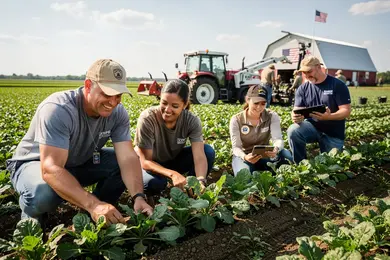
Although online agriculture programs focus on remote learning, most require some form of hands-on experience or internships to ensure practical skills development. These experiences can often be completed locally to the student's home area or through partnerships facilitated by the university. Some programs also offer virtual labs and simulation tools to supplement practical learning components.
Enrolling in a 2027 Online Agriculture Bachelor's Degree Program with Open Enrollment typically requires a high school diploma or equivalent. Some programs might ask for standardized test scores or prior coursework in science or agriculture. It's crucial to verify specific requirements with the institution offering the program.
References
- Pros and Cons of Getting a Bachelor's Degree Online https://www.dbu.edu/blog/pros-and-cons-getting-bachelors-degree-online.html
- Admission & Registration / University of Agriculture in Krakow https://urk.edu.pl/en/study/study-in-english/bachelor-studies/admission-registration
- Online or Distance Learning Programs in Agriculture https://ijoear.com/online-or-distance-learning-programs-in-agriculture
- Bachelor Studies - Agriculture https://study.gov.pl/bachelor-studies-agriculture
- Online Bachelor's BS in Agriculture Individualized Curriculum https://online.uky.edu/bachelors/agriculture-individualized-curriculum/bs
- World's Largest platform as University Common Application https://www.planstudyabroad.uniagents.com/course-details.php
- Announcement for Candidates https://www.sggw.edu.pl/en/recruitment/bachelors-degree-and-masters-degree-long-cycle/announcement-for-candidates-qualified-for-first-cycle-studies/
- Warner University Launches Online Bachelor of Science in Agricultural Business - Warner University https://warner.edu/warner-university-launches-online-bachelor-of-science-in-agricultural-business/
- 2025 Most Affordable Online Colleges with Open Admissions https://www.onlineu.com/most-affordable-colleges/open-admissions
- Affordable Online Colleges With Open Enrollment & Flexible Start Dates https://www.affordablecollegesonline.org/college-resource-center/start-anytime-open-enrollment/