2027 Return on Investment of an Online Agriculture Bachelor's Degree: Salary vs Cost

Co-Founder and Chief Data Scientist
Consider a professional with a bachelor's in an unrelated field exploring a career switch into agriculture through an online degree. The upfront cost and time investment may seem daunting when weighed against uncertain salary gains. Yet, data from the U. S. Bureau of Labor Statistics shows that agriculture-related occupations can yield a median annual wage 15% higher than jobs requiring only a high school diploma.
This statistic highlights the potential financial benefit of obtaining specialized agricultural education despite initial expenses. This article examines the return on investment of an online agriculture bachelor's degree-analyzing salary trajectories, costs, and long-term career prospects to inform smarter decisions.
Key Things to Know About the Return on Investment of an Online Agriculture Bachelor's Degree
- Online agriculture bachelor's degrees average tuition costs between $15,000 and $30,000-significantly lower than traditional on-campus options, improving affordability and reducing student debt.
- Graduates report median salaries from $50,000 to $65,000 annually, reflecting a strong salary premium over high school graduates and aligning with agricultural industry employment trends.
- Beyond salary, degrees enhance career advancement, offer greater job security, and provide access to professional networks and certifications critical for long-term growth.
What Is the True Cost of Earning an Online Agriculture Bachelor's Degree From Enrollment to Graduation?
Sticker prices for an online agriculture bachelor's degree vary widely-from around $10,000 to over $30,000 annually depending on the institution. However, many students pay significantly less after financial aid, grants, and scholarships are factored in. According to data from IPEDS, the National Center for Education Statistics, and individual university net price calculators, in-state online undergraduate students often face an average net price near $12,000 per year. This net price gives a more accurate picture of the cost breakdown for earning an online agriculture bachelor's degree.
- Tuition And Fees: Tuition is the largest expense, with additional technology fees and administrative charges typically ranging from $200 to $1,000 annually to cover digital platforms and student services for online learners.
- Course Materials And Textbooks: Students generally spend between $500 and $1,200 each year on required textbooks and supplies, though some digital resources can help reduce these costs.
- Proctoring And Testing Fees: Online exams may require third-party proctoring, with fees typically between $30 and $100 per test, adding to the direct costs of a program.
- Technology Requirements: Reliable internet, a functional device, and necessary software-often not included in tuition-can cost $500 or more upfront, representing an important indirect expense.
- Opportunity Costs: Time dedicated to studying limits hours available for paid work or personal commitments, especially impacting working adults pursuing degree advancement or career change.
Considering these direct and indirect expenses, the total expenses of online agriculture bachelor's degree programs typically range between $40,000 and $70,000 from enrollment to graduation after financial aid. This range offers a practical baseline for evaluating investment return against verified salary outcomes and career progression.
For those weighing educational options recommended by experts, exploring the best degree choices can provide further insights into long-term value and professional opportunities.
How Does the Starting Salary for Agriculture Bachelor's Degree Graduates Compare to the Total Cost of the Degree?
Graduates with a bachelor's degree in agriculture typically begin their careers as agricultural and food scientists, agricultural managers, or soil and plant scientists. According to the Bureau of Labor Statistics (BLS), the median annual starting salary for these entry-level positions ranges from $45,000 to $55,000, depending on the specific role and geographic location. Comparing this starting salary with the total cost of an online agriculture bachelor's degree-which varies widely-helps evaluate its return on investment.
The average total cost for an online agriculture bachelor's degree ranges from about $15,000 at lower-cost public institutions, especially when financial aid is available, to upwards of $40,000 at private or out-of-state schools without substantial aid. This means graduates in the best-case scenario might offset their degree cost within four to five months of full-time work at the median starting salary. In contrast, for those facing higher tuition and minimal aid, recouping the investment can take closer to nine or ten months of salary. This balance between total cost versus salary for agriculture degree programs is essential for informed decision-making.
Starting salary represents just the beginning of earning potential. The BLS projects steady salary growth in agriculture-related fields during the first decade post-graduation. With career advancement and experience, many graduates expect significantly increased earnings, enhancing the long-term financial benefits of their degree. It is also worth exploring resources like most affordable online masters in mental health counseling for those considering complementary education pathways.
- Median Starting Salary: Entry-level agriculture roles pay between $45,000 and $55,000 annually, based on BLS data for typical agriculture fields.
- Degree Cost Range: Online agriculture degree costs vary from about $15,000 to $40,000 depending on institution type and financial aid availability.
- Time to Offset Cost: Graduates typically recoup degree costs within 4 to 10 months of their starting salary, influenced by tuition and aid factors.
- Projected Salary Growth: Earnings rise steadily with experience and career progression, improving the degree's long-term value.
- Non-Financial Benefits: Beyond salary, agriculture degrees provide job security, career advancement, and professional development opportunities.
What Is the Average Return on Investment (ROI) for an Online Agriculture Bachelor's Degree Over a 10-Year Career?
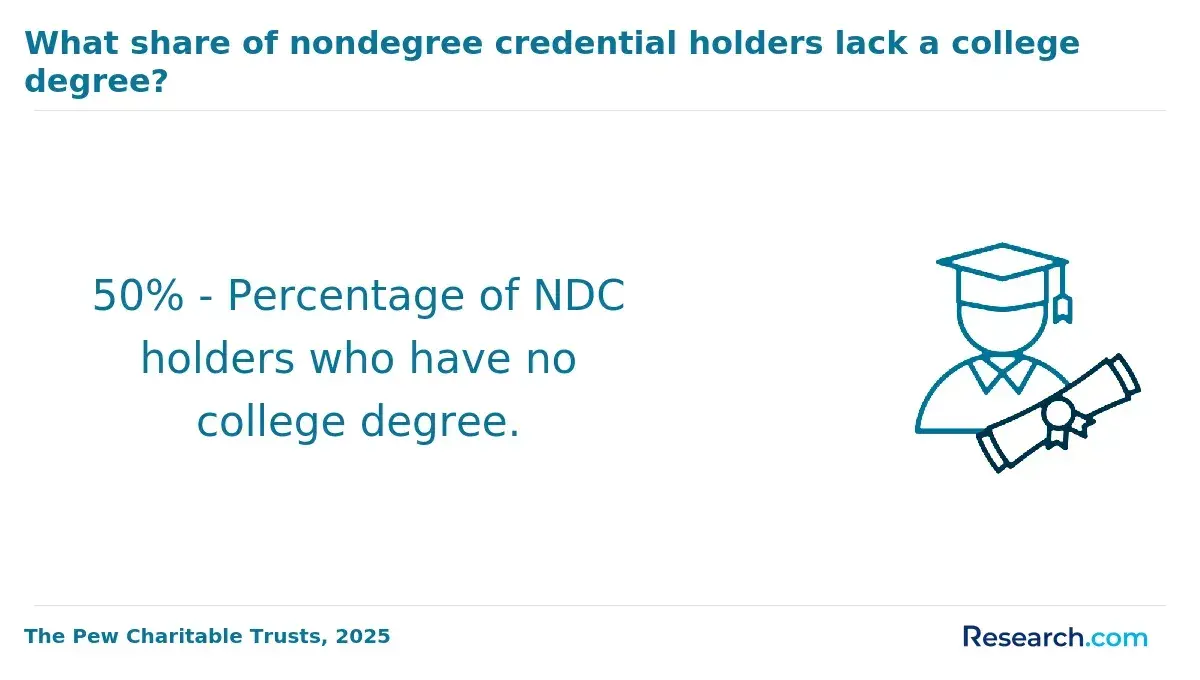
Return on investment (ROI) in higher education compares the total cost of earning a degree with the added earnings a graduate gains over 10 years relative to someone holding only a high school diploma or associate degree in the same field. According to data from the Georgetown University Center on Education and the Workforce and PayScale's College ROI Report, bachelor's degree holders typically earn about $1 million more over a decade than high school graduates.
Using median salary figures from the Bureau of Labor Statistics for agriculture-related jobs, the average yearly wage is around $58,000. Assuming a steady 3% raise annually, total earnings over 10 years reach approximately $630,000. In contrast, a high school graduate in similar jobs may earn $40,000 annually, totaling near $440,000 in the same period.
Subtracting these totals shows a $190,000 income premium attributed to the bachelor's degree. After deducting an estimated $40,000 in tuition and fees for an online agriculture program, the net benefit over 10 years is about $150,000. This equates to a return of nearly 3.75 times the education investment, which aligns closely with the national average ROI for all bachelor's degrees.
- Cost vs Earnings: Tuition costs for online agriculture degrees generally range from $30,000 to $50,000, with increased earnings over time offsetting these expenses multiple times over.
- Steady Wage Growth: A conservative 3% annual wage increase significantly enhances cumulative income, reflecting real-world salary progression.
- National Comparison: The ROI on agriculture degrees compares favorably to broader bachelor's degree averages, suggesting solid financial value.
- Non-Financial Benefits: Graduates also report improved job stability, career growth, and professional development, which contribute to the overall return beyond just monetary gains.
A professional who enrolled in an online agriculture bachelor's program shared that carefully assessing the balance between cost and long-term benefits influenced his decision. He recalled, "I took time to calculate whether the degree's financial return would justify the expense, considering my current job and future goals."
Despite initial uncertainty about managing coursework alongside work, completing the program boosted his confidence and opened new career opportunities. "Knowing the investment made sense financially helped me stay motivated, especially during challenging semesters," he noted, emphasizing how practical data helped him commit to the program and ultimately advance professionally.
How Do Online Agriculture Program Tuition Rates Compare Across Public, Private, and For-Profit Institutions?
Tuition rates for online agriculture programs can vary significantly depending on whether the institution is public, private, or for‑profit. Generally, public universities offer lower in‑state tuition and competitive online pricing compared with private and for‑profit schools, which often charge higher rates but may include additional services or flexible formats. By comparing these different models, students can assess cost relative to value, financial aid options, and the overall affordability of their online agriculture education.
- Public Universities: Online agriculture programs at public universities tend to be the most budget-friendly, especially for in-state students who benefit from lower tuition rates. Many offer flat-rate tuition regardless of credit hours, allowing for predictable expenses. Out-of-state learners may face higher online tuition, yet these costs often remain lower compared to private nonprofit options. This affordability frequently makes public institutions appealing for those balancing cost and quality.
- Private Nonprofit Institutions: These schools usually charge higher tuition than public universities but often provide more rigorous curricula and stronger alumni networks. Their financial aid offerings can help mitigate higher sticker prices. Additionally, private nonprofits emphasize career services and academic reputation, which can boost graduates' salary prospects and long-term returns on investment.
- For-Profit Colleges: For-profit colleges advertise competitive tuition rates and flexible schedules, attracting budget-conscious and working students. However, data from IPEDS and other research highlight concerns such as lower graduation rates and employer hesitation toward these degrees. Despite lower upfront costs, these factors may reduce overall ROI due to potential challenges in employment and earnings growth.
Students seeking the best average tuition costs for online agriculture degrees should weigh more than just price. Comparing public vs private online agriculture program expenses involves understanding how graduation success, career support, and employer perceptions affect future job security and income. For careful decision-making, reviewing verified salary data from trusted sources alongside tuition fees is crucial.
This balanced approach helps ensure investments-whether in affordable public schools or pricier private nonprofits-align with career advancement goals. For detailed insights on related programs, consider exploring an online cybersecurity degree as a point of comparison in tuition trends and financial outcomes.
What Long-Term Salary Growth Can Agriculture Bachelor's Degree Holders Expect Over a 20- to 30-Year Career?
Graduates with an agriculture bachelor’s degree can typically expect steady long‑term salary growth over a 20‑ to 30‑year career. As professionals gain experience, take on leadership roles, or specialize in areas like agribusiness, sustainability, or research, their earning potential often increases accordingly. Additionally, ongoing industry demand and opportunities for advanced certifications or graduate study can further enhance salary growth throughout their careers.
- Early Career Growth: Agriculture bachelor's degree recipients generally start with salaries between $35,000 and $45,000. In the first five years, earnings rise steadily as graduates build skills and gain industry experience, often supported by certifications and expanding responsibilities.
- Mid-Career Acceleration: Around a decade into their careers, professionals often move into supervisory or technical specialist roles. This advancement brings a sharper increase in pay, with mid-career median salaries commonly ranging from $60,000 to $75,000, as reported by sources like PayScale and the American Community Survey.
- Senior-Level Milestones: After 15 years, many reach leadership positions, including managerial or consultant roles. These senior roles typically offer salaries exceeding $85,000, reflecting greater responsibility for projects, team management, and strategic initiatives.
- Lifelong Earnings Premium: Over 20 to 30 years, agriculture degree holders generally see total earnings that surpass those of individuals without degrees in related jobs by $700,000 to more than $1 million, thanks to continued wage growth and career development opportunities linked to holding a degree.
Non-Salary Benefits: Beyond income, degree holders frequently experience enhanced job stability, access to ongoing professional training, and eligibility for specialized roles, all contributing to long-lasting career growth and financial security.
When asked about her journey, a professional who built a career after completing an online agriculture bachelor's degree shared that navigating early challenges-balancing work, study, and family commitments-was demanding but rewarding. She emphasized how the program's flexible structure allowed her to apply new knowledge in real-time, accelerating her advancement. "The degree not only increased my earning potential," she reflected, "but it gave me the confidence to pursue leadership roles I hadn't imagined before." Her experience highlights how perseverance and practical education together drive meaningful salary growth and career progress over decades.
How Does the ROI of an Online Agriculture Bachelor's Degree Compare to an Associate Degree or a Professional Certificate?
The investment required for an online agriculture bachelor's degree is considerably higher than that for an associate degree or an industry certificate. Based on data from the National Center for Education Statistics, bachelor's programs typically cost between $15,000 and $30,000 annually over four years. In comparison, associate degrees usually span two years with total expenses ranging from $5,000 to $15,000. Certificates may cost less than $3,000 and can be completed within a few months, presenting a more accessible option for those seeking swift credentialing.
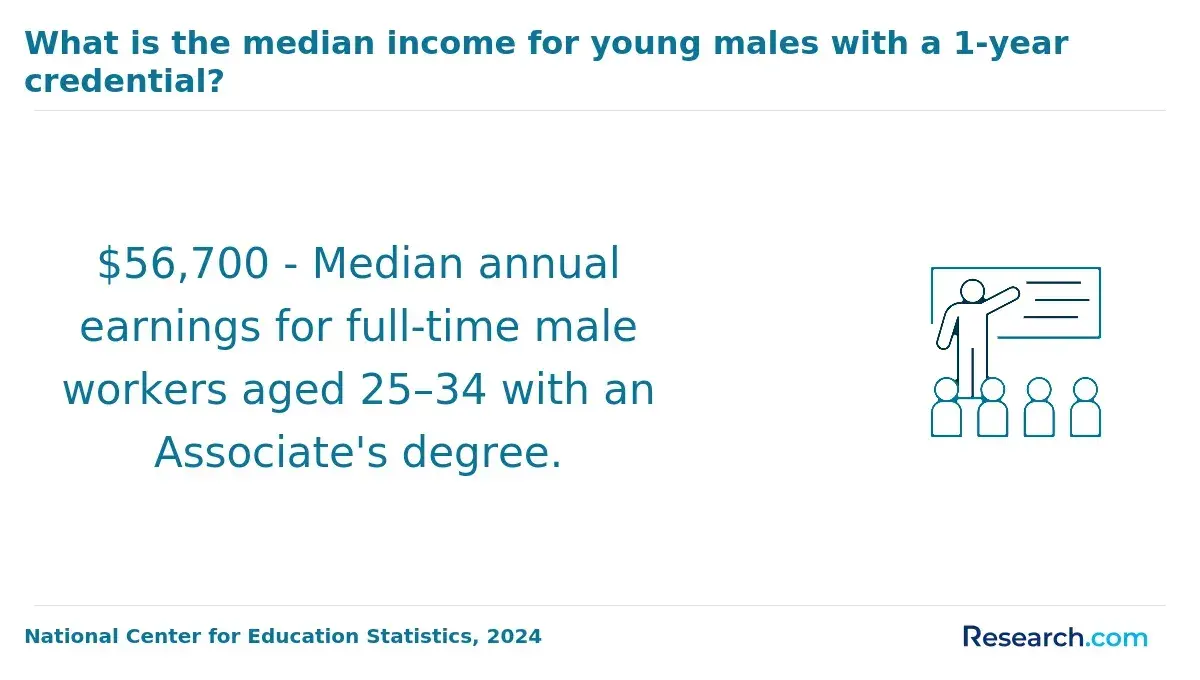
- Salary Outcomes: According to the Bureau of Labor Statistics, individuals holding bachelor's degrees in agriculture-related fields earn substantially more-about 20% to 40% higher annual wages-than those with associate degrees or certificates. For instance, an agriculture technician with an associate degree may have a median income near $45,000, while bachelor's degree holders can expect salaries between $60,000 and $70,000.
- Short-Term Investment: Certificates and associate degrees offer fastest routes to employment with moderate pay, making them well-suited for students needing immediate income or wanting to limit education debt.
- Long-Term Career Prospects: A bachelor's degree generally unlocks opportunities for leadership, research, and specialization that associate degrees or certificates seldom provide.
- Job Security and Growth: Higher-level credentials correlate with more stable jobs and increased potential for salary advancement and professional development, supported by a broader skillset.
- Decision Framework:
- If minimizing upfront costs and entering the workforce quickly are priorities, pursuing a certificate or associate degree is advisable.
- If aiming for mid- to long-term career progression and higher lifetime earnings, investing in a bachelor's degree offers stronger returns.
Which Online Agriculture Specializations or Concentrations Yield the Highest Earning Potential After Graduation?
Specializing within an online agriculture bachelor's program can greatly influence earning potential and return on investment, according to Bureau of Labor Statistics (BLS) data and educational research. Graduates who focus on specific tracks often earn higher median salaries compared to generalist agriculture degree holders entering similar roles.
- Agribusiness Management: This specialization combines business skills with agricultural knowledge, leading to careers in farm management, commodity trading, and agricultural sales. Median salaries tend to be higher, making it an efficient path for working professionals seeking faster time-to-ROI with fewer additional certifications.
- Agricultural Engineering: Involving the design of farming equipment and systems, this track commands median wages between $80,000 and $90,000. Though lucrative, these roles usually require extra certifications or licensure, increasing the total education investment and time before entering the workforce.
- Animal Science: Graduates typically pursue livestock management, veterinary assistance, or animal nutrition roles. Salaries are modestly above generalist agriculture jobs, with ongoing certifications often necessary depending on the career path chosen.
- Soil and Plant Science: Focused on soil health and crop production consulting, this concentration offers a slight salary premium. Many positions in research or environmental compliance may require advanced degrees or certifications, adding to education costs and length.
- Environmental Agriculture: Suited for those interested in sustainable farming and resource management, this path provides strong job security and advancement prospects. Initial salaries may be lower, but professional development opportunities can increase long-term earnings.
Choosing the best specialization depends on your career goals and prior experience. For first-generation college students or career changers on a budget, agribusiness management offers higher starting salaries with fewer extra costs. Meanwhile, agricultural engineering involves greater upfront investment but yields the highest potential incomes. Balancing these factors helps optimize your complete return on investment in an online agriculture degree.
How Do Employer Tuition Reimbursement and Financial Aid Reduce the Net Cost of an Online Agriculture Bachelor's Degree?
Employer tuition reimbursement programs offer a substantial opportunity to lower the out-of-pocket cost for students pursuing an online agriculture bachelor's degree. Under IRS Section 127, employees may receive up to $5,250 annually in tax-free educational assistance from their employer. This benefit is widespread-data from the Society for Human Resource Management (SHRM) shows that approximately 58% of U.S. employers provide some form of tuition assistance, making it a vital resource for working students. Many programs cover tuition, fees, and occasionally books, which lowers the direct financial burden.
Alongside employer tuition reimbursement benefits for online agriculture degrees, federal and institutional financial aid further decrease student costs. Grants, scholarships, and subsidized loans can reduce tuition fees to a fraction of the full sticker price. Pell Grants and state-specific awards are especially valuable as they do not require repayment. Merit-based scholarships aimed at agriculture majors or online learners also help ease financial pressures.
For instance, a student enrolled in an online agriculture bachelor's program with a $30,000 tuition cost might receive $5,250 per year through employer tuition reimbursement and an additional $7,500 in federal grants and scholarships. This brings their net cost below $17,000, and factoring in federal loans offers even more manageable repayment options. This combined approach makes the degree financially feasible for working professionals, first-generation college students, and career changers seeking advancement.
Understanding the full value of this education also includes non-financial returns like career growth, job security, and professional development. Those interested in career transitions might find additional insights into career options, such as what is an SLP in education, helpful when weighing their decisions.
- Employer Tuition Reimbursement: Many employers provide tax-free tuition assistance up to $5,250 per year under IRS Section 127, directly reducing student expenses.
- Prevalence Among Employers: Over half of U.S. employers offer tuition benefits, increasing access for working students pursuing online degrees in agriculture.
- Federal and Institutional Aid: Grants, scholarships, and subsidized loans significantly lower tuition to a fraction of the sticker price for eligible students.
- Tax Advantages: Employer reimbursements are exempt from federal income taxes up to IRS limits, enhancing their benefit.
- Worked Cost Example: Combining employer reimbursement with federal aid lowers a $30,000 tuition bill to under $17,000, improving affordability and return on investment.
What Hidden Costs Should Students Factor Into the Total Investment of an Online Agriculture Bachelor's Degree?
Students pursuing an online agriculture bachelor's degree often overlook additional costs that extend beyond tuition, impacting their overall financial planning. These hidden expenses can significantly increase the total out-of-pocket investment, thus affecting the break-even timeline for achieving a positive return on investment. Budgeting solely for tuition misses technology fees-ranging from $100 to $500 per semester-that fund online learning infrastructure.
Exam proctoring fees, typically $30 to $100 per test, add up across multiple courses and are rarely included in advertised costs. Some specialized courses require software licenses for tools related to GIS, crop simulation, or data analysis; these licenses can cost several hundred dollars annually. Graduation and application fees, meanwhile, contribute an additional $150 to $300 to total expenses.
Many online agriculture programs also recommend or require memberships in professional organizations such as the American Society of Agronomy or the National FFA Organization. These memberships provide valuable networking and career advancement opportunities, but annual dues ranging from $50 to $150 should be factored into a student's budget. According to recent College Board and IPEDS data, these combined hidden costs may total several thousand dollars over a four-year program, making it critical to request a full cost-of-attendance breakdown rather than focusing exclusively on tuition. Understanding these additional costs is especially important for first-generation college students, working professionals, or career changers who need precise budgeting guidance for an online agriculture bachelor's degree program.
- Technology Fees: Institutions typically charge technology fees each semester to support online platforms, accounting for $100 to $500 per term and adding significantly to total expenses.
- Exam Proctoring Costs: Remote testing services usually incur separate fees between $30 and $100 per exam, increasing the financial burden on students.
- Course-Specific Software: Licensing fees for specialized software essential to some agriculture courses may cost several hundred dollars annually, impacting budgeting decisions.
- Graduation and Application Fees: These mandatory fees add between $150 and $300 to the overall cost of the degree and should be anticipated when planning finances.
- Professional Memberships: Annual dues from $50 to $150 for industry organizations enhance career prospects but must be included in cost considerations.
Students seeking carefully analyzed data on affordability and ROI may also explore options like the cheapest master in data science to compare different fields. Factoring hidden expenses into total costs ensures more realistic income expectations after graduation, facilitating informed decisions about the financial and professional value of enrolling in an online agriculture program.
How Does the Accreditation Status of an Online Agriculture Program Affect Graduate Salary and Employability?
Regional accreditation reviews entire schools against strict academic and administrative standards, while programmatic accreditation evaluates specific agriculture programs by industry criteria. Both credentials influence employer judgments and graduate success.
According to National Association of Colleges and Employers (NACE) surveys, hiring managers prefer applicants with degrees from regionally or programmatically accredited institutions. Graduates from non-accredited or solely nationally accredited schools often face difficulties in salary negotiations and may be viewed as less prepared, limiting career advancement.
Choosing a program lacking proper accreditation can restrict eligibility for licensure exams, graduate programs, and certain government or healthcare jobs. Prospective students should verify accreditation status using the U.S. Department of Education's and the Council for Higher Education Accreditation (CHEA) databases before committing to enrollment.
- Regional vs Programmatic Accreditation: Regional accreditation assesses the whole institution's quality, while programmatic accreditation targets the specific agriculture program's relevance and rigor.
- Employability Impact: Employers favor accredited degrees, linking them to higher-quality training and job readiness, which enhances hiring prospects.
- Salary Negotiation Power: Graduates with accredited credentials generally command better starting salaries and faster career growth.
- Licensure and Further Education: Many professional licenses and graduate schools require degrees from accredited programs, making accreditation essential.
- Verification Resources: Using official databases helps students confirm accreditation status to avoid costly educational investments.
What Entry-Level Job Titles and Salary Ranges Are Available to Graduates of Online Agriculture Bachelor's Programs?
Online agriculture bachelor's degree graduates often enter diverse roles with starting salaries that vary by sector and experience level. These positions reflect a broad spectrum of career opportunities that influence the pace of return on investment.
- Agricultural Technician: Median starting salaries range from $35,000 to $45,000, typically in government agencies, research organizations, and private crop production firms.
- Farm Manager Trainee: Earnings start around $40,000 to $50,000, with potential growth in large-scale or specialty farms.
- Soil and Plant Scientist Assistant: These roles often begin near $45,000, common in environmental consulting and government research institutes.
- Crop Consultant: Entry-level pay ranges from $40,000 to $55,000, with higher salaries possible in technology-driven agribusiness sectors.
- Food Safety Specialist: Starting salaries typically fall between $45,000 and $55,000, especially in regulatory agencies and food production companies.
- Agricultural Sales Representative: Initial pay ranges from $40,000 to $60,000, particularly in agriculture equipment and biotechnology industries.
- Environmental Compliance Specialist: Salary ranges are usually $45,000 to $55,000, mostly in government and environmental services.
- Extension Agent: Often earning $40,000 to $50,000, these professionals generally work for government or educational institutions.
Government and technology-related agribusiness sectors often provide the highest entry-level compensation. Internships, professional certifications like the Certified Crop Adviser, and targeted academic concentrations can increase starting salaries by 10% to 20%. These factors enhance financial returns and accelerate salary recovery for graduates, making careful consideration of these roles vital for informed decision-making about online agriculture programs.
What Graduates Say About the Return on Investment of Their Online Agriculture Bachelor's Degree
- Shane: "Choosing the online agriculture bachelor's degree was a strategic decision based on a careful analysis of the ROI versus the cost of traditional programs. Beyond the financial savings, the flexible schedule allowed me to continue working while studying, which led to immediate career advancement opportunities. The combination of practical knowledge and convenience truly made the investment worthwhile for my professional growth."
- Emiliano: "Reflecting on my experience, the non-financial returns of the online agriculture degree far exceeded my expectations. The program deepened my expertise, which enhanced my job security and opened doors to leadership roles in the agricultural sector. It's clear that the value I gained goes well beyond salary-this degree has empowered me with confidence and resilience in a competitive industry."
- Samuel: "From a professional standpoint, completing an online agriculture bachelor's degree has significantly impacted my career trajectory. The program's comprehensive curriculum was directly applicable to my work, enabling me to implement innovative solutions that increased productivity. This tangible impact on my performance has translated into higher earning potential and recognition in my field, confirming the program's strong ROI."
Other Things You Should Know About Agriculture Degrees
In 2027, graduates with an online agriculture bachelor's degree can expect an average salary increase of approximately 20% over their pre-degree earnings. Factors such as location and specialization can influence this figure.
Salary outcomes vary widely based on region and sector within agriculture. For example, graduates working in states with a strong agricultural economy like California, Iowa, or Texas typically earn higher wages than those in regions with less agricultural activity. Additionally, industry sectors such as food production, agricultural technology, and environmental consulting usually offer better pay compared to traditional farming roles.
Employer surveys consistently rank agriculture bachelor's degrees as valuable for roles requiring technical knowledge, problem-solving, and management skills. Labor market data shows steady demand for graduates, particularly in areas linked to sustainable farming, food safety, and agri-business innovation. Employers prefer candidates with updated skills in data management and biotechnology, making an online degree that covers these areas especially relevant.
Non-financial returns include enhanced job security, career advancement opportunities, and professional development through specialized knowledge. Graduates often report increased confidence in managing complex agricultural projects and adapting to industry changes. These benefits contribute to long-term career satisfaction and resilience, which are important when assessing the overall return on investment.
References
- Online college courses are popular, why do they still cost so much? https://hechingerreport.org/as-online-higher-education-hits-a-milestone-why-does-it-still-cost-so-much/
- Industry perceptions of employability skills for agricultural graduates in the fourth industrial revolution http://www.scielo.org.za/scielo.php
- Employer-offered educational assistance programs can help pay for college | Internal Revenue Service https://www.irs.gov/newsroom/employer-offered-educational-assistance-programs-can-help-pay-for-college
- HIDDEN COSTS & THEIR IMPACT ON STUDY OPTIONS https://www.iie.ac.za/hidden-costs-their-impact-on-study-options
- Is College Worth it? | Return on Investment Analysis of College Degree https://educationdata.org/college-degree-roi
- The Hidden Costs of Higher Education http://perspectives.acct.org/stories/the-hidden-costs-of-higher-education-0
- Tuition Reimbursement: How Do Employers Benefit from It? | KBI Benefits https://www.kbibenefits.com/tuition-reimbursement-benefits
- Employability of University Graduates as a Measure of Quality https://www.e-mentor.edu.pl/eng/article/index/number/110/id/1714