2027 Hybrid vs Fully Online Agriculture Bachelor's Degree Programs

Co-Founder and Chief Data Scientist
Imagine a working parent living in a rural area, balancing job responsibilities with a desire to advance through an agriculture bachelor's degree. They must decide whether to commit to a hybrid program, traveling to campus for practical labs and networking, or choose a fully online format that offers maximum schedule flexibility and eliminates commuting challenges. This tension between hands-on engagement and adaptive learning schedules reflects a common dilemma.
Nearly 45% of agriculture undergraduates now enroll in some form of online education, highlighting the growing importance of digital access. This article examines key differences between hybrid and fully online agriculture programs to guide students toward the best fit for their goals and circumstances.
Key Benefits of Hybrid vs Fully Online Agriculture Bachelor's Degree Programs
- Hybrid programs offer more learning flexibility by combining online coursework with scheduled in-person labs, benefiting students who need hands-on experience without full campus attendance.
- Fully online Agriculture degrees allow minimal in-person interaction, suitable for students prioritizing remote study or living far from campus, though this may limit networking opportunities.
- Hybrid formats better support balancing education with work and family by providing structured face-to-face sessions alongside asynchronous online classes, helping 65% of students maintain employment during study.
What Is a Hybrid vs Fully Online Agriculture Bachelor's Degree?
Hybrid and fully online agriculture bachelor's degree programs differ primarily in their delivery methods, the extent of in-person interaction, and the structure of learning activities. According to the National Center for Education Statistics, approximately 37% of undergraduates have taken at least one online course, reflecting growing demand for flexible education formats. These differences influence how students engage with coursework and manage their schedules. Below is a comparison that highlights key features of each format.
Hybrid Programs
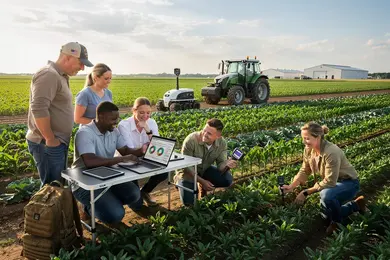
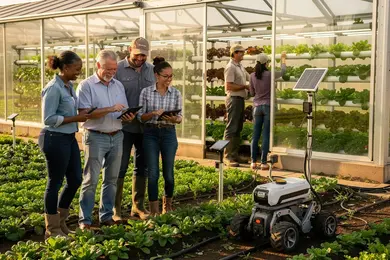
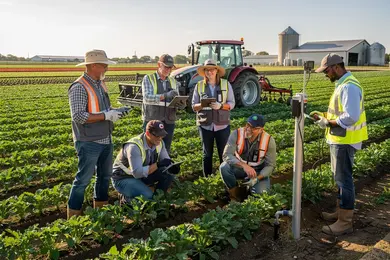
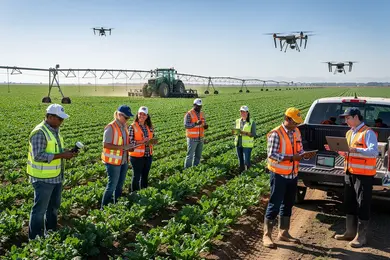
- Courses combine online lectures with periodic on-campus labs or fieldwork, allowing practical, hands-on learning essential in agriculture education.
- Students must plan for scheduled visits to campus throughout the semester, balancing in-person attendance with online study.
- Face-to-face interaction with instructors and peers during on-site sessions enhances collaboration and networking opportunities.
- This format suits learners who prefer a mix of digital flexibility and direct engagement in physical environments.
- Hybrid agriculture bachelor's degree programs explained often emphasize blending experiential learning with technology-based coursework.
Fully Online Programs
- All instruction and assessments are delivered virtually, with students accessing course materials and lectures through online platforms exclusively.
- Students enjoy greater autonomy over their study schedules, often benefiting those with geographic or professional constraints.
- Communication and interaction occur via video conferencing, discussion boards, and other digital tools without face-to-face meetings.
- This format is ideal for students who need or prefer a fully remote education experience without on-campus commitments.
- Many appreciate the self-paced flexibility offered by fully online agriculture bachelor's degree benefits for managing diverse life demands.
For those exploring shorter degree options, a 6 month degree course can also offer alternative pathways into the field.
How Does a Hybrid vs Fully Online Agriculture Bachelor's Degree Program Work?
Both hybrid and fully online agriculture bachelor's degree programs follow structured academic pathways designed to deliver core knowledge and skills. They differ mainly in their approach to coursework delivery and student interaction with instructors and peers. According to recent data, over 40% of U.S. undergraduates have enrolled in at least one online course, reflecting the growing prominence of digital learning options. Below is a detailed comparison of these two program formats.
Hybrid Programs
- Class sessions are divided between on-campus attendance and online components, blending face-to-face and digital learning.
- On-campus labs, fieldwork, and group projects are scheduled to provide essential hands-on agriculture training.
- Online materials including lectures, readings, quizzes, and assignments are accessed via learning management systems (LMS).
- Regular real-time discussions take place either in person or through video conferencing to maintain engagement.
- Students communicate with faculty and peers through email, LMS platforms, and in-person meetings for comprehensive support.
Fully Online Programs
- All course content-lectures, readings, exams, and assignments-is delivered entirely through an LMS.
- Asynchronous coursework allows students to complete assignments on flexible schedules within set deadlines.
- Scheduled synchronous video sessions enable live interaction with instructors and classmates to foster learning community.
- Discussion boards, chat, and email serve as primary channels for communication and collaboration.
- Virtual labs and simulations replicate practical agriculture experiences to the extent possible remotely.
Students evaluating flexibility and course delivery in fully online agriculture bachelor's degree programs may also explore related options such as engineering degrees online to understand diverse digital learning structures.
Are Admission Requirements Different for Hybrid and Fully Online Agriculture Bachelor's Degrees?
Admission standards for hybrid and fully online agriculture bachelor's programs generally align, though small variations occur due to program delivery methods and institutional preferences. These differences often reflect how each format addresses logistical and academic considerations. The following points highlight key distinctions to consider when evaluating admissions criteria.
- Academic Qualifications: Hybrid programs tend to require conventional academic benchmarks like specific GPAs and prerequisite courses aligned with on-campus learning demands. Fully online programs may offer greater flexibility, sometimes accepting applicants with diverse educational backgrounds or relevant professional experience.
- Technical Requirements: Fully online degrees typically mandate proof of stable internet and suitable computing devices, since all coursework is remote. Hybrid programs may impose fewer technological demands since students have access to campus resources during face-to-face sessions.
- Application Materials: Both formats usually ask for transcripts, recommendations, and personal statements, but hybrid programs might request additional proof of local residency or proximity due to in-person attendance obligations.
- Program-Specific Prerequisites: Hybrid options often include physical ability certifications or experience pertinent to hands-on agricultural activities, which are less common or replaced by alternative assignments in fully online tracks.
- Orientation Sessions: Hybrid students usually participate in mandatory in-person orientations, whereas online learners engage in virtual sessions, influencing how and when their enrollment is finalized.
A student enrolled in a fully online agriculture bachelor's program reflected that the application process felt straightforward yet thorough. She appreciated the flexibility of submitting evidence of her work experience in lieu of traditional transcripts, which she found relieving given her non-linear educational path. Navigating the technical prerequisites was initially challenging, especially ensuring reliable internet and compatible software, but the program's support staff provided clear guidance that eased the transition.
She noted, "Being part of an online cohort meant I could focus on balancing study with my job, but the orientation helped me connect with instructors and classmates, making the remote experience more engaging and less isolating than I expected." This perspective underscores how admission differences shape individual journeys without compromising accessibility or rigor.
Is the Learning Experience Better in Hybrid vs Online Agriculture Bachelor's Degrees?
Programs combining in-person and online learning often offer a more dynamic educational environment by facilitating direct interaction with instructors and classmates during face-to-face sessions. These meetings promote immediate feedback, collaborative activities, and lively discussions that deepen comprehension. Access to campus facilities such as laboratories, research tools, and field experiences enriches practical learning, which is vital for agriculture studies. Scheduled on-site classes also foster discipline and consistent participation, supporting student motivation. However, balancing these components demands effective time management and may require commuting, which can be difficult for those with tight timetables.
Entirely online agriculture degree programs provide significant flexibility, enabling students to study from any location and often on a self-paced schedule. This model suits individuals who need to accommodate work or live remotely from campus. While digital platforms offer various communication methods like forums and video conferencing, the interaction may lack the spontaneity and personal connection found in person. Practical training usually depends on virtual simulations or occasional on-site sessions. Success in this setting depends heavily on students' self-motivation and their ability to engage proactively in an online learning community.
Which Is More Flexible: Hybrid or Fully Online Agriculture Bachelor's Degree?
Hybrid agriculture bachelor's degree flexibility comparison shows that these programs require students to balance online coursework with scheduled on-campus sessions, such as labs and fieldwork. This format offers a blend of face-to-face instruction and digital learning, requiring travel and coordination for in-person attendance on designated days or weekends. While hybrid programs provide more flexibility than fully on-campus degrees, they demand regular campus visits, which can limit spontaneous schedule changes. Students often need to manage fixed meeting times and arrange transportation, blending remote learning with hands-on experience.
Fully online agriculture degree program scheduling advantages lie in the ability to access coursework remotely and complete assignments asynchronously. This format allows learners to tailor their study hours around personal and professional commitments without being bound to specific class times. A 2023 survey found that 70% of online students chose this format primarily for its scheduling flexibility. Such autonomy makes fully online degrees ideal for those requiring maximum control over their learning pace. Prospective students interested in flexible education might also explore options such as an online criminal justice degree for further examples of remote study benefits.
What Is the Workload for Hybrid vs Fully Online Agriculture Bachelor's Degrees?
Although hybrid and fully online agriculture bachelor's degree programs generally adhere to equivalent academic standards, they differ notably in pacing, course structure, and how students must manage their time. A 2023 study by the Online Learning Consortium found that around 60% of students enrolled in hybrid programs experience a more structured workload compared to those studying fully online, reflecting the influence of scheduled in-person components. This distinction affects how students engage with their studies and balance responsibilities throughout the semester.
In hybrid agriculture programs, learning activities are divided between on-campus sessions and online assignments. Students attend regular in-person classes that often include labs, hands-on fieldwork, and group discussions at specified times. This approach establishes a consistent timetable, which can aid students by providing fixed study blocks and helping them pace their workload. Consequently, time management in hybrid formats tends to be more regimented, as learners juggle campus involvement with independent digital coursework such as readings and online submissions.
Fully online agriculture degrees rely predominantly on asynchronous learning, where students complete coursework independently using virtual platforms. Without scheduled class times, learners must possess strong self-discipline to keep up with recorded lectures, quizzes, and research tasks. This model offers greater flexibility for balancing personal or professional commitments but demands proactive planning to prevent falling behind. The absence of routine in-person sessions places the onus on students to structure their own study time and stay motivated throughout the program.
How Does Tuition Compare for Hybrid vs Online Agriculture Bachelor's Degrees?
Tuition costs for hybrid and fully online Agriculture bachelor's degree programs can differ significantly due to factors like delivery format, institutional policies, credit requirements, and additional fees. Research indicates that hybrid programs often have per-credit tuition rates that are 10-15% higher than those of fully online programs with similar Agriculture curricula. These variations reflect the different resources and structures involved in each format.
- Per-Credit Costs: Hybrid programs typically charge more per credit to cover both on-campus and online instruction expenses. Fully online programs usually benefit from economies of scale, allowing them to offer lower per-credit tuition.
- Technology and Campus Fees: Students in hybrid programs often pay extra campus or facility fees supporting physical labs and classrooms. In contrast, fully online students mainly pay modest technology fees without campus-related charges.
- Residency and Facility Charges: Hybrid students may incur additional travel and housing costs due to required campus visits, expenses generally avoided by fully online learners engaged in remote study full-time.
- Payment Flexibility: Fully online Agriculture programs often provide more adaptable payment plans, including monthly installments or subscription models designed specifically for online students.
- Additional Student Fees: On-site service fees, such as parking or library access, usually apply to hybrid learners, whereas fees for fully online students mostly cover access to digital resources.
When I spoke with a graduate of a hybrid Agriculture bachelor's degree, he described the tuition experience as "a balancing act." While the higher per-credit rate was challenging, he appreciated the mixed learning format's value despite the extra fees for campus facilities and travel.
He mentioned, "Managing the travel expenses along with tuition payments required careful budgeting," but also noted that the hybrid access to labs and in-person faculty was crucial to his education. He reflected on feeling "both the financial weight and the direct benefits" of this program structure, highlighting the personal trade-offs involved in choosing between hybrid and fully online options.
Do Employers Prefer Hybrid or Fully Online Agriculture Bachelor's Degrees?
Employer perceptions of hybrid and fully online agriculture bachelor's degrees have notably improved over time as online education gains legitimacy and quality. A 2023 survey by the National Association of Colleges and Employers (NACE) found that over 70% of employers now regard fully online degrees as equally credible to traditional formats when awarded by reputable institutions. This acceptance shapes how employers view different program formats in agriculture, influencing hiring decisions.
Here is how employers tend to compare hybrid and fully online agriculture programs in the job market perception of fully online agriculture degrees and employer preferences for hybrid agriculture bachelor's degrees:
- Practical Experience: Hybrid programs often receive stronger employer approval because they combine virtual learning with in-person labs, fieldwork, or internships that demonstrate hands-on skills. Fully online degrees may raise questions about direct experiential learning, though some programs now offer virtual simulations and coordinated local placements.
- Skill Relevance: Employers value graduates' ability to apply technical skills in real-world settings. Hybrid degrees reassure them about this readiness through physical interactions, while fully online degrees are gaining respect for fostering adaptability and independent problem-solving, especially in tech-focused agricultural sectors.
- Industry Preferences: Traditional farming and conservation roles frequently prefer hybrid degree holders due to on-site experiences. Meanwhile, sectors like agricultural policy, supply chain management, or data analysis are increasingly open to hiring candidates from either format, emphasizing knowledge over delivery style.
- Flexibility and Accessibility: Fully online degrees offer greater flexibility, attracting students with diverse schedules or lifestyles. Some employers appreciate this adaptability in graduates, recognizing the potential for online education to broaden access without sacrificing quality.
Students weighing their options may also explore programs recognized as supportive environments by websites dedicated to flexible learning, such as online school for moms.
Who Should Choose a Hybrid vs Fully Online Agriculture Bachelor's Degree?
The decision between hybrid and fully online agriculture bachelor's degree programs largely hinges on individual learning preferences, schedule flexibility, and lifestyle needs. Each format offers distinct advantages that cater to different types of students. Understanding who benefits most from each can help prospective learners make an informed choice.
- Hands-On Learners: Students who prefer face-to-face instruction for complex, practical skills essential in agriculture thrive in hybrid programs. They benefit from direct interaction with instructors and access to campus labs or fieldwork components.
- Working Professionals: Fully online agriculture degree flexibility advantages appeal to individuals balancing careers and education. These students often seek to advance their qualifications without disrupting job commitments or relocating.
- Structured Schedulers: Those who prefer a blend of online coursework combined with scheduled, on-campus sessions find hybrid formats ideal. This structure supports accountability while offering some online convenience.
- Remote Residents: Students living in rural or distant areas benefit from fully online options, as these programs eliminate the need for travel and provide accessible learning regardless of location.
- Independent Learners: Self-motivated individuals comfortable with digital platforms tend to excel in fully online programs, appreciating the autonomy to manage their study time and environment.
- Hands-On Experience Seekers: Learners who value direct mentoring and experiential learning opportunities often prefer hybrid programs because they blend online flexibility with essential in-person engagement.
Choosing the best path depends on aligning academic goals with your lifestyle and learning style. For further insight on valuable advanced degrees, consider exploring the most in demand masters degrees to see how education pathways can support your career growth in agriculture.
How Can I Succeed in a Hybrid vs Fully Online Agriculture Bachelor's Degree Program?
Success strategies vary between hybrid and fully online agriculture bachelor's programs because their formats shape how students interact and manage their learning. Hybrid students navigate a blend of in-person and virtual engagement, while fully online learners depend solely on digital tools and self-discipline. The following approaches highlight key tactics for thriving in both settings.
- Time Management: Hybrid students benefit from creating a weekly plan that balances on-campus sessions and online coursework. Fully online learners should establish a structured routine that mirrors traditional class schedules to maintain focus and consistency.
- Active Participation: Attending face-to-face classes helps hybrid students deepen understanding and connect with peers and instructors. Online students must compensate by engaging proactively through discussion boards, video calls, and emails.
- Self-Motivation: Without regular in-person contact, fully online students need to cultivate strong discipline and set clear study goals. Hybrid learners may rely more on scheduled classes but still benefit from personal initiative.
- Study Environment: Fully online students should design a dedicated, distraction-free space for learning. Hybrid students can leverage campus resources for hands-on practice and collaboration.
- Use of Digital Tools: Both formats should utilize virtual labs, agriculture simulation software, and online libraries to reinforce practical skills and knowledge.
- Progress Tracking: Regularly monitoring assignments and deadlines through digital planners or apps helps all students stay organized and accountable.
- Peer Support: Forming study groups-either in-person for hybrid or through online platforms for fully online learners-fosters motivation and shared learning experiences.
What Graduates Say About Hybrid vs Fully Online Agriculture Bachelor's Degree Programs
- Shane: "Choosing a fully online agriculture degree allowed me to balance my farming responsibilities with coursework, which was crucial for my lifestyle. The flexibility to learn at my own pace made navigating assignments and live sessions manageable despite a busy schedule. Now, as a consultant, the knowledge I've gained online empowers me to offer innovative solutions to clients in rural communities."
- Emiliano: "Pursuing a hybrid agriculture program was an eye-opening experience that combined the best of both worlds-hands-on fieldwork paired with dynamic online theory classes. Initially, adapting to remote lectures was challenging, but the support from instructors made the transition smoother. This blend has greatly enhanced my career, allowing me to confidently lead sustainable agriculture projects at my firm."
- Samuel: "The decision to enroll in an online agriculture bachelor's was driven by my need for flexibility while working full-time. Although self-discipline was essential for success, the program's interactive platforms and peer discussions enriched my learning journey. Professionally, earning this degree remotely has opened doors for advancement in agribusiness management without interrupting my career path."
Other Things You Should Know About Agriculture Degrees
Yes, hybrid agriculture degree programs typically incorporate in-person labs, fieldwork, or internships, which offer direct hands-on experience essential for practical skills. Fully online programs may use virtual simulations or require students to complete local internships independently to gain practical exposure. However, students in fully online programs should ensure their curriculum includes such opportunities for experiential learning.
Fully online agriculture degrees are increasingly recognized by employers, especially when awarded by accredited institutions with strong industry connections. Employers often value demonstrated practical skills and relevant internship experience, which online students can obtain through local arrangements. Accreditation and the reputation of the degree provider remain critical factors in employer acceptance.
Hybrid programs often provide more face-to-face networking opportunities through on-campus classes, events, and faculty interactions. Fully online programs typically offer virtual networking via forums, webinars, and online group projects, which can be less personal but still valuable. Students in fully online programs may need to proactively seek local or professional agriculture organizations to expand connections.
In 2027, hybrid programs typically offer more direct access to specialized resources, such as laboratories and fieldwork, which are crucial for hands-on learning. Fully online programs may provide virtual simulations and digital tools to compensate, but may be limited in offering tangible, in-person experiences.
References
- What is a Hybrid Course in College? - Transfer Goat https://transfergoat.com/what-is-a-hybrid-course-in-college/
- Difference between Hybrid, Online & In-Class Degree Programmes | BSBI https://www.berlinsbi.com/blog/what-is-the-difference-between-hybrid-online-and-in-class-degree-programmes
- What is the difference between an online and hybrid degree program? https://www.topmanagementdegrees.com/difference-online-hybrid/
- Online & Hybrid Agriculture Courses: Learn Farming from Home in 2026 | CollegeDekho https://www.collegedekho.com/articles/online-and-hybrid-agriculture-courses/
- Online or Distance Learning Programs in Agriculture https://ijoear.com/online-or-distance-learning-programs-in-agriculture
- Hybrid vs. fully online: how different teaching models impact satisfaction https://www.amba-bga.com/insights/hybrid-vs-fully-online-how-different-teaching-models-impact-satisfaction
- Pursuing an Online Agriculture Degree: Opportunities for International Students | Cademix Institute of Technology https://www.cademix.org/pursuing-an-online-agriculture-degree/
- Hybrid class vs. online: Choosing the best for your student https://www.asuprepdigital.org/blog/hybrid-class-vs-online/
- Future Of Education: Exploring Hybrid Bachelor's Degree Programs https://www.bachelorsdegreecenter.org/hybrid-bachelors-degree-programs/