2027 Highest-Paying Jobs with a Biology Master's Degree

Co-Founder and Chief Data Scientist
A biology master’s degree can qualify you for stronger research, industry, regulatory, and management roles—but it does not automatically lead to a high salary. The payoff depends on where you work, what specialization you choose, how much technical experience you bring, and whether you can connect biological expertise to business, clinical, environmental, or regulatory outcomes.
This guide is for biology graduate students, recent graduates, and mid-career professionals deciding how to use a master’s degree to improve compensation and career mobility. Recent data shows that professionals holding a biology master’s degree see a 15% higher employment rate in biotech and pharmaceutical industries compared to general life sciences graduates. That makes industry choice especially important for anyone trying to maximize the value of graduate training.
Below, you will find the highest-paying career paths, industries, states, specializations, and skills associated with a biology master’s degree, along with practical guidance on salary expectations, online versus on-campus programs, executive roles, ROI, and job outlook.
Key Benefits of the Highest-Paying Jobs with a Biology Master's Degree
- Master's programs in biology target specialized skills, enabling graduates to command salaries 20% above the industry average immediately after graduation.
- Advanced degrees accelerate promotion prospects, often leading to executive compensation roles within five years in biotech and pharmaceutical firms.
- Biology master's holders benefit from consistent demand, securing long-term financial stability amid a 15% projected employment growth through 2030.
What Are the Highest-Paying Jobs With a Biology Master's Degree?
The highest-paying jobs with a biology master’s degree are usually not entry-level lab roles. They are positions where advanced science knowledge is tied to product development, clinical trials, regulatory approval, environmental risk, or project leadership. Earning a master's degree in biology can help professionals move into senior-level and higher-paying positions that require specialized training and decision-making authority. Professionals with a master's in biology can earn up to 20-30% more than those with only a bachelor's degree.
Five strong career paths for biology master’s graduates include:
- Biotechnology Research Scientist: Biotechnology research scientists design experiments, analyze results, and help develop biological products, tools, or technologies. This path can pay well because employers need professionals who can connect laboratory findings to commercial or clinical applications. Candidates are more competitive when they have experience with molecular biology, cell culture, assay development, data analysis, or bioinformatics.
- Clinical Research Manager: Clinical research managers oversee clinical trial operations, coordinate teams, monitor timelines, and help ensure compliance with study protocols and regulatory expectations. This role suits biology master’s graduates who understand human biology, research design, documentation, and cross-functional communication. It often pays more than bench research because mistakes can affect patient safety, trial integrity, and product approval.
- Environmental Consultant: Environmental consultants apply biology to land use, ecological impact, conservation, contamination, permitting, and regulatory compliance. Higher-paying roles are often tied to complex projects for government agencies, engineering firms, energy companies, developers, or corporations with environmental obligations. Field experience, technical writing, GIS familiarity, and knowledge of environmental regulations can improve earning potential.
- Pharmaceutical Project Manager: Pharmaceutical project managers coordinate drug development activities, manage timelines, communicate across scientific and business teams, and help keep projects moving from early development toward approval or launch. Biology master’s graduates can be strong candidates when they combine scientific fluency with budgeting, scheduling, and stakeholder management. Professionals interested in expanding credentials might also consider a PharmD online pathway.
- Regulatory Affairs Specialist: Regulatory affairs specialists help prepare, review, and manage documentation needed to keep biological products, drugs, devices, or related technologies compliant with government requirements. This path can be lucrative because regulatory delays can be costly. Success requires precision, strong writing, knowledge of compliance frameworks, and the ability to translate scientific information into submission-ready documentation.
The best-paying roles typically reward more than biological knowledge alone. Employers pay premiums for candidates who can manage risk, lead teams, interpret data, communicate with non-scientists, and support decisions that affect revenue, approvals, public health, or environmental compliance.
Which Industries Offer the Highest Salaries for Biology Master's Graduates?
The highest salaries for biology master’s graduates are usually found in industries that have large research budgets, strict regulatory requirements, high-value products, or significant environmental and health-related risk. According to the U.S. Bureau of Labor Statistics, sectors heavily invested in research and innovation typically offer the most lucrative compensation.
For most graduates, the industry matters as much as the job title. A scientist, analyst, or project manager in a high-revenue pharmaceutical or biotechnology environment may have better salary upside than someone with a similar title in a smaller nonprofit, academic, or public-sector setting.
- Pharmaceuticals: Pharmaceutical companies need biology-trained professionals for drug discovery, clinical development, safety evaluation, quality assurance, regulatory affairs, and medical science functions. Salaries can be higher because the work is tied to expensive development pipelines, compliance risk, and products with major commercial value.
- Biotechnology: Biotechnology employers rely on advanced biology expertise to develop tools, diagnostics, therapies, agricultural products, and research platforms. Biology master’s graduates who can work across lab research, data interpretation, product development, and commercialization are especially valuable.
- Healthcare and Medical Devices: Biology graduates may work in product testing, clinical research, quality systems, regulatory documentation, scientific support, or product development. Pay is often stronger when the role combines biology with patient safety, clinical evidence, device performance, or compliance responsibilities.
- Environmental Consulting: Environmental consulting can be financially rewarding for biology graduates who understand ecological systems, permitting, toxicology, environmental impact, and regulatory requirements. Higher salaries are more common in roles that involve complex client work, project leadership, technical reporting, or specialized risk assessment.
When comparing industries, look beyond the posted salary. Consider bonus potential, promotion paths, job stability, geographic concentration, travel requirements, and whether the role builds transferable skills. For example, pharmaceutical and biotechnology roles may offer stronger salary growth but can be concentrated in specific metro areas. Environmental consulting may offer broader geographic options but can involve fieldwork, deadlines, and client pressure.
Those considering further education may also explore adjacent healthcare fields or institutions aligned with these industries, such as nursing colleges with high acceptance rates, to broaden their options.
What Is the Starting Salary with a Biology Master's Degree?
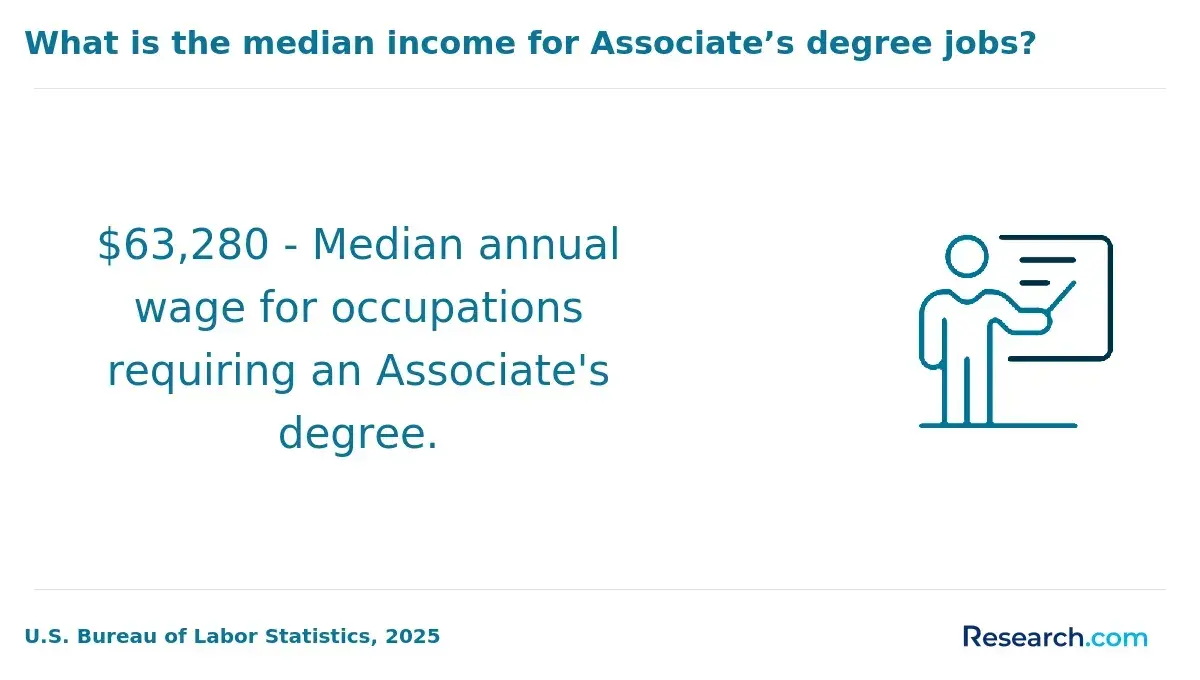
The starting salary with a biology master’s degree typically depends on whether the graduate enters academia, government, healthcare, environmental work, biotechnology, or pharmaceuticals. The average entry-level salary in biology with a master's degree typically falls between $45,000 and $65,000, with reports from the National Association of Colleges and Employers citing an average starting offer near $52,000.
Graduates should treat those figures as a starting point, not a guarantee. A candidate entering a routine lab technician role may start lower than someone hired into a specialized bioinformatics, regulatory, clinical research, or biotechnology position. Prior work experience also matters: a mid-career professional with several years of laboratory, clinical, environmental, or project experience may not be evaluated the same way as a new graduate.
Factors that influence starting salary
- Industry and role: Biotechnology, pharmaceuticals, clinical research, and specialized consulting roles often pay more than general laboratory or academic support roles. Positions linked to product development, compliance, or high-value research usually have stronger salary potential.
- Experience and internships: Employers pay more for candidates who can contribute quickly. Internships, assistantships, thesis research, publications, fieldwork, or industry projects can help demonstrate practical ability.
- Technical skills: Advanced laboratory methods, statistical analysis, bioinformatics, coding, assay development, molecular techniques, and data visualization can raise a graduate’s market value.
- Program reputation: A reputable program can help through stronger employer recognition, alumni networks, faculty connections, and research opportunities. However, reputation is most useful when paired with demonstrable skills.
- Market demand: Salary offers rise when employers need specific skills that are difficult to find. Graduates should monitor demand in their target industry before selecting electives, thesis topics, or certifications.
To improve a starting offer, biology master’s graduates should build a portfolio of evidence: research summaries, technical methods used, software tools, publications or posters, field reports, compliance documentation, or project outcomes. A resume that simply lists coursework is less persuasive than one that shows measurable technical and organizational contributions.
Mid-career professionals seeking to increase their earning potential might also explore pathways similar in structure to the cheapest BSN to DNP programs to compare how advanced credentials can broaden career options in science and healthcare settings.
States with the highest salaries for biology master’s degree holders usually have dense life sciences ecosystems, major research institutions, pharmaceutical or biotechnology employers, federal agencies, medical centers, or high-cost metropolitan labor markets. Research indicates that certain regions offer wage premiums up to 20% above the national average for professionals with advanced biology credentials.
The following states are commonly attractive for biology graduates seeking stronger compensation:
- California: California has a large biotechnology and life sciences presence, along with research universities, medical centers, and venture-backed companies. Salaries can be higher because employers compete for specialized talent, although cost of living can reduce the practical value of higher pay in major metro areas.
- Massachusetts: Massachusetts is known for its concentration of pharmaceutical, biotechnology, academic research, and medical organizations. Biology master’s graduates may find strong opportunities in research, clinical development, regulatory work, and biotech commercialization.
- New York: New York offers opportunities across healthcare, academic research, public health, pharmaceuticals, consulting, and environmental work. Compensation can be strong in competitive markets, particularly for roles tied to large institutions or specialized scientific functions.
- Washington: Washington’s expanding biotechnology activity and technology partnerships can create opportunities for biology graduates with data, genomics, research, or interdisciplinary science skills.
- Maryland: Maryland benefits from proximity to federal research agencies, medical centers, and life sciences organizations. Biology master’s graduates may find roles in research, public health, regulatory support, biotechnology, and government-adjacent scientific work.
Before relocating for a higher salary, compare the full financial picture. A higher wage may come with higher rent, commuting costs, taxes, or professional licensing and certification expenses, depending on the role. Also consider whether the state has multiple employers in your specialty. A region with several biotechnology or pharmaceutical companies may provide better long-term mobility than a location with only one major employer.
The biology master’s specializations that lead to the highest salaries are usually those connected to commercial research, advanced data analysis, drug development, precision medicine, regulatory compliance, or environmental risk. Specialized master's degrees in biology can significantly boost earning potential, as certain fields offer a wage premium of up to 25% compared to more general biology careers.
High-paying specializations often have one thing in common: they solve expensive or technically complex problems for employers. The more directly a specialization supports product development, clinical decisions, compliance, or risk management, the more likely it is to command a salary premium.
- Biotechnology: Biotechnology prepares graduates for work involving biological products, research tools, diagnostics, therapeutics, and applied life science technologies. It is especially valuable for students who want industry-facing roles rather than purely academic research careers.
- Bioinformatics: Bioinformatics combines biology, statistics, and computational analysis. Graduates who can interpret genomic, proteomic, or other complex biological datasets are valuable in pharmaceutical research, personalized medicine, public health, and biotechnology.
- Pharmacology: Pharmacology focuses on how drugs affect biological systems. This specialization can support careers in drug discovery, safety testing, clinical research, medical affairs, and pharmaceutical development.
- Genomics: Genomics emphasizes genetic mapping, sequencing, interpretation, and applications in healthcare and research. It can be a strong choice for students interested in precision medicine, diagnostics, genetic data, or advanced molecular research.
- Environmental Toxicology: Environmental toxicology focuses on the effects of chemicals, pollutants, and environmental exposures on organisms and ecosystems. Graduates may work in environmental consulting, risk assessment, regulatory compliance, public health, or industrial safety.
Students should choose a specialization based on both salary potential and fit. Bioinformatics may offer strong opportunities for those comfortable with coding and data. Biotechnology may suit students who prefer laboratory and product-focused work. Environmental toxicology may be a better match for those interested in fieldwork, regulation, ecological health, and applied environmental problem-solving.
A biology master’s degree can open doors, but salary growth often depends on the skills a graduate can apply on the job. Studies reveal that professionals with advanced skills in high demand can earn 15-25% more than their peers. The most valuable skills are those that help employers reduce risk, accelerate research, improve decisions, secure funding, or move products and projects forward.
- Data Analysis and Bioinformatics: Biology is increasingly data-intensive. Graduates who can use computational tools, manage datasets, interpret biological patterns, and communicate results clearly can qualify for higher-value roles in genomics, biotechnology, pharmaceuticals, and research organizations.
- Laboratory and Technical Expertise: Employers value candidates who can perform advanced techniques accurately and troubleshoot problems. Skills in molecular biology, cell biology, microbiology, assay development, imaging, sequencing workflows, or quality control can support stronger compensation when they match employer needs.
- Project Management: Many higher-paying roles require more than technical execution. Professionals who can manage timelines, coordinate teams, track budgets, document milestones, and communicate risks are better positioned for leadership roles in research, clinical trials, consulting, and product development.
- Scientific Communication: Strong writing and presentation skills can increase salary potential because they influence grants, regulatory submissions, reports, publications, client deliverables, and executive decisions. Biology graduates who can explain complex findings to scientists and non-scientists have an advantage.
- Regulatory Knowledge: Regulatory and compliance expertise is valuable in pharmaceuticals, biotechnology, medical devices, environmental consulting, and clinical research. Professionals who understand documentation, quality systems, ethical standards, and approval processes can help organizations avoid costly mistakes.
How to turn skills into higher pay
Do not rely on a skills list alone. Show proof. Use resumes, interviews, portfolios, and performance reviews to document the methods you used, the size or complexity of projects, the tools involved, and the outcomes you supported. For example, “analyzed genomic datasets for a thesis project” is stronger than “coursework in genetics,” and “coordinated documentation for a regulated study” is stronger than “familiar with compliance.”
There can be a salary difference between online and on-campus biology master’s graduates, but degree format alone is rarely the deciding factor. Employers usually care more about accreditation, institutional reputation, laboratory or research experience, technical skills, internships, publications, professional references, and whether the candidate can perform the job safely and effectively.
Research shows that, on average, holders of master's degrees earn about 20% more than those with just a bachelor's, though differences tied specifically to program delivery methods are less clear. In many hiring situations, an online degree from a reputable institution is viewed more favorably than an on-campus degree that lacks relevant research, practical training, or employer connections.
When an online biology master’s can be competitive
- The program is offered by a recognized institution with appropriate academic standards.
- The curriculum includes rigorous science coursework and meaningful faculty interaction.
- The student already works in a laboratory, clinical, environmental, or science-related setting.
- The program allows the student to keep earning income while completing graduate study.
- The graduate can demonstrate technical skills through work experience, research, projects, or certifications.
When on-campus study may offer an advantage
- The career goal requires extensive hands-on laboratory training.
- The student needs access to specialized equipment, wet labs, field sites, or research groups.
- The program has strong employer pipelines, assistantships, or faculty-led research opportunities.
- The student wants intensive networking with peers, professors, alumni, and local employers.
Current hiring trends reveal growing wage parity between online and on-campus biology master's graduates as employers prioritize proven skills and work accomplishments. The practical takeaway is simple: choose the format that lets you build the strongest evidence of competence. For laboratory-heavy careers, confirm how an online program handles hands-on training before enrolling.
Biology master’s graduates can be more competitive for executive positions, especially in organizations where leaders need to understand science, research pipelines, clinical development, regulatory risk, environmental impact, or life sciences markets. However, the degree alone is not usually enough for executive advancement. Senior leadership roles also require business judgment, people management, budgeting, strategy, communication, and a record of measurable results.
A biology master’s degree can strengthen executive competitiveness in several ways:
- Leadership Preparation: Graduate training often involves research planning, collaboration, supervision, presentations, and project execution. These experiences can translate into management readiness when paired with workplace leadership experience.
- Decision-Making Authority: Advanced biology training helps leaders evaluate scientific evidence, assess uncertainty, and make informed decisions about research direction, product development, quality, safety, or environmental risk.
- Organizational Impact: Biology-trained leaders can connect scientific work to business priorities. This is valuable in biotechnology, pharmaceuticals, healthcare, environmental consulting, medical devices, and research organizations.
- Professional Credibility: A master’s degree can improve credibility with scientists, regulators, clients, clinicians, investors, and technical teams. That credibility can matter when leading multidisciplinary projects or negotiating partnerships.
- Strategic Capability: Graduate-level research and analysis can help professionals anticipate industry shifts, evaluate scientific opportunities, and build evidence-based strategies for long-term growth.
For mid-career professionals, the strongest path to executive roles is often a combination of scientific depth and management training. A biology master’s degree may support advancement into research director, clinical operations leader, regulatory leader, environmental program manager, or biotechnology management roles, but candidates should also build financial, operational, and leadership experience.
For instance, those interested might explore affordable MHA online programs to further enhance their management expertise and strategic impact in healthcare and research-oriented organizations.
The ROI of a biology master’s degree depends on tuition, time out of the workforce, specialization, employer demand, and how effectively the graduate uses the degree to move into better-paying roles. Research shows that individuals with a master's degree in biology earn a median annual salary about 20% higher than those with only a bachelor's degree in the same field.
ROI is strongest when the degree helps you qualify for roles you could not realistically access with only a bachelor’s degree, such as specialized research, clinical research management, regulatory affairs, bioinformatics, biotechnology development, environmental toxicology, or scientific project leadership.
- Tuition Costs: High tuition can extend the time it takes to recover the cost of graduate school. Scholarships, employer tuition support, assistantships, in-state tuition, and lower-cost programs can improve ROI.
- Salary Growth: A master’s degree may accelerate advancement into specialized or supervisory roles. The financial return is stronger when the graduate targets sectors with higher compensation rather than remaining in low-growth positions.
- Opportunity Cost: Full-time study can reduce income during enrollment. Part-time, online, evening, or flexible programs may improve ROI for working professionals who can keep earning while studying.
- Career Mobility: The degree can make it easier to move from routine technical roles into research, management, compliance, consulting, or industry positions with better advancement potential.
- Networking Value: Faculty, alumni, internships, research collaborations, and employer partnerships can improve job access. A lower-cost program with weak career connections may not deliver the same value as a program with strong industry ties.
Before enrolling, estimate your likely ROI using your target role, realistic starting salary, tuition, debt, and time to completion. Avoid assuming that any biology master’s program will produce the same outcome. Specialization, location, work experience, and employer network can make a major difference.
For those considering flexible ways to pursue their studies without compromising income, exploring self paced online degree programs can be a strategic option to balance cost, time, and career growth effectively.
The job outlook for biology master’s degree holders is generally positive for graduates who align their skills with growing areas such as biotechnology, healthcare, environmental science, genomics, bioinformatics, clinical research, and regulatory affairs. The U.S. Bureau of Labor Statistics projects an 8% employment increase in life sciences from 2022 to 2032, signaling healthy expansion for advanced degree holders.
Several trends support continued demand:
- Long-Term Demand Trends: Healthcare innovation, environmental concerns, biotechnology development, and public health needs continue to support demand for professionals with advanced biology training.
- Evolving Skill Needs: Employers increasingly favor candidates who combine biology with data analysis, molecular methods, computational tools, quality systems, or interdisciplinary collaboration.
- Technological Change: Advances in genomics, bioinformatics, automation, and laboratory platforms create roles that require more specialized knowledge than many bachelor’s programs provide.
- Leadership Pipelines: Research teams, clinical trial groups, consulting practices, and regulated science organizations need professionals who can manage projects, supervise staff, and communicate technical findings.
- Economic Resilience: Biology-related work connected to healthcare, environmental compliance, and essential research may offer more stability than roles tied only to discretionary funding, although outcomes still vary by employer and sector.
The best outlook belongs to graduates who continue updating their skills. Biology is changing quickly, and employers are more likely to reward professionals who can work with modern data tools, regulated processes, cross-functional teams, and applied scientific problems.
What Graduates Say About the Highest-Paying Jobs with a Biology Master's Degree
- Raul: "Choosing to pursue a master's degree in biology was one of the best decisions I ever made, especially because it opened access to higher-paying roles in biotechnology and pharmaceuticals. The cost felt daunting at first, but the earning potential and career growth I have experienced made the investment worthwhile. The degree changed both my professional options and my financial outlook."
- Elisha: "My biology master's program required a serious financial commitment, but scholarships helped reduce the pressure. The specialized training I gained led to opportunities in research and environmental consulting with competitive salaries. I also valued the balance of theory and practical experience, because it helped me enter roles where my expertise was clearly useful."
- Michael: "Earning my master's in biology was a strategic career move that improved my income potential and job security. The program emphasized advanced laboratory techniques and data analysis, which matched the needs of higher-paying roles in medical research and biotech innovation. The upfront cost was real, but the career impact has encouraged me to keep investing in lifelong learning."
Other Things You Should Know About Biology Degrees
In 2027, practical laboratory experience significantly enhances employment prospects for biology master's graduates. It equips them with hands-on skills vital for high-paying roles such as biochemists or molecular biologists, making them attractive candidates to employers in research and clinical settings.
Certifications such as Project Management Professional (PMP) and Clinical Research Coordinator (CRC) can enhance a biology master's degree holder's earning potential in 2027 by validating specialized skills and elevating their candidacy in competitive job markets.
In 2027, industries like biotechnology, pharmaceuticals, environmental consulting, and healthcare are actively hiring biology master's graduates for high-paying roles. Biotechnology leads with roles in genetic engineering, offering salaries upwards of $90,000. Environmental consulting firms pay competitively for expertise in sustainability and ecological management.
- Many Graduate-Degree Programs Have Negative ROI | National Review https://www.nationalreview.com/corner/many-graduate-degree-programs-have-negative-roi/
- On-campus vs Online master's degree https://academia.stackexchange.com/questions/41211/on-campus-vs-online-masters-degree
- Biology Boomtowns: 10 Best US Cities for Job Opportunities https://www.bioexplorer.net/best-us-cities-for-biology-jobs.html/
- Top 12 Research Skills & Techniques That Can Get You High Salary Jobs in Biotech & Life Science https://www.biotecnika.org/2023/02/top-12-research-skills-for-high-salary-jobs-in-biotech-life-science/
- Top 10 Highest Paying Jobs With A Biology Degree 2025 (Inc Salaries) | Nexford University https://www.nexford.edu/insights/highest-paying-jobs-with-biology-degree
- Impactful careers for biology degree graduates https://probablygood.org/degree-paths/biology-jobs/
- Average salary of a master's degree | edX https://www.edx.org/resources/average-salary-of-a-masters-degree
- Is College Worth it? | Return on Investment Analysis of College Degree https://educationdata.org/college-degree-roi
- Top 15 Highest‑Paying Pharmacy Jobs in the UK 2025 (Including Salaries) https://apexlearning.org.uk/highest-paying-biology-degree-jobs-2025-2026/
- Master of Science in Biology | Merrimack College https://www.merrimack.edu/academics/arts-and-sciences/graduate/biology/