2027 Biology Degree Master's Programs Accepting Students Now

Co-Founder and Chief Data Scientist
Career changers aiming to enter the biology field often face challenges adapting to specialized scientific coursework after completing degrees in unrelated areas. Approximately 30% of biology master's program enrollees are professionals pivoting from other sectors, highlighting the growing demand for flexible entry pathways. Such students need accelerated or foundational courses tailored to bridge this knowledge gap swiftly.
Failure to find suitable programs can delay career transitions and limit opportunities in biotechnology, research, or healthcare. This article explores current biology master's programs accepting students now, focusing on accessibility and curriculum designs geared toward recent graduates, career changers, and international applicants seeking to advance in the life sciences.
Key Things to Know About Biology Degree Master's Program Accepting Students Now
- Many biology master's programs offer flexible scheduling and online options, enabling working professionals to balance full-time jobs and graduate study efficiently.
- Accelerated tracks allow students to develop specialized research and laboratory skills in 12-18 months, responding to growing industry demand for expertise.
- Programs increasingly facilitate global networking through international collaborations and virtual seminars, expanding career opportunities across academic and biotech sectors.
What are biology master's programs, and who are they designed for?
A master's program in biology is an advanced academic course that typically spans one to two years and offers flexible on-campus, online, or hybrid formats to accommodate various student needs. These programs are ideal for recent bachelor's graduates, career changers, and working professionals seeking advanced knowledge or skill enhancement.
Unlike bachelor's degrees, which provide a broad foundational understanding, biology master's programs emphasize specialization and practical application. In contrast with doctoral degrees, they focus more on mastering current knowledge rather than conducting original research, making them a strategic choice for those aiming to boost their expertise in less time.
- Program Structure and Duration: Most programs require one to two years of full-time study with options for part-time or evening classes. Online learning platforms also provide flexibility for those balancing work and study.
- Target Audience: These programs cater to students applying for biology master's programs accepting applications now, including recent graduates, career changers entering the biological sciences, and professionals upgrading their skills.
- Academic Depth and Focus: Coursework often includes specialized classes, laboratory work, and sometimes a thesis or capstone project, offering more depth than undergraduate programs.
- Admission Requirements: Graduate biology degree admission requirements generally include a relevant bachelor's degree, a minimum GPA near 3.0, and supporting application materials such as letters of recommendation and statements of purpose.
- Professional vs. Research Orientation: Students can choose between programs oriented toward applied biology for industry or healthcare careers and those geared toward research, preparing for doctoral studies.
As demand for advanced biology credentials grows, the U.S. Bureau of Labor Statistics projects a 6% employment growth in biological science occupations from 2022 to 2032. Prospective students juggling work and study may explore options like RN to BSN programs with no clinicals that offer similar flexibility in healthcare education.
Which biology master's programs are currently accepting applications?
The landscape of biology master's programs currently accepting applications in the United States changes frequently. Prospective students should verify intake periods directly with universities or official portals to meet application deadlines. Consulting accrediting bodies such as the Council for Higher Education Accreditation (CHEA) and the U.S. Department of Education, along with comprehensive university listings, is crucial to confirm program legitimacy and the most recent availability. Keep in mind that "accepting students now" may vary by institution, with some following rolling admissions and others maintaining fixed deadlines aligned with academic calendars.
Top accredited biology graduate programs with open enrollment this semester include various formats suited to diverse student goals. Some offer research-driven tracks, while others focus on practical career preparation or accelerated completion timelines. Below are representative program types commonly available:
- Thesis-Based Master of Science in Biology: These research-intensive programs prepare students for academic or laboratory careers. They require submission of a thesis and typically have fixed admission windows aligned with fall or spring semesters.
- Professional Master's in Biology for Career Changers: Designed for working professionals, these emphasize applied skills in areas like molecular or environmental biology. They frequently offer flexible schedules and rolling admissions to accommodate busy lifestyles.
- Accelerated Online Biology Master's: Featuring an expedited curriculum, these programs allow students to finish their degrees faster through asynchronous courses and multiple application cycles per year supporting continuous enrollment.
- Interdisciplinary Biology Graduate Programs: Integrating biology with bioinformatics, public health, or education, these programs suit career changers seeking broad skill sets. Admission cycles vary with multiple annual start dates available at some institutions.
Prospective students balancing graduate study with full-time work might also explore fields related to biology, such as a healthcare management degree online, to complement their expertise and expand career opportunities.
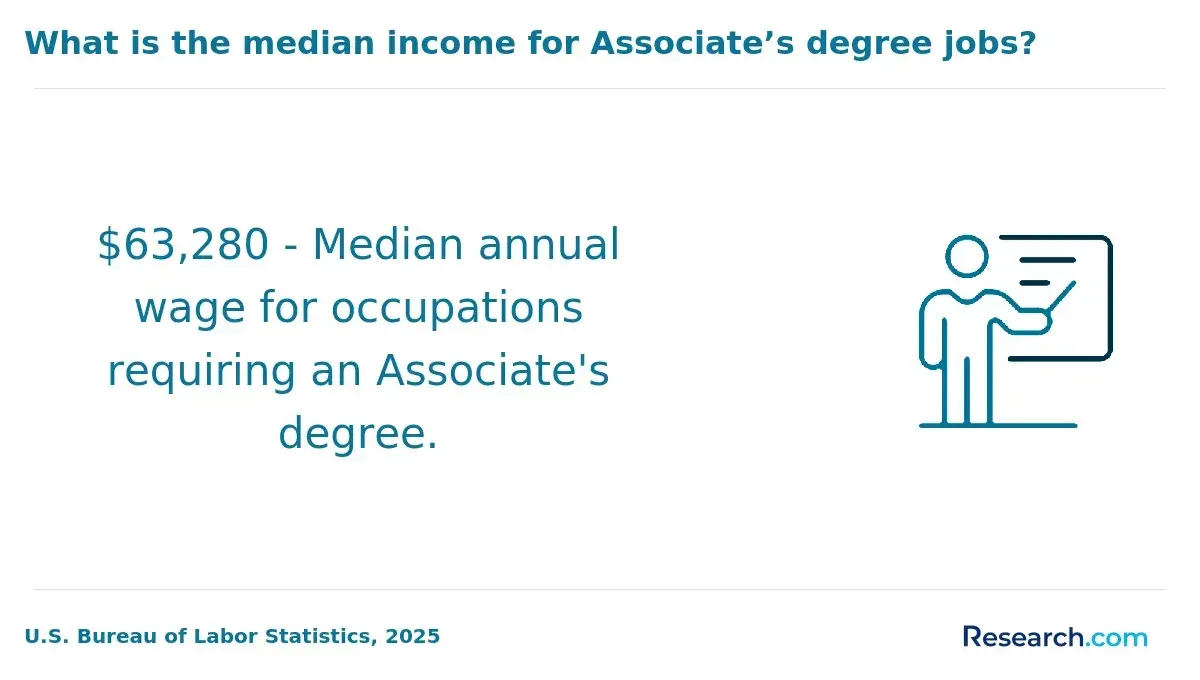
What are the admission requirements for a biology master's program?
Admission to a biology master's program generally hinges on several core materials that assess an applicant's academic history and potential. Most universities require official undergraduate transcripts to verify completion of key science courses and overall academic standing. Letters of recommendation, usually from professors or supervisors, offer insight into the candidate's abilities and readiness for graduate-level research and study.
A carefully crafted statement of purpose plays an important role in explaining the applicant's career ambitions and why advanced study in biology aligns with their goals. Alongside this, an updated resume or CV is essential for detailing relevant academic achievements, research activities, and any professional experience connected to biology or the life sciences.
Standardized testing requirements such as GRE or GMAT scores have become more flexible in recent years, with many programs waiving them-especially following the disruptions of the COVID-19 pandemic. Applicants should verify whether the schools they apply to still require these scores. In addition, some programs expect candidates to fulfill specific prerequisites, which can include prior coursework in biology, chemistry, or statistics, submission of a laboratory portfolio, or proof of professional certifications in specialized fields.
Because admission criteria vary widely among institutions, it is crucial for prospective students to thoroughly review each program's official requirements to ensure they submit a complete and tailored application.
- Undergraduate Transcripts: Official academic records confirming completion of necessary foundational courses and demonstrating overall scholastic achievement.
- Letters of Recommendation: Two or three references from academic or professional mentors highlighting the applicant's skills and potential for graduate success.
- Statement of Purpose: A narrative expressing the applicant's motivations, objectives, and reasons for pursuing advanced study in biology.
- Resume or CV: An updated summary showcasing educational background, research involvement, and relevant work experience.
- Prerequisites and Tests: Varying program demands might include prerequisite courses, standardized tests like the GRE or GMAT, portfolios, or professional credentials.
A professional who recently embarked on an online biology master's degree shared how the admission process felt both daunting and rewarding. He mentioned, "Gathering all my transcripts and convincing my previous supervisors to write recommendations took more time than I expected." He also recalled hesitating over the statement of purpose, trying to balance ambition with clarity:
"I wanted to show why biology was the right pivot for my career without sounding like I was just jumping fields." Navigating the varying prerequisites across programs required careful attention, and he emphasized that checking each program's admissions page repeatedly saved him from submitting incomplete applications. Ultimately, despite the complexity, he found the process eye-opening, noting that each step helped him clarify his own professional goals and commitment to the field.
Most biology master's programs require a minimum GPA of 3.0 on a 4.0 scale, though more competitive programs often seek applicants with GPAs closer to 3.5 or higher. Admissions committees evaluate whether students are prepared for graduate-level study, making GPA an important factor.
However, having a GPA below these benchmarks does not automatically disqualify candidates. Programs frequently take into account an upward academic trajectory or substantial professional and research experience when assessing applicants who fall below the usual thresholds.
Some institutions provide conditional admission for students with marginal GPAs, allowing provisional enrollment while demonstrating their ability to succeed academically. Prospective students whose GPA is near the cutoff are advised to contact admissions offices directly to inquire about flexibility in admission criteria and gain advice on strengthening their applications.
- Minimum GPA Requirements: A baseline GPA of 3.0 is standard, but many biology master's programs expect higher for competitive admission, ensuring academic readiness.
- Importance of GPA Trends: An improving GPA pattern can positively influence decisions, highlighting a candidate's growing competence and motivation.
- Professional Experience Contributions: Relevant biology-related research or work experience can offset lower GPAs by demonstrating practical skills and commitment.
- Conditional Admission Options: Some schools admit students provisionally with specified performance conditions to meet program standards.
- Direct Engagement with Admissions: Communicating with admissions staff helps clarify possible exceptions and supports crafting a well-rounded application.
Approximately 65% of biology master's programs currently maintain the 3.0 GPA requirement, reflecting nationwide trends toward higher academic standards for graduate admissions.
Applicants may also want to explore opportunities like cheap nursing programs as alternative routes within the broader life sciences field.
Most master's programs in biology typically take one to two years to complete for full-time students. Part-time options extend this timeframe to around two to four years, offering added flexibility for individuals balancing work or other responsibilities. Some institutions provide accelerated tracks, allowing completion in as little as 12 months through focused coursework and research. Combined bachelor's/master's programs, often called 4+1 options, enable students to earn graduate credits during their undergraduate studies, reducing overall time spent in school.
The length of these programs depends on several factors. Choosing a thesis track often requires additional time due to research and dissertation work, whereas non-thesis options might be completed more quickly. The course load per semester influences duration, with heavier schedules typically shortening study time. Transfer credits from prior graduate coursework can also reduce the length of the program. Additionally, internships or lab requirements may extend the timeline but offer valuable practical experience.
It's important that prospective students balance the desire for a shorter program with the need for a high-quality education that offers strong mentorship, research opportunities, and career preparation to achieve long-term success.
- Full-Time and Part-Time Options: Full-time study lasts one to two years, while part-time extends to four years, accommodating various personal and professional needs.
- Accelerated and Combined Degrees: Intensive 12-month tracks and 4+1 combined programs shorten completion time by integrating undergraduate and graduate coursework.
- Thesis Versus Non-Thesis Tracks: Thesis options require more time due to research commitments, whereas non-thesis paths can be faster but may differ in focus.
- Course Load and Transfer Credits: Taking more courses each term and applying previous graduate credits can speed up program completion.
- Internships and Labs: Practical components enhance skills but may add time depending on program requirements.
One professional who completed her online biology master's degree reflected on the process, highlighting several hurdles and rewards. She mentioned that balancing full-time work with demanding coursework required careful time management and occasional sacrifices.
The thesis component, she noted, was emotionally challenging but ultimately rewarding, providing a sense of accomplishment and confidence in her research abilities. She appreciated the flexibility of the online format, which allowed her to progress steadily despite a busy schedule. Her experience reinforced the idea that while duration varies, perseverance and choosing a program aligned with personal goals are key to success.
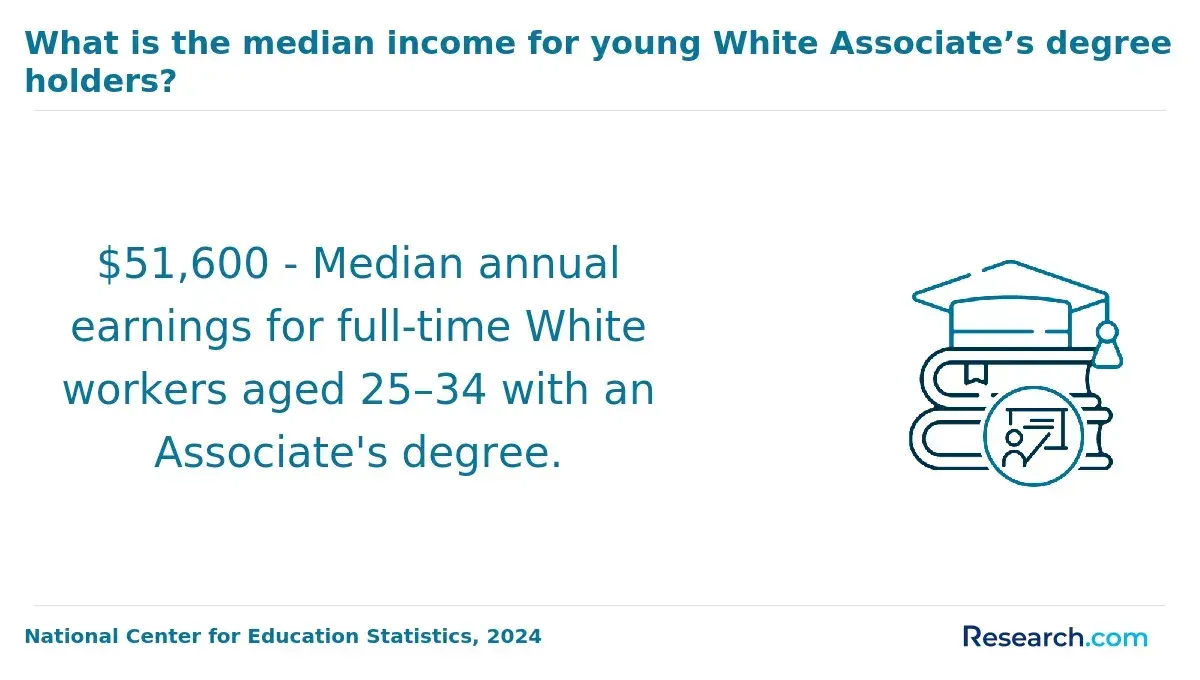
Tuition for a biology master's degree generally depends on credit hours, with most programs requiring between 30 and 40 credits. Public universities usually offer lower rates for in-state students, while out-of-state students face higher tuition, sometimes nearly double. Many online programs simplify costs by charging a consistent tuition rate regardless of residency, which can make expenses more predictable.
Additional charges often include fees for specialized labs, technology access, and administrative services, typically adding several hundred dollars each semester. These fees support the unique infrastructure necessary for advanced biology coursework and research.
For students attending classes in person, on-campus living costs such as housing, groceries, and transportation also add significantly to the total investment in a master's degree. These expenses vary widely depending on the campus location and the student's lifestyle choices.
National data shows the overall cost for completing a biology master's program ranges roughly from $20,000 up to $60,000 or more. Private institutions frequently fall at the higher end of this spectrum. Prospective students should recognize that the listed tuition and fees often do not represent the final amount paid after factoring in scholarships, grants, and other financial aid opportunities.
- Per-Credit Tuition: Most master's degrees bill tuition based on credit hours, with total requirements usually between 30 and 40 credits. Public schools vary rates depending on residency, while online options tend to have uniform pricing.
- Additional Program Fees: Lab costs, technology charges, and administration fees can add a few hundred dollars per semester, reflecting the resources necessary for biology studies.
- Living Expenses: On-campus students should plan for housing, food, and commuting costs, which depend heavily on geography and individual lifestyle.
- Residency Status Impact: Tuition differences between in-state and out-of-state students at public universities may influence program selection and overall affordability.
- Net Cost vs. Sticker Price: The published tuition rates rarely show the full picture; financial aid, scholarships, and assistantships typically lower actual costs.
Master's students pursuing a biology degree often face a more limited range of grant opportunities compared to undergraduates, which means they frequently depend on federal loans and institutional support such as assistantships. The essential first step for accessing federal aid is completing the Free Application for Federal Student Aid (FAFSA). This form determines eligibility for federal loans and some state aid programs that can help manage education costs.
In addition to federal loans, exploring discipline-specific scholarships aimed at biology graduate students is highly recommended. Many universities also offer internal grants or fellowships, often based on merit or research focus, which do not require repayment. Graduate assistantships, including teaching or research roles, typically provide tuition waivers, stipends, and valuable professional experience.
For those balancing work and study, employer tuition benefits may cover part or all tuition fees-an option worth investigating. Private scholarships from scientific foundations and organizations further supplement available funding resources.
- Federal Loans Via FAFSA: Completing the FAFSA unlocks access to federal student loans, which usually have low-interest rates and flexible repayment plans suited for many biology master's students.
- Institutional Grants and Fellowships: Merit- and research-based grants or fellowships offered by programs can substantially reduce costs without the need for repayment.
- Graduate Assistantships: Teaching and research assistantships reduce tuition expenses and provide stipends, pairing financial aid with practical experience.
- Employer Tuition Benefits: Working students should check if their employers offer tuition reimbursement or education benefits to ease financial burdens.
- Discipline-Specific Scholarships and State Aid: Prospective students should seek scholarships targeted at biology graduate studies and investigate relevant state-funded aid programs.
Scholarships for biology master's students come from two main sources: institutional awards and external scholarships. Institutional scholarships are provided directly by universities, often linked to departmental funding. These may require recipients to assist with teaching or research and typically offer tuition remission or stipends. External scholarships come from professional associations, foundations, and government agencies focused on biology and related fields, broadening funding opportunities beyond the academic institution.
Prospective applicants should explore multiple channels to find funding. University financial aid offices and biology department websites are good starting points for institutional scholarships. For external options, organizations like the American Society for Microbiology and the Botanical Society of America provide valuable resources. Scholarship aggregator databases and federal search tools help uncover additional awards, an essential strategy for those researching funding opportunities for biology master's programs in the US.
It is vital to carefully assess each scholarship's eligibility requirements, award amounts, deadlines, and renewal policies. Approximately 60% of graduate STEM scholarships offer multi-year funding, which supports sustained financial assistance throughout a master's program. Students should note that many scholarships are renewable, reducing the burden of reapplying each year.
Balancing graduate studies with work obligations, or exploring other educational opportunities such as an LPN accelerated program, can also be part of a broader educational and career strategy for biology students.
- Institutional Scholarships: Funded by universities, these may require teaching or research contributions and often provide tuition discounts or stipends targeted to specific biology programs.
- External Scholarships: Offered by professional societies and government bodies, these awards support diverse research interests and demographics in biology, expanding funding sources.
- Where to Search: Utilize university aid offices, biology department sites, professional association portals, scholarship databases, and federal tools to find relevant scholarships and application criteria.
- Eligibility and Deadlines: Review academic, citizenship, and program-specific requirements as well as submission timelines to improve your chances of receiving funding.
- Renewable Awards: Many scholarships provide multi-year funding, so understanding renewal policies is crucial for ongoing financial support during a master's degree.
The best online biology master's programs combine rigorous academics with flexibility tailored to diverse student needs. Credibility hinges on regional or programmatic accreditation from recognized agencies, ensuring educational quality and eligibility for federal financial aid and certifications. Prospective students should always verify accreditation status before enrolling, especially when comparing top accredited online biology master's degrees.
Faculty credentials strongly affect program quality. Leading programs employ instructors with advanced degrees and active research or professional experience in biology-related fields, enriching the curriculum and mentoring opportunities. Student support services such as academic advising, technical assistance, and career counseling further enhance success, which is crucial in online settings.
Online formats offer significant benefits, especially for working adults balancing careers and families. Asynchronous learning allows students to study on their own schedules without relocating. However, some trade-offs include fewer in-person networking opportunities and limited access to lab-based research that some campus programs provide. Evaluating career placement rates and alumni outcomes helps gauge how well programs prepare students for employment or doctoral studies.
For those navigating financial considerations, exploring financial aid options is essential. Similar to resources available for the best medical billing and coding schools online, many online biology programs offer scholarships and federal aid to ease tuition burdens.
- Accreditation Verification: Confirming regional or programmatic accreditation assures educational standards and eligibility for financial aid and professional credentials.
- Faculty Expertise: Programs staffed by qualified professors with relevant research or professional backgrounds enhance course quality and mentorship.
- Student Support Services: Access to advising, career counseling, and technology assistance improves retention and academic success in online formats.
- Flexible Scheduling: Online delivery allows studies to fit around work and family obligations, particularly benefiting working adults seeking advanced biology degrees in the US.
- Career Outcomes and Networking: Reviewing job placement data and recognizing networking limitations helps set realistic expectations for post-graduate opportunities.
Regional accreditation evaluates an entire institution to ensure it meets broad educational standards, while programmatic accreditation assesses specific disciplines like biology, verifying the quality of curriculum and faculty expertise. Attending a program with proper accreditation is critical for meeting licensure requirements, gaining credibility with employers, and qualifying for federal financial aid.
In biology, programmatic accreditation may come from organizations such as the Accreditation Board for Engineering and Technology (ABET) or the Council on Education for Public Health (CEPH), depending on the program's focus. Prospective students should always confirm both institutional and programmatic accreditation through the U.S. Department of Education's Database of Accredited Postsecondary Institutions and Programs to ensure their degree is recognized and valued.
- Regional vs. Programmatic Accreditation: Regional accreditation covers the entire school's quality standards, while programmatic accreditation focuses on specific programs like biology, ensuring they meet industry expectations.
- Licensure and Certification: Many professional licenses require graduation from an accredited biology program, which directly impacts career eligibility and advancement.
- Employer Recognition: Graduates from accredited biology programs are often favored by employers as their degrees indicate validated academic and professional preparation.
- Federal Financial Aid Eligibility: Accreditation status determines if students can receive federal loans and grants, essential for managing education costs.
- Verification Tools: Using official government databases to verify accreditation protects students from enrolling in unrecognized or low-quality programs.
Graduates with a master's degree in biology often pursue careers across various sectors such as research organizations, healthcare, environmental consultancy, biotechnology, and higher education. According to the U.S. Bureau of Labor Statistics, jobs like biological scientists and environmental specialists offer a median yearly wage near $75,000 and a steady employment growth rate of about 5% until 2032.
Holding a master's degree can lead to higher earnings and greater chances for advancement compared to those with only a bachelor's, reflecting employers' appreciation for the specialized expertise and skills brought by graduate education. Many programs also provide access to strong alumni networks and dedicated career services that help with job placement through mentorship, internships, and professional connections.
- Diverse Employment Sectors: Biology master's graduates find opportunities in healthcare, environmental science, pharmaceuticals, and academia, allowing for a variety of career choices.
- Competitive Salary and Advancement: A master's degree usually results in increased salary potential and eligibility for leadership or technical positions beyond those available to bachelor's holders.
- Positive Job Outlook: Career prospects in biological and environmental sciences are expected to grow steadily, ensuring ongoing demand for qualified professionals.
- Alumni Networks and Career Services: Many institutions offer career support services that provide mentorship, internship access, and networking events vital for professional growth.
- Research and Development Roles: Graduates often contribute to innovative projects, driving scientific advancement and application in biology-related fields.
What Graduates Say About Their Biology Degree Master's Program
- Wendy: "Choosing the biology master's degree was a game-changer for me because it combined my passion for research with real-world applications. The program was affordable compared to others, which made the investment worthwhile without overwhelming financial strain. Since graduating, I've leveraged the specialized knowledge and network I gained to advance quickly in environmental consulting."
- Nancy: "Reflecting on my decision to pursue the biology master's degree, cost was a major factor, but so was the program's reputation for hands-on learning. The balance between theory and practical experience prepared me for a seamless transition into biotech industry roles. This degree truly enhanced my career prospects and opened doors I hadn't anticipated."
- Sandra: "From a professional standpoint, the biology master's degree helped me to establish credibility in the healthcare research field. I initially chose the program for its comprehensive curriculum, and the investment felt justified given the return in skills and job opportunities. The degree continues to impact my career progression positively, especially in leadership roles."
Other Things You Should Know About Biology Degrees
For 2027 biology master's program applications, the GRE is commonly required. However, specific program requirements can vary, with some schools also accepting the MCAT. Check individual program details for any updates due to ongoing changes and adaptations in admission criteria.
Most biology master's programs in 2027 require foundational courses such as General Biology, Chemistry, and Physics, often with a minimum grade of C. Some programs might also expect credits in advanced subjects like Genetics or Ecology. Check specific program prerequisites.
- The Best Master’s Degrees for Career Changers from UNE Online https://online.une.edu/blog/the-best-masters-degrees-for-career-changers-from-une-online/
- IIMCB https://www.iimcb.gov.pl/en/news-press-office/2575-poland-s-first-master-s-programme-in-biological-therapeutics-applications-now-open-at-the-university-of-warsaw
- What Does Accredited Mean and Why Should You Care? https://www.ets.org/grad-school-journey/what-is-accredited.html
- 37 master Scholarships in biology https://www.applykite.com/search/scholarships/master/all/biology
- Biology, M.S. https://www.slu.edu/arts-and-sciences/academics/degrees/graduate/biology-ms.php
- Biology, Master's Programme https://www.gu.se/en/study-gothenburg/biology-masters-programme-n2bio
- Cost of Education Calculator | Michigan Tech Graduate School https://www.mtu.edu/gradschool/financial/cost/
- What Can You Do with a Master's in Biology? https://www.pointloma.edu/resources/education/what-can-you-do-masters-biology