
2027 How to Become a Mental Health Counselor in Florida

Co-Founder and Chief Data Scientist
Becoming a mental health counselor in Florida is a structured licensure path that requires graduate education, supervised clinical training, examination, and ongoing professional development. The decision matters because Florida continues to report a significant unmet need for mental health professionals: as of April 1, 2024, the state had only 23.9% of its mental health professional need met (Bureau of Health Workforce, 2024). At the same time, many adults continue to report anxiety and depressive symptoms, and employers across healthcare, community agencies, schools, and private practice settings need qualified clinicians.
This guide explains how to become a mental health counselor in Florida, what the work involves, how long the process may take, what licensure requires, how to choose a graduate program, where counselors work, and what trade-offs to consider before investing in this career path.
Quick Answer: How Do You Become a Mental Health Counselor in Florida?
To become a licensed mental health counselor in Florida, you generally need to earn a relevant bachelor’s degree, complete a master’s degree in counseling or a closely related field, finish supervised clinical experience, pass the required national examination, and apply through the Florida Board of Clinical Social Work, Marriage & Family Therapy and Mental Health Counseling. Licensure requires a master's degree in counseling or a related field, the completion of supervised clinical hours, and passing the appropriate national licensure examination.
| Requirement | What It Means for Florida Applicants | Decision Point |
| Education | A master’s degree in counseling or a related field is required for licensure. | Choose a program that aligns with Florida Board requirements and supports clinical placement. |
| Clinical training | Applicants must complete supervised clinical experience before independent practice. | Ask each program how it helps students find practicum, internship, and post-graduate supervision. |
| Exam | Candidates must pass the appropriate national licensure examination, commonly the National Clinical Mental Health Counseling Examination (NCMHCE). | Look for programs with licensure exam preparation and strong faculty advising. |
| Licensure | Applicants apply through the Florida Board of Clinical Social Work, Marriage & Family Therapy and Mental Health Counseling. | Confirm current rules directly with the Board before enrolling or relocating. |
| Career outlook | Employment for substance abuse, behavioral disorder, and mental health counselors across the US has been projected to grow by 18% between 2022 and 2032 (US BLS, 2024). | Demand is strong, but salary, setting, supervision access, and workload vary by region and employer. |
Key Things You Should Know About Becoming a Mental Health Counselor in Florida
- Between February 1 and 13, 2023, 32.3% of adults across the US reported symptoms of anxiety and/or depressive disorder. Florida reported the same rate, 32.3%, during that period (Kaiser Family Foundation, 2024).
- Employment for substance abuse, behavioral disorder, and mental health counselors across the US has been projected to grow by 18% between 2022 and 2032 [US Bureau of Labor Statistics (BLS), 2024].
- Substance abuse, behavioral disorder, and mental health counselors in Florida had a median hourly wage of $25.12 in May 2023 (US BLS, 2024), equivalent to an estimated $48,230.4 annual wage.
- Single adult residents without children in Florida can live comfortably with a gross annual income of $46,645 (Glasmeier & Massachusetts Institute of Technology, 2024).
- Licensure requires graduate-level counseling education, supervised clinical practice, a qualifying examination, and approval from the Florida licensing board.
- What does a mental health counselor do in Florida?
- What are the steps to become a mental health counselor in Florida?
- How can students prepare for a Florida counseling career?
- Why does practicum and supervised experience matter?
- What counseling specializations are available in Florida?
- Is Florida a good state for mental health counselors?
- How strong is demand for mental health counselors in Florida?
- What financial aid and scholarship options can counseling students use?
- What other career paths are open to Florida counseling graduates?
- Should Florida counselors consider substance abuse counseling?
- Are mental health counseling salaries in Florida competitive?
- What additional licensing and certifications may help?
- What professional development options support career growth?
- How can policy changes affect counseling practice in Florida?
- How do counselors and social workers collaborate?
- Which academic programs best prepare students for Florida counseling careers?
- What is the fastest route to counselor licensure in Florida?
- Can mental health counselors move into school counseling?
- What jobs can mental health counseling graduates pursue in Florida?
- How can Florida counselors use telehealth?
- What challenges do Florida mental health counselors face?
- How can you find a mentor or clinical supervisor in Florida?
- What are Florida’s licensure and renewal requirements?
What is the role of a mental health counselor in Florida?
Mental health counselors assess, diagnose, and treat emotional, behavioral, and mental health concerns. In Florida, their work may include helping clients manage anxiety, depression, grief, trauma, addiction-related issues, family conflict, life transitions, and stress related to work, school, health, or relationships.
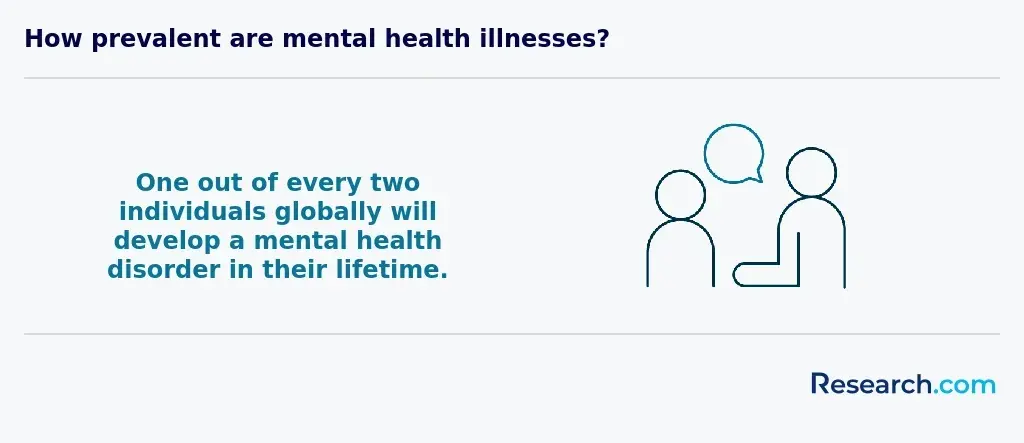
The need is substantial. In early 2021, 648,000 adults in Florida had a serious mental illness (National Alliance on Mental Illness, 2023). From February 1 to 13, 2023, 32.3% of adults in Florida reported symptoms of anxiety and/or depressive disorder (Kaiser Family Foundation, 2024).
Florida counselors commonly provide:
- Individual counseling: One-on-one sessions focused on a client’s symptoms, goals, coping strategies, and treatment plan.
- Family counseling: Support for family systems dealing with conflict, communication problems, caregiving stress, or major life changes.
- Group counseling: Structured sessions where clients with shared concerns receive support, practice skills, and reduce isolation.
- Crisis support and referrals: Short-term intervention, safety planning, and coordination with psychiatrists, hospitals, social workers, or community agencies when needed.
- Treatment planning and documentation: Assessment, diagnosis, progress notes, ethical recordkeeping, and coordination with insurers or agencies.
The work can be deeply meaningful, but it is not limited to therapy sessions. Counselors also manage documentation, supervision, ethical decision-making, insurance requirements, cultural considerations, and coordination with other professionals.
| Work Setting | Typical Client Needs | What to Consider Before Choosing This Setting |
| Community mental health centers | High-need clients, crisis care, serious mental illness, limited access to care | Strong learning environment, but caseloads may be demanding. |
| Private practice | Anxiety, depression, relationships, trauma, life transitions | Greater autonomy, but business operations and insurance billing matter. |
| Hospitals and healthcare systems | Behavioral health concerns connected to medical care, crisis stabilization, referrals | Good for interdisciplinary work, but pace and documentation demands may be high. |
| Schools and colleges | Student mental health, adjustment concerns, family issues, academic stress | Licensure and role requirements may differ from clinical mental health counseling. |
| Substance use treatment programs | Addiction, co-occurring disorders, relapse prevention, family impact | Specialized training can be valuable because mental health and substance misuse often overlap. |
A Florida counselor working in a large metro area described the work this way: “The range of client experiences here keeps me learning. Every week, I work with people whose culture, family history, and stressors shape how they understand healing. The job is demanding, but seeing clients regain stability and confidence is why I stay in the field.”
What are the steps to pursue mental health counseling in Florida?
The path to becoming a mental health counselor in Florida is sequential. Skipping a requirement can delay licensure, so students should plan backward from Florida Board requirements before choosing a program.
| Step | What You Need to Do | How to Avoid Delays |
| 1. Earn a bachelor’s degree | Complete a 4-year degree, often in psychology, social work, counseling, human services, or a related field. | Take courses in abnormal psychology, research methods, human development, ethics, and statistics if available. |
| 2. Complete a qualifying master’s program | Earn a master’s degree in counseling or a closely related field that supports Florida licensure preparation. | Confirm accreditation, required coursework, practicum, internship support, and state eligibility before enrolling. |
| 3. Finish supervised clinical experience | Complete required supervised clinical hours under an approved or qualified supervisor. | Start identifying supervisors early and keep complete records of hours, settings, and supervision meetings. |
| 4. Pass the required exam | Prepare for and pass the National Clinical Mental Health Counseling Examination (NCMHCE) developed by the National Board for Certified Counselors (NBCC), when applicable. | Use practice exams, case-based study tools, and faculty or supervisor guidance. |
| 5. Apply for licensure | Submit documentation to the Florida Board of Clinical Social Work, Marriage & Family Therapy and Mental Health Counseling. | Check current application instructions, fees, forms, deadlines, and documentation requirements directly with the Board. |
Students considering niche counseling fields should also understand how specialization affects training. For example, those interested in loss, bereavement, and trauma-related support can review grief counseling job growth as they compare long-term counseling career options.
How can students in Florida prepare for a career in mental health counseling?
Preparation starts before graduate school. The strongest candidates build academic readiness, people skills, ethical awareness, and exposure to real helping environments before they apply for licensure-track counseling programs.
- Choose programs carefully: Florida students often compare universities such as the University of Florida, Florida State University, and the University of South Florida. The school name matters less than whether the program supports licensure, clinical placement, supervision, and exam readiness.
- Prioritize relevant graduate training: A Master’s degree in Mental Health Counseling or a closely related field is the usual academic foundation. Programs with practicum and internship placements are especially important because counseling is a clinical profession, not only an academic subject.
- Check accreditation and licensure alignment: Look closely at CACREP accreditation, Florida Board coursework expectations, faculty qualifications, and whether graduates are eligible to pursue licensure in Florida.
- Join professional organizations: Groups such as the Florida Mental Health Counselors Association (FMHCA) can help students learn about ethics, supervision, legislative updates, continuing education, and job openings.
- Build experience before practicum: Volunteer work, crisis line experience, behavioral health technician roles, peer support, and human services work can help students confirm whether counseling fits their strengths.
- Learn about the Florida job market: Career fairs, university placement offices, community mental health agencies, hospitals, and professional association events can help students understand employer expectations.
Questions to Ask Before Choosing a Counseling Graduate Program
| Question | Why It Matters |
| Does the program meet Florida licensure requirements? | A degree that does not align with state rules can create costly delays. |
| Is the program CACREP-accredited or otherwise designed for clinical counseling licensure? | Accreditation can affect portability, employer confidence, and licensure preparation. |
| How are practicum and internship placements arranged? | Students need real clinical sites, not just classroom instruction. |
| What support is available for the NCMHCE? | Exam preparation can influence the time between graduation and licensure progress. |
| Can online or hybrid students complete Florida-based fieldwork? | Online flexibility is useful only if clinical requirements can be completed where the student lives. |
| What are the total costs beyond tuition? | Books, fees, exam costs, supervision, commuting, technology, and lost work hours can change affordability. |
How important is practicum experience for mental health counselors in Florida?
Practicum and supervised clinical experience are central to counselor preparation because they turn classroom knowledge into client-ready skills. Among the counselor qualifications in the state is the completion of 1,500 hours of supervised clinical experience.
Clinical training matters because students must learn how to conduct intake assessments, build rapport, manage risk, document care, respond to crisis situations, maintain boundaries, and use evidence-informed interventions with real clients.
- It tests professional fit: Students learn whether they can handle emotionally intense work, documentation, supervision feedback, and ethical complexity.
- It builds clinical judgment: Supervised experience teaches students how to move from theory to case formulation, treatment planning, and progress monitoring.
- It creates employment connections: Practicum and internship sites often become references, job leads, or long-term professional networks.
- It supports specialization: A student interested in trauma, children, addiction, older adults, or family systems should seek placements that match those goals.
A Florida counselor reflected on supervised experience this way: “My practicum in Miami pushed me harder than any class. I had to learn how culture, language, family expectations, trauma, and access to care shaped each case. My supervisor helped me slow down, ask better questions, and trust the clinical process. That experience became the bridge between being a student and becoming a counselor.”
The chart below provides a visualization of the top-paying industries for mental health counselors in the US, according to 2024 data from the US BLS.
What specializations can mental health counselors in Florida pursue?
Mental health counseling is broad. Specializing can help counselors serve a defined population, develop deeper clinical expertise, and compete for roles in specific treatment settings. The best specialization depends on the counselor’s interests, temperament, local demand, and preferred work environment.
| Specialization | Who It Serves | Where Counselors May Work | Best Fit For |
| Marriage and family therapy | Couples, families, parents, and relational systems | Private practices, family service agencies, clinics | Counselors interested in communication, conflict, family roles, and relationship patterns |
| Substance abuse counseling | Clients with addiction, relapse risk, and co-occurring mental health concerns | Rehabilitation centers, community programs, outpatient clinics | Counselors comfortable with structured treatment, recovery planning, and behavior change |
| Child and adolescent counseling | Children, teens, parents, and school-age clients | Schools, youth agencies, pediatric behavioral health settings | Counselors who enjoy developmental work and collaboration with families or schools |
| Trauma-informed care | Clients affected by abuse, violence, accidents, grief, or chronic stress | Community agencies, private practice, hospitals, crisis programs | Counselors who can work carefully with safety, stabilization, and long-term recovery |
| Geriatric counseling | Older adults and families navigating aging, health changes, loss, and isolation | Senior centers, retirement communities, medical settings | Counselors interested in aging, caregiver stress, grief, and life transitions |
Specialization should not be chosen only because it sounds marketable. Students should look at the populations they actually want to serve, the clinical placements available nearby, and the additional training or certification that may be expected. Those comparing counseling rules across states can also review resources such as Maine LPC training programs to understand why state-specific licensure planning matters.
Is Florida a good place to work as a mental health counselor?
Florida can be a strong state for mental health counselors because demand is clear, the population is large and diverse, and counselors can work in many settings. Still, it is not automatically the right market for every clinician. Salary, cost of living, caseload expectations, supervision access, payer mix, and regional differences should all be considered.
- Salary and living costs: Substance abuse, behavioral disorder, and mental health counselors in Florida had a median hourly wage of $25.12 in May 2023 (US BLS, 2024), equivalent to an estimated $48,230.4 annual wage. Single adult residents without children in Florida can live comfortably with a gross annual income of $46,645 (Glasmeier & Massachusetts Institute of Technology, 2024).
- Licensure by exam or endorsement: Florida does not allow licensing reciprocity with other states. Counselors licensed elsewhere may apply for licensure in Florida by endorsement if they hold an active clinical license in another state and have been practicing in that state for a minimum of 3 years of the last 5 years, according to the Florida Board of Clinical Social Work, Marriage and Family Therapy, and Mental Health Counseling.
- Workplace variety: Counselors can pursue roles in community agencies, healthcare systems, private practice, universities, substance use programs, crisis settings, and telehealth.
- Practical trade-off: Demand does not eliminate workplace stress. High-need settings may offer strong experience but can also involve heavy documentation, urgent client needs, and large caseloads.
The chart below provides a visualization of the job outlook for mental health workers in the US between 2022 and 2032, according to 2024 data from the US BLS.
What is the demand for mental health counselors in Florida?
Demand is one of the strongest reasons students consider this path. Employment for substance abuse, behavioral disorder, and mental health counselors across the US has been projected to grow by 18% between 2022 and 2032 (US BLS, 2024). Florida’s workforce gap also points to need: as of April 1, 2024, the Sunshine State had only 23.9% of its need for mental health professionals met (Bureau of Health Workforce, 2024).
Demand is visible across several sectors:
- Community health organizations: These agencies often serve clients with limited access to care and complex social needs.
- Hospitals and integrated care settings: Behavioral health is increasingly connected to physical health, crisis care, and discharge planning.
- Private practices and group practices: Counselors may serve clients seeking therapy for anxiety, depression, trauma, grief, relationships, and life transitions.
- Schools, colleges, and universities: Student mental health concerns continue to create opportunities for clinicians and related support professionals.
- Substance use and recovery programs: Co-occurring mental health and addiction concerns create demand for counselors trained in integrated care.
Technology is also reshaping demand. Telehealth can help counselors reach clients with transportation, scheduling, mobility, or rural-access barriers. However, clinicians must comply with privacy, ethics, documentation, and licensure requirements. Students comparing rules in other states can review resources such as the licensed counselor job description Utah to see how licensing expectations differ by location.
What financial and scholarship resources are available for mental health counseling students in Florida?
Graduate counseling education can be expensive, especially when students factor in tuition, fees, books, transportation, technology, exam costs, supervision, and reduced work hours during practicum or internship. Florida students should build a funding plan before enrolling, not after the first bill arrives.
- Florida Bright Futures program: Eligible students may use this well-known Florida aid program depending on award rules and student status.
- José Martí Scholarship Challenge Grant: Hispanic students who meet eligibility requirements may explore this state scholarship option.
- University scholarships: Counseling, psychology, education, and behavioral health departments may offer awards for graduate students.
- Federal financial aid: Students should complete the Free Application for Federal Student Aid (FAFSA) to determine eligibility for federal aid, including Stafford Loans or Pell Grants when applicable.
- TEACH Grant: Students should review whether this grant fits their field, service plans, and obligations before accepting funds.
- National Health Service Corps: Florida participates in programs like the National Health Service Corps (NHSC), which offers loan repayment assistance to licensed professionals serving in areas with limited mental health resources.
| Cost-Saving Strategy | Why It Helps | What to Verify |
| Compare total program cost, not just tuition | Fees, books, clinical travel, technology, and exam expenses can change affordability. | Request a full cost estimate from each school. |
| Ask about graduate assistantships | Some schools provide tuition support, stipends, or campus employment. | Availability, workload, renewal criteria, and whether counseling students qualify. |
| Use employer tuition support | Behavioral health employers may help staff advance into licensed roles. | Service commitments, grade requirements, and repayment clauses. |
| Plan practicum logistics early | Unpaid or low-paid clinical hours can strain budgets. | Placement location, schedule, transportation, and work-hour flexibility. |
| Consider service-based loan repayment | Underserved-area service may reduce debt for eligible professionals. | Licensure status, approved sites, service length, and application deadlines. |
Students who want a broader Florida counseling pathway overview can review how to become a therapist in Florida while building an education and funding plan.
What other career paths are available to mental health counselors in Florida?
A mental health counseling background can lead to several related roles, especially when paired with additional training, supervised experience, or a different license. Some counselors remain in clinical therapy, while others move into program management, family services, addiction treatment, student support, crisis work, or consulting.
Marriage and family therapy is a common adjacent path for professionals drawn to couples, family systems, parenting dynamics, and relationship conflict. If that direction fits your goals, review how to become a marriage and family therapist in Florida before assuming the requirements are identical to mental health counseling.
Should mental health counselors in Florida consider a specialization in substance abuse counseling?
Substance abuse counseling is worth considering for Florida counselors who want to work with addiction, relapse prevention, recovery support, and co-occurring disorders. Many clients do not present with only one concern; depression, trauma, anxiety, family conflict, and substance misuse can appear together. Training in substance abuse counseling can make a clinician more prepared for integrated treatment settings.
This specialization may be a good fit if you are comfortable with structured treatment plans, motivational interviewing, relapse prevention work, family involvement, and collaboration with medical or recovery professionals. For a focused credential pathway, see how to become a substance abuse counselor in Florida.
Are mental health counseling salaries in Florida competitive?
Florida salaries can support a single adult without children based on the figures cited in this guide, but “competitive” depends on location, setting, experience, licensure status, specialization, and workload. Substance abuse, behavioral disorder, and mental health counselors in Florida had a median hourly wage of $25.12 in May 2023 (US BLS, 2024), equivalent to an estimated $48,230.4 annual wage. A single adult resident without children in Florida can live comfortably with a gross annual income of $46,645 (Glasmeier & Massachusetts Institute of Technology, 2024).
That comparison is useful, but it does not guarantee financial comfort for every counselor. Housing, student loan payments, family size, health insurance, commuting, supervision costs, and unpaid administrative time can change the real value of a salary. Counselors comparing helping professions may also want to examine social work vs counseling salary to understand how roles and compensation structures differ.
What additional licensing and certification should mental health counselors consider in Florida?
After meeting core licensure requirements, counselors may pursue additional credentials or training that match their clinical focus. The right add-on depends on the population served, the practice setting, and employer expectations. More credentials are not automatically better; they should support a clear career goal.
- Marriage and family therapy training: Useful for clinicians who want to work intensively with couples and family systems. Review marriage counselor education requirements in Florida before choosing this direction.
- Substance abuse credentials: Valuable for roles in addiction treatment, recovery services, and integrated behavioral health.
- Trauma-focused training: Helpful for counselors serving survivors of violence, abuse, grief, disasters, or chronic stress.
- Telehealth training: Important for clinicians offering virtual sessions, especially around ethics, privacy, emergency protocols, and client engagement.
- Supervision training: Relevant for experienced clinicians who want to supervise interns, registered interns, or early-career counselors.
What professional development opportunities can enhance your career growth in Florida?
Professional development keeps counselors clinically sharp and compliant with changing expectations. Florida counselors should use continuing education not only to renew credentials but also to improve client care, reduce ethical risk, and build a sustainable career.
- Continuing education courses: Counselors should prioritize ethics, diagnosis, documentation, suicide risk, trauma, cultural competence, and evidence-informed treatment.
- State and national conferences: Events hosted by counseling associations can provide training, networking, and policy updates.
- Clinical consultation groups: Peer consultation supports ethical decision-making, case conceptualization, and burnout prevention.
- Specialty workshops: Focused training in grief, addiction, couples work, child counseling, or telehealth can strengthen a niche.
- Career development training: Counselors interested in vocational decision-making and employment-related concerns can review career counselor career requirements.
How do legislative and policy changes impact mental health counseling in Florida?
Policy changes can affect how counselors practice, bill for services, document care, deliver telehealth, complete continuing education, and qualify for licensure or endorsement. Because counseling is regulated, professionals should not rely only on school advisors, colleagues, or outdated web pages. The Florida Board and professional associations are important sources for current requirements.
Policy awareness also helps counselors advocate for access to care, especially in communities with workforce shortages or limited insurance coverage. Professionals who work near education, youth mental health, or assessment services may also benefit from understanding related pathways, including How long does it take to become a school psychologist in Florida?
How can mental health counselors collaborate with social workers in Florida?
Mental health counselors and social workers often support the same clients from different professional angles. Counselors may focus heavily on diagnosis, therapy, and treatment planning, while social workers often help address systems, resources, advocacy, benefits, housing, family needs, and care coordination. In practice, the roles can overlap, but collaboration can improve continuity of care.
- Shared referrals: Counselors can refer clients to social workers for resource navigation, while social workers can refer clients for therapy.
- Integrated treatment plans: Teams can address both clinical symptoms and social determinants of well-being.
- Community outreach: Counselors and social workers can co-lead groups, workshops, and prevention programs.
- Crisis coordination: Collaboration can support safety planning, hospitalization referrals, discharge planning, and family communication.
Students comparing the two professions can review social worker education requirements in Florida before choosing a graduate pathway.
Which Academic Programs Best Prepare You for a Career in Mental Health Counseling in Florida?
The best program is the one that prepares you for licensure, clinical competence, and the population you want to serve. Rankings can be useful, but they should not replace a careful review of curriculum, field placement quality, supervision support, affordability, and Florida Board alignment.
| Program Factor | Why It Matters | Red Flag |
| Licensure alignment | Your degree must support the path to Florida licensure. | The school cannot clearly explain how graduates pursue Florida licensure. |
| Accreditation | Accreditation signals program quality and may affect employer or licensure confidence. | The program avoids direct answers about accreditation status. |
| Clinical placement support | Students need practicum and internship sites to build required skills. | Students are fully responsible for finding placements without meaningful help. |
| Faculty expertise | Faculty with clinical backgrounds can strengthen supervision, ethics, and case-based learning. | Few faculty have relevant counseling practice or supervision experience. |
| Format | Online, hybrid, and campus options can all work if clinical requirements are supported. | The format is convenient, but fieldwork logistics are unclear. |
| Cost and outcomes | Debt should be weighed against expected salary and career goals. | The school emphasizes enrollment but provides little outcome or support information. |
For students beginning their Florida school search, Research.com’s overview of the best psychology schools in Florida can help identify institutions to compare, though students should still verify counseling-specific licensure preparation.
What is the fastest route to licensure for mental health counselors in Florida?
The fastest route is not simply the shortest degree program. It is the path with the fewest avoidable delays: a licensure-aligned master’s program, well-organized clinical placements, timely exam preparation, accurate documentation, and a qualified supervisor. Accelerated or online programs can help some students, but only if they meet Florida requirements and provide realistic fieldwork support.
Students trying to move efficiently should compare program start dates, course sequencing, practicum timelines, supervision availability, exam preparation, transfer credit policies, and total cost. For a focused discussion, see the quickest path to becoming a counselor in Florida.
Can mental health counselors transition into school counseling roles in Florida?
Mental health counselors may be able to move toward school-related roles, but clinical mental health counseling and school counseling are not identical career tracks. Schools may require different credentials, preparation, or certification depending on the role. Clinical experience can be valuable in schools, especially as student mental health needs grow, but counselors should verify requirements before changing paths.
If your long-term goal is to work directly in K-12 student support, academic planning, and school-based intervention, review how to become a school counselor in Florida before enrolling in a mental health counseling program.
What careers are available to Mental Health Counseling Graduates in Florida?
Mental health counseling graduates in Florida can pursue clinical and related helping roles, depending on their degree, license status, supervision, and specialization. Some roles require a specific license, while others may be available before independent licensure under supervision or in related behavioral health capacities.
- Mental health counselor: Provides therapy, assessment, treatment planning, diagnosis, and ongoing support for clients with emotional and behavioral concerns.
- Substance abuse counselor: Helps clients address addiction, recovery planning, relapse prevention, and co-occurring mental health concerns.
- Geriatric counselor: Supports older adults dealing with grief, isolation, health changes, family transitions, and adjustment concerns.
- Employee Assistance Program (EAP) counselor: Provides short-term workplace mental health support, referrals, and problem-solving services for employees.
- Community behavioral health clinician: Works with clients who may face serious mental illness, poverty, crisis needs, or limited access to private care.
- Program coordinator or clinical case manager: Coordinates services, referrals, documentation, and care plans in agencies or healthcare settings.
One Florida counselor summarized the early-career experience this way: “I started in a community health center and quickly learned that counseling is both emotionally heavy and deeply rewarding. The caseload was challenging, but watching clients make small, steady progress helped me understand why this work matters.”
How can mental health counselors in Florida leverage telehealth to expand access to care?
Telehealth can help Florida counselors reach clients who face transportation barriers, rural access issues, mobility limitations, tight work schedules, or difficulty finding local specialists. It is especially useful in a state with both dense metro areas and communities where mental health professionals are harder to access.
To use telehealth responsibly, counselors need more than a video platform. They must understand privacy standards, emergency planning, informed consent, documentation, client location rules, and ethical boundaries. Secure technology and Health Insurance Portability and Accountability Act (HIPAA) compliance are essential.
| Telehealth Benefit | Clinical Risk to Manage | Best Practice |
| Improves access for clients with travel barriers | Client safety may be harder to assess remotely. | Confirm client location and emergency contacts at the start of sessions. |
| Supports flexible scheduling | Boundaries can blur when sessions happen at home. | Use clear policies for cancellations, privacy, technology failures, and communication. |
| Helps serve rural or underserved areas | Internet quality and privacy at home may be inconsistent. | Discuss backup plans and private session spaces. |
| Allows niche specialties to reach more clients | Not every client or condition is appropriate for telehealth. | Screen fit and refer to in-person or higher-level care when needed. |
Counselors interested in virtual grief and bereavement support can explore how to become a grief counselor while evaluating whether online delivery fits their clinical style.
What challenges do mental health counselors face in Florida?
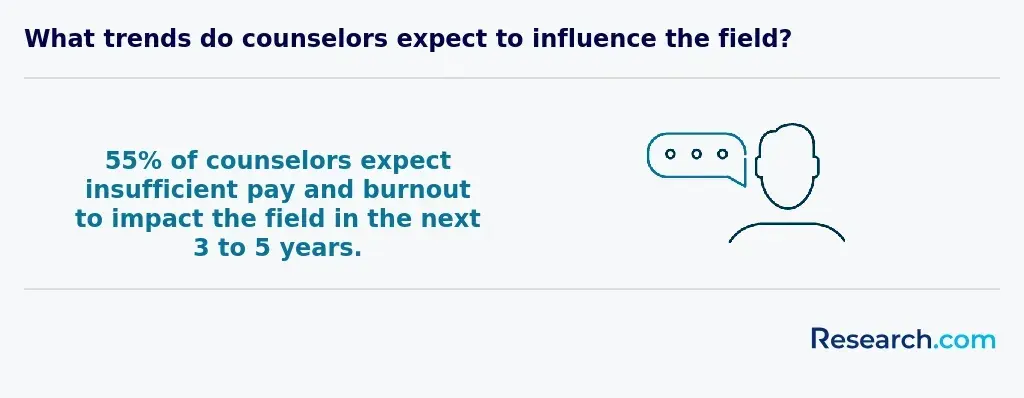
Florida offers opportunity, but the work can be demanding. Counselors may face high caseloads, workforce shortages, insurance barriers, client financial limitations, geographic access gaps, documentation requirements, and burnout risk.
- High demand and workforce gaps: Florida’s unmet mental health workforce need can translate into heavy caseloads and long waitlists.
- Access and affordability problems: Clients may struggle with insurance coverage, out-of-pocket costs, transportation, or provider availability.
- Rural service shortages: Some Florida communities have fewer mental health resources, making telehealth and community partnerships more important.
- Licensure complexity: Requirements, documentation, supervision rules, and endorsement policies can be confusing without careful planning.
- Burnout and compassion fatigue: Repeated exposure to trauma, crisis, and high emotional need can affect counselors’ well-being.
- Administrative workload: Notes, treatment plans, insurance documentation, and compliance tasks can reduce time available for direct care.
| Common Mistake | Why It Causes Problems | Better Approach |
| Choosing a program without checking licensure alignment | A nonaligned degree can delay or block licensure progress. | Verify requirements with the Florida Board and the graduate program before enrolling. |
| Looking only at tuition | Fees, supervision, exam prep, books, and fieldwork travel affect total cost. | Compare the full cost of attendance and clinical training logistics. |
| Assuming all online programs work for Florida | Online coursework may not guarantee Florida placement or licensure eligibility. | Ask how Florida-based practicum and internship requirements are handled. |
| Waiting too long to find a supervisor | Supervision shortages can delay clinical hours. | Build contacts through faculty, internships, associations, and local clinics early. |
| Assuming demand guarantees a high salary | Pay varies by employer, location, license status, and specialization. | Compare local job postings and calculate debt-to-income expectations. |
| Ignoring self-care and consultation | Burnout can affect clinical judgment and career longevity. | Use supervision, peer consultation, manageable caseload planning, and personal support systems. |
Students seeking affordable counseling-related graduate options may also compare programs such as the best budget Christian counseling master's degrees, while still checking whether any program supports their intended Florida licensure path.
How to find a mentor or supervisor for clinical experience in Florida?
Finding the right supervisor is one of the most important practical steps in becoming a licensed counselor. A supervisor does more than sign off on hours; they shape clinical judgment, ethics, documentation habits, case conceptualization, and professional identity. Students who want a more streamlined educational starting point can also compare the easiest counseling degree to get, while remembering that “easy” should never replace licensure alignment and clinical quality.
- Confirm Florida’s supervision rules first: Before contacting supervisors, review current requirements with the Florida Department of Health, the Florida Board, and your graduate program.
- Use your graduate program’s placement network: Many programs maintain relationships with clinics, agencies, hospitals, schools, and private practices that accept counseling trainees.
- Join professional associations: Organizations such as the Florida Mental Health Counselors Association (FMHCA) and the American Counseling Association (ACA) can help students meet potential supervisors and mentors.
- Contact licensed counselors directly: Reach out professionally to LMHCs in your area, explain your training status, and ask whether they provide supervision or know qualified supervisors.
- Search professional directories: Therapist directories and Psychology Today profiles may identify clinicians who offer supervision, though students should verify qualifications.
- Consider virtual supervision when appropriate: Remote supervision may help students in rural areas or with scheduling constraints, but it must meet applicable requirements.
- Match supervision to your goals: If you want to specialize in addiction, trauma, children, families, or grief, look for a supervisor with relevant experience.
- Put expectations in writing: Clarify fees, meeting frequency, documentation, emergency consultation, evaluation methods, and what happens if the supervision relationship ends.
What are the licensure and renewal requirements for mental health counselors in Florida?
Florida licensure requires applicants to meet education, supervised experience, examination, and application standards. Once licensed, counselors must also maintain eligibility through renewal and continuing education. Because requirements can change, applicants should verify details directly with the Florida Board rather than relying only on summaries.
For a step-by-step overview, review Research.com’s guide to LPC license requirements in Florida.
Here’s What Mental Health Counselors in Florida Have to Say About Their Careers
- “Working in Florida counseling has shown me how much people can change when they have consistent support. The diversity of clients keeps the work meaningful, and I leave many sessions feeling that my skills are serving a real community need.” —Carol
- “This career has strengthened my clinical skills and my empathy. Continuing education and professional connections in Florida help me keep improving, especially when client needs are complex.” —Carla
- “Florida’s communities are varied, and that makes counseling here both challenging and rewarding. I’ve learned to listen carefully, adapt my approach, and create space for clients to feel safe enough to do difficult work.” —Angela
Other Things You Should Know about Mental Health Counseling in Florida
How long does it take to become a mental health counselor in Florida?
Becoming a mental health counselor in Florida usually spans 8 to 10 years. This period includes undergraduate education, graduate school, supervised clinical experience, exam preparation, and licensure processing.
Can you be a counselor in Florida without a license?
In Florida, practicing as a mental health counselor without a license is not permitted. Counselors must earn a master's degree in counseling or a related field, complete supervised clinical hours, and pass the corresponding licensure examination before receiving a license. Practicing without proper licensure can lead to legal consequences, including fines and potential criminal charges.
Can counselors diagnose in Florida?
Licensed mental health counselors in Florida are authorized to assess, diagnose, and treat mental health disorders within their scope of practice. Students and early-career professionals should learn the limits of diagnosis, documentation, supervision, and referral as part of ethical practice.
What is the highest-paying type of counselor in Florida?
The highest-paying counseling path can vary by employer, region, specialization, license status, and experience. Counselors comparing income potential should review Florida wage data, local job postings, and the industries represented in the BLS-based chart below rather than assuming one counseling title always pays the most.
Related Articles for Nearby States
- 2027 How to Become a Mental Health Counselor in Georgia
- 2027 How to Become a Mental Health Counselor in Alabama
- 2027 How to Become a Mental Health Counselor in South Carolina
- 2027 How to Become a Mental Health Counselor in Mississippi
- 2027 How to Become a Mental Health Counselor in Tennessee
- 2027 How to Become a Mental Health Counselor in North Carolina
- 2027 How to Become a Mental Health Counselor in Louisiana
- 2027 How to Become a Mental Health Counselor in Kentucky
- 2027 How to Become a Mental Health Counselor in Arkansas
- 2027 How to Become a Mental Health Counselor in Virginia
References:
- bouve.northeastern.edu. (2023, May 28). What do Mental Health Counselors Do? Role & Responsibilities. https://bouve.northeastern.edu/news/what-do-mental-health-counselors-do-role-responsibilities
- Bureau of Health Workforce. (2024). Health Workforce Shortage Areas. https://data.hrsa.gov/topics/health-workforce/shortage-areas
- careervillage.org. (2024, May 22). How can I best prepare myself for working in the world of counseling? https://www.careervillage.org/questions/913920/how-can-i-best-prepare-myself-for-working-in-the-world-of-counseling
- The Chicago School. (2019, March 26). Careers You Can Pursue with a Master’s Degree in Clinical Mental Health Counseling. https://www.thechicagoschool.edu/insight/career-development/careers-with-masters-degree-clinical-mental-health-counseling
- counseling.education.wm.edu. (2023, October 24). The Different Types of Counseling Careers and Their Challenges. https://counseling.education.wm.edu/blog/opportunities-and-challenges-in-the-counseling-field
- Florida Board of Clinical Social Work, Marriage and Family Therapy, and Mental Health Counseling. (n.d.). Applicant FAQs. https://floridasmentalhealthprofessions.gov/applicant-faqs
- floridasmentalhealthprofessions.gov. (2024, August 14). Florida Board of Clinical Social Work, Marriage & Family Therapy and Mental Health Counseling. https://floridasmentalhealthprofessions.gov/licensing/licensed-mental-health-counselor
- Glasmeier, A. K. & Massachusetts Institute of Technology. (2024). Living Wage Calculation for Florida. https://livingwage.mit.edu/states/12
- Grey, S. (2024, February 21). How To Become A Mental Health Counselor: Salary, Education Requirements And Job Growth. Forbes. https://www.forbes.com/advisor/education/psychology-and-counseling/become-a-mental-health-counselor
- Kaiser Family Foundation. (2024). Mental Health in Florida. https://www.kff.org/statedata/mental-health-and-substance-use-state-fact-sheets/florida
- ncsbn.org. (n.d.). Licensure. https://www.ncsbn.org/nursing-regulation/licensure.page
- onetonline.org. (2024, August 6). Florida Employment Trends. https://www.onetonline.org/link/localtrends/21-1014.00?st=FL
- US Bureau of Labor Statistics. (2024, April 3). May 2023 State Occupational Employment and Wage Estimates: Florida. Occupational Employment and Wage Statistics. https://www.bls.gov/oes/2023/may/oes_fl.htm
- US Bureau of Labor Statistics. (2024, April 17). Substance Abuse, Behavioral Disorder, and Mental Health Counselors. Occupational Outlook Handbook. https://www.bls.gov/ooh/community-and-social-service/substance-abuse-behavioral-disorder-and-mental-health-counselors.htm
Key Insights
- Florida has a clear mental health workforce gap, with only 23.9% of its need for mental health professionals met as of April 1, 2024.
- The standard path requires a bachelor’s degree, a master’s degree in counseling or a related field, supervised clinical experience, a qualifying examination, and Florida Board approval.
- Demand is promising, but students should not choose this field on demand alone. Salary, debt, supervision access, emotional workload, and licensure fit all matter.
- Program choice is one of the biggest decisions. Confirm accreditation, Florida licensure alignment, clinical placement support, exam preparation, and total cost before enrolling.
- Practicum and supervision are not formalities. They shape your clinical competence, references, specialization, and readiness for independent practice.
- Telehealth, addiction treatment, trauma-informed care, family work, and geriatric counseling are practical areas to watch, but each requires appropriate training and ethical practice.
- The safest next step is to compare licensure-aligned graduate programs, contact admissions and clinical placement offices, review Florida Board requirements, and build a funding plan before committing.
Other Things You Should Know about Mental Health Counseling in Florida
The Florida Board of Clinical Social Work, Marriage and Family Therapy, and Mental Health Counseling licenses mental health counselors. It oversees LMHC applications, supervised experience approval, examination requirements, and license renewal under Florida Statutes Chapter 491.
To become a mental health counselor in Florida in 2027, you must obtain a master's degree in mental health counseling or a closely related field that includes at least 60 semester hours of specific coursework, satisfying the state's academic requirements for licensure.


