
2027 How to Become a Marriage and Family Therapist in Florida: Requirements & Certification

Co-Founder and Chief Data Scientist
Becoming a marriage and family therapist in Florida is a serious career decision because it requires graduate education, supervised clinical training, exams, state licensure, and ongoing continuing education. It can also lead to meaningful work with couples, families, children, and individuals dealing with relationship conflict, trauma, divorce, parenting stress, substance misuse, and mental health concerns. This guide explains the Florida MFT pathway in practical terms: what degree you need, how licensure works, what MFTs do, how much they may earn, where jobs are available, and how to choose a program that supports your long-term goals.
Quick answer: How do you become an MFT in Florida?
To become a licensed marriage and family therapist in Florida, you generally need a relevant bachelor’s degree, a master’s or doctoral degree in marriage and family therapy or a closely related field, supervised clinical experience, a state-approved exam, and licensure through the Florida Department of Health. Florida candidates should pay close attention to accreditation, required coursework, direct client contact hours, supervision requirements, Florida law and ethics rules, and continuing education obligations after licensure.
Key things to know before pursuing marriage and family therapy in Florida
- The employment outlook is strong. The U.S. Bureau of Labor Statistics projected a 22% growth in employment opportunities for marriage and family therapists from 2021 to 2031, reflecting increased attention to mental health, family wellness, and relationship-centered care.
- Florida earnings vary by setting, location, experience, and client base. As of 2023, the average salary for marriage and family therapists in Florida is approximately $56,000 per year, while therapists in metropolitan areas such as Miami and Orlando may exceed $70,000.
- Where you practice matters. Florida’s average cost of living index is around 100, but cities such as Miami can reach 120, so a salary that feels comfortable in one region may be tight in another.
- Teletherapy is changing access and practice models. Online counseling platforms can help MFTs serve clients in rural or underserved areas, but therapists must follow Florida rules on licensure, privacy, documentation, and client location.
- Florida’s population is culturally, linguistically, and socially diverse. MFTs who build competence in immigration-related stress, LGBTQ+ family issues, blended families, intergenerational caregiving, and nontraditional family structures may be better prepared for real client needs.
- Steps to become a marriage and family therapist in Florida
- Minimum education required for Florida MFT licensure
- What marriage and family therapists actually do
- Florida certification and licensing process for MFTs
- Ethical and legal rules Florida MFTs must follow
- Marriage and family therapist salary in Florida
- Florida MFT job market and employment outlook
- Career paths and advancement options for Florida MFTs
- Challenges of working as an MFT in Florida
- MFT vs. psychology training in Florida
- Using career counseling skills in MFT practice
- Using criminal psychology insights in family therapy
- Mentorship for Florida MFT career growth
- Florida MFT licensure and certification milestones
- Choosing the right educational path
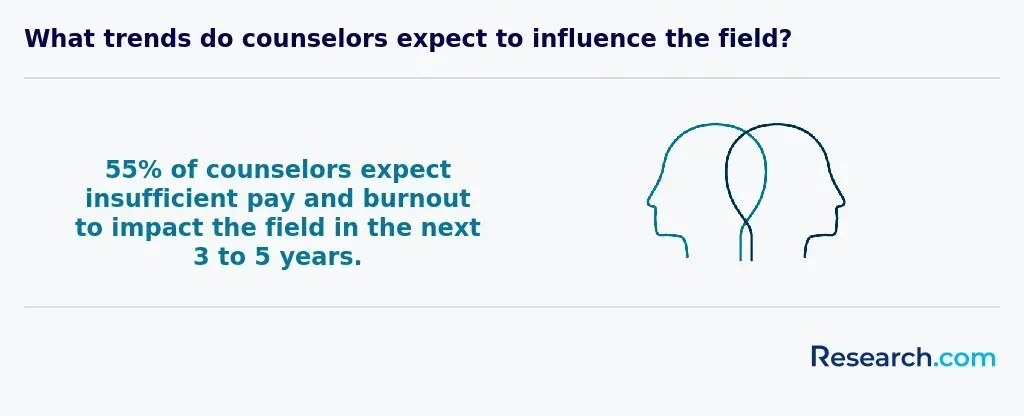
- Preventing burnout as a Florida MFT
- Interdisciplinary collaboration in therapy
- Other counseling careers in Florida
- Professional development for MFTs
- Building a private practice in Florida
- Adding substance abuse counseling skills
How can you become a marriage and family therapist in Florida?
The Florida MFT pathway is best understood as a sequence: complete the right graduate education, gain supervised clinical experience, pass the required exam, apply for licensure, and continue meeting professional standards after you are licensed. Each step affects your timeline, cost, employability, and eligibility to practice independently.
| Step | What you need to do | Why it matters |
| 1. Complete undergraduate preparation | Earn a bachelor’s degree, often in psychology, sociology, social work, human development, or a related field. | This creates the academic foundation for graduate-level clinical training. |
| 2. Earn a qualifying graduate degree | Complete a master’s or doctoral degree in marriage and family therapy or a closely related discipline from an accredited institution. | Graduate education is the core academic requirement for Florida MFT licensure. |
| 3. Finish required clinical training | Accumulate at least 1,500 hours of direct client therapy experience over at least 100 weeks, including at least 100 hours of supervision. | Supervised practice helps you develop clinical judgment before independent practice. |
| 4. Pass the required examination | Complete the state-approved exam that assesses MFT knowledge, clinical reasoning, and professional readiness. | The exam verifies that you meet the competency standard for entry into licensed practice. |
| 5. Apply through Florida’s licensing authority | Submit documentation to the Florida Department of Health, including transcripts, supervised experience records, exam results, and background materials. | You cannot practice as a licensed MFT in Florida until the state approves your license. |
| 6. Maintain your license | Complete required continuing education and renew your license on schedule. | License maintenance protects clients and keeps clinicians current with ethics, law, and clinical practice. |
As you compare MFT with other counseling tracks, it may help to review licensure models in different states. For example, Research.com’s guide to the benefits of an LPC career in Arkansas explains how licensed professional counselor pathways can differ from MFT training.
What is the minimum educational requirement to become a marriage and family therapist in Florida?
The minimum education for a Florida marriage and family therapist is graduate-level training. A bachelor’s degree can prepare you for admission, but it is not enough for independent MFT licensure. Florida candidates generally need a master’s degree in marriage and family therapy or a closely related field, or a doctoral degree that meets the required clinical and academic standards.
- Undergraduate degree: Most candidates begin with a four-year bachelor’s degree in a field such as psychology, sociology, social work, family studies, or human services.
- Graduate degree: A master’s degree in marriage and family therapy or a closely related area usually takes about two additional years, though timelines can vary by enrollment status and program structure.
- Coursework: The graduate program must include at least 36 semester hours of graduate-level coursework. Important areas include marriage and family systems, counseling methods, human development, psychopathology, ethics, assessment, diagnosis, and substance abuse counseling.
- Clinical practicum: Florida candidates need supervised clinical preparation, including direct client contact that helps students apply theory in real therapy settings.
- Accreditation: Programs accredited by recognized organizations such as the Commission on Accreditation for Marriage and Family Therapy Education (COAMFTE) or the Council for Accreditation of Counseling and Related Educational Programs (CACREP) can make licensure review more straightforward because the curriculum is evaluated against professional standards.
- Florida-based study: Attending a Florida program can be useful because faculty and clinical placement staff may be familiar with state-specific licensure rules, local agencies, and employer expectations.
The University of Central Florida is one Florida institution offering relevant graduate study in marriage, couple, and family therapy. If you are comparing counseling careers in other states, Research.com also explains how to be an LPC in Michigan.
Who should choose an MFT graduate program?
- Students who want to work primarily with couples, families, and relationship systems.
- Future clinicians interested in conflict, communication patterns, parenting, divorce, blended families, and intergenerational issues.
- Professionals who want a license built around relational and systemic therapy rather than a broader general counseling identity.
Who may want a different path?
- Students focused mainly on psychological testing may prefer psychology training.
- Students who want broad mental health counseling roles may compare MFT with licensed mental health counseling.
- Students interested in case management, public benefits, child welfare, or community advocacy may consider social work.
What does a marriage and family therapist do?
Marriage and family therapists diagnose and treat emotional, behavioral, and relational problems through a systemic lens. Instead of viewing a client’s concerns only as individual symptoms, MFTs consider relationship patterns, family roles, communication habits, cultural context, and life transitions that shape behavior and well-being.
- Assess individuals, couples, and families to identify presenting concerns, safety issues, relationship patterns, and treatment goals.
- Create treatment plans that reflect the client’s family structure, values, history, and immediate needs.
- Help couples and families improve communication, manage conflict, rebuild trust, and make difficult decisions.
- Provide therapy in individual, couple, family, and group formats, depending on the case and setting.
- Teach clients coping strategies, emotional regulation skills, parenting tools, and problem-solving methods.
- Coordinate with physicians, psychiatrists, school staff, social workers, substance abuse counselors, and other providers when client needs are complex.
| Client concern | How an MFT may help |
| Couple conflict | Identify repeated interaction cycles, improve communication, and support healthier conflict resolution. |
| Divorce or separation | Help families manage transitions, co-parenting stress, grief, and changes in family roles. |
| Parent-child conflict | Support parenting strategies, emotional safety, boundaries, and age-appropriate communication. |
| Trauma or loss | Address how trauma affects relationships, trust, attachment, and daily functioning. |
| Substance misuse in the family | Support family education, referral coordination, relapse prevention conversations, and relationship repair. |
Technology is also changing the work. Teletherapy and digital mental health tools can expand access, especially for clients who face transportation, disability, scheduling, or rural access barriers. However, virtual care does not remove the therapist’s duty to follow Florida licensure rules, confidentiality standards, documentation practices, and emergency planning procedures.
A Florida MFT described the work this way: “My graduate training helped me understand that one person’s distress often affects the whole family system. When a couple learns to speak honestly without attacking each other, the shift can change the home environment for everyone.”
What is the certification and licensing process for a marriage and family therapist in Florida?
Florida MFT licensure requires more than completing a degree. The state reviews your education, practicum or clinical training, supervised post-degree experience, examination record, and legal eligibility. Because requirements can change, candidates should verify details directly with Florida’s licensing board before enrolling in a program or submitting an application.
- Earn the required degree: Complete a master’s degree in marriage and family therapy or a closely related field. Graduate study generally includes at least 36 semester hours of coursework in family systems, counseling techniques, human development, psychopathology, ethics, diagnosis, assessment, and related clinical topics.
- Complete practicum training: A supervised clinical practicum is a required part of preparation and includes a minimum of 180 direct client contact hours.
- Choose an appropriate program: Accreditation matters. Programs connected to COAMFTE or CACREP standards can help demonstrate that the curriculum aligns with professional expectations.
- Document supervised experience: Candidates must show that they completed the required supervised clinical work under qualified supervision.
- Pass the required exam: Florida requires candidates to pass a state-approved examination before full licensure.
- Submit your application: Applicants provide official transcripts, verification of experience, examination documentation, and other required materials to the Florida Department of Health.
One Florida option is the University of Central Florida, which offers a marriage, couple, and family therapy graduate program. If you are comparing requirements across counseling licenses, Research.com also covers Indiana LPC qualifications.
| Licensure item | What to verify before enrolling |
| Program title | Confirm whether the degree is specifically in MFT or whether a related counseling degree meets Florida requirements. |
| Accreditation | Ask whether the program is COAMFTE-accredited, CACREP-accredited, or otherwise accepted for Florida licensure review. |
| Course mapping | Request a course-by-course explanation showing how the curriculum satisfies Florida’s subject requirements. |
| Practicum hours | Confirm how the program helps students complete direct client contact and supervision requirements. |
| Licensure support | Ask whether the school provides forms, advising, and documentation support for Florida applications. |
What ethical and legal guidelines should you observe as a marriage and family therapist in Florida?
Florida MFTs work with sensitive family information, conflict, trauma, abuse disclosures, custody-related issues, and sometimes high-risk client situations. Ethical practice is not optional; it is part of protecting clients, protecting your license, and maintaining public trust.
Core legal responsibilities
- Florida MFTs must follow Chapter 491 of the Florida Statutes, which governs mental health counseling, marriage and family therapy, and clinical social work.
- Licensed therapists must renew their credentials through the Florida Department of Health and complete 30 hours of continuing education every two years.
- Therapists are mandatory reporters and must report suspected child abuse or neglect as required by Florida law.
Confidentiality and privacy
- Confidentiality is central to therapy, but it has limits. Therapists may be required to disclose information when there is a risk of harm to the client or others, suspected abuse, court involvement, or other legally recognized exceptions.
- HIPAA also affects how client information is stored, transmitted, discussed, and released. This is especially important for teletherapy, email communication, electronic health records, and billing systems.
Common ethical risks
- Dual relationships: Treating someone with whom you have another personal, social, business, or professional relationship can create conflicts of interest.
- Scope of competence: MFTs should not treat issues beyond their education, training, and supervised experience without consultation, referral, or additional preparation.
- Cultural humility: Florida clinicians must be prepared to work with clients across race, ethnicity, language, religion, immigration history, sexual orientation, gender identity, disability, and family structure.
- Telehealth boundaries: Therapists must understand where the client is located, what state law applies, how emergencies will be handled, and whether their license permits the service being provided.
Professional organizations can help clinicians stay informed about ethics, advocacy, and state practice issues. The Florida Association for Marriage and Family Counseling is one resource for practitioners seeking field-specific updates and networking.
How much can you earn as a marriage and family therapist in Florida?
Marriage and family therapist pay in Florida depends on location, experience, work setting, caseload, insurance participation, specialty, and whether the therapist works for an employer or runs a private practice. As of 2023, the average salary for marriage and family therapists in Florida is approximately $56,000 per year, with the median salary around $54,000. Nationally, the average salary is about $60,000 and the median salary is about $58,000.
| Factor | How it can affect earnings |
| Location | Miami, Orlando, and Tampa may offer larger client markets, but cost of living and competition can also be higher. |
| Work setting | Hospitals, clinics, schools, community agencies, and private practices may have different salary structures and benefits. |
| Experience | Newly licensed therapists usually earn less than clinicians with specialized training, supervisory roles, or a strong referral base. |
| Private practice model | Income may rise with client volume and specialization, but owners also pay for rent, software, insurance, marketing, billing, taxes, and unpaid administrative time. |
| Specialization | Training in couples therapy, trauma, substance abuse, child and family systems, or telehealth may support broader practice opportunities. |
Common higher-opportunity sectors include healthcare and social assistance, educational services, and private practice. In metropolitan areas such as Miami and Orlando, some salaries can exceed $70,000, but prospective therapists should compare income with housing, insurance, transportation, taxes, and business expenses before assuming a higher salary means better financial outcomes.

What is the job market like for a marriage and family therapist in Florida?
Understanding the labor market is part of deciding whether the MFT path is worth the time and cost. Students comparing MFT with licensed professional counseling can also review Research.com’s guide on how to be an LPC in Florida.
According to the U.S. Bureau of Labor Statistics, employment for marriage and family therapists is expected to increase by 26% from 2022 to 2032, with approximately 350 new job openings expected each year. That growth rate is significantly faster than the average for all occupations and reflects greater demand for mental health and relationship-focused services.
- Where demand is strongest: Urban and fast-growing areas such as Miami, Orlando, and Tampa may offer more openings because of population density and larger healthcare networks.
- Where access needs remain high: Rural and underserved communities may have fewer providers, which can create opportunities for teletherapy and community-based services.
- Competition: The market can still be competitive, especially for desirable employer-based roles, internships, and private-pay client niches.
- Pay range considerations: The average annual salary for MFTs in Florida is around $50,000, while some therapists in private practice settings may earn upwards of $70,000.
- Career flexibility: MFTs may work in clinics, hospitals, community agencies, schools, employee assistance programs, group practices, telehealth platforms, or independent practices.
One Florida therapist summarized the job market this way: “After graduating from the University of Central Florida, I found that opportunities were available, but networking and supervised experience mattered. Orlando’s cost of living was part of my decision, yet the demand for family-centered care made the field feel viable.”
What career and advancement opportunities are available for a marriage and family therapist in Florida?
MFT careers are not limited to private practice. Florida therapists may start in supervised clinical roles and later move into specialization, leadership, program administration, teaching, consulting, or independent practice.
| Career stage | Possible roles | What the work may involve |
| Early career | Clinical therapist, counselor, registered intern, family services clinician | Providing therapy under supervision, building documentation skills, learning agency systems, and developing clinical confidence. |
| Mid-career | Licensed marriage and family therapist, program coordinator, group practice clinician | Managing a caseload independently, specializing in client populations, coordinating services, and mentoring newer clinicians. |
| Advanced career | Clinical supervisor, director of mental health services, policy advisor, private practice owner | Supervising staff, leading programs, shaping service delivery, managing business operations, or influencing mental health policy. |
| Specialized practice | Play therapist, couples specialist, trauma-informed family therapist, substance abuse-informed MFT | Using advanced training to serve specific client needs and referral markets. |
Alternative or adjacent paths include social work, substance abuse counseling, mental health counseling, school-based mental health services, and family services administration. If addiction-related family issues interest you, Research.com’s overview of substance abuse counseling job prospects can help you compare options.
What challenges should you consider as a marriage and family therapist in Florida?
Marriage and family therapy can be meaningful, but the work is emotionally demanding and the path to licensure is not quick. Before committing, consider the academic, financial, clinical, and personal challenges involved.
- Graduate school is a major investment: You may spend years completing coursework, practicum requirements, supervision, and exam preparation while balancing work, family, and finances.
- Family cases can be complicated: MFTs often work with multiple perspectives in the same room, including partners, parents, children, extended family members, and sometimes attorneys or other providers.
- Infidelity, divorce, trauma, and abuse can be emotionally intense: Therapists must remain grounded while helping clients navigate grief, anger, betrayal, fear, and safety concerns.
- Co-occurring issues are common: Family therapy may involve depression, anxiety, substance misuse, domestic violence risk, trauma histories, or child behavioral concerns.
- Vicarious trauma is real: Regular exposure to client pain can affect therapists’ emotional health if they do not use supervision, consultation, boundaries, and self-care.
- Private practice is a business: Clinical skill alone does not cover billing, marketing, insurance credentialing, taxes, documentation systems, legal compliance, and referral development.
| Common mistake | Better approach |
| Choosing the cheapest program without checking licensure alignment | Confirm accreditation, coursework, practicum support, and Florida board expectations before enrolling. |
| Assuming online study automatically qualifies for Florida licensure | Ask the program to document how it meets Florida’s educational and clinical requirements. |
| Ignoring supervision quality | Look for supervisors who provide case feedback, ethical guidance, and exposure to varied family systems. |
| Focusing only on salary | Compare income with debt, cost of living, benefits, licensure timeline, and practice expenses. |
| Waiting until graduation to network | Build relationships through practicum sites, professional associations, faculty, and community agencies early. |
How do MFT and psychology training paths differ in Florida?
MFT and psychology are both mental health fields, but they prepare students for different professional identities. MFT training centers on couples, families, relational systems, and clinical interventions for relationship-based concerns. Psychology training is broader in assessment, research methods, psychological theory, and, depending on the program, testing and diagnosis. Students comparing these routes should review psychologist education requirements in Florida to understand differences in degree level, practicum expectations, examinations, and career scope.
How can integrating career counseling skills expand your practice in Florida?
Career issues often show up in family therapy: job loss, financial stress, relocation, burnout, retirement, work-family conflict, and identity changes after career transitions. Adding career counseling skills can help MFTs serve clients more comprehensively without replacing their core relational focus. Clinicians interested in this area can review the requirements to become a career counselor to identify training, certification, and competency options.
How can integrating criminal psychology insights enhance your marriage and family therapy practice in Florida?
Some family therapy cases involve violence risk, coercive control, court involvement, trauma, juvenile justice issues, or justice-involved family members. Familiarity with criminal psychology concepts can help MFTs recognize behavioral patterns, safety concerns, and referral needs. This does not mean acting outside an MFT’s competence; it means knowing when specialized assessment, legal coordination, or multidisciplinary support is necessary. For a related career comparison, Research.com explains criminal psychology salary in Florida.
What role does mentorship play in advancing your career as an MFT in Florida?
Mentorship can shorten the learning curve for new MFTs. A strong mentor can help you interpret licensing steps, prepare for supervision, manage difficult cases, avoid ethical missteps, choose specializations, and decide whether private practice is realistic. Mentors can also expose you to adjacent fields, such as how to become a social worker in Florida, which can improve collaboration with agencies, hospitals, child welfare systems, and community programs.
What are the licensure and certification milestones for becoming an MFT in Florida?
The main milestones are graduate education, clinical practicum, supervised post-degree experience, examination, state application, license approval, and continuing education. Candidates should keep copies of syllabi, transcripts, supervision logs, practicum records, and board correspondence. For a more focused licensing checklist, review Research.com’s guide to MFT license requirements in Florida.
How to choose the best educational path for becoming a marriage and family therapist in Florida?
The best MFT program is not simply the one with the most recognizable name or the lowest tuition. It is the program that fits Florida licensure rules, offers strong clinical placement support, has qualified faculty, provides supervision infrastructure, and makes financial sense for your career plan.
| Question to ask | Why it matters |
| Is the program accredited by COAMFTE, CACREP, or another recognized body? | Accreditation can affect licensure review, clinical quality, and employer confidence. |
| Does the curriculum meet Florida MFT coursework requirements? | A missing course can delay licensure or require additional graduate study. |
| How are practicum placements arranged? | Strong placement support can reduce stress and improve clinical training quality. |
| Can online students complete Florida-approved clinical hours locally? | Online flexibility is useful only if clinical requirements can actually be completed. |
| What is the total cost, not just tuition? | Fees, books, travel, technology, exam costs, supervision, and reduced work hours can change affordability. |
| What licensure support does the school provide? | Advising, documentation help, and board familiarity can prevent costly mistakes. |
Students considering broader behavioral health options can also review the best psychology programs in Florida, especially if they are still deciding between psychology, counseling, social work, and MFT.
How can marriage and family therapists mitigate burnout and maintain well-being in Florida?
Burnout prevention should begin during training, not after a therapist is already overwhelmed. MFTs can reduce risk by setting caseload limits, using supervision and consultation, taking documentation seriously, maintaining personal therapy or support when needed, and protecting time away from client work. Short mindfulness practices, peer consultation groups, realistic scheduling, and clear cancellation policies can also help. Clinicians interested in school-based work and child-focused mental health may find useful comparisons in Research.com’s guide on how to become a school psychologist in Florida.
How can interdisciplinary collaboration enhance therapeutic outcomes in Florida?
Many family concerns are not purely relational. A child’s speech delay, a parent’s medical condition, a substance use disorder, a school crisis, or financial instability can affect the whole family system. MFTs can improve outcomes by coordinating care with physicians, psychiatrists, teachers, social workers, speech-language pathologists, legal advocates, and community agencies when appropriate and authorized. For example, families dealing with communication challenges may benefit from professionals who become a speech language pathologist in Florida.
Are there other counseling careers to consider in Florida?
Yes. MFT is a strong fit for people drawn to couples and family systems, but it is not the only counseling route. Mental health counseling may be better for students who want a broader individual counseling license. Social work may fit those interested in case management, policy, and community systems. Substance abuse counseling may fit those focused on addiction treatment. To compare one major alternative, review Research.com’s guide on how to become a mental health counselor in Florida.
How does ongoing professional development enhance your career as a marriage and family therapist in Florida?
Continuing education is required for license maintenance, but the best clinicians use it strategically. Professional development can deepen skills in couples therapy, trauma-informed care, child and adolescent therapy, ethics, telehealth, documentation, cultural competence, and supervision. It can also support career moves into leadership, private practice, teaching, or specialized referral networks. For broader therapist career planning, Research.com explains how to become a therapist in Florida.
What strategies can help you build a thriving private practice in Florida?
A successful private practice requires both clinical competence and business discipline. Before opening a practice, clarify your niche, ideal client population, fee model, insurance strategy, telehealth platform, documentation system, referral sources, emergency procedures, and legal structure. You should also budget for malpractice insurance, office or platform costs, billing support, marketing, taxes, continuing education, and unpaid administrative time. If you are still clarifying academic requirements, Research.com’s guide on what degree do you need to be a therapist can help you compare therapy pathways.
Should MFTs integrate substance abuse counseling into their practice in Florida?
Substance misuse can affect trust, parenting, safety, finances, communication, and family stability. MFTs who add substance abuse counseling competencies may be better equipped to identify referral needs, support family recovery conversations, coordinate care, and avoid treating addiction-related concerns too narrowly. This should be done through appropriate training, consultation, and scope-aware practice. For a dedicated pathway, review how to become a substance abuse counselor in Florida.
What do marriage and family therapists say about their careers in Florida?
- Florida’s cultural diversity has shaped the way I practice. I work with families whose values, languages, and histories differ widely, and that pushes me to keep learning instead of relying on one model for every client. Maria
- I have seen more community conversations about mental health in recent years. Partnering with local organizations for workshops and support groups has helped me serve families outside the therapy room. James
- Teletherapy has changed my practice. It allows me to reach clients who may not have nearby services, especially in areas where access to family therapy is limited. Rema
Related Articles for Nearby States
- 2027 How to Become a Marriage and Family Therapist in Georgia: Requirements & Certification
- 2027 How to Become a Marriage and Family Therapist in Alabama: Requirements & Certification
- 2027 How to Become a Marriage and Family Therapist in South Carolina: Requirements & Certification
- 2027 How to Become a Marriage and Family Therapist in Mississippi: Requirements & Certification
- 2027 How to Become a Marriage and Family Therapist in Tennessee: Requirements & Certification
- 2027 How to Become a Marriage and Family Therapist in North Carolina: Requirements & Certification
- 2027 How to Become a Marriage and Family Therapist in Louisiana: Requirements & Certification
- 2027 How to Become a Marriage and Family Therapist in Kentucky: Requirements & Certification
- 2027 How to Become a Marriage and Family Therapist in Arkansas: Requirements & Certification
- 2027 How to Become a Marriage and Family Therapist in Virginia: Requirements & Certification
References:
- Board of Clinical Social Work, Marriage & Family Therapy and Mental Health Counseling (n.d.). Dual Licensure as a Marriage and Family Therapist. floridasmentalhealthprofessions.gov.
- Careers in Psychology. (2013, April 24). Becoming a Licensed Marriage Family Therapist in Florida. careersinpsychology.org.
- Online Counseling Programs. (2021, April 26). How to Become a Licensed Marriage and Family Therapist (LMFT). onlinecounselingprograms.com.
- Online MFT Programs. (2023, July 26). How To Become an MFT in Florida. onlinemftprograms.com.
- MFT License. (2020, November 18). MFT License Requirements in Florida. mft-license.com.
- Career Village. (2023, January 31). What Licenses and Certifications Do You Need as a Marriage and Family Therapist? careervillage.org.
- University of South Florida. (n.d.). Marriage and Family Therapy. usf.edu.
- CareerOneStop. (n.d.). Marriage and Family Therapists. careeronestop.org.
- U.S. Bureau of Labor Statistics (2024, August 29). Marriage and Family Therapists. bls.gov.
- The Chicago School. (2020, November 3). 3 Career Opportunities in Marriage and Family Therapy. thechicagoschool.ed.u.
Key Insights
- Florida MFT licensure requires graduate education, supervised clinical experience, examination, state approval, and continuing education; a bachelor’s degree alone is not enough for independent practice.
- Accreditation and curriculum fit are critical. Before enrolling, confirm that the program’s coursework, practicum, and documentation support align with Florida licensing expectations.
- MFTs are trained to treat emotional and mental health concerns through relationship systems, making the field especially relevant for couples, families, parenting issues, divorce, trauma, and family conflict.
- Florida’s job outlook is favorable, with BLS-cited growth of 26% from 2022 to 2032 and approximately 350 new job openings expected each year, but competition and cost of living vary by region.
- Salary should be evaluated realistically. Florida averages around $56,000 per year as of 2023, with some metropolitan and private practice earnings exceeding $70,000, but expenses, debt, and business costs can significantly affect take-home income.
- Teletherapy, cultural competence, interdisciplinary collaboration, and specialization can strengthen career options, but they also require careful attention to ethics, privacy, licensure, and scope of practice.
- The best path is the one that fits your clinical interests, financial situation, preferred client population, and willingness to complete a demanding licensure process before practicing independently.
Other Things You Should Know About Becoming a Marriage and Family Therapist in Florida
In 2027, becoming a licensed marriage and family therapist in Florida typically takes about 6-8 years. This includes acquiring a relevant bachelor’s degree (4 years), completing a master’s program in marriage and family therapy (approximately 2 years), and fulfilling supervised clinical experience requirements.
To become a licensed marriage and family therapist in Florida in 2027, candidates must complete a master's degree in a relevant field, accumulate supervised clinical experience, and pass the Examination in Marital and Family Therapy. They must also apply for licensure with the Florida Board of Clinical Social Work, Marriage & Family Therapy, and Mental Health Counseling.
To become a marriage and family therapist in Florida in 2027, you need a master's degree in marriage and family therapy or a related field. The program must include at least 36 semester hours of coursework related to the practice, as prescribed by the Florida Board of Clinical Social Work, Marriage & Family Therapy, and Mental Health Counseling.


