2027 How to Become a Licensed Counselor (LPC) in Arkansas

Co-Founder and Chief Data Scientist
Becoming a Licensed Professional Counselor (LPC) in Arkansas is a structured process: you need the right graduate education, supervised clinical experience, required exams, and approval from the state counseling board. For students deciding whether counseling is the right career, the key question is not only “How do I get licensed?” but also “Is this pathway worth the time, cost, and supervision requirements?”
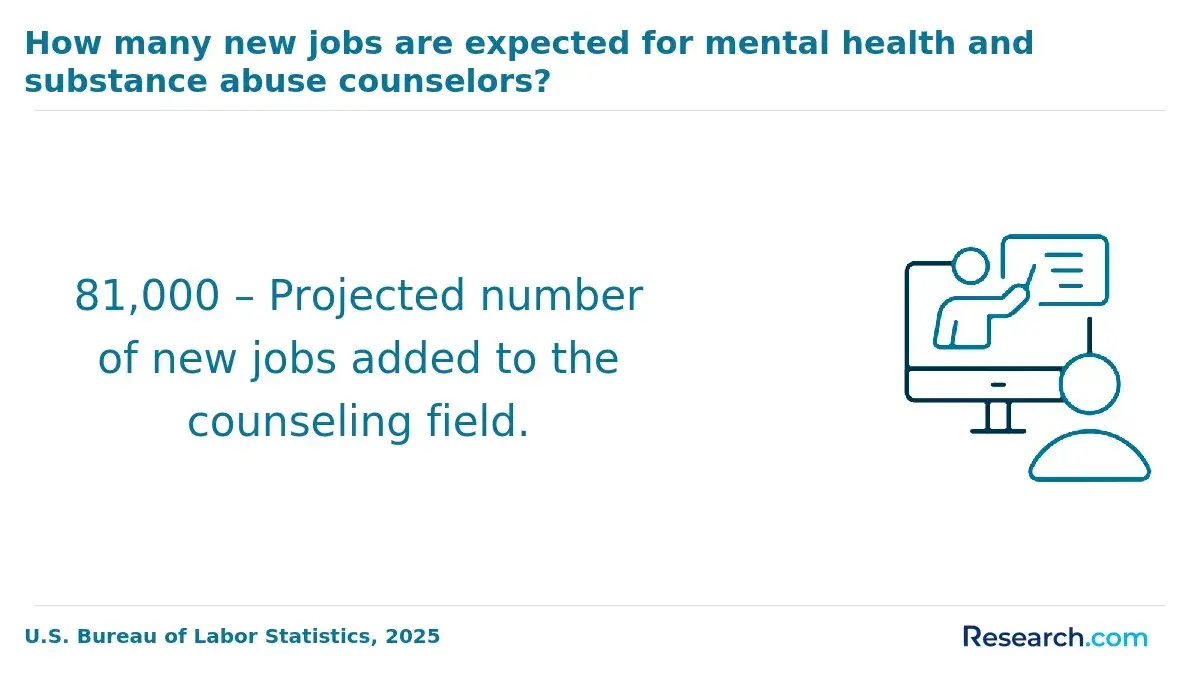
This guide explains how Arkansas LPC licensure works, what degree and clinical training you need, how the application and renewal process typically unfolds, and how to compare counseling programs before enrolling. It is designed for prospective graduate students, career changers, psychology majors exploring what you can do with a psychology degree, and professionals who want a clearer route into counseling practice. Demand remains a major reason people consider this field: licensed counselors, including substance abuse, behavioral disorder, and mental health counselors, are projected to grow 19% through 2033 (BLS, 2025).
How to Become a Licensed Counselor in Arkansas Table of Contents
- Arkansas LPC career outlook and counseling workforce overview
- Education required to become a licensed counselor in Arkansas
- Arkansas LPC application, exams, supervision, and renewal
- Top licensed counselor programs in Arkansas for 2027
- Common workplaces for licensed professional counselors in Arkansas
- Career advancement options for Arkansas LPCs
- LPC licensure vs. psychology licensure in Arkansas
- Typical timeline to LPC licensure in Arkansas
- How strong academic programs support LPC career outcomes
- Licensure challenges Arkansas counseling candidates should expect
- Using behavior analysis skills in counseling practice
- Ways to move through the Arkansas LPC process efficiently
- Telehealth and Arkansas counseling practice
- Regulatory updates and LPC licensure planning
- How to select a counseling program for Arkansas LPC licensure
- Ethical and legal responsibilities for Arkansas LPCsProgram decision checklistWork setting comparison
- Resources for learning more about Arkansas LPC licensure
- Substance abuse counseling as a specialization
- How to find affordable Arkansas LPC preparation programs
Quick Answer: How Do You Become a Licensed Counselor in Arkansas?
To become a Licensed Professional Counselor in Arkansas, you generally need a bachelor’s degree, a qualifying master’s degree in counseling or a closely related field, supervised professional counseling experience, required licensing exams, background checks, and approval from the Arkansas Board of Examiners in Counseling. Candidates must pass the National Counselor Examination (NCE) and the Arkansas Jurisprudence Exam in Counseling, and they must complete a minimum of 3,000 hours of supervised professional experience over at least three years.
| Step | What You Need to Do | Why It Matters |
| 1. Complete undergraduate study | Earn a bachelor’s degree, often in psychology, social work, sociology, or a related field. | This provides the academic foundation for graduate-level counseling training. |
| 2. Earn a graduate counseling degree | Complete a master’s degree in counseling or a closely related field from an appropriate program. | Graduate education is central to Arkansas LPC eligibility. |
| 3. Gain supervised experience | Complete 3,000 hours of supervised professional experience over at least three years. | Supervision verifies that candidates can apply counseling skills ethically and competently. |
| 4. Pass required exams | Pass the NCE and Arkansas Jurisprudence Exam in Counseling. | These exams assess counseling knowledge and understanding of Arkansas-specific rules. |
| 5. Apply and maintain licensure | Submit required materials, complete background checks, and meet continuing education expectations after licensure. | Licensure allows legal practice and requires ongoing professional accountability. |
Overview of the Licensed Counselor Industry in Arkansas
Counseling in Arkansas is shaped by rising mental health needs, rural access concerns, school-based support needs, substance use treatment demand, and the continued expansion of telehealth. For prospective LPCs, this means opportunities may exist across clinical mental health, school counseling, rehabilitation services, addiction treatment, hospitals, community agencies, and private practice. However, job availability, salary, and advancement can vary by region, specialty, employer type, and level of experience.
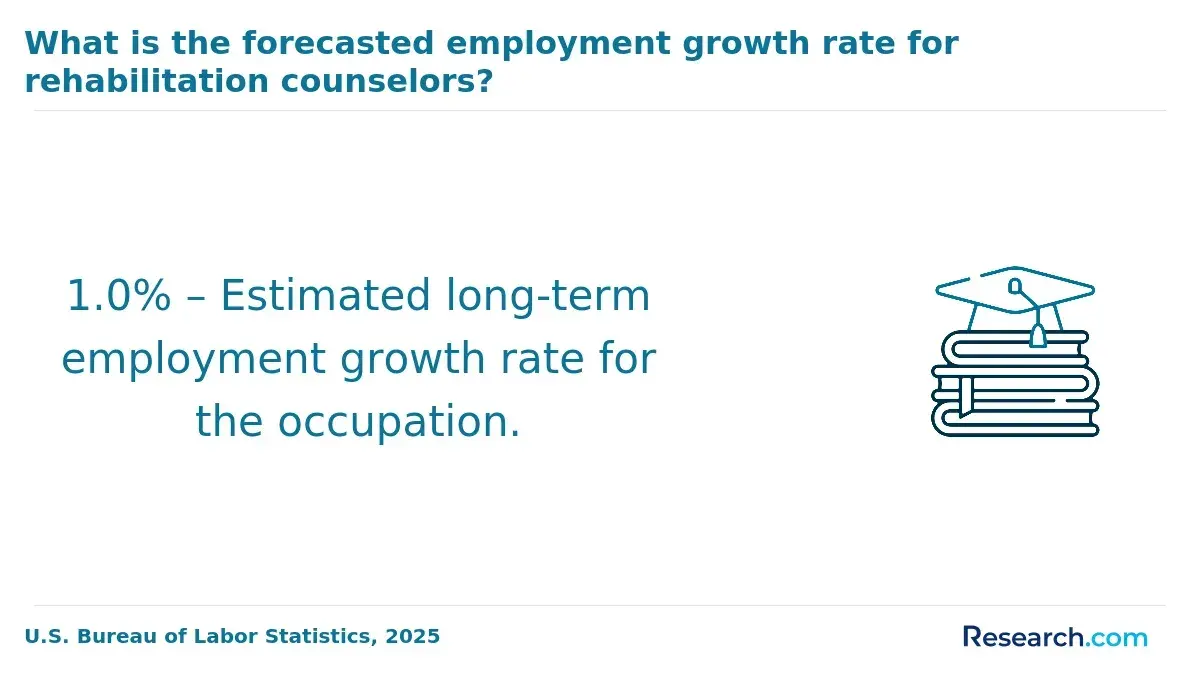
The demand for mental health counselors in Arkansas is expected to grow 26.9% by 2030. Related counseling roles also show positive projections, with rehabilitation counselors and guidance counselors projected to grow by 18.2% and 10.9%, respectively. Compensation can vary widely by setting and experience, but licensed counselors in Arkansas can anticipate an average annual salary of $78,454 as of May 2025 (Indeed, 2025).
Arkansas also has several institutions connected to counseling education, including the University of Arkansas, Arkansas State University, and the University of Central Arkansas. Beyond degree programs, professional organizations can help students and new counselors build networks. The Arkansas Counseling Association (ArCA), for example, provides professional development, networking opportunities, job-related resources, and ethical guidance for counselors preparing to enter the field.
| Factor | What It Means for Future Arkansas LPCs |
| Growing demand | More communities are seeking mental health, addiction, school, and behavioral health support. |
| Supervision requirements | Candidates must plan for several years of supervised practice before full independent licensure. |
| Program choice | Accreditation, practicum quality, exam preparation, and licensure alignment can affect how smoothly you progress. |
| Work setting | Private practice, schools, hospitals, agencies, and rehabilitation centers may offer different schedules, pay structures, and client populations. |
| Professional development | Continuing education and specialization can support advancement after initial licensure. |
Educational Requirements for Licensed Counselors in Arkansas
The Arkansas LPC pathway is graduate-level and practice-focused. A bachelor’s degree may prepare you for admission to a master’s program, but the master’s degree and supervised counseling experience are the central requirements for licensure. Students should verify requirements with the Arkansas Board of Examiners in Counseling before enrolling, especially if they are considering an online, out-of-state, or related-field program.
- Bachelor’s degree. Most future counselors begin with undergraduate study in psychology, social work, sociology, human services, or another behavioral science field. Arkansas students who need a flexible or lower-cost starting point may compare options such as the cheapest online psychology degree programs, but they should remember that a bachelor’s degree alone does not qualify someone for LPC licensure.
- Master’s degree. The key academic requirement for Arkansas LPC licensure is a master’s degree in counseling or a closely related field. Students should prioritize programs with recognized accreditation, such as the Council for Accreditation of Counseling & Related Educational Programs (CACREP) or the Council on Rehabilitation Education (CORE), when applicable. Accreditation can affect licensure review, employer confidence, and the quality of clinical preparation.
- Internship and supervised experience. Graduate programs typically include practicum and internship experiences, followed by post-degree supervised professional experience. Arkansas candidates must complete a minimum of three years of supervised professional experience, usually while working under an approved licensed counselor or therapist. This hands-on training is especially important as 25.4% of U.S. adults now report receiving mental health treatment or counseling (Mental Health America, 2025).
- Licensure examinations. After meeting education and supervised experience requirements, Arkansas LPC candidates must pass the National Counselor Examination (NCE) and the Arkansas Jurisprudence Exam in Counseling.
Arkansas Licensure Application and Renewal Process
Arkansas LPC licensure is not a single-step approval. It combines education review, exam completion, supervised clinical documentation, background screening, and ongoing renewal requirements. Candidates should keep organized records from the start of graduate school, including syllabi, practicum documentation, supervisor agreements, clinical hour logs, exam results, and board communications.
- Licensing examinations. Arkansas LPC applicants must pass the National Counselor Examination (NCE) and the Arkansas Jurisprudence Exam. The jurisprudence exam focuses on Arkansas counseling laws, rules, and professional standards, so candidates should not assume that general counseling knowledge is enough.
- Clinical hours. Candidates must complete a minimum of 3,000 hours of supervised professional experience over a period of at least three years (Henderson State University, N.D.). These hours should include appropriate counseling activities such as direct client contact, group counseling, documentation, consultation, and related clinical responsibilities. Supervision must be provided by an eligible licensed supervisor.
- Background checks. Applicants for LPC licensure in Arkansas are generally expected to complete background screening, which may include criminal history and child maltreatment registry checks. These reviews help the board evaluate professional fitness and public protection concerns.
- Continuing education requirements. Licensed counselors in Arkansas must complete continuing education to renew and maintain licensure. Requirements are typically tied to a defined renewal period, such as two years, and may include ethics or other required content areas.
- License reciprocity. Arkansas LPC reciprocity may be available to licensed counselors from other states, but approval is not automatic. Out-of-state applicants usually need to show that their education, supervision, exams, and license status are comparable to Arkansas standards.
- Out-of-state and international applicants. Candidates educated or licensed outside Arkansas may need additional documentation. International applicants may also need credential evaluation, proof of educational equivalency, language proficiency documentation, additional coursework, or supervised experience to satisfy Arkansas expectations.
| Requirement | Arkansas LPC Candidate Should Confirm | Common Risk |
| Graduate degree | Whether the program’s curriculum matches Arkansas counseling board expectations. | Choosing a related program that lacks required counseling coursework. |
| Accreditation | Whether the program is CACREP, CORE, or otherwise accepted for licensure review. | Assuming every counseling-related master’s degree qualifies. |
| Supervision | Whether the supervisor is approved and hours are documented correctly. | Losing time because hours were not tracked or signed properly. |
| Exams | When to take the NCE and Arkansas Jurisprudence Exam. | Waiting too long and delaying application review. |
| Renewal | How many continuing education hours are required and when they are due. | Missing renewal deadlines or ethics-related requirements. |
List of Top Licensed Counselor Programs in Arkansas for 2027
The programs below represent Arkansas counseling education options that may support licensure preparation. Students should use this list as a starting point, not as a substitute for board verification. Before enrolling, ask each school whether its curriculum meets Arkansas LPC requirements, what clinical placements are available, how supervision is handled, and whether graduates are eligible for the license or credential you intend to pursue.
Arkansas State University
The Master of Science in Education (MSEd) in School Counseling at Arkansas State University is offered fully online and is designed for graduate students preparing for ethical, culturally responsive school counseling practice. The curriculum emphasizes equity, student support systems, advocacy, and comprehensive school counseling program development. It is structured to align with school counseling licensure requirements in Arkansas.
- Program Length: 2 years
- Tracks/concentrations: School Counseling
- Cost per Credit: $340
- Required Credits to Graduate: 48
- Accreditation: Council for the Accreditation of Counseling and Related Educational Programs
University of Arkansas
The Ph.D. in Counselor Education and Supervision at the University of Arkansas is a nationally accredited doctoral program for students who want to move into leadership roles in counseling education, supervision, research, and advanced practice settings. The fully online format is intended to support flexibility while helping students build scholarly, supervisory, and culturally responsive professional competencies.
- Program Length: 2 years
- Tracks/concentrations: School Counseling
- Cost per Credit: $420
- Required Credits to Graduate: 80
- Accreditation: Council for the Accreditation of Counseling and Related Educational Programs
Harding University
The Master of Science in School Counseling at Harding University prepares students for professional school counseling work through a practical and ethics-focused curriculum. The online format is designed for flexibility, while the program’s approach reflects Harding’s Christian foundations and its emphasis on helping counselors support student growth, development, and wellness.
- Program Length: 2 years
- Tracks/concentrations: School Counseling
- Cost per Credit: $586
- Required Credits to Graduate: 60
- Accreditation: Council for the Accreditation of Counseling and Related Educational Programs
John Brown University
The Master of Science in School Counseling program at John Brown University combines applied counseling preparation with opportunities for broader cultural learning, including international study experiences. The program is intended to prepare students for counseling-related work across diverse professional and educational environments.
- Program Length: 2 years
- Tracks/concentrations: School Counseling
- Cost per Credit: $585
- Required Credits to Graduate: 60
- Accreditation: Council for the Accreditation of Counseling and Related Educational Programs
University of Central Arkansas
The Master of Science in Clinical Mental Health Counseling program at the University of Central Arkansas is designed to prepare graduates to deliver counseling services to individuals and groups. The curriculum includes a one-semester internship that gives students applied experience in mental health settings. Graduates are expected to understand ethical practice, professional standards of care, and the therapeutic relationship in counseling work.
- Program Length: 2 years
- Tracks/concentrations: School Counseling
- Cost per Credit: $383
- Required Credits to Graduate: 60
- Accreditation: Council for the Accreditation of Counseling and Related Educational Programs
| School | Program | Format/Focus | Credits | Cost per Credit |
| Arkansas State University | MSEd in School Counseling | Fully online; school counseling | 48 | $340 |
| University of Arkansas | Ph.D. in Counselor Education and Supervision | Fully online; leadership, research, supervision | 80 | $420 |
| Harding University | MS in School Counseling | Fully online; school counseling | 60 | $586 |
| John Brown University | MS in School Counseling | School counseling with applied preparation | 60 | $585 |
| University of Central Arkansas | MS in Clinical Mental Health Counseling | Clinical mental health counseling with internship | 60 | $383 |
How to Become a Licensed Counselor in Arkansas
The Arkansas LPC pathway is best viewed as a long-term professional training process rather than a quick credential. You will need to make decisions about undergraduate preparation, graduate program fit, clinical specialization, supervised practice, exam timing, and eventual work setting. Each decision can affect cost, timeline, licensure eligibility, and career options.
A common route begins with a bachelor’s degree in psychology, counseling-related studies, social work, sociology, or human services. Some students start with an accredited online psychology degree before applying to graduate counseling programs. The bachelor’s degree builds foundational knowledge, but the master’s degree, clinical training, exams, and board approval are what move candidates toward LPC practice.
- Explore the counseling profession before enrolling. Interview LPCs, review Arkansas board rules, and compare counseling with psychology, social work, school counseling, and marriage and family therapy.
- Earn a relevant bachelor’s degree. Choose coursework that strengthens your understanding of human development, abnormal psychology, research, ethics, and helping relationships.
- Select a qualifying graduate program. Confirm accreditation, curriculum alignment, practicum requirements, and Arkansas licensure preparation before committing.
- Complete practicum and internship experiences. Use these placements to build counseling skills, clarify your preferred client population, and develop professional references.
- Accumulate supervised post-degree hours. Track the required 3,000 hours carefully and meet regularly with an approved supervisor.
- Pass the required examinations. Prepare for the NCE and Arkansas Jurisprudence Exam early enough to avoid delaying your application.
- Apply for licensure and maintain compliance. Submit documentation, complete background checks, follow board instructions, and complete continuing education after licensure.
What types of settings do licensed professional counselors in Arkansas typically work in?
Arkansas LPCs can work in many settings, and the best fit depends on the counselor’s training, risk tolerance, preferred client population, desired schedule, and career goals. A new counselor may prefer an agency or healthcare setting with structured supervision, while an experienced LPC may eventually pursue private practice or leadership roles.
| Work Setting | Typical Counseling Focus | Who It May Suit Best |
| Private practice | Individual, couples, family, or group counseling, often with greater control over client focus and schedule. | LPCs who want autonomy, business responsibility, and long-term client relationships. |
| Community mental health centers | Services for clients with varied mental health needs, often including clients with limited financial resources. | Counselors who want broad clinical exposure and mission-driven community work. |
| Hospitals and healthcare facilities | Crisis intervention, trauma support, behavioral health coordination, and mental health care connected to medical needs. | LPCs comfortable working with interdisciplinary teams and short-term or acute situations. |
| Schools and colleges | Academic, social, behavioral, and emotional support for students. | Counselors interested in student development, prevention, and educational environments. |
| Rehabilitation centers | Substance use recovery, behavioral disorders, relapse prevention, and group counseling. | LPCs who want to specialize in addiction, recovery, and structured treatment plans. |
| Government and social services agencies | Support for families, veterans, justice-involved clients, children, and vulnerable populations. | Counselors who are comfortable with complex systems, trauma, case coordination, and public service. |
What Are the Career Advancement Opportunities for LPCs in Arkansas?
Arkansas LPCs can advance by deepening clinical expertise, adding specialized training, becoming supervisors, moving into program leadership, teaching, consulting, or opening a private practice. The strongest path depends on whether you want more clinical independence, higher responsibility, a narrower specialty, or a leadership role.
Common advancement strategies include earning certifications in areas such as trauma, addiction, school counseling, play therapy, or family systems; completing supervisory training; pursuing doctoral study; joining professional associations; and attending state or regional conferences. Early-career counselors who want to plan efficiently may also benefit from reviewing the fastest way to become a counselor while still verifying Arkansas-specific requirements.
How Do LPC and Psychology Licensure Requirements Differ in Arkansas?
LPC licensure and psychology licensure are separate professional pathways in Arkansas. LPC candidates usually complete master’s-level counseling education and supervised counseling practice. Psychology licensure generally involves doctoral-level education, more extensive research training, psychological assessment preparation, and a different licensure process.
The right path depends on your intended scope of practice. If you want to provide counseling and psychotherapy services, the LPC route may align well. If you want to conduct psychological testing, pursue doctoral-level clinical psychology work, or engage heavily in research, psychology may be more appropriate. Students comparing these credentials should review how to become a psychologist in Arkansas before choosing a graduate program.
| Pathway | Typical Education Level | Primary Professional Focus |
| Licensed Professional Counselor | Master’s-level counseling preparation | Counseling, psychotherapy, client support, prevention, and treatment planning. |
| Licensed Psychologist | Doctoral-level psychology preparation | Psychological assessment, diagnosis, therapy, research, and advanced clinical practice. |
How long does the pathway to LPC licensure take in Arkansas?
The Arkansas LPC timeline commonly includes a four-year bachelor’s degree, a two-year master’s program, and about three years to complete the required 3,000 hours of supervised professional experience. Individual timelines can be shorter or longer depending on part-time enrollment, transfer credits, practicum scheduling, exam timing, supervisor availability, employment status, and how quickly the board processes documentation. For a broader timeline overview, see how long it takes to become a mental health counselor.
| Phase | Typical Time | Planning Tip |
| Bachelor’s degree | Four-year bachelor’s degree | Choose courses that prepare you for graduate counseling admission. |
| Master’s degree | Two-year master’s program | Confirm that the curriculum supports Arkansas LPC eligibility. |
| Supervised experience | About three years | Document all 3,000 hours carefully and confirm supervisor qualifications. |
| Exams and application | Varies | Prepare early for the NCE and Arkansas Jurisprudence Exam. |
How do reputable academic institutions contribute to LPC career success in Arkansas?
A strong counseling program does more than issue a degree. It helps students build clinical judgment, ethical decision-making, documentation habits, multicultural competence, and readiness for supervised practice. Reputable programs may also offer stronger practicum networks, faculty mentorship, exam preparation, alumni connections, and career services.
When evaluating schools, look beyond name recognition. Ask about faculty licensure, clinical placement support, graduate outcomes, supervision preparation, and how the curriculum maps to Arkansas board expectations. Students comparing academic options may also want to review good colleges for psychology in Arkansas to understand broader behavioral health education pathways in the state.
What challenges should LPC candidates anticipate during licensure in Arkansas?
Future LPCs should expect several practical challenges: understanding board rules, choosing a qualifying program, finding appropriate supervision, paying for graduate school, passing exams, and managing the time required to complete supervised hours. Candidates in rural areas may face fewer supervisor or placement options, while working adults may need flexible programs that still meet clinical training requirements.
One common mistake is treating licensure as something to figure out after graduation. A better approach is to build a licensure file during graduate school, save course descriptions, confirm practicum requirements, identify approved supervisors early, and join professional networks. Students comparing adjacent helping professions can also review how to become a social worker in Arkansas to understand how counseling and social work licensure routes differ.
Can Integrating Behavior Analysis Enhance Your Counseling Practice in Arkansas?
Behavior analysis can complement counseling when used appropriately and within a counselor’s scope of competence. Skills such as structured observation, behavior tracking, reinforcement planning, and functional assessment concepts may help counselors support clients with behavioral goals, parent training needs, school-related concerns, or treatment adherence challenges.
However, LPCs should not present themselves as behavior analysts without the proper training and credentialing. Counselors interested in a more formal behavior analysis pathway can explore how to become a behavior analyst in Arkansas and determine whether additional education or certification aligns with their practice goals.
How Can I Fast-Track My LPC Licensure Process in Arkansas?
You cannot responsibly skip Arkansas education, supervision, exam, or board requirements. You can, however, reduce avoidable delays by choosing a licensure-aligned program from the start, taking a full-time course load if realistic, scheduling practicum requirements carefully, preparing early for exams, and securing approved supervision before graduation.
Efficient planning is especially important for career changers and working adults. Before enrolling, ask whether the program offers accelerated coursework, clear clinical placement support, and advising specific to Arkansas requirements. For a more focused roadmap, review the fastest way to become a counselor in Arkansas.
How is telehealth transforming LPC practice in Arkansas?
Telehealth has changed how many Arkansas counselors deliver services by making remote sessions, flexible scheduling, and continuity of care more accessible. This can be especially important for clients in rural communities, clients with transportation barriers, and those who need more flexible appointment options.
At the same time, telehealth requires careful attention to confidentiality, emergency planning, informed consent, technology security, documentation, and state practice rules. Counselors working with students should also understand how virtual services intersect with school-based responsibilities. Those interested in educational settings can learn more about becoming a school counselor in Arkansas.
How do recent regulatory changes affect the LPC licensure process in Arkansas?
Regulatory expectations can change, so Arkansas LPC candidates should not rely only on older program brochures, informal advice, or outdated online summaries. Updates may affect eligibility criteria, supervision standards, continuing education rules, application procedures, and documentation requirements.
The safest approach is to check current board guidance before choosing a program, before beginning supervised practice, before submitting an application, and before renewal. Candidates who want a dedicated requirement overview can review Arkansas LPC license requirements and then confirm details with the Arkansas Board of Examiners in Counseling.
How to Choose the Right Counseling Program for LPC Licensure in Arkansas
Your graduate program choice can determine whether your path to licensure is straightforward or frustrating. A lower tuition price is helpful, but it is not enough. The best program for Arkansas LPC preparation should align with board requirements, provide strong clinical training, support practicum placement, prepare students for exams, and fit your schedule and budget.
Accreditation and Recognition
Start by checking whether the program is accredited by a recognized counseling accreditor, such as the Council for Accreditation of Counseling and Related Educational Programs (CACREP), when relevant. Accreditation can indicate that the curriculum meets established professional standards. It may also make licensure review and employer evaluation easier, though students should still confirm Arkansas-specific requirements directly.
Specializations and Focus Areas
Counseling programs may emphasize clinical mental health counseling, school counseling, marriage and family therapy, substance abuse counseling, rehabilitation counseling, or other areas. Choose a track that matches your intended work setting. If you are drawn to expressive and creative therapy approaches, you may also compare the best art therapy programs online and consider whether that specialization complements or differs from LPC preparation.
Program Flexibility and Format
Online, hybrid, and campus-based programs can all work, but each has trade-offs. Online programs may be easier for working adults, while campus-based options may provide more in-person networking and direct faculty access. Hybrid programs can offer a balance. Regardless of format, verify how practicum and internship placements are arranged and whether Arkansas-based students receive adequate support.
Cost and Financial Aid
Do not compare tuition alone. Review total credits, fees, residency requirements, travel costs, technology fees, clinical placement costs, exam fees, and the cost of reduced work hours during practicum or internship. Ask about scholarships, grants, assistantships, employer tuition support, and in-state rates.
Alumni Success and Job Placement Support
Ask programs where graduates work, how students prepare for the NCE, what career services are available, and whether alumni remain connected to the program. A strong alumni network can help with practicum leads, supervision opportunities, job openings, and private practice mentorship.
| Question to Ask a Program | Why the Answer Matters |
| Does this program meet Arkansas LPC educational requirements? | This is the most important licensure question before enrollment. |
| Is the program CACREP, CORE, or otherwise recognized for counseling preparation? | Accreditation may affect licensure review and employer confidence. |
| How are practicum and internship placements secured? | Weak placement support can delay graduation or licensure progress. |
| What is the total program cost, including fees? | Credit price alone may underestimate the real cost. |
| How does the program prepare students for the NCE? | Exam readiness can affect how quickly you move toward licensure. |
| Can online students complete all requirements from Arkansas? | Some online programs may have state authorization or placement limitations. |
The Importance of Ethical and Legal Standards in LPC Practice in Arkansas
Ethical and legal competence is not optional for Arkansas LPCs. Counselors handle sensitive information, work with vulnerable clients, assess risk, maintain professional boundaries, document care, and make decisions that can affect client safety. Arkansas rules and professional ethics exist to protect clients and define responsible practice.
Key responsibilities include confidentiality, informed consent, mandated reporting, appropriate recordkeeping, avoiding harmful dual relationships, practicing within scope, and protecting client privacy under applicable laws such as the Health Insurance Portability and Accountability Act (HIPAA). Violations can lead to complaints, discipline, malpractice risk, or loss of licensure.
Some LPCs expand their practice by developing expertise in couples and family systems. Counselors considering that direction may want to compare the LPC route with how to become a marriage and family therapist in Arkansas, since MFT preparation and licensure may involve different training priorities.
Ethics training also continues after initial licensure. Arkansas LPCs should treat continuing education as more than a renewal task. High-quality ethics education helps counselors respond to real practice issues such as telehealth risk, documentation disputes, boundary concerns, cultural responsiveness, and crisis situations.
Common Mistakes to Avoid When Pursuing Arkansas LPC Licensure
- Enrolling before checking licensure alignment. A counseling-related degree is not automatically the same as a licensure-qualifying counseling program.
- Focusing only on tuition. Fees, travel, clinical placement costs, exam costs, and lost work hours can change the true price of a program.
- Assuming online means easier. Online programs still require practicum, internship, supervision, exams, and Arkansas board approval.
- Waiting too long to find a supervisor. Supervisor availability can affect how quickly you complete the required 3,000 hours.
- Poor hour tracking. Incomplete or inconsistent documentation can create delays when applying for licensure.
- Ignoring specialization fit. School counseling, clinical mental health counseling, addiction counseling, and family-focused work can lead to different career paths.
- Relying only on rankings. Rankings can be useful, but licensure alignment, clinical support, affordability, and fit matter more.
What resources are available for individuals interested in learning more about becoming an LPC in Arkansas?
Prospective counselors should use multiple resources: the Arkansas Board of Examiners in Counseling, graduate program advisors, professional associations, faculty mentors, current LPCs, and licensure-focused career guides. If you want a related overview of counseling preparation, review how to become a licensed mental health counselor in Arkansas and compare it with Arkansas LPC requirements.
Should LPCs consider specializing in substance abuse counseling in Arkansas?
Substance abuse counseling can be a strong specialization for Arkansas LPCs who want to work in rehabilitation centers, community health programs, integrated behavioral health settings, or recovery-focused private practice. This focus can strengthen skills in relapse prevention, motivational interviewing, group counseling, family education, and co-occurring mental health concerns.
Specialization should be intentional. LPCs should seek training that matches their scope of practice, employer expectations, and client population. For a more detailed pathway, see how to become a substance abuse counselor in Arkansas.
How can you find affordable programs for LPC licensure in Arkansas?
Affordability matters because counseling licensure requires years of education and supervised training. The least expensive program is not always the best value, though. A program that is cheap but poorly aligned with Arkansas requirements can cost more in delays, extra coursework, or limited clinical placement support.
- Compare total program cost, not only tuition. Multiply cost per credit by required credits and add fees, books, travel, clinical costs, and exam expenses.
- Review online and hybrid options carefully. Online MFT programs and counseling-related programs may offer lower tuition, but students must verify whether they meet Arkansas licensure requirements.
- Ask about in-state, regional, and employer discounts. Some schools may offer lower rates for qualifying students or working professionals.
- Check transfer credit and course waiver policies. Transfer-friendly programs may reduce cost, but only if credits apply to required coursework.
- Confirm clinical placement support. A low-cost program with weak practicum support can delay graduation or supervision.
Students comparing family therapy routes can explore the cheapest online MFT programs, but they should confirm whether an MFT pathway supports their intended Arkansas credential before enrolling.
Key Insights
- Arkansas LPC licensure is a multi-stage process. Candidates typically need a bachelor’s degree, a qualifying counseling master’s degree, 3,000 supervised hours over at least three years, required exams, background checks, and continuing education after licensure.
- Demand is a major reason to consider the field. Mental health counselors in Arkansas are expected to grow 26.9% by 2030, while related rehabilitation and guidance counseling roles are projected to grow by 18.2% and 10.9%.
- Program choice can affect your entire timeline. Before enrolling, verify accreditation, Arkansas licensure alignment, practicum support, internship expectations, exam preparation, and total cost.
- Supervision planning is critical. The required 3,000 hours can take about three years, so candidates should identify approved supervisors early and keep detailed documentation.
- Career options are broad but not identical. Arkansas LPCs may work in private practice, schools, hospitals, community agencies, rehabilitation centers, government programs, and telehealth settings.
- Licensure is not the same as psychology licensure. LPC preparation is usually master’s-level counseling training, while psychology licensure generally requires doctoral-level preparation and a different scope of practice.
- Affordability should be evaluated carefully. The best-value program is one that is affordable, properly aligned with Arkansas requirements, clinically strong, and realistic for your schedule.
Related Articles for Nearby States
- 2027 How to Become a Licensed Counselor (LPC) in Missouri
- 2027 How to Become a Licensed Counselor (LPC) in Oklahoma
- 2027 How to Become a Licensed Counselor (LPC) in Tennessee
- 2027 How to Become a Licensed Counselor (LPC) in Mississippi
- 2027 How to Become a Licensed Counselor (LPC) in Louisiana
- 2027 How to Become a Licensed Counselor (LPC) in Texas
- 2027 How to Become a Licensed Counselor (LPC) in Kentucky
- 2027 How to Become a Licensed Counselor (LPC) in Kansas
- 2027 How to Become a Licensed Counselor (LPC) in Alabama
- 2027 How to Become a Licensed Counselor (LPC) in Illinois
References:
- Arkansas Department of Health. (2025). Arkansas Board of Examiners in Counseling. https://www.healthy.arkansas.gov/programs-services/topics/arkansas-board-of-examiners-in-counseling
- Arkansas Department of Health. (2025). Licensure requirements for professional counselors. https://www.healthy.arkansas.gov/programs-services/topics/licensure-requirements
- Arkansas Department of Health. (2025). Application process for LPC licensure. https://www.healthy.arkansas.gov/programs-services/topics/application-process
- Council for Accreditation of Counseling and Related Educational Programs. (2025). CACREP accredited programs. https://www.cacrep.org/directoryApplication processLicensure requirementsArkansas counseling board
- Mental Health America. (2025). The State of Mental Health in America 2025. https://mhanational.org/issues/state-mental-health-america
- U.S. Bureau of Labor Statistics. (2025). Become a counselor in Arkansas (AR): Schools & licensing. CounselingSchools.com. https://www.counselingschools.com/licenses/arkansas
- U.S. Bureau of Labor Statistics. (2025). Substance abuse, behavioral disorder, and mental health counselors. https://www.bls.gov/ooh/community-and-social-service/substance-abuse-behavioral-disorder-and-mental-health-counselors.htm
- U.S. Bureau of Labor Statistics. (2025). Occupational employment and wage statistics: Mental health counselors. https://www.bls.gov/oes/current/oes211018.htm
- U.S. Department of Labor. (2025). CareerOneStop: Mental health counselors. https://www.careeronestop.org/Toolkit/Careers/Occupations/occupation-profile.aspx?keyword=Mental%20Health%20Counselors
- CareerOneStop mental health counselors profile ZipRecruiter. (2025). Licensed Professional Counselor Salary in Arkansas. https://www.ziprecruiter.com/Salaries/Licensed-Professional-Counselor-Salary--in-Arkansas
Other Things You Should Know About Becoming a Licensed Counselor (LPC) in Arkansas
International candidates must meet the same educational and supervised experience requirements as domestic applicants and demonstrate English proficiency through exams like the TOEFL. They may also need to have their academic credentials evaluated for U.S. equivalency. --- **Question** How much supervised experience is required for LPC licensure in Arkansas in 2027? **Answer** In Arkansas, aspiring LPCs must complete 3,000 hours of supervised experience over at least two years, with 1,000 of these hours being direct client contact. This must include supervision from an approved LPC supervisor. --- **Question** What exams are required for LPC licensure in Arkansas? **Answer** To become an LPC in Arkansas, candidates must pass the National Counselor Examination (NCE) and a state-specific oral examination. The NCE evaluates general counseling knowledge, while the oral exam assesses comprehension of Arkansas laws and ethical practices. --- **Question** How often must LPCs in Arkansas renew their licenses, and what are the continuing education requirements? **Answer** LPCs in Arkansas must renew their licenses every two years. During each renewal period, they are required to complete at least 24 hours of continuing education, including three hours focused on ethics, to maintain their licensure.
In 2027, aspiring LPCs in Arkansas must complete 3,000 hours of supervised experience, including at least 1,000 hours of direct client contact. This experience, overseen by a qualified supervisor, ensures competencies in counseling practice are met.
The Arkansas Board of Examiners in Counseling governs the licensing process for Licensed Professional Counselors in Arkansas. They set the requirements, review applications, and issue licenses. Aspiring counselors should refer to their guidelines to ensure compliance with all licensure requirements in 2027.
LPCs in Arkansas must renew their licenses every two years. They are required to complete a specific number of continuing education hours during each renewal period to maintain their licensure and stay current with best practices in the field.
Arkansas LPC applicants must complete a state and federal criminal background check before licensure is issued. The Arkansas Board of Examiners in Counseling requires fingerprint-based screening through approved channels, and applicants should wait for clearance before the board finalizes the license decision.