
2027 How to Become a Mental Health Counselor in North Dakota

Co-Founder and Chief Data Scientist
Becoming a mental health counselor in North Dakota is a regulated career path that requires graduate education, supervised clinical experience, a licensing exam, and ongoing professional development. The decision matters because the state continues to face a shortage of mental health professionals: as of April 1, 2024, only 23.5% of North Dakota’s need for mental health professionals had been met (Bureau of Health Workforce, 2024). For students, career changers, and current helping professionals, that shortage can mean meaningful opportunities—but it also makes choosing the right degree, practicum site, specialty, and licensure route especially important.
This guide explains how to become a mental health counselor in North Dakota, what the work looks like, which education and licensure steps matter most, how to compare career paths, and what challenges to expect in rural and underserved communities. It also covers salary context, demand, specializations, technology trends, professional organizations, and practical questions to ask before enrolling in a counseling program.
Quick Answer: How do you become a mental health counselor in North Dakota?
To become a mental health counselor in North Dakota, you generally need to earn a bachelor’s degree, complete a master’s degree in counseling or a closely related field, finish required supervised clinical experience, pass the National Counselor Examination (NCE) or the National Clinical Mental Health Counseling Examination (NCMHCE), and apply for licensure through the North Dakota Board of Counselor Examiners. North Dakota requires 3,000 hours of supervised clinical experience after the master’s degree. Students should choose programs that align with state licensure requirements and, when possible, consider CACREP-accredited counseling programs.
Key Things You Should Know About Becoming a Mental Health Counselor in North Dakota
- Between February 1 and 13, 2023, 32.3% of adults across the United States reported symptoms of anxiety and/or depressive disorder. In North Dakota, 29% of adults reported the same symptoms during that period (Kaiser Family Foundation, 2024).
- Employment for substance abuse, behavioral disorder, and mental health counselors across the US has been projected to grow by 18% between 2022 and 2032 [US Bureau of Labor Statistics (BLS), 2024].
- Substance abuse, behavioral disorder, and mental health counselors in North Dakota had a median hourly wage of $29.44 in May 2023 (US BLS, 2024), equal to an estimated $56,524.8 annual wage.
- Single adult residents without children in North Dakota can live comfortably with a gross annual income of $40,262 (Glasmeier & Massachusetts Institute of Technology, 2024).
- Licensure requires a master's degree in counseling or a related field, completion of supervised clinical hours, and a passing score on the required national licensure examination.
- What does a mental health counselor do in North Dakota?
- What steps are required to become a mental health counselor in North Dakota?
- How should students prepare for a counseling career in North Dakota?
- Why does practicum experience matter for North Dakota counselors?
- Which mental health counseling specializations are available in North Dakota?
- What counseling education options are available in North Dakota?
- Is North Dakota a good state for mental health counselors?
- What substance abuse counseling opportunities are emerging in North Dakota?
- Is a master’s degree in counseling worth it in North Dakota?
- How can you meet marriage counseling certification requirements in North Dakota?
- How is technology changing mental health counseling in North Dakota?
- Which additional certifications can strengthen a counseling career in North Dakota?
- How does interdisciplinary collaboration improve counseling in North Dakota?
- Which psychology schools in North Dakota should you consider?
- Which professional organizations support counselors in North Dakota?
- What is the demand for mental health counselors in North Dakota?
- What are the core licensure steps in North Dakota?
- What other counseling specialties can you pursue in North Dakota?
- What jobs are available to mental health counseling graduates in North Dakota?
- What challenges do mental health counselors face in North Dakota?
- How can school counseling complement a mental health counseling career?
What does a mental health counselor do in North Dakota?
Mental health counselors help clients understand, manage, and recover from emotional, behavioral, and psychological concerns. In North Dakota, that work can include supporting people with anxiety, depression, trauma, relationship stress, grief, substance use disorders, behavioral concerns, and life transitions. Counselors may provide individual counseling, group therapy, crisis support, treatment planning, case coordination, prevention education, and referrals to medical or social service providers.
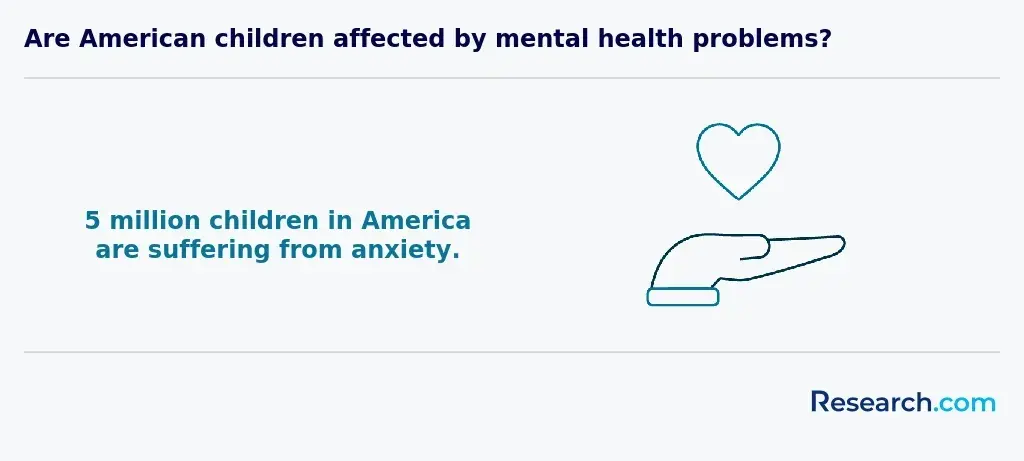
The need is not abstract. Between February 1 and 13, 2023, 32.3% of adults across the US reported anxiety and/or depressive disorder symptoms, while 29% of adults in North Dakota reported the same symptoms during that period (Kaiser Family Foundation, 2024). Counselors therefore play an important role in expanding access to care, especially in communities where residents may have fewer local providers or may hesitate to seek support because of stigma.
Work settings vary. A counselor in North Dakota may practice in a community mental health center, hospital, school, correctional setting, residential treatment program, college counseling center, nonprofit agency, telehealth practice, or private practice. In rural areas, counselors may also coordinate closely with primary care clinics, social workers, school staff, substance abuse programs, and local community organizations because clients often need more than one type of support.
| Common responsibility | What it looks like in practice | Why it matters in North Dakota |
| Assessment and treatment planning | Gathering client history, identifying concerns, setting goals, and selecting appropriate interventions. | Clear plans help counselors serve clients efficiently when local provider availability is limited. |
| Individual and group counseling | Using evidence-based counseling approaches to help clients build coping skills and improve functioning. | Group and individual services can expand care options in communities with high need. |
| Substance use support | Helping clients address addiction, relapse risks, family strain, and recovery planning. | Substance abuse counseling is a key specialization for many behavioral health settings. |
| Referral and care coordination | Connecting clients to psychiatry, primary care, housing support, school services, or crisis resources. | Coordination is especially important in rural and underserved areas with fewer specialized providers. |
| Community education | Reducing stigma, improving mental health literacy, and encouraging early help-seeking. | Stigma can prevent residents from discussing mental health openly or seeking counseling early. |
Economic and regional realities can shape the work. Farmers, energy-sector workers, students, families, and residents in isolated communities may face different stressors and barriers to care. Effective counselors learn how to adapt their communication style, referrals, and treatment planning to the culture and resources of the community they serve.
What steps are required to become a mental health counselor in North Dakota?
The path to licensure in North Dakota is structured, and each step builds toward independent practice. Before enrolling in a program, confirm that the degree, practicum, internship, supervision, and exam preparation match the current standards of the North Dakota Board of Counselor Examiners.
- Earn a bachelor’s degree. Most future counselors begin with an undergraduate degree in psychology, counseling, human services, social science, or a related field. The bachelor’s degree does not usually qualify someone for independent mental health counseling practice, but it prepares students for graduate-level counseling study.
- Complete a qualifying master’s degree. North Dakota licensure requires a master's degree in counseling or a related field. Programs often include coursework in counseling theories, ethics, human development, assessment, diagnosis, group counseling, multicultural counseling, research, and clinical skills. Institutions such as North Dakota State University and the University of North Dakota offer relevant academic pathways.
- Finish practicum and internship training. Graduate programs typically include supervised clinical fieldwork. North Dakota commonly expects counseling students to complete substantial supervised practice before graduation, including practicum and internship experiences that prepare them for post-degree supervision.
- Complete post-master’s supervised clinical experience. North Dakota mandates that candidates accumulate 3,000 hours of supervised clinical experience after earning their master’s degrees. These hours help new professionals develop competence with real clients while receiving oversight from an approved supervisor.
- Pass the required national exam. Candidates must pass the National Counselor Examination (NCE) or the National Clinical Mental Health Counseling Examination (NCMHCE). The appropriate exam may depend on the license level and board requirements.
- Apply for licensure. Applicants submit documentation to the North Dakota Board of Counselor Examiners, including proof of education, supervised experience, examination results, and required fees.
- Maintain the license. After licensure, counselors must meet continuing education requirements and keep up with changes in law, ethics, telehealth practice, supervision rules, and clinical standards.
| Stage | Primary goal | Decision to make |
| Bachelor’s degree | Build foundational knowledge in psychology, human behavior, and helping skills. | Choose courses and volunteer experiences that support graduate admission. |
| Master’s degree | Meet academic requirements for professional counseling practice. | Confirm whether the curriculum supports North Dakota licensure. |
| Practicum and internship | Develop direct client-contact skills under supervision. | Select sites that match your intended population or specialty. |
| Post-master’s supervision | Complete the required 3,000 hours of supervised clinical experience. | Choose an approved supervisor and track hours carefully. |
| Licensing exam and application | Demonstrate readiness for professional practice. | Prepare early and keep all documentation organized. |
Students comparing counseling careers nationally can also review broader information on counseling and therapy career paths to understand how North Dakota’s pathway compares with other states and specialties.
How should students prepare for a counseling career in North Dakota?
Strong preparation begins before the licensure application. Students who plan ahead can reduce delays, choose better field placements, and graduate with a clearer professional direction.
- Prioritize program fit and accreditation. Look for graduate programs that clearly align with North Dakota counseling licensure requirements. CACREP accreditation is often valuable because it signals that a counseling program follows recognized professional standards, though students should still verify state-specific requirements.
- Choose a concentration intentionally. Clinical mental health counseling, marriage and family therapy, school counseling, addiction counseling, and rehabilitation counseling can lead to different roles. Select coursework and field sites that match the clients you want to serve.
- Get exposure to real service settings early. Volunteer or work in crisis lines, community agencies, residential programs, schools, hospitals, or social service organizations. These experiences help students understand whether counseling work fits their strengths and temperament.
- Develop rural practice awareness. North Dakota counselors may serve clients who travel long distances, have limited provider options, or prefer telehealth. Students should learn about rural ethics, referral limitations, confidentiality in small communities, and culturally responsive practice.
- Join professional networks. Organizations such as the North Dakota Counseling Association can help students find workshops, mentors, job leads, supervision guidance, and policy updates.
- Build documentation habits. Licensure depends on records. Keep syllabi, practicum logs, supervision forms, evaluations, course descriptions, and exam documentation in a secure place.
If you are still deciding whether counseling is the right profession, Research.com’s overview of how to become a mental health counselor can help you compare the role with related psychology, therapy, and behavioral health careers.
Why does practicum experience matter for North Dakota counselors?
Practicum and internship experience are where counseling education becomes clinical practice. Students learn how to conduct intake interviews, build therapeutic relationships, write treatment plans, manage ethical issues, document sessions, receive supervision, and respond to crisis situations. North Dakota candidates should expect practicum and internship requirements to be central to graduate preparation, with programs commonly involving a minimum of 600 hours of supervised clinical experience.
Practicum is especially important in North Dakota because counseling work often requires flexibility. A student placed in a rural clinic, school, or community agency may learn how to coordinate care with limited local services, use telehealth appropriately, and support clients who face transportation, stigma, or privacy concerns in small communities.
| Practicum benefit | Why it matters | How to use it strategically |
| Skill development | Students practice counseling techniques with supervision before independent practice. | Request feedback on assessment, treatment planning, documentation, and session structure. |
| Career testing | Fieldwork helps students learn whether they prefer schools, clinics, hospitals, addiction programs, or private practice. | Choose placements that expose you to the populations you may want to serve after graduation. |
| Professional references | Supervisors can become job references or help students locate post-master’s supervision. | Treat practicum like a long interview: be reliable, ethical, and open to feedback. |
| Licensure readiness | Clinical training builds the habits needed for the 3,000 hours of post-master’s supervised experience. | Learn how to track hours and clarify what qualifies before graduating. |
A common mistake is choosing a practicum site only because it is convenient. A better strategy is to ask whether the site offers direct client contact, regular supervision, exposure to evidence-based practice, crisis protocols, and experience with the population you hope to serve.
Which mental health counseling specializations are available in North Dakota?
Mental health counseling is not one single job. Counselors can build expertise around specific client populations, clinical concerns, and service settings. In North Dakota, specialization can be especially useful because communities need professionals who can address anxiety, depression, substance use, family stress, student mental health, trauma, disability, and behavioral concerns.
| Specialization | Typical clients or concerns | Best fit for counselors who want to... |
| Substance abuse counseling | Clients affected by alcohol or drug use, relapse risk, family impact, and recovery planning. | Work in addiction treatment, recovery programs, community agencies, or integrated behavioral health settings. |
| Behavior disorder counseling | Clients with concerns such as ADHD, conduct disorder, impulse control problems, or disruptive behavior patterns. | Support children, adolescents, families, schools, or community-based behavioral programs. |
| Licensed Mental Health Counseling (LMHC) | Clients with anxiety, depression, stress, grief, relationship concerns, and other mental health needs. | Provide broad clinical counseling services across outpatient, agency, or private practice settings. |
| Licensed Clinical Mental Health Counseling (LCMHC) | Clients with more complex clinical needs; may also include supervision or advanced clinical responsibilities. | Move toward advanced practice, clinical leadership, supervision, or research-informed work. |
| School counseling | Students facing academic pressure, bullying, emotional concerns, family stress, or college and career planning needs. | Work inside K-12 education and support early intervention. |
| Marriage and family counseling | Couples and families dealing with conflict, communication breakdown, parenting stress, or relational trauma. | Focus on systems-based counseling and relationship dynamics. |
Students comparing counseling specialties across states may also find it useful to review how another jurisdiction defines licensed counseling roles, such as this guide to the licensed counselor pathway in Kentucky.
The best specialization depends on three factors: the population you want to serve, the setting where you want to work, and the license or credential required for that role. Before choosing a concentration, ask programs how their coursework, practicum sites, and supervision options support your intended specialty.
The chart below provides a visualization of the behavioral health professions that are expected to experience shortages in the US by 2036, according to 2024 data from the Health Resources and Services Administration (HRSA).
What counseling education options are available in North Dakota?
Aspiring counselors in North Dakota typically need graduate-level education that satisfies state licensure standards. Relevant programs may be offered through counseling, psychology, education, or behavioral health departments. Students should review each program’s curriculum, practicum structure, faculty expertise, licensure alignment, and graduate outcomes before enrolling.
North Dakota State University and the University of North Dakota are examples of in-state institutions associated with counseling-related education. Some students may also consider online or hybrid programs, especially if they live far from campus or need to continue working while completing graduate school. Online programs can be a practical option, but they require careful review because state licensure rules, field placement availability, and supervision requirements can vary.
| Program format | Advantages | Risks to check before enrolling |
| Campus-based program in North Dakota | Local faculty connections, easier access to state-specific licensure guidance, and potential local practicum networks. | May require relocation, commuting, or a fixed class schedule. |
| Hybrid program | Combines online coursework with in-person intensives or local fieldwork. | Students must confirm travel expectations and approved practicum arrangements. |
| Fully online program | Greater flexibility for working adults and students in remote areas. | Not every online program is designed for North Dakota licensure; field placement support may vary. |
| CACREP-accredited program | Curriculum follows recognized counseling education standards and may simplify review in some licensing contexts. | Students still need to verify North Dakota’s current requirements before assuming eligibility. |
Before committing to a program, ask admissions staff and program directors these questions:
- Does this degree meet North Dakota counseling licensure requirements?
- Is the program CACREP-accredited or aligned with CACREP standards?
- How are practicum and internship placements arranged for North Dakota students?
- Who qualifies as an approved supervisor after graduation?
- Which licensing exam does the program prepare students to take?
- What support is available for students in rural placements?
- Are there assistantships, scholarships, or state-based aid options?
For a state-specific overview of the licensure pathway, review Research.com’s guide on how to become a therapist in North Dakota.
Is North Dakota a good state for mental health counselors?
North Dakota can be a strong career location for counselors who want meaningful community impact, are comfortable with rural or mixed-service environments, and are willing to navigate provider shortages. It may be less ideal for professionals who want immediate access to many large urban employers, highly specialized clinical teams, or frequent in-person continuing education events.
| Factor | What the data or context shows | How to interpret it |
| Income potential | Substance abuse, behavioral disorder, and mental health counselors in North Dakota had a median hourly wage of $29.44 in May 2023 (US BLS, 2024), equal to an estimated $56,524.8 annual wage. | This suggests the field can offer a viable income, though earnings vary by employer, location, license level, and experience. |
| Cost-of-living context | Single adult residents without children in North Dakota can live comfortably with a gross annual income of $40,262 (Glasmeier & Massachusetts Institute of Technology, 2024). | The estimated counseling wage is above this single-adult benchmark, but family size, debt, housing, and benefits matter. |
| Licensure mobility | North Dakota offers some flexibility with licensing reciprocity for counselors from states with requirements equal to or substantially similar to North Dakota’s requirements. | Relocating counselors should not assume automatic approval; documentation and board review still matter. |
| Community need | As of April 1, 2024, only 23.5% of the state’s need for mental health professionals had been met (Bureau of Health Workforce, 2024). | High need can create opportunity, but it may also mean heavier caseloads and limited referral options. |
| Rural practice | Many communities are geographically dispersed, and access to specialty services can be limited. | Counselors should be prepared for telehealth, interdisciplinary work, and rural ethics issues. |
The main advantage is purpose: counselors can make a visible difference in communities where services are needed. The main trade-off is workload and access. Professionals should evaluate supervision availability, employer support, telehealth infrastructure, continuing education access, and burnout prevention before accepting a role.
What are the emerging opportunities in substance abuse counseling in North Dakota?
Substance abuse counseling is one of the most practical specialization areas for North Dakota counselors because addiction treatment often intersects with mental health, family systems, trauma, criminal justice, employment, and community health. Counselors with training in addiction assessment, relapse prevention, motivational interviewing, group counseling, crisis response, and recovery planning may be better prepared for roles in treatment centers, community agencies, hospitals, corrections-linked programs, and integrated care settings.
Students considering this path should compare whether they want to become a broadly licensed mental health counselor with addiction expertise or pursue a more specialized addiction counseling credential. The right choice depends on the client population, work setting, and credential required by employers. For a focused pathway, see Research.com’s guide on how to become a substance abuse counselor in North Dakota.
Is a Master’s Degree in Counseling Worth the Investment in North Dakota?
A master’s degree in counseling is usually necessary for independent mental health counseling licensure in North Dakota, so the question is less “Do I need it?” and more “Which program gives me the best route to licensure, employment, and manageable debt?” The degree can be worth the investment if it meets state requirements, includes strong clinical training, supports practicum placement, prepares students for the NCE or NCMHCE, and leads to realistic employment options in the student’s preferred region.
It may be a weaker investment if the program is expensive, poorly aligned with North Dakota licensure, offers limited field placement help, or requires a schedule that makes completion unlikely. Students should compare total cost, fees, supervision support, transfer credit policies, graduation requirements, exam preparation, and job placement support—not just tuition. For a broader ROI discussion, review whether a master's in counseling is worth it.
How can you meet marriage counseling certification requirements in North Dakota?
Marriage counseling requires more than general interest in relationships. Professionals who want to work with couples and families should pursue coursework and supervised experience in family systems, couple dynamics, conflict resolution, family assessment, ethics, trauma, parenting issues, and relational interventions. Depending on the desired role, the pathway may differ from general mental health counseling and may involve marriage and family therapy-specific licensing expectations.
Before choosing this specialization, ask whether your graduate program includes family therapy coursework, whether practicum sites offer couple or family cases, and whether supervisors are qualified in the specialty. Requirements can change, so candidates should review the current marriage counselor education requirements in North Dakota before making enrollment or supervision decisions.
How is technology changing mental health counseling in North Dakota?
Technology is especially relevant in North Dakota because distance can limit access to care. Telehealth, secure video platforms, electronic health records, digital intake forms, online screening tools, remote supervision, and continuing education platforms can help counselors reach clients who might otherwise struggle to attend in-person sessions.
Technology also introduces responsibilities. Counselors must understand confidentiality, informed consent, emergency planning, cross-jurisdiction practice, secure documentation, and ethical limits of digital communication. Telehealth is not simply a video call; it requires clinical judgment about whether remote care is appropriate for the client’s needs, risk level, privacy environment, and available crisis resources.
Students who need flexibility may compare online graduate programs, including Research.com’s guide to the best rated online masters in mental health counseling degree programs, while still confirming that any program they choose supports North Dakota licensure and field placement requirements.
Which additional certifications can strengthen a counseling career in North Dakota?
Additional training can help counselors serve specific populations and compete for specialized roles. Useful areas may include trauma-informed counseling, crisis intervention, addiction counseling, suicide risk assessment, telehealth ethics, play therapy, grief counseling, culturally responsive practice, and supervision training. The best certification is one that matches your client population and is respected by employers or licensing bodies.
A practical approach is to choose continuing education based on gaps in your current practice. For example, a counselor working in a rural school-community partnership may benefit from youth mental health, crisis response, family engagement, and school systems training. Those interested in adjacent school-based roles can review how long it takes to become a school psychologist in North Dakota to compare the psychology route with counseling pathways.
How does interdisciplinary collaboration improve counseling in North Dakota?
Interdisciplinary collaboration is often essential in North Dakota because clients may need support that extends beyond counseling sessions. A counselor may coordinate with primary care providers, social workers, school staff, addiction specialists, housing programs, probation officers, or crisis teams. This team-based approach can improve continuity of care, reduce duplicated services, and help clients address practical barriers that affect mental health.
Collaboration is especially important in rural areas, where one provider cannot meet every need alone. Counselors who understand referral networks, confidentiality rules, release-of-information procedures, and community resources can build stronger treatment plans. Students who want a broader human services perspective may also explore social worker education requirements in North Dakota to understand how counseling and social work roles overlap and differ.
Which psychology schools in North Dakota should you consider?
Students interested in counseling often begin by comparing psychology and behavioral health programs, but psychology and counseling are not identical fields. A psychology program may be useful for undergraduate preparation, research, or psychology-related graduate study, while a counseling master’s program is typically the more direct route to mental health counseling licensure.
When evaluating schools, look beyond reputation. Review clinical training opportunities, faculty specialization, licensure alignment, practicum partnerships, advising quality, graduate support, and cost. Research.com’s list of the best psychology schools in North Dakota can be a useful starting point for identifying institutions, but students should still confirm whether a specific program leads to the credential they want.
Which professional organizations support counselors in North Dakota?
Professional organizations can help students and licensed counselors stay current on ethics, licensure updates, continuing education, advocacy, supervision, and job opportunities. State-specific counseling associations can be particularly useful because they connect professionals who understand North Dakota’s workforce needs and regional practice realities. National organizations, including the American Counseling Association, may provide broader professional development, policy updates, and specialty resources.
Membership is most valuable when it is active. Attend workshops, ask about mentorship, participate in committees, and use conferences to learn about employers, supervision options, and emerging issues. If you are trying to shorten your path without skipping required steps, Research.com’s guide to the quickest path to becoming a counselor in North Dakota can help you understand where efficiency is possible and where state requirements are fixed.
What is the demand for mental health counselors in North Dakota?
Demand for counselors is supported by both national employment projections and North Dakota’s provider shortage. Employment for substance abuse, behavioral disorder, and mental health counselors across the US has been projected to grow by 18% between 2022 and 2032 (US BLS, 2024). In North Dakota, the need is also reflected in workforce shortage data: as of April 1, 2024, only 23.5% of the state’s need for mental health professionals had been met (Bureau of Health Workforce, 2024).
Counselors may find opportunities in healthcare facilities, community mental health centers, schools, addiction treatment programs, private practices, correctional settings, nonprofit organizations, and telehealth services. Demand does not guarantee a specific job or salary, but it does suggest that trained and licensed professionals are important to the state’s behavioral health system.
The strongest candidates are likely to be those who combine licensure readiness with practical skills in assessment, crisis response, substance use, telehealth, cultural humility, documentation, and interdisciplinary collaboration. If you are comparing licensure across states, Research.com also explains how to become a licensed counselor in New Hampshire.
What are the core licensure steps in North Dakota?
Licensure in North Dakota requires careful sequencing. Candidates should confirm that their graduate degree qualifies, complete the required clinical training, document supervised experience accurately, pass the applicable national examination, and submit a complete application to the state board. Missing records can slow the process, so students should begin organizing documentation before graduation.
For a more detailed explanation of coursework, supervision, examination, and application expectations, see Research.com’s overview of LPC license requirements in North Dakota. Because regulations can change, always verify requirements directly with the licensing board before making final education or employment decisions.
What other counseling specialties can you pursue in North Dakota?
Mental health counseling can overlap with several related specialties. Depending on your interests, you may pursue marriage and family therapy, substance abuse counseling, school counseling, rehabilitation counseling, career counseling, gerontological counseling, or crisis counseling. Each specialty may involve different coursework, supervision, employment settings, and credentialing rules.
If you are drawn to relationship and family systems work, Research.com’s guide on how to become a marriage and family therapist in North Dakota explains a related pathway. Before switching specialties, compare license requirements, scope of practice, job settings, and long-term goals.
What jobs are available to mental health counseling graduates in North Dakota?
Graduates with a counseling master’s degree can work in multiple behavioral health and human service settings, depending on licensure status, supervision, specialty training, and employer requirements. Some roles may be available under supervision before full independent licensure, while others require a specific license or credential.
| Career option | Typical work | Where graduates may work |
| Mental health counselor | Provides counseling for anxiety, depression, stress, grief, relationship concerns, and other mental health needs. | Community mental health centers, outpatient clinics, private practices, hospitals, and telehealth settings. |
| Substance abuse counselor | Supports clients dealing with addiction, relapse prevention, recovery planning, and family impact. | Treatment centers, recovery programs, correctional-linked programs, and community agencies. |
| School counselor | Helps students with academic, social, emotional, and career development needs. | Elementary schools, middle schools, high schools, and district-level student support programs. |
| Rehabilitation counselor | Assists people with disabilities, injuries, or recovery-related barriers as they pursue independence and employment. | Rehabilitation agencies, workforce programs, healthcare settings, and nonprofit organizations. |
| Clinical supervisor or program leader | Oversees services, supports newer clinicians, manages programs, or improves clinical systems. | Agencies, treatment programs, community organizations, and larger behavioral health providers. |
The chart below provides a visualization of the 2023 media annual wages of mental health professionals in the US, according to 2024 data from the US BLS.
What challenges do mental health counselors face in North Dakota?
North Dakota offers meaningful opportunities, but counselors should enter the field with a realistic view of the pressures involved. Workforce shortages, rural access barriers, regulatory complexity, economic stressors, and burnout risks can all affect practice.
- Limited access to services. North Dakota has a shortage of mental health professionals, particularly in rural areas. The Peace Garden State had 28.8% of its adult residents report symptoms of anxiety or depression, with 19.4% unable to receive the necessary treatment in February 2021 (National Alliance on Mental Illness, 2023).
- Licensure and documentation complexity. New graduates must track supervision, clinical hours, exam results, and application materials carefully. Delays often happen when candidates misunderstand requirements or lose documentation.
- Economic pressures. North Dakota’s economy can be influenced by prominent state industries. The state ranked 37th out of all 50 US states in terms of economic performance in September 2024 (American Legislative Exchange Council, 2024). Economic instability can contribute to stress for clients and budget limits for service providers.
- Rural isolation and confidentiality concerns. In small communities, clients may worry about being recognized when seeking services. Counselors must be especially thoughtful about privacy, boundaries, and dual relationships.
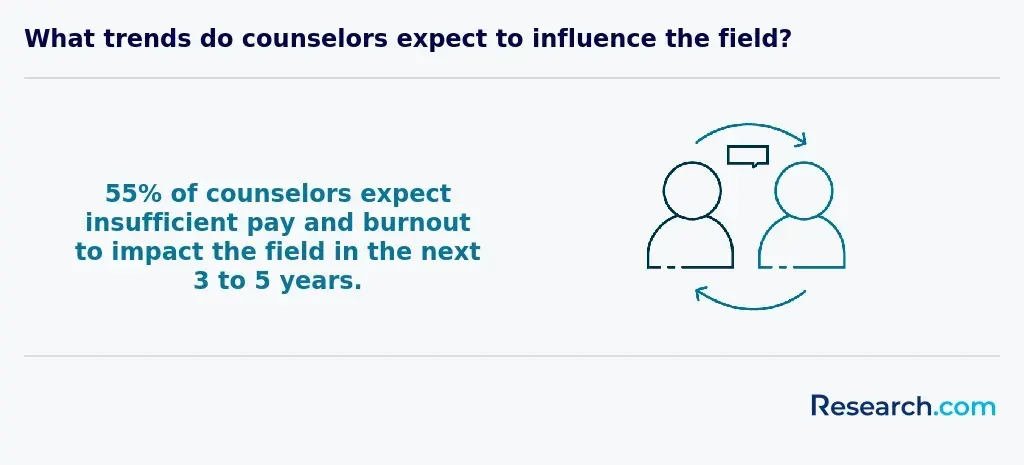
- Burnout risk. High caseloads, crisis work, limited referral options, and emotional labor can make self-care and supervision essential. Counselors who want advancement should plan continuing education and explore broader career paths in counseling.
| Common mistake | Why it causes problems | Better approach |
| Choosing a program without checking licensure alignment | A degree may not automatically satisfy North Dakota requirements. | Confirm requirements with the program and licensing board before enrolling. |
| Looking only at tuition | Fees, travel, unpaid internship time, and supervision costs can change the real price. | Compare total cost, schedule, field placement support, and financial aid. |
| Assuming online programs always meet state requirements | Online curriculum and practicum structures may not fit North Dakota rules. | Ask for written licensure alignment information for North Dakota students. |
| Waiting to find supervision after graduation | Post-master’s supervision is required, and availability can vary by location. | Build supervisor connections during practicum and internship. |
| Ignoring burnout prevention | High-need settings can lead to emotional fatigue and turnover. | Use supervision, peer consultation, manageable caseload planning, and continuing education. |
How can school counseling complement a mental health counseling career?
School counseling can expand a mental health counselor’s impact by focusing on early intervention, student resilience, academic stress, family communication, bullying prevention, and crisis response in educational settings. Counselors who understand both clinical mental health and school systems can collaborate more effectively with teachers, administrators, families, and community providers.
This pathway is best for professionals who enjoy working with children and adolescents and are comfortable operating within school policies, academic calendars, and multidisciplinary teams. To compare requirements, review Research.com’s guide on how to become a school counselor in North Dakota.
What do mental health counselors in North Dakota say about the work?
- "Working as a mental health counselor in North Dakota has been incredibly rewarding. The close-knit communities here allow me to build meaningful relationships with my clients, and witnessing their growth and healing is profoundly fulfilling. I feel like I'm making a real difference in people's lives every day." —Leanne
- "The demand for mental health professionals in North Dakota is growing, which means there are ample opportunities for career advancement and specialization. I’ve been able to focus on trauma-informed care, and the support from my colleagues has been invaluable. It’s inspiring to be part of a movement that prioritizes mental wellness in our state." —Therese
- "Choosing a career in mental health counseling in North Dakota has not only allowed me to help others but has also fostered my own personal growth. The diverse challenges I encounter daily keep me engaged and passionate about my work. I love being part of a profession that emphasizes compassion and resilience." —Benjamin
Related Articles for Nearby States
- 2027 How to Become a Mental Health Counselor in South Dakota
- 2027 How to Become a Mental Health Counselor in Minnesota
- 2027 How to Become a Mental Health Counselor in Montana
- 2027 How to Become a Mental Health Counselor in Nebraska
- 2027 How to Become a Mental Health Counselor in Wyoming
- 2027 How to Become a Mental Health Counselor in Iowa
- 2027 How to Become a Mental Health Counselor in Wisconsin
- 2027 How to Become a Mental Health Counselor in Colorado
- 2027 How to Become a Mental Health Counselor in Kansas
- 2027 How to Become a Mental Health Counselor in Illinois
Key Insights
- North Dakota needs more behavioral health professionals: as of April 1, 2024, only 23.5% of the state’s need for mental health professionals had been met.
- The standard path requires a bachelor’s degree, a qualifying master’s degree, supervised clinical experience, the NCE or NCMHCE, and licensure through the North Dakota Board of Counselor Examiners.
- North Dakota mandates 3,000 hours of supervised clinical experience after the master’s degree, so students should plan early for approved supervision.
- Substance abuse, behavioral disorder, and mental health counselors in North Dakota had a median hourly wage of $29.44 in May 2023, equal to an estimated $56,524.8 annual wage.
- Rural practice can be rewarding but demanding. Counselors should prepare for telehealth, interdisciplinary collaboration, confidentiality challenges in small communities, and limited referral networks.
- Program choice matters. Do not enroll until you verify licensure alignment, practicum support, accreditation status, exam preparation, total cost, and supervision pathways.
- Specializing in substance abuse counseling, school counseling, marriage and family work, trauma-informed care, or rural mental health can help counselors meet specific community needs.
References:
- American Legislative Exchange Council. (2023). North Dakota. Rich States, Poor States. https://www.richstatespoorstates.org/states/ND
- bouve.northeastern.edu. (2023, May 28). What do Mental Health Counselors Do? Role & Responsibilities. https://bouve.northeastern.edu/news/what-do-mental-health-counselors-do-role-responsibilities
- Bureau of Health Workforce. (2024). Health Workforce Shortage Areas. https://data.hrsa.gov/topics/health-workforce/shortage-areas
- careervillage.org. (2024, May 22). How can I best prepare myself for working in the world of counseling? https://www.careervillage.org/questions/913920/how-can-i-best-prepare-myself-for-working-in-the-world-of-counseling
- The Chicago School. (2019, March 26). Careers You Can Pursue with a Master’s Degree in Clinical Mental Health Counseling. https://www.thechicagoschool.edu/insight/career-development/careers-with-masters-degree-clinical-mental-health-counseling
- counseling.education.wm.edu. (2023, October 24). The Different Types of Counseling Careers and Their Challenges. https://counseling.education.wm.edu/blog/opportunities-and-challenges-in-the-counseling-field
- counselorbrief.com. (2023, August 29). Challenges Faced by Modern Counselors. https://counselorbrief.com/insight/challenges-faced-by-modern-counselors
- Glasmeier, A. K. & Massachusetts Institute of Technology. (2024). Living Wage Calculation for North Dakota. https://livingwage.mit.edu/states/38
- idfpr.illinois.gov. (n.d.). Nurses. https://idfpr.illinois.gov/profs/nursing.html
- Kaiser Family Foundation. (2023). Mental Health in North Dakota. https://www.kff.org/statedata/mental-health-and-substance-use-state-fact-sheets/north-dakota
- med.und.edu. (2020, October 14). Behavioral Health Workforce in North Dakota: Education Requirements, Licensing Requirements, and Licensed. https://med.und.edu/service/healthcare-workforce/_files/docs/2020/behavioral-health-report-2020.pdf
- National Alliance on Mental Illness. (2023). Mental Health in North Dakota. https://www.nami.org/wp-content/uploads/2023/07/NorthDakotaStateFactSheet.pdf
- socialworklicensemap.com. (2022, May 13). What Are the Requirements to Become a Mental Health Counselor? https://socialworklicensemap.com/social-work-resources/become-mental-health-counselor
- US Bureau of Labor Statistics. (2024, April 3). May 2023 State Occupational Employment and Wage Estimates: North Dakota. Occupational Employment and Wage Statistics. https://www.bls.gov/oes/2023/may/oes_nd.htm
- US Bureau of Labor Statistics. (2024, April 17). Substance Abuse, Behavioral Disorder, and Mental Health Counselors. Occupational Outlook Handbook. https://www.bls.gov/ooh/community-and-social-service/substance-abuse-behavioral-disorder-and-mental-health-counselors.htm
Other Things You Should Know about Mental Health Counseling in North Dakota
In North Dakota, practicing as a mental health counselor without a license is not permitted. Counselors are mandated to earn a master's degree in counseling or a related field, complete supervised clinical hours, and pass the corresponding licensure examination to get issued a license. Engaging in counseling without proper licensure can lead to legal repercussions, including fines and potential criminal charges.
To become a licensed mental health counselor in North Dakota in 2027, you need to complete a master's degree in counseling, accrue supervised clinical experience, and pass the National Counselor Examination (NCE). After meeting all requirements, you apply for licensure through the North Dakota Board of Counselor Examiners.


