2027 How to Become a Licensed Therapist (LPC) in Las Vegas NV: Counselor License Requirements

Co-Founder and Chief Data Scientist
Becoming a licensed professional counselor in Las Vegas is a multi-step decision: you need the right graduate degree, approved supervised experience, exam preparation, and a clear plan for paying for the process. The opportunity is meaningful, but the requirements can be confusing because Nevada uses specific terminology, board rules, and supervision standards that applicants must follow before they can practice independently.
This guide explains how to become an LPC, often referred to in Nevada as a Clinical Professional Counselor, in Las Vegas. It is written for prospective counseling students, career changers, counseling interns, and graduates who want to understand the education pathway, licensure process, supervised-hour expectations, salary outlook, local employers, and practical choices that affect time, cost, and career fit.
Quick Answer: Becoming an LPC in Las Vegas
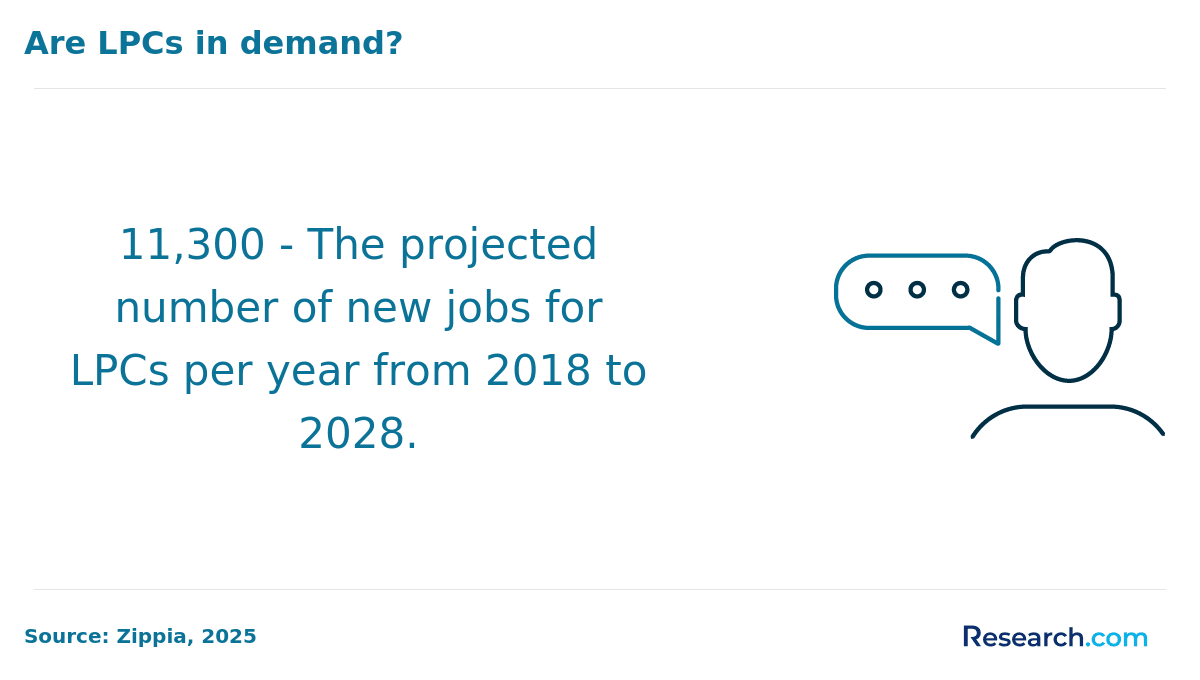
- Nevada’s mental health counseling field is projected to grow by 26% from 2020 to 2030, which makes Las Vegas a strong market for aspiring counselors who complete licensure requirements.
- LPCs in Las Vegas earn an average salary of $74,050, with common salaries falling between $66,211 and $101,000 based on experience, workplace, schedule, and clinical responsibilities.
- The typical pathway includes a CACREP-accredited master’s degree, post-graduate supervised clinical experience, at least 3,000 supervised hours including 1,500 direct client contact hours, and required national and Nevada-specific exams.
- Education requirements for becoming an LPC in Las Vegas
- How to apply for counselor licensure in Nevada
- Las Vegas and Nevada schools for future LPCs
- Practicum and internship options for counseling students
- LPC salary expectations in Las Vegas
- Supervised experience requirements for LPC licensure
- Adding substance abuse counseling to your practiceSupervision details to verify before applying
- Continuing education and advanced certifications
- Alternative career options for LPCs
- Financial planning for LPC licensure
- Using behavioral analysis in counseling practice
- Is Las Vegas a good city for LPC careers?
- How competitive is the Las Vegas LPC job market?
- Professional counseling associations in Las Vegas and Nevada
- Popular employers for LPCs in Las VegasQuestions to ask before choosing this pathEmployer comparison considerationsGraduate perspectivesIndependent practice for LPC associatesDegrees that may qualify for LPC rolesAccelerated counseling program considerationsTelehealth opportunities for LPCsReferences
What are the educational requirements to become an LPC in Las Vegas?
To qualify for licensure as a counseling professional in Las Vegas, applicants must complete graduate-level counseling education that satisfies the Nevada Board of Examiners for Marriage and Family Therapists and Clinical Professional Counselors. The degree is not just a formality. It must include the right counseling content, clinical training, and supervised field experience so graduates are prepared for post-degree practice.
- Graduate degree: Candidates need a master’s degree in clinical mental health counseling or a closely related counseling field from a regionally accredited institution. Students who need schedule flexibility may compare an online counseling degree with campus-based options before enrolling.
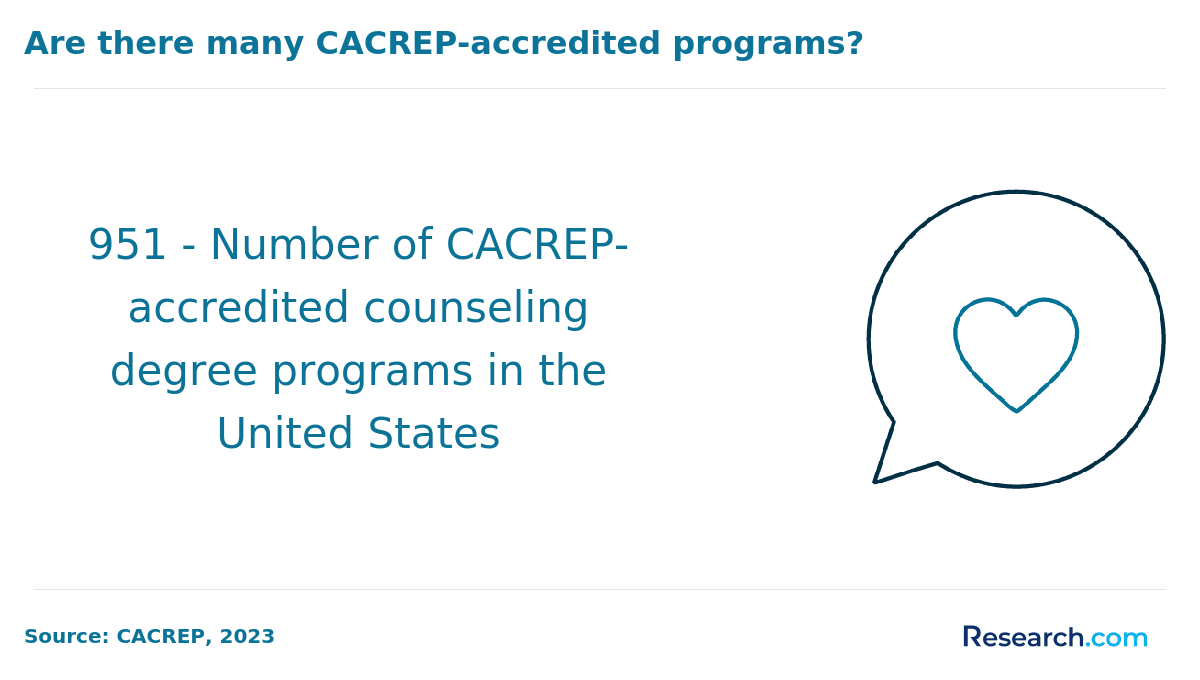
- CACREP accreditation: A program accredited by the Council for Accreditation of Counseling and Related Educational Programs is generally treated as meeting Nevada’s educational standards for licensure.
- Required counseling coursework: The curriculum should cover major areas such as counseling theories, human development, psychopathology diagnosis and treatment, group counseling, career assessment, assessment methods, ethics, and legal responsibilities.
- Practicum and internship: Students must complete supervised clinical training during the graduate program. The practicum and internship component typically totals at least 1,000 hours.
- Post-degree supervised practice: After graduation, candidates complete supervised clinical work before independent licensure. This includes at least two years of supervised experience and a minimum of 1,500 hours of direct client contact.
| Requirement | What it means for applicants | Why it matters |
| Master’s degree | Complete graduate education in clinical mental health counseling or a closely related field. | Licensure is not available with only a bachelor’s degree. |
| CACREP alignment | Choose a program that is CACREP-accredited or clearly meets Nevada’s coursework expectations. | A poorly matched program can delay or complicate licensure review. |
| Clinical training | Finish practicum and internship experiences as part of the degree. | These placements build the supervised counseling skills needed for post-graduate practice. |
| Post-graduate supervision | Work under an approved supervisor after earning the degree. | Nevada requires supervised experience before independent clinical practice. |
How do you apply for licensure as a counselor in Las Vegas?
The licensure process is handled through the Nevada Board of Examiners for Marriage and Family Therapists and Clinical Professional Counselors. Applicants should treat licensure as a documentation process as much as a training process: transcripts, supervision records, exam scores, identity verification, and background materials all matter.
- Complete the required supervised clinical experience: Some licensure summaries describe a 2,000-hour supervised clinical experience requirement over at least two years, while Nevada LPC guidance also commonly describes a 3,000-hour supervised pathway. Because requirements can be interpreted by license type and board rule, applicants should verify the current requirement directly with the Nevada board before beginning or changing supervision arrangements.
- Prepare the licensure application: After meeting the required experience standard, applicants submit board forms, identity documentation, education records, supervision verification, and evidence of good moral character.
- Pass a national counseling exam: Candidates must pass either the National Counselor Examination or the National Clinical Mental Health Counseling Examination, depending on the route accepted for their application.
- Complete the Nevada jurisprudence exam: Applicants must show knowledge of Nevada counseling laws, professional rules, and ethical standards.
- Complete background screening: The board reviews applicant character and background information before granting licensure.
- Renew and maintain the license: Once licensed, counselors must complete continuing education to keep the license active and remain aligned with professional standards.
Licensure checklist for Las Vegas counseling candidates
- Confirm that your master’s program satisfies Nevada licensure standards before enrolling.
- Keep copies of syllabi, practicum documents, internship records, and supervisor evaluations.
- Do not count post-graduate clinical hours until your supervision arrangement meets board expectations.
- Schedule national exam preparation early so testing does not delay your application.
- Check Nevada-specific jurisprudence requirements before your final application submission.
Which schools in Las Vegas offer programs for aspiring LPCs?
Students in Las Vegas can study locally, elsewhere in Nevada, or through online programs that serve Nevada residents. The most important question is not simply whether a school offers counseling courses. You need to know whether the degree is designed for clinical mental health counseling licensure, whether it includes required fieldwork, and whether the program’s accreditation status supports your Nevada licensure goals.
- University of Nevada, Las Vegas: UNLV offers a CACREP-accredited Master of Science in Clinical Mental Health Counseling. The 60-credit program is structured to prepare students for LPC licensure in Nevada.
- University of Nevada, Reno: UNR provides CACREP accredited masters programs with options in Clinical Mental Health Counseling, School Counseling, and Marriage, Couple, and Family Counseling.
- Touro University Nevada: Touro University Nevada offers a Master of Education in School Counseling for students preparing for school counseling roles.
- Nevada State College: Nevada State College offers a Minor in Counseling, which may support students pursuing counseling-adjacent careers or preparing for later graduate study.
- Grand Canyon University: GCU offers an online Master of Science in Clinical Mental Health Counseling that may appeal to Nevada students who need a distance-learning format.
| Program option | Best fit | Important caution |
| CACREP-accredited clinical mental health counseling master’s | Students who want the most direct academic pathway toward LPC licensure. | Still confirm state-specific fieldwork and documentation rules. |
| School counseling program | Students aiming for school counseling positions rather than independent clinical practice. | School counseling and clinical professional counseling can have different credentialing outcomes. |
| Online counseling master’s | Working adults, parents, and students outside commuting range of campus. | Verify local practicum and internship placement support before enrolling. |
| Undergraduate counseling minor | Students exploring the field before graduate school. | A minor alone does not qualify a person for LPC licensure. |
Are there internship or practicum opportunities for counseling students in Las Vegas?
Las Vegas has clinical training sites where counseling students can build supervised experience before graduation. These placements may include community agencies, nonprofit organizations, private practices, trauma-focused programs, youth services, and integrated behavioral health settings. Students should start placement planning early because programs and agencies often have approval procedures, interview requirements, documentation rules, and limited placement slots.
Red Rock Counseling accepts Marriage and Family Therapy and Clinical Professional Counselor student interns, allowing trainees to provide individual, relationship, and family therapy under supervision. Healthy Minds offers practicum experiences connected to child welfare and includes work across micro, mezzo, and macro levels, which can help students understand the wider context of counseling degree careers.
Signs of HOPE also provides professional practicum training for graduate and undergraduate students. Its interns support survivors of sexual assault and their loved ones, giving students exposure to trauma-informed practice, crisis response, advocacy, and anti-violence services.
How to evaluate a practicum or internship site
- Ask whether the site has previously supervised counseling students from your program.
- Confirm who will supervise you and whether that supervisor meets program and board expectations.
- Clarify how many direct client hours students usually complete each term.
- Ask what populations, diagnoses, and treatment methods you will encounter.
- Make sure the site’s documentation system can support your school and future licensure records.
How much do LPCs make in Las Vegas?
LPC compensation in Las Vegas varies by employer, licensure status, caseload, specialty, benefits, and whether the counselor works in private practice, outpatient care, telehealth, nonprofit services, or government. The average annual salary for an LPC in Las Vegas is approximately $74,050, with a typical range from $66,211 to $101,000. Entry-level LPCs with less than a year of experience may earn around $71,101 per year, while professionals with more than eight years of experience may earn approximately $76,331 per year.
Some employers advertise packages above the local average. LifeStance Health, for example, lists compensation from $76,000 to $101,000 for licensed therapists, including LPCs, and may offer benefits such as sign-on bonuses, 401(k) matching, and paid parental leave.
| Salary factor | How it can affect pay |
| Licensure level | Fully licensed counselors usually have access to more independent roles than interns or associates. |
| Employer type | Private practices, telehealth platforms, healthcare groups, nonprofits, and state agencies may use different pay models. |
| Clinical specialty | Experience with substance use, trauma, youth mental health, couples counseling, or telehealth may affect opportunities. |
| Benefits package | A lower base salary may still be competitive if it includes retirement, insurance, malpractice coverage, paid leave, or supervision support. |
| Caseload and schedule | Full-time, part-time, hybrid, remote, and contractor roles can produce very different annual income. |
What are the supervision requirements for LPCs in Las Vegas?
Before practicing independently, Nevada counseling graduates must complete supervised clinical experience under board-approved conditions. Aspiring counselors generally begin by obtaining a Clinical Professional Counselor Intern license, often referred to as CPC-I status, before counting post-graduate supervised hours. The supervision plan should be formalized with an approved supervisor and submitted according to board requirements.
Nevada’s supervised experience standard includes at least 3,000 hours of post-graduate supervised experience completed within two years. At least 1,500 of those hours must involve direct client contact. Candidates also need at least 300 hours of supervision, including a minimum of one hour per week during each week in which counseling services are delivered.
| Supervision component | Requirement stated | Practical planning tip |
| Total post-graduate supervised experience | At least 3,000 hours | Track hours weekly and keep backup copies of all logs. |
| Direct client contact | At least 1,500 hours | Clarify which activities count as direct service before logging them. |
| Supervision hours | At least 300 hours | Schedule supervision consistently so you do not fall behind. |
| Weekly supervision | At least one hour per week when services are provided | Do not provide counseling services without meeting the supervision structure required for that week. |
| Timeframe | Completed within two years | Build a realistic caseload plan with your supervisor and employer. |
Can an LPC associate practice independently in Las Vegas?
A counseling intern or associate should not assume they can practice independently in Las Vegas. Post-graduate counseling work must be completed under an approved supervision arrangement until the board grants independent licensure. This affects job choice, private practice plans, advertising, informed consent forms, billing arrangements, and clinical decision-making authority.
What degrees qualify for an LPC position in Las Vegas?
The strongest fit is a graduate degree in clinical mental health counseling that meets Nevada’s counseling licensure standards. Closely related degrees may require closer review, especially if coursework, practicum, internship, diagnosis, assessment, ethics, or clinical counseling content does not match board expectations. When comparing programs, ask the school to explain in writing how its curriculum aligns with Nevada LPC requirements.
Are accelerated LPC programs available in Las Vegas?
Students may find programs that advertise flexible, online, or faster pacing, but speed should not be the only deciding factor. A counseling degree still needs the correct credits, clinical sequence, practicum, internship, and licensure alignment. An accelerated format can be useful for prepared students, but it can also be difficult for those working full time or needing extensive field-placement support.
How can LPCs broaden their practice to include substance abuse counseling?
LPCs in Las Vegas who want to serve clients with addiction, co-occurring disorders, or recovery-related needs may pursue additional substance abuse counseling training or credentials. This can make sense for counselors working in community agencies, outpatient treatment, corrections-connected services, youth programs, or private practice settings where substance use frequently overlaps with anxiety, depression, trauma, and family stress.
Before adding this specialty, counselors should confirm that the training complements their Nevada license and does not require a separate credential for specific job duties. For a more focused pathway, review how to become a drug counselor in Las Vegas and compare those requirements with your existing LPC scope of practice.
How can LPCs benefit from continuing education and advanced certifications in Las Vegas?
Continuing education helps LPCs keep their license active while sharpening clinical skills. It can also help counselors move into specialties such as trauma-informed care, substance use treatment, telehealth counseling, couples work, crisis intervention, and supervision. In a market like Las Vegas, where clients may present with complex needs, targeted training can be more useful than collecting random continuing education credits.
Counselors who want to add family systems expertise may also compare their LPC pathway with how to become a marriage and family therapist in Las Vegas. The two professions overlap in some clinical settings, but they are not identical, so licensure scope and training requirements should be reviewed carefully.
Can LPCs leverage their skills for alternative careers in Las Vegas?
Counseling skills are useful outside traditional therapy offices. LPCs may move into student support, employee assistance, case management leadership, behavioral health administration, nonprofit program management, wellness consulting, training, or community outreach. These paths may appeal to professionals who want less direct clinical intensity or a broader systems-level role.
Some counselors explore education-related work, especially if they enjoy youth development, advising, classroom support, or school-based mental health collaboration. If teaching becomes the goal, review the cheapest way to become a teacher in Las Vegas to understand what additional credentialing may be needed. An LPC license alone does not automatically qualify someone for every education role.
What are the financial considerations when pursuing LPC licensure in Las Vegas?
The cost of becoming an LPC includes more than tuition. Students and graduates should budget for application fees, exam costs, textbooks, practicum-related expenses, transportation, supervision-related costs, professional liability coverage, background checks, and lost income if clinical training limits work hours. The total financial burden depends heavily on the school, program format, transfer credit rules, employer support, and whether supervision is paid or unpaid.
Applicants should compare scholarships, federal aid, payment plans, graduate assistantships, employer tuition support, and loan options before committing to a program. For a broader overview of the pathway and related costs, see how to become a mental health counselor in Las Vegas.
| Cost area | Questions to ask before committing |
| Tuition and fees | What is the full program cost after mandatory fees, not just per-credit tuition? |
| Field placement | Will I need to reduce paid work hours to complete practicum or internship? |
| Supervision | Is post-graduate supervision included in my job, or will I pay separately? |
| Exams and applications | Which national and Nevada-specific exams or forms require fees? |
| Online program costs | Are there travel, residency, technology, or local placement expenses? |
| Return on investment | Does the likely salary range justify the debt I would take on? |
How can LPCs integrate behavioral analysis into their practice?
LPCs who want a more behaviorally focused clinical toolkit may study behavioral analysis concepts, especially when working with behavior change, developmental concerns, parent training, school collaboration, or structured intervention plans. Behavioral analysis can add measurement, reinforcement strategies, and data-informed treatment planning to traditional counseling approaches.
Counselors should be careful not to present themselves as behavior analysts unless they meet the required credentialing standards. If this specialty is a serious goal, review the BCBA certification requirements in Las Vegas and compare them with your current education, supervision, and practice scope.
Is Las Vegas a good place to work as an LPC?
Las Vegas can be a strong market for LPCs because demand for mental health services remains high, practice settings are varied, and employment models include in-person, hybrid, telehealth, part-time, and full-time roles. It is also a market where counselors should think carefully about population fit, burnout risk, supervision quality, and whether they want agency work, group practice, government employment, or private practice.
- Strong service demand: Nevada’s number of Clinical Professional Counselors increased from 47 in 2012 to 478 in 2022. Even with that growth, the state ranks 48th in adult mental health and last in youth mental health, which points to ongoing need for qualified professionals.
- Flexible work models: Employers such as LifeStance Health and Desert Peace Therapy offer options that may include hybrid schedules or part-time arrangements.
- Multiple practice environments: LPCs may work in outpatient clinics, private practices, telehealth platforms, youth programs, community agencies, and integrated care settings.
- Competitive packages: Some roles include benefits such as sign-on bonuses, malpractice coverage, retirement plans, and health insurance.
- Career development potential: Experienced LPCs may move into supervision, clinical leadership, private practice ownership, or specialty services. Counselors considering graduate program options can also compare an online master's in counseling structure with other master’s pathways.
Are there telehealth counseling opportunities in Las Vegas?
Yes. Las Vegas LPCs may find telehealth roles through private practices, behavioral health companies, and platforms that serve clients across Nevada. Telehealth can increase flexibility and access, but counselors must follow Nevada licensure rules, documentation standards, privacy requirements, emergency planning procedures, and employer policies for virtual care.
How competitive is the job market for LPCs in Las Vegas?
The Las Vegas LPC job market is active, supported by demand for outpatient therapy, substance use treatment, youth mental health services, and telehealth. Nevada projects 26% employment growth for mental health counselors from 2020 to 2030, which suggests opportunity for qualified applicants. However, desirable roles may still be competitive, especially positions with strong benefits, manageable caseloads, paid supervision, flexible schedules, or higher compensation.
Applicants can strengthen their prospects by building experience with high-need populations, documenting clinical hours accurately, gaining telehealth competence, pursuing relevant continuing education, and developing a specialty such as trauma, addiction, adolescent counseling, couples work, or crisis response. Salary also varies by role and setting, so candidates should compare local postings with broader information on career counselor salary and related counseling compensation.
Common mistakes to avoid when planning an LPC career
- Choosing a program without checking licensure fit: A counseling-related degree is not always the same as a licensure-aligned clinical mental health counseling program.
- Looking only at tuition: Fees, fieldwork demands, exam costs, supervision expenses, and lost work time can change the true cost.
- Assuming online programs handle local placements: Some online programs expect students to find their own practicum and internship sites.
- Starting supervised work without board clarity: Hours may not count if the supervision arrangement is not properly approved or documented.
- Ignoring burnout risk: High-demand settings can build experience quickly, but caseload size, crisis exposure, and administrative burden matter.
- Relying only on rankings or reputation: The best program is the one that fits Nevada licensure rules, your schedule, your finances, and your career goals.
Are there counseling associations in Las Vegas?
Professional associations can help Las Vegas counselors find continuing education, networking, advocacy updates, supervision resources, conferences, and peer support. Students and new graduates should consider joining at least one relevant organization early, especially if they want help understanding the local counseling community.
- Nevada Counseling Association: As a state branch of the American Counseling Association, NCA supports counselor connection, professional learning, and statewide collaboration.
- Nevada School Counselor Association: NvSCA focuses on school counseling advocacy, professional resources, and events for Nevada school counselors.
- American Mental Health Counselors Association: AMHCA serves clinical mental health counselors nationally and offers advocacy, professional development, and resources. Its 2025 Annual Conference is hosted in Las Vegas.
- Bridge Counseling Associates: Founded in 1971, this nonprofit provides culturally responsive, ethical, evidence-based services for individuals, youth, and families in Southern Nevada.
- Community Counseling Center of Southern Nevada: Operating since 1990, this center offers affordable mental health and substance use services that support healthier individuals and families.
Which are the most popular employers of LPCs in Las Vegas?
LPCs in Las Vegas work for behavioral health companies, telehealth platforms, private practices, nonprofit agencies, youth-focused providers, and state government. When comparing employers, look beyond the advertised pay rate. Caseload expectations, documentation time, benefits, supervision, client population, contractor versus employee status, and remote-work policies can make two similar-looking jobs feel very different.
- LifeStance Health: A national behavioral health provider offering flexible schedules and compensation from $76,000 to $101,000 annually. Its hybrid model includes both in-person and remote counseling.
- Insight Choices: A mental health provider expanding into Las Vegas, with flexible scheduling and both telehealth and in-person session options.
- Headway: A platform that connects LPCs with clients and offers remote or in-person options. LPC pay is listed at $90 to $127 per hour, depending on experience.
- Genesis New Beginnings LLC: A youth mental health provider offering full-time and part-time roles, with hourly rates from $55 to $100 based on experience.
- State of Nevada: Nevada state agencies hire LPCs for mental health roles that may include benefits such as health insurance and retirement plans.
- Aloha Care Therapy: A private practice setting with flexible scheduling and competitive compensation designed to reduce administrative burden for clinicians.
How to compare LPC employers in Las Vegas
| Employer factor | Why it matters | Question to ask |
| Pay structure | Salary, hourly, fee-for-service, and contractor models affect income stability. | Am I paid for documentation, cancellations, meetings, and supervision? |
| Caseload | High caseloads can increase income but also raise burnout risk. | What is the expected number of clients per week? |
| Supervision | Pre-licensed counselors need approved supervision to progress toward licensure. | Is supervision included, and who signs off on hours? |
| Client population | Specialized populations require appropriate training and support. | Will I work mainly with adults, youth, couples, families, trauma, or substance use? |
| Telehealth policy | Remote work can improve flexibility but requires compliance planning. | What platform, emergency protocol, and documentation system are used? |
| Benefits | Health insurance, retirement, malpractice coverage, and paid leave affect total compensation. | What benefits are included, and when do they begin? |
Questions to ask before choosing the LPC path in Las Vegas
- Does the graduate program clearly prepare students for Nevada LPC or Clinical Professional Counselor licensure?
- Is the program CACREP-accredited, or can it document how it meets Nevada’s educational requirements?
- How are practicum and internship placements arranged in Las Vegas?
- What is the total cost of the degree, including fees, books, clinical requirements, and exam expenses?
- Will I be able to work while completing field placements and supervised hours?
- Does my target employer provide approved supervision for pre-licensed counselors?
- Which client populations do I want to serve, and what extra training will I need?
- Am I comfortable with documentation, ethical risk management, crisis planning, and continuing education?
What LPC graduates say about counseling careers in Las Vegas
-
: "
Working as an LPC in Las Vegas has allowed me to support people from many different backgrounds, including clients dealing with the pressure and pace of life in the city. The need for care is real, and being able to provide that support has made the work deeply meaningful. — Molly
"
-
: "
Telehealth has changed the way I practice. I can serve clients across Nevada while still protecting time for my own family and well-being. It feels good to work in a field that is becoming more accessible. — Charlone
"
-
: "
The licensure process was demanding, but it helped me become a more grounded and compassionate clinician. I now work with clients facing addiction, anxiety, and other difficult challenges, and the career has given me both purpose and professional stability. — Carl
"
Related Articles for Nearby Cities
- 2027 How to Become a Licensed Therapist (LPC) in North Las Vegas, NV
- 2027 How to Become a Licensed Therapist (LPC) in Henderson, NV
- 2027 How to Become a Licensed Therapist (LPC) in Riverside, CA
- 2027 How to Become a Licensed Therapist (LPC) in Bakersfield, CA
- 2027 How to Become a Licensed Therapist (LPC) in Anaheim, CA
- 2027 How to Become a Licensed Therapist (LPC) in Santa Ana, CA: Counselor License Requirements
- 2027 How to Become a Licensed Therapist (LPC) in Los Angeles, CA
- 2027 How to Become a Licensed Therapis (LPC) in Irvine, CA
- 2027 How to Become a Licensed Therapist (LPC) in Long Beach CA: Counselor License Requirements
- 2027 How to Become a Licensed Therapist (LPC) in Glendale, CA
References:
- Counseling Careers in Nevada (NV): Licensure & School Requirements. (n.d.). Retrieved from Counseling Schools.
- Licensure Requirements for Professional Counselors. (n.d.). Retrieved from Counseling.
- Nevada Counseling License Requirements. (n.d.). Retrieved from Counseling Degree Guide.
- Nevada Counseling Licensure Overview for CPC Certification. (n.d.). Retrieved from Public Health Online.
- Nevada Counselor and Therapist Licensure Renewal Dates and CE Requirements. (n.d.). Retrieved from Agents of Change Prep.
- Nevada LPC Counselor Certification | NV Counseling Licensure - Human Services Edu. (n.d.). Retrieved from Human Services Edu.
- The Issues: Why Nevada Needs More Mental Health and School Counselors. (n.d.). Retrieved from UNLV.
- Therapy Trainings™ Nevada offers CE for Mental Health. (n.d.). Retrieved from Therapy Trainings.
Key Insights
- The most direct route to LPC licensure in Las Vegas is a licensure-aligned master’s degree in clinical mental health counseling, preferably with CACREP accreditation.
- Do not begin post-graduate supervised work casually. Nevada supervision rules, board approval, direct client hours, and weekly supervision documentation determine whether your hours count.
- Las Vegas offers strong career potential, with Nevada projecting 26% growth in mental health counselor employment from 2020 to 2030 and local LPC salaries averaging $74,050.
- Program choice affects cost, timeline, and licensure readiness. Ask schools for clear evidence that their coursework, practicum, and internship structure align with Nevada requirements.
- Telehealth, substance abuse counseling, trauma-informed care, youth mental health, and behavioral analysis can broaden career options, but each specialty may require additional training or credential review.
- The best LPC job is not always the highest advertised salary. Compare supervision, caseload, benefits, client population, remote-work rules, and long-term advancement before accepting an offer.
Other Things You Should Know About Becoming an LPC in Las Vegas
Nevada LPCs must complete 40 hours of continuing education every two years to renew a license. The Nevada Board of Examiners for Marriage and Family Therapists and Clinical Professional Counselors accepts topics such as ethics, clinical practice, supervision, assessment, and cultural competency, with specific limits for self-study and ethics hours.
Licensed Professional Counselors in Las Vegas must complete at least 20 hours of continuing education every two years to maintain their license, including 3 hours focused on ethics. This is mandated by the Nevada Board of Examiners for Marriage and Family Therapists and Clinical Professional Counselors.