2027 How to Become a Licensed Therapist (LPC) in Fort Worth, TX

Co-Founder and Chief Data Scientist
Becoming a Licensed Professional Counselor (LPC) in Fort Worth is a structured process that requires graduate education, supervised clinical experience, examination, and approval through Texas licensing authorities. The path is demanding, but it can lead to meaningful work in hospitals, schools, community agencies, private practices, crisis programs, and nonprofit settings.
Fort Worth is also a practical place to consider this career. The city’s population is nearing 1 million residents, and the need for mental health services remains significant. Approximately 98% of Texas counties, including Tarrant County, are designated as Mental Health Professional Shortage Areas by the federal government. For future counselors, that shortage creates both responsibility and opportunity: the work is needed, but preparation, supervision, licensure planning, and career strategy matter.
This guide explains how to become an LPC in Fort Worth, what education and supervision are required, where students can train, how much LPCs may earn, which employers hire locally, and how to decide whether this counseling career path fits your goals.
Quick Answer: How do you become an LPC in Fort Worth?
To become an LPC in Fort Worth, you generally need to complete a qualifying graduate counseling degree, finish required practicum or internship hours, apply through the Texas Behavioral Health Executive Council, pass an approved counseling exam, complete Texas jurisprudence requirements, and finish 3,000 hours of supervised clinical experience over at least 18 months under an approved supervisor. After licensure, counselors must maintain their license through renewal and continuing professional development.
Key Things to Know About Becoming an LPC in Fort Worth
- Fort Worth has strong need for Licensed Professional Counselors because of population growth, local mental health access gaps, and demand across healthcare, schools, nonprofit agencies, and private practice.
- The average salary for LPCs in Fort Worth is approximately $55,000 to $65,000 annually, although compensation depends on setting, experience, specialization, and whether the counselor is employed or self-employed.
- Common local employers include Texas Health Resources, Cook Children’s Medical Center, and the Fort Worth Independent School District, along with community mental health organizations and nonprofit providers.
- The LPC path is not fast. Students should plan for a master’s degree, clinical training, examination, supervised post-graduate hours, and ongoing license maintenance.
- Choosing the right graduate program, supervisor, and internship site can affect your timeline, licensure readiness, and early-career job options.
- Education requirements for LPC licensure in Fort Worth
- How to apply for counselor licensure in Fort Worth
- Fort Worth-area schools for future LPCs
- Internship and practicum options for counseling students
- LPC salary expectations in Fort Worth
- Substance abuse counseling specialization options
- Career advancement opportunities for LPCs
- Using LPC skills in educational roles
- Supervision requirements for LPC candidates
- Whether Fort Worth is a good city for LPC work
- Fort Worth LPC job market competitiveness
- LPC vs. mental health counselor in Fort Worth
- Counseling associations and professional groups
- Additional certifications for LPCs
- Popular employers for LPCs in Fort Worth
What are the educational requirements to become an LPC in Fort Worth?
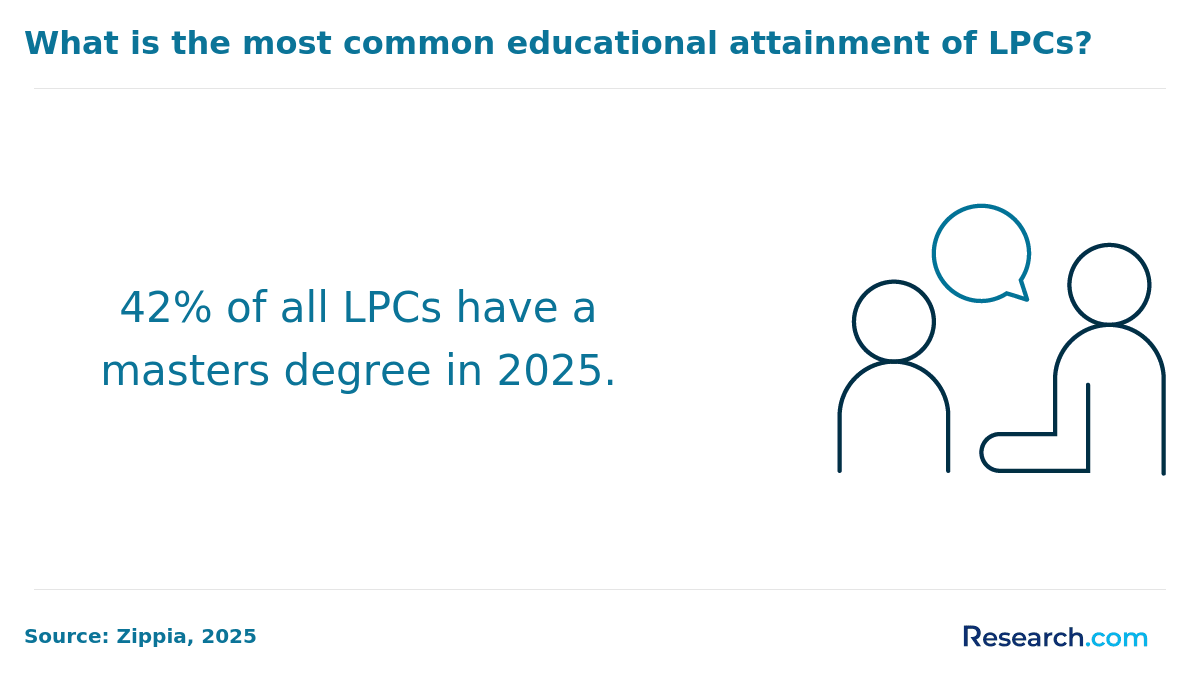
Fort Worth LPC candidates follow Texas licensure requirements, not a separate city-level license. That means your education must prepare you for state approval while also giving you enough clinical preparation to compete for local internships, associate positions, and eventual LPC roles.
The typical academic path begins with a graduate degree in counseling or a closely related field from a regionally accredited institution. Students should confirm that the program includes the coursework and clinical training expected for LPC eligibility in Texas before enrolling.
- Earn a master’s degree in counseling or a closely related discipline from a regionally accredited university that aligns with Texas licensing expectations.
- Complete graduate coursework in core counseling areas such as human development, counseling theories, ethics, assessment, helping relationships, diagnosis, group counseling, and career development.
- Finish the required practicum or internship component, often involving 300 to 600 supervised clinical hours, depending on program structure and state requirements.
- Select a program that combines classroom learning with supervised client-facing experience, because licensure readiness depends on both academic knowledge and applied counseling skill.
- Consider Fort Worth and broader Texas options, including Texas Christian University (TCU), Texas Wesleyan University, the University of Texas at Arlington, and Texas A&M University-Commerce, when comparing program fit.
| Requirement | What it means for Fort Worth students | Why it matters |
| Graduate degree | A master’s degree in counseling or a closely related field is typically required for LPC eligibility. | Texas licensure depends on graduate-level preparation, not only undergraduate study. |
| Accreditation | The school should be regionally accredited and the program should meet Texas expectations. | Accreditation affects licensure eligibility, transfer options, financial aid, and employer confidence. |
| Clinical training | Students complete supervised practicum or internship experience, commonly 300 to 600 hours. | Clinical placements help students build counseling, documentation, assessment, and ethical decision-making skills. |
| Licensure alignment | The curriculum should support Texas LPC application requirements. | A program that does not match state rules can delay licensure or require additional coursework. |
Before enrolling, ask each program whether its curriculum is designed for Texas LPC licensure, how clinical placements are arranged, whether students must find their own practicum sites, and how graduates are supported during the LPC Associate stage.
How do you apply for licensure as a counselor in Fort Worth?
Fort Worth counselors apply for LPC licensure through the Texas Behavioral Health Executive Council. The city does not issue a separate LPC license, so the same state process applies whether you plan to work in Fort Worth, Dallas, Austin, Houston, or another Texas community.
The application process is detailed, and applicants should keep careful records from the start of graduate school. Missing documentation, unclear supervision records, or incomplete exam requirements can slow down approval.
- Submit the required application and fee to the Texas Behavioral Health Executive Council.
- Complete the criminal background check required of Texas applicants.
- Pass the National Counselor Examination for Licensure and Certification (NCE) or another approved examination.
- Complete Texas jurisprudence requirements to show familiarity with state counseling laws, rules, and ethical expectations.
- Accumulate the required supervised clinical experience, typically 3,000 hours over at least 18 months, with a board-approved supervisor.
- Provide documentation of supervised experience, exam completion, education, and good moral character as required by the licensing process.
| Step | What to prepare | Common issue to avoid |
| Graduate education | Official transcripts and proof that your degree meets Texas expectations. | Assuming any counseling-related master’s degree automatically qualifies. |
| Exam | Registration, exam results, and any required documentation. | Waiting too long to schedule the exam after graduation. |
| Background check | Required identifying information and timely submission. | Failing to disclose or address issues that may require review. |
| Supervised experience | Supervisor agreement, hour logs, and documentation of direct and indirect experience. | Tracking hours informally or changing supervisors without understanding documentation rules. |
| Jurisprudence | Completion of Texas-specific legal and ethics requirements. | Treating state rules as an afterthought instead of part of safe practice. |
Students comparing counseling careers should also understand how LPC requirements differ from psychology pathways. If you are considering doctoral-level or psychology-focused roles, review the requirements to become a counseling psychologist to see how education, scope of practice, and licensure expectations differ.
Which schools in Fort Worth offer programs for aspiring LPCs?
Choosing a counseling program is one of the most important decisions in the LPC journey. A good program should do more than award a degree. It should prepare students for Texas licensure, provide meaningful clinical experience, teach ethical practice, and help graduates transition into supervised professional roles.
Fort Worth students may consider programs in the city and nearby parts of North Texas. Several options are commonly discussed by aspiring LPCs:
- Texas Christian University (TCU) in Fort Worth offers a Master of Arts in Counseling with preparation in clinical mental health, assessment, and ethical practice. The program is accredited by the Council for Accreditation of Counseling and Related Educational Programs (CACREP).
- Texas Woman’s University (TWU) in Denton offers a Master’s in Clinical Mental Health Counseling that combines counseling theory with applied clinical preparation. It is also CACREP-accredited.
- The University of North Texas (UNT) in Denton offers a comprehensive master’s program with options such as mental health and school counseling. The program aligns with Texas State Board of Examiners of Professional Counselors requirements and holds CACREP accreditation.
| School | Location | Program fit for aspiring LPCs | Key point to verify |
| Texas Christian University | Fort Worth | Clinical mental health preparation with CACREP accreditation. | Ask how practicum placements are coordinated and how graduates transition into LPC Associate roles. |
| Texas Woman’s University | Denton | Clinical mental health counseling training with CACREP accreditation. | Confirm commuting, hybrid options, clinical site expectations, and timeline flexibility. |
| University of North Texas | Denton | Master’s-level counseling preparation with mental health and school counseling options. | Make sure your chosen track matches LPC goals rather than a different counseling credential. |
Students often ask whether there is a “fastest” route to becoming a counselor. Speed matters, especially for working adults, but it should not come at the expense of licensure eligibility or clinical quality. For a broader discussion of timelines and accelerated pathways, read about the fastest way to get a counseling degree.
Are there internship or practicum opportunities for counseling students in Fort Worth?
Yes. Fort Worth offers practicum and internship opportunities through community mental health providers, nonprofit agencies, crisis organizations, counseling practices, and service organizations. These placements are important because they help students turn classroom knowledge into supervised counseling practice.
Internship quality matters. A strong placement should provide supervision, exposure to ethical documentation, direct client contact when appropriate, and opportunities to observe or participate in treatment planning, assessment, case consultation, and referral coordination.
- MHMR Tarrant County: Students may gain exposure to intake assessments, group therapy support, case management, and community-based mental health services.
- SafeHaven of Tarrant County: This type of placement can introduce students to crisis intervention, trauma-informed services, safety planning, and community outreach.
- Center for Transforming Lives: Students may work with clients experiencing homelessness, poverty, substance use concerns, trauma, or family instability through biopsychosocial assessment and treatment planning support.
| Placement factor | What to ask before accepting | Why it matters |
| Supervision | Who supervises students, how often does supervision occur, and is it individual, group, or both? | Supervision quality directly affects learning, ethical practice, and confidence. |
| Client population | What ages, diagnoses, cultures, and presenting concerns will students encounter? | Different sites develop different competencies, from crisis work to family systems to substance use support. |
| Documentation | Will students learn treatment plans, progress notes, risk assessments, and referral procedures? | Documentation is a major part of professional counseling practice. |
| Schedule | Can the site support evening, weekend, part-time, or full-time placement needs? | Working students often need flexibility to complete hours without delaying graduation. |
| Licensure relevance | Do the site activities align with LPC preparation and required clinical competencies? | Not every helping role provides the kind of experience needed for counseling licensure. |
One Fort Worth therapist described her internship experience this way: “The hardest part was learning how to carry difficult client stories while still managing the paperwork and pace of agency work. That pressure taught me how to stay grounded, organized, and useful to clients.”
How much do LPCs make in Fort Worth?
LPC salaries in Fort Worth vary by employer, experience, specialization, credentials, caseload, and work setting. The average salary for LPCs in Fort Worth is approximately $55,000 to $65,000 annually. A broader local range often cited for Licensed Professional Counselors is approximately $50,000 to $70,000 per year.
Early-career counselors and those working in smaller practices may fall closer to the lower end of the range. LPCs in hospitals, larger healthcare systems, government programs, school-related roles, or specialized clinical settings may have stronger earning potential. Private practice income can be higher or lower depending on client volume, insurance participation, marketing, overhead, and business management skills.
| Factor | How it can affect LPC pay in Fort Worth |
| Experience level | New LPCs and LPC Associates usually have less leverage than fully licensed clinicians with a strong caseload or specialty. |
| Employer type | Hospitals, healthcare systems, schools, nonprofit agencies, community providers, and private practices may offer different pay structures and benefits. |
| Specialization | Training in trauma, substance abuse counseling, crisis work, family therapy, or other high-need areas may improve competitiveness. |
| Work model | Full-time employment, contract work, group practice, and independent practice each carry different income stability and expense considerations. |
| Location within the metroplex | Fort Worth salaries may differ from nearby Dallas, Austin, or other Texas metro areas because of employer mix, cost of living, and local demand. |
Students should not choose the LPC path based only on salary estimates. Consider tuition, debt, time out of the workforce, supervision costs, exam fees, and the time required to build a sustainable caseload. If graduate study is your next step, comparing online master's in mental health counseling degree programs can help you evaluate flexible options while keeping licensure requirements in mind.
How can LPCs specialize in substance abuse counseling in Fort Worth?
LPCs who want to work with clients affected by alcohol use, drug use, relapse risk, co-occurring disorders, or family substance-related stress can build a specialty in substance abuse counseling. This usually involves targeted coursework, supervised clinical exposure, continuing education, and training in evidence-based treatment approaches.
In Fort Worth, this specialization can be useful in community mental health, nonprofit programs, hospitals, residential or outpatient treatment settings, justice-adjacent programs, and private practice. Counselors should also understand when a client needs referral to a higher level of care, medical detox, psychiatric support, or coordinated case management.
- Seek practicum or supervised roles that include substance use assessment and treatment planning.
- Complete continuing education in relapse prevention, motivational interviewing, trauma-informed care, co-occurring disorders, and family systems.
- Learn local referral networks for detox, intensive outpatient treatment, psychiatric care, peer support, and housing or employment assistance.
- Clarify whether additional credentials are needed for the specific substance abuse counseling roles you want.
For a focused career guide, review how to become a drug counselor in Fort Worth.
What are the career advancement opportunities for LPCs in Fort Worth?
LPC career growth in Fort Worth can take several forms. Some counselors move into clinical specialization, while others pursue leadership, supervision, teaching, consulting, program management, or private practice ownership. The best path depends on whether you prefer direct client care, organizational leadership, independent practice, or interdisciplinary work.
| Advancement path | When it makes sense | Possible next steps |
| Clinical specialization | You want deeper expertise with trauma, crisis intervention, substance use, couples, families, children, or another client population. | Pursue specialized continuing education, supervision, and focused clinical experience. |
| Private practice | You want more control over schedule, client niche, fees, and treatment approach. | Learn insurance billing, marketing, risk management, documentation, and business operations. |
| Agency leadership | You enjoy program design, staff development, compliance, and community partnerships. | Seek roles such as clinical lead, program manager, or director. |
| Supervision | You want to train newer counselors and support LPC Associates. | Meet state requirements for approved supervision and build strong ethics and consultation skills. |
| Related licensure or credentials | You want to broaden services or work with families, systems, or specialized populations. | Compare additional pathways such as how to become a marriage and family therapist in Fort Worth. |
Career advancement usually depends on more than years in practice. Strong documentation, ethical decision-making, cultural responsiveness, networking, business skill, and evidence-based training all affect long-term mobility.
Can LPCs Leverage Their Counseling Skills for Educational Roles in Fort Worth?
Yes. Some LPCs use their counseling background in educational settings, training roles, school-adjacent programs, adjunct teaching, parent education, student support, or community workshops. This can be especially attractive for counselors who enjoy prevention, psychoeducation, youth services, or workforce development.
However, LPC licensure and teaching credentials are not interchangeable. A counselor who wants to teach in a formal K-12 setting may need a separate teaching credential, while college teaching may require graduate qualifications, subject expertise, and institutional hiring standards.
- Consider school-based counseling placements if you want experience with students and families.
- Explore adjunct or continuing education roles if you enjoy teaching adults or future helping professionals.
- Clarify whether the role requires LPC licensure, school counselor certification, teacher certification, or a different credential.
- Compare the cost and time of additional credentials before committing.
If you are considering a dual counseling-and-education path, learn more about the cheapest way to become a teacher in Fort Worth.
What are the supervision requirements for LPCs in Fort Worth?
Supervision is one of the most important stages in becoming an independent LPC. In Fort Worth, as elsewhere in Texas, candidates are expected to complete 3,000 hours of supervised experience. This period often takes about two years and must be completed under a qualified, board-approved supervisor.
Supervised experience is not simply a countdown of hours. It is the phase where new counselors learn to manage risk, build treatment plans, document ethically, work with complex cases, understand professional boundaries, and make appropriate referrals. A good supervisor helps the associate connect theory to practice while protecting client welfare.
| Supervision component | What it includes | Why it matters |
| Approved supervisor | A qualified professional who meets Texas requirements to supervise LPC candidates. | Hours may not count if supervision does not meet board standards. |
| 3,000 hours | Required supervised experience completed before independent licensure. | This is the core post-graduate practice requirement for LPC candidates. |
| At least 18 months | The supervised period cannot be rushed below the required minimum timeframe. | The state expects sustained development, not only accumulated client contact. |
| Direct and indirect work | Client sessions, documentation, consultation, treatment planning, and related professional duties. | Independent practice requires both clinical and administrative competence. |
| Recordkeeping | Accurate logs, supervisor documentation, and verification forms. | Poor records can create licensure delays even when the work was completed. |
Before accepting a supervised position, ask how many hours are available each week, whether the supervisor is approved, whether supervision costs extra, what client populations you will serve, and how the employer supports associates preparing for full licensure.
Is Fort Worth a good place to work as an LPC?
Fort Worth can be a strong place to build an LPC career, especially for counselors who want to serve a growing and diverse community. The city offers opportunities in healthcare, schools, nonprofit agencies, private practice, and community mental health. At the same time, counselors should enter the market with realistic expectations about funding limits, insurance access, caseload intensity, and competition from other graduates in the Dallas-Fort Worth metroplex.
| Reason Fort Worth may be attractive | Potential challenge | How to evaluate it |
| Growing and diverse population | Clients may present with complex cultural, financial, family, and access-related needs. | Look for training in culturally responsive counseling and community-based care. |
| Broad employer mix | Pay, benefits, supervision quality, and workload vary widely across settings. | Compare job offers beyond salary, including supervision, caseload, benefits, and documentation expectations. |
| DFW professional network | The large metro area also produces many counseling graduates. | Build relationships early through internships, associations, consultation groups, and alumni networks. |
| Private practice potential | Independent practice requires business skill, referrals, insurance knowledge, and financial planning. | Consider group practice or mentorship before launching fully independent work. |
| High need for services | Need does not always translate into well-funded positions. | Research employer stability, reimbursement models, and community funding sources. |
A local therapist summarized the trade-off this way: “Fort Worth has real need and meaningful work, but you have to be prepared for resource gaps. The counselors who last here usually build strong networks and learn how to collaborate across systems.”
How competitive is the job market for LPCs in Fort Worth?
The Fort Worth LPC job market is active but not automatic. Demand for mental health services is rising, and licensed clinicians often have more options than unlicensed counseling graduates. However, competition can be stronger in desirable settings such as hospitals, school systems, established group practices, and roles with strong benefits.
Compared with smaller Texas towns, Fort Worth offers more counseling employers and a broader range of specialties. Compared with larger or denser markets such as Austin or Houston, job availability and salary patterns may differ. The strongest candidates usually combine licensure progress, supervised experience, relevant specialization, strong references, and comfort with documentation and interdisciplinary care.
- Fully licensed LPCs generally qualify for more roles than candidates who are still completing supervised hours.
- Experience with high-need populations, crisis assessment, trauma, substance use, children, families, or integrated care can improve competitiveness.
- Graduates who rely only on online job boards may miss opportunities created through practicum sites, supervisors, alumni networks, and professional associations.
- Applicants should compare caseload expectations, productivity standards, supervision access, and benefits before accepting an offer.
If you are still deciding whether graduate counseling education is the right investment, reviewing the broader master's in counseling job landscape can help you understand how degree choice, licensure, and specialization affect employability.
What distinguishes a Licensed Professional Counselor from a Mental Health Counselor in Fort Worth?
In Fort Worth, “Licensed Professional Counselor” refers to a specific Texas license with defined education, exam, supervision, ethics, and renewal requirements. “Mental health counselor” is a broader occupational phrase that may describe people providing counseling-related services, but it does not always identify the same state license or legal scope of practice.
| Title | What it generally means | Why the distinction matters |
| Licensed Professional Counselor | A professional who has met Texas LPC requirements for graduate education, examination, supervised experience, and licensure. | Many clinical counseling roles require this license or progress toward it. |
| Mental health counselor | A broader term that may refer to counseling professionals with different credentials, roles, or training backgrounds. | Job duties, legal scope, insurance eligibility, and supervision requirements may vary. |
| LPC Associate | A post-graduate counselor working under approved supervision toward full LPC licensure. | This status is a key bridge between graduation and independent practice. |
If you are comparing counseling titles and career routes, review how to become a mental health counselor in Fort Worth for a closer look at related pathways.
Are there counseling associations in Fort Worth?
Professional associations can help Fort Worth LPCs and LPC candidates stay connected, find continuing education, learn about rule changes, meet supervisors, and build referral relationships. They are especially useful for students and new counselors who need mentorship and local context.
- Texas Counseling Association (TCA): This statewide organization advocates for counselors across Texas and provides professional development, conferences, and updates relevant to counseling practice and licensure.
- Fort Worth Area Counseling Association (FWACA): A regional group focused on Fort Worth-area counselors, networking, local training, peer consultation, and professional connection.
- American Psychological Association (APA): Although national and psychology-focused, APA resources can support counselors interested in research, ethics, counseling psychology, and evidence-informed practice.
Association membership is not a substitute for checking official licensing rules, but it can help you stay informed and connected. Students exploring school-based counseling options may also compare flexible graduate routes such as a school counselor degree online.
Can LPCs Expand Their Expertise with Additional Certifications in Fort Worth?
Additional certifications can help LPCs serve specialized populations, qualify for certain roles, or build a more focused practice. The best credential depends on your clinical goals. Do not add certifications only because they look impressive; choose ones that match the clients you want to serve and the services you are legally and ethically prepared to provide.
- Trauma-focused training can support work with abuse survivors, first responders, veterans, families, and crisis-affected clients.
- Substance use training can strengthen work in outpatient, nonprofit, integrated care, or recovery-focused settings.
- Family and couples training can help counselors who want to work with relational conflict, parenting, separation, or blended family concerns.
- Behavioral analysis credentials may complement counseling work for professionals serving clients with behavioral, developmental, or learning-related needs.
For counselors considering behavioral analysis as an additional area of expertise, compare BCBA certification requirements in Fort Worth with your current LPC goals before investing time and money.
Which are the most popular employers of LPCs in Fort Worth?
LPCs in Fort Worth work across several types of organizations. The right employer depends on whether you want structured supervision, crisis work, integrated care, school-related services, community mental health, nonprofit advocacy, or private practice experience.
- Texas Health Resources: LPCs may work in behavioral health, integrated care, crisis support, group therapy, individual counseling, and collaborative care with medical teams.
- Center for Transforming Lives: Counselors may support clients facing homelessness, poverty, trauma, substance use concerns, and family instability through counseling and case planning.
- MHMR Tarrant County: LPCs may serve in outpatient clinics and community programs, providing assessments, treatment planning, psychotherapy, coordination, and referrals.
- Cook Children’s Medical Center: Counselors interested in child, adolescent, and family mental health may look for roles connected to pediatric and family-centered care.
- Fort Worth Independent School District: LPCs and counseling professionals may find school-related opportunities depending on role requirements, credentials, and district needs.
| Employer setting | Best fit for counselors who want | Questions to ask before applying |
| Healthcare systems | Integrated care, crisis assessment, interdisciplinary teamwork, and clinical structure. | What are productivity expectations, documentation systems, and on-call requirements? |
| Community mental health | High-need client populations, public service, varied diagnoses, and case coordination. | What supervision, safety protocols, and caseload support are provided? |
| Nonprofit agencies | Mission-driven work with trauma, housing instability, family stress, or substance use concerns. | How is the program funded, and what is the balance between counseling and case management? |
| Schools and youth programs | Work with children, adolescents, parents, and educational systems. | Does the role require LPC licensure, school counselor certification, teaching credentials, or another qualification? |
| Private practice | Autonomy, niche development, flexible scheduling, and long-term caseload building. | Is the role W-2 or contract, and who handles referrals, billing, insurance, and supervision? |
What LPCs in Fort Worth Say About Their Careers
-
: "
Working as an LPC in Fort Worth has shown me how resilient this community is. After finishing my degree at Texas Christian University, I began supporting families dealing with cultural, financial, and generational pressures that are very specific to this area. The city’s mix of rapid growth and long-standing traditions keeps the work challenging and deeply meaningful. — Giovanni
"
-
: "
Fort Worth’s diversity has made me a better counselor. I trained at the University of North Texas and now work in a local mental health clinic, where I see how much access and advocacy matter. The professional network here has helped me grow, and the city still feels manageable compared with larger metros. — Abigail
"
-
: "
For me, Fort Worth has offered a good balance between career and family life. I started at Texas Woman’s University and now work in a suburban practice. The pace, cost of living, and community resources have made it possible to build a counseling career without feeling disconnected from my family. — Linda
"
Related Articles for Nearby Cities
- 2027 How to Become a Licensed Therapist (LPC) in Arlington, VA
- 2027 How to Become a Licensed Therapist (LPC) in Irving, TX
- 2027 How to Become an LPC in Dallas, TX: Counselor License Requirements
- 2027 How to Become a Licensed Therapist (LPC) in Plano, TX
- 2027 How to Become a Licensed Therapist (LPC) in Garland, TX
- 2027 How to Become a Licensed Therapist (LPC) in Austin, TX
- 2027 How to Become a Licensed Therapist (LPC) in Oklahoma City, OK: Counselor License Requirements
- 2027 How to Become a Licensed Therapist (LPC) in Houston, TX
- 2027 How to Become a Licensed Therapist (LPC) in San Antonio, TX
- 2027 How to Become a Licensed Therapist (LPC) in Tulsa, OK
Common mistakes to avoid when pursuing LPC licensure in Fort Worth
- Choosing a program without confirming licensure alignment: Do not assume every counseling-related graduate degree meets Texas LPC requirements.
- Looking only at tuition: Include fees, commuting, books, supervision costs, exam fees, lost work time, and internship schedule demands.
- Ignoring accreditation: Accreditation can affect licensure eligibility, credibility, transfer options, and access to financial aid.
- Waiting too long to plan practicum: Strong placements can be competitive, and some sites require background checks, interviews, or specific availability.
- Tracking supervision hours casually: Keep organized records from the start. Documentation problems can delay licensure.
- Assuming online programs are automatically acceptable: Online study can be convenient, but the program still needs to meet Texas requirements and provide appropriate clinical training.
- Accepting a job based only on salary: Consider supervision quality, caseload size, benefits, documentation load, safety procedures, and career growth.
- Entering private practice too early without business preparation: Clinical skill is essential, but private practice also requires billing, marketing, compliance, scheduling, and financial planning.
How to decide if becoming an LPC in Fort Worth is right for you
The LPC path is a good fit if you want to provide clinical counseling, are willing to complete graduate training and supervision, and can tolerate emotionally demanding work. It may not be the best fit if you want a short credential, guaranteed high earnings, or a career with minimal documentation and regulatory responsibility.
| Choose the LPC path if... | Consider another path if... |
| You want to provide therapy and long-term counseling services. | You mainly want case management, coaching, teaching, or human services work without clinical licensure. |
| You are prepared for a master’s degree, exam, and supervised post-graduate hours. | You need the fastest possible route into the workforce and cannot commit to graduate study. |
| You can manage emotional intensity, documentation, ethics, and boundaries. | You prefer roles with less exposure to trauma, crisis, or complex behavioral health needs. |
| You want flexibility across healthcare, schools, nonprofits, and practice settings. | You are primarily interested in prescribing medication, psychological testing, or doctoral-level psychology roles. |
Questions to ask before enrolling in a Fort Worth-area counseling program
- Does this program meet Texas LPC educational requirements?
- Is the university regionally accredited?
- Is the counseling program CACREP-accredited or otherwise clearly aligned with Texas licensure expectations?
- How many practicum or internship hours are included?
- Does the school place students at clinical sites, or must students find placements independently?
- What percentage of students complete the program on time?
- How does the program support students preparing for the NCE or other approved exam?
- Are evening, weekend, hybrid, or online options available for working adults?
- What is the total cost, including tuition, fees, books, commuting, and clinical placement expenses?
- What support is available for finding LPC Associate supervision after graduation?
Current trends affecting LPCs in Fort Worth
Several trends are shaping the counseling profession in Fort Worth and the broader Texas market. Mental health access remains a major concern, especially in shortage areas. Employers increasingly value counselors who can work with diverse populations, document clearly, use telehealth appropriately, and collaborate across medical, educational, and social service systems.
- Telehealth remains part of counseling practice: Many clients expect flexible access, but counselors must understand privacy, ethics, state rules, and clinical appropriateness.
- Integrated care is expanding: Healthcare organizations increasingly connect behavioral health with primary care, pediatrics, chronic disease care, and crisis services.
- Specialization can improve competitiveness: Trauma, substance use, child and adolescent counseling, family work, and crisis skills can help LPCs stand out.
- Documentation and compliance matter more than ever: Employers expect counselors to manage clinical notes, treatment plans, risk procedures, and billing-related requirements accurately.
- AI tools require caution: Counselors may encounter AI-assisted scheduling, documentation support, or client-facing tools, but confidentiality, accuracy, consent, and ethics must remain central.
Key Insights
- Fort Worth follows Texas LPC rules. There is no separate city license, so candidates should plan around state education, exam, supervision, jurisprudence, and renewal requirements.
- The core pathway includes a qualifying master’s degree, clinical practicum or internship, an approved exam, and 3,000 supervised hours over at least 18 months.
- LPCs in Fort Worth commonly earn approximately $55,000 to $65,000 annually, with a broader local range of approximately $50,000 to $70,000 depending on employer, experience, and specialization.
- Strong program selection matters. Verify accreditation, Texas licensure alignment, clinical placement support, and post-graduation supervision guidance before enrolling.
- Fort Worth offers meaningful opportunities in healthcare, schools, nonprofits, community mental health, and private practice, but job quality varies by supervision, caseload, pay model, and organizational support.
- Students should plan early for internships and supervision. Good clinical sites and supervisors can shape both licensure progress and long-term career direction.
- Specializations such as trauma, crisis work, substance abuse counseling, family therapy, and behavioral health integration can improve career flexibility.
- The best LPC candidates think beyond getting licensed. They build ethical judgment, cultural responsiveness, documentation skill, referral networks, and a realistic financial plan for the full licensure journey.
References:
- Job Opportunities & Internships | Lifeologie Counseling https://wefixbrains.com/about/job-opportunities
- Therapy Fort Worth Rated a Top Therapist in Fort Worth for 4th Year in a Row, Voted Best Counseling Again in 2024 https://www.therapyfw.com/post/therapy-fort-worth-rated-top-therapist-in-fort-worth-and-voted-best-counseling-again
- Fort Worth Counseling and Intervention https://fwcai.com/
- Master's in Counseling - MFT and LPC - Texas Wesleyan University - Fort Worth, Texas https://txwes.edu/counseling-mft-lpc/
- Fort Wellness Counseling: Top Therapist in Fort Worth, TX https://www.fortwellness.com/
- Therapists In Fort Worth Accepting New Patients | Taylor Counseling Group https://taylorcounselinggroup.com/locations/fort-worth/
- FORT WORTH THERAPY ASSOCIATES https://www.fwtacare.com/
- Counseling By Penny | LPC Associates in Fort Worth https://www.counselingbypenny.com/lpc-intern-supervision
- Sarah Maldonado — LifeSquared Counseling & Consulting https://www.lifesquaredcounseling.com/sarah-maldonado
- Best Counselors & Therapists in Dallas / Fort Worth https://dfwchild.com/directory/category/counselors-therapists/
Other Things You Should Know About Becoming a Licensed Therapist (LPT) in Fort Worth
To maintain their license in 2027, Licensed Professional Counselors (LPC) in Fort Worth, TX must complete 24 hours of continuing education every two years. This includes 4 hours in ethics and 1 hour in human trafficking prevention. Continuing education ensures LPCs stay informed about new practices and guidelines in their field.
In 2027, to become a Licensed Professional Counselor in Fort Worth, TX, candidates are required to pass the National Counselor Examination (NCE) and the Texas Jurisprudence Exam, which assesses knowledge of Texas laws and regulations related to counseling practice.
To become an LPC in Fort Worth, TX, in 2027, candidates must earn a master’s degree in counseling, complete 3,000 hours of supervised experience, and pass the National Counselor Exam (NCE). Additional hours and exams may be required depending on speciality and background.