2027 Best Accredited Online Industrial Organizational Psychology Degree Programs: Compare Tuition, Admissions, and Career Outcomes

Co-Founder and Chief Data Scientist
Choosing an online industrial organizational psychology degree is a high-stakes decision because cost, accreditation, and career fit vary widely. The U.S. Bureau of Labor Statistics reported a $94,310 median annual wage for psychologists in May 2024, but I-O roles can depend heavily on education level, analytics skills, and employer expectations.
This guide is for prospective bachelor's, master's, and career-changing students who want to compare accredited online options, understand tuition and admissions trade-offs, and choose a program with stronger long-term value.
Key Things You Should Know
- Best value usually comes from institutionally accredited master's programs with about 30-36 semester credits, transparent tuition, applied projects, and career support rather than from the lowest sticker price alone.
- BLS data show the median annual wage for psychologists was $94,310 in May 2024, while psychologist employment is projected to grow 7% from 2024 to 2034, so ROI depends on role, industry, location, and degree level.
- APA accreditation normally does not apply to stand-alone online master's I-O psychology programs; students should verify institutional accreditation, state authorization, faculty expertise, and outcome reporting before applying.
Which Accredited Online Industrial Organizational Psychology Degree Programs Offer the Best Overall Value?
The best accredited online industrial organizational psychology degree program is not always the cheapest one. Strong overall value usually means the program is accredited, affordable for your situation, flexible enough to finish, and practical enough to connect coursework with workplace problems such as hiring, assessment, leadership, employee engagement, and organizational change.
Most online I-O psychology options are offered at the master's level, although students may also enter the field through psychology bachelor's programs, human resources degrees, organizational leadership programs, or research-heavy doctoral pathways. If you are still building undergraduate credits, a 2-year psychology degree online can be a useful stepping stone before transferring into a bachelor's program and later applying to graduate school.
The table below compares common accredited online I-O psychology options by the value factors that matter most. Use it as a decision framework, not as a substitute for confirming current tuition, curriculum, and state authorization directly with each school.
| Program type | Best fit | Value strengths | Potential trade-offs |
| Online MS or MA in Industrial-Organizational Psychology | Students seeking HR analytics, talent management, organizational development, or consulting roles | Directly aligned curriculum, applied projects, often designed for working adults | May not lead to psychology licensure and may require strong self-direction online |
| Online MS in Psychology with an I-O concentration | Students who want broader psychology training with workplace-focused electives | More flexible if career goals include research, training, assessment, or future doctoral study | Concentration depth varies by school, so course titles alone are not enough |
| Online organizational leadership or HR management degree with I-O coursework | Students targeting HR, learning and development, or management roles rather than psychologist titles | Often practical, business-facing, and accessible to working professionals | Less psychology research depth and may not satisfy doctoral psychology prerequisites |
| Hybrid or low-residency I-O psychology program | Students who want online convenience plus in-person networking or research experiences | Can provide stronger faculty interaction, cohort bonding, and applied assessment opportunities | Travel costs and required campus visits reduce flexibility |
| Doctoral program with I-O specialization | Students aiming for research leadership, academic roles, advanced consulting, or use of the psychologist title where regulated | Highest research depth and strongest fit for advanced I-O scientist-practitioner roles | Longer, more selective, and usually much more expensive or time-intensive |
A program offers stronger overall value when its curriculum matches your intended job. For example, a student who wants to become an HR business partner may get better ROI from a lower-cost master's program with people analytics and employment law coursework than from a more expensive research-focused program. A student aiming for doctoral study should prioritize research methods, statistics, faculty scholarship, and thesis options even if the program costs more.
Look closely at applied learning. Valuable online I-O programs often include capstones, consulting simulations, psychometrics, survey design, job analysis, performance management, and organizational change projects. These assignments can become interview talking points or portfolio samples, especially for students who do not already work in HR or consulting.
What Accreditation Should Students Look for in an Online Industrial Organizational Psychology Degree Program?
For online industrial organizational psychology degrees, the most important accreditation factor is institutional accreditation from an agency recognized by the U.S. Department of Education or the Council for Higher Education Accreditation. This affects federal financial aid eligibility, transfer credit, employer recognition, and graduate school acceptance.
Programmatic accreditation is more complicated in I-O psychology than in clinical psychology. The American Psychological Association accredits doctoral programs in health service psychology fields such as clinical, counseling, and school psychology; it generally does not accredit stand-alone master's programs in industrial organizational psychology. That means the absence of APA accreditation is not automatically a red flag for an online I-O master's degree.
The table below shows what students should verify before enrolling. These checks help distinguish legitimate accredited programs from programs that may be online but poorly recognized or misaligned with career goals.
| Accreditation or quality factor | What it means | Why it matters |
| Institutional accreditation | The college or university is accredited by a recognized institutional accreditor | Supports federal aid eligibility, transferability, and employer recognition |
| State authorization | The school is approved to offer online education to students in your state | Protects your ability to enroll legally and complete field experiences if required |
| APA accreditation | Usually relevant to doctoral health service psychology, not most I-O master's programs | Prevents students from rejecting legitimate I-O programs for the wrong reason |
| SIOP-aligned curriculum | Coursework reflects recognized I-O psychology competencies and practice areas | Signals stronger alignment with workplace assessment, research, and consulting skills |
| Faculty qualifications | Faculty have I-O psychology, organizational behavior, HR analytics, or related expertise | Improves academic fit, mentoring quality, and applied relevance |
Students should be cautious with schools that avoid naming their accreditor, use vague phrases such as "fully recognized" without documentation, or imply that an online I-O master's automatically qualifies graduates for psychologist licensure. Licensure rules vary by state, and many I-O graduates work in business, consulting, analytics, or HR roles that do not require clinical licensure.
To verify accreditation, check the school's accreditation page, confirm the accreditor on the U.S. Department of Education's Database of Accredited Postsecondary Institutions and Programs, and ask admissions whether the program is authorized in your state. Also ask whether graduates have been admitted to doctoral programs, hired into I-O-related roles, or promoted within HR and organizational development functions.
How Do Tuition Costs Compare Across Accredited Online Industrial Organizational Psychology Degree Programs?
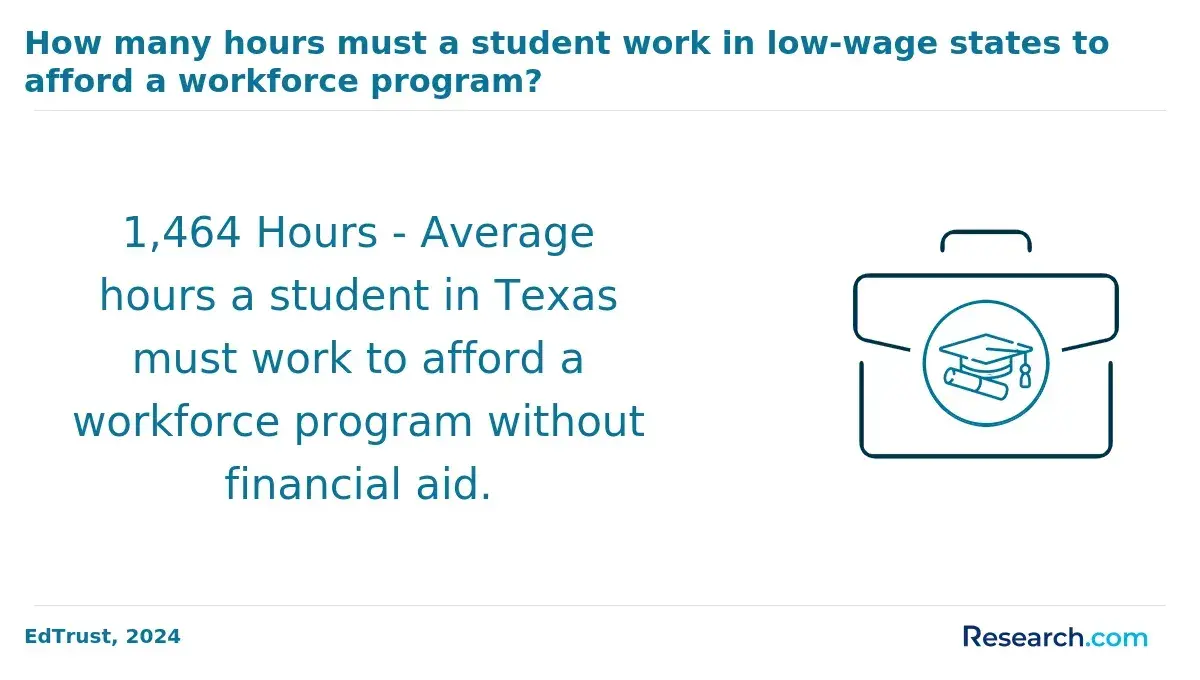
Tuition for accredited online industrial organizational psychology programs varies by school type, credit requirement, residency rules, technology fees, and whether the program charges undergraduate, graduate, or doctoral rates. The most useful comparison is total program cost, not per-credit tuition alone.
Graduate I-O psychology master's programs commonly require about 30-36 semester credits, while some quarter-credit programs list a higher number of credits because the credit system is different. A lower per-credit price can still produce a higher total bill if the program requires more credits or charges substantial online, graduation, practicum, or course-material fees.
The table below shows a practical cost comparison model using common online graduate program structures. Students should replace the sample ranges with current school-published rates before making an enrollment decision.
| Cost category | Common pattern in online I-O psychology programs | How it affects total cost |
| Lower-cost public or regional online master's | Often designed for in-state, military, transfer, or working-adult affordability | May offer the strongest tuition value if the curriculum includes applied I-O coursework |
| Mid-priced private nonprofit online master's | Often charges one online graduate rate regardless of state residency | Can be worthwhile when advising, career services, faculty access, and course availability are strong |
| Higher-cost private or specialized psychology school | May emphasize practitioner identity, consulting skills, or psychology-focused faculty | Can be a better fit for students who value brand, network, or advanced specialization |
| Hybrid or residency-based program | Includes online coursework plus required campus or intensive experiences | Travel, lodging, and missed work can materially increase the real cost |
| Doctoral pathway | Requires more credits, more years, and often research or residency expectations | Best evaluated against long-term goals such as academia, advanced research, or senior consulting |
Federal loan costs also matter. For loans first disbursed from October 1, 2024 through September 30, 2025, federal Direct Unsubsidized Loans carried a 1.057% origination fee and Direct PLUS Loans carried a 4.228% origination fee. That means borrowing more than necessary can increase cost before interest even begins to accumulate.
Students comparing people-focused graduate programs should use the same total-cost method across fields. For example, resources on the cheapest SLP master's programs can show how quickly tuition, fees, clinical requirements, and residency costs change the real price of an online graduate degree.
Before applying, calculate cost in this order. This prevents the common mistake of choosing a program based only on the advertised per-credit rate.
- Multiply required credits by the current tuition rate for your residency or student category.
- Add mandatory online, technology, assessment, graduation, and course-material fees.
- Estimate books, software, statistics tools, proctoring, travel, and lost work time.
- Subtract grants, scholarships, employer tuition assistance, military benefits, and tuition discounts.
- Compare the remaining net cost with likely career benefits, not just first-year salary expectations.
How Competitive Is Admission to Accredited Online Industrial Organizational Psychology Degree Programs?
Admissions competitiveness depends on degree level. Online bachelor's and completion programs are usually more accessible, online master's programs are moderately selective, and doctoral programs are the most competitive because they require stronger research fit, faculty alignment, and advanced academic preparation.
Most online I-O psychology master's programs look for evidence that applicants can succeed in graduate-level research, writing, statistics, and applied psychology coursework. Programs may require a bachelor's degree, minimum GPA, transcripts, a statement of purpose, a resume, recommendation letters, and sometimes prerequisite psychology or statistics courses. Many online programs now make the GRE optional or do not require it, but students should confirm this directly.
The table below summarizes common admissions expectations. These are general patterns, so applicants should verify requirements for each program before paying application fees.
| Degree level | Typical admissions profile | Best applicant strategy |
| Bachelor's or degree-completion program | High school diploma, GED, prior college credits, or transfer standing | Maximize transfer credit and choose psychology, statistics, and business electives strategically |
| Master's in I-O psychology | Bachelor's degree, minimum GPA, statement, resume, recommendations, and possible prerequisites | Show a clear career goal, quantitative readiness, and interest in workplace behavior |
| Master's in psychology with I-O concentration | Similar to I-O master's programs but may allow broader academic backgrounds | Explain why the concentration fits your HR, analytics, consulting, or doctoral goals |
| Doctoral program | Strong GPA, research experience, statistics preparation, faculty fit, and writing sample | Contact potential faculty, review research labs, and prepare for a longer admissions timeline |
Admissions flexibility does not automatically mean lower academic quality. Some reputable online programs are designed for working adults and evaluate applicants holistically, especially when professional experience offsets a lower undergraduate GPA. However, students should be cautious if a program admits nearly everyone without reviewing transcripts, goals, or readiness for graduate-level research.
Transfer-first students should also compare alternative entry points. If a full bachelor's program is not yet realistic, reviewing the best associates degrees to get may help identify lower-cost general education or psychology-related pathways before committing to a four-year or graduate I-O psychology plan.
Applicants can improve their chances by strengthening the parts of the application that show fit. Focus on the following areas before submitting materials.
- Complete or refresh statistics, research methods, and introductory psychology coursework if your transcript is weak in those areas.
- Use the statement of purpose to connect I-O psychology to specific goals such as selection, training, people analytics, organizational change, or employee engagement.
- Ask recommenders who can speak to your analytical ability, professional maturity, writing skills, or workplace leadership potential.
- Prepare a resume that highlights HR experience, data work, consulting projects, management responsibilities, or research exposure.
- Ask admissions whether prerequisite gaps can be completed before enrollment or during the first term.
Which Learning Formats Offer the Greatest Flexibility in Online Industrial Organizational Psychology Degree Programs?
The most flexible online industrial organizational psychology programs are asynchronous, part-time friendly, and available year-round. However, flexibility should be balanced against interaction, accountability, and access to faculty feedback because I-O psychology involves applied analysis, teamwork, and research interpretation.
Online programs generally use one of several delivery formats. The best choice depends on your work schedule, learning style, need for peer interaction, and ability to attend live sessions.
| Learning format | Flexibility level | Best for | Watch for |
| Asynchronous online | Highest schedule flexibility | Working adults, parents, military students, and students across time zones | Requires strong time management and self-motivation |
| Synchronous online | Moderate flexibility | Students who want live discussion, accountability, and direct faculty interaction | Class meeting times may conflict with work or caregiving |
| Hybrid or low-residency | Moderate to low flexibility | Students who value networking, intensive workshops, or in-person assessment practice | Travel costs and scheduling requirements can be significant |
| Accelerated terms | Flexible but intense | Students who can focus on fewer courses at a faster pace | Research and statistics courses may feel compressed |
| Cohort-based online | Predictable but less customizable | Students who want peer support and a structured timeline | Limited ability to pause or change pace |
Students interested in workplace behavior but not committed to psychology should compare adjacent online formats too. For example, hospitality management courses online may appeal to learners focused on service leadership, operations, and employee experience rather than psychological assessment or research methods.
AI and automation are also changing what "flexible" should mean. Online I-O psychology students should look for programs that teach ethical use of analytics, employee survey tools, assessment validation, and responsible interpretation of algorithm-assisted hiring or performance data. These topics are increasingly relevant as employers use more digital HR platforms and people analytics tools.
Before choosing a format, ask how courses are actually delivered. A program advertised as online may still require scheduled live sessions, proctored exams, group work across time zones, or weekend residencies. The best fit is the format you can sustain through difficult courses, not just the format that looks most convenient on paper.
What Student Support Services Improve Success in Online Industrial Organizational Psychology Degree Programs?
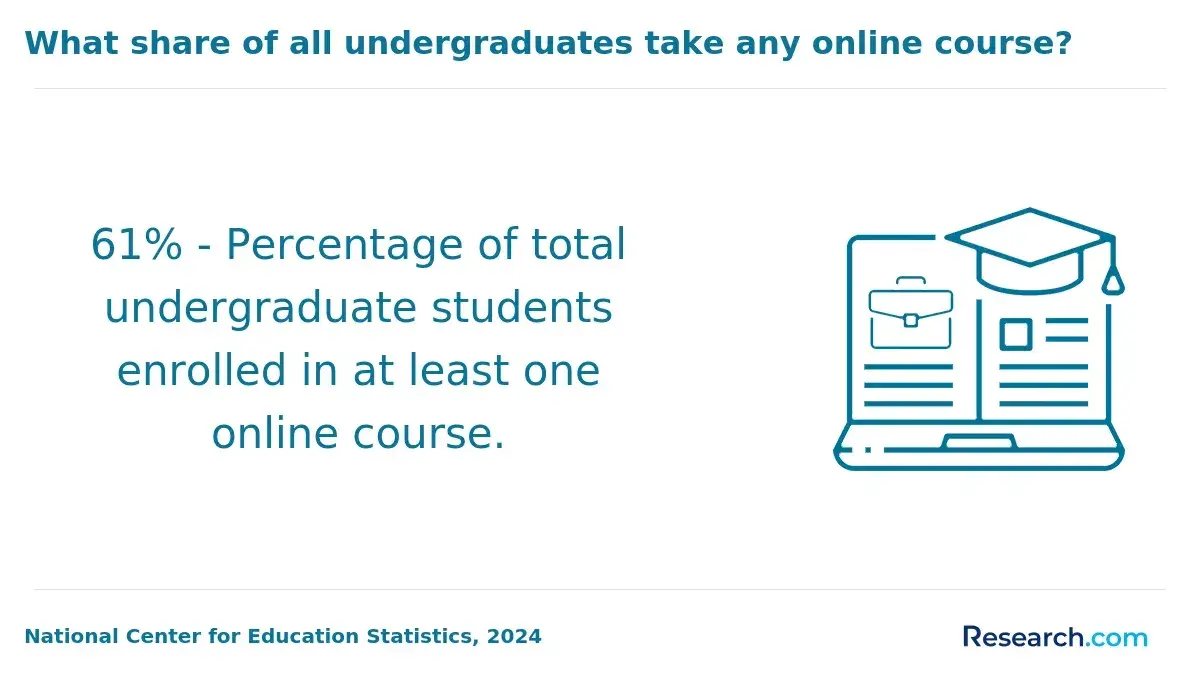
Strong support services can make the difference between enrolling and finishing. This is especially true for online I-O psychology students who may be balancing full-time work with statistics, research methods, writing-heavy assignments, and applied consulting projects.
The most useful support services are not generic add-ons; they should connect directly to the academic and career demands of I-O psychology. The table below shows which services have the most practical value and how students can evaluate them.
| Support service | Why it matters for I-O psychology students | Question to ask the school |
| Academic advising | Helps sequence statistics, research methods, electives, and capstone requirements | Will I have a dedicated advisor who understands the I-O psychology curriculum? |
| Statistics and writing support | Supports success in research design, data interpretation, and graduate-level papers | Is tutoring available for statistics software, APA-style writing, and research methods? |
| Career services | Helps translate I-O coursework into HR, analytics, consulting, and organizational development roles | Do career advisors understand I-O psychology career paths outside clinical practice? |
| Faculty access | Improves feedback on applied projects, research interests, and doctoral preparation | How quickly do faculty respond, and are office hours available online? |
| Internship or project support | Provides applied experience for students without HR or consulting backgrounds | Does the program help students find applied projects or employer-based capstones? |
| Library and research database access | Enables evidence-based assignments and literature reviews | Will I have remote access to psychology, business, and management research databases? |
One common mistake is assuming that online programs with the same accreditation provide the same student experience. They do not. Two accredited programs can differ sharply in faculty responsiveness, tutoring access, career coaching, and how much help students receive when they struggle in quantitative courses.
Before enrolling, request a sample course shell or orientation walkthrough if available. Also ask whether online students receive the same career services as campus students, whether alumni networking is available remotely, and whether the program tracks outcomes for I-O-related roles rather than only broad graduate employment.
Which Financial Aid Options Are Available for Accredited Online Industrial Organizational Psychology Degree Students?
Students in accredited online industrial organizational psychology programs may qualify for federal financial aid if the institution participates in Title IV programs and the student meets eligibility requirements. Aid availability can differ by degree level, enrollment intensity, citizenship status, satisfactory academic progress, and whether the program is certificate, bachelor's, master's, or doctoral level.
The 2025-26 maximum Federal Pell Grant is $7,395 for eligible undergraduate students, but Pell Grants generally do not apply to graduate students. This distinction matters because many I-O psychology programs are master's programs, where students are more likely to use Direct Unsubsidized Loans, Grad PLUS Loans, employer tuition assistance, scholarships, payment plans, or military education benefits.
The table below summarizes common aid options and the students most likely to use them. Always compare net cost after aid, not just the amount a school says you can borrow.
| Financial aid option | Most relevant for | Important limitation |
| Federal Pell Grant | Eligible undergraduate students | Usually not available for graduate I-O psychology programs |
| Direct Unsubsidized Loan | Undergraduate and graduate students who qualify | Interest accrues, and annual borrowing limits apply |
| Grad PLUS Loan | Graduate and professional students | Requires credit review and may carry higher borrowing costs |
| Institutional scholarships | Students with academic merit, need, military status, alumni status, or employer partnerships | May be competitive, renewable only under conditions, or limited by term |
| Employer tuition assistance | Working adults in HR, management, training, analytics, or consulting roles | May require staying with the employer or earning a minimum grade |
| Military and veteran benefits | Eligible service members, veterans, and dependents | Benefit rules depend on eligibility category and school participation |
Students who are comparing psychology with other regulated helping professions should pay attention to accreditation and aid rules together. For example, guides to ASHA approved SLP programs show why field-specific standards can affect both program choice and long-term eligibility for certain professional pathways.
When comparing aid offers, focus on the amount you do not have to repay first. Then compare loans carefully by interest, fees, repayment flexibility, and how much debt is reasonable for the roles you are targeting.
- Submit the FAFSA as early as possible if the school participates in federal aid.
- Ask each program for a full cost-of-attendance estimate, including fees and books.
- Request scholarship information specific to online, graduate, military, transfer, or working-adult students.
- Ask your employer whether tuition assistance applies to psychology, HR, analytics, or leadership programs.
- Compare net price and borrowing needs across schools before accepting admission.
Which Career Outcomes Are Associated With Accredited Online Industrial Organizational Psychology Degree Programs?
Industrial organizational psychology applies psychological science to workplace problems. Graduates may work on employee selection, job analysis, leadership development, training, performance management, organizational culture, survey research, employee engagement, change management, and people analytics.
Career outcomes depend heavily on degree level. A bachelor's degree may support entry-level HR, recruiting, training, or research assistant roles. A master's degree is often the practical credential for I-O-related analyst, consultant, organizational development, and talent management roles. A doctorate may be preferred for academic research, advanced consulting, test development, or roles using the psychologist title where state rules apply.
The table below connects common career goals with the education and skills employers may expect. It is meant to help students evaluate whether a program's curriculum matches the job they actually want.
| Career direction | Common responsibilities | Helpful education level | Skills to prioritize |
| HR analyst or people analytics specialist | Analyze workforce data, engagement surveys, turnover, hiring metrics, and performance trends | Bachelor's plus analytics experience or master's | Statistics, survey design, data visualization, HR systems, ethical data use |
| Talent management or learning and development specialist | Design training, evaluate leadership programs, support succession planning, and measure outcomes | Bachelor's or master's | Adult learning, assessment, program evaluation, communication, organizational behavior |
| Organizational development consultant | Diagnose workplace issues, guide change initiatives, facilitate teams, and advise leaders | Master's or doctorate | Consulting, change management, qualitative research, group dynamics, executive communication |
| Selection or assessment consultant | Support hiring systems, validation studies, structured interviews, and job analysis | Master's or doctorate | Psychometrics, employment testing, legal defensibility, statistics, job analysis |
| I-O psychologist or research scientist | Conduct advanced research, develop assessments, publish findings, or lead technical consulting | Doctorate often preferred or required depending on role and jurisdiction | Advanced research design, modeling, psychometrics, publication, grant or client work |
BLS employment projections show psychologist jobs growing 7% from 2024 to 2034, which is faster than the average for all occupations. Students should use that outlook cautiously because I-O psychology is a specialized field, and many graduates work under titles that do not include "psychologist," such as HR analyst, organizational development consultant, talent strategy manager, or workforce insights specialist.
The strongest online I-O psychology programs help students build evidence of job-ready skills. Look for assignments that produce portfolio artifacts: a job analysis report, survey instrument, training evaluation, selection validation plan, organizational diagnosis, or analytics dashboard. These materials can make a graduate more competitive than a transcript alone.
This degree may be worth it if you want to apply behavioral science in organizations and are comfortable with research, statistics, and business communication. It may be a poor fit if you want to provide therapy, avoid data analysis, or need a license-eligible clinical psychology pathway.
How Do Online and Campus-Based Industrial Organizational Psychology Degree Programs Compare?
Accredited online and campus-based I-O psychology programs can cover similar academic content, but the student experience differs. The right choice depends on schedule, location, learning style, networking needs, and whether you want in-person research, lab, or consulting opportunities.
The table below compares the main practical differences. Use it to decide which format fits your constraints rather than assuming one format is automatically better.
| Comparison factor | Online I-O psychology program | Campus-based I-O psychology program |
| Schedule | Often better for working adults and students with caregiving or military obligations | Often more structured with set class times and campus expectations |
| Networking | Depends on virtual events, cohort design, faculty access, and alumni engagement | May provide easier informal networking with faculty, classmates, and local employers |
| Applied experience | Can be strong if capstones, employer projects, simulations, or internships are built in | May provide more access to labs, local consulting projects, and in-person presentations |
| Cost | Can reduce relocation and commuting costs, but online fees still matter | May include campus fees, commuting, housing, or relocation expenses |
| Learning style | Best for independent learners who manage deadlines well | Best for students who benefit from face-to-face accountability and spontaneous discussion |
| Employer perception | Usually strongest when the institution is accredited and the student can explain applied skills | May carry stronger local brand recognition in some regions or industries |
Online programs can be an excellent investment for students who already work in HR, management, analytics, training, or consulting because coursework can often be applied immediately at work. Campus programs may be better for students who want intensive research mentoring, assistantships, or in-person professional networks.
A common red flag is choosing online only because it seems easier. High-quality online I-O psychology courses can be demanding, especially in statistics, research methods, and assessment. Before enrolling, ask how often students interact with faculty, whether group projects are required, how exams are proctored, and whether the program offers career support for remote students.
How Should Students Choose the Best Accredited Online Industrial Organizational Psychology Degree Program?
Students should choose an accredited online industrial organizational psychology degree by matching the program to their career goal, budget, schedule, academic background, and preferred learning format. A strong program for an HR professional seeking promotion may not be the best program for a student planning doctoral research.
The best decision process is structured. Instead of relying on rankings alone, compare programs across the factors that most affect completion and ROI.
- Define your target outcome first, such as HR analytics, organizational development, talent management, consulting, doctoral study, or research.
- Verify institutional accreditation and confirm that the school is authorized to enroll students in your state.
- Map the curriculum to your goal by checking for research methods, statistics, psychometrics, job analysis, organizational change, and applied capstone work.
- Calculate total net cost after scholarships, employer assistance, transfer credit, military benefits, and fees.
- Evaluate schedule fit by checking asynchronous requirements, live sessions, term length, group work, and residency expectations.
- Ask for career outcome information specific to psychology, I-O, HR, consulting, analytics, or organizational development roles.
- Compare support services, especially statistics tutoring, writing help, career coaching, faculty access, and library databases.
- Speak with admissions, faculty, current students, or alumni before committing if the school offers that access.
Students should also avoid common mistakes that can lead to wasted time or unnecessary debt. These mistakes are especially costly in graduate programs because credits may not transfer easily once you start.
- Choosing the lowest tuition without checking total credits, fees, course availability, and graduation timeline.
- Assuming APA accreditation is required for every legitimate I-O psychology master's program.
- Ignoring statistics and research requirements because the degree sounds business-oriented.
- Overlooking state authorization, especially if the program includes field-based work or if you move during enrollment.
- Choosing a program with no clear applied projects, career support, or employer-relevant skill development.
- Borrowing up to the maximum aid offer without comparing expected career paths and repayment obligations.
The strongest combination for many students is an institutionally accredited online master's program with reasonable total cost, applied I-O coursework, flexible scheduling, transparent student support, and evidence that graduates use the degree in HR, consulting, analytics, leadership, or organizational development. If a program is expensive, it should offer a clear advantage such as specialized faculty, a stronger network, research preparation, or career services that match your goals.
Other Things You Should Know About Industrial Organizational Psychology
Not always. Many HR, talent management, training, organizational development, and people analytics roles are open to candidates with a master's degree or related experience. A doctorate is more important for advanced research, academic roles, some consulting specialties, and positions using the psychologist title where state rules apply.
No. Human resources focuses on employment practices, policy, staffing, benefits, compliance, and workforce administration. I-O psychology uses psychological research and data to improve workplace decisions, employee behavior, assessment, leadership, training, and organizational effectiveness. The fields overlap, but they are not identical.
Psychology is the most direct major, but human resources, business, sociology, statistics, organizational leadership, and management can also be useful. The strongest preparation usually includes psychology, research methods, statistics, writing, and some exposure to workplace or organizational topics.
It can support remote-friendly roles, especially in HR analytics, employee engagement research, training design, survey analysis, and consulting support. However, remote work depends on the employer, role level, experience, and technical skills. Students who want remote options should build skills in data tools, virtual facilitation, reporting, and project communication.
References
- Degrees In I/O Psychology: Courses, Requirements, & Careers https://www.psychology.org/online-degrees/industrial-organizational-psychology/
- GRE University Shortlist 2026 - Score-wise College List for MS, MBA & PhD https://catking.in/blog/gre-university-shortlist-2026
- 10 Most Affordable Top-Ranked Master's in I/O Psychology 2020 https://www.organizationalpsychologydegrees.com/best/affordable-masters-io-psych/
- Inside Online Master’s Programs in Organizational Psychology https://www.onlinemastersdegrees.org/best-programs/psychology/organizational-psychology/
- Labor Market | ELA https://ela.nauka.gov.pl/en/labor-market/who_earns_more_after_studies
- GRE Scores for Top Universities: A Guide to Achieving Your Graduate School Dreams - Clever Academy https://cleveracademy.vn/en/blog/gre-scores-for-top-universities/
- GRE Scores: What is a good GRE score? https://www.collegeessayguy.com/blog/gre-scores
- What Are The Typical Requirements For Admission to MBA Programs? https://www.bschools.org/faq/what-are-mba-admissions-requirements
- Industry Outcomes 2025: What the Data Says About Graduate Employabilit https://iei.asiacareersgroup.com/blogs/articles/industry-outcomes-2025-what-the-data-says-about-graduate-employability