2027 Best Accredited Online Strategic Communication Degree Programs: Compare Tuition, Admissions, and Career Outcomes

Co-Founder and Chief Data Scientist
Choosing an online strategic communication degree means balancing cost, credibility, flexibility, and career value. The field matters because organizations need people who can manage messaging across social media, public relations, branding, and crisis communication. The U.S. Bureau of Labor Statistics projects public relations specialist employment to grow 6% from 2023 to 2033, faster than the average for all occupations. This guide helps working adults, transfer students, and first-time college students compare accredited programs, understand admissions and tuition trade-offs, and choose a degree that fits their budget and goals.
Key Things You Should Know
- Regional accreditation is the minimum requirement; specialized communication accreditation, such as ACEJMC, can add quality assurance but is not required for most strategic communication careers.
- Published online tuition varies widely: UF Online lists $129.18 per credit for Florida residents and $552.62 for nonresidents, while some private online programs cost several times more per credit.
- BLS data published in 2024 reports a $66,750 median annual wage for public relations specialists and 6% projected job growth from 2023 to 2033, making career fit and portfolio strength important ROI factors.
Which Accredited Online Strategic Communication Degree Programs Offer the Best Overall Value?
The best overall value in an accredited online strategic communication degree usually comes from a program that combines recognized accreditation, reasonable net price, strong transfer-credit policies, career-focused coursework, and practical portfolio development. A low sticker price matters, but it should not outweigh graduation support, internship access, alumni networks, or employer-recognized curriculum.
Strategic communication is an applied communication field focused on planning, creating, and evaluating messages for specific audiences and organizational goals. Students often study public relations, brand strategy, social media, persuasion, analytics, campaigns, ethics, writing, and crisis communication. The table below compares common program types that frequently serve students looking for accredited online strategic communication pathways.
| Program type | Best fit | Value strengths | Trade-offs to check |
| Public university online bachelor's program | First-time students and transfer students seeking a broad undergraduate credential | Often lower tuition for residents, established institutional accreditation, access to university career services | Out-of-state tuition may be much higher; course availability can affect time to graduation |
| Public relations or strategic communications bachelor's program with ACEJMC accreditation | Students who want journalism, media, PR, or campaign-based roles | External review of communication curriculum, stronger emphasis on writing, ethics, and professional standards | May have more prescribed major requirements and fewer free electives |
| Online master's in strategic communication | Working professionals seeking advancement into leadership, analytics, PR management, or brand strategy | Shorter than a second bachelor's degree and often designed around applied projects | Higher per-credit tuition is common; ROI depends heavily on prior experience |
| Private nonprofit online program | Students prioritizing accelerated schedules, year-round starts, or adult learner services | Flexible terms, generous transfer review in some cases, strong advising models | Net cost can vary substantially after institutional aid; verify fees and total program cost |
For many students, the strongest value is a regionally accredited public online program with a communication-focused major, transparent tuition, and strong transfer policies. A higher-cost private or nationally recognized program can make sense when it offers a better schedule, employer tuition benefits, specialized faculty access, or a portfolio experience that directly supports the student's career target.
What Accreditation Should Students Look for in an Online Strategic Communication Degree Program?
Students should first verify institutional accreditation from an accreditor recognized by the U.S. Department of Education or the Council for Higher Education Accreditation. Institutional accreditation affects federal financial aid eligibility, credit transfer, graduate school recognition, and employer confidence.
Specialized accreditation is helpful but not always mandatory in strategic communication. The Accrediting Council on Education in Journalism and Mass Communications, commonly known as ACEJMC, reviews many journalism, public relations, advertising, and mass communication programs. A program without ACEJMC accreditation may still be a strong choice if it is regionally accredited, academically rigorous, and aligned with the student's goals.
Students should use a simple verification process before applying, because accreditation language on marketing pages can be confusing. The steps below help reduce the risk of choosing a program that will not meet financial aid, transfer, or employer expectations.
- Confirm the college or university appears in the U.S. Department of Education's Database of Accredited Postsecondary Institutions and Programs.
- Check whether the communication, journalism, public relations, or media school lists any specialized accreditation relevant to the major.
- Ask whether online students earn the same diploma and transcript designation as campus students in the same program.
- Verify that credits will be accepted by likely graduate schools or professional programs if further education is part of your plan.
- Be cautious with vague claims such as "approved," "recognized," or "career certified" if they do not name a legitimate accrediting body.
Strategic communication is not the same as clinical communication sciences. Students whose long-term goal is speech-language pathology should review prerequisites carefully and may need an SLP bridge program rather than a public relations or strategic communication degree.
How Do Tuition Costs Compare Across Accredited Online Strategic Communication Degree Programs?
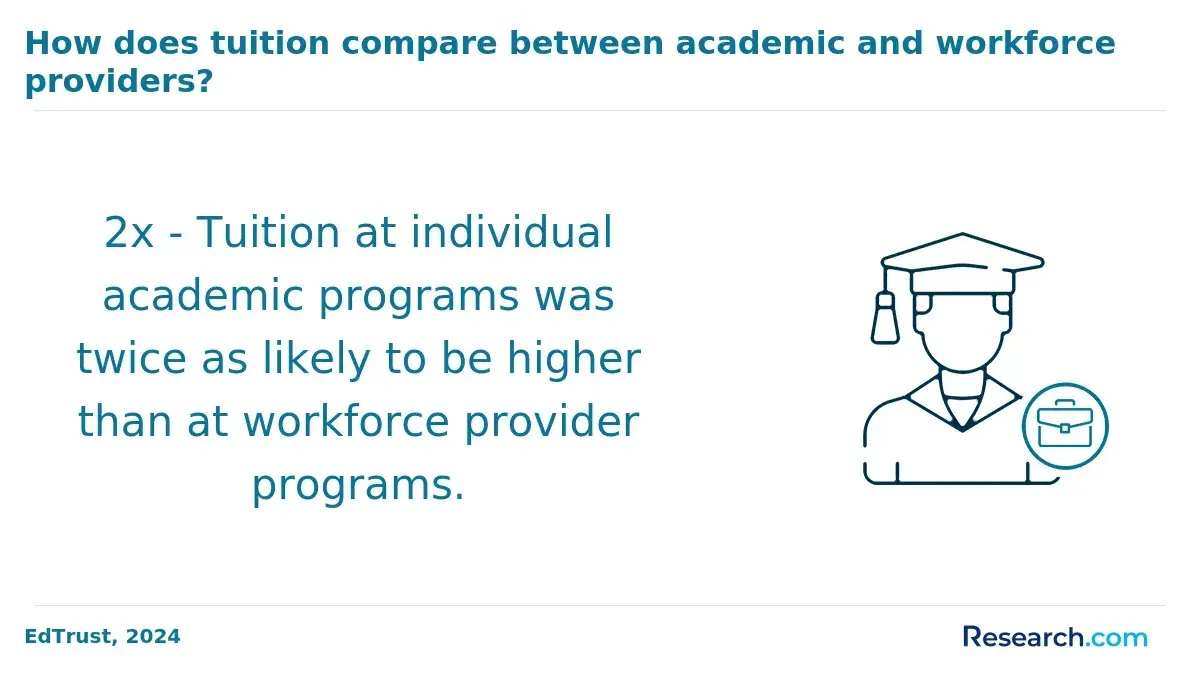
Tuition comparisons should focus on total cost, not just the per-credit rate. A program with a low tuition rate can become less affordable if it accepts few transfer credits, requires extra fees, or delays graduation because required courses are not offered frequently.
College Board's 2024 Trends in College Pricing reported average published tuition and fees of $11,610 for in-state students at public four-year institutions and $43,350 at private nonprofit four-year institutions for 2024-25. Online students should treat those figures as broad benchmarks: some online programs price below campus averages, while others charge separate online tuition that does not follow the same pattern.
The table below illustrates how published tuition can differ across online communication-related options. Students should verify current tuition, fees, residency rules, and transfer-credit limits directly with each school before enrolling.
| Example online program category | Published tuition indicator | What it means for cost comparison |
| UF Online Bachelor of Science in Public Relations | $129.18 per credit for Florida residents and $552.62 per credit for nonresidents | Resident pricing can create unusually strong value, but nonresident students should compare the total cost with other public online options |
| Penn State World Campus strategic communications bachelor's pathway | Undergraduate tuition is commonly published by credit level rather than residency discount | A nationally known university brand may appeal to students who value reputation, but total cost should be weighed against expected career use |
| Liberty University online strategic communication-related bachelor's options | Online undergraduate tuition is commonly structured by full-time or part-time status | Accelerated terms may help working adults move faster, but students should check fees, transfer credits, and institutional aid |
| Arkansas State University online master's in strategic communications | Often marketed as a lower-cost graduate strategic communications option | Can be attractive for professionals with a bachelor's degree, but a master's degree is not always necessary for entry-level PR roles |
When comparing offers, students should calculate the cost to finish, not the cost to start. This is especially important for transfer students, military learners, and adults returning with prior credits.
Use this checklist to avoid common cost mistakes before committing to a program.
- Ask for a written transfer-credit evaluation before you enroll, not after your first term begins.
- Compare tuition, mandatory online fees, technology fees, books, graduation fees, and any required campus visits.
- Estimate cost after grants, scholarships, employer tuition assistance, and military benefits rather than relying on sticker price.
- Check whether tuition changes after a certain number of credits, after junior standing, or for upper-division communication courses.
- Review withdrawal and refund policies if you work full time or have unpredictable caregiving responsibilities.
Students comparing communication degrees with technology-heavy paths should also consider how AI is changing content strategy and analytics. Those leaning toward machine learning, automation, or technical product roles may want to compare this path with an online masters in AI.
How Competitive Is Admission to Accredited Online Strategic Communication Degree Programs?
Admission to accredited online strategic communication programs ranges from open or transfer-friendly to moderately selective. Bachelor's programs usually evaluate high school completion, prior college credits, GPA, and English composition readiness, while master's programs may require a bachelor's degree, professional goals statement, resume, writing sample, or minimum GPA.
Admissions flexibility does not automatically mean lower academic quality. Many online programs are designed for adults who may have strong work experience but uneven academic histories. The key is to compare the support structure and curriculum expectations, not just the acceptance process.
The table below summarizes common admissions patterns and what they mean for different applicants.
| Applicant type | Typical requirements | What to evaluate before applying |
| First-time bachelor's student | High school transcript or GED, application, possible placement review | General education requirements, math or writing placement, orientation support |
| Transfer student | College transcripts, minimum transferable credits, GPA review | How many credits apply to the major, not just how many credits transfer to the university |
| Adult learner with work experience | Prior college record, resume in some programs, personal statement in selective programs | Credit for prior learning, part-time pacing, advising availability outside business hours |
| Master's applicant | Bachelor's degree, GPA threshold, resume, statement of purpose, sometimes writing sample | Whether the program expects prior communication coursework or professional media experience |
Students should prioritize fit over selectivity alone. A highly selective program can be valuable if it provides strong faculty mentorship and professional networks, but a more flexible program may be better for a working adult who needs asynchronous classes, generous transfer credit, and predictable scheduling.
Which Learning Formats Offer the Greatest Flexibility in Online Strategic Communication Degree Programs?
The most flexible online strategic communication programs are usually asynchronous, meaning students can complete weekly work without logging in at a fixed class time. However, some synchronous meetings can be valuable when courses involve campaign presentations, client projects, peer critique, or professional networking.
Online programs can differ significantly in pacing and workload. The table below explains the formats students are most likely to encounter and when each one makes sense.
| Format | Best for | Potential drawback |
| Fully asynchronous | Working adults, caregivers, military students, students across time zones | Requires strong self-management and may offer less live discussion |
| Synchronous online | Students who want live interaction, presentation practice, and structured accountability | Fixed meeting times can conflict with work schedules |
| Hybrid or low-residency | Students who can travel occasionally for networking, workshops, or intensive projects | Travel costs and required dates reduce flexibility |
| Accelerated terms | Students with transfer credits or strong time-management skills who want faster progress | Courses can feel compressed, especially writing-heavy campaign classes |
| Part-time pathway | Students balancing full-time work, family duties, or gradual tuition payments | Longer completion time may delay career transitions |
AI and automation are also changing how students learn strategic communication. Programs that teach audience analytics, ethical AI use, content testing, social listening, and campaign measurement may better prepare students for modern communication teams, where writing ability must be paired with data-informed decision-making.
Students who prefer people-centered communication but still want practical workplace technology skills may do well in strategic communication. Students who prefer administrative systems, scheduling, records, and office operations may find a degree in office administration more directly aligned with their day-to-day career goals.
What Student Support Services Improve Success in Online Strategic Communication Degree Programs?
Student support can determine whether an online program is merely convenient or genuinely effective. Strategic communication courses often require writing revisions, multimedia assignments, campaign planning, and feedback from instructors, so students should look beyond the learning platform and examine the full support system.
The most useful services are the ones that remove barriers before they become reasons to stop out. Students should ask admissions counselors and program directors about the following supports.
- Dedicated online advising that helps students sequence major courses and avoid graduation delays.
- Writing center access with support for persuasive writing, AP style, research, editing, and campaign documents.
- Career services that help with PR resumes, LinkedIn profiles, portfolio sites, internships, and interview preparation.
- Technology support available during evenings or weekends, especially for students taking asynchronous courses after work.
- Faculty feedback on campaign projects, media kits, social media plans, crisis responses, and analytics reports.
- Access to internship guidance, alumni networks, student PR organizations, or virtual networking events.
A common mistake is assuming that online students receive the same level of career support as campus students. Before enrolling, ask whether online learners can attend virtual career fairs, meet with career coaches, use the alumni job board, and receive portfolio reviews from communication faculty or industry professionals.
Which Financial Aid Options Are Available for Accredited Online Strategic Communication Degree Students?
Accredited online strategic communication students may qualify for federal financial aid if they enroll at an eligible institution and meet program requirements. Financial aid can include grants, scholarships, federal student loans, work-study in some cases, employer tuition assistance, military education benefits, and payment plans.
Federal Student Aid reported that the 2024-25 FAFSA introduced a redesigned application and a new Student Aid Index calculation. For students, this means aid eligibility may not match what older siblings, coworkers, or past applicants experienced, so it is important to file the current FAFSA and compare school-specific aid packages rather than relying on assumptions.
Students should compare aid offers carefully because the largest scholarship does not always produce the lowest out-of-pocket cost. Use the following process when reviewing financial aid packages.
- List the full cost of attendance for each program, including tuition, fees, books, technology, transportation, and living expenses if relevant.
- Separate gift aid, such as grants and scholarships, from loans that must be repaid.
- Check whether scholarships renew automatically or require a minimum GPA, full-time enrollment, or a separate annual application.
- Ask whether employer tuition reimbursement is paid before courses begin or only after final grades are posted.
- Estimate borrowing for the entire degree, not just the first semester or first academic year.
Students who are comparing multiple affordable online degree paths may also want to examine fields outside communication. For example, an affordable psychology degree online may fit students more interested in human behavior, counseling-adjacent work, research support, or social services pathways.
Which Career Outcomes Are Associated With Accredited Online Strategic Communication Degree Programs?
Accredited online strategic communication degrees can support roles in public relations, social media strategy, internal communication, content strategy, brand communication, media relations, nonprofit outreach, campaign coordination, and corporate communication. Career outcomes depend on the student's prior experience, internship record, writing samples, portfolio quality, location, and ability to use analytics tools.
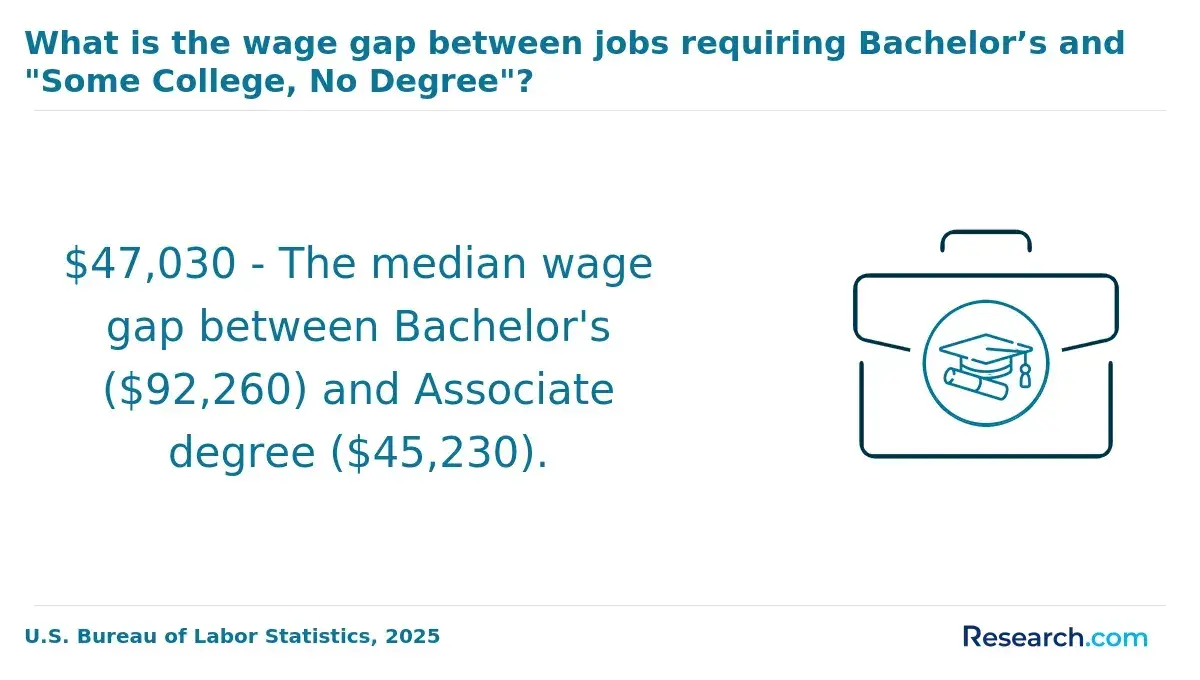
BLS data published in 2024 lists the median annual wage for public relations specialists at $66,750, with 6% projected job growth from 2023 to 2033. That figure is useful as a labor-market benchmark, but it should not be treated as a guaranteed salary for new graduates; entry-level outcomes vary widely by region, industry, and experience. The table below connects common strategic communication career goals with the credentials and evidence employers often review.
| Career direction | Typical responsibilities | Useful preparation | Portfolio evidence to build |
| Public relations specialist | Write press materials, pitch media, manage public messaging, support events | Bachelor's degree, PR writing, media relations, ethics, internship experience | Press release, media pitch, PR plan, earned media sample |
| Social media strategist | Plan content calendars, analyze engagement, manage brand voice, track campaign results | Social media analytics, content strategy, platform-specific writing, visual communication | Campaign dashboard, content calendar, analytics summary, social copy samples |
| Corporate communication coordinator | Create internal messages, executive communication, employee updates, change communication | Organizational communication, professional writing, stakeholder analysis | Internal memo, newsletter, communication plan, presentation deck |
| Brand or content strategist | Develop messaging frameworks, audience personas, content plans, brand narratives | Strategic planning, audience research, marketing communication, SEO awareness | Messaging guide, persona brief, content audit, campaign proposal |
| Communication manager | Lead campaigns, supervise teams, manage budgets, advise leaders | Experience plus bachelor's or master's degree, leadership, analytics, crisis communication | Integrated campaign plan, results report, management case study |
Students focused primarily on income should compare strategic communication with other majors and occupations before enrolling. A guide to what career makes the most money can help clarify whether communication aligns with both salary expectations and daily work preferences.
How Do Online and Campus-Based Strategic Communication Degree Programs Compare?
Online and campus-based strategic communication programs can lead to similar academic credentials when they are offered by the same accredited institution, but the student experience may differ. Online programs are often better for adults who need schedule flexibility, while campus programs may offer more spontaneous networking, student media involvement, and local internship access.
The best choice depends on how the student learns, works, and builds professional relationships. The table below compares the main differences that affect program fit.
| Comparison factor | Online program | Campus-based program |
| Schedule | Often asynchronous or designed for working adults | Usually fixed class times with in-person attendance |
| Networking | Requires intentional use of virtual events, faculty outreach, and online alumni tools | More organic access to classmates, faculty offices, campus media, and local events |
| Internships | May support remote or local internships near the student's home | Often connected to the university's surrounding media and employer market |
| Cost | Can reduce relocation and commuting costs, but online fees vary | May include housing, transportation, and campus fees, but local scholarships may help |
| Learning style | Works best for self-directed students who communicate well in writing | Works best for students who benefit from face-to-face structure and immediate discussion |
Online is not automatically easier. Strategic communication courses can be writing-intensive, deadline-driven, and collaborative. Students who struggle with self-paced work should look for programs with live sessions, proactive advising, smaller classes, and frequent instructor feedback.
How Should Students Choose the Best Accredited Online Strategic Communication Degree Program?
Students should choose an accredited online strategic communication program by matching the degree to their career goal, budget, learning style, and timeline. The right program is not always the cheapest or most selective; it is the one most likely to help the student finish with manageable debt and a usable professional portfolio.
A practical selection process helps students compare programs consistently instead of relying only on rankings or brand recognition. Use the steps below before applying.
- Define your target role, such as public relations specialist, social media strategist, internal communication coordinator, or communication manager.
- Verify institutional accreditation and, when relevant, specialized communication accreditation or professional recognition.
- Calculate total cost to completion after transfer credits, scholarships, grants, employer aid, and required fees.
- Review the curriculum for writing, analytics, campaign planning, ethics, crisis communication, and portfolio-based assignments.
- Ask whether online students receive the same career services, internship support, library access, and faculty advising as campus students.
- Compare program format with your schedule, including synchronous requirements, accelerated terms, group projects, and internship expectations.
- Request graduation, retention, and career outcome information if the school publishes it for the program or department.
- Speak with current students or alumni when possible to learn how responsive instructors and advisors are in the online format.
Students should also know when this degree may not be the best fit. If you dislike writing, audience research, revision, persuasion, or public-facing messaging, a different major may offer a better return on your time. If you want a licensed clinical career, technical engineering role, or accounting-heavy business path, strategic communication may be too broad unless paired with relevant electives or experience.
The biggest red flags are unclear accreditation, pressure to enroll quickly, vague career claims, limited transfer-credit transparency, and no evidence of portfolio development. A strong program should be able to explain what students create, how they receive feedback, and how the curriculum connects to real communication work.
Other Things You Should Know About Strategic Communication
Yes, many online programs are designed for working adults, especially those with asynchronous courses or part-time plans. Before enrolling, confirm weekly workload expectations, group project requirements, and whether any live sessions are mandatory.
Employers generally focus on whether the institution is accredited, whether the degree is relevant, and whether the applicant can show strong writing, campaign, analytics, and communication skills. The portfolio often matters as much as the delivery format.
Not always. Many entry-level roles are accessible with a bachelor's degree and relevant experience. A master's degree may be more useful for professionals seeking leadership roles, career changes, or advanced strategy and analytics responsibilities.
Useful pairings include marketing, business analytics, political science, nonprofit management, graphic design, data analytics, psychology, and writing. The best choice depends on whether you want to work in corporate communication, public affairs, social media, advocacy, or brand strategy.
References
- Strategic Communication, B.A. Online https://www.pointloma.edu/adult-degree-completion/programs/strategic-communication-ba-online
- Online Master’s in Communication Management Programs in 2025 https://www.mastersincommunications.org/online-communication-management/
- What is Strategic Communication? Careers in Strategic Communication https://www.mastersincommunications.com/faqs/what-is-strategic-communication
- Online Master’s in Strategic & Corporate Communication Degree Programs https://www.onlineeducation.com/communication/masters-in-strategic-communication-programs
- Communications Specialist Certifications: Best Credentials to Advance Your Career | Teal https://www.tealhq.com/career-paths/communications-specialist-certifications
- Strategic Communication Major | Online or In-Person | Mercer https://professionaladvancement.mercer.edu/academic-programs/undergraduate/strategic-communication/
- Certification Programs https://gcccouncil.org/about-gccc-certifications/
- Accrediting Council on Education in Journalism and Mass Communications - (ACEJMC) https://www.chea.org/accrediting-council-education-journalism-and-mass-communications
- Online Master's Degree: Strategic Communications https://www.umgc.edu/online-degrees/masters/strategic-communications
- 2025 Most Affordable Online Master's in Communications https://www.onlineu.com/most-affordable-colleges/communications-masters-degrees