2027 Online Strategic Communication Degree Programs With No Letters of Recommendation Required

Co-Founder and Chief Data Scientist
Applicants who lack recent professors or supervisors to recommend them can still find online Strategic Communication degrees with streamlined admissions. "No letters required" means recommendations are not part of the standard application; it does not mean automatic admission. National Center for Education Statistics data show that more than half of U.S. postsecondary students took at least one distance education course in fall 2022, making online admissions policies increasingly relevant.
This guide helps working adults, transfer students, and first-time applicants identify legitimate options, understand substitute requirements, and compare value before applying.
Key Things You Should Know
- Online Strategic Communication programs may omit recommendation letters while still requiring official transcripts, a minimum GPA, an application, and sometimes a personal statement, resume, or prerequisite coursework.
- "No letters required" is different from "letters optional" or a temporary waiver: confirm the requirement for the exact online degree, concentration, term, and applicant type before paying an application fee.
- Compare institutional accreditation, curriculum, total tuition and fees, transfer policies, and career support - not admissions simplicity alone - because communication degrees can lead to public relations, content, marketing, internal communications, and digital strategy roles.
Which Online Strategic Communication Degree Programs Require No Letters of Recommendation?
Programs titled exactly "Strategic Communication" are more common at the master's level, where recommendation letters are often still requested. At the undergraduate level, schools may use related names such as Communication, Professional Communication, Public Relations, Digital Communication, or Integrated Marketing Communication. These programs can build many of the same planning, audience-analysis, writing, media, and campaign-management skills.
Several large online institutions commonly use transcript-based undergraduate admissions and do not list letters of recommendation as a standard requirement for many communication-related bachelor's programs. Requirements can change by term, so treat the examples below as starting points for verification rather than a guarantee.
| Institution or program type | Typical relevant online degree title | Recommendation-letter approach to verify | Important admissions consideration |
| Arizona State University Online | Communication or related communication studies pathway | Undergraduate applicants generally apply without recommendation letters | Admission standards may depend on GPA, coursework, test-optional pathway rules, or transfer record |
| Southern New Hampshire University | Communication-related bachelor's degree | Letters are generally not a standard undergraduate admissions item | Confirm transfer evaluation, course format, and whether the concentration matches strategic communication goals |
| Purdue Global | Communication or professional communication-related study | Recommendation letters are generally not a routine undergraduate requirement | Review institutional accreditation, transfer-credit evaluation, and program-specific curriculum |
| Public universities with online completion programs | Communication, public relations, or media studies | Often no letters for undergraduate admission, but policies vary | Some programs require prior college credits or specific lower-division courses |
| Online master's programs | Strategic Communication, Integrated Marketing Communication, or Public Relations | Policies vary widely; some require letters and others rely on a statement and resume | Check graduate school and department pages separately |
A related communication pathway can be sensible when the curriculum includes strategic writing, research, crisis communication, analytics, visual communication, and campaign planning. Students moving toward speech-language pathology should recognize that strategic communication is not clinical communication sciences training; an SLP bridge program is a more relevant academic route for non-SLP majors pursuing that field.
To verify a no-letter policy, read the program page, the central admissions checklist, and the application portal. Then ask an admissions representative in writing: "For the online [degree name] beginning [term], are recommendation letters required, optional, or waived for my applicant category?" Keep the response with your application records.
What Are the Admission Requirements for Online Strategic Communication Degree Programs With No Recommendation Letters?
Admissions requirements depend primarily on degree level. Bachelor's programs commonly emphasize high school or college transcripts and placement or transfer review. Master's programs usually require a completed bachelor's degree and may evaluate academic readiness and professional experience more closely, even when they do not request references.
The following comparison shows what may replace recommendation letters. It helps applicants prepare the complete file rather than assuming a shorter application has fewer standards.
| Application material | How schools may use it | What applicants should provide |
| Official transcripts | Verifies degree completion, GPA, academic pattern, and prerequisites | Request records early from every previously attended institution |
| Personal statement or goals essay | Assesses writing ability, career direction, and fit with the program | Connect professional goals to specific curriculum features without overstating experience |
| Resume or CV | Shows professional experience, leadership, portfolios, and relevant skills | Include communications projects, audience research, digital tools, campaign work, and measurable responsibilities |
| Writing sample or portfolio | Evaluates practical communication ability when used | Submit polished, clearly attributed work and briefly explain your role |
| Prerequisite courses | Confirms preparation for advanced work | Check whether statistics, writing, communication theory, or research methods are required |
| Interview or admissions questionnaire | Clarifies goals and readiness for online study | Prepare concise examples of time management, collaboration, and professional communication |
GRE requirements have become less common in many communication-related graduate programs, but "test not required" does not imply that every applicant meets the academic threshold. A school may set a stated minimum cumulative GPA, review the last 60 undergraduate credits, or offer conditional admission. Applicants below the preferred GPA should ask whether a goals statement, relevant work history, or graduate-level prerequisite can strengthen the review.
Administrative experience can be relevant when it includes scheduling communications, document management, customer messaging, event coordination, or internal updates. Applicants considering a degree in office administration may also find that credential useful for developing workplace systems skills, though it is not a substitute for strategic communication coursework.
Are Online Strategic Communication Programs With No Letters of Recommendation Easier to Get Into?
Not necessarily. Removing recommendation letters eliminates one administrative barrier, especially for applicants who have been out of school for years or cannot reasonably ask a current manager for a reference. It does not reveal how selective a program is, how rigorous its courses are, or whether it will support a particular career objective.
Schools may use a holistic or document-based review instead. A competitive applicant can still need a solid GPA, completed prerequisites, strong writing, professional experience, and a clear explanation of goals. Some online undergraduate programs use broad-access admissions models, while others apply the same academic standards to online and campus students. Graduate programs may admit a smaller cohort because of faculty capacity, project-based instruction, or specialization requirements.
Do not confuse streamlined admissions with lower quality. The more useful question is whether the program's standards match its learning outcomes. A sound Strategic Communication curriculum should require substantive work in audience research, message design, ethics, digital channels, measurement, and strategic planning - not merely a collection of general communication electives.
Applicants should be cautious if a school promises admission before reviewing transcripts, will not clearly explain its accreditation, pressures students to enroll immediately, or cannot provide a complete tuition schedule. Those are more meaningful red flags than the absence of recommendation letters.
What Do Online Strategic Communication Programs Evaluate Instead of Letters of Recommendation?
Letters normally give admissions committees outside perspective on an applicant's reliability, writing, collaboration, and readiness for advanced study. Programs without them may seek that evidence directly through academic records, professional materials, and applicant-written responses.
For Strategic Communication, the strongest substitute materials demonstrate both communication skill and strategic judgment. Admissions reviewers may look for the following evidence.
- A transcript showing success in writing, communication, marketing, social science, research, or quantitative courses.
- A statement that identifies a realistic audience-focused career goal and explains why the curriculum is relevant.
- A resume that describes communications responsibilities, including content development, stakeholder coordination, project management, social media, events, or reporting.
- A writing sample or portfolio, when accepted, that demonstrates clear organization, ethical judgment, and audience awareness.
- Evidence of online-study readiness, such as meeting deadlines independently, using digital collaboration tools, or completing prior online coursework.
Artificial intelligence is changing communications work by accelerating drafting, transcription, audience segmentation, and content testing. Students should seek programs that teach responsible AI use, verification, copyright awareness, privacy, and human editorial judgment. Technical upskilling can complement communications training; students exploring that route may compare online masters in AI options, but should choose a degree based on the role they want rather than following a technology trend alone.
A practical application strategy is to tailor the statement to two or three course outcomes, use concrete examples rather than vague claims, and proofread as carefully as a client-facing communication. If the application permits an optional recommendation, submit one only if it adds credible, current evidence and the program confirms it will be considered.
How Can You Tell if an Online Strategic Communication Degree With No Recommendation Requirement Is Accredited and Legitimate?
Legitimacy begins with the institution, not the delivery format. A reputable online degree is awarded by a U.S. institution recognized by an accreditor acknowledged by the U.S. Department of Education or the Council for Higher Education Accreditation. Institutional accreditation matters because it affects federal aid eligibility, credit transfer, employer confidence, and eligibility for some graduate programs.
Use this sequence before applying. It separates a legitimate no-recommendation policy from a vague marketing claim.
- Find the institution in the U.S. Department of Education's Database of Accredited Postsecondary Institutions and Programs and confirm that its accreditation is current.
- Confirm that the exact online degree, major, and concentration appear on the university's official academic catalog.
- Compare the catalog's curriculum, credit total, faculty information, and graduation requirements with the marketing page.
- Review the university's tuition, refund, complaint, privacy, and academic-integrity policies before enrollment.
- Ask whether online students receive the same diploma designation, library access, advising, career services, and faculty access as other students.
- Verify the current admissions checklist in the portal and obtain written confirmation that letters are not required for your program and term.
Strategic Communication usually does not require professional licensure in the way nursing, teaching, or clinical counseling often does. However, career goals still matter. Public relations, marketing, corporate communications, nonprofit advocacy, government communication, and social media roles have different employer preferences. A program with internship options, portfolio development, analytics instruction, and employer-connected projects can be more useful than one selected only because it has a simple application.
Be especially careful with schools that use accreditation language without naming the accreditor, advertise unusually fast degrees without explaining credit requirements, or make earnings promises. Legitimate schools can explain who accredits them, what the degree requires, and what students will pay.
How Much Do Online Strategic Communication Degree Programs With No Letters of Recommendation Cost?
Cost varies more by institution type, residency policy, transfer credits, and degree level than by whether letters of recommendation are required. Online students may avoid commuting and relocation costs, but they can still pay technology fees, course-material charges, graduation fees, and, at public institutions, out-of-state tuition.
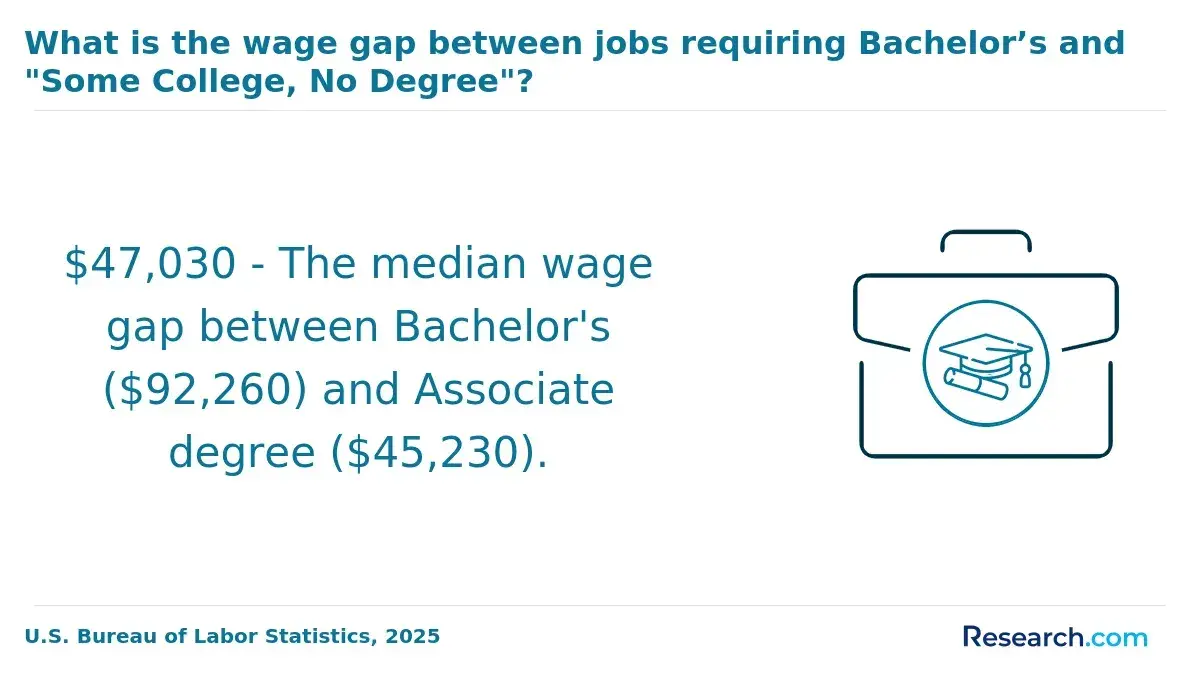
National Center for Education Statistics tuition data for the 2023-24 academic year place average published undergraduate tuition and fees at $11,260 for in-state students at public four-year institutions and $41,540 at private nonprofit four-year institutions. These are broad institutional averages, not prices for a specific online communication program, so use them only as a benchmark when comparing official estimates.
Ask each school for the cost of completing the remaining credits, not merely the cost per credit. The comparison below identifies the charges that most affect the final amount.
| Cost factor | Why it changes total cost | What to verify |
| Per-credit tuition | Rates can differ by degree, location, and enrollment level | Whether all online students pay one rate and whether rates are locked |
| Required credits remaining | Transfer awards and prerequisites affect the number of courses needed | A written preliminary transfer evaluation or degree plan |
| Mandatory fees | Technology, distance-learning, student-service, and graduation charges may apply | Every recurring and one-time fee |
| Books and digital tools | Communication courses may require software, media subscriptions, or production materials | Estimated term-by-term material costs |
| Part-time versus full-time enrollment | Enrollment pace can change aid eligibility and the number of fee-bearing terms | Whether fees are charged per course, credit, or term |
| Employer education benefits | Benefits may reduce out-of-pocket cost but can have grade or employment conditions | Eligible programs, reimbursement limits, and repayment rules |
Return on investment should include more than starting pay. Evaluate whether the curriculum builds a portfolio, whether internships are accessible to online students, and whether the degree advances a specific promotion or career pivot. Students comparing communication careers with higher-paying fields can explore what career makes the most money, while recognizing that salary varies by industry, location, experience, and job function.
Can You Get Financial Aid for an Online Strategic Communication Degree With Streamlined Admissions?
Yes. Streamlined admissions do not by themselves prevent students from receiving financial aid. Eligibility is determined by factors such as institutional participation in federal student aid programs, enrollment status, satisfactory academic progress, citizenship or eligible noncitizen status, and financial information - not by whether recommendation letters were part of admission.
Students should submit the Free Application for Federal Student Aid (FAFSA) as early as practical and confirm the school's financial-aid deadline. Federal grants, Direct Loans, work-study opportunities, state aid, employer assistance, military education benefits, and institutional scholarships may be available to eligible students. Graduate students generally have different federal grant eligibility than undergraduates, so they should review their award offer carefully.
Before accepting loans, compare net price rather than published tuition. Net price reflects grants and scholarships that do not need to be repaid, but it can vary by student and year. Ask whether an online program has separate scholarship consideration, whether part-time enrollment changes awards, and whether transfer students face a residency requirement before institutional aid begins.
Borrow cautiously. A communication degree can support careers across industries, but earnings are not uniform, and private loans often have fewer borrower protections than federal loans. If a school's aid office cannot explain the terms, total borrowing, and disbursement schedule in writing, pause before enrolling.
How Long Does an Online Strategic Communication Degree With No Letters of Recommendation Take to Complete?
Completion time depends on degree level, transfer credit, course load, and whether the program uses traditional semesters, accelerated terms, or asynchronous courses. No-recommendation admissions affects the application process, not the number of academic credits required for graduation.
A bachelor's degree generally requires about 120 credits. A student transferring a completed associate degree or substantial approved coursework may finish in roughly two years of full-time study, while a student starting with few credits may need about four years at a traditional full-time pace. Many working adults enroll part time, which extends the calendar timeline but can make workload more manageable.
Master's programs in Strategic Communication commonly require approximately 30 to 36 credits, though requirements vary. A full-time student may complete an accelerated online program in about one to two years; part-time pacing can take longer. Capstone projects, internships, and prerequisite courses may add time.
When comparing schedules, ask whether courses are asynchronous, whether live sessions are required, how often terms begin, and whether students can pause enrollment without reapplying. Also verify the expected weekly workload. Flexible scheduling is valuable only if it fits employment, caregiving, and writing-intensive project demands.
Can You Transfer Credits Into an Online Strategic Communication Degree Program With No Recommendation Letters?
Often, yes. Transfer-friendly online bachelor's programs may accept credits from regionally or institutionally accredited colleges, subject to grade, course equivalency, age-of-credit, and residency rules. Transfer policies are especially important for applicants choosing a program partly because it has a simpler admissions process: a low application barrier does not guarantee that prior coursework will count.
Before enrolling, request an official or written preliminary transfer evaluation. Review how credits apply to general education, communication major requirements, electives, and any upper-division residency requirement. A course that transfers as elective credit may still leave you needing a required strategic writing, research, media law, or communication theory course.
Graduate transfer is usually more limited. Programs may accept a small number of comparable graduate credits, often subject to grade and recency standards. A completed master's degree generally cannot be shortened substantially through undergraduate experience alone, even if that experience is highly relevant.
Students considering a broader behavioral-science route should not assume every course crosses disciplines cleanly. For example, an affordable psychology degree online may support audience-insight interests, but psychology credits must be individually evaluated before they can fulfill Strategic Communication major requirements.
How Should You Compare Online Strategic Communication Degree Programs That Do Not Require Letters of Recommendation?
The best choice is not automatically the program with the shortest application. Compare programs according to the outcomes you need: promotion in a current communications role, entry into public relations or content strategy, preparation for graduate study, a portfolio-building career pivot, or a general bachelor's completion credential.
Use the following comparison process to make a defensible decision.
- Confirm the exact degree title, delivery format, start term, and recommendation-letter policy in the official catalog and application portal.
- Verify current institutional accreditation and determine whether the school has a record of serving online students with advising, tutoring, library access, and career support.
- Map required courses against your target role, looking for strategic planning, writing, research, media ethics, analytics, digital content, and campaign evaluation.
- Calculate the complete cost using remaining credits, mandatory fees, books, and likely aid - not advertised tuition alone.
- Request a transfer evaluation before committing, especially if you have an associate degree, military training, professional learning, or credits from several institutions.
- Ask how online students complete internships, capstones, group projects, and portfolio work, and whether career services review resumes and work samples.
- Compare graduation requirements, withdrawal policies, and the realistic weekly workload with your schedule.
Applicants who benefit most from no-recommendation pathways often include working professionals without recent academic contacts, transfer students, military-connected learners, and adults returning to school after a long gap. Applicants who need intensive faculty mentorship, research placement, or a highly specialized graduate credential may be better served by programs that use a fuller holistic review and offer stronger cohort support.
Before applying, create a one-page comparison sheet for each finalist. Include accreditation, total credits, transfer award, total estimated cost, required application materials, course delivery, capstone format, and career resources. This approach prevents common mistakes such as assuming "no letters" means guaranteed admission, overlooking a required essay, or enrolling before seeing a complete degree plan.
Other Things You Should Know About Strategic Communication
Usually, yes. No-recommendation programs can be particularly practical for returning students. You will still typically need official transcripts and may need to explain your goals, work experience, or academic history through an application statement or resume.
No. Recommendation letters are admissions documents and are not normally included on a diploma, transcript, or standard employment verification. Employers are more likely to evaluate the institution, degree, skills, portfolio, experience, and interview performance.
Submit them only if they are current, specific, and permitted by the program. A detailed letter from a supervisor or instructor can add context, but a generic letter may add little value. Follow the school's instructions rather than sending unrequested materials.
Check when you begin the application and again before submitting it. Schools can change requirements by term, degree level, applicant type, or concentration. The application portal and written confirmation from admissions are the most reliable sources for your specific situation.
References
- Online Master's in Strategic & Corporate Communication Degree Programs https://www.onlineeducation.com/communication/masters-in-strategic-communication-programs
- Should I Waive My Right to See Letters of Recommendation? https://blog.targettestprep.com/should-i-waive-my-right-to-see-letters-of-recommendation/
- 2025 Most Affordable Online Master's in Communications https://www.onlineu.com/most-affordable-colleges/communications-masters-degrees
- The Best Online Master's in Communications Programs https://www.onlinecolleges.net/rankings/best-online-masters-communications/
- Waive the right to access recommendation letters or not? https://www.filmschool.org/threads/waive-the-right-to-access-recommendation-letters-or-not.27773/
- Master's in Communication Programs: Advice on Applying, Personal Statements https://www.mastersincommunications.com/features/advice-for-applying-to-graduate-programs