2027 Are There Any One-Year Online Teaching Degree Programs Worth Considering?

Co-Founder and Chief Data Scientist
A one-year online teaching program can be a practical shortcut for some educators, but it is not a universal path to becoming a licensed teacher. The key question is whether you already have college credits, a bachelor's degree, a teaching credential, or classroom experience. Those details determine whether a 12-month option is realistic, licensure-eligible, and worth the workload.
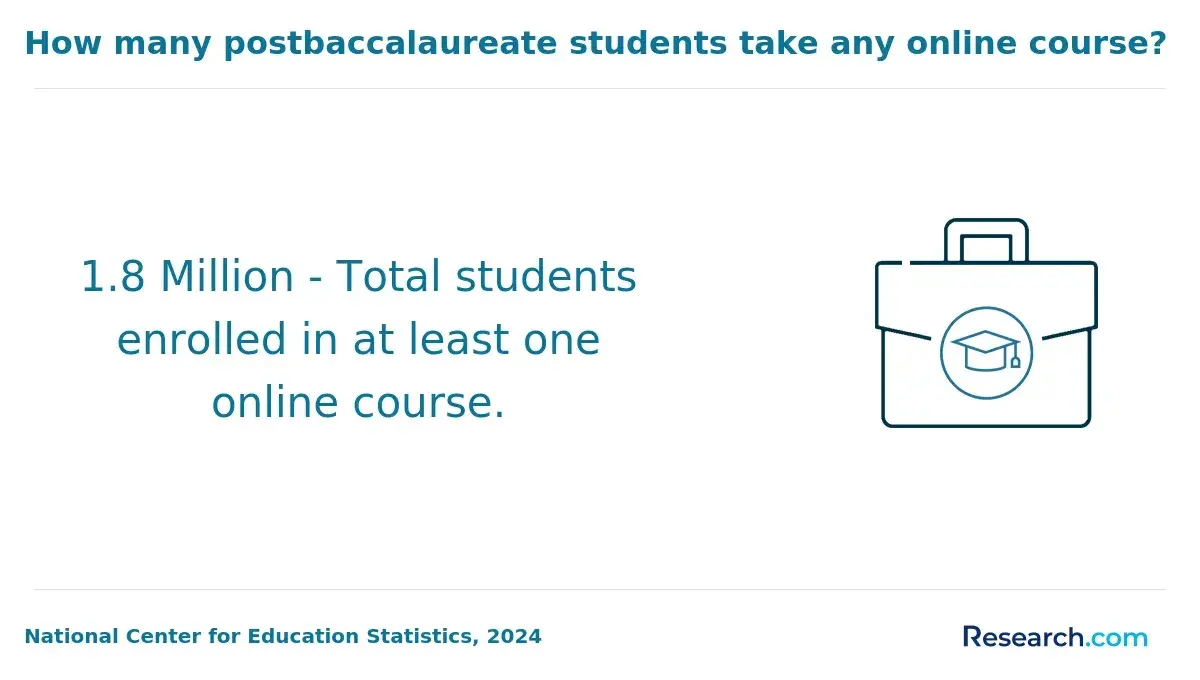
These accelerated programs appeal to career changers, paraprofessionals, substitute teachers, and licensed educators who want to move faster into certification, endorsement, or advanced roles. Reported enrollment trends also show growing interest: recent data shows a 15% increase in online enrollments for graduate teaching degrees, suggesting that online preparation is becoming more accepted among education professionals.
This guide explains what “one-year online teaching degree” usually means, where these programs exist, what they cost, how licensure works, and how to judge whether an accelerated format fits your goals, state requirements, and schedule.
Key Points About One-Year Online Teaching Degree Programs
- One-year online teaching degrees offer accelerated credentialing but often focus on specific certifications rather than comprehensive pedagogy found in traditional four-year programs.
- Students should verify state licensure acceptance, as expedited programs may not meet all teaching certification requirements nationwide.
- Enrollment trends indicate growing demand among working professionals seeking flexible schedules and immediate entry into teaching fields like early childhood and special education.
Is It Feasible to Finish a Teaching Degree in One Year?
For most first-time college students, finishing a teaching degree in one year is not feasible. Initial teacher licensure in the U.S. usually requires a bachelor's degree, approved educator preparation coursework, supervised field experience or student teaching, state exams, background checks, and formal state approval. Even accelerated online bachelor's programs generally cannot compress all of that into 12 months.
A one-year timeline is more realistic for students who already meet major prerequisites. For example, a person who already holds a bachelor's degree may qualify for a post-baccalaureate certification pathway, a Master of Arts in Teaching, or a state-approved alternative certification program. Even then, completion depends on the program calendar, placement availability, state testing timelines, and whether student teaching can be completed on schedule.
Licensed teachers may also find one-year online master's or endorsement programs, especially when the program is designed for advancement rather than initial licensure. These programs often focus on curriculum, instruction, leadership, special education, or English language learning instead of the full sequence required to become a teacher for the first time.
Who has the best chance of finishing in one year?
- Already-certified teachers: They may complete an accelerated master's, endorsement, or specialization without repeating initial licensure requirements.
- Bachelor's degree holders: They may qualify for graduate-level teacher preparation or post-baccalaureate certification, depending on the state and subject area.
- Students with substantial transfer credits: They may shorten an undergraduate pathway, though a true one-year bachelor's degree in teaching remains uncommon.
- Highly available full-time students: Accelerated programs often require intensive coursework, field hours, and strict deadlines.
The safest assumption is this: a one-year online teaching program may be possible for advanced, credential, or graduate study, but it is rarely a complete one-year route from no degree to full teacher licensure.
Are There Available One-year Online Teaching Degree Programs?
Yes, but they are limited, and most are not bachelor's degrees for first-time college students. One-year online teaching degree programs are most commonly found at the graduate or credential level. Bachelor's programs advertised as accelerated or fast-track often take 18-24 months and still require fieldwork, student teaching, or other in-person components.
Students comparing options should separate three types of programs: online bachelor's degrees in education, post-baccalaureate teacher certification programs, and online master's degrees for current or aspiring educators. Each has a different purpose, timeline, and licensure outcome. If you are still exploring whether education is the right field, reviewing the most popular college majors can help you compare teaching with other academic and career paths.
Examples of accelerated online teaching-related programs
- San Diego State University (SDSU) Online Master of Arts in Teaching (MAT): This fully online program is designed to be completed in one year with 30 units across 10 courses. It offers elementary and secondary education tracks and emphasizes social justice and innovative teaching practices. Applicants with recent credential coursework may qualify for a reduced course load of 24 units.
- Liberty University Master's in Education (M.Ed.): Liberty offers accelerated online tracks that can be completed in as little as 18 months. Specializations include curriculum and instruction, educational leadership, and add-on licensure areas such as administration and gifted education. This type of program is generally best suited to working educators seeking advancement or an additional credential area.
- Western Governors University (WGU) Teaching Degrees: WGU uses a competency-based model that may allow motivated learners to move quickly. Most bachelor's degrees take about three years. Its Master of Arts in English Language Learning (PreK-12) is completed by 62% of students in about 17 months and includes required in-classroom teaching experience.
Before applying, confirm whether the program leads to initial licensure, an added endorsement, a master's degree only, or professional development. A degree that is legitimate and accredited may still fail to meet your state's teacher certification requirements if it is not approved for your intended grade level, subject, or licensure route.
Why Consider Taking Up One-year Online Teaching Programs?
A one-year online teaching program can make sense when speed, flexibility, and credential alignment matter. The best candidates are not simply looking for the fastest program; they need a program that fits their state licensure rules, career stage, and ability to handle an intensive academic schedule.
- Faster movement into a teaching or advancement pathway: Career changers with a bachelor's degree, paraprofessionals, and current educators may be able to complete required coursework more quickly than in a traditional multi-year format.
- Flexibility for working adults: Online courses can reduce commuting and relocation barriers. Many programs use asynchronous lessons, evening sessions, or short academic terms, though fieldwork and student teaching may still require daytime availability.
- Focused preparation: Accelerated formats often concentrate on essential teaching skills such as lesson design, assessment, classroom management, inclusive instruction, and subject-specific pedagogy.
- Potential cost efficiency: A shorter program can reduce the number of terms paid for tuition and fees. However, students should still calculate books, technology, testing, background checks, travel to placement sites, and lost work hours.
- Career specialization: Licensed educators may use a one-year program to pursue areas such as curriculum and instruction, educational leadership, special education, or English language learning.
These programs are best for self-directed students who can manage compressed deadlines and frequent assignments. They are less ideal for students who need a slower transition into college-level work, extensive in-person support, or maximum scheduling flexibility during student teaching.
Affordability should be part of the decision, but not the only factor. A low-cost program that does not meet state licensure standards can delay employment and create additional expenses. Students comparing accelerated graduate options may also want to review easy masters degrees that pay well to understand how different master's programs compare in workload and career value.
What Are the Drawbacks of Pursuing One-year Online Teaching Programs?
The main drawback of a one-year online teaching program is intensity. Compressing teacher preparation into a short timeline can create pressure academically, financially, and personally. A faster program is only beneficial if you can complete the coursework, field requirements, and licensure steps without sacrificing readiness for the classroom.
- Heavy coursework: Accelerated programs often require multiple courses at once, frequent assignments, and limited recovery time between terms. Students who fall behind may have few opportunities to catch up.
- Limited program availability: Not all institutions offer one-year online teaching degrees, and even fewer offer them in every endorsement, grade band, or licensure area.
- In-person requirements: Even when coursework is online, field observations, clinical practice, internships, or student teaching may need to be completed in approved schools.
- Licensure complexity: State requirements vary. A program that works in one state may not automatically qualify you for certification in another.
- Reduced networking: Online students may have fewer informal opportunities to connect with faculty, classmates, school partners, and local hiring contacts unless the program intentionally builds those connections.
- Scheduling conflicts: Student teaching and field placements can conflict with full-time employment, especially when placements follow K-12 school hours.
How to reduce the risk
- Ask the program for written confirmation of licensure alignment in your state.
- Request a sample course plan before enrolling so you can see the weekly workload.
- Confirm when and where clinical placements occur.
- Speak with admissions, academic advising, and licensure staff—not just enrollment representatives.
- Build a financial plan for any term when student teaching may limit paid work.
A one-year format can be worthwhile, but it is not the place to improvise. The more you verify before enrolling, the less likely you are to face delays at the certification stage.
What Are the Eligibility Requirements for One-year Online Teaching Programs?
Eligibility depends on whether the program is designed for initial teacher licensure, an added endorsement, or a graduate degree for already-certified educators. Most true one-year online teaching programs are graduate-level options, such as a Master of Arts in Teaching (MAT) or Master of Education (M.Ed.), and they usually require applicants to have a bachelor's degree before admission.
Requirements also vary by state, subject, and grade level. For example, a secondary education pathway may require specific undergraduate coursework in the subject you plan to teach, while an elementary education pathway may focus more broadly on pedagogy, literacy, mathematics methods, and supervised classroom experience.
- Bachelor's Degree: Most one-year graduate teaching programs require an accredited bachelor's degree. The major may or may not need to match the intended teaching field, depending on the program and state.
- Prerequisite Coursework: Some programs require previous courses in education, child development, educational psychology, content areas, or documented K-12 classroom observations.
- Transfer Credits: At the undergraduate level, transfer credits may shorten completion time. For initial teacher preparation, however, required professional coursework and clinical experiences can limit how much time is saved.
- Classroom Experience: Programs may prefer or require volunteer, paraprofessional, substitute teaching, tutoring, or other school-based experience. Some ask for proof of completed observation or field hours.
- Academic Performance: Many programs require a minimum GPA, typically between 2.5 and 3.0. Some may also request standardized exam scores such as the GRE.
- Background Checks: Criminal background checks are commonly required for school placements and state licensure.
- Interviews and References: Applicants may need to submit a resume, professional references, personal statement, and complete an interview focused on communication skills, professionalism, and readiness for teaching.
- Licensure Testing: Some programs require applicants to pass basic skills, subject-area, or state-specific exams before admission, before student teaching, or before recommendation for certification.
Do not rely only on general admission pages. Review the licensure disclosure, state authorization information, clinical placement policies, and graduation requirements for your exact program. If cost is a major factor, resources on the cheapest masters online can help you compare affordability while still checking accreditation and licensure fit.
What Should I Look for in One-year Online Teaching Degree Programs?
Choose a one-year online teaching program by working backward from your goal: state licensure, career advancement, salary lane movement, endorsement, or graduate study. The right program is not simply the shortest or cheapest option. It must be recognized by the appropriate agencies, structured for your schedule, and connected to the credential you actually need.
- Accreditation: Verify institutional accreditation and program-level recognition where applicable. Programs may reference organizations such as the Council for the Accreditation of Educator Preparation (CAEP) or the Association for Advancing Quality in Educator Preparation. Accreditation helps signal quality, but you should still confirm state licensure approval.
- State licensure alignment: Ask whether the program meets teacher certification requirements in the state where you plan to work. If you may move, ask about reciprocity and whether additional testing or coursework may be required.
- Clinical placement support: Online does not usually mean fully remote. Confirm who arranges field placements, how far you may need to travel, and whether your current school or workplace can be used.
- Curriculum quality: Look for a strong balance of teaching theory and practical classroom skills, including assessment, lesson planning, classroom management, literacy, inclusive practices, and subject methods.
- Faculty expertise: Faculty should have relevant K-12, licensure, research, or administrative experience. Access to instructors matters more in an accelerated program because feedback cycles are shorter.
- Course delivery format: Check whether courses are asynchronous, synchronous, or blended. Live sessions can improve interaction, but they may be difficult for students with fixed work schedules.
- Credit transfer policies: If you have prior graduate credits, undergraduate education coursework, or credential courses, ask what can be transferred and whether transfer credit affects financial aid or pace.
- Tuition and total cost: Compare tuition, fees, books, technology, testing, background checks, and travel for fieldwork. Students seeking lower-cost options can also review affordable college degrees.
- Student support services: Advising, licensure counseling, tutoring, library access, technical support, and career services are especially important in a short program with little room for delays.
Questions to ask before applying
- Does this program lead to initial licensure, an endorsement, or a degree only?
- Is the program approved for my state, grade level, and subject area?
- How many hours per week should I expect to study?
- When do field experiences or student teaching begin?
- Can I keep working while completing clinical requirements?
- What percentage of students finish on the advertised timeline?
How Much Do One-year Online Teaching Degree Programs Typically Cost?
One-year online teaching degree or credential programs in the U.S. typically range from about $10,000 to $15,000 in tuition. Costs vary widely by institution, residency status, program level, and whether the program charges by credit or by term.
For example, California State University, East Bay charges around $12,137.50 for its one-year Single Subject Teaching Credential. Western Governors University offers a more affordable option, with costs as low as $7,650 if the program is completed within one year.
Tuition is only part of the total cost. Students should also budget for textbooks or digital materials, technology fees, background checks, fingerprinting, exam fees, licensure application fees, travel to field placements, and possible income reduction during student teaching. These costs can be especially important in accelerated programs because expenses may be concentrated into a short period.
Compared with traditional four-year online bachelor's degrees in teaching, which often exceed $38,000 in total tuition, one-year programs can offer a more cost-effective route for students who already qualify for graduate, credential, or accelerated completion pathways. However, the lowest-cost option is not always the best value if it does not meet licensure requirements or provide adequate placement support.
What Can I Expect From One-year Online Teaching Degree Programs?
Expect a fast, structured, and demanding academic experience. A one-year online teaching program usually compresses reading, assignments, discussions, assessments, fieldwork, and licensure preparation into a short calendar. Students need strong time management and consistent weekly availability.
Common coursework may include pedagogy, adolescent psychology, inclusive practices, educational assessment, classroom management, literacy instruction, lesson planning, and subject-specific teaching methods. Programs that prepare students for licensure typically include supervised field experiences, classroom observations, student teaching, internships, or other school-based practice.
Online delivery often combines asynchronous coursework with synchronous meetings. Asynchronous courses allow students to watch lectures, complete readings, and submit assignments on a flexible schedule. Synchronous sessions provide live discussion, group work, presentations, coaching, and real-time feedback.
Typical expectations in an accelerated program
- Multiple courses per term: Students may take several classes at once or move through short sessions with frequent deadlines.
- Applied assignments: Lesson plans, teaching demonstrations, student assessment projects, and reflective journals are common.
- School-based practice: Field placements or internships may need to be completed locally in approved schools.
- Licensure preparation: Programs may build in preparation for state exams, portfolio requirements, or performance assessments.
- Regular online engagement: Discussion boards, video meetings, peer feedback, and faculty conferences may be required.
Because genuine one-year teaching programs are limited, students should be cautious with any school that promises a quick path without explaining fieldwork, testing, accreditation, and certification requirements. To compare reputable institutions offering online education options, students can review the top accredited universities in the US.
Are There Financial Aid Options for One-year Online Teaching Degree Programs?
Yes. Financial aid may be available for one-year online teaching programs when the school is accredited and the program is eligible for federal, state, institutional, or private aid. Students should complete the FAFSA and confirm aid eligibility with the school's financial aid office before enrolling.
Availability depends on the type of program. Degree-granting programs are more likely to qualify for federal aid than non-degree or standalone certificate programs, though rules vary. Graduate students, undergraduate students, and post-baccalaureate credential students may also face different aid limits and grant eligibility.
- Federal Aid: Eligible students may qualify for federal aid such as Pell Grants, Federal Direct Unsubsidized Loans, and the TEACH Grant. The TEACH Grant offers up to $4,000 annually to students who commit to teaching in high-need areas or low-income schools. Eligibility depends on factors such as program type, enrollment status, citizenship status, and federal aid rules.
- State Aid: Some states provide grants or tuition assistance for residents in eligible programs. New York, for example, offers the Tuition Assistance Program (TAP) for residents attending eligible degree programs online or on-campus. Requirements typically include state residency and income thresholds.
- Institutional Scholarships: Colleges may offer scholarships for education students, graduate students, career changers, or candidates in high-need teaching fields.
- Private Scholarships: Professional associations, community organizations, and education foundations may fund students preparing for teaching careers.
- Employer or District Assistance: Some school districts offer tuition reimbursement or support for paraprofessionals, substitute teachers, or employees who commit to teaching locally after graduation.
Before accepting aid, review renewal rules, service obligations, and repayment consequences. This is especially important for teaching grants or employer-funded programs that require service in specific schools, subjects, or geographic areas.
What Teaching Graduates Say About Their Online Degree
-
: "Completing the one-year online Teaching degree completely transformed my career trajectory. The accelerated pace challenged me but also allowed me to enter the workforce faster, saving both time and money compared to traditional programs. With an average cost of attendance far lower than many on-campus options, I felt supported every step of the way.
— Pierce"
-
: "The competency-based structure of the Teaching program meant I could focus on mastering each skill before moving forward, which truly enhanced my learning outcomes. Balancing work and study was manageable, and finishing the degree in a year was a rewarding and efficient experience that felt tailored to my needs.
— Aryan"
-
: "Reflecting on my experience, the online Teaching degree offered me great flexibility without sacrificing depth. The curriculum was thoughtfully designed to cover essential teaching principles quickly but thoroughly, and completing it in one year allowed me to make an immediate impact in my classroom. The affordability was another big plus, making higher education more accessible.
— Jonathan"
Other Things You Should Know About Pursuing One-Year Teaching Degrees
To enroll in a one-year online Teaching degree program in 2027, applicants typically need a bachelor's degree, a minimum GPA of 3.0, and passing scores on basic skills exams. Some programs may require prior teaching experience or specific prerequisite courses as well.
Most one-year online Teaching degree programs require full-time enrollment to complete within the year due to their accelerated nature. Part-time options might extend the completion time beyond one year. Check specific institutions for part-time policies in 2027.
References
- Types of Financial Aid for Online Colleges https://www.umassglobal.edu/blog-news/types-financial-aid-online-colleges
- 11 Reasons Students Enjoy Online Learning https://online.umn.edu/story/11-reasons-students-enjoy-online-learning
- Most Affordable Online Master’s in Education for 2025 https://www.onlinemastersdegrees.org/most-affordable/education-programs/
- Best 1-Year Online Master’s Programmes You Can Study in 2025 | Mastersportal https://www.mastersportal.com/articles/2905/best-1-year-online-masters.html
- Guide to Online Education Degrees | OEDb.org https://www.oedb.org/rankings/online-education-programs/
- 15 Benefits of Online Learning: Learn at Your Own Pace https://potomac.edu/benefits-of-online-education/