2027 Online vs On-Campus Teaching Degree Programs: Pros & Cons

Co-Founder and Chief Data Scientist
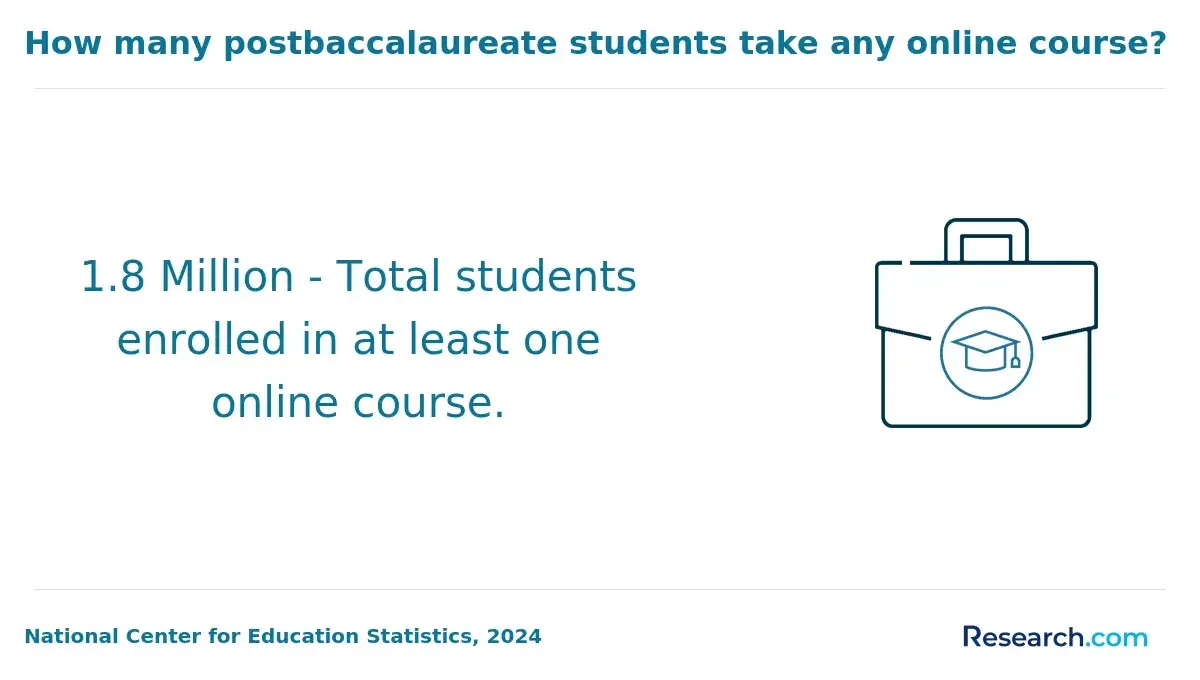
The popularity of online teaching degrees has surged, with recent data showing that over 30% of all U.S. higher education students are enrolled in at least one online course. This growth reflects a significant shift in how prospective educators approach their studies. Understanding the advantages and disadvantages of online versus on-campus teaching degree programs is essential for making an informed decision.
This article examines key factors such as flexibility, cost, learning experience, and career outcomes to provide a comprehensive comparison. The goal is to assist future teachers in choosing the path that best aligns with their goals and lifestyle.
Key Benefits of Online vs On-Campus Teaching Degrees
- Online teaching degree programs offer flexible schedules that cater to working adults, with over 60% of students reporting the ability to balance work and study effectively.
- Students in online teaching programs typically save an average of 40% on commuting and housing costs compared to on-campus counterparts.
- On-campus teaching degree programs provide valuable face-to-face interactions and hands-on experience, which 75% of educators believe enhances classroom management skills.
Are online vs. on-campus teaching programs structured the same way?
Online and on-campus Teaching degree programs differ significantly in their structure to meet the varying needs of students. While on-campus programs emphasize fixed schedules and direct engagement, online formats focus on flexibility and accessibility.
The following points compare key structural elements between online and on-campus teaching programs to help you understand how these differences shape the student experience.
- Course Delivery: Online Teaching programs use virtual classrooms featuring live sessions and self-paced modules, allowing students to review recorded content at their convenience. On-campus programs require physical attendance with all instruction delivered face-to-face, promoting direct interaction.
- Class Schedules: Online formats offer flexible scheduling, enabling students to access materials 24/7 and complete work within deadlines at their own pace. In contrast, on-campus programs follow a strict timetable, necessitating presence at set class times, which can be challenging for those balancing other responsibilities.
- Interaction and Collaboration: On-campus students benefit from spontaneous face-to-face discussions and networking opportunities through in-person interactions. Online students primarily engage through digital tools like discussion boards and video calls, which may limit immediacy but suit self-directed learners comfortable with technology.
- Access to Resources: Online students enjoy continuous access to digital libraries, recorded lectures, and online support, allowing study around their schedules. On-campus learners utilize physical resources such as libraries and labs, which can support hands-on learning preferences more effectively.
- Practical Experience: Both formats include hands-on teaching placements, but online programs often arrange hybrid or local placements to accommodate remote students. On-campus students are typically placed in nearby schools under direct faculty supervision for practical training.
Are admission requirements the same for online vs on-campus teaching degree programs?
Colleges and universities maintain consistent academic standards for both online and on-campus teaching degree programs, ensuring that graduates meet equivalent qualifications regardless of delivery format. However, institutions often differ in how they assess an applicant's readiness for the unique challenges posed by online learning.
Here is a comparison of key admission requirements highlighting the differences in admission requirements for online and on-campus teaching degrees and how each format evaluates candidates.
- Academic Qualifications: Both online and on-campus teaching programs typically require a minimum GPA and completion of prerequisite coursework in foundational education. Accredited online programs adhere to the same academic standards as their campus counterparts, so there is little variation in this criterion.
- Work Experience: While most programs do not mandate prior teaching experience, some online programs, which often target working professionals, may value or require classroom exposure or substitute teaching. On-campus programs tend to be more flexible, serving both traditional and non-traditional students, and thus emphasize work experience less.
- Application Materials: Regardless of format, applicants must submit transcripts, letters of recommendation, and a personal statement. Online programs may additionally request a technology self-assessment or evidence of time management skills, reflecting the demands of remote study.
- Technology Requirements: Crucial for online learning, applicants must demonstrate access to reliable internet and basic computer proficiency. On-campus applicants generally face fewer technological barriers, as in-person instruction does not rely heavily on digital platforms.
- Interview or Assessment: Some online programs conduct virtual interviews or assessments focusing on self-motivation and communication skills to gauge readiness for independent study. On-campus interviews, if required, usually center on traditional academic qualifiers.
For prospective students comparing online vs on-campus teaching degree admission criteria, it's important to note that online programs often require extra steps to prove digital literacy and self-management capabilities. For those aiming for a swift and flexible educational path, 1 year online masters programs represent a cost-effective alternative that accommodates work and family commitments without compromising core academic standards.
Do online teaching students receive the same academic support as on-campus students?
Universities have significantly expanded their academic support systems to ensure that online teaching students receive resources and assistance comparable to their on-campus peers. This development aims to provide equitable access to services that enhance student success across different learning environments.
Below is a comparison of the main academic support services typically offered to both online and on-campus teaching students.
- Tutoring Services: Online students have access to 24/7 virtual tutoring through video, chat, or email, offering flexibility for those balancing work or family. On-campus students benefit from face-to-face tutoring centers. Research shows online tutoring can be equally or more effective than in-person options.
- Academic Advising and Coaching: Both student groups receive personalized guidance, but online advising often uses learning management systems for progress tracking and virtual meetings. Advisors ensure continuous support through email or phone, helping online students stay connected.
- Library Access: All students enjoy comprehensive digital library resources, including databases, e-books, and virtual librarian consultations. On-campus students also have access to physical library spaces, enhancing research opportunities.
- Faculty Interaction: Online students engage with faculty via discussion boards, video calls, and timely digital feedback, while on-campus students benefit from direct in-person interaction. Strong faculty engagement online is linked to higher student satisfaction.
- Career Counseling: Virtual workshops, resume reviews, and job placement services support online students, mirroring on-campus in-person career events. This ensures both groups receive comparable professional development assistance.
- Student Engagement and Community Building: On-campus students access clubs and networking events immediately, whereas online students participate in virtual study groups and forums designed to create community despite physical distance.
The time required to complete a teaching degree varies depending on the delivery format, student pace, and the scheduling flexibility offered by the program. These factors can substantially influence how long it takes to graduate, especially when comparing online and on-campus options.
Here are some key differences in completion time based on program format:
- Online teaching degree Most online teaching bachelor's programs are structured for completion in about four years of full-time study, mirroring traditional timelines but with added flexibility. Accelerated courses, summer sessions, and the option to take heavier course loads can help motivated students finish in as few as 2 to 3 years, especially those with transfer credits or prior college experience.
- On-campus teaching degree Traditional on-campus degrees typically require four years of full-time attendance with a more rigid semester schedule and fewer options for acceleration. The fixed academic calendar and in-person commitments can limit the ability to complete coursework faster, particularly for students balancing external responsibilities.
While both formats require a similar total amount of learning to meet accreditation requirements, online programs tend to offer more opportunities to expedite degree completion, appealing especially to nontraditional students and those managing work or family. Employers generally regard accredited online degrees as equivalent to on-campus degrees in terms of quality and job prospects, provided the program holds recognized approvals.
Reflecting on this, a professional who pursued an online teaching degree shared his experience with me. He described the journey as demanding but rewarding, highlighting that the program's flexible scheduling was crucial in balancing his full-time job and family life. "The ability to take summer courses and heavier course loads meant I could accelerate my progress when needed," he explained, noting that his prior credits shortened the degree timeline considerably.
Despite some challenges in staying disciplined without a traditional classroom environment, he found the structure supportive and felt motivated knowing he could pace his studies to fit his personal circumstances. Overall, it took him about three years to complete the online program, and he appreciated that the flexibility allowed him to graduate sooner than expected without compromising quality.
Online teaching programs often present different cost structures compared to traditional on-campus degrees, affecting tuition, fees, and associated expenses such as housing and commuting. Understanding how these costs compare is essential when evaluating the value of pursuing an online teaching degree versus an on-campus one.
Several key factors influence the total price, and breaking down these costs clarifies where savings can occur and where expenses might be comparable or even higher. The following bullet points provide a detailed comparison of main cost elements impacting the average cost of online teaching degree vs on-campus programs in 2025.
- Tuition and Fees: Online teaching degree tuition comparison 2025 shows that online programs average around $12,216 per year, which is approximately $6,765 less annually than the $18,981 average for on-campus study. However, nearly 40% of institutions report that online tuition is as expensive or more costly than in-person programs due to technology, instructional design, and regulatory compliance costs, especially at public universities.
- Living Expenses: Students enrolled online typically save money by avoiding on-campus housing and meal plans, which conventionally add about $744 more per year to living costs for campus-based students. Additionally, online learners can minimize or eliminate commuting, parking, and relocation expenses, leading to meaningful overall savings.
- Technology Costs: While on-campus students may not require specialized equipment, online students often need reliable computers, high-speed internet, and sometimes specific software or proctoring tools, which can offset some savings gained from living and travel expenses. These technology-related costs are an important consideration in the overall budget for an online teaching program.
- Financial Aid Availability: Both online and in-person teaching students usually qualify for federal financial aid, scholarships, and grants if the institution is accredited. However, some scholarships and campus-specific grants may be unavailable to online learners, which could affect affordability despite reduced tuition and living costs.
- Academic Support and Employer Perception: While academic support services are generally available to both online and on-campus students, some learners find in-person advising and networking easier on campus. Employer acceptance of online teaching degrees is growing, particularly from accredited schools, which improves the degree's value for job seekers.
For those evaluating options, reviewing the total cost differences alongside benefits like flexibility and program quality is crucial. Prospective students may also want to explore the top college degrees for older adults online to find programs that best fit their circumstances and goals.
Both online and on-campus students pursuing teaching degrees may qualify for financial aid, but eligibility and accessibility can differ based on the program's format and the institution's policies. Understanding these differences is crucial for prospective students looking to fund their education effectively.
One important factor to consider is the FAFSA eligibility for on-campus teaching degrees, which also applies to many online programs but with specific enrollment requirements.
- Federal Aid: Both online and on-campus Teaching students at accredited institutions are generally eligible for federal financial aid, such as Pell Grants and Direct Subsidized and Unsubsidized Loans, by completing the FAFSA. However, qualifying for most federal loans requires enrollment of at least half-time (typically six credits), which can be a challenge for many part-time online learners.
- State Aid: State grants and scholarships are commonly available to students attending institutions within the state. On-campus students usually have broader access, while online students might face restrictions if they are enrolled out-of-state, limiting eligibility for some state-funded programs.
- Scholarships and Grants: Institutional scholarships often favor full-time, on-campus students, with online students receiving a smaller share despite high financial need. Many scholarships still emphasize in-person attendance, impacting the amount awarded to online learners.
- Employer Tuition Reimbursement: Employment-based tuition assistance is a flexible option available to both online and on-campus students. Online Teaching programs are especially appealing for working professionals due to their flexible schedules, and employer recognition of the value of online degrees is growing.
- Private Student Loans: Students pursuing Teaching degrees in either format may access private loans if federal or state aid does not cover all expenses. Private lenders require accredited programs, and loan amounts for online students may be lower due to reduced tuition and living costs.
Because online Teaching programs tend to cost significantly less-often saving students on average $6,765 per year-prospective students should carefully evaluate financial aid options at each institution. Those interested in accelerating their education might also explore options like an accelerated associate's degree online to optimize both time and financial investment.
Accreditation, faculty qualifications, and curriculum standards are fundamental to establishing the credibility of both online and on-campus teaching programs. National accrediting bodies such as the Council for the Accreditation of Educator Preparation (CAEP) and the Association for Advancing Quality in Educator Preparation (AAQEP) hold online and traditional programs to the same rigorous standards.
This ensures that online programs require faculty with appropriate credentials and teaching licenses, just like their on-campus counterparts. Curriculum frameworks for online teaching often follow the National Standards for Quality Online Teaching, guaranteeing that learning goals and assessments are comparable to those in in-person programs. These consistent benchmarks maintain program quality regardless of format.
Employer and academic acceptance of online teaching degrees has improved substantially in recent years. Surveys indicate that nearly 61% of employers now regard online degrees as equal or superior to traditional ones when the program is accredited. State licensing boards and graduate schools generally accept accredited online credentials for certification and advanced study, although some states may still require an in-person practicum.
Advances in virtual learning tools, including live teaching simulations and sophisticated learning management systems, allow online students to gain meaningful clinical experience. Collaborations with local school districts further enhance these opportunities, contributing to growing employer confidence and shifting perceptions that increasingly favor the credibility of online teaching programs.
Employer attitudes toward online versus on-campus teaching degrees have evolved significantly, with increasing acceptance of online credentials in recent years. While traditional on-campus degrees were once favored due to perceived rigor and credibility, current research shows 83% of HR professionals now view accredited online degrees as comparable to those earned on campus.
However, factors such as university reputation and program accreditation play a pivotal role in hiring decisions. Employers overwhelmingly prefer candidates with degrees from recognized, established institutions, regardless of delivery format.
Demonstrated skills and relevant classroom or practicum experience also weigh heavily in employer evaluations, often outweighing whether the degree was earned online or in person. Studies reveal that 61% of HR leaders consider the quality of online learning equal or superior to traditional methods, signaling a shift in perception as more universities offer robust online teaching programs.
The normalization of remote and hybrid work in education has further reshaped employer perspectives on online teaching degrees. School districts and private schools increasingly recognize that candidates who have completed rigorous online programs bring valuable adaptability, technical proficiency, and practical competencies into their roles.
According to research, 96% of graduates from online teaching programs report positive returns on investment through improved employment outcomes. Employers focus less on the mode of study and more on whether candidates exhibit strong teaching skills, have relevant practicum experience, and hold degrees from accredited schools with solid reputations. This nuanced view underscores that the evolving workplace landscape has made online credentials a viable and respected pathway to teaching careers, provided the academic standards are met.
When I spoke with a professional who pursued an online teaching degree, she reflected on her journey navigating the job market post-graduation. She noted, "At first, I worried employers might see my online degree as less reputable, but what really mattered was showcasing my classroom experiences and the skills I developed during my practicum."
Her hiring managers valued the evidence of her teaching competencies and her familiarity with digital tools, which she credited in part to her online coursework. "I believe my online degree actually prepared me well for today's blended learning environments," she said. This firsthand insight highlights that while delivery format might spark initial curiosity, employer preferences ultimately center on competency, accreditation, and how well candidates meet the demands of modern classrooms.
Salary comparisons between online and on-campus teaching program graduates are increasingly shaped by factors beyond the format of learning itself, such as institutional accreditation, specialization, and regional demand. As the acceptance of online degrees grows, employers tend to focus more on credentials and experience than on whether the degree was earned online or in person.
Factors driving salary differences include:
- Accreditation and Program Reputation: Employers generally accept online teaching degrees if they come from accredited programs with reputable institutions. Graduates from lesser-known or non-accredited online programs may face lower starting salaries due to employer caution.
- Degree Level and Specialization: Obtaining a master's degree, either online or on-campus, typically boosts earnings by over $15,000 annually, with average salaries around $69,000. Teachers specializing in high-demand subjects like STEM tend to have higher salary potential regardless of degree format.
- Experience and Practical Training: Salary growth depends heavily on hands-on classroom experience and professional development. Most accredited online teaching programs incorporate in-person student teaching, ensuring practical skills comparable to on-campus graduates.
- Employer Perception and District Policies: Although most school districts now value accredited online degrees equally, some private institutions may still favor traditional degrees, though this preference is declining.
- Cost and Financial Flexibility: Online degrees typically cost less-around $12,216 per year versus $18,981 for on-campus programs-potentially reducing student debt and increasing financial freedom. For prospective students, exploring accredited online colleges free to apply for can be a good starting point.
- Regional Demand and School Type: Local labor market conditions and whether schools are public or private often have more influence on salaries than the degree delivery mode.
Overall, the average salary for online teaching degree graduates in the US closely mirrors that of on-campus graduates when comparing similar degrees with reputable accreditation. This supports a balanced salary comparison between online and on-campus teaching degrees driven largely by experience, specialization, and market demand.
Choosing between online and on-campus teaching programs depends largely on your personal learning preferences, lifestyle, and long-term professional goals. Both formats offer quality education, but understanding the differences can help you decide which environment suits you best.
Consider these key factors before choosing the teaching degree program format that aligns with your needs:
- Learning style: If you thrive in a structured environment with direct interaction, on-campus teaching degree programs may be a better fit. Conversely, online programs are ideal for self-motivated learners who prefer studying at their own pace and managing their own schedules from home.
- Flexibility needs: Online programs provide substantial flexibility, making them perfect for students balancing work, family, or other commitments. This flexibility allows you to complete coursework during times that best suit your responsibilities.
- Budget and cost: Generally, online teaching degrees can be more affordable due to savings on commuting, campus fees, and housing. Students often spend less on incidental costs, though tuition varies by institution.
- Networking opportunities: On-campus study offers more in-person access to peers, faculty, and events, fostering a stronger sense of community. Online students, while relying mainly on virtual tools and discussion boards, can still build effective connections, though it may feel less personal.
- Access to campus resources: Being on campus gives immediate access to libraries, technology labs, and support services, beneficial for those who prefer direct academic assistance. Online programs provide virtual alternatives, which might not always be as promptly available or comprehensive.
For those considering alternative or supplemental options, exploring certificate programs online that pay well can also be a valuable pathway in advancing your education and career prospects.
Here's What Graduates of Online vs On-Campus Teaching Programs Have to Say About Their Degree
- Pablo: "Completing my teaching degree online gave me the flexibility to balance work, family, and studies without sacrificing quality. The curriculum was rigorous, and the virtual classrooms felt just as engaging as in-person ones. Starting my career with an online degree has opened doors to remote teaching opportunities and ongoing professional development that fit my lifestyle perfectly. I'm proud to contribute to student success while managing my own personal commitments effectively. "
- Kyra: "Attending an on-campus teaching program truly shaped my growth both academically and personally. Being on campus allowed me to build lasting relationships with professors and peers, which gave me a strong support system. This environment helped me develop strong classroom management skills through hands-on experiences and real-time feedback. Today, my in-person degree sets me apart as I lead innovative programs in my school community. "
- Landyn: "The hybrid teaching degree was the perfect balance of in-person interaction and online flexibility, providing me with diverse learning experiences. I appreciated being able to engage with my cohort face-to-face while managing online coursework that fit my schedule. This approach prepared me well to adapt to various teaching environments and reinforced my passion for lifelong learning. My degree helped me advance quickly within my district, championing technology integration to support student achievement."
Other Things You Should Know About Online & On-Campus Teaching Degree Programs
Yes. Most accredited education programs require an in-person student-teaching placement, usually 12 to 16 weeks, even when coursework is online. Schools must arrange placements in approved classrooms, and licensure agencies often require a supervisor’s evaluation before recommending certification.
In 2027, on-campus programs often offer more hands-on experiences, allowing students to actively engage in classroom settings. Online programs, while improving in interactive technology, may still lack direct engagement, making it challenging to replicate real-world classroom dynamics. However, virtual simulations and partnerships with local schools can bridge this gap for online learners.
- 9.4 Choosing between face-to-face and online teaching on campus – Teaching in a Digital Age https://opentextbc.ca/teachinginadigitalage/chapter/10-6-choosing-modes/
- Online Vs In-Person Classes: Is One Better Than The Other? https://unity.edu/articles/online-vs-in-person-classes/
- The Problem With Exclusively Online Degree Programs https://tcf.org/content/commentary/the-problem-with-exclusively-online-degree-programs/
- How Employers View Online Degrees and Distance Learning Programs https://londongatecollege.com/how-employers-view-online-degrees-and-distance-learning-programs/
- Remote and In-Person Learning: Utility Versus Social Experience https://pmc.ncbi.nlm.nih.gov/articles/PMC9769479/
- Online Vs On-Campus Learning: Which Mode Of Study Suits You Better? https://www.unicaf.org/online-university-vs-on-campus/
- The Surprising Cost of Online Education: Why 83% of Online Degrees Aren’t More Affordable https://www.nexford.edu/insights/the-surprising-cost-of-online-education-why-83-of-online-degrees-arent-more-affordable
- Online degree costs vs traditional degrees: which is more affordable? https://collegeonline.io/blogs/online-degree-costs-vs-traditional-degrees
- Online Learning VS. On-Campus Learning https://medium.com/@quratulaien4220/online-learning-vs-on-campus-learning-5bfa02b42568
- Online vs in-person study: which one is right for you? https://www.ube.ac.uk/whats-happening/articles/online-vs-in-person-learning/