2027 How to Become a Recruiting Specialist: Education, Salary, and Job Outlook

Co-Founder and Chief Data Scientist
Becoming a recruiting specialist is a practical career choice if you like working with people, evaluating qualifications, and helping employers make better hiring decisions. Recruiters sit between candidates and hiring managers, so the role requires judgment, speed, discretion, and strong communication—not just the ability to post jobs and review resumes.
This guide explains what it takes to become a recruiting specialist in 2026, including the education and credentials employers commonly look for, the skills that matter most, typical career paths, salary expectations, internship options, advancement strategies, work settings, challenges, and signs that this career fits your strengths.
What are the benefits of becoming a recruiting specialist?
- The job outlook for recruiting specialists is positive, with a projected growth rate of about 7% until 2033, reflecting steady demand across industries.
- The average annual salary for recruiting specialists in the US is approximately $65,000, with variations based on experience and location.
- Pursuing this career offers strong networking opportunities and skill development in talent acquisition, making it a viable option for those interested in HR and business strategy.
What credentials do you need to become a recruiting specialist?
Most recruiting specialist jobs do not require a professional license, but employers usually expect a mix of education, HR knowledge, technology skills, and practical hiring experience. The exact requirements depend on the employer, industry, and seniority of the role.
- Bachelor's degree: Many employers prefer a bachelor's degree in Human Resources, Business Administration, Psychology, Communications, or a related field. Some entry-level roles accept a high school diploma plus relevant work experience, especially in staffing agencies or administrative recruiting support roles. If you are comparing degree options, reviewing college majors and jobs can help you choose a field that supports HR or talent acquisition work.
- Recruiting specialist certifications: Certifications such as Certified Recruiter (CR) or Certified Internet Recruiter (CIR) can strengthen your resume, especially if you are new to recruiting or moving from another field. They are usually optional, but they show employers that you understand sourcing, screening, candidate communication, and recruiting tools.
- Talent acquisition credentials: Some recruiters pursue specialized training in areas such as diversity hiring, HR analytics, employment law, executive search, or technical recruiting. These credentials are most useful when they match the roles you want to fill, such as healthcare, technology, finance, or government positions.
- Work experience: Employers often prefer candidates with at least two years of related recruiting or human resources experience. Experience in sales, customer service, office administration, campus admissions, or account management may also be valuable because those roles build communication, persuasion, organization, and follow-up skills.
State licensing is generally not required for recruiting specialists, but compliance knowledge matters. Recruiters handle sensitive applicant information, interview documentation, pay discussions, and hiring decisions, so they must understand fair hiring practices, privacy expectations, and employer policies.
| Credential | When it helps most | What to watch for |
| Bachelor's degree | Corporate recruiting, HR departments, larger employers, long-term advancement | Choose a major that builds communication, business, data, and people-management skills |
| Recruiting certification | Career changers, early-career recruiters, specialists seeking credibility | Prioritize recognized programs with practical sourcing and interviewing content |
| HR or talent acquisition coursework | Recruiters who want to specialize or move into HR leadership | Look for training tied to current recruiting technology, compliance, and analytics |
| Hands-on experience | All recruiting roles, especially agency and high-volume recruiting | Track measurable results such as requisitions supported, placements, time-to-fill, and candidate pipelines |
What skills do you need to have as a recruiting specialist?
A strong recruiting specialist combines relationship-building with process discipline. The job requires you to understand what a hiring manager needs, attract qualified candidates, evaluate fit fairly, and keep the hiring process moving without losing candidate trust.
- Applicant Tracking Systems (ATS) expertise: Recruiters use ATS platforms to post jobs, manage applicants, update candidate statuses, document interview outcomes, and maintain compliance records. Comfort with ATS workflows is essential in most corporate and agency roles.
- Data analysis and reporting: Recruiters increasingly need to explain hiring performance with metrics such as candidate source quality, time-to-fill, offer acceptance, interview conversion, and pipeline health. Data skills help you spot bottlenecks and defend better recruiting decisions.
- Social media recruiting: Platforms such as LinkedIn help recruiters identify prospects, share employer branding content, and contact passive candidates. The best recruiters use social media strategically rather than relying only on job postings.
- Recruitment technology knowledge: Automation tools, AI screening, scheduling software, assessment platforms, and HR systems can improve efficiency. Recruiters should understand how these tools work, where they can introduce bias, and when human judgment is still necessary.
- Interviewing skills: Structured and behavioral interviews help recruiters compare candidates more fairly. A skilled recruiter asks relevant questions, listens closely, probes for evidence, and avoids inappropriate or noncompliant questions.
- Employment law awareness: Recruiters must understand the basics of equal employment opportunity, reasonable accommodations, candidate privacy, pay transparency requirements where applicable, and documentation standards. This does not make them lawyers, but it helps reduce risk.
- Talent pipeline development: Effective recruiters build relationships before a position becomes urgent. Maintaining warm candidate pools is especially valuable for hard-to-fill, recurring, or specialized roles.
- Clear communication: Candidates and hiring managers need timely updates, realistic expectations, and honest feedback when possible. Poor communication damages the employer brand and can cause strong candidates to withdraw.
- Prioritization and organization: Recruiters often handle multiple openings, deadlines, interviews, and stakeholders at once. Good systems for follow-up and documentation prevent missed opportunities.
The technical side of recruiting is important, but soft skills determine long-term success. Empathy, discretion, resilience, and credibility help recruiters build trust with both candidates and internal decision-makers.
What is the typical career progression for a recruiting specialist?
Recruiting careers usually progress from coordination and screening work to full-cycle recruiting, then to senior specialist, management, or strategic talent acquisition roles. Advancement depends on placement results, stakeholder management, industry knowledge, and the ability to improve hiring processes.
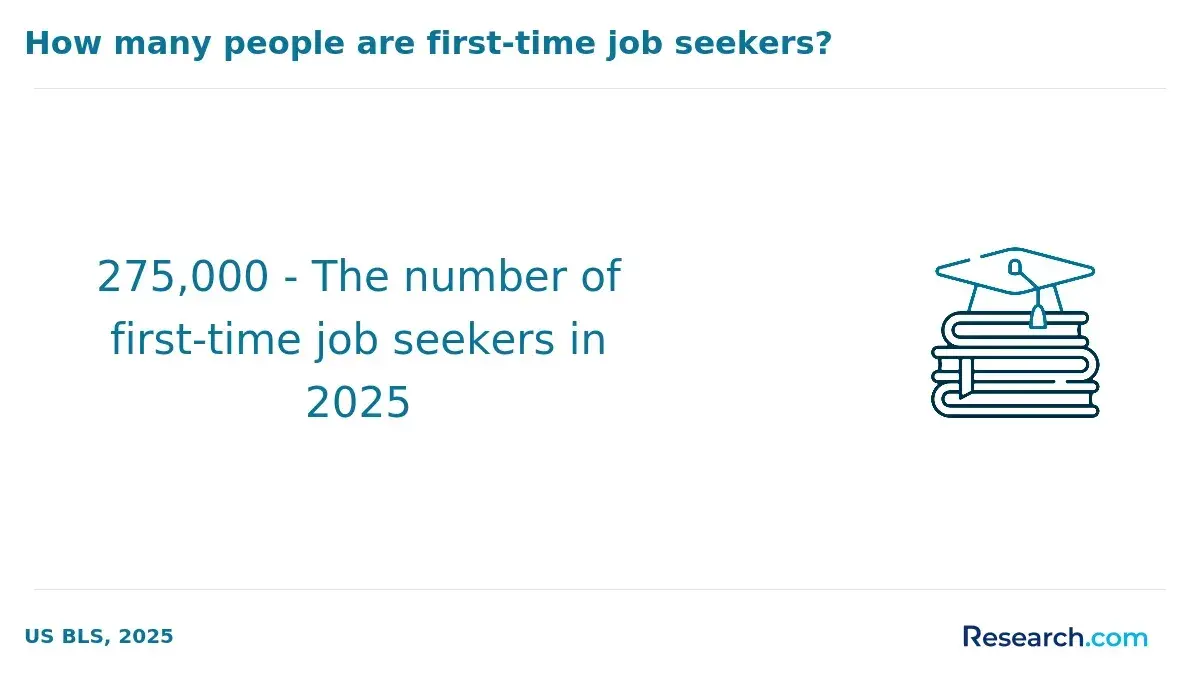
- Entry-level roles: Many professionals begin as talent acquisition coordinators, recruiting assistants, HR assistants, or recruiting associates. These positions focus on scheduling interviews, posting jobs, updating ATS records, conducting initial screens, and supporting recruiters. A bachelor's degree is commonly required, along with 1-2 years of relevant experience.
- Recruiter or corporate recruiter: After building foundational skills, professionals often move into roles where they source candidates, run phone screens, coordinate interviews, advise hiring managers, support offer discussions, and manage requisitions. This stage, lasting 2-4 years, is where recruiters learn how to close candidates and manage competing hiring priorities.
- Senior recruiter or recruitment manager: With 4-7 years of experience, recruiters may advance into senior or management roles. These jobs involve leading complex searches, mentoring junior staff, improving recruiting strategy, and partnering more closely with business leaders. Strong performance data and advanced interpersonal skills matter more at this level.
- Talent acquisition leadership: Experienced professionals may become talent acquisition managers, recruitment directors, or leaders of specialized recruiting teams. These roles focus on workforce planning, hiring strategy, employer branding, vendor management, team performance, and executive reporting.
- Specialized or adjacent paths: Some recruiters specialize in executive search, healthcare recruiting, technical recruiting, campus recruiting, diversity recruiting, or high-volume hiring. Others pivot into HR business partnering, talent development, compensation, workforce analytics, or employee experience roles.
A useful way to plan your growth is to document measurable outcomes at each stage. Track roles filled, hard-to-fill searches completed, candidate pipelines built, hiring manager satisfaction, process improvements, and any reduction in time-to-fill or agency spending.
How much can you earn as a recruiting specialist?
Recruiting specialist pay varies by experience, location, employer type, industry, and whether the position includes bonuses or commissions. Corporate recruiting roles may offer more predictable salaries, while staffing or executive search roles may provide higher upside through performance-based compensation.
A typical recruiting specialist can expect to earn between $55,000 and $60,000 per year in 2026, with averages reported around $59,887 and $59,651 by leading sources. Entry-level specialists with less than one year of experience usually start closer to $46,000 annually, while those with five or more years of experience or specialized roles may see salaries rise to $86,000 or more.
Experience strongly affects earnings. Specialists in the early-career range of 1-4 years typically earn about $58,771, with higher pay becoming more likely as recruiters take on full-cycle hiring, specialized searches, leadership responsibilities, or high-demand industries.
Location also matters. The highest paying states for recruiting specialists include areas such as Houston, TX, where salaries can exceed $65,000 and some professionals earn as much as $78,370 annually. Pay can also rise in industries where hiring requires specialized knowledge, such as executive search, technology, healthcare, finance, or professional services.
| Factor | How it can affect earnings |
| Experience level | More years of recruiting experience can lead to senior recruiter, manager, or specialized roles with higher compensation |
| Industry specialization | Technical, healthcare, executive, and high-demand recruiting niches may offer stronger pay potential |
| Employer type | Corporate roles often provide stable pay and benefits; staffing and search firms may include commission or performance incentives |
| Location | Salary ranges vary by labor market, cost of living, employer demand, and regional hiring competition |
| Credentials and education | Advanced degrees or HR certifications may support promotions, but practical results usually carry significant weight |
For senior professionals considering additional training, exploring best online college courses for seniors may provide flexible educational options that support career growth.
What internships can you apply for to gain experience as a recruiting specialist?
Internships are one of the best ways to test whether recruiting fits you before committing to a full-time role. A good internship should expose you to candidate communication, job posting, resume review, interview coordination, HR systems, and the professional standards expected in hiring.
- Large corporations: Corporate HR or recruiting internships often involve applicant tracking systems, candidate screening, interview scheduling, onboarding support, and employer branding projects. These internships are useful if you want to understand structured hiring processes across departments.
- Nonprofit organizations and government agencies: These internships may emphasize mission-driven recruiting, community outreach, diversity recruitment, and compliance. Programs like the FBI Honors Internship deliver firsthand experience with federal recruitment, which can be valuable for public-sector or compliance-focused roles.
- Healthcare providers: Healthcare HR internships can introduce you to recruiting for clinical, administrative, and support roles. This setting is useful if you want experience with credential-sensitive hiring and high-demand workforce needs.
- Educational institutions and schools: Recruiting internships in schools, colleges, and universities may involve faculty, staff, student worker, or administrative hiring. These roles can help you learn about credential checks, background processes, and policy-driven hiring environments.
- Staffing agencies: Agency internships are often fast-paced and sales-oriented. Interns may help source candidates, screen resumes, schedule interviews, update databases, and communicate with clients. This path can build confidence quickly because it exposes you to many roles and candidates.
When comparing internships, look beyond the title. Ask whether you will use an ATS, participate in candidate outreach, observe interviews, support hiring manager communication, and receive feedback on your work. A recruiting internship should help you build resume evidence, not just perform clerical tasks.
If you want to continue your education while gaining experience, researching options such as cheap master degrees online may help you identify flexible programs that fit your schedule and budget.
How can you advance your career as a recruiting specialist?
Advancing as a recruiting specialist requires more than filling open jobs. Employers promote recruiters who can improve hiring quality, influence managers, use data, protect candidate experience, and align recruiting work with business needs.
- Continuing education: Take targeted courses in talent acquisition strategy, HR analytics, diversity hiring, employment law, sourcing, employer branding, and compensation basics. Familiarity with AI-driven screening and virtual interviewing platforms is increasingly valued in 2026.
- Certifications: Credentials such as the SHRM Certified Professional (SHRM-CP) or Talent Acquisition Specialist certifications can validate your knowledge and help you compete for broader HR or recruiting leadership roles. Choose certifications that match your career direction rather than collecting credentials without a plan.
- Networking: Join professional associations, attend recruiting and HR events, participate in Society for Human Resource Management (SHRM) activities, and engage in online HR communities. Networking can lead to job referrals, sourcing ideas, salary insight, and mentorship.
- Mentorship programs: A mentor can help you handle difficult searches, improve stakeholder communication, prepare for leadership roles, and avoid common career mistakes. Seek mentors inside your organization and through external professional groups.
- Specialization: Building expertise in a hard-to-fill area, such as technology, healthcare, executive search, campus recruiting, or diversity hiring, can make you more valuable and easier to market.
- Measured performance: Track outcomes such as roles filled, offer acceptance, hiring manager satisfaction, quality of candidate pipelines, and process improvements. Promotions are easier to justify when your impact is visible.
Career growth also depends on how well you partner with hiring managers. Recruiters who can challenge unrealistic requirements, explain labor market conditions, and guide better hiring decisions are more likely to move into senior or strategic roles.
Where can you work as a recruiting specialist?
Recruiting specialists work in nearly every sector because employers in every industry need qualified people. The best workplace for you depends on whether you prefer stability, variety, commission potential, mission-driven work, remote flexibility, or specialization.
- Corporate environments: Large companies like Unilever and Walmart hire internal recruiters to manage talent acquisition for specific departments, regions, or job families. These roles often provide stable salaries, benefits, and opportunities to specialize.
- Staffing agencies and executive search firms: Firms like BrainWorks recruit for client organizations, often across multiple industries or seniority levels. These roles can be fast-paced and may offer higher earnings through commissions, but they also require strong sales and client-management skills.
- Government agencies: Federal, state, and local government recruiting roles may offer job security, pension plans, structured advancement, and formal hiring processes. These positions often require careful attention to compliance and documentation.
- Healthcare systems: Hospitals, clinics, and healthcare organizations need recruiters who understand specialized credentials, licensing considerations, shift coverage, and hard-to-fill clinical roles.
- Educational institutions: Universities and school districts hire recruiters for faculty, administrative, staff, and sometimes student employment roles. These jobs may involve academic calendars, credential review, and public-sector-style hiring rules.
- Nonprofit organizations: Nonprofit recruiters focus on finding candidates who align with mission-driven work. Budgets may be tighter, but the work can be meaningful for those who value social impact.
- Remote or hybrid recruiting roles: Many recruiting tasks can be done remotely, including sourcing, screening, interview coordination, and hiring manager meetings. However, some employers still prefer onsite presence for events, onboarding, or high-volume hiring.
For those entering the field, options such as corporate recruiting specialist jobs in Arkansas can offer a foothold in a stable sector. If you need to build skills efficiently before applying, exploring quick college courses that pay well can help you compare practical education paths.
What challenges will you encounter as a recruiting specialist?
Recruiting can be rewarding, but it is also deadline-driven and highly visible. You are often accountable to hiring managers, candidates, HR leaders, and business needs at the same time. The main challenges involve workload, expectations, competition, technology, and emotional pressure.
- Heavy workload and routine tasks: Recruiting includes repeated administrative work such as scheduling interviews, updating applicant records, sending reminders, and tracking candidate movement. Automation and recruiting software can reduce manual work, but recruiters still need strong organization and follow-through.
- Emotional pressure: Recruiters handle urgent openings, rejected candidates, declined offers, hiring delays, and competing stakeholder demands. Setting boundaries, documenting decisions, and using peer support can help prevent burnout.
- Growing competition for talent: Strong candidates may have multiple options. Recruiters need better sourcing strategies, faster communication, realistic job previews, and a clear understanding of what candidates value, including pay, flexibility, career growth, and culture.
- Unrealistic hiring expectations: Hiring managers may want rare qualifications, low salary ranges, or immediate availability. A skilled recruiter uses labor market information and candidate feedback to reset expectations professionally.
- Adapting to technological and industry shifts: New platforms, AI tools, remote interview processes, and compliance requirements can change quickly. Recruiters must keep learning while also evaluating whether tools are fair, accurate, and appropriate.
- Maintaining candidate trust: Candidates expect timely updates and transparency. Even when you cannot share every detail, respectful communication protects both your reputation and the employer brand.
What tips do you need to know to excel as a recruiting specialist?
To excel as a recruiting specialist in 2026, focus on becoming a trusted advisor rather than only an order-taker. The best recruiters understand the labor market, communicate clearly, use technology wisely, and help employers make faster, fairer, better-informed hiring decisions.
- Learn the business behind each role. Before sourcing candidates, clarify why the position exists, what success looks like, which qualifications are essential, and where the hiring manager can be flexible.
- Use AI and automation carefully. AI-driven tools can streamline resume filtering, scheduling, and candidate outreach, but they should not replace human judgment or fair evaluation practices.
- Use data to improve decisions. Track hiring metrics so you can identify weak sourcing channels, slow interview stages, low offer acceptance, or unrealistic requirements.
- Pursue relevant credentials. Certifications such as Professional in Human Resources (PHR) or Certified Internet Recruiter (CIR) can support credibility, especially when paired with hands-on results.
- Build a durable professional network. Attend industry events, join HR communities, maintain candidate relationships, and stay visible in the markets where you recruit.
- Protect the candidate experience. Treat candidates with respect, provide timely updates, explain next steps, and avoid overpromising. Candidates remember how they were treated even when they are not hired.
- Represent the employer honestly. Share the organization's culture, values, growth opportunities, and work expectations clearly. Overselling a role can lead to poor fit and turnover.
- Keep learning from feedback. Ask candidates, hiring managers, and interview teams what worked and what slowed the process. Use that feedback to improve future searches.
- Document your impact. Keep a record of roles filled, pipelines built, hiring improvements, and stakeholder wins. This evidence supports promotions, raises, and stronger job applications.
How do you know if becoming a recruiting specialist is the right career choice for you?
Recruiting may be a good fit if you enjoy people-focused work, can stay organized under pressure, and are comfortable influencing decisions without having full control over the outcome. It is not the best fit for someone who dislikes constant communication, shifting priorities, or performance expectations tied to hiring results.
- Communication skills: Recruiting specialists spend much of their time speaking with candidates, hiring managers, HR partners, and sometimes executives. You need to explain opportunities clearly, ask good questions, negotiate tactfully, and handle difficult conversations professionally.
- Interpersonal abilities: This is a high-contact role. If you enjoy building relationships, reading social cues, and helping people navigate decisions, recruiting can be energizing.
- Decision-making and attention to detail: Recruiting involves reviewing resumes, assessing qualifications, documenting hiring activity, and following compliance standards. Small mistakes can affect candidate experience and employer risk.
- Work environment and lifestyle: Recruiting usually features regular office hours but may require flexibility for urgent deadlines or candidate meetings. Remote and hybrid options exist, but expectations vary by employer and industry.
- Career advancement and stability: Recruiting offers a path toward HR management, talent acquisition leadership, specialized recruiting, or related people operations roles. The average annual salary is around $57,976 in the U.S.. Job stability is generally strong but can vary by location, industry, and hiring cycles.
- Long-term adaptability: Hiring needs change with the economy, technology, and employer priorities. Recruiters who adapt to new tools, candidate expectations, and labor market shifts are more likely to sustain their careers.
A simple way to evaluate fit is to ask yourself whether you would enjoy balancing people, process, and performance every day. If you like helping others make career and hiring decisions, but also want measurable goals and a business-facing role, recruiting is worth serious consideration.
For those considering the route to become a recruiting specialist, exploring educational options like vocational schools online can help you compare practical training paths. Reflecting on your strengths early can help you choose the right entry point and avoid investing in a career that does not match your working style.
What Professionals Who Work as a Recruiting Specialist Say About Their Careers
- : "Working as a recruiting specialist has given me incredible job stability, especially with the growing demand for talent acquisition experts across various industries. The salary potential is remarkable, and the role constantly challenges me to refine my interpersonal skills. I truly enjoy being at the forefront of connecting great companies with the right professionals. — Garett"
- : "The recruiting field offers unique opportunities every day, from navigating diverse workplace settings to overcoming the challenges of matching candidate skills with specific job requirements. What I appreciate most is how dynamic and fast-paced the industry is, forcing me to adapt and think creatively. It's a rewarding career that keeps you on your toes and deeply engaged. — Enoch"
- : "Building a career as a recruiting specialist has opened many doors for my professional growth. Through continuous training programs and exposure to different sectors, I have developed a strong network and advanced my leadership skills. The experience has been transformative, allowing me to step into management roles with confidence. — Kyrie"
Other Things You Should Know About Becoming a Recruiting Specialist
In 2027, the average salary for recruiting specialists is expected to be around $60,000 to $70,000 annually, depending on factors such as location, experience, and the specific industry in which they work. This range reflects current data and industry trends.
The job outlook for recruiting specialists is positive, with an expected growth rate of 5% from 2026 to 2036. This increase is driven by the growing need for skilled workers across various industries, highlighting the ongoing demand for recruiting expertise.
In 2027, industries like technology, finance, and healthcare are expected to offer the highest salaries for recruiting specialists. These sectors require specialized talent and are willing to compensate well for professionals who can identify and secure top candidates.
References
- Globally Recognized Recruitment Certification | GSDC https://www.gsdcouncil.org/certified-recruitment-professional
- Staffing Company Internships—Great Opportunities to Learn - American Staffing Association https://americanstaffing.net/directory-asa-member-companies-house-internship-management-trainee-programs/
- Talent Acquisition Specialist vs Recruiter: What's Better? https://www.emerald-technology.com/resources/blog/talent/talent-acquisition-vs-recruitment/
- The Most Common Recruiting Challenges and How to Overcome Them - dotLinkers - IT Recruitment Agency https://dotlinkers-itrecruitment.com/the-most-common-recruiting-challenges-and-how-to-overcome-them/
- 10 Essential Tips and Tricks for a Sr Recruitment Specialist to Excel in Talent Acquisition https://www.expertia.ai/career-tips/10-essential-tips-and-tricks-for-a-sr-recruitment-specialist-to-excel-in-talent-acquisition-70497j
- Certified Recruitment Specialist (CRS) - AIBM US https://aibm.us/certified-recruitment-specialist/
- Recruitment Specialist Career - Alten Poland https://www.altenpolska.pl/en/it-recruitment-career/