
How to Become a Digital Project Manager: Education, Salary, and Job Outlook for 2025

Co-Founder and Chief Data Scientist
Becoming a digital project manager is a career decision about more than managing timelines. It means taking responsibility for digital work—websites, apps, platforms, campaigns, content systems, software launches, and internal technology projects—and making sure strategy, budget, people, and delivery stay aligned.
This guide is for students, career changers, coordinators, marketers, designers, developers, and operations professionals who want to understand whether digital project management is a realistic next step. It explains the credentials that can help, the skills employers look for, common career paths, salary expectations, internship options, advancement strategies, workplace settings, challenges, and signs that the role fits your strengths.
What are the benefits of becoming a digital project manager?
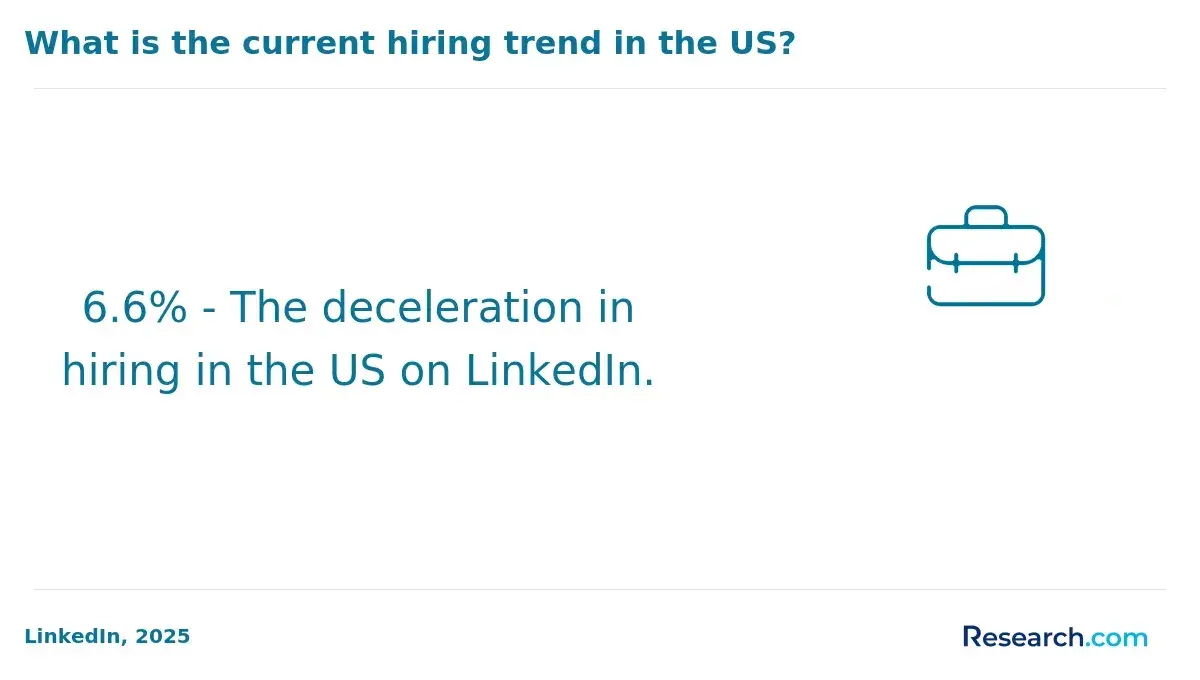
- Digital project managers are poised for 14% job growth by 2025, reflecting the rising demand for tech-savvy leaders orchestrating complex digital landscapes.
- Average salaries hover near $95,000 annually, rewarding those who blend technical knowledge with strategic oversight and team coordination.
- Pursuing this career unlocks dynamic challenges, blending creativity and analytics, perfect for adaptive minds ready to shape tomorrow's digital innovations.
What credentials do you need to become a digital project manager?
You do not need a government-issued license to become a digital project manager in the U.S., and there is no single mandatory credential for the field. Employers usually look for a mix of education, project experience, digital fluency, and proof that you can manage people, deadlines, tools, and business goals.
A bachelor's degree is still the most common foundation, especially for roles in larger companies, agencies, healthcare, education, and technology. Useful majors include business administration, project management, digital marketing, information systems, communications, and technology-related fields. If speed and flexibility matter, a fast track bachelor's degree online can help working adults build a formal academic foundation while continuing to gain experience.
Common credentials for digital project managers
- Bachelor's degree: A practical starting point for many entry-level roles. It can help you understand business operations, communication, technology, analytics, and organizational behavior.
- Certified Associate in Project Management (CAPM): A good early-career option for people who want structured training in project management fundamentals before they qualify for more advanced credentials.
- Project Management Professional (PMP): A widely recognized certification for experienced project professionals. It is most useful once you have already managed projects and want to compete for senior roles.
- Digital Project Manager Certificate and Google Project Management Professional Certificate: These credentials are useful for building applied skills in project planning, stakeholder communication, documentation, and digital workflows.
- PRINCE2 Certification: A methodology-focused credential that can be valuable in organizations that use structured, process-driven, or hybrid project environments.
How to choose the right credential
Choose credentials based on the jobs you want, not just the name recognition of the certificate. A tech startup may value agile experience, Jira fluency, and fast iteration. A digital agency may care more about campaign delivery, client communication, budgets, and creative production. A healthcare or government employer may emphasize documentation, compliance, privacy, and risk control.
The strongest profile usually combines a degree or equivalent experience with project evidence: completed launches, process improvements, dashboards, sprint plans, stakeholder presentations, budgets, and post-project reports. Certifications can strengthen your resume, but they work best when they support real delivery experience.
What skills do you need to have as a digital project manager?
A digital project manager needs enough technical understanding to lead digital work, enough business judgment to protect the project’s value, and enough people skill to keep cross-functional teams moving. You do not have to be a software engineer, designer, or marketer, but you must understand how those functions work together.
- Project management tools: You should be comfortable using platforms such as Asana, Jira, Trello, and similar systems to manage tasks, owners, deadlines, dependencies, approvals, and reporting.
- Agile and hybrid delivery methods: Many digital teams use Scrum, Kanban, or a hybrid approach. You need to know how to run standups, manage backlogs, track blockers, and adapt plans without losing control of scope.
- Web and development literacy: Basic familiarity with HTML, CSS, JavaScript, APIs, content management systems, QA testing, and deployment workflows helps you communicate clearly with developers and avoid unrealistic timelines.
- Digital marketing understanding: SEO, analytics, social media, paid media, email, conversion tracking, and e-commerce knowledge are valuable when projects are tied to growth, campaigns, or customer acquisition.
- Cloud and platform awareness: Familiarity with cloud services such as AWS and Azure can help you understand hosting, integrations, environments, permissions, uptime, and scalability discussions.
- User experience judgment: You should be able to keep user needs visible, review wireframes, ask usability questions, and help teams balance business goals with customer experience.
- Data-driven decision-making: Digital projects generate performance data. Strong project managers use metrics to spot risks, evaluate results, and support decisions instead of relying only on opinions.
- Communication and facilitation: You will translate between executives, clients, designers, developers, marketers, vendors, and users. Clear writing, structured meetings, and concise updates are essential.
- Leadership and conflict management: Digital projects often involve competing priorities. You need to resolve disagreements, clarify ownership, and keep the team focused on agreed outcomes.
- Budget and business acumen: Strong digital project managers understand costs, trade-offs, revenue impact, resource planning, and how project delays affect business performance.
- Organization and time management: The role requires careful tracking of scope, deadlines, approvals, risks, and dependencies without creating unnecessary process overhead.
- Adaptability and continuous learning: Tools and workflows change quickly. The most effective project managers stay curious, test new methods, and update their skills without chasing every trend.
The key is balance. Too little technical knowledge makes it hard to challenge estimates or understand blockers. Too little people skill makes it hard to get work approved and delivered. Too little business judgment can lead to projects that finish on time but fail to create value.
What is the typical career progression for a digital project manager?
Digital project management careers usually begin in coordination or support roles and expand into ownership of larger projects, programs, teams, budgets, and strategy. Progression depends on industry, company size, technical complexity, and whether you specialize in areas such as product, marketing, software, operations, or digital transformation.
- Entry-level roles: Many professionals start as project coordinators, assistant project managers, marketing coordinators, operations coordinators, QA coordinators, or production assistants. These roles focus on scheduling, documentation, meeting notes, status updates, asset tracking, and basic stakeholder communication. Expect one to three years building the fundamentals of how digital work moves from idea to launch.
- Digital project manager: At this stage, you manage small to medium projects with direct responsibility for scope, timeline, budget, team coordination, risks, and stakeholder updates. You become more fluent with tools such as Trello, Asana, or Jira and with Agile methodologies. This stage typically lasts three to five years as you build judgment, confidence, and delivery credibility.
- Senior digital project manager / program manager: Senior roles involve larger initiatives, multiple workstreams, more complex stakeholders, and mentoring junior project managers. You may report to executives, manage vendor relationships, refine delivery processes, and connect project work to company goals. Certifications like PMP or Scrum can support advancement. Expect to spend five or more years developing strategic influence and leadership depth.
- Executive and specialized roles: Experienced professionals may move into director, VP, head of delivery, digital transformation, or portfolio leadership roles. Others specialize as Scrum Masters, Product Owners, Process Efficiency Coordinators, consultants, or entrepreneurs. The most competitive professionals often combine delivery leadership with technical areas such as DevOps, AI, cloud, data, or sector-specific expertise.
Common career moves
Some digital project managers stay close to delivery, where they lead teams and launches. Others move toward product management, operations, client services, consulting, or executive leadership. The best path depends on what energizes you: solving delivery problems, shaping product strategy, managing clients, improving processes, or leading organizational change.
How much can you earn as a digital project manager?
Digital project manager pay varies by location, experience, industry, specialization, and work arrangement. Roles that require deeper technical knowledge, larger budgets, regulated environments, or executive-facing responsibility often pay more than general coordination-focused positions.
The Digital Project Manager Salary in the United States ranges broadly but averages around $80,190 to $85,892 annually. The reported range stretches from $54,000 at the base to $124,000 for veterans. Entry-level professionals with less than a year of experience start near $50,844, while those with one to four years of practice see rises to $69,144.
Location can also affect pay. Boston's digital project leaders earn about $92,515, New York close behind at $87,533, while San Francisco trails with $63,794 despite its tech prestige. These figures should be read as market indicators rather than guarantees because job title definitions, employer size, and compensation methods can differ.
Specialization and remote work can change earning potential
Specialized roles often command higher pay. IT project managers sit near $131,000 median total pay; technical project managers can reach $140,000. Marketing project managers follow with $96,000. Fully remote digital project managers command $109,646 on average, surpassing hybrid workers at $104,935.
- Higher-paying profiles: Technical project managers, IT project managers, digital transformation leaders, and PMs managing complex platforms or enterprise systems.
- Midrange profiles: Digital project managers leading websites, campaigns, apps, content systems, or cross-functional business initiatives.
- Early-career profiles: Coordinators, assistant project managers, and junior PMs who are still building ownership experience.
Advanced degrees are not usually required for digital project management, but some professionals consider graduate education if they want to move into research, executive leadership, teaching, or highly specialized strategy roles. Readers comparing advanced academic options can review easiest phd programs while weighing whether that level of education fits their career goals.
Understanding the Average Digital Project Manager Salaries in the US is most useful when paired with a realistic review of your industry, technical depth, portfolio, and leadership experience.
What internships can you apply for to gain experience as a digital project manager?
Internships can help aspiring digital project managers build evidence that they can coordinate people, tools, timelines, and deliverables. Look for roles that expose you to planning, stakeholder communication, documentation, analytics, creative review, software development, marketing operations, or product launches.
- Corporate internships: These roles often sit within marketing, technology, product, operations, or strategy teams. Interns may help track campaign tasks, update schedules, prepare status reports, coordinate meetings, and use tools such as Smartsheet or Trello.
- Nonprofit sector internships: Nonprofits can offer broad responsibility because teams are often lean. Interns may support website updates, donor campaigns, volunteer platforms, content calendars, or digital outreach projects while learning to work within limited resources.
- Government agency internships: These opportunities can introduce interns to large-scale digital transformation, public-facing platforms, documentation standards, procurement processes, accessibility, and compliance-driven project work.
- Healthcare providers and educational institutions: Interns may support telemedicine rollouts, patient or student portals, learning management system updates, training materials, or internal technology improvements. These environments are useful for learning privacy, documentation, and user-centered implementation.
- Industry-specific roles: Health tech startups and entertainment organizations such as Universal Orlando can offer exposure to digital products, customer experience platforms, mobile tools, campaigns, and cross-department launches.
Internship titles to search for
Do not search only for “digital project manager intern.” Related titles may include project management intern, digital operations intern, product operations intern, marketing project intern, web production intern, IT project coordinator intern, client services intern, and scrum intern.
What to get out of an internship
- Ask to own a small deliverable from start to finish.
- Keep samples of non-confidential work such as timelines, project plans, dashboards, meeting agendas, or retrospective summaries.
- Learn how decisions are made, not just how tasks are assigned.
- Request feedback on communication, documentation, and stakeholder follow-up.
- Track measurable outcomes when possible, such as launch completion, process improvements, or reduced delays.
A doctorate is not a standard requirement for internships or entry-level digital project management roles. However, professionals considering long-term academic or executive paths may compare options such as doctoral programs without dissertation as part of a broader education plan.
How can you advance your career as a digital project manager?
Advancement in digital project management usually comes from proving that you can handle greater complexity: larger budgets, more stakeholders, higher-risk launches, technical ambiguity, and stronger business accountability. Promotions are rarely based on task tracking alone. Employers reward project managers who reduce risk, improve delivery systems, and help teams make better decisions.
- Lead high-impact, cross-functional projects: Volunteer for initiatives that require coordination across product, engineering, marketing, design, analytics, legal, finance, or operations. Visibility matters, but the real value is learning how to align competing priorities.
- Build measurable results into your portfolio: Document what changed because of your work. Useful examples include faster launch cycles, clearer reporting, reduced rework, better stakeholder satisfaction, smoother handoffs, or improved budget control.
- Commit to ongoing learning: Keep current with AI applications in project management, digital analytics, automation, agile delivery, cybersecurity basics, and industry-specific platforms. Learning should support your target role, not distract from it.
- Build a certification portfolio carefully: Credentials such as PMI's PMP and agile credentials can help when they match employer expectations. Avoid collecting certifications without applying the methods in real projects.
- Expand your professional network: Join project management communities, attend workshops, participate in industry forums, and build relationships with mentors, peers, recruiters, product leaders, and delivery managers.
- Develop power skills: Empathy, negotiation, executive communication, conflict resolution, and collaborative leadership are often what separate senior PMs from competent coordinators.
- Learn the business model: Understand how your organization earns revenue, controls costs, serves customers, and measures success. Senior project managers connect delivery decisions to business outcomes.
Common mistakes that slow advancement
- Relying on tools instead of judgment.
- Escalating problems too late.
- Accepting vague requirements without clarification.
- Reporting activity instead of progress, risks, and decisions needed.
- Avoiding technical conversations because they feel uncomfortable.
- Trying to please every stakeholder instead of managing agreed priorities.
Where can you work as a digital project manager?
Digital project managers work wherever organizations build, improve, or maintain digital products and services. The role appears in technology, marketing, healthcare, education, government, nonprofit, consulting, retail, finance, media, and entertainment. Your workplace will shape the kind of projects you manage and the skills you use most.
- Tech giants like Google, Microsoft, or Amazon: These environments may involve global teams, complex platforms, internal tools, AI-driven workflows, cloud systems, and digital transformation initiatives.
- Creative agencies such as Ogilvy, R/GA, or Wieden+Kennedy: Agency project managers balance client expectations, creative production, digital campaigns, budgets, approvals, and tight deadlines, often in remote or hybrid setups.
- Nonprofit and government agencies like the American Red Cross and the National Institutes of Health: These roles may involve digital campaigns, public information platforms, IT infrastructure upgrades, data migrations, accessibility, and compliance.
- Healthcare systems including Kaiser Permanente and Mayo Clinic: Digital project managers may support telemedicine, electronic records integration, patient portals, data privacy initiatives, and operational technology projects.
- Universities and EdTech firms such as Coursera and EdX: These roles focus on online learning platforms, virtual classrooms, student experience, content delivery, faculty support, and collaboration between educators and technical teams.
Remote, hybrid, startup, and consulting environments
Remote work is common because digital project management relies heavily on collaboration tools, written updates, shared dashboards, and distributed teams. Hybrid environments may offer more face-to-face access to leadership and stakeholders, especially in larger enterprises. Startups can provide broader responsibility and faster learning, but they may also involve less structure. Consultancies can expose you to multiple industries, clients, and delivery models.
If you plan to build the educational foundation for this career, researching schools that accept fafsa may help you identify programs that fit your financial aid needs and career goals.
What challenges will you encounter as a digital project manager?
Digital project management can be rewarding, but it is not low-pressure work. You are often responsible for progress without having direct authority over everyone doing the work. Priorities shift, tools change, stakeholders disagree, and deadlines remain visible. Knowing the common challenges helps you prepare for the reality of the role.
- Rapid technological shifts: AI, cloud services, automation, analytics tools, and development practices can change workflows quickly. You need enough curiosity and discipline to keep learning without constantly disrupting the team.
- Remote and hybrid communication hurdles: Distributed teams can struggle with time zones, unclear ownership, missed context, and message overload. Strong documentation and meeting discipline become essential.
- Burnout and blurred boundaries: Digital work can create an “always-on” culture. Project managers must protect focus time, define response expectations, and model sustainable work habits.
- Competitive, fluid workforce dynamics: Many projects involve employees, contractors, vendors, freelancers, and agencies. You need clear roles, decision rights, deliverables, and communication rules to avoid confusion.
- Complex regulatory landscape: Data privacy, cybersecurity, accessibility, procurement, and environmental sustainability requirements can affect timelines and scope, especially in regulated or public-facing sectors.
- Adapting to hybrid project methodologies: Many organizations blend agile, traditional, and hybrid approaches. The challenge is choosing the method that fits the work rather than forcing every project into the same framework.
- Scope creep: Small additions can quietly become major changes. Strong PMs document decisions, clarify trade-offs, and make sure new requests are evaluated against time, budget, and value.
- Stakeholder misalignment: Projects often fail when leaders, users, and delivery teams define success differently. Early alignment on goals, constraints, and decision-making authority reduces rework.
What tips do you need to know to excel as a digital project manager?
Excelling as a digital project manager requires more than keeping a task board updated. The best PMs create clarity, reduce friction, anticipate risk, and help teams make decisions before problems become expensive.
- Use tools to improve visibility, not to create busywork: Project management software should make ownership, status, dependencies, and risks easier to see. If the tool adds confusion, simplify the workflow.
- Define success before work begins: Clarify the business objective, user need, timeline, budget, approval process, and “done” criteria. Ambiguity at the start usually becomes conflict near launch.
- Strengthen financial fluency: Understand budgets, resource costs, vendor costs, and the financial impact of delays. Leaders respond better when you can explain trade-offs in business terms.
- Map stakeholders early: Identify who approves, who contributes, who is affected, and who may block progress. Learn their motivations and concerns before decisions become urgent.
- Communicate risks plainly: Do not hide bad news. A strong update explains the issue, impact, options, recommendation, and decision needed.
- Adopt an agile mindset without ignoring discipline: Change is normal in digital work, but uncontrolled change damages trust. Be flexible while still protecting scope, priorities, and documentation.
- Run better meetings: Every meeting should have a purpose, agenda, owner, and outcome. Cancel meetings that do not help the project move forward.
- Build a habit of retrospectives: After launches, review what worked, what slowed the team down, and what should change next time. Continuous improvement is a career advantage.
- Stay curious: Follow emerging technologies, attend industry events, learn from peers, and observe how high-performing teams deliver work.
How do you know if becoming a digital project manager is the right career choice for you?
Digital project management may be a strong fit if you enjoy bringing order to complex work, communicating across different teams, and turning vague goals into practical plans. It is less ideal if you dislike ambiguity, frequent communication, shifting priorities, or being accountable for work done by people with different specialties.
- You like organized problem-solving: You can break large goals into tasks, owners, deadlines, risks, and decisions without losing sight of the bigger objective.
- You are detail-oriented but adaptable: Successful digital project managers notice small issues early and adjust when priorities change without becoming rigid or reactive.
- You communicate clearly: You can explain technical details to nontechnical stakeholders, summarize decisions, document next steps, and keep people aligned.
- You can lead without always being the formal boss: Much of the role depends on influence, trust, follow-through, and conflict resolution rather than direct authority.
- You are comfortable with digital tools and fast learning: You do not need to master every platform immediately, but you should be willing to learn new systems and understand how digital teams work.
- You can handle pressure: Deadlines, launch dates, stakeholder expectations, and last-minute issues are common. The role requires calm prioritization.
- You value both people and process: If you focus only on process, teams may resist you. If you focus only on relationships, projects may drift. The career requires both.
- You want a career with room to grow: Demand grows rapidly as organizations digitize; those with strong technical fluency, leadership, and strategic insight enjoy bright job security.
- You are willing to build an educational foundation: Many people begin with an affordable online bachelor's degree or a similar pathway that strengthens their credibility and skills.
If these traits sound familiar, digital project management can be a rewarding career path. If you prefer highly independent work with few interruptions, predictable tasks, or deep specialization in one technical craft, a different digital role may be a better fit.
What Professionals Who Work as a Digital Project Manager Say About Their Careers
- Yeshua: "The digital project management field offers remarkable job stability and competitive salaries, which was a major draw for me. The demand for skilled professionals continues to grow across various industries, making it a secure and rewarding career path."
- Hugh: "Working as a digital project manager constantly pushes me to tackle diverse challenges, from coordinating cross-functional teams to adapting to rapidly changing technologies. This dynamic environment keeps me engaged and continuously learning."
- Atlas: "One of the most fulfilling aspects of my career has been the significant opportunities for professional development. Through specialized training programs and hands-on experience, I've been able to advance quickly and take on leadership roles."
Other Things You Should Know About Becoming a Digital Project Manager
While a bachelor's degree in fields like business, marketing, or IT is beneficial and preferred by many employers, it’s not always required. Hands-on experience, strong organizational skills, and certifications in project management can also significantly enhance your job prospects in this field.
Certification is not strictly mandatory to become a digital project manager but can significantly boost your credibility. Industry-recognized credentials like PMP (Project Management Professional) or Agile certifications are highly valued and demonstrate your mastery of project management principles. However, practical experience and a strong portfolio often weigh equally in hiring decisions.
A digital project manager should know Jira, Asana, Trello, Microsoft Project, and basic analytics tools such as Google Analytics 4. Employers often expect familiarity with Slack, Confluence, and Gantt charts, because these tools support sprint planning, task tracking, reporting, and cross-team communication.
To become a digital project manager by 2026, a bachelor's degree in fields like business administration, IT, or marketing is beneficial. Additionally, certifications in project management and digital tools, alongside skills in agile methodologies, can enhance career prospects.
References
- 9 Best AI Certifications For Project Managers To Earn In 2025 https://thedigitalprojectmanager.com/career/best-ai-certifications-for-project-managers/
- The Pros and Cons of Digital Project Management https://snatika.com/single-blog/the-pros-and-cons-of-digital-project-management
- 5 Essential Skills of a Digital Project Manager • Paymo https://www.paymoapp.com/blog/5-essential-skills-of-a-digital-project-manager/
- Digital Project Manager salary | Michael Page https://www.michaelpage.co.uk/salary-comparison-tool/digital-project-manager-salaries
- What is a Digital Project Manager (and How to Become One) https://www.workamajig.com/blog/digital-project-manager
- 9 Common Project Management Challenges in Software Development - CSHARK https://www.cshark.com/9-common-project-management-challenges-in-software-development/
- ▷ What is a Digital Project Manager? | EAE Madrid https://www.eaemadrid.com/en/blog/what-digital-project-manager
- How to Become a Digital Project Manager: Career Path & Guide | Himalayas https://himalayas.app/career-guides/digital-project-manager
- Common Challenges in Online Project Management | Kompass https://blog.herzing.ca/kompass-online-training/online-project-management-challenges
- Become an Digital Project Manager: Career Path Guide | Skills U https://skillsu.com/role/digital-project-manager


