2027 Tax Accountant Careers: Skills, Education, Salary & Job Outlook

Co-Founder and Chief Data Scientist
Tax accountant careers appeal to people who like rules, numbers, problem-solving, and practical client work—but the path can feel hard to evaluate from the outside. You may be asking whether the education is worth it, whether tax law is too complicated to master, or whether automation will reduce demand for entry-level work. The better question is: are you prepared to build technical expertise, keep learning as laws change, and turn complex tax information into clear decisions for individuals or organizations?
This guide explains what tax accountants do, what skills and credentials matter, how the career path usually develops, and what trade-offs to expect in daily work. The field offers a steady 4.6% growth rate and competitive salaries above $70,000, but it also requires precision, deadline discipline, and ongoing professional development. Drawing on over 10 years of career guidance expertise, this Research.com guide is designed to help you decide whether tax accounting is a strong fit for your goals in 2026 and beyond.
Key Things You Should Know About Tax Accountant Career
- The typical earning potential for accountants and auditors, including tax accountants, is around $81,680 annually, with specialized tax accountants earning between $65,000 and $115,000 depending on experience and location.
- Employment for accountants and auditors is expected to grow 4.6% through 2034, reflecting steady demand and solid job stability in this profession.
- A bachelor's degree in accounting or a related field is required to start, and obtaining a CPA certification can significantly improve job prospects and career advancement.
- Success depends on strong analytical and mathematical skills, sharp attention to detail, knowledge of tax law and accounting software, effective communication, and a high level of integrity with sensitive financial information.
- Career advancement typically progresses from tax associate to senior tax associate, then to tax manager, with opportunities to become senior manager, partner at a firm, or tax director within organizations.
What do Tax Accountants do?
Tax accountants help individuals, businesses, nonprofits, and government entities meet tax obligations while identifying legal ways to reduce tax liability. Their work sits at the intersection of accounting, regulation, financial planning, and risk management. In practice, that means they prepare tax returns, interpret tax rules, review financial records, advise clients or company leaders, and support audits or tax disputes when needed.
The role is not limited to filing forms. A strong tax accountant helps clients understand how business decisions, investments, deductions, credits, entity structures, payroll practices, and changing tax rules may affect what they owe. For organizations, tax accountants can also support forecasting, compliance controls, financial reporting, and strategic planning.
A Day in the Life of Tax Accountants
A typical day depends on the employer and season. In an accounting firm, a tax accountant may review client documents, prepare returns, research tax treatment for unusual transactions, answer client questions, and document decisions for review. In a corporate tax department, the day may involve reconciling tax accounts, preparing provisions, coordinating with finance teams, tracking deadlines, or supporting quarterly and annual filings.
Tax season is usually the most demanding period. Workloads increase, deadlines become fixed, and accuracy matters under pressure. Outside peak periods, many tax accountants focus more on planning, compliance reviews, continuing education, client meetings, audit support, and process improvement. The best professionals combine technical accuracy with the ability to explain tax issues in plain language.
What are the key responsibilities of Tax Accountants?
Tax accountants are responsible for accurate reporting, legal compliance, and practical tax guidance. The exact duties vary by employer, client type, and seniority, but most roles combine document review, return preparation, analysis, communication, and deadline management.
- Prepare and file federal, state, and local tax returns for individuals, businesses, or organizations.
- Collect, organize, and verify financial records, receipts, statements, payroll data, and other tax documentation.
- Analyze financial information to identify deductions, credits, timing issues, and tax-saving opportunities allowed under current law.
- Advise clients or internal leaders on how transactions, business changes, and new tax legislation may affect tax obligations.
- Maintain supporting documentation so tax positions can be explained during review, audit, or inquiry.
- Assist with audits by preparing schedules, responding to information requests, and coordinating with tax authorities or legal counsel when appropriate.
- Monitor changes in tax rules, software, filing requirements, and professional standards through continuing education.
The Most Challenging vs. The Most Rewarding Tasks
The most challenging part of tax accounting is managing complexity under deadline pressure. Tax rules can change, client records may be incomplete, and small errors can create financial or compliance problems. During busy periods, tax accountants must switch between clients, systems, and jurisdictions while still documenting their work carefully.
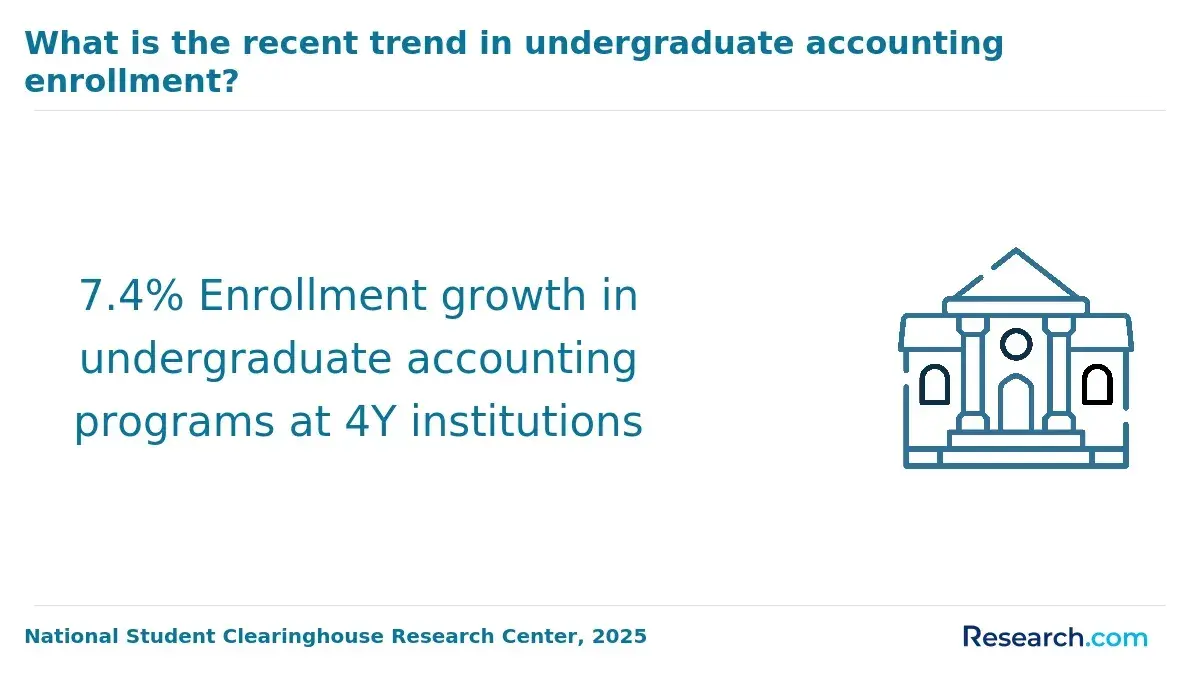
The most rewarding part is seeing technical expertise produce a clear benefit. Finding a legitimate deduction, correcting a costly mistake, helping a business avoid penalties, or guiding a client through an IRS inquiry can have an immediate financial and emotional impact. For students who need a faster route into the field, online accelerated bachelors programs may help build the accounting foundation required for entry-level roles.
What are the key skills for Tax Accountants?
Tax accountants need more than comfort with numbers. They must understand tax rules, evaluate financial records, use accounting software, manage confidential information, and communicate clearly with people who may not understand accounting terminology. Employers typically look for a mix of technical competence, judgment, reliability, and client-service ability.
Key Hard Skills
- Tax law knowledge: Understanding federal, state, and local requirements that affect filing, compliance, deductions, credits, and reporting.
- Tax return preparation: Preparing accurate quarterly and annual returns using tax software and verified source documents.
- Accounting and auditing fundamentals: Reviewing ledgers, reconciliations, statements, and supporting records for consistency and accuracy.
- Financial analysis: Evaluating transactions, income, expenses, and entity structures to understand tax impact.
- Research skills: Locating and interpreting tax guidance when a situation is not routine.
- Software proficiency: Working with tax preparation platforms, spreadsheets, accounting systems, document portals, and workflow tools.
Essential Soft Skills
- Analytical thinking: Breaking down complex tax questions and identifying what information matters.
- Critical thinking: Evaluating options, risks, assumptions, and documentation before recommending a tax position.
- Attention to detail: Catching inconsistencies that could lead to rejected filings, penalties, or audit exposure.
- Communication: Explaining tax implications clearly to clients, managers, or executives without unnecessary jargon.
- Time management: Handling multiple deadlines, especially during tax season.
- Professional ethics: Protecting confidentiality and applying tax rules responsibly.
The One Overlooked Skill That Separates the Good from the Great
The differentiator is strategic advisory ability. Good tax accountants prepare accurate work. Great tax accountants also explain what the numbers mean and help clients make better decisions before problems arise.
For example, a tax accountant with strong advisory skills can see how a new tax regulation may affect cash flow, entity structure, payroll obligations, or future liabilities. Instead of only reporting what happened, they help the client plan what to do next. This is especially valuable as automation handles more routine data entry and compliance tasks.
Professionals who combine tax expertise with advisory judgment can become valuable in higher-paying environments, including Management of Companies and Enterprises. If you are still comparing undergraduate options, reviewing what is the easiest bachelor's degree to obtain may help you understand different ways to begin building a business or accounting foundation.
Becoming a tax accountant is more manageable when you treat it as a sequence of decisions rather than one large hurdle. The best path depends on whether you want to work in public accounting, corporate tax, government, small business advising, or independent practice.
- Build an accounting foundation. Start with coursework in financial accounting, managerial accounting, taxation, auditing, business law, economics, and information systems.
- Earn a relevant degree. Most tax accountant roles expect a bachelor's degree in accounting, finance, or a closely related business field.
- Gain practical experience. Look for internships, seasonal tax roles, bookkeeping work, volunteer tax preparation, or entry-level accounting positions.
- Learn tax software and workflow tools. Employers value candidates who can work accurately in professional tax platforms, spreadsheets, accounting systems, and document management tools.
- Decide whether you need a credential. CPA and EA credentials can expand your authority, credibility, and advancement options, but they require time, exams, and continuing education.
- Choose a work setting. Public accounting offers broad client exposure and intense busy seasons; corporate tax offers deeper knowledge of one organization; government roles emphasize compliance and regulation.
- Develop a specialization. As you gain experience, consider areas such as corporate tax, international tax, tax planning, audit resolution, estate tax, or small business taxation.
The most effective steps to become a tax accountant are cumulative. Education gets you into the field, experience teaches you how tax work functions in real settings, and credentials or specialization can increase long-term mobility.
Most tax accountant careers begin with a bachelor's degree in accounting, finance, or business administration with an accounting or taxation focus. Some professionals enter from economics or another quantitative business major, but they usually need enough accounting coursework to qualify for tax roles and, if desired, licensure pathways.
Two credentials are especially relevant. The Certified Public Accountant (CPA) credential is issued by State Boards of Accountancy after candidates meet education and experience requirements and pass the Uniform CPA Exam. The Enrolled Agent (EA) designation is granted by the IRS through the Special Enrollment Examination and focuses specifically on federal tax representation.
Practical training is also important. Many students gain experience through internships, cooperative education, seasonal tax preparation roles, or entry-level accounting positions. States generally require 1 to 2 years of supervised work experience under a licensed CPA for certification. Both CPA and EA credentials require continuing education to remain active.
Are advanced degrees or niche certifications worth the investment?
Advanced degrees can be worth it when they support a clear career goal. A master's in accounting or taxation can deepen technical knowledge, improve recruiting prospects, and help meet the 150-credit hour CPA requirement. However, these programs typically require 1-2 years and a significant financial investment, so the payoff depends on your target role, employer expectations, and current education level.
The CPA remains one of the strongest credentials for advancement in public accounting, corporate accounting, and leadership-oriented tax roles. The EA can be especially useful for professionals focused on tax preparation, IRS representation, and client-facing tax work. Niche credentials, such as the Tax Planning Certified Professional, may add value when they align with a specific practice area. If speed is a priority, comparing fastest masters programs can help you evaluate efficient routes to advanced qualifications.
Tax accountant pay varies by experience, location, credential, employer type, and specialization. According to the Bureau of Labor Statistics, the median annual salary sits at $81,680. Industry reports show that they earn around $81,680 or as much as $113,500 (ZipRecruiter, 2026). These figures provide useful benchmarks, but individual offers can differ significantly based on role scope and market demand.
The tax accountant salary by experience 2026 shows a broad range. Entry-level positions start from about $60,000, while senior-level roles can rise to $115,500. Moving up usually requires more than time in the field. Higher earnings are often tied to stronger technical knowledge, credentials, supervisory responsibility, client management, and specialization in complex tax areas.
| Factor | How it can affect earnings |
| Experience level | Senior tax accountants, managers, and directors usually command higher pay because they handle complex issues and review other professionals' work. |
| Location | Areas such as the District of Columbia and New York offer noticeably higher pay, often reflecting cost of living and employer concentration. |
| Credential | CPA and EA credentials can improve credibility and may qualify professionals for more advanced or client-facing responsibilities. |
| Employer size | Larger firms and major corporations typically pay more, but they may also expect longer hours and more specialized expertise. |
| Specialization | International tax, corporate tax, tax planning, and audit resolution can lead to stronger compensation when demand is high. |
Salary should be evaluated alongside workload, advancement potential, benefits, flexibility, and credential support. A higher-paying role may involve more intense tax seasons, while a lower-paying role may offer steadier hours or broader training.
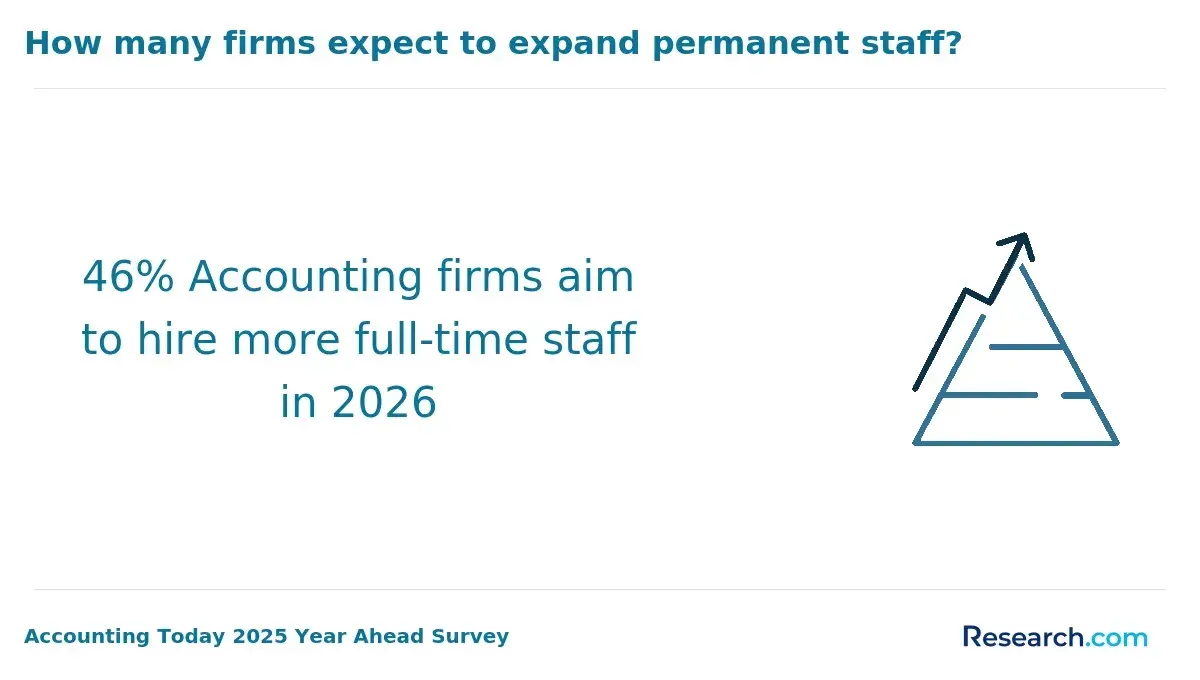
The employment of accountants and auditors, including tax accountants, is projected to grow 4.6% through 2034, which is faster than the average for all occupations. The outlook is supported by the continuing need for tax compliance, financial reporting, audit readiness, and planning advice.
The Key Factors Shaping the Future Outlook
Several forces are changing the profession. Tax laws continue to evolve, which creates demand for professionals who can interpret rules and apply them correctly. Businesses also face more complex reporting needs as they grow, hire across jurisdictions, expand internationally, or adopt new ownership structures.
Technology is another major factor. Automation and AI can reduce time spent on routine data entry, document matching, and basic calculations. That does not eliminate the need for tax accountants, but it changes what employers value. Professionals who can review automated outputs, spot exceptions, advise clients, manage risk, and explain strategy will be better positioned than those who only perform repetitive preparation tasks.
A persistent shortage of skilled tax professionals also supports the field. For people who need an affordable way to gain credentials or change careers, researching affordable degrees online can be a practical first step. Long-term success will depend on staying current with tax rules, software, data security expectations, and advisory skills.
Tax accountants commonly work in accounting firms, corporate finance departments, government agencies, consulting firms, and small tax practices. The typical tax accountant work environment is office-based, though many employers now support hybrid or remote work for tasks that can be completed securely online. About 23% of these professionals work in accounting, tax preparation, bookkeeping, and payroll services, with smaller groups employed by management companies and local governments.
The work often alternates between focused independent analysis and collaboration. A tax accountant may spend part of the day reviewing documents or preparing returns, then meet with clients, managers, auditors, or finance teams to clarify information and resolve issues. Confidentiality and data security are central because the work involves sensitive financial information.
Tax accountant work schedule and hours generally follow standard business times, approximately 40 to 45 hours each week. However, hours often increase during tax season, quarterly closes, audit periods, or major filing deadlines. Evenings and weekends can become common as deadlines approach. Candidates should ask employers about busy-season expectations, overtime policies, remote work rules, staffing levels, and training support before accepting a role.
Tax accounting can be a strong career for people who value stability, technical mastery, and practical problem-solving. It is less ideal for those who dislike deadlines, repetitive documentation, or constant rule changes. Understanding the trade-offs can help you decide whether the work fits your temperament and long-term goals.
Intrinsic Rewards
- Clear professional value: Clients and employers rely on tax accountants to avoid penalties, plan effectively, and make informed financial decisions.
- Intellectually engaging work: Complex tax questions require analysis, research, and judgment.
- Variety: Different clients, industries, transactions, and tax issues can keep the work from feeling static.
- Trusted relationships: Tax accountants often become long-term advisers for individuals, business owners, and leadership teams.
- Respect for expertise: Specialized tax knowledge can create credibility and advancement opportunities.
Intrinsic Challenges
- Heavy busy seasons: Some roles involve 60-70 hour weeks during tax season.
- Repetitive tasks: Document collection, data entry, reconciliations, and routine returns can be tedious, especially early in a career.
- Constant change: Tax laws, filing rules, software, and client situations require continuous learning.
- High accuracy expectations: Mistakes can create penalties, client frustration, rework, or audit risk.
- Workflow interruptions: Switching between clients, deadlines, tools, and urgent questions can make deep focus difficult.
If you are preparing for the field while working or managing other responsibilities, affordable online colleges for job holders may offer flexible ways to complete the education needed for entry-level opportunities.
Tax accounting offers several advancement paths. Some professionals move into management within public accounting firms. Others build corporate tax careers, specialize in complex advisory areas, join government agencies, or eventually open an independent practice. Advancement usually depends on technical depth, credentials, client communication, review skills, and leadership ability.
Advancement Path for Tax Accountants
- Entry-Level Tax Accountant: Prepare returns, organize records, complete workpapers, conduct basic research, and support senior staff.
- Experienced Tax Accountant: Handle more complex returns, communicate directly with clients or internal departments, and identify planning opportunities.
- Senior Tax Accountant / Tax Manager: Review work, manage deadlines, supervise junior staff, advise on tax strategy, and handle complex compliance issues.
- Tax Director / Partner / CFO: Lead tax strategy, risk management, compliance systems, client relationships, or broader financial leadership.
Specializations That Lead to Promotion
Specialization can make a tax accountant more valuable because employers and clients often need help with complicated rules that generalists may not handle regularly.
- Corporate Taxation: Focus on corporate compliance, provisions, transactions, and multinational tax planning.
- International Tax: Work with cross-border taxation, global structures, transfer pricing issues, and foreign reporting obligations.
- Tax Planning & Consulting: Advise on minimizing liabilities, timing decisions, entity structures, and estate planning.
- Tax Audit & Resolution: Support audits, dispute resolution, notices, appeals, and forensic accounting matters.
- Additional areas: Sales Tax Auditor, Personal Financial Adviser, IRS Agent/Accountant roles.
To move up, document your results, seek review responsibility, improve client communication, and pursue credentials that match your target role. Technical ability gets you started; leadership and advisory judgment often determine how far you advance.
If you are interested in tax accounting but not sure it is the right fit, several related careers use similar strengths. These options may appeal to people who like financial analysis, compliance, investigation, planning, or business decision-making but want a different daily focus.
- Financial Analyst: Analyze financial data, budgets, forecasts, and market information to support investment or business decisions.
- Compliance Officer: Help organizations follow laws, regulations, internal policies, and ethical standards, often with less emphasis on tax return preparation.
- Corporate Accountant: Prepare and maintain company financial records, reconciliations, reports, and accounting entries.
- Financial Planner/Advisor: Help clients plan for savings, investments, retirement, insurance, and tax implications.
- Forensic Accountant: Investigate fraud, financial discrepancies, litigation matters, or suspicious transactions using accounting and analytical skills.
When comparing options, look closely at the type of work you want to do every day. Tax accounting is best suited to people who are comfortable with deadlines, regulation, documentation, and client or stakeholder communication. If you prefer broader financial strategy, investigations, or compliance systems, a related path may fit better.
- Diego: "During tax season, I often find myself working late into the night juggling multiple client filings while also managing my responsibilities at another financial firm. The pressure is intense, but navigating those busy periods taught me how to stay organized and calm under tight deadlines. One particular year, I stayed up for hours helping a client resolve sudden IRS inquiries that could have cost them dearly. Those moments remind me that despite the stress, my work makes a tangible difference for people facing tough situations."
- Lila: "I specialize in helping small business owners understand the complexities of tax compliance, and I love breaking down dense tax codes into clear, manageable steps. A food truck owner once told me she felt completely lost before I took her through setting up multiple LLCs and handling all her tax registrations. Hearing her say I saved her 'a lot of headaches' gave me a real sense of fulfillment. It's rewarding to see my clients gain confidence and relief after I help untangle their financial paperwork."
- Marcus: "Helping individuals and entrepreneurs with their taxes means more than just number crunching; it's about building trust and providing peace of mind. One client told me after I prepared their tax returns and explained everything thoroughly, they felt secure knowing a knowledgeable professional was handling their IRS dealings carefully. Knowing I can ease that worry and help people make smart decisions for their future is what makes this profession meaningful to me."
Key Findings
- Tax accountants prepare returns, support compliance, advise on tax strategy, and help clients or organizations manage tax risk.
- The career requires strong accounting knowledge, tax research ability, attention to detail, software proficiency, and clear communication.
- A bachelor's degree in accounting, finance, or a related business field is the common starting point; CPA and EA credentials can improve advancement options.
- The median annual salary is $81,680, with reported earnings around $81,680 or as much as $113,500 (ZipRecruiter, 2026).
- Experience matters: entry-level positions start from about $60,000, while senior-level roles can rise to $115,500.
- Employment of accountants and auditors, including tax accountants, is projected to grow 4.6% through 2034.
- The main trade-off is stability and meaningful advisory work versus deadline pressure, routine documentation, and busy-season hours.
- Automation is changing the work, but it increases the value of tax accountants who can interpret rules, review outputs, manage risk, and provide strategic advice.
Other Things You Should Know About Tax Accountant
The CPA license improves the strongest prospects for tax accountants, especially in public accounting and supervisory roles. Enrolled Agent status from the IRS is also valuable for tax representation. Many employers prefer candidates with 150 semester hours, and some senior jobs require the CPA plus 1 to 2 years of experience.
In 2027, tax accountants should be adept in data analytics, proficient with AI-driven tax software, and possess strong problem-solving skills. The ability to interpret complex regulations and communicate effectively with clients remains crucial as well.
- How to Become a Tax Accountant | Accounting.com https://www.accounting.com/careers/tax-accountant/how-to-become/
- Why soft skills are as important as hard skills in tax https://www.brewermorris.com/career-advice/why-soft-skills-are-as-important-as-hard-skills-in-tax/
- Career Change from Accounting: 7 High-Paying Alternatives and How to Make the Leap https://www.nocodeinstitute.io/post/career-change-from-accounting
- CountingWorks PRO | What Target Niche or Service Specialty is Right for Your Tax and Accounting Practice? https://www.countingworkspro.com/blog/what-target-niche-or-service-specialty-is-right-for-your-tax-and-accounting-practice
- How Accounting Firms Can Reach Their Social Media Target Audience https://www.cpasitesolutions.com/cpa-websites/2025/08/reaching-your-social-media-target-audience-a-guide-for-accounting-firms/
- Marketing Tips for Tax Advisors: A Practical Guide to Grow Your Practice https://www.harness.co/articles/marketing-strategies-for-tax-advisors/
- Accountants are in demand, well beyond tax season https://www.empower.com/the-currency/work/accountants-in-demand-news
- Case Studies/ Success Stories https://taxcareers.com/case-studies-success-stories.html
- Building a Career in Accounting: Certifications and Skills You Need https://trainingcred.com/blog/building-a-career-in-accounting-certifications-and-skills-you-need
- ZipRecruiter. (2026). Ta Accountant Salary. Retrieved February 2026, from https://www.ziprecruiter.com/Salaries/Tax-Accountant-Salary
- BLS. (2024). May 2024 Occupational Employment and Wage Statistics. Occupational Employment and Wage Statistics Query System. Retrieved January 2026, from https://data.bls.gov/oes/#/industry/000000
- AICPA & CIMA. (2025). 2025 MAP Survey Executive Summary. https://www.aicpa-cima.com/resources/download/map-survey-executive-summary
- National Student Clearinghouse Research Center. (2025). Clearinghouse Enrollment Insights Series: Final Fall Enrollment Trends. https://nscresearchcenter.org/final-fall-enrollment-trends/
- Hood, D. (2026, January 2). Accounting in 2026: The year ahead in numbers. Accounting Today. https://www.accountingtoday.com/list/accounting-in-2026-the-year-ahead-in-numbers