2027 How to Become an Instructional Designer: Education, Salary, and Job Outlook

Co-Founder and Chief Data Scientist
Becoming an instructional designer is a practical career choice for people who want to improve how others learn, whether in schools, universities, corporations, healthcare organizations, nonprofits, or government agencies. The role sits at the intersection of learning science, technology, writing, visual communication, and project management. Instead of simply creating slides or lessons, instructional designers analyze learner needs, design training solutions, build digital content, and evaluate whether the learning experience actually works.
This guide explains what it takes to enter and grow in instructional design: the credentials employers look for, the technical and soft skills that matter, typical career steps, salary expectations, internship options, advancement strategies, work settings, common challenges, and signs that this career fits your strengths. Use it to compare education pathways, build a stronger portfolio, and decide whether instructional design is a realistic next move for you.
What are the benefits of becoming an instructional designer?
- The instructional design field is projected to grow 9% through 2025, reflecting increased demand for innovative educational experiences across industries.
- Average salaries for instructional designers range from $60,000 to $80,000 annually, offering competitive compensation for creative and technical skills.
- Pursuing this career unlocks opportunities to blend education, technology, and psychology, making it ideal for those curious about enhancing learning worldwide.
What credentials do you need to become an instructional designer?
There is no single required license to become an instructional designer in the United States, but employers usually expect a mix of education, portfolio evidence, technology skills, and experience designing learning materials. The right credential path depends on where you want to work. Higher education roles often place more weight on graduate study and pedagogy, while corporate learning roles may prioritize e-learning tools, business results, and project delivery.
- Bachelor's degree: Many instructional designers start with a bachelor's degree in education, communication, business, instructional design, psychology, English, or a related field. This credential helps establish the writing, research, analysis, and communication skills needed to design effective learning experiences.
- Master's degree: Some employers prefer or require a master's degree, especially for higher education, curriculum leadership, and senior instructional design roles. Common graduate areas include Curriculum and Instruction or Instructional Design and Technology, where students study learning theory, assessment, educational technology, and curriculum development in greater depth.
- Certifications: Certification is not usually required by law, but it can help demonstrate focused training. Credentials such as the Certified Professional in Learning and Performance (CPLP) may strengthen your resume, particularly when paired with a portfolio that shows practical work.
- Practical experience: A degree alone is rarely enough. Employers want to see samples of courses, storyboards, job aids, assessments, e-learning modules, training plans, or curriculum maps. Internships, teaching experience, freelance projects, volunteer training work, and workplace learning projects can all help build this evidence.
- Continuing education: Instructional design changes quickly as tools, delivery formats, accessibility expectations, and workplace learning needs evolve. Workshops, webinars, micro-credentials, and software-specific training can help you stay current without always committing to another degree.
If you want a shorter route into the field or need targeted upskilling before applying for entry-level roles, compare certificate options carefully. Programs connected to portfolio development, e-learning tools, adult learning, and measurable learning outcomes are usually more useful than programs that only provide theory. You can also review best 6 month certificate programs that pay well online if you are looking for faster credential options.
What skills do you need to have as an instructional designer?
Instructional designers need more than software knowledge. The strongest candidates can diagnose a learning problem, choose the right instructional strategy, create clear content, collaborate with subject matter experts, and measure whether the solution improved performance. Technical ability matters, but it should support sound learning design rather than replace it.
- E-Learning Development Tools: Tools such as Articulate, Captivate, Camtasia, and iSpring are commonly used to create interactive courses, simulations, screen recordings, quizzes, and multimedia lessons. Employers often look for candidates who can show finished examples, not just list the software on a resume.
- Learning Management Systems (LMS): Platforms such as Blackboard, Moodle, Canvas, and Google Classroom help organizations deliver, track, and organize learning. Instructional designers should understand how courses are structured, how learners navigate content, how assessments are managed, and how completion or performance data is reported.
- Multimedia Production: Visual design, audio editing, video scripting, slide design, and basic accessibility practices can make training clearer and more engaging. You do not need to be a full video producer or graphic designer, but you should know how to create clean, purposeful learning assets.
- Project Management: Instructional designers often coordinate timelines, revisions, reviews, approvals, and launch dates. Frameworks like Agile and SAM can help teams move faster, test early, and avoid building large courses that miss the learner's actual need.
- Soft Skills: Communication, active listening, facilitation, teamwork, and creative problem-solving are essential. Much of the job involves translating expert knowledge into learner-friendly content while managing feedback from stakeholders with different priorities.
- Learning Theories and Pedagogy: Strong instructional designers understand how people learn, practice, remember, and transfer knowledge to real tasks. This includes choosing when to use scenarios, practice activities, feedback, assessment, coaching, job aids, or performance support instead of defaulting to a slide-based course.
A good way to assess your readiness is to ask whether you can explain both the design choice and the learner benefit behind each piece of content you create. Employers value designers who can justify decisions with evidence, learner needs, and business or educational goals.
What is the typical career progression for an instructional designer?
Instructional design careers usually progress from support work to independent design, then to senior design, specialization, or leadership. Advancement is often based on portfolio quality, project complexity, stakeholder management, measurable results, and the ability to mentor others.
- Instructional Design Assistant: This is a common entry point for people building experience. Assistants may gather content, format materials, help with course updates, collect learner feedback, test modules, or support senior designers. This stage often lasts 1-3 years and is useful for learning the workflow of design teams.
- Instructional Designer: At this level, professionals design and develop learning programs more independently. They may conduct needs analysis, write objectives, create storyboards, build e-learning modules, develop assessments, and evaluate learning outcomes. A bachelor's degree in a relevant field is usually required, while some roles favor a master's. Time in this stage often ranges around 3-5 years.
- Senior Instructional Designer: Senior designers lead larger projects, solve complex learning problems, mentor junior staff, and help define standards for quality, accessibility, learner engagement, and evaluation. A master's degree and a strong portfolio can support advancement, especially in academic or strategic roles.
- Instructional Design Manager/Director: Managers and directors oversee teams, budgets, learning strategies, vendor relationships, and organizational priorities. These roles often require 7-10 years of professional growth, along with strong project management, stakeholder communication, and instructional strategy expertise.
- Specializations and Lateral Moves: Experienced designers may move into related roles such as eLearning Developer or Corporate Training Specialist. Others shift toward freelance consulting, educational technology leadership, curriculum development, learning experience design, accessibility, learning analytics, or performance consulting.
Career growth is not always linear. Some professionals become deep technical specialists, while others move toward people management or strategy. Before choosing a path, compare the daily work: building modules, leading teams, consulting with clients, analyzing performance data, or managing learning systems all require different strengths.
Instructional designer pay varies by employer type, location, experience, education, portfolio strength, software proficiency, and whether the role is focused on academic curriculum, corporate training, e-learning development, or leadership. Salary data should be read as a range rather than a guarantee because job titles and responsibilities differ widely across organizations.
For instructional designer salary in the United States, the average annual pay ranges from $78,000 to $90,000, depending on the sector and source. Entry-level instructional designers might start with salaries between $54,000 and $61,000. Experienced professionals, specialists, or those working in high-demand industries can earn upwards of $95,000 to $121,000 or more.
Several factors can move compensation higher or lower:
- Industry: Corporate roles often pay more than education or nonprofit roles, particularly when the designer supports revenue-generating training, compliance, sales enablement, or global workforce development.
- Technical specialization: Skills in e-learning development, multimedia production, learning platforms, accessibility, and complex software ecosystems may improve earning potential.
- Leadership responsibility: Senior designers, managers, and directors are typically paid for strategy, oversight, mentoring, stakeholder management, and measurable impact, not just course development.
- Education and credentials: A master's degree or specialized certifications may help in some markets, especially when aligned with a strong portfolio and relevant experience.
- Location: The instructional designer salary in Florida may follow similar patterns, but local employer mix, cost of living, remote work options, and sector demand can all influence offers.
If your long-term goal is higher education leadership, research, or advanced curriculum roles, further graduate study may be worth considering. You can explore easy doctoral programs as one possible starting point for comparing doctoral pathways, but weigh the cost, time commitment, and role requirements before enrolling.
Instructional design internships are valuable because they help you turn theory into portfolio-ready work. A strong internship should expose you to real learners, real stakeholders, review cycles, learning objectives, content development, and feedback. When comparing instructional design intern jobs in the United States, look beyond the title and ask what you will actually build.
Consider these internship paths:
- Corporate learning and development teams: Companies such as Beacon Building Products and other Fortune 500 firms may seek instructional design interns to help develop eLearning content and training materials. Interns may work with the ADDIE model, collaborate with subject matter experts, and support synchronous and asynchronous learning experiences while using tools like Articulate 360's Storyline and Rise. This path is especially useful for learning adult learning theory in a workplace setting.
- Higher education institutions: Graduate schools of education and university teaching-and-learning units may hire instructional design interns to assist with course creation, curriculum evaluation, accessibility reviews, and content development. These internships can be especially helpful if you want to work in academic instructional design or online program support.
- Remote instructional design internships 2025: Remote internships can help candidates who cannot relocate gain experience with distributed teams, online collaboration tools, and asynchronous workflows. They can also broaden access to opportunities outside your local job market.
Compensation varies widely and may include competitive pay, mentorship, and professional development workshops valued at hundreds of dollars. Before accepting an internship, ask whether you will be allowed to use non-confidential work samples in your portfolio. If you are building credentials at the same time, compare accelerated online master's degree programs to see whether a faster graduate pathway fits your timeline and budget.
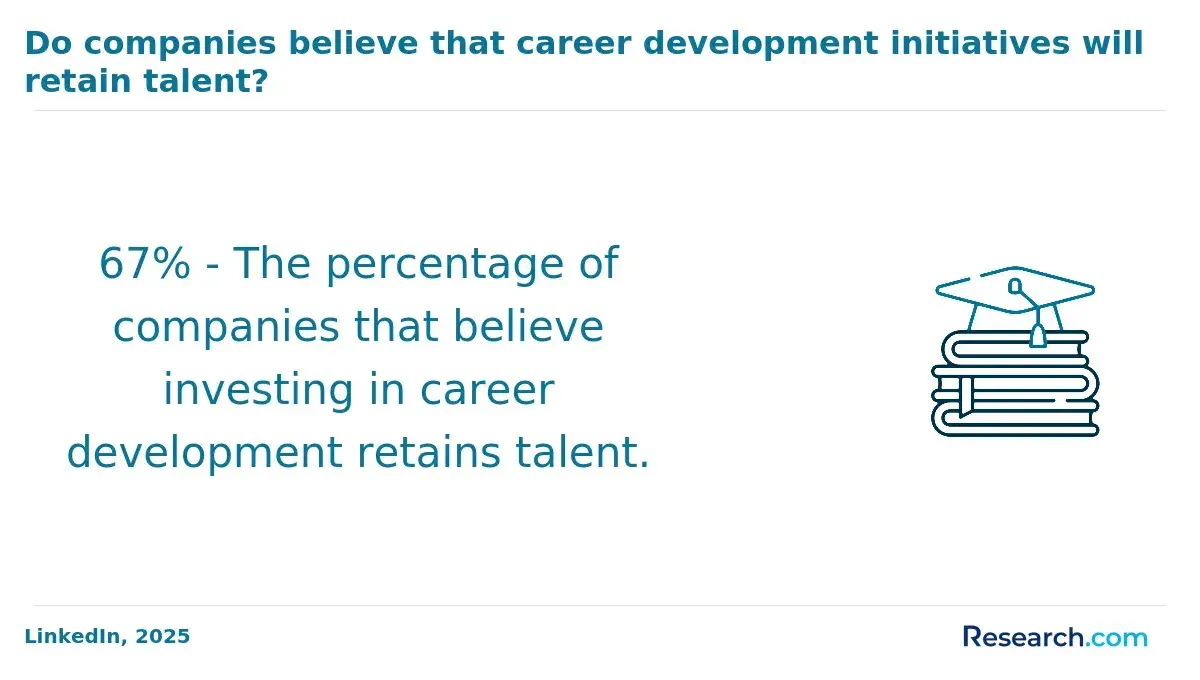
Career advancement in instructional design comes from showing that your work improves learning, performance, efficiency, compliance, or learner satisfaction. To move beyond entry-level work, focus on evidence: stronger portfolio samples, measurable project outcomes, broader stakeholder experience, and deeper expertise in the learning environments you serve.
- Continuing Education: A master's degree or targeted certificate can strengthen your knowledge in curriculum design, multimedia learning, assessment, accessibility, learning analytics, or project leadership. Choose programs that require applied projects, not only discussion-based coursework.
- Certification Programs: Credentials in instructional design, eLearning, or project management can help validate specialized skills. They are most valuable when they align with your target role and are supported by work samples that demonstrate what you can do.
- Networking: Conferences, professional groups, online communities, alumni networks, and local learning-and-development events can expose you to job leads, tool recommendations, portfolio feedback, and emerging practices. Networking is also useful for understanding how expectations differ across corporate, academic, nonprofit, healthcare, and government roles.
- Mentorship: Working with a mentor can help you avoid common career mistakes, price freelance work more effectively, prepare for interviews, and learn how senior designers think about strategy. Serving as a mentor can also build leadership credibility and strengthen your communication skills.
To advance faster, document your impact. Keep records of the problem you were asked to solve, your design process, the tools used, stakeholder constraints, learner feedback, and any performance or completion results you are allowed to share. This makes interviews more concrete and helps employers see you as a problem solver rather than only a content creator.
Instructional designers work anywhere people need structured learning, training, onboarding, compliance education, product education, professional development, or curriculum support. If you are searching for instructional designer jobs in New York 2025 or comparing the best states for instructional designers 2025, pay attention to employer type as much as location. The day-to-day work can look very different in a university, corporation, hospital, government office, or consulting practice.
- K-12 schools and higher education institutions: Designers may develop digital curricula, online courses, blended learning programs, faculty resources, and student support materials. Universities like Arizona State University, Stanford, and the University of Central Florida, as well as community colleges and large school districts, use instructional design to improve course quality and online learning delivery.
- Corporations: Companies such as Google, Amazon, and IBM employ instructional designers to build onboarding, leadership development, product training, sales enablement, compliance training, and internal learning programs for global teams.
- Nonprofit organizations: Entities like the American Red Cross and Bill & Melinda Gates Foundation may need training for staff, volunteers, partners, or community programs. These roles can be appealing for designers who want mission-driven work and broad social impact.
- Government agencies: The Department of Defense, NASA, and local health departments rely on instructional designers for public service training, safety education, technical learning, compliance, and workforce development.
- Healthcare systems: Institutions such as Mayo Clinic and Kaiser Permanente use instructional design to support clinical training, patient education, compliance, continuing education, and professional development for medical staff.
- Freelancers and consultants: Independent instructional designers may work across industries, creating courses, job aids, workshops, learning strategies, or e-learning assets for clients. Freelancing offers flexibility but also requires business development, pricing, contracts, and client management.
If you are choosing an education pathway before entering the field, prioritize accredited institutions and programs that help you build a portfolio. Researching non profit accredited online universities can help you compare credible options for gaining relevant skills and credentials.
Instructional design can be rewarding, but it is not simply a creative content job. Designers often work under tight timelines, with incomplete information, changing stakeholder expectations, and pressure to prove that learning solutions produce results. Understanding these challenges early can help you prepare for the realities of the work.
- Managing heavy workloads: Instructional designers may juggle several projects at once, each with different deadlines, reviewers, tools, and subject matter experts. Strong organization is essential, especially when budgets and development resources are limited.
- Handling emotional pressure: Stakeholders may expect an engaging course even when content is unclear, timelines are short, or learner needs have not been fully analyzed. Designers also need patience when teams resist new methods, technologies, or evidence-based design practices.
- Adapting to rapid industry change: Advances in artificial intelligence and automation are reshaping how content is drafted, personalized, translated, assessed, and delivered. Instructional designers need to understand these tools while still protecting quality, accuracy, accessibility, and learner trust.
- Competing in a results-focused market: Organizations increasingly expect learning teams to connect training to measurable outcomes. Designers must be able to define success, collect feedback, improve content, and show how learning supports real performance goals amid evolving regulations and technology trends.
A common mistake is assuming every performance problem needs a course. Strong instructional designers ask whether the issue is caused by lack of knowledge, unclear processes, poor tools, low motivation, policy gaps, or communication problems. Sometimes the best solution is a job aid, checklist, workflow change, coaching plan, or performance support resource instead of a full training module.
Instructional design in 2025 rewards people who can build, test, revise, and explain their work. You do not need to wait for a perfect job title to start gaining experience. You can create sample projects, volunteer for training needs, redesign existing materials, or document case studies that show your thinking.
- Complete at least three projects that demonstrate different skills, such as an e-learning module, storyboard, facilitator guide, job aid, assessment, or curriculum plan.
- Volunteer for projects at work, nonprofits, small businesses, schools, or community organizations when you need practical experience and portfolio material.
- If formal opportunities are limited, create your own case studies. Choose a real learning problem, define the audience, write objectives, design a solution, and explain how you would evaluate success.
- Develop working knowledge of eLearning software like Articulate Storyline, but do not rely on tool skills alone. Employers also want to see sound instructional decisions, clear writing, and learner-centered structure.
- Improve your writing, storyboarding, and communication abilities. Nearly 70% of employers emphasize the importance of clear communication in instructional design roles.
- Study instructional theories, but connect them to practical design choices. For example, show how a scenario, practice activity, or feedback loop helps learners perform a specific task.
- Experiment with interactive modules and performance support aids that reduce cognitive overload and help learners apply information at the point of need.
- Join the instructional design community, share your work, ask for constructive feedback, and learn how experienced designers frame decisions for clients and stakeholders.
To stand out, make your portfolio easy to understand. For each project, include the problem, audience, constraints, tools, design process, final product, and what you would improve with more time or data. Hiring managers often care as much about your reasoning as the final artifact.
Instructional design may be a good fit if you enjoy learning how people learn, organizing complex information, solving practical problems, and creating resources that help others perform better. It may not be the best fit if you want a job with no revisions, little collaboration, or purely creative control. Many people asking, is instructional design a good career in 2025, should start by comparing the work itself with their strengths and preferences.
- Passion for Learning and Innovation: You are interested in education technology, learning methods, and ways to make information clearer, more useful, and more engaging.
- Attention to Detail: You can catch errors in structure, wording, sequencing, assessment, accessibility, and learner instructions because small mistakes can weaken the learning experience.
- Strong Communication Skills: You can explain complex ideas clearly in writing, visuals, scripts, storyboards, and conversations with stakeholders.
- Collaborative Working Style: You are comfortable working with subject matter experts, managers, faculty, reviewers, learners, and technical teams. The role requires humility, active listening, and the ability to translate feedback into better design.
- Embracing Feedback and Deadlines: You can revise your work without taking every edit personally. Instructional design often values effectiveness, clarity, and timely delivery over perfection.
- Love for Research and Problem-Solving: You enjoy gathering information, identifying learner needs, comparing possible solutions, and designing materials that solve real problems.
- Alignment with Stable Yet Adventurous Careers: You want a field that can offer structure and stability while still allowing creativity, experimentation, and movement across industries.
- Personality Fit: The field can suit reflective, independent thinkers as well as collaborative team members. It is often recommended among the best jobs for creative introverts because it values careful analysis, writing, design thinking, and innovation over constant high-pressure social interaction.
One practical test is to create a small learning solution before committing to a degree or career change. Pick a topic you know well, identify a learner audience, build a short module or job aid, ask people to use it, and revise based on feedback. If that process energizes you, instructional design may be worth pursuing further.
What Professionals Who Work as an Instructional Designer Say About Their Careers
Professionals in instructional design often describe the field as stable, creative, and intellectually engaging. Their experiences also show why the role attracts people who enjoy continuous improvement, technology, and measurable learner impact.
- Johnathan: "The demand for skilled instructional designers continues to grow, which has provided me with incredible job stability and a competitive salary. The ability to create impactful learning experiences for diverse audiences keeps the work engaging and rewarding."
- Abram: "Working as an instructional designer challenges me daily to innovate and adapt, especially with emerging educational technologies. It's a career that pushes creative boundaries while allowing me to support learners in unique ways across various industries."
- Cesar: "One of the most rewarding aspects of being an instructional designer is the continuous professional development opportunities. Through certifications and collaboration with experts, I've advanced my career and deepened my expertise in curriculum design and e-learning strategies."
Other Things You Should Know About Becoming an Instructional Designer
In 2027, the competitiveness in the instructional design job market is influenced by technological advancements, increased corporate e-learning needs, and the emphasis on personalized education. These factors drive demand but also require continuous skills enhancement in educational technology and digital tool proficiency.
Certifications like the Association for Talent Development's Certified Professional in Talent Development (CPTD) or the International Society for Technology in Education's (ISTE) Certification for Educators can enhance instructional designers' careers in 2027 by validating expertise and demonstrating commitment to professional growth.
Instructional designers in 2027 need expertise in educational technology, learning management systems, and data analytics. Strong skills in curriculum development and project management are also crucial as they design engaging digital content that aligns with the latest instructional theories and practices.
- What does an instructional designer do and what does it take to be one? | by Cyril Anderson | Medium https://medium.com/@cyril_anderson/what-does-an-instructional-designer-do-and-what-does-it-take-to-be-one-9b2625b7df04
- The Top 15 Instructional Design Skills You Need in 2025 | Devlin Peck https://www.devlinpeck.com/content/instructional-design-skills
- Instructional Design Certificate | ATD https://www.td.org/education-courses/instructional-design-certificate
- What Do Instructional Designers Do? - Purdue University College of Education https://education.purdue.edu/2024/01/what-do-instructional-designers-do/
- Is Instructional Design the Right Career? - Experiencing Elearning https://christytuckerlearning.com/is-instructional-design-the-right-career/
- Instructional Designer Career Path https://4dayweek.io/career-path/instructional-designer
- The One Skill You Need to Excel in Instructional Design - eLearning Industry https://elearningindustry.com/the-one-skill-you-need-to-excel-in-instructional-design
- 10 Most Common Mistakes Rookie L&D Professionals Make…And How To Avoid Them - Your eLearning World https://yourelearningworld.com/10-most-common-mistakes-rookie-ld-professionals-makeand-how-to-avoid-them/
- Where Do Instructional Designers Work? | Goodwin University https://www.goodwin.edu/enews/where-do-instructional-designers-work/
- 2025 Career Goals for Instructional Designers - 12+ Goal Examples (Full Guide) https://www.tealhq.com/professional-goals/instructional-designer