
2027 How to Become an Architectural Project Manager: Education, Salary, and Job Outlook

Co-Founder and Chief Data Scientist
Architectural project management is the career path for people who want to stay close to design while taking responsibility for deadlines, budgets, teams, clients, and construction realities. Instead of focusing only on drawings, architectural project managers help turn concepts into completed buildings by coordinating architects, engineers, contractors, owners, vendors, and approval agencies.
This guide explains what it takes to enter the field, including credentials, skills, internships, salary expectations, career progression, advancement options, work settings, and common challenges. It is written for architecture students, early-career designers, construction professionals, and career changers who want to decide whether architectural project management fits their strengths and long-term goals.
What are the benefits of becoming an architectural project manager?
- Architectural project managers enjoy a solid job outlook, with a projected growth rate of around 8% by 2025, reflecting increased demand in construction and design sectors.
- Average salaries hover around $95,000 annually, with experienced managers earning even more, making it a lucrative career path in the architecture field.
- This role blends creativity and leadership, offering diverse projects and career stability, ideal for those passionate about managing architectural designs from start to finish.
What credentials do you need to become an architectural project manager?
To become an architectural project manager, you usually need a combination of architectural education, supervised project experience, technical knowledge, and leadership ability. Requirements vary by employer, state, and project type, especially when the role involves licensed architectural work or responsibility for code-compliant design decisions.
- Architecture education: Many employers prefer candidates with a degree in architecture, architectural technology, construction management, or a closely related field. If your undergraduate degree is in another subject, a professional master’s program may provide the design studio, building systems, and practice coursework needed to move into architecture-related roles.
- Licensure: Licensure is mandatory in many states if you want to officially call yourself an architect and lead certain architectural responsibilities. This typically involves passing the Architect Registration Examination (ARE) and completing thousands of hours through the Architectural Experience Program (AXP).
- Project management certification: Certifications are not always required, but they can strengthen your credibility with firms and clients. Common options include Project Management Professional (PMP), Certified Associate in Project Management (CAPM), and Certified Construction Manager (CCM).
- Documented project experience: Employers look for evidence that you have worked through real design and construction phases, including coordination, submittals, schedules, client communication, budgets, and consultant management.
- Technical and professional skills: Strong candidates understand drawings, building codes, contracts, software workflows, construction sequencing, and stakeholder communication. Leadership matters as much as design knowledge once you begin managing people and project risk.
If you are still completing an undergraduate credential while working, comparing fast online bachelor degree programs for working adults can help you identify flexible options. However, make sure any program you choose fits the education expectations of architecture firms, licensing boards, or graduate programs you may pursue later.
What skills do you need to have as an architectural project manager?
An architectural project manager needs both design fluency and execution discipline. The role is less about being the most visually creative person in the room and more about keeping the project aligned with the client’s goals, the approved design, the budget, the schedule, and regulatory requirements.
| Skill area | Why it matters in the role |
| Technical drawing and visualization | You must understand drawings, details, specifications, CAD files, and BIM models well enough to review work, coordinate changes, and explain design intent clearly. |
| Project scheduling | You need to map deadlines, sequence design and construction tasks, identify dependencies, and adjust timelines when approvals, materials, or field conditions change. |
| Budget management | You may review estimates, track fees and construction costs, flag overruns, and help clients make trade-offs before budget problems become project failures. |
| Risk management | You must recognize risks early, including unclear scope, late decisions, permitting delays, design conflicts, and contractor coordination issues. |
| Construction site coordination | Site visits help you verify progress, respond to field questions, review quality, and confirm that work is consistent with the design documents. |
| Organization and documentation | Contracts, meeting notes, RFIs, submittals, change orders, schedules, and approvals must be tracked carefully because missing documentation can create disputes. |
| Communication | You translate between clients, architects, engineers, contractors, consultants, and public agencies. Clear written and verbal communication prevents expensive misunderstandings. |
| Leadership and decision-making | You need to delegate work, set priorities, resolve conflicts, and make timely decisions when teams are under pressure. |
| Problem-solving | Design conflicts, cost increases, late approvals, and site surprises are common. Strong project managers offer practical options instead of simply reporting problems. |
| Technology proficiency | Familiarity with architecture, construction, and project management software helps teams coordinate faster and maintain reliable project records. |
The strongest architectural project managers are not only technically capable; they are also calm under pressure. They know when to ask for input, when to escalate a problem, and when to make a clear recommendation.
What is the typical career progression for an architectural project manager?
The typical path to architectural project management is gradual. Many professionals spend years learning design production, codes, consultant coordination, construction administration, and client communication before they are trusted to manage full projects. A common progression takes about 10 to 15 years, although the pace can vary by firm size, project complexity, licensure status, and individual performance.
- Entry-level roles: Many professionals begin as Assistant Architectural Project Managers, Architectural Coordinators, junior designers, or project assistants. In these roles, they help organize drawings, update schedules, prepare meeting notes, coordinate files, and learn how projects move from concept through construction.
- Project manager: After about eight years and often with an architecture degree, professionals may move into project manager roles. At this stage, they often manage several small or mid-sized projects, serve as a primary client contact, coordinate internal teams, and monitor budgets, deadlines, and deliverables.
- Senior Architectural Project Manager: With 10+ years of experience and usually an architectural license, professionals may oversee larger, multi-phase projects. Senior managers often lead multidisciplinary teams, represent the firm in client meetings, coordinate with regulatory agencies, and take responsibility for higher-risk decisions.
- Specializations and lateral moves: Some managers build expertise in sectors such as healthcare, education, commercial, civic, or multifamily projects. Others move into construction management, owner’s representative roles, facilities management, development, consulting, or firm leadership.
- Fast-tracking careers: Certifications such as PMP or LEED AP, strong BIM skills, niche sector knowledge, and experience in high-demand regions can help professionals advance faster. However, faster promotion usually comes with greater accountability for cost, quality, schedule, and client satisfaction.
A useful way to plan your progression is to ask what responsibilities you can already handle independently and which ones still require supervision. Employers promote candidates who can protect the project, communicate clearly, and anticipate issues before they become costly.
How much can you earn as an architectural project manager?
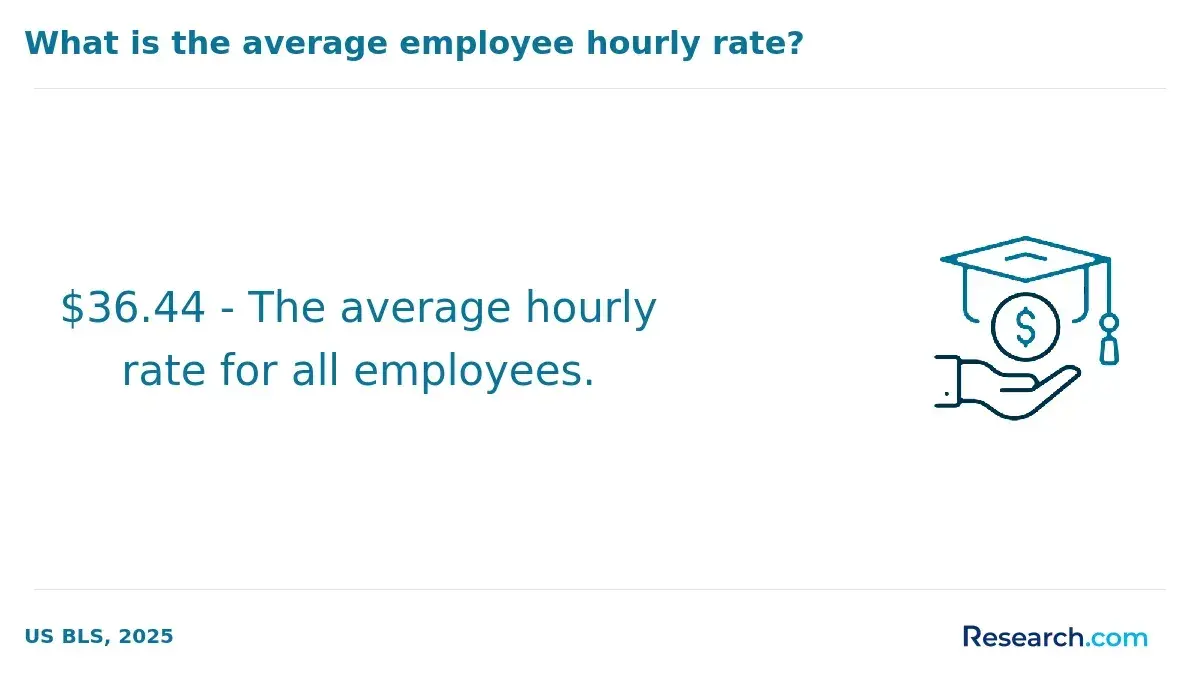
The architectural project manager salary in the United States averages around $94,690 per year, or about $45.52 an hour. Entry-level salaries can start near $72,200, while experienced managers in larger cities or top firms may earn $121,000 or more annually.
Pay depends heavily on location, project type, employer size, licensure, and proven ability to manage risk. Markets such as New York and San Francisco may offer higher pay because construction activity, project complexity, and cost of living are often higher. Compensation can also be stronger for professionals who manage specialized facilities, complex public projects, or high-value commercial work.
| Factor | How it can affect earnings |
| Experience | Managers who have successfully delivered more projects can often negotiate higher pay because they reduce risk for employers and clients. |
| Location | Large construction markets and high-cost cities may pay more, although living expenses can also be higher. |
| Licensure and credentials | An architectural license, PMP, LEED, or similar credential may improve competitiveness for senior roles, especially when employers need formal qualifications. |
| Project specialization | Experience in areas such as sustainable design, healthcare facilities, public buildings, or technically complex projects can strengthen earning potential. |
| Employer type | Architecture firms, construction companies, developers, universities, healthcare systems, and government agencies may structure pay and benefits differently. |
A doctorate is usually not required for architectural project management, but some professionals explore advanced study for research, teaching, executive, or specialized consulting goals. If you are comparing long-term academic options, you can review easiest Phd programs to get into while also weighing whether that investment directly supports your intended career path.
What internships can you apply for to gain experience as an architectural project manager?
Internships that build architectural project management experience should expose you to coordination, documentation, schedules, budgets, design reviews, and construction communication. The title does not always need to say “project management.” Roles in architectural offices, construction firms, planning departments, and facilities teams can all help you build relevant experience.
- Architecture, engineering, and construction corporations: These employers may offer positions such as Project Manager Intern, Architectural Intern, design intern, or construction coordination intern. You may help with design reviews, cost tracking, meeting notes, consultant coordination, and project documentation.
- Nonprofits: Community development organizations, affordable housing groups, and preservation organizations can provide experience with stakeholder communication, grant-funded work, public meetings, and mission-driven project constraints.
- Government agencies: City planning departments, public works offices, housing authorities, and transportation agencies may offer internships focused on compliance, permitting, budgeting, procurement, and contractor coordination.
- Healthcare providers: Hospital systems and healthcare networks often manage renovations, expansions, and facility upgrades. Interns may assist with planning, budgeting, phasing, infection-control coordination, and communication among clinical and construction teams.
- Schools and universities: Campus planning and facilities departments may hire interns to support renovation, maintenance, construction, space planning, and process improvement projects.
What to look for in an internship
- Exposure to project meetings, not only drafting or administrative tasks.
- Opportunities to work with schedules, budgets, change logs, RFIs, or submittals.
- Mentorship from licensed architects, project managers, construction managers, or facilities leaders.
- Experience with real constraints, including codes, procurement, phasing, and stakeholder approvals.
- Work samples or documented responsibilities you can discuss in future interviews.
If you want graduate-level preparation while keeping costs manageable, compare an affordable masters degree related to architecture, construction management, project management, or the built environment. Choose programs based on curriculum fit, accreditation, employer recognition, and flexibility rather than price alone.
How can you advance your career as an architectural project manager?
Career advancement in architectural project management comes from becoming more reliable with larger budgets, more complex teams, higher-stakes clients, and harder technical problems. The best strategy is to combine formal learning with visible project results.
- Continuing education: Most states, like New York, require architects to complete specific hours of continuing education every few years. Even if continuing education is not mandatory for your current role, it helps you stay current on codes, software, sustainability standards, contracts, accessibility, and risk management.
- Professional certifications: Credentials from organizations such as the Project Management Institute (PMI) can strengthen your resume, especially if you want to manage larger teams or move into owner’s representative, construction, or corporate project roles. Many certifications also require ongoing professional development units, which signals continued engagement with the field.
- Specialized training programs: Organizations such as AGC and NAHB offer targeted training in construction and project management. These programs can be useful if you need stronger knowledge of estimating, contracts, site coordination, safety, scheduling, or construction delivery methods.
- Sector specialization: Developing expertise in healthcare, education, laboratories, public work, housing, adaptive reuse, or sustainable design can make you more valuable because specialized projects often involve complex regulations and stakeholder needs.
- Networking and mentorship: Professional associations, conferences, local AIA chapters, construction groups, and alumni networks can help you find mentors, learn about openings, and understand how senior managers handle difficult clients and project disputes.
- Leadership visibility: Volunteer to lead meetings, manage smaller scopes, train junior staff, present project updates, or improve internal workflows. Advancement often depends on whether decision-makers trust you to represent the firm well.
To move up, document your wins. Track completed projects, budgets managed, schedule improvements, client feedback, software expertise, certifications, and examples of problems you helped resolve.
Where can you work as an architectural project manager?
Architectural project managers work wherever buildings are planned, designed, renovated, maintained, or constructed. The role often blends office-based planning with site visits, client meetings, and coordination with consultants or contractors. Your work setting will shape your daily responsibilities, pace, and career options.
| Work setting | What the role may involve |
| Large architectural and engineering firms | Companies like Gensler, HOK, or Perkins&Will manage major projects such as office towers, hospitals, campuses, and mixed-use developments. Project managers often coordinate large internal and consultant teams. |
| Construction companies | Firms like Turner Construction, Skanska, or AECOM may hire project managers to connect design teams with builders, manage coordination issues, and support construction delivery. |
| Government agencies | Local, state, and federal bodies, including the General Services Administration (GSA) or state Departments of Transportation, hire project managers to oversee public infrastructure, civic buildings, procurement, and compliance. |
| Healthcare systems and universities | Large hospital networks like Kaiser Permanente or Mayo Clinic and major universities often have in-house project teams for renovations, expansions, code upgrades, and long-term facilities planning. |
| Nonprofits and cultural institutions | Museums, theaters, community organizations, and preservation groups may need project managers for capital improvements, historic restoration, donor-funded projects, or public-facing facilities. |
If you need to complete additional education while managing costs, reviewing the cheapest online schools that accept financial aid can be a practical starting point. Confirm accreditation, program relevance, transfer policies, and financial aid eligibility before enrolling.
What challenges will you encounter as an architectural project manager?
Architectural project managers are paid to manage uncertainty. Even well-planned projects can be disrupted by client changes, permitting delays, budget pressure, consultant conflicts, supply issues, or site conditions that were not visible during design.
- Scope creep: Clients and stakeholders may request changes after work has begun. Small revisions can accumulate into major cost and schedule impacts unless you document decisions, define approval processes, and explain trade-offs early.
- Communication silos: Architects, engineers, contractors, clients, consultants, and agencies often use different terminology and focus on different priorities. Without clear meeting notes, responsibility logs, and communication channels, important information can be missed.
- Budgeting and scheduling pressure: Teams may feel pressure to present optimistic estimates to win work or satisfy stakeholders. Design changes, material shortages, approvals, and new regulations can quickly disrupt those assumptions.
- Conflicting priorities: Clients may prioritize cost, architects may prioritize design quality, contractors may prioritize constructability, and regulators may prioritize compliance. The project manager must help balance these priorities without ignoring risk.
- Accountability without full control: You may be responsible for outcomes even when delays come from outside parties. Strong documentation and early escalation help protect the project and clarify responsibility.
- Constant learning curve: Architecture continues to change through new technology, green standards, updated codes, and evolving delivery methods. Staying current is part of the job, not an optional extra.
The most effective managers do not pretend problems will disappear. They surface risks early, present options, document decisions, and keep the team focused on the next practical step.
What tips do you need to know to excel as an architectural project manager?
To excel as an architectural project manager, you need disciplined systems and strong relationships. Projects usually fail because expectations, decisions, risks, or responsibilities were not made clear soon enough.
- Start every project with clarity: Confirm the scope, budget, schedule, communication plan, decision-makers, deliverables, and approval process before the team moves too far into design or construction.
- Use technology consistently: Project management software, CAD, BIM, document control tools, and shared trackers are only useful when the team agrees on how to use them. Set standards early.
- Communicate before problems escalate: Hold regular check-ins with clients, consultants, and internal teams. Short, frequent updates can prevent confusion and build trust.
- Document decisions immediately: Record meeting outcomes, approvals, assumptions, and changes. Good documentation protects the team and creates a reliable project history.
- Learn the contract language: Understand scope limits, responsibilities, deliverables, payment terms, and change procedures. Many project problems become worse when managers do not know what the contract actually says.
- Review quality throughout the process: Do not wait until the end of a phase to check coordination. Regular reviews of drawings, specifications, budgets, and schedules reduce rework.
- Build calm authority: Teams respond well to managers who are direct, fair, organized, and steady under pressure. You do not need to have every answer immediately, but you do need to lead the process for finding one.
- Keep learning: Workshops, mentors, professional associations, industry publications, and lessons learned from past projects all help you refine your judgment.
How do you know if becoming an architectural project manager is the right career choice for you?
Architectural project management may be a strong fit if you enjoy design but also want a leadership role that requires coordination, accountability, and practical decision-making. It is not the best path for someone who wants to work only on creative concept development or avoid conflict, deadlines, and budget discussions.
- Personality: Successful project managers are usually organized, detail-oriented, adaptable, and comfortable juggling many moving parts at once.
- Teamwork and communication: This career fits people who like working with clients, contractors, engineers, designers, agencies, and internal teams. You need to communicate clearly even when the project is under pressure.
- Values and interests: The role is rewarding if you enjoy turning ideas into real buildings and balancing design quality with cost, time, safety, codes, and client needs.
- Decision-making: You must be willing to make judgment calls with incomplete information, explain trade-offs, and take responsibility for follow-through.
- Lifestyle: Expect a mix of office work, meetings, documentation, and site visits. Schedules can be demanding near deadlines, approvals, bidding, or construction milestones.
- Career outlook: Architectural project managers are needed as cities grow, buildings age, and regulations change, but job stability still depends on market conditions, construction cycles, employer strength, and your ability to deliver results.
If you are still choosing an education path, comparing the cheapest online bachelor's degree options can help you manage costs. Just make sure the program supports your intended pathway into architecture, construction, project management, or a related graduate program.
What Professionals Who Work as an Architectural Project Manager Say About Their Careers
- : "Working as an architectural project manager has given me incredible job stability in an ever-evolving industry. The demand for skilled managers remains strong, and the salary potential reflects the high level of responsibility we carry. This career path is a rewarding blend of creative problem-solving and financial security. — Olivia"
- : "The architectural project management field presents unique challenges that keep my daily work exciting and varied. Navigating complex design requirements while coordinating teams pushes me to constantly develop my skills and adaptability. It's fulfilling to lead projects that transform ideas into real-world structures. — Sean"
- : "From my experience, pursuing architectural project management has opened numerous doors for professional growth. The industry encourages continuous learning through certifications and hands-on leadership roles, which have been essential for advancing my career. I value the dynamic nature of this work and the broad perspective it offers. — Maia"
Other Things You Should Know About Becoming an Architectural Project Manager
To become an architectural project manager in 2027, typically, a bachelor's degree in architecture or a related field is required. Some project managers may also pursue a master's degree or additional certifications like PMP for enhanced career prospects and competitiveness in the field.
In 2027, proficiency in Building Information Modeling (BIM) software is crucial for architectural project managers. It enhances efficiency in design collaboration and project management, making it an essential skill for leading projects effectively, from concept to completion. Employers often prioritize candidates with strong BIM expertise.
Key skills include project management proficiency, expertise in BIM software, strong communication, problem-solving abilities, and a deep understanding of architectural design. These skills are critical for effectively overseeing projects and coordinating with diverse teams in 2027.
References
- The Ultimate Architectural Project Manager Career Guide https://www.4cornerresources.com/career-guides/architectural-project-manager/
- Project Management for Architects: 5 Common Challenges https://totalsynergy.com/project-management-for-architects-navigating-common-challenges/
- How to Become an Architectural Project Manager in 2025? https://www.knowledgehut.com/blog/project-management/how-to-become-architectural-project-manager
- How to Become an Architectural Project Manager: Career Path & Guide | Himalayas https://himalayas.app/career-guides/architectural-project-manager
- 2025 CV Example for Architectural Project Managers (+Free Template) https://www.tealhq.com/cv-example/architectural-project-manager
- 10 Most Common Problems That Architects Face When Handling Projects https://www.easyrender.com/a/10-most-common-problems-that-architects-face-when-handling-projects
- Architectural Project Manager: Role Explained https://www.projectmanagertemplate.com/post/architectural-project-manager-role-explained


