
2027 Accounting vs. Taxation Degree: Explaining the Difference

Co-Founder and Chief Data Scientist
Choosing between an accounting degree and a taxation degree is really a choice between breadth and specialization. Accounting prepares you to understand, record, analyze, audit, and report financial activity across an organization. Taxation focuses more narrowly on how tax rules affect individuals, businesses, estates, transactions, and compliance decisions.
Both paths can lead to stable finance, compliance, advisory, and public accounting careers. The better fit depends on what kind of work you want to do every day: broad financial reporting and business analysis, or detailed tax research, planning, and regulation-focused advising. This guide compares the two degree paths by curriculum, skills, difficulty, career outcomes, cost, and decision factors so you can choose the program that best matches your goals.
Key Points About Pursuing an Accounting vs. Taxation Degree
- Accounting degrees offer broad financial training, leading to diverse careers; taxation degrees focus on tax law and planning with more specialized roles.
- Accounting programs average $30,000 tuition annually; taxation degrees may cost slightly more due to specialized courses, typically completed in four years.
- Graduates with accounting degrees earn a median salary of $73,000, while taxation specialists often command higher pay rates, reflecting their niche expertise.
What are Accounting Degree Programs?
Accounting degree programs teach students how organizations measure, record, verify, and communicate financial information. They are broader than taxation programs because they cover the full accounting cycle, including financial reporting, managerial decision-making, auditing, internal controls, and tax fundamentals.
Most programs are built around Generally Accepted Accounting Principles (GAAP), which provide the framework businesses use to prepare financial statements. Students typically study financial accounting, managerial accounting, intermediate accounting, cost accounting, auditing, taxation, accounting information systems, business law, economics, statistics, and business technology. Depending on the school, electives may include fraud investigation, forensic accounting, nonprofit accounting, government accounting, or financial statement analysis.
A bachelor’s degree in accounting usually requires about 120 credit hours and is commonly completed in four years by full-time students. Admission generally requires a high school diploma or equivalent. Schools may review GPA, standardized test scores where applicable, math preparation, and prior business coursework. Transfer students may need minimum grades in introductory accounting courses before moving into upper-division accounting classes.
Accounting is often the stronger choice for students who want flexibility. Graduates can work in public accounting firms, corporations, government agencies, nonprofits, banks, consulting firms, and internal audit departments. It is also a common foundation for students who plan to pursue the CPA credential, though CPA education requirements vary by jurisdiction and may require additional credits beyond a standard bachelor’s degree.
What are Taxation Degree Programs?
Taxation degree programs focus on the rules, strategies, and compliance responsibilities that shape tax decisions. Unlike general accounting programs, taxation programs are usually graduate-level and are designed for students who want specialized expertise in federal, state, local, corporate, individual, estate, partnership, or international tax matters.
Many students complete a Master of Taxation within one year, although part-time and online formats may take longer. Coursework commonly includes tax research, corporate taxation, partnership taxation, individual income taxation, estate and gift taxation, tax procedure, tax policy, and interpretation of tax law. Some programs also cover accounting fundamentals, but the main emphasis remains on applying complex tax rules to real client or business situations.
Taxation programs are especially useful for students who want to become tax consultants, corporate tax managers, tax accountants, senior tax analysts, or enrolled agents. The work is highly detail-oriented and often involves researching regulations, preparing or reviewing returns, advising clients, documenting positions, and helping organizations reduce tax risk while staying compliant.
Admission generally requires a bachelor’s degree, preferably in accounting or a closely related business field. Some schools expect applicants to have completed prior coursework in accounting or tax law because graduate tax courses often assume familiarity with financial statements, business entities, and basic tax concepts.
What are the similarities between Accounting Degree Programs and Taxation Degree Programs?
Accounting and taxation degree programs overlap because tax work depends on accurate accounting information, and accounting work often requires a working knowledge of tax rules. Both programs prepare students to interpret financial data, apply regulations, document decisions, and communicate findings to clients, managers, auditors, or regulators.
- Shared financial foundation: Both programs teach students to work with financial records, transactions, statements, and supporting documentation.
- Regulatory focus: Students in both fields learn to operate within formal rules, whether those rules involve GAAP, tax codes, audit standards, or compliance procedures.
- Analytical skill development: Both paths require accuracy, quantitative reasoning, problem-solving, and the ability to identify inconsistencies in financial information.
- Ethical responsibility: Accountants and tax professionals handle sensitive financial information, so both programs emphasize professional judgment, confidentiality, and compliance.
- Technology use: Students in both areas commonly work with spreadsheets, accounting systems, tax software, databases, and financial analysis tools.
- CPA relevance: Both degrees can support preparation for the Certified Public Accountant licensing exam, although accounting programs usually provide broader coverage across CPA exam topics while taxation programs go deeper into tax-specific material.
- Overlapping career options: Graduates from either path may work in public accounting, corporate finance, government, consulting, compliance, or advisory roles, depending on credentials and experience.
The practical difference is not that one field uses numbers and the other does not. Both do. The difference is how the numbers are used. Accounting asks, “What happened financially, and how should it be reported?” Taxation asks, “How do tax rules apply, and what compliant strategy produces the best outcome?” Students who want a faster graduate option may also compare flexible one year master's programs online when evaluating program format and completion time.
What are the differences between Accounting Degree Programs and Taxation Degree Programs?
The main difference is scope. Accounting degree programs provide broad training across financial reporting, auditing, managerial accounting, systems, and tax basics. Taxation degree programs provide concentrated training in tax law, compliance, research, planning, and advisory work.
| Comparison Area | Accounting Degree Programs | Taxation Degree Programs |
| Primary focus | Broad financial reporting, auditing, accounting systems, cost analysis, and business decision support. | Tax law, tax planning, compliance, tax research, and interpretation of regulations. |
| Typical degree level | Common at the associate, bachelor’s, and master’s levels. | Most common at the graduate level, especially as a Master of Taxation. |
| Curriculum depth | Covers many accounting and business areas, usually with less depth in advanced tax topics unless electives are added. | Goes deeper into tax topics such as corporate, estate, state, partnership, or international taxation. |
| Career direction | Best for students who want broad options in accounting, audit, finance, consulting, or leadership. | Best for students who want specialized tax advisory, compliance, planning, or representation roles. |
| CPA preparation | Often aligned more broadly with CPA exam content, including audit and financial accounting. | Stronger for tax content but may require additional preparation in audit, reporting, or other CPA areas. |
- Curriculum focus: Accounting covers auditing, financial reporting, managerial accounting, cost accounting, and systems. Taxation centers on tax law, compliance, research, and planning, with possible specialization in areas such as corporate or international tax.
- Career opportunities: Accounting graduates often pursue roles such as auditors, staff accountants, financial analysts, consultants, controllers, or CFOs. Taxation graduates commonly work as tax advisors, tax accountants, compliance specialists, tax managers, or enrolled agents.
- Credential strategy: Accounting degrees are often more useful for students seeking broad CPA preparation. Taxation degrees are more useful for professionals who already have accounting knowledge and want to deepen their tax expertise.
- Specialization: Taxation programs usually provide more advanced tax electives, while accounting programs offer broader business and finance flexibility.
- Salary and demand: Tax professionals generally earn slightly higher salaries, ranging from $79,000 to $116,000, compared to auditors at $71,000 to $113,000. Both fields maintain strong demand, with audit roles growing due to regulation and tax roles benefiting from steady client needs.
In short, accounting is the better starting point if you want maximum career flexibility. Taxation is the better fit if you already know you want to specialize in tax rules, tax strategy, and compliance-heavy advisory work.
What skills do you gain from Accounting Degree Programs vs Taxation Degree Programs?
Both degree paths build financial judgment, attention to detail, and regulatory awareness. The difference lies in how those skills are applied. Accounting programs develop broad financial reporting and analysis skills, while taxation programs develop specialized tax interpretation, planning, and compliance skills.
Skill Outcomes for Accounting Degree Programs
- Financial reporting proficiency: Students learn to prepare, read, and analyze financial statements in accordance with generally accepted accounting principles.
- Audit and control awareness: Programs introduce audit procedures, internal controls, documentation standards, and risk identification.
- Managerial decision support: Students learn how accounting information supports budgeting, forecasting, cost control, and business planning.
- Accounting systems knowledge: Coursework often includes accounting information systems, spreadsheets, databases, and software used to process and evaluate financial data.
- Analytical thinking: Graduates learn to classify transactions, identify trends, evaluate variances, and explain financial results to non-accounting audiences.
Skill Outcomes for Taxation Degree Programs
- Tax law interpretation: Students learn how to read, research, and apply tax statutes, regulations, rulings, and guidance to practical situations.
- Tax planning: Graduates develop strategies for individuals or businesses while staying within legal and ethical boundaries.
- Tax return preparation and review: Programs strengthen the ability to prepare, evaluate, and document complex returns and supporting schedules.
- Compliance and controversy awareness: Students may learn how to respond to notices, support tax positions, and understand taxpayer representation issues.
- Professional judgment and ethics: Tax work requires careful handling of confidential information, accurate calculations, and clear documentation of advice.
The accounting skill set is broader and more transferable across finance roles. The taxation skill set is narrower but deeper, which can be valuable for students who enjoy research, rules, and specialized advisory work. Students exploring an entry-level pathway may also review an easiest associate's degree option as a way to build foundational business or accounting skills before committing to a longer program.
Which is more difficult, Accounting Degree Programs or Taxation Degree Programs?
Accounting and taxation are difficult in different ways. Accounting is usually challenging because of its breadth. Taxation is challenging because of its depth, technical detail, and constant reliance on rules and interpretation.
Accounting degree programs require students to move across several technical areas: financial accounting, managerial accounting, auditing, business law, accounting information systems, and tax fundamentals. This range can be demanding because students must understand how different parts of an organization connect financially. A student may be analyzing journal entries in one course, audit evidence in another, and cost behavior in another.
Taxation degree programs concentrate more heavily on one domain, but that does not make them easy. Tax courses often require close reading, careful research, precise calculations, and the ability to apply rules to fact patterns where small details can change the answer. Students who dislike legal interpretation or dense regulatory material may find taxation especially difficult.
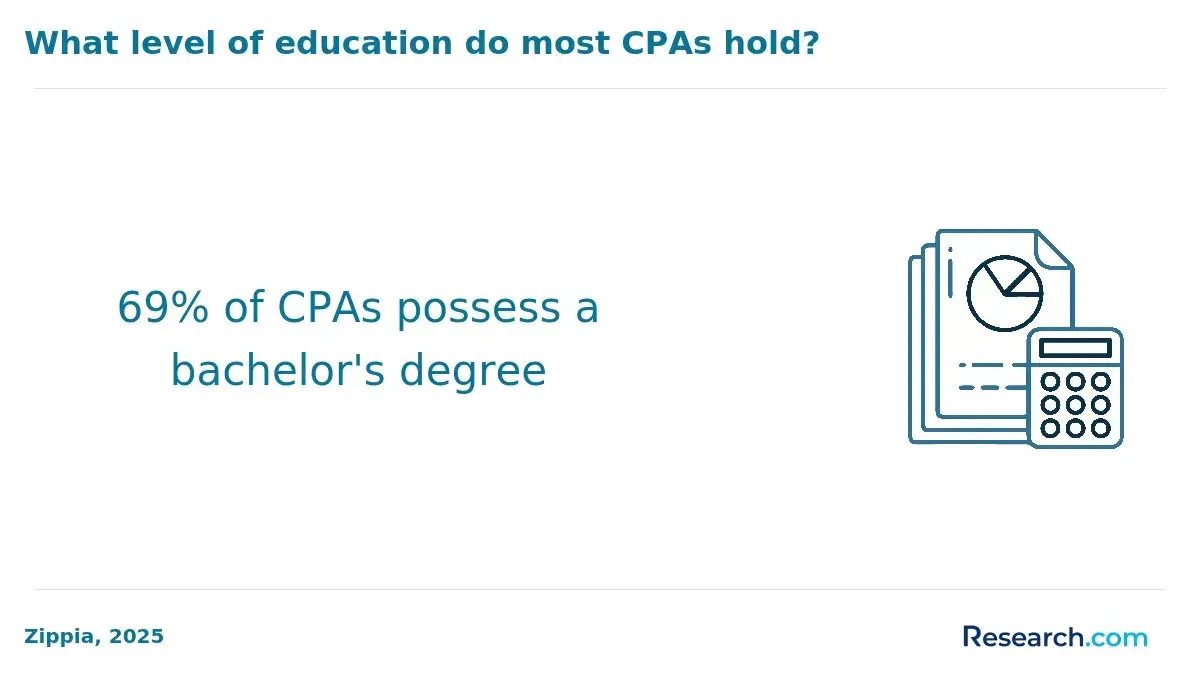
Certification goals can also affect perceived difficulty. Accounting students often pursue the CPA exam, which tests knowledge across auditing, financial reporting, and regulatory frameworks, featuring pass rates near 50% per section. That broad exam preparation can add significant academic and time pressure. Taxation students may still pursue CPA licensure, but a tax-focused curriculum may not cover all exam areas as evenly as a broader accounting program.
As a general rule, accounting may feel harder for students who struggle with breadth and multiple business functions. Taxation may feel harder for students who struggle with legal language, technical rules, and detailed research. Students comparing difficulty across fields may also look at alternatives such as the cheapest online associate degree in computer science when considering different academic and career pathways.
What are the career outcomes for Accounting Degree Programs vs Taxation Degree Programs?
Accounting degrees generally lead to broader career options, while taxation degrees lead to more specialized roles. Both can support stable employment because organizations need accurate financial records, regulatory compliance, and reliable tax guidance.
Career Outcomes for Accounting Degree Programs
Accounting graduates can work in public accounting, corporate accounting, government, nonprofit finance, audit, consulting, banking, and financial analysis. The average salary for accountants with a bachelor's degree is approximately $83,000 per year in 2025, reflecting competitive earning potential. Career advancement may lead to senior accountant, accounting manager, controller, director of finance, or executive roles.
- Auditor: Reviews financial statements, records, controls, and procedures to assess accuracy and compliance.
- Staff Accountant: Handles reconciliations, journal entries, ledger maintenance, month-end close tasks, and routine reporting.
- Financial Analyst: Uses financial data to evaluate performance, support budgeting, and inform business or investment decisions.
- Controller: Oversees accounting operations, reporting processes, internal controls, and financial close activities.
Career Outcomes for Taxation Degree Programs
Taxation graduates usually move into roles that require deeper knowledge of tax compliance, planning, and advisory work. Demand remains resilient because individuals, businesses, and institutions need help understanding and applying evolving tax regulations. For students researching a master's in taxation job outlook, the strongest opportunities are often in public accounting firms, corporate tax departments, consulting firms, and specialized tax practices.
- Tax Accountant: Prepares or reviews tax returns and helps individuals or organizations meet filing and payment obligations.
- Tax Specialist: Researches tax issues, recommends compliant tax strategies, and supports planning for transactions or entities.
- Enrolled Agent: Represents taxpayers in dealings with the IRS and helps manage tax disputes or compliance issues.
- Corporate Tax Manager: Oversees business tax reporting, planning, documentation, and coordination with internal finance teams or external advisors.
The best career path depends on how specialized you want your work to be. Accounting offers more room to shift among audit, reporting, analysis, operations, and leadership. Taxation offers a clearer niche for professionals who want to become experts in tax law, tax planning, and compliance. Students seeking a lower-cost starting point can also compare a cheap college online as part of their education planning.
How much does it cost to pursue Accounting Degree Programs vs Taxation Degree Programs?
The cost of an accounting or taxation degree depends on degree level, institution type, residency status, delivery format, and program length. Accounting is available at both undergraduate and graduate levels, while taxation is more commonly offered as a graduate degree, so direct cost comparisons should account for the type of credential being pursued.
| Program or Category | Cost Information |
| Undergraduate accounting at public universities | Average annual tuition is around $10,061 for in-state students and near $29,073 for out-of-state students. |
| Graduate accounting programs | Average in-state tuition is $11,365, while out-of-state tuition is $21,890 per year. |
| University of Alabama at Birmingham online master’s in taxation | $8,580 per year. |
| Villanova University taxation tuition | Can reach $23,925 annually. |
| Graduate tuition across all fields | Averages about $20,513, with private schools charging close to $28,017 and public schools around $12,596. |
| Some online master’s in taxation programs | Available under $15,000 annually. |
| Premium private on-campus programs | May exceed $50,000 per year. |
Online programs may reduce indirect expenses such as commuting, housing relocation, and schedule disruption, but students should still compare total cost carefully. Tuition is only one part of the investment. Fees, books, software, exam preparation, licensing-related expenses, and lost work hours can also affect affordability.
Financial aid can make a significant difference. Students should review scholarships, grants, fellowships, employer tuition assistance, assistantships, and payment plans. For graduate tax programs, working professionals should also ask whether their employer supports tax, accounting, CPA, or continuing education costs.
The most cost-effective option is not always the cheapest published tuition. A program that aligns with your credential goals, offers strong career placement, and allows you to finish on schedule may provide better value than a lower-cost program that lacks the courses or flexibility you need.
How to choose between Accounting Degree Programs and Taxation Degree Programs?
Choose accounting if you want a broad finance and business foundation. Choose taxation if you want a specialized career centered on tax rules, planning, compliance, and advisory work. The right choice depends on your career target, academic background, preferred work style, and credential plans.
| Choose Accounting If... | Choose Taxation If... |
| You want flexibility across audit, reporting, corporate accounting, consulting, analysis, or leadership. | You already know you want to work mainly in tax compliance, research, planning, or tax advisory. |
| You are starting your accounting education and need a broad foundation. | You already have accounting or business coursework and want advanced specialization. |
| You plan to prepare broadly for the CPA exam and want coverage across multiple exam-related areas. | You want deeper tax knowledge and are willing to supplement other CPA topics if needed. |
| You enjoy understanding how entire organizations record, report, and use financial information. | You enjoy interpreting rules, researching regulations, and applying tax law to specific facts. |
| You want more room to pivot between industries and finance roles. | You want to build a niche that may support tax consulting, corporate tax management, or private practice. |
- Clarify your career scope: A Master of Accounting can support auditing, consulting, financial reporting, and corporate finance. A Master of Taxation is more focused on tax law and strategic tax planning.
- Check CPA alignment: Accounting programs are more likely to cover all major CPA exam areas. Taxation programs may require extra preparation in audit, financial accounting, or other non-tax areas.
- Match the program to your interests: Taxation is best for students who like research, rules, and technical interpretation. Accounting is better for students who want wider exposure to business operations and financial decision-making.
- Consider your academic background: Students without accounting coursework may find a general accounting degree more accessible. Graduate taxation programs may assume prior accounting knowledge.
- Evaluate long-term flexibility: Accounting can lead to many different financial roles, including executive paths. Taxation can lead to specialized expertise, independent practice, or partner-level advisory work.
Students who want both breadth and specialization can compare a dual graduate degree or combine an accounting degree with tax electives, certificates, or professional credentials. If you are undecided, accounting is usually the safer first degree because it keeps more doors open. If you are already committed to tax work, a taxation degree can help you build deeper expertise faster.
What Graduates Say About Their Degrees in Accounting Degree Programs and Taxation Degree Programs
- Lennon: "The Accounting Degree Program was academically demanding, but it gave me the structure I needed to understand financial reporting, auditing, and corporate finance. Internships helped me connect classroom concepts to real business problems, and the degree improved my confidence as I entered the workforce. The stronger income potential after graduation made the effort worthwhile."
- Forest: "The Taxation Degree Program helped me connect tax theory with practical case work. Studying federal and state regulations in detail prepared me for tax consulting, especially when clients needed clear answers on complex compliance questions. The program’s industry relationships also helped me find opportunities with specialized accounting firms."
- Leo: "The Accounting Degree Program gave me a strong foundation in managerial and financial accounting. The coursework was rigorous, but faculty support and applied projects helped me develop practical problem-solving skills. I now work in a corporate finance environment where that broad accounting background is useful every day."
Other Things You Should Know About Accounting Degree Programs & Taxation Degree Programs
In 2027, both Accounting and Taxation degrees offer competitive salary prospects, but they vary by specialization and experience. Accountants often find opportunities in financial sectors with broad salary ranges, whereas Taxation specialists might achieve higher earnings in niche roles or with advanced certifications. Consider industry demand and personal strengths when evaluating potential salary outcomes.
Yes, but only if the program includes the state’s required accounting coursework and credits. Most U.S. CPA boards require 150 semester hours, with specific classes in auditing, financial accounting, tax, and business. Check your state board and NASBA before enrolling.
A 2027 Taxation degree often leads to specialized roles in tax preparation, consultancy, and compliance, offering a focused career path. An Accounting degree, however, provides a broader foundation, allowing for diversified opportunities in auditing, financial analysis, and management accounting, potentially offering broader career growth.
References
- How your degree can lead to a career in Tax | Accountancy & Taxation Sector Career Story | CareersPortal.ie https://careersportal.ie/articles/article.php
- Is a Master’s in Taxation Worth It? Jobs, Salary & Growth https://online.edgewood.edu/blog/is-a-masters-in-taxation-worth-it/
- Navigating the Complex Tax Landscape Makes You Indispensable: How an MS in Taxation Can Advance Your Career | University of Cincinnati https://online.uc.edu/blog/ms-taxation-degree-benefits/
- Is Accounting Stressful? An Honest Answer | Rasmussen University https://www.rasmussen.edu/degrees/business/blog/is-accounting-stressful/
- Master’s in Taxation https://www.colorado.edu/business/ms-programs/masters-taxation
- Is Becoming an Accountant Difficult? https://thedolinsgroup.com/is-becoming-an-accountant-difficult/
- Masters in Accounting vs Masters in Taxation https://learn.org/articles/masters_in_accounting_vs_masters_in_taxation.html
- Accountant Stress Level: Tips to Manage and Overcome Stress https://bh-accounting.co.nz/accountant-stress-level/
- Getting a Master's in Taxation: Everything You Need to Know https://www.westerncpe.com/blog-post/getting-a-masters-in-taxation-everything-you-need-to-know/


