2027 Art Studies Job Market Report: Open Roles, Salary Bands, and Hiring Momentum

Co-Founder and Chief Data Scientist
Employment patterns in art studies reveal complex shifts beyond surface-level demand or pay scales. As institutions and cultural organizations adapt to digitization, evolving audience engagement, and constrained budgets, hiring priorities reflect changes in skill sets and expertise. Salary bands and open roles act as proxies for how investment cycles and credential expectations shape the field's workforce composition.
Geographic concentration and demographic trends further influence these dynamics, often highlighting tension between traditional competencies and emerging technological fluencies. Understanding hiring momentum in art studies requires considering these multifaceted labor market forces rather than isolated metrics. Age distribution among candidates suggests ongoing challenges in balancing accessibility with professional specialization in this evolving discipline.
Key Things to Know About Art Studies Job Market
- The scarcity of open roles in art studies often necessitates multidisciplinary skills, reflecting a tradeoff where specialized knowledge must be complemented by digital or administrative competencies to enhance employability.
- A 2024 report shows employers increasingly value portfolio diversity and practical experience over academic pedigree in art studies, signaling a shift that influences recruitment strategies and candidate selection.
- Hiring momentum in art studies correlates strongly with institutional arts funding cycles, meaning job availability fluctuates significantly, impacting timing decisions for students weighing program costs and career entry.
- Key Things to Know About Art Studies Job Market Key Things to Know About Art Studies Job Market
- How Strong Is Demand for Art Studies Graduates in Today's Job Market? Demand for Graduates
- Which Art Studies Careers Have the Most Open Job Opportunities? In-Demand Careers
- What Salary Bands Are Employers Offering Across Art Studies Careers? Offered Salary Bands
- Which Industries Are Hiring the Most Art Studies Graduates? Top-Hiring Industries
- How Does Hiring Demand Vary by State, Region, and City? Hiring Demand by Location
- What Skills Are Employers Prioritizing in Art Studies Job Postings? In-Demand Skills
- Which Certifications Increase Employability and Salary Potential? High-Value Certifications
- How Do Remote and Hybrid Opportunities Affect the Art Studies Job Market? How Do Remote and Hybrid Opportunities Affect the Art Studies Job Market?
- Which Art Studies Careers Show the Strongest Long-Term Hiring Momentum? Strongest Careers
- How Can Students Use Job Market Data to Make Better Career Decisions? How Can Students Use Job Market Data to Make Better Career Decisions?
How Strong Is Demand for Art Studies Graduates in Today's Job Market?
Recent data from the U.S. Bureau of Labor Statistics (BLS) and LinkedIn Workforce Reports reveal a nuanced snapshot of art studies graduate job market trends in 2024. While overall employment growth in traditional fine arts sectors remains limited or stagnant-affected by automation and outsourcing-there is rising demand in niches like digital content creation, multimedia arts, and user experience design where creative and technical skills intersect.
This shift illustrates that although openings in classic artistic roles are constrained, graduates who integrate digital literacy with their artistic training are better positioned to capture emerging opportunities. Regional demand for art studies careers varies, with metropolitan areas showing greater hiring momentum due to higher concentrations of tech-driven creative industries compared to rural or manufacturing-focused regions.
Key drivers shaping demand include technological advancements that elevate digital creativity as core to artistic occupations, and the expansion of sectors reliant on multimedia and interactive design. Automation has reduced roles tied to routine graphic design, pressing graduates to develop interdisciplinary competencies and adaptable portfolios.
Employers increasingly prioritize practical experience and networking connections over purely academic credentials, reflecting a skills-driven labor market. Graduates focusing solely on traditional fine arts without complementary technical expertise face narrower prospects and wage limitations, underscoring why early-career professionals must critically assess how changes in industry needs influence their strategic education choices.
Given these labor market realities, those pursuing art studies should weigh the balance between artistic passion and market viability carefully. The broadening of roles into marketing, education, museum curation, and community arts points to a diversification of career pathways but also necessitates deliberate skill-building beyond core art curricula.
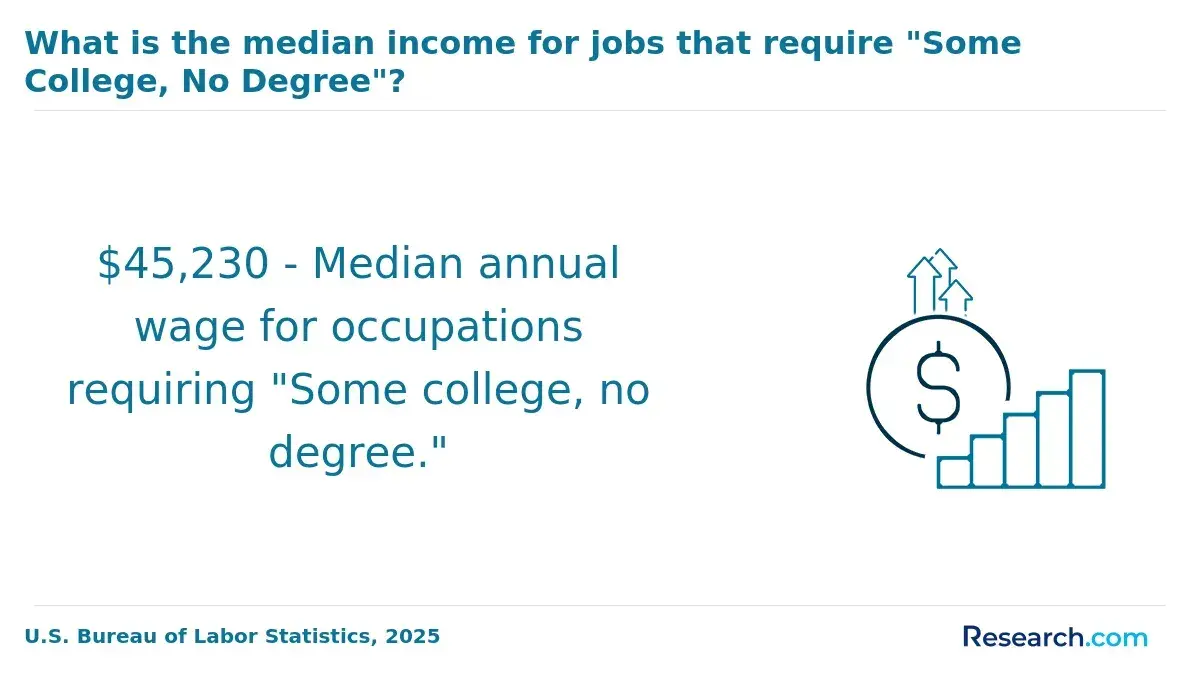
For individuals exploring alternative or accelerated educational routes, considering options like an associate's degree online can provide foundational skills more rapidly while aligning with evolving employer demands in creative sectors.
Which Art Studies Careers Have the Most Open Job Opportunities?
Open job opportunities within art studies careers are tightly linked to broader industry expansion, shifting employer expectations, and persistent skills shortages in specialized areas. The job distribution is not uniform; certain roles benefit from increased funding, technological integration, and changing institutional priorities, which together reshape workforce demand.
- Museum Curators and Gallery Managers: These roles continue to grow as cultural institutions increase public engagement efforts, backed by expanded government and private funding. Institutions seek candidates with expertise in collection management, exhibition design, and community outreach, favoring individuals who combine traditional curatorial knowledge with digital documentation skills. The U.S. Bureau of Labor Statistics projects a 9% growth rate for these positions through 2032, indicating sustained and rising demand.
- Art Educators (K-12 and Community Programs): Education reform policies emphasizing STEAM have driven a surge in hiring for art educators, particularly within public schools and nonprofit programs. Employers look for educators able to integrate arts with technology and science curricula, as well as those skilled in culturally responsive teaching methods. This expansion reflects both workforce shortages and increased prioritization of arts education nationwide, contributing to thousands of new listings.
- Digital Art Curators and Administrators: The rise of digital art forms and NFT marketplaces has created roles demanding fluency in both artistic curation and digital platform management. Employers require professionals capable of navigating online exhibitions, social media marketing, and digital rights management. Industry reports note a 15% annual increase in openings since 2023, driven by the growing convergence of art and technology sectors.
- Art Program Coordinators and Community Arts Managers: These positions have expanded within nonprofit organizations and municipal cultural departments to oversee arts programming and stakeholder engagement. Strong organizational, grant-writing, and partnership-building skills are in high demand as programs seek to broaden accessibility and audience diversity. Growth here responds to efforts aimed at community development through arts participation.
- Art Conservation Specialists: Although more niche, conservation specialists see steady demand driven by the necessity to preserve physical artworks amid environmental challenges. Employers prize candidates with scientific knowledge and hands-on restoration expertise. This role remains crucial in museums and private collections, balancing traditional craftsmanship with modern preservation technology.
- Art Historians and Researchers: Openings in academic and institutional research settings, while smaller in volume compared to other roles, require in-depth scholarly expertise. Employers often seek professionals adept at archival research, publication, and interdisciplinary collaboration. This area remains highly competitive but fundamental to maintaining the historical and critical frameworks that underpin art studies.
- Exhibition Designers and Installers: Demand arises from both public and commercial art sectors needing skilled practitioners who combine creative spatial design with technical installation knowledge. Competence in lighting, materials, and visitor experience is critical. This role bridges artistic vision with practical execution, responding to increasing complexity in exhibition formats and venues.
Understanding these labor market shifts provides crucial context for interpreting where job seekers will find the most openings and what competencies employers prioritize. Rather than isolated vacancies, these trends reflect deeper evolutions in cultural institutions, education systems, and digital media landscapes.
For instance, the rise of interactive media has made credentials like a video game designer degree an increasingly vital asset for navigating specialized tech and creative roles.
What Salary Bands Are Employers Offering Across Art Studies Careers?
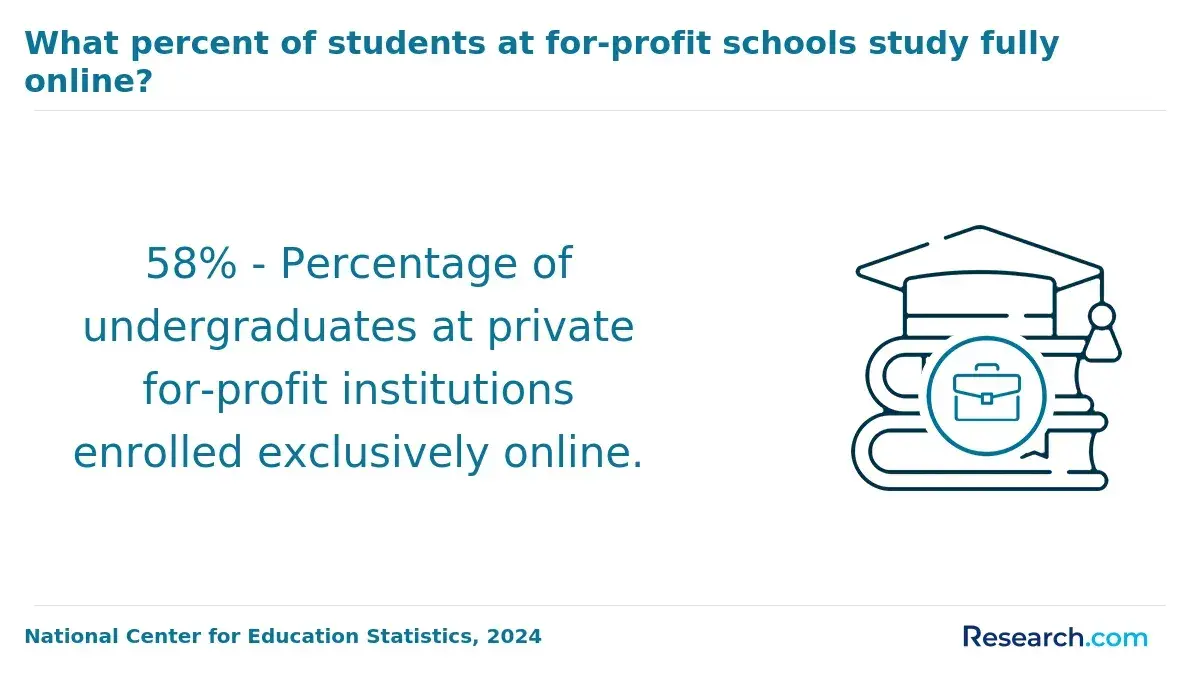
Compensation across art studies careers demonstrates a clear progression linked to role complexity, geographic factors, and experience, with entry-level positions generally offering between $30,000 and $45,000 annually.
Mid-career roles, such as museum curators or art educators with added technical skills, tend to fall in the $50,000 to $70,000 range, reflecting increased specialization and responsibility.
Senior positions, including directors or expert conservators, command salaries often exceeding $75,000 and stretching beyond $120,000 in competitive urban markets, according to recent labor data from sources like the U.S. Bureau of Labor Statistics and LinkedIn Salary Insights. This spread underscores how labor market segmentation and institutional funding disparities influence wage floors and ceilings within the field.
Salary variation hinges notably on specialization level, demand intensity, and location. Employers prioritize multidisciplinary skills blending artistic, managerial, and digital proficiencies, which push compensation toward the higher end. Metropolitan areas and prestigious cultural institutions tend to offer premium pay due to cost of living and funding availability, while smaller organizations often maintain tighter budgets resulting in compressed salary bands.
Additionally, part-time and freelance roles, common in art studies, contribute to income unpredictability and weaker benefits, revealing ongoing challenges in standardizing earnings despite a field-wide emphasis on diverse skill sets.
One graduate recalled the tension of navigating offers amid rolling admissions for several art-related graduate programs. Delays in final acceptance letters forced them to weigh securing a spot against waiting for more competitive options, resulting in a late decision just before term start.
This experience highlighted the uncertainty many candidates face when their timelines don't align neatly, requiring strategic judgment in balancing preparedness with the pressure of limited openings and variable notification patterns.
Which Industries Are Hiring the Most Art Studies Graduates?
Demand for art studies graduates is concentrated in sectors experiencing significant digital transformation, workforce expansion, or persistent skill shortages linked to creativity and design. These industries are not just increasing headcount but reshaping roles to integrate new media, branding strategies, and educational approaches that value cultural literacy and multidisciplinary expertise.
Understanding where demand is strongest offers insight into the evolving expectations employers place on art studies graduates, particularly in technical proficiency, visual storytelling, and pedagogical adaptability.
- Media and Entertainment: This sector accounts for the largest share of hiring, fueled by growth in digital content creation, streaming platforms, and interactive media such as video games. Employers prioritize proficiency in graphic design, animation, and multimedia production, favoring graduates who can combine artistic skill with emerging technologies. Approximately 28% of art studies-related jobs are in this field, reflecting its ongoing expansion and demand for versatile creative talent.
- Advertising and Marketing: Rapid shifts toward digital marketing and user experience design have intensified the need for art studies graduates who excel in visual storytelling and brand development. This industry values creative problem-solving alongside data-informed design to craft compelling narratives across platforms, employing nearly 22% of graduates. The trend toward personalized and interactive campaigns drives demand for skill sets that marry artistic sensibility with consumer behavior insights.
- Education: Educators and curriculum developers remain essential in K-12 and higher education contexts focused on integrating the arts into broader learning objectives. Roughly 18% of art studies graduates find roles here, responding to steady institutional demand for arts programming as schools seek to nurture creativity and critical thinking. Success in this sector requires pedagogical skills combined with a deep understanding of arts disciplines and cultural contexts.
- Publishing and Museums: Though smaller in scale, accounting for about 12% of hires, this sector relies on graduates capable of managing cultural heritage, exhibition design, and interpretive communication. Employers look for candidates with strong curatorial insight and the ability to engage diverse audiences through both traditional and digital media.
- Freelance and Entrepreneurial Ventures: About one-fifth of art studies graduates pursue self-directed careers that demand business acumen alongside creative expertise. The freelance market emphasizes adaptability, networking, and the ability to market one's skills in competitive and fluctuating environments, reflecting a structural shift toward portfolio careers within the discipline.
How Does Hiring Demand Vary by State, Region, and City?
Hiring demand for art studies graduates varies meaningfully across states and larger regions, reflecting differences in industry concentration and local economic conditions. Data from the U.S. Bureau of Labor Statistics and recent regional workforce analyses indicate that states such as California, New York, and Massachusetts maintain higher demand due to dense clusters of cultural institutions, creative agencies, and media companies.
These states benefit from stronger public and private investment in arts programming, which sustains a steady flow of openings for candidates with art studies backgrounds. Understanding how hiring demand for art studies roles varies by state involves recognizing that regional economic health and the presence of nonprofit sectors directly influence workforce needs, leading to a complex landscape where funding cycles and political priorities affect job stability.
At the city level, metropolitan hubs exhibit distinct hiring patterns shaped by employer density, infrastructure, and talent pipelines. Cities like New York City, Los Angeles, Chicago, and Boston frequently outpace smaller metros in both the quantity of opportunities and salary levels due to competitive markets and diversified creative ecosystems.
However, this intensity brings heightened employer competition and cost-of-living challenges that can offset higher wages. Localized demand differences also arise from factors such as the scale of arts institutions and the availability of specialized training programs, which supply qualified graduates.
For job seekers weighing options, balancing the advantages of established urban centers against financial and competitive realities is essential to aligning expectations with the nuanced dynamics found across top regions and cities with art studies job openings. Prospective students might also consider exploring related fields and disciplines, such as those offered through a PsyD program, as part of a broader strategic approach to career readiness.
What Skills Are Employers Prioritizing in Art Studies Job Postings?
Employer expectations in art studies job postings are increasingly shaped by evolving technologies, automation, and sector-specific demands that require a broader range of interdisciplinary skills. The traditional focus on artistic talent alone no longer suffices as cultural institutions and creative agencies seek candidates who can navigate digital tools, data analytics, and collaborative environments.
These shifts reflect deeper changes in how art-related roles support organizational goals, blending creativity with strategic and technical capabilities.
- Digital Literacy: Mastery of digital design software such as Adobe Creative Suite and 3D modeling tools has become fundamental as employers integrate technology into content creation and remote workflows. Proficiency here expands a candidate's ability to produce versatile, multimedia work while supporting hybrid collaboration, which is now standard in many art-related settings.
- Project Management: The rise in expectation for candidates to manage projects effectively highlights the need for organizational and planning skills alongside artistic expertise. Employers increasingly value those who can coordinate timelines, budgets, and team resources, reflecting the complex, multidisciplinary nature of contemporary arts initiatives.
- Communication and Interdisciplinary Collaboration: Employers prioritize the ability to communicate clearly across diverse teams and contextualize artistic work within broader societal or historic frameworks. This skill signals a shift toward integrating art with other academic disciplines and community engagement, making candidates who can bridge these areas more competitive.
- Analytical Thinking and Research Acumen: An emphasis on critical thinking and research allows professionals to develop impactful content grounded in evidence and context. Job postings highlight candidates who combine visual literacy with rigorous inquiry, which supports informed curation, education, and public programming.
- Data Analytics and Visualization: A growing number of employers expect workers to interpret audience data and evaluate exhibition outcomes using quantitative methods. This emerging competency reflects the sector's move toward data-driven decision-making, impacting funding, marketing strategies, and program development.
Data from the U.S. Bureau of Labor Statistics shows that over 60% of art-related roles now require digital design skills, confirming digital fluency as a baseline qualification.
Meanwhile, surveys from professional arts organizations reveal that nearly 40% of postings emphasize data literacy, underscoring the sector's prioritization of measurable impacts alongside creative output. Candidates who develop this blend of technical, managerial, and conceptual skills align closely with the labor market's current and future demands in art studies.
Which Certifications Increase Employability and Salary Potential?
Certifications in the art studies field act as critical signals of specialized expertise and technological aptitude, complementing formal academic credentials. They often reflect a candidate's preparedness to meet niche demands that employers prioritize, such as digital proficiency, collections management, or regulatory knowledge.
Strategically selected certifications can boost competitiveness in hiring by aligning with specific skill gaps and industry trends that influence salary trajectories and career mobility.
- Digital Arts Software Certification: Credentials in widely used tools like Adobe Creative Cloud or 3D modeling platforms serve as proof of technical competency vital for roles that merge traditional art knowledge with emerging digital workflows. Employers value candidates with these certifications because they directly address skill shortages in creative studios and cultural organizations navigating digital transformation, often resulting in faster hiring decisions and salaries that reflect specialized technical skills.
- Museum Studies Certification: Certifications emphasizing exhibition planning, collections care, and cultural heritage preservation are highly regarded in museum and archival sectors. These credentials validate expertise in complex operational areas and frequently correlate with median salary increases around 12% over uncertified peers, underscoring their weight in both employability and compensation considerations.
- Arts Management and Project Coordination Certification: Training that targets interdisciplinary skills such as budgeting, fundraising, and legal frameworks within the arts enhances employability by matching employer expectations for versatile candidates. These certifications help bridge gaps between artistic knowledge and administrative competencies, essential for organizations seeking professionals who can navigate multifaceted roles efficiently.
- Digital Curation Certification: As institutions increasingly digitize collections and exhibitions, certifications in digital curation and archiving tools address emergent labor demands. Candidates holding these credentials signal readiness to manage digital assets and metadata standards, which is becoming integral to long-term organizational strategy and sustainability in the arts sector.
A graduate with an art studies background shared how timing and uncertainty complicated their certification decisions during the application process for specialized roles. They applied to multiple positions while awaiting the results of digital arts certification exams, knowing the credential could markedly improve their candidacy.
The rolling admissions and hiring cycles meant balancing the risk of delaying job applications against the potential salary bump from earning the certification. Ultimately, they prioritized early exam preparation to avoid missing critical hiring windows, illustrating how strategic planning around certifications can directly impact employment outcomes.
How Do Remote and Hybrid Opportunities Affect the Art Studies Job Market?
The 2024 labor market for art studies shows a clear shift as remote and hybrid opportunities reshape hiring patterns, driven by broader workforce analytics and industry hiring data. Many organizations involved in arts education and cultural curation now extend recruitment beyond traditional urban centers, leveraging technology to attract talent from diverse geographic areas.
According to recent workforce reports, roles combining digital competencies with traditional art expertise have increased, reflecting employer preferences for candidates who can effectively manage remote collaboration and virtual communication platforms.
These hiring trends accommodate flexible workflows while challenging candidates to demonstrate both creative skill and independent productivity in less supervised settings, highlighting how hybrid work models are influencing employer evaluation criteria.
These evolving work arrangements significantly impact geographic mobility and salary structures within art studies careers. The broader access to remote roles has heightened competition, as applicants from varying regions compete against local candidates, often leading to wage normalization aligned with regional market conditions rather than metropolitan salary premiums.
Employers expect adaptability to hybrid environments where physical presence is intermittently required, pushing professionals to develop digital fluency alongside traditional art competencies. This trend indicates a long-term labor market transformation that prioritizes versatile, tech-savvy talent capable of navigating shifting operational models.
Early-career professionals should consider these dynamics when exploring options, including enhancing skills through complementary fields like those offered in online library science programs, to remain competitive in a more fluid and digitally integrated art studies job market.
Which Art Studies Careers Show the Strongest Long-Term Hiring Momentum?
Long-term hiring momentum in art studies careers reflects deeper structural shifts rather than temporary fluctuations, driven by sustained economic, technological, and cultural transformations.
These shifts shape workforce demand continuously, requiring a hybrid skill set that balances traditional artistic expertise with technological proficiency and adaptability. As industries incorporate digital tools and prioritize cultural relevance, certain roles within art studies show sustained employment growth that outpaces average job market trends.
- Digital Illustrators and Multimedia Artists: Growth in video game design, virtual reality, and online content has established these roles as essential. Their long-term momentum stems from expanding digital platforms that continuously demand innovative visual storytelling, making them resilient to automation and positioned well for evolving media consumption.
- Fine Artists and Curators: With cultural institutions emphasizing preservation and education, demand for these positions persists steadily. Despite high competition and income variability, their significance in maintaining cultural heritage supports ongoing institutional investment and job stability in museums and galleries.
- Art Educators with Digital Integration Skills: The intersection of traditional art instruction and emerging digital tools keeps these roles relevant, especially in interdisciplinary academic settings. Although K-12 art teaching positions grow moderately, educators adept in technology and diversity-focused curricula benefit from shifting educational priorities.
Key factors propelling these trends include the integration of new technologies into art production, institutional alliances committed to cultural equity, and increasing freelance and contract work necessitating strong self-promotion and business skills. According to data from the U.S. Bureau of Labor Statistics projections updated in 2024, careers merging art and technology are expected to grow over 22% through 2032, signaling structural momentum.
Job seekers aiming to align with strong long-term hiring momentum in art studies should combine technical proficiency with traditional training to navigate a competitive and evolving job market effectively. For those exploring related educational pathways, assessing affordability and program outcomes remains critical, as reflected in comprehensive resources such as online colleges for forensic science.
How Can Students Use Job Market Data to Make Better Career Decisions?
Students can leverage 2024 labor reports, hiring platforms, and salary databases to evaluate demand, compensation ranges, and growth prospects within art studies. These data sources reveal which specializations-such as digital media or art conservation-are attracting sustained employer interest versus those with stagnant openings.
Regional hiring patterns and salary bands help identify geographic markets offering viable employment while clarifying the economic tradeoffs tied to various roles. By analyzing these indicators, students gain a realistic view of where jobs concentrate and which emerging skills or certifications might meaningfully enhance their prospects in this competitive, niche sector.
Interpreting job market data requires balancing quantitative signals with qualitative factors like long-term career stability, geographic flexibility, and alignment with personal interests. Overreliance on short-term hiring fluctuations can mislead decisions if broader industry trajectories and skill demands are ignored.
Students should integrate data-driven insights with an understanding of employer expectations-such as practical experience and portfolio development-to optimize education pathways and professional positioning. This nuanced approach mitigates risks inherent in passion-driven choices uninformed by labor market realities, promoting better-informed strategies tailored to realistic employment outcomes in art studies.
References
- The Art Institute https://www.theartinstitute.co.uk/au/en/blog-career-outcomes
- Jobs and Opportunities - For Art History https://forarthistory.org.uk/opportunities/
- Art https://www.careerpilot.org.uk/job-sectors/subject/art
- Confer these skills to prepare your art and design students for the workforce | EAB https://eab.com/resources/blog/adult-education-blog/prepare-design-students-workforce/
- Arts and Design Alumni Employment and Perspectives on Their Work and⦠https://snaaparts.org/findings/reports/arts-and-design-alumni-employment-and-perspectives-on-their-work-and-careers
- Art Teacher Certifications: Best Credentials to Advance Your Career | Teal https://www.tealhq.com/career-paths/art-teacher-certifications
- Future Skills Centre • Centre des Compétences futures https://fsc-ccf.ca/projects/hybrid-work-models/
- Discover the Highest Paid Jobs in the Art Field https://rossettiart.com/blogs/news/what-is-the-highest-paid-job-in-art
- Digital art and the job market (r)evolution https://rozprawyspoleczne.edu.pl/Digital-art-and-the-job-market-r-evolution,187871,0,2.html
- 22 Day Jobs To Support Your Art Career — Stephanie Scott https://www.stephaniescott.art/brushwork/2023/8/23/10-day-jobs-to-support-your-art-career
Other Things You Should Know About Art Studies
Employers in art studies often prioritize portfolios, internships, and hands-on projects over purely academic achievements. While degrees provide foundational knowledge, candidates with demonstrable creative work and real-world applications tend to have a hiring edge. Prospective job seekers should focus on building a relevant body of work alongside completing formal education to balance theoretical understanding with market-ready skills effectively.
Salary bands within art studies can vary widely depending on the specific role, organization type, and geographic location, creating uncertainty for job seekers. Early-career professionals must recognize that entry-level pay may not reflect long-term earning potential and that factors like institution size and funding sources heavily influence compensation. Prioritizing opportunities that offer skill development and networking may yield better salary growth than initial pay alone.
Hiring momentum in certain subfields of art studies can shift rapidly due to funding cycles, cultural trends, or technological advances. Students considering specialization should evaluate current and projected demand critically rather than following popularity. Choosing a niche with stable or growing interest, combined with adaptable skills, increases employability and reduces risk of oversaturation in highly competitive areas.
Broader roles often offer more diverse experience and faster advancement potential, but may come with higher workload and less depth in a single domain. Highly specialized positions can provide expertise recognition and focused career paths but might limit flexibility and long-term options if market demand shifts. For those early in their careers, balancing breadth and specialization through incremental skill building can be a pragmatic strategy to maintain adaptability.