2027 Remote Work Report for Art Studies Graduates: Flexible Roles, Pay, and Hiring Trends

Co-Founder and Chief Data Scientist
Many Art Studies graduates encounter a challenging remote job market with roles that vary widely in expectations and pay. Creative positions often blend technical and artistic skills, demanding flexibility beyond traditional studio work. Remote hiring in this field grows cautiously, with 22% of U. S. art-related employers increasing virtual roles, reflecting careful adaptation rather than wholesale shifts. This measured expansion influences how graduates should approach applications, realistic compensation ranges, and the skills that matter most to remote recruiters. This article breaks down available remote roles, typical pay scales, and hiring trends to guide Art Studies graduates toward informed decisions in building sustainable remote careers.
Key Points About Working Remotely for Art Studies Graduates
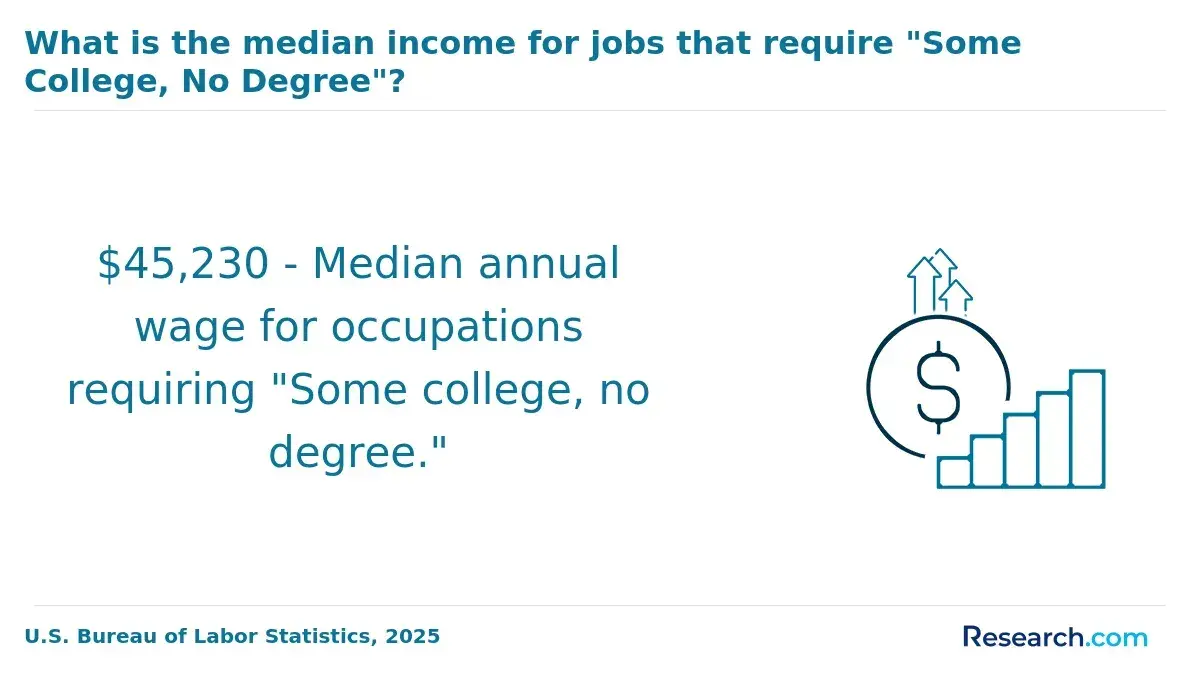
- The average annual salary for remote roles in Art Studies hovers around $45,000, with significant variance based on job function and employer scale, influencing financial planning and role selection for new graduates.
- Remote positions focus on graphic design, digital illustration, content creation, and art direction, prioritizing digital portfolios and software proficiency over traditional artistic methods, which affects skill development priorities.
- Entry-level remote roles demand self-discipline and flexible multitasking beyond artistic skill, requiring graduates to build digital expertise and network online early to align with hiring timelines in a competitive field.
- Key Points About Working Remotely for Art Studies Graduates Key Points About Working Remotely for Art Studies Graduates
- Are there remote work opportunities in the Art Studies industry? Remote Opportunities
- Which Art Studies niches offer remote roles? Which Art Studies niches offer remote roles?
- What entry-level Art Studies roles allow remote work? Entry-Level Roles
- What is the average salary of Art Studies graduates who are working remotely? Average Salary
- Do remote Art Studies jobs pay the same as on-site roles? Pay Comparison
- What benefits do remote Art Studies employees receive? What benefits do remote Art Studies employees receive?
- Where can Art Studies graduates look for remote jobs? Where to Find Jobs
- What do Art Studies employers look for in candidates? What do Art Studies employers look for in candidates?
- How can Art Studies graduates prepare for remote roles? Preparing for Remote Roles
- How can Art Studies graduates if remote roles are a good fit for them? How can Art Studies graduates if remote roles are a good fit for them?
Are there remote work opportunities in the Art Studies industry?
Flexible work arrangements vary widely, influenced by regional labor regulations and organization-specific workflows. For example, a digital content creator in a major city might work remotely using cloud design platforms, while a museum assistant in a smaller community must comply with onsite staffing laws, reducing remote options.
A recent industry report shows creative companies maintain a 60% return-to-office rate, indicating cautious remote integration. This trend implies graduates aiming for remote roles often find them highly competitive and concentrated in digital art, consulting, or education sectors rather than traditional fine arts.
Graduates should weigh the practical necessity of hands-on experience against flexibility. Remote opportunities exist but balance requires strategic career planning, especially when evaluating how location, employer expectations, and field-specific demands intersect in the Art Studies labor market.
Which Art Studies niches offer remote roles?
Certain Art Studies niches inherently support remote work due to their digital workflows and asynchronous collaboration opportunities. For example, graphic design's reliance on software and online content distribution has driven a 14.7% increase in remote job postings. By contrast, roles demanding hands-on materials or physical presence, like traditional sculpture, remain largely in-person. Choosing the right remote niche requires evaluating task structures and employer expectations. Below is a breakdown of remote-ready niches within Art Studies and why their workflows naturally fit flexible or off-site environments.
- Graphic Design: Focused on creating visual content for branding and media, this niche leverages digital tools allowing creative work to be completed remotely. Designers can collaborate with teams and clients online, which explains the sector's notable 14.7% remote job growth.
- Illustration and Digital Animation: These fields center on storytelling through images and motion, using specialized software compatible with remote workflows. Growth into streaming and gaming industries encourages distributed teams working asynchronously.
- Art Curation and Digital Archiving: The digitization of museum and gallery collections has shifted these roles to managing exhibits virtually. This adaptation has resulted in a 9.8% rise in remote opportunities, as physical handling becomes less necessary.
- Art Therapy: Though traditionally in-person, this niche has incorporated hybrid models using telehealth platforms. Remote counseling expands access but requires balancing digital sessions with occasional physical interaction.
- Arts Education: Online workshops, tutorials, and live-stream classes have seen a 12.3% increase in remote availability. This niche suits those comfortable delivering content through education technology and managing virtual learner engagement.
- Digital Illustration: Creating artwork for digital media platforms, including advertisements and social media, this niche benefits from software-based production, allowing flexible remote schedules.
- Content Creation for E-Learning: Designing visual and interactive content for virtual training programs fits well with remote project management and development cycles.
These remote Art Studies creative job opportunities demonstrate that flexibility often depends on digital tool integration and the capability for independent work. Graduates must weigh tradeoffs between creative collaboration and the limitations of remote setups, especially in niche areas prone to in-person requirements. For those pursuing flexible remote roles for Art Studies graduates, exploring options aligned with these workflows is vital. Further, combining these choices with complementary skills such as digital marketing or tech proficiency can enhance employability. When considering remote work, specialized programs like an accelerated psychology degree online could also support hybrid approaches in therapy-related art careers.
What entry-level Art Studies roles allow remote work?
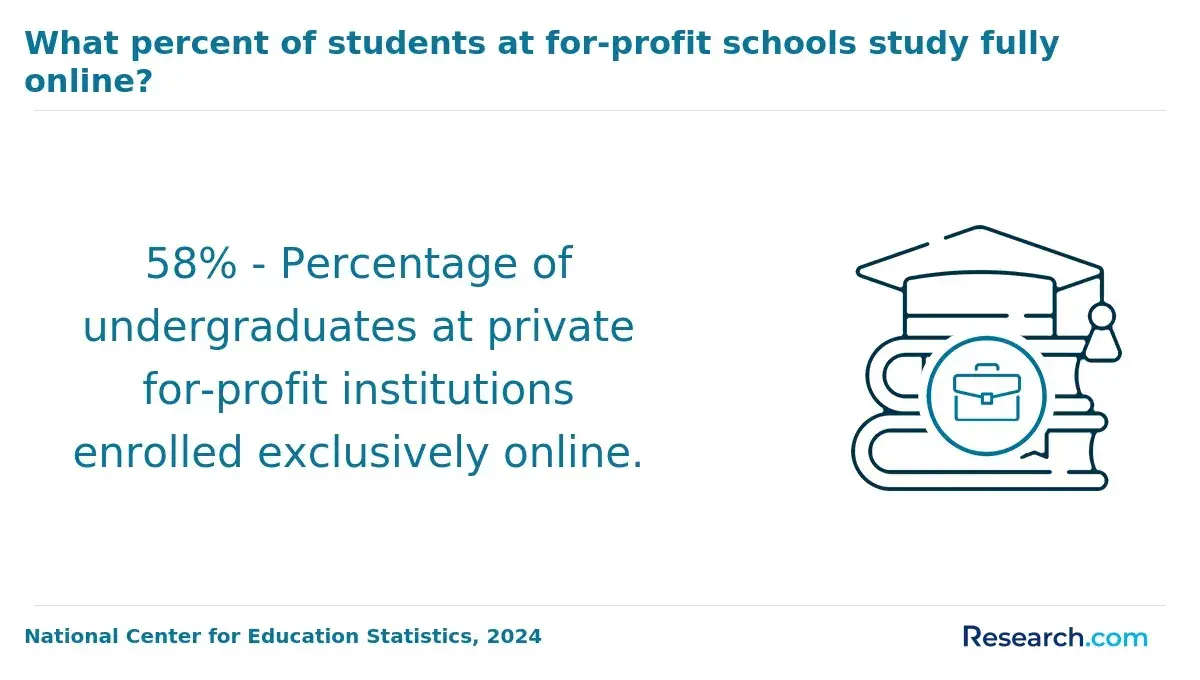
Entry-level remote roles in Art Studies require a blend of digital skills and self-directed work habits, as these positions depend heavily on virtual collaboration and content management. Recent data showing a 17.6% increase in remote job listings for creative entry-level roles highlights a modest but significant shift towards remote opportunities in the field. The following list outlines common positions that suit remote or hybrid work, specifying what employers typically seek and why these jobs are well-suited for flexible environments.
Key entry-level remote roles for Art Studies graduates include:
- Digital Archivist Assistant: Requires familiarity with digital asset management software like CONTENTdm. This role focuses on organizing and maintaining digital collections and metadata, allowing for remote contributions to institutional databases and archives.
- Virtual Exhibit Coordinator: Demands project coordination and communication skills using platforms such as Zoom and Slack. Coordinators manage online exhibits and liaise with artists, making remote interaction essential and effective.
- Social Media Content Producer: Involves scheduling and crafting posts via tools like Hootsuite. Candidates need a basic understanding of audience engagement and remote content management systems, enabling flexible work schedules.
- Junior Graphic Designer: Requires proficiency in Adobe Creative Suite to produce digital graphics and meet remote deadlines. Collaboration through synchronous feedback sessions supports distributed teamwork.
- Art Market Research Analyst: Needs competence in Excel and specialized databases. Analysts collect and analyze market data independently, often reporting findings virtually to stakeholders.
- Multimedia Production Assistant: Focuses on video editing and animation using software such as Adobe Premiere Pro. Remote work is feasible due to digital asset sharing and deadline-driven project workflows.
Choosing entry-level remote roles demands balancing flexibility with disciplined communication and digital literacy. Graduates who develop foundational skills in remote collaboration tools and understand digital content workflows integrate more successfully. For those evaluating flexible educational paths, options like a cheap online psychology degree also reflect a growing trend in remotely accessible learning and career preparation in creative fields.
What is the average salary of Art Studies graduates who are working remotely?
Remote Art Studies graduates see a median starting salary near $38,500, with entry-level compensation typically between $34,000 and $45,000. The average remote salary for Art Studies graduates varies based on role specifics and regional cost adjustments, reflecting nuances in flexibility and initial pay tradeoffs.
Earnings can diverge depending on additional technical skills or certifications required by an employer. Roles demanding advanced digital proficiency or portfolio depth tend to offer higher pay. Recent data indicates 27% of new remote hires in this field receive pay raises within 18 months, showing gradual recognition of skill growth even outside traditional workplace settings.
Compared to related creative disciplines like graphic design or digital marketing, the typical pay scale for remote Art Studies professionals is somewhat lower at entry level, where competitors often start above $40,000. This difference stems from challenges in showcasing tangible impact and portfolio relevance remotely without in-person collaboration.
Graduates should strategize portfolio building and continual upskilling to improve long-term outcomes. Exploring flexible alternatives such as an online hospitality management course may offer supplemental career options aligned with evolving job markets.
Do remote Art Studies jobs pay the same as on-site roles?
Remote Art Studies jobs generally pay about 7.3% less than on-site roles, reflecting persistent compensation gaps. Only 22% of companies maintain full salary parity between remote and on-site Art positions, signaling that equal pay remains an uncommon practice. This pay difference is a crucial factor for anyone weighing remote flexibility against earning potential.
Salary structures vary significantly due to geographic localization policies. Employers often adjust salaries based on an employee's living costs instead of offering a flat national rate. For example, a remote Art Studies graduate living in a lower-cost area may receive a reduced salary compared to an on-site counterpart in a major city despite performing identical work.
Companies compensate for these differences by reallocating budgets, like cutting travel stipends while boosting home-office allowances. However, these trade-offs rarely close the overall pay gap. Graduates should consider these structural nuances when choosing between remote and on-site roles to optimize long-term financial outcomes.
Understanding these compensation dynamics is key. Remote work offers flexibility but often at the expense of income parity. Graduates must weigh convenience against realistic earning expectations based on employer policies and localized pay scales.
What benefits do remote Art Studies employees receive?
Remote Art Studies employees face an evolving benefits landscape that balances flexibility with essential support for off-site productivity. A 2024 survey by the Remote Work Institute found that 42% of creative firms provide monthly stipends averaging $150 to offset home office costs. This trend signals employers' increasing recognition that a well-equipped workspace directly impacts output quality and engagement. For instance, a freelance digital illustrator juggling multiple client deadlines depends heavily on ergonomic peripherals and stable software solutions funded through such stipends to maintain efficiency while avoiding physical strain. Below are key benefit types commonly offered to remote Art Studies professionals.
- Flexible Paid Time Off: Employers commonly offer PTO policies allowing creatives to manage workload peaks without forfeiting income. This flexibility caters to the unpredictable nature of project-based art work while supporting mental health.
- Home Office Stipends: Monthly or one-time payments for hardware and ergonomic equipment help create functional work environments. This reduces barriers linked to remote work setups and sustains performance.
- Healthcare Options: While coverage scope varies widely by company size, basic health and dental plans are often available. Access to mental health resources is increasingly prioritized given isolation risks.
- Continuing Education Support: Some employers cover fees for skill-upgrading courses or certifications tailored to digital art, crucial for staying competitive as software and industry standards shift rapidly.
- Wellness Programs: Initiatives aimed at mental and physical wellbeing, including virtual counseling and fitness memberships, address challenges unique to decentralized creative workforces.
One remote Art Studies designer shared that negotiating for a dedicated home office stipend was pivotal. Initially hesitant to push for this benefit, the artist realized early setbacks from inadequate equipment hampered creative flow and client communication. Securing this support not only improved daily workflow but also reduced stress related to workspace distractions, underscoring how well-targeted perks directly affect both productivity and job satisfaction in remote art roles.
Where can Art Studies graduates look for remote jobs?
The most effective remote job searches for Art Studies graduates require balancing specialized platforms with broader channels that support creative roles. For example, a recent graduate specializing in digital illustration may find that relying solely on general job boards results in missed opportunities. Instead, mixing portfolio-driven sites and talent marketplaces often produces better leads. Notably, 62% of creative professionals reported landing their first remote position through freelance marketplaces, highlighting the growing importance of project-based work as a career entry point. Below are key platforms and resources tailored to art-centered remote job hunting.
- Behance Jobs:A platform linked directly to creative portfolios, Behance Jobs connects designers and artists with contract and freelance roles. Its focus on visual work makes it ideal for Art Studies graduates looking to showcase skill alongside listings, ensuring alignment with relevant employers.
- Upwork:This talent marketplace emphasizes project-based contracts across a range of art disciplines. Upwork's bidding system lets candidates compete by proposing tailored offers, cultivating direct client interactions that often lead to ongoing engagements or referrals.
- Remote.co:Broad yet curated, Remote.co hosts remote positions specifically tagged for creative roles such as graphic design or multimedia. It filters out non-remote listings, streamlining job searches for graduates seeking flexibility without sacrificing relevance.
- LinkedIn:While not exclusively art-focused, LinkedIn remains critical for professional networking and applying through advanced filters. Recruiters increasingly target candidates with art skills here, making active profile optimization and community participation essential.
- College Art Association (CAA):Beyond job boards, the CAA offers niche community access and leads on "hidden" entry-level remote roles often filled by referrals. Membership can amplify visibility within art hiring networks difficult to reach through public listings.
What do Art Studies employers look for in candidates?
Remote Art Studies employers prioritize candidates with measurable digital fluency and practical project experience that directly support distributed collaboration and innovation. For example, a remote design team working on an interactive multimedia campaign requires members who can navigate advanced software and manage autonomous deadlines while integrating feedback quickly. The key qualifications employers seek in remote Art Studies candidates highlight both technical skills and self-directed work habits. Below are essential attributes that define strong applicants in these roles.
- Technical Software Proficiency: Mastery of industry-standard tools like Adobe Creative Suite, Blender, or Autodesk Maya is foundational. Employers assess this through portfolio projects and task-based tests simulating real client briefs, ensuring candidates can produce polished, professional work in remote settings.
- Portfolio Relevance and Innovation: Beyond aesthetics, portfolios must demonstrate interactive and multimedia integration skills. Recruiters value projects that reveal problem-solving abilities and adaptability, reflecting a candidate's readiness for the practical demands of remote Art Studies roles.
- Remote Collaboration Experience: Familiarity with tools such as Slack, Trello, and Miro indicates effective communication skills in virtual teams. This competency is critical for maintaining workflow transparency and cohesion across locations and time zones.
- Self-Management and Adaptability: Candidates must excel in managing time autonomously and responding rapidly to client and team feedback. Employers use scenario-based evaluations to gauge these traits, which are vital for long-term success in flexible remote roles.
- Credential and Skill Demonstrability: Although formal degrees are valued by 42% of employers, 68% emphasize digital fluency and portfolio relevance as the primary hiring criteria. Continuous upskilling and project-based expertise outweigh traditional academic credentials in the evolving landscape of Art Studies remote job requirements.
Graduates exploring remote options should also consider how flexible programs at military friendly universities online can accelerate their degree completion while bolstering these key skills.
How can Art Studies graduates prepare for remote roles?
Art Studies graduates must prioritize expanding technical and digital competencies to secure remote roles. A practical scenario involves a graduate transitioning from traditional art skills to applying Blender and Adobe Creative Suite for remote animation projects, where digital fluency is crucial to meet employer demands. The transition requires focused strategies encompassing technological proficiency and real-world portfolio development. Below are essential steps for preparing Art Studies graduates for flexible remote careers:
- Digital Tool Mastery: Develop proficiency in key software like Adobe Creative Suite, Blender, or web design platforms. Mastery of these tools forms the technical core required for remote art-related jobs, enabling graduates to produce professional-quality digital content effectively without onsite supervision.
- Targeted Certifications and Bootcamps: Engage in specialized online programs that emphasize digital content creation, UX/UI, or animation. These structured offerings bridge gaps between classic art training and the practical demands of remote work environments, proving crucial for job readiness.
- Curated Digital Portfolio: Establish and regularly update a professional portfolio hosted on platforms like Behance or personal websites. A strong, accessible portfolio showcases artistic quality and digital presentation skills, factors that employers increasingly prioritize when evaluating remote candidates.
- Independent Remote Projects: Participate in freelance assignments or open-source design initiatives. These projects demonstrate communication, time management, and collaboration abilities critical for success in decentralized teams and remote workflows.
- Remote-Ready Infrastructure: Ensure reliable hardware, stable internet, and familiarity with communication tools such as Slack or Zoom. Employer expectations center on uninterrupted productivity and seamless virtual collaboration across time zones.
Research shows graduates completing remote-readiness training achieved a 35% higher employment rate within six months, highlighting how combining digital upskilling with portfolio enhancement improves hiring outcomes. Many employers now view these competencies as necessary for Art Studies graduates navigating a remote-first job market. This approach improves competitiveness more than relying solely on traditional artistic credentials. For graduates seeking rapid advancement and flexibility, exploring interdisciplinary options like an fastest online MBA can add managerial and strategic expertise relevant to digital art industries.
How can Art Studies graduates if remote roles are a good fit for them?
Art Studies graduates must assess their practical work habits and personal preferences before pursuing remote roles, as success depends heavily on individual traits and environmental factors. For instance, a recent survey found 47.3% of remote Art Studies professionals reported improved work-life balance, yet turnover rose by 22.8% due to isolation and workflow gaps; this underscores the necessity of matching work style with remote conditions to avoid burnout and disengagement. The following criteria offer a focused framework to evaluate whether a remote position aligns with an Art Studies graduate's career and lifestyle goals.
- Self-Discipline and Time Management: Remote work demands strong organizational skills since supervision is limited. Graduates should honestly gauge their ability to maintain productivity independently. A lack of routine can lead to missed deadlines and low-quality output.
- Digital Tool Proficiency: Mastery of design software, project management platforms, and virtual communication tools is essential. Candidates must evaluate current competencies and readiness to learn new technologies, which are daily necessities in remote art roles.
- Comfort with Limited Real-Time Collaboration: Remote art professionals often face delays in feedback and iterative discussions. Graduates need to consider if they can tolerate slower creative cycles and plan projects accordingly without in-person input.
- Dedicated Workspace Availability: Effective remote performance requires a distraction-free environment. Graduates should assess their home setup for privacy, ergonomics, and minimal interruptions to sustain focus during intensive creative tasks.
- Work-Life Boundary Management: The blurring of professional and personal time poses risks for burnout. Graduates should reflect on their strategies to compartmentalize work hours and self-care to maintain long-term engagement.
- Networking in Virtual Communities: Without physical studios, visibility depends on active participation in online art networks. Graduates must be willing to invest time in digital self-promotion and relationship-building to access opportunities.
- Adaptability to Asynchronous Communication: Remote teams often operate across time zones with flexible hours. Graduates should assess if they can work effectively with delayed responses and flexible schedules, which requires patience and strong written communication.
One Art Studies graduate reflected on her remote transition with mixed feelings. She recalls, "At first, I doubted if I could stay motivated without a studio's buzz. But carving out a quiet corner and scheduling 'office hours' helped me focus. I also learned to embrace waiting for feedback, which slowed my process but forced deeper reflection on my work. Realizing remote fit wasn't about pure independence but about creating new rhythms helped me stop feeling isolated." This experience highlights that fitting remote roles involves trial, adjustment, and honest self-evaluation beyond academic skills alone.
References
- What Are Art Studies and How to Do Them https://monikazagrobelna.com/2022/01/06/what-are-art-studies-and-how-to-do-them/
- Online Art Courses | Classes | Crits | Learning | BERLIN ART INSTITUTE https://berlinartinstitute.com/online-art-courses/
- Online courses | MoMA https://www.moma.org/teaching/classes
- Why study art? | Tate https://www.tate.org.uk/art/talking-point/why-study-art
- Strategies for Student Engagement (Ep. 305) https://theartofeducation.edu/podcasts/strategies-for-student-engagement-ep-305/
- On-Demand Online Art Courses - Mastrius https://www.mastrius.com/on-demand-online-art-courses/
- Statistics on fine arts majors https://employedhistorian.com/humanities/fine-arts-majors-statistics/
- How to Get Accepted to Top Art and Design Colleges - International College Counselors https://internationalcollegecounselors.com/how-to-get-accepted-to-top-art-and-design-colleges/
- New Data on Completion Rates | HESA https://higheredstrategy.com/new-data-on-completion-rates/
- Admission | KYOTO UNIVERSITY OF THE ARTS https://www.kyoto-art.ac.jp/en/academics/graduate/admission/
Other Things You Should Know About Art Studies
Remote roles in Art Studies often limit spontaneous interactions and informal mentorship opportunities that happen naturally on-site. Graduates should recognize that while digital connectivity tools help, building meaningful industry relationships requires more deliberate effort and proactive communication. Prioritizing roles or companies that provide structured networking opportunities or virtual collaboration can mitigate isolation and foster professional growth, which is crucial for long-term career advancement.
Remote Art Studies roles can blur boundaries between work and personal time, leading to challenges in managing creative output and meeting deadlines. Without direct supervision, graduates must develop strong self-discipline and time management to avoid burnout or inconsistent quality. Understanding employer expectations around availability and deliverables helps candidates assess if they can maintain productivity and creativity outside a traditional studio environment.
Choosing between contract and full-time remote roles depends on your risk tolerance and career goals. Contract work offers flexibility and exposure to diverse projects but may lack stability and benefits, which can affect sustained skill development and income predictability. A recommendation for recent graduates is to pursue full-time remote positions initially to build consistent experience and a portfolio, then consider contract assignments to expand scope once more established.
Evaluating an employer's commitment to remote work infrastructure is critical, as insufficient tools or support can hinder your performance and job satisfaction. Graduates should inquire about communication practices, feedback mechanisms, and access to creative resources, since these factors directly impact daily workflow and professional development. Opting for organizations that demonstrate investment in comprehensive remote operations increases the likelihood of a successful and sustainable remote career.