2027 Art Studies Tuition Inflation Report: How Fast Are Program Costs Rising?

Co-Founder and Chief Data Scientist
Tuition inflation in art studies programs reflects distinct pressures linked to the discipline's evolving demands. Specialized faculty with expertise in diverse artistic media and the rising costs of maintaining studio spaces, equipment, and technology-intensive resources shape program expenses. Unlike fields with standardized curricula, art studies often require continuous investment in cutting-edge software, high-quality materials, and exhibition infrastructure.
Enrollment data from 2024 indicates a gradual increase in nontraditional and part-time students, influencing institutional decisions on flexible program delivery that impact costs. These structural factors combine, driving tuition growth patterns unique to art studies, pointing to shifting workforce demands and expanding educational accessibility within the field.
Key Things to Know About Art Studies Tuition Inflation
- Tuition for art studies programs rose 6.3% in 2024, outpacing inflation and forcing students to weigh immediate financial burdens against potential long-term employability in niche creative industries.
- Employers increasingly prioritize portfolio diversity and skill adaptability over formal credentials, challenging students to assess whether rising tuition translates effectively into workplace advantage.
- Rising costs lengthen the time commitment needed to pay off debt, impacting students' access to specialized art disciplines and potentially narrowing socioeconomic diversity within creative fields.
- Key Things to Know About Art Studies Tuition Inflation Key Things to Know About Art Studies Tuition Inflation
- How Much Has Art Studies Tuition Increased Over the Past Decade? How Much Has Art Studies Tuition Increased Over the Past Decade?
- How Does Art Studies Tuition Inflation Compare to Overall Inflation? How Does Art Studies Tuition Inflation Compare to Overall Inflation?
- Which Types of Schools Have Experienced the Fastest Art Studies Tuition Growth? Tuition Growth by School Type
- What Factors Are Driving Rising Costs in Art Studies Degree Programs? Tuition Cost Drivers
- How Does Art Studies Tuition Growth Vary by State and Region? Tuition Growth by State
- Are Online Art Studies Programs Becoming More Affordable Than Campus-Based Programs? Online Program Affordability
- How Have Financial Aid and Scholarships Changed as Art Studies Tuition Has Increased? Impact on Financial Aid and Scholarships
- How Does Rising Art Studies Tuition Affect Student Debt After Graduation? Impact on Student Debt
- Do Higher-Cost Art Studies Programs Deliver Better Career Outcomes or Earnings? Impact on Career Outcomes
- What Do Current Tuition Trends Suggest About the Future Cost of a Art Studies Degree? What Do Current Tuition Trends Suggest About the Future Cost of a Art Studies Degree?
How Much Has Art Studies Tuition Increased Over the Past Decade?
Over the last decade, tuition for art studies programs in the United States has risen by roughly 40% after adjusting for inflation, according to recent data from the National Center for Education Statistics and the U.S. Department of Education College Scorecard. This growth slightly exceeds general tuition increases across higher education, reflecting unique economic pressures faced by creative disciplines. The decade-long tuition growth trends for art studies programs in North America highlight how costs have steadily outpaced broader averages, making the financial commitment to these programs more pronounced than in many other fields.
Rising tuition in art studies is driven by a combination of factors including increased institutional spending on specialized facilities like studios and technology, which are essential for practical training. Faculty salaries tend to be higher due to the need for specialized expertise, contributing to overall program cost escalation. Additionally, reduced state funding for public institutions and inflationary pressures exacerbate these trends, while enrollment patterns also shift as some prospective students reconsider the economic value of art degrees. These elements collectively explain why art studies programs face sharper tuition escalations than many other academic disciplines.
The implications of these tuition increases extend beyond just sticker price, influencing students' decisions about program affordability, debt burden, and long-term return on investment. Higher costs may restrict access for underrepresented or financially disadvantaged students, potentially narrowing diversity within the field. This dynamic often forces graduates to balance creative ambitions with financial realities, sometimes steering them toward more commercially viable career paths. For those evaluating educational options, alternative credentials such as targeted certifications or apprenticeships-and even exploring short degrees that pay well-may present more balanced approaches to gaining the skills and employability they seek.
How Does Art Studies Tuition Inflation Compare to Overall Inflation?
Art studies tuition inflation has consistently exceeded overall consumer inflation, with recent figures from the National Center for Education Statistics and the College Board indicating an average annual increase between 4% and 6% compared to the broader Consumer Price Index growth of about 2% to 3%. This trend reflects not only rising educational costs but also specific pressures unique to art programs, such as specialized equipment and smaller class sizes. The widening gap between art studies tuition inflation rates compared to overall inflation signals a structural divergence rather than a temporary anomaly, highlighting how niche program costs evolve distinctly from general economic price movements.
The structural drivers behind this inflation gap include persistent reductions in public subsidies that once offset tuition increases, pushing institutions to cover budget shortfalls through higher fees. Administrative expenses and expanded student support services add layers of cost not directly tied to inflation metrics yet essential to maintaining competitive programs. Investments in technology, studio space, and specialized faculty expertise also elevate operational costs disproportionately in art studies, reinforcing this inflationary divergence and complicating affordability for prospective students.
The growing disparity between tuition and overall inflation intensifies affordability challenges, often forcing students toward increased borrowing or alternative pathways such as community college transfers. This dynamic also influences how students and families evaluate program value by balancing cost against practical career opportunities. Those seeking more economical options might explore the cheapest online college alternatives to mitigate the financial strain while navigating the evolving landscape of higher education expenses in art studies.
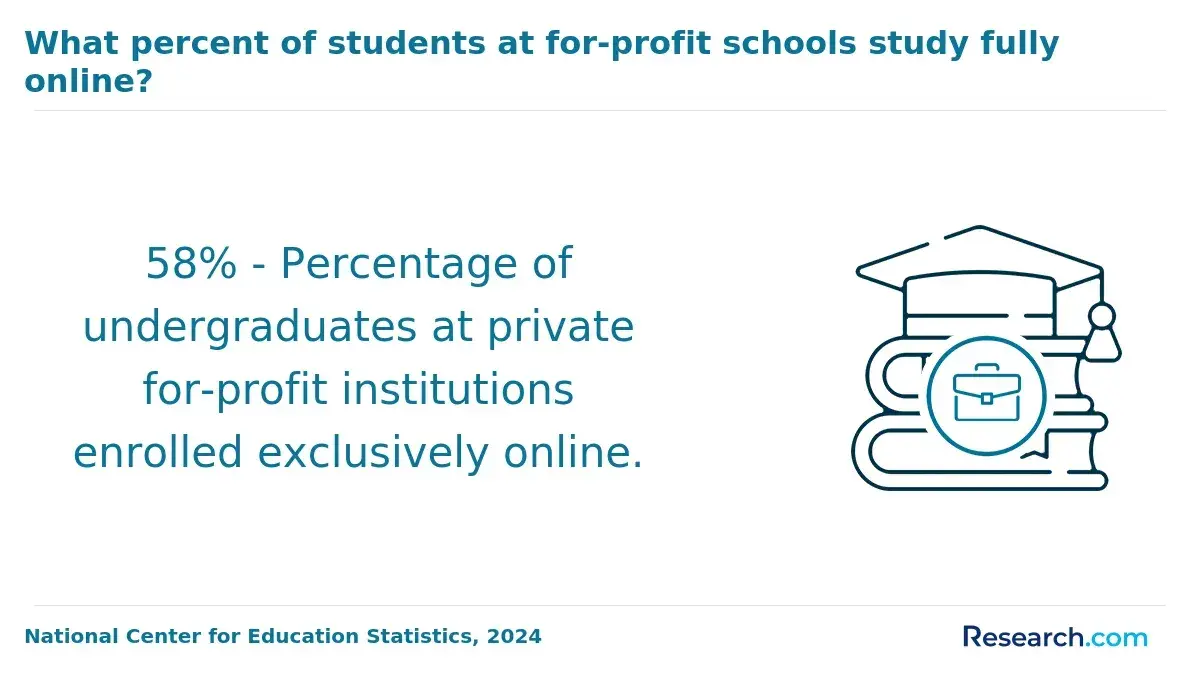
Which Types of Schools Have Experienced the Fastest Art Studies Tuition Growth?
Tuition growth for art studies programs differs markedly across institutional categories due to distinct funding frameworks, enrollment pressures, program complexity, and public versus private financial structures. These dynamics shape how schools price their programs and invest in specialized resources, leading to varying inflation rates in tuition. Recognizing these underlying causes is crucial for anyone assessing affordability trends and long-term educational value in art studies.
- Private Nonprofit Universities: These institutions often face less public funding, prompting heavier reliance on tuition revenue to sustain small class sizes, high faculty-to-student ratios, and specialized studio facilities. This financial dependence, combined with strong market demand for culturally focused creative degrees, drives some of the highest tuition growth rates-over 5% annually according to recent data from the National Center for Education Statistics.
- Public Universities: With access to state appropriations and larger overall enrollments, public universities moderate tuition increases more effectively. However, budget cuts in many states force occasional tuition hikes, especially for resource-intensive art programs requiring updated technology and materials. Their average annual tuition growth typically falls between 2% and 3%, reflecting these balancing pressures.
- For-Profit Institutions: For-profit schools often compete aggressively on pricing and program delivery speed, sometimes resulting in more stable or even declining tuition rates. Nonetheless, their market focus on career-oriented credentials rather than intensive art practice translates to fewer high-cost infrastructure demands, influencing more tempered tuition inflation.
- Research-Intensive Universities: These schools usually allocate substantial internal funding toward STEM and graduate research, limiting the share available for undergraduate art studies. Consequently, art tuition pricing growth remains moderate to keep programs accessible while maintaining modest investment in art-specific resources, dampening steep price increases.
- Regional Colleges and Community Colleges: Typically state-funded and with a mission of affordability, these institutions see the slowest tuition growth, frequently under 2.5% annually. They provide accessible entry points for adult learners but often operate with fewer high-end art facilities, thus limiting cost pressures that would drive rapid tuition increases.
What Factors Are Driving Rising Costs in Art Studies Degree Programs?
The escalating expenses in art studies degree programs stem from a complex web of institutional shifts and economic pressures rather than a single factor. These rising costs reflect deeper structural changes in how universities fund and prioritize creative disciplines, with financial demands extending beyond basic tuition to encompass specialized resources and evolving educational models. This multifaceted cost growth is embedded in the operational realities of art programs, which require distinct investment patterns and administrative frameworks unlike many other academic fields.
Key contributors to these upward cost trends include diminishing public funding, particularly at state institutions, which forces greater dependency on tuition fees to sustain programs. Faculty remuneration has also increased substantially, driven by the need for smaller class sizes and expert instruction, essential to hands-on arts education. Meanwhile, administrative overheads have expanded as institutions enhance compliance, student support, and program accreditation efforts. Investments in digital tools and studio technology further inflate budgets; the National Center for Education Statistics notes that campuses with intensive arts curricula allocate approximately 15% more operational funds toward infrastructure than those focused on general academics. These intertwined factors collectively shape the persistent rise in tuition and fees across diverse educational settings offering art studies.
An art studies graduate recounted navigating the admissions timeline during a period when program costs were visibly climbing. Faced with rolling admissions, they hesitated to commit early without clarity on financial aid and fee structures, mindful that delays might reduce funding opportunities. Ultimately, their strategic wait paid off when late-stage advisories from the department clarified incremental costs linked to new studio fees, allowing better budgeting. This experience underscored how evolving program expenses and administrative communication can significantly impact student decisions amidst increasing economic uncertainty in the art education landscape.
How Does Art Studies Tuition Growth Vary by State and Region?
Art studies tuition growth varies widely by state and region due to distinct differences in state funding levels, institutional structures, and local economic conditions. Public universities facing reduced state appropriations often compensate through higher tuition increases, particularly in regions where public funding models rely heavily on enrollment-driven revenue. Private institutions and flagship universities in densely populated or economically dynamic areas generally exhibit steeper tuition inflation, reflecting both higher operational costs and market-driven pricing strategies. These regional disparities in art studies tuition inflation by state underscore the complex interplay of institutional funding models and regional economic realities.
Key drivers behind regional differences in art studies program costs include variations in state appropriations and the extent to which public university systems are funded through taxation versus tuition. States with limited public investment in higher education tend to pass funding gaps onto students, resulting in faster tuition growth. Additionally, cost-of-living differences significantly impact institutional expenses, especially in cultural hubs like New York or California, where specialized art programs require substantial studio facilities and faculty expertise. The presence of research universities and private colleges with robust art departments further intensifies tuition growth due to competitive pressures and resource demands. Regional labor market demand for creative professionals also plays a role, influencing program expansion or contraction, which in turn affects price stability and affordability.
These regional tuition growth patterns have substantive implications for student mobility and financial planning. Elevated tuition in high-cost states may push students to consider cross-state enrollment or alternative credentials such as a 6 months masters degree online that offer more affordable access to art education while balancing practical career outcomes. Affordability disparities tied to local funding policies and cost structures can influence program selection, potentially narrowing access to specialized art studies programs in major cultural centers. Understanding the structural factors behind tuition inflation equips prospective art studies students and their families with a more nuanced perspective on long-term return on investment and post-graduation opportunities within regional creative economies.
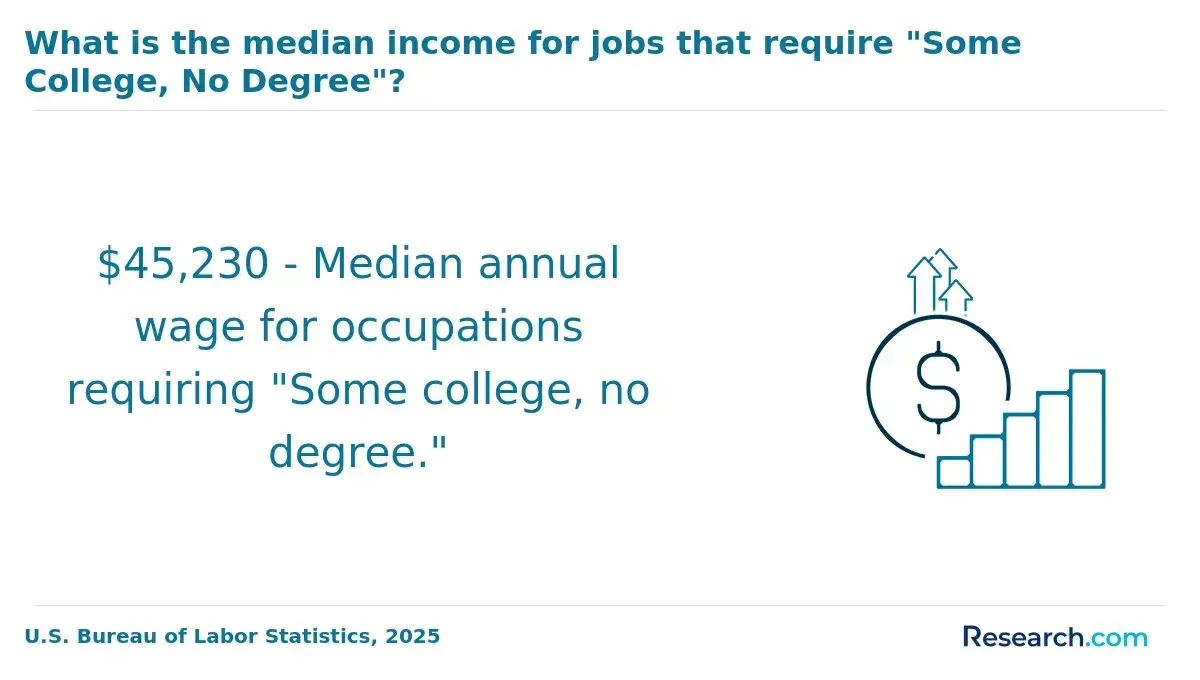
Are Online Art Studies Programs Becoming More Affordable Than Campus-Based Programs?
Recent data from the National Center for Education Statistics highlights a growing trend toward relatively lower tuition rates per credit hour in online art studies programs compared to traditional campus formats, with reductions averaging 15-20%. This shift reflects a broader change in institutional pricing strategies, where online programs leverage different cost structures and scalability advantages. Unlike campus-based offerings, which integrate expenses such as physical facilities, maintenance, and on-site student services into tuition, online programs adjust fees to account for digital delivery platforms and remote support needs, creating a distinct pricing model built around accessibility and technological infrastructure rather than physical presence.
The affordability gap between delivery modes is shaped by several structural factors. Online programs reduce expenditures related to buildings, utilities, and in-person administrative operations but increase investments in specialized software, digital content creation, and the ongoing costs of learning management systems. Instructional design tailored for online engagement and faculty roles often shift toward a mix of synchronous and asynchronous methods, reshaping labor costs and pedagogical priorities. Meanwhile, student support services must adapt to address tech access issues, virtual advising, and digital resource provision, which can add unexpected fees that narrow apparent tuition savings. These dynamics suggest that online art studies affordability is influenced less by temporary pricing tactics and more by fundamental economic tradeoffs inherent to each format's operational demands and institutional strategy.
A graduate of an online art studies program recalled their admission experience marked by uncertainty during a rolling enrollment cycle. They delayed finalizing their decision to accommodate preparatory work and financial aid assessment but found themselves waiting weeks for clear communication on course availability and fee structures that impacted their budget planning. This student reflected on how the flexibility of online scheduling coupled with unclear timing created a tension between eagerness to enroll and caution about potential hidden costs-an experience illustrative of how cost considerations extend beyond sticker prices into the logistical complexities prospective learners face.
How Have Financial Aid and Scholarships Changed as Art Studies Tuition Has Increased?
As tuition for art studies programs has risen steadily, financial aid and scholarship offerings have shifted but frequently lag behind these cost increases. Institutional aid has expanded, yet this growth tends to be incremental and often fails to fully counterbalance tuition inflation, resulting in higher net expenses for many students. Aid models have increasingly favored merit-based awards targeted at attracting top-tier talent, while need-based support has grown at a much slower pace or plateaued. This evolving approach reflects an effort to maintain enrollment amid rising prices but does not always translate to improved affordability for a broad student population.
Several dynamics underlie these aid trends. Increased competition for selective applicants has prompted institutions to amplify merit scholarships, especially for high-achieving candidates, as a strategy to stand out in a crowded market. Government funding programs have made only modest adjustments aligned with inflation, constrained by legislated caps and competing budget priorities. Tuition discounting practices have become more nuanced, blending grants, loans, and work-study options to manage revenue while ostensibly supporting access. Meanwhile, specialized funding directed at in-demand art subfields narrows aid availability for students pursuing less market-driven disciplines.
The net effect is a mixed outlook on affordability and student debt. Although nominal institutional aid totals have risen, many students experience stagnant or growing out-of-pocket costs, particularly those without competitive academic profiles or significant financial need. The increasingly targeted nature of scholarships can influence program choice, potentially steering students toward specific specializations or institutions with robust merit-based funding. These shifts underscore the importance of evaluating aid packages not just by face value but by sustainability, renewal criteria, and alignment with realistic earning potential in the art sector, as unchecked tuition growth continues to challenge equitable access.
How Does Rising Art Studies Tuition Affect Student Debt After Graduation?
Rising tuition costs in art studies programs have led to significantly higher borrowing levels, compelling many students to increase their reliance on loans to cover expenses. The average loan amounts for art-focused degrees have grown by nearly 10% over the past five years, surpassing inflation and straining student finances. This tuition inflation intensifies the initial debt students carry upon graduation, particularly in an environment where grants and financial aid have not kept pace with escalating costs. The growing gap between tuition expenses and financial assistance often forces students to depend more heavily on loans, amplifying total borrowing. This dynamic is a core driver behind the recent student debt trends for art studies graduates in the US.
Differences in tuition rates between private and public institutions further complicate borrowing behavior, with private college attendees generally incurring larger debt. Interest accumulation during extended study periods or due to delayed graduation worsens the long-term financial burden on these graduates. Concurrently, the typically lower starting salaries in many art disciplines, relative to STEM or business fields, limit debt repayment capacity, extending the duration and total cost of loan payoff. These factors combined create a compounded effect, where the initial tuition spike leads to greater cumulative costs and heightened financial difficulty after graduation.
The consequences of rising art studies tuition extend beyond just higher balances owed. Graduates often experience repayment stress due to income volatility and lower earning potential, making consistent monthly payments challenging and increasing reliance on income-driven repayment plans or loan forgiveness programs that are not guaranteed. This financial pressure influences program selection, with some prospective students opting for shorter or certificate programs to mitigate debt despite potential tradeoffs in career advancement. Additionally, creative industry employer expectations for supplementary skills and internships add to students' out-of-pocket costs. For those considering more technical pathways, alternatives like a mechanical engineer degree offer different cost and income trajectories that may affect long-term affordability decisions.
Do Higher-Cost Art Studies Programs Deliver Better Career Outcomes or Earnings?
Higher-cost art studies programs do not uniformly guarantee superior career outcomes or long-term earnings. While more expensive private institutions often report moderately higher starting salaries-around $45,000 compared to $38,000 for public schools according to 2024 data from the U.S. Department of Education's College Scorecard-this gap tends to narrow within five years post-graduation. Cost alone is an imperfect proxy for value in art studies tuition and career earning potential, as employer hiring decisions emphasize portfolio strength and creative competencies over institutional prestige. Employers in creative industries frequently prioritize demonstrated skills and relevant experience rather than where a degree was obtained.
Several factors beyond program cost critically shape graduate success. Institutional reputation can provide access to internship pipelines, employer partnerships, specialized faculty mentorship, and alumni networks that facilitate entry into competitive creative fields. However, these benefits vary widely even among pricey programs. Geographic location influences regional comparison of art studies program graduate salaries because local job markets and industry clusters affect opportunities and compensation. High tuition may also reflect non-monetary advantages such as unique facilities or niche specializations, yet students must weigh these against potential debt burdens and return on investment.
Prospective students should employ nuanced decision-making strategies that assess more than sticker price. Cost must be balanced with measurable program outcomes, including employment rates, earnings trajectories, and alignment with personal career goals. Evaluating diverse dimensions of educational value-rather than defaulting to tuition as a quality indicator-supports informed choices. For further insights on degree pathways in education fields, consider exploring EdS to EdD programs as an example of how specialized credentials intersect with labor market demands.
What Do Current Tuition Trends Suggest About the Future Cost of a Art Studies Degree?
Recent tuition trends for art studies degrees suggest a persistent upward trajectory in program costs, with increases notably outpacing general inflation. The National Center for Education Statistics reports a 4.5% rise in average undergraduate tuition and fees for 2023-2024, signaling that future costs will likely continue to grow at a rate exceeding many other fields. Historically, art studies programs have experienced steady tuition inflation partly due to their reliance on specialized facilities, materials, and technology that drive up operational expenses beyond typical academic programs. Adjusting for inflation, this pattern indicates that obtaining an art studies degree will demand a higher financial commitment over time compared to many traditional degree paths.
Key factors shaping future tuition growth include constrained public funding for arts education, persistent demand for experiential and technology-intensive learning environments, and a growing emphasis on integrating hybrid or digital delivery models. Institutions must balance investing in studio spaces and specialized equipment with expanding online access, which while potentially moderating some costs, often requires new administrative layers and technology upgrades. This dynamic suggests tuition increases will continue, reflecting both the resource intensity of art studies and the added expenses of adapting pedagogy to evolving educational technologies and student expectations.
These trends imply mounting affordability challenges for prospective art studies students, who may face greater borrowing burdens or rely more heavily on scholarships to manage rising costs. Adult learners, in particular, encounter fewer financial supports and less flexible repayment options, underscoring the need for careful financial planning. When evaluating program choices, students should weigh tuition trajectories alongside realistic post-graduation employment prospects and consider innovative program formats that might offer cost efficiencies without sacrificing crucial hands-on experience. Relying solely on past tuition trends provides a foundation for anticipating affordability but must be contextualized with institutional budget strategies and evolving educational delivery models.
References
- Tracking College Tuition Growth https://www.richmondfed.org/publications/research/economic_brief/2024/eb_24-23
- Six profitable careers you can get with an art school degree https://www.cca.edu/newsroom/6-highest-paying-careers-you-can-get-art-school-degree/
- College Tuition Inflation: The Rising Price Of Education | Bankrate https://www.bankrate.com/loans/student-loans/college-tuition-inflation/
- Average Cost of College Over Time: Yearly Tuition Since 1970 https://educationdata.org/average-cost-of-college-by-year
- UNRAVELING THE TRUE DRIVERS OF RISING COLLEGE TUITION AND POLICY PATHWAYS https://ijeber.com/unraveling-the-true-drivers-of-rising-college-tuition-and-policy-pathways/
- The Effects of Rising Student Costs in Higher Education - Ithaka S+R https://sr.ithaka.org/publications/the-effects-of-rising-student-costs-in-higher-education/
- Arts Bachelorâs Graduates with $10,000+ in Student Loans are Less⦠https://snaaparts.org/findings/databriefs/arts-bachelors-graduates-with-10-000-in-student-loans-are-less-likely-to-work-as-artists-2
- Parsons School of Design | The New School https://www.newschool.edu/parsons/
- Yes, Aid Fuels Tuition Inflation | Cato at Liberty Blog https://www.cato.org/blog/yes-aid-fuels-tuition-inflation
- How college tuition inflation has impacted college costs https://finance.yahoo.com/news/college-tuition-inflation-cost-college-221647962.html
Other Things You Should Know About Art Studies
Slower tuition inflation can make certain art studies programs more financially predictable over time, which matters if you plan extended study or foresee graduate education. However, programs with fewer specializations might limit your ability to tailor skills to evolving employer demands or niche markets. Prioritize balancing lower long-term cost growth with the program's capacity to build concrete, market-relevant competencies rather than simply chasing the cheapest option.
As costs rise, some institutions increase class sizes or reduce faculty resources to manage budgets, potentially diluting direct mentorship and studio time crucial in art studies. This can lead to a heavier workload in terms of self-directed learning and may limit constructive feedback, impacting skill development. It's important to weigh whether inflated tuition pays for genuinely enhanced instructional quality or just institutional operational costs.
Higher tuition in art studies does not guarantee superior employability; many employers focus on a candidate's portfolio, creativity, and practical skills over the school's price tag. Overinvesting in overly expensive programs risks burdening graduates with debt that isn't justified by tangible career returns. A more strategic approach is to assess how well programs integrate real-world projects, internships, and industry connections that directly improve job readiness.
Rising tuition makes prolonged programs economically risky, pushing students to prioritize timely completion to avoid escalating costs. Accelerated paths or modular course structures might deliver comparable outcomes with less exposure to inflationary tuition increases. Students should critically assess how extended study periods affect not only cost but also burnout and job market entry timing to optimize both financial and career outcomes.