2027 Art Studies Salary Trends Report: Are Wages Keeping Up With Tuition and Inflation?

Co-Founder and Chief Data Scientist
A prospective art studies student faces a complex financial puzzle when weighing the decision to pursue this degree. Tuition fees have surged steadily, often outpacing salary increases in creative fields, while inflation erodes purchasing power, further complicating the picture.
Determining whether future earnings can justify these upfront costs requires a careful analysis beyond just listed salaries. Understanding how wages keep pace with the true cost of education and economic conditions is essential for making an informed choice.
Salary growth, tuition rates, and inflation rarely align, creating gaps that affect long-term financial outcomes for graduates. Evaluating the return on investment means looking past starting salaries to consider how these factors interact over time and impact affordability.
This article examines salary trends alongside tuition costs and inflation to assess the economic value of an art studies degree. It explores the variables shaping earning potential and the overall financial sustainability of pursuing this educational path.
Key Things to Know About Art Studies Salary Trends
- Graduate wages in art studies have seen modest growth averaging 2% annually post-2023, lagging behind tuition inflation rates exceeding 4%, which intensifies the real cost burden on graduates.
- High variability in earning potential aligns strongly with specialization and networking in art studies, meaning focused skill development yields disproportionate long-term returns despite overall median salary constraints.
- A 2024 workforce study links geographic concentration in creative hubs to a 15% salary premium, underscoring location choice as a critical variable affecting art studies graduates' income trajectories.
- What Is the Current Salary Outlook for Art Studies Graduates? Salary Outlook
- Are Art Studies Salaries Keeping Up With Inflation? Inflation Impact
- How Do Tuition Costs Compare With Art Studies Salary Growth? Tuition vs Salary
- Does a Art Studies Degree Deliver a Positive Return on Investment? Degree ROI
- Which Industries Offer the Highest Salaries for Art Studies Graduates? Which Industries Offer the Highest Salaries for Art Studies Graduates?
- Which States and Cities Offer the Highest Pay for Art Studies Professionals? Which States and Cities Offer the Highest Pay for Art Studies Professionals?
- How Do Art Studies Salaries Grow Throughout a Career? Career Growth
- How Do Art Studies Salaries Compare With Similar Degrees? Salary Comparison
- How Is Employer Demand Affecting Art Studies Salary Trends? Employer Demand
- How Can Students Maximize Their Lifetime Earnings With a Art Studies Degree? Maximizing Earnings
What Is the Current Salary Outlook for Art Studies Graduates?
The salary outlook for art studies graduates in 2024 is nuanced, shaped by the specific occupation within the arts, geographic factors, and individual experience. According to data from the U.S. Bureau of Labor Statistics, median annual wages vary widely: graphic designers earn around $53,000, fine artists approximately $50,000, while art directors surpass $100,000 due to their leadership roles.
This disparity means two graduates with the same degree can face very different financial realities depending on their career choices. For example, a graduate entering a nonprofit arts organization may start near the lower end of the salary range, while another pursuing commercial design or digital media roles might access higher earning potential earlier on.
Prospective students and recent graduates should view these figures within the broader context of salary growth opportunities and job market dynamics rather than focusing solely on starting pay. The National Association of Colleges and Employers reports entry-level salaries for art majors in 2024 typically range from $40,000 to $55,000, with nonprofit and education sectors usually offering less than the private sector.
Despite tuition costs increasing nearly 15% over five years and outpacing inflation, careers in art still allow for income growth through experience, skill diversification, and freelancing possibilities. The fluctuating demand in commercial design and media can influence long-term career outcomes, indicating that financial returns are closely tied to adaptability and supplemental credentials.
Ultimately, evaluating art studies graduate salary trends 2024 requires balancing initial earnings with prospective career trajectory and market demand. For those assessing whether the degree's value justifies its cost, it's useful to compare these figures alongside broader labor market information and consider pathways for skill development.
Resources that outline high paying degrees can help place art studies salaries in a larger context, offering a realistic perspective on where art careers stand relative to other fields.
Are Art Studies Salaries Keeping Up With Inflation?
Nominal wage increases in art studies-related occupations have averaged around 2% annually over recent years, yet inflation has hovered near 4% per year according to data from the U.S. Bureau of Labor Statistics. This disparity means that even with small raises, graduates often face reduced purchasing power as inflation outpaces salary growth.
For instance, an emerging multimedia artist with a starting salary that grows modestly each year may find that rising living costs, including rent and materials, limit their ability to save or invest, despite nominal income gains. This illustrates a common challenge: increases in nominal wages do not automatically translate into greater economic security or quality of life, especially when the cost of essentials and tuition continues to climb.
Several structural factors contribute to whether art studies salary growth keeps pace with inflation. Unlike STEM fields, art-related careers often contend with limited industry expansion and a heavy reliance on freelance or gig work, which creates income volatility and fewer opportunities for steady wage increases.
Rising tuition costs-reported to grow faster than inflation-compound financial pressure, making it difficult for graduates to fully recoup educational expenses. This raises the question of whether art majors earn enough to cover rising tuition.
Prospective students should carefully evaluate these economic realities alongside their creative aspirations and consider diversified skills or alternative income streams to balance the economic tradeoffs of pursuing art studies.
For those exploring educational options with cost-efficiency in mind, some may turn to best online schools as a way to mitigate tuition growth while maintaining access to accredited art studies programs. Such choices can help offset stagnating real wages by reducing debt burdens, but decision makers must weigh these financial strategies against career goals and market demand for specific art disciplines.
Understanding the difference between nominal salary increases and true purchasing power is key to making informed long-term decisions about investing in an art studies degree.
How Do Tuition Costs Compare With Art Studies Salary Growth?
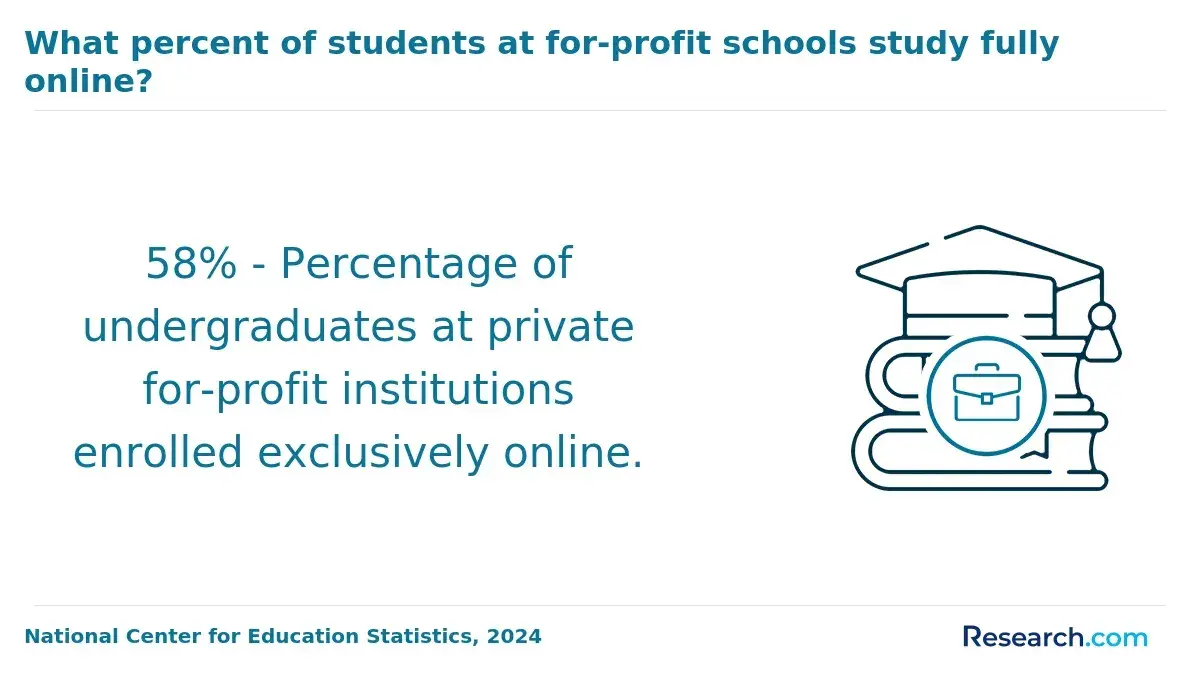
Evaluating tuition costs alongside salary growth provides a clearer view of the financial viability of an art studies degree than considering either in isolation. As of 2024, undergraduate tuition at public four-year institutions averages over $12,000 annually, with private schools charging $38,000 or more.
Meanwhile, early-career salaries for art studies graduates typically range from $35,000 to $45,000, increasing to between $50,000 and $65,000 mid-career. This disparity highlights a growing affordability gap since tuition has been rising faster-around 3.5% per year-while wages in creative fields have grown closer to 2% annually, meaning the return on investment in education has diminished after adjusting for inflation.
This imbalance influences how prospective students plan their education and career paths, as the increasing cost of tuition can place more pressure on earning potential and debt repayment. For one student, attending a public university at $12,000 a year might be manageable with part-time work and modest loans, making salary growth more sustainable over time.
For another facing private school tuition at triple that amount, higher debt burdens could extend financial strain beyond graduation, lessening the relative benefit of salary gains. Factors such as geographic location, career specialization, and personal financial circumstances further complicate this relationship, demonstrating that tuition and salary comparisons must be personalized and contextualized rather than generalized.
Reflecting this complexity, a recent art studies graduate shared that they hesitated before enrolling due to concerns about rising tuition costs outpacing expected income. They ultimately chose a less expensive public institution and supplemented their income through freelance projects while studying.
This approach helped manage debt but required balancing time between work and coursework, slowing progress on some creative goals. Their experience underscores how fluctuating tuition costs and modest salary growth create financial tradeoffs that directly affect how students pursue and sustain careers in art.
Does a Art Studies Degree Deliver a Positive Return on Investment?
Return on investment (ROI) for an art studies degree extends beyond initial earnings and tuition expenses; it involves weighing these costs against the potential for long-term career growth, skill diversification, and evolving market demands.
According to recent data from the National Center for Education Statistics and the U.S. Bureau of Labor Statistics, graduates in this field often start with median salaries below the national average for college graduates, which can challenge immediate financial recoupment.
However, this snapshot misses the broader picture of how career trajectories in creative sectors such as design, multimedia, education, and cultural organizations may yield incremental salary growth and professional opportunities over time.
Consider a graduate who incurs $40,000 in tuition debt for an art studies program with a starting salary around $40,000 annually. While the initial financial return might appear modest, steady demand in creative industries and the graduate's proactive combination of technical skills, entrepreneurship, and networking could lead to salary increases that outpace inflation over a decade.
This scenario reflects findings from the Georgetown University Center on Education and the Workforce, which highlight that graduates who strategically leverage their education often benefit from a positive ROI despite early earnings gaps. Geographic location, industry focus, and the ability to adapt skills also weigh heavily on whether an art studies degree ultimately pays off.
Ultimately, the financial value of an art studies degree is not fixed but fluctuates based on individual career choices and economic conditions. Rising tuition costs continue to pressure initial returns, yet government labor projections signal persistent opportunities for creative professionals. Careful, strategic career planning combined with ongoing skill development remains essential to turning an art studies degree into a sustainable financial investment.
Which Industries Offer the Highest Salaries for Art Studies Graduates?
Identifying which industries offer the highest salaries for art studies graduates requires analyzing both market demand and specialized skill application.
Not all sectors value art studies skills equally; compensation often reflects how directly creative talents influence business outcomes. For instance, graduates skilled in digital design or multimedia may find more lucrative positions than those in traditional fine arts roles.
Balancing salary potential with job stability and long-term growth is essential when evaluating career options after an art studies degree. Below are key industries known for offering some of the strongest earning possibilities.
- Advertising and Public Relations: This sector frequently ranks at the top for art studies salary by industry in the US because companies invest heavily in creative marketing campaigns to capture consumer attention. Roles such as graphic designers, visual communicators, and creative directors benefit from a competitive pay scale, often reaching median salaries around $70,000, with senior positions exceeding six figures due to the strategic importance of creative content.
- Film and Video Production: The entertainment industry's growth, fueled by streaming platforms, drives demand for roles like art directors, set designers, and multimedia artists. These positions generally see salaries ranging between $65,000 and $85,000, supported by a 5% wage increase over recent years, reflecting the premium placed on high-quality visual storytelling and production artistry.
- Technology and Software Development: Graduates focused on UI/UX design merge artistic vision with digital proficiency, making this one of the highest-paying areas for art studies graduates. Mid-career professionals can expect annual salaries from $75,000 to over $100,000, as companies prioritize user-friendly interfaces and immersive experiences in their products.
- Architecture and Industrial Design: Combining functional and aesthetic design skills, art studies graduates in these industries benefit from infrastructure and product innovation demands. These roles command salaries comparable to tech sectors due to the specialized knowledge required for both creativity and engineering collaboration.
- Video Game Development: With the gaming industry's rapid expansion, roles such as character designers, environment artists, and creative leads offer competitive compensation. Art studies graduates with skills in animation and digital modeling often find themselves in high demand, capitalizing on the blend of artistic talent and technical software expertise.
- Publishing and Media: While generally moderate-paying, select publishing roles including art direction and advanced digital content creation can surpass typical expectations. Experience with emerging media platforms amplifies earnings as companies adapt to evolving consumer media consumption habits.
Considering these factors together can help guide realistic expectations for compensation and career trajectory. For those evaluating advanced education, analyzing salary outcomes against tuition and living costs is prudent. Resources like the master's in data science online programs also illustrate the growing importance of combining creative and technical expertise. This interdisciplinary skillset often corresponds with higher remuneration and job security in competitive markets.
Which States and Cities Offer the Highest Pay for Art Studies Professionals?
Compensation for art studies professionals varies significantly across the United States, influenced by the concentration of creative industries, institutional support, and local economic conditions. Recent 2024 data from the U.S. Bureau of Labor Statistics and the National Endowment for the Arts highlight that higher salaries tend to cluster in regions with well-established arts infrastructure and media markets.
However, these salary premiums often coincide with elevated living costs, requiring careful financial consideration beyond base pay. Below are some key states and metro areas offering some of the highest wage opportunities for those with art studies backgrounds.
- California San Francisco Bay Area:The Bay Area leads with average annual wages exceeding $85,000 for art directors and related roles, driven by its thriving tech, media, and design sectors. While earnings are among the highest nationally, prospective workers must weigh these gains against steep housing prices and daily expenses.
- California Los Angeles Metro:Los Angeles offers competitive pay supported by a dense network of entertainment studios, galleries, and advertising firms. Job growth in multimedia and visual arts is robust, though cost of living challenges can offset nominal salary advantages for early-career professionals.
- New York City:New York remains a premier market for visual artists, gallery managers, and multimedia producers, with salaries well above the national median. The city's high wages reflect concentrated demand but come with some of the nation's highest urban living costs, making net income gains less pronounced.
- Massachusetts Boston Area:Boston's strong academic environment and cultural institutions help sustain elevated pay levels for art studies graduates. The combination of research institutions and galleries supports steady opportunities, although living expenses remain considerable compared to midwestern or southern alternatives.
- Texas Metro Areas (Austin and Dallas):Texas metros offer more moderate salaries but compensate with lower housing and operational costs. This balance often results in better overall financial stability for emerging art professionals who might otherwise struggle in more expensive regions.
- Georgia Atlanta Metro:Atlanta's growing creative economy provides salaries slightly below coastal hubs but benefits from a more affordable cost of living. This dynamic appeals to those seeking to maximize disposable income in the early stages of their art careers.
How Do Art Studies Salaries Grow Throughout a Career?
Salaries for those with art studies backgrounds often start modestly, with entry-level roles such as graphic designers or museum technicians typically earning between $40,000 and $50,000 annually, according to the U.S. Bureau of Labor Statistics 2024 Occupational Outlook.
As professionals gain experience, compensation generally increases to a mid-career range of $60,000 to $75,000, influenced heavily by factors including geographic region, specialization, and the pursuit of leadership or niche positions like art direction or digital media.
Yet salary growth can diverge significantly depending on career paths and skill development; for example, two graduates with identical degrees may experience different earning trajectories if one pursues freelance work while the other secures a managerial role in a major institution. Understanding these nuances is key since steady salary increments are more likely where professionals actively build portfolios, expand networks, or acquire specialized skills.
At senior levels, top earners in art-related fields can reach salaries between $90,000 and $120,000 or higher, exemplifying the long-term potential when experience aligns with strategic career moves.
However, those in adjunct teaching or freelance roles might see slower, less predictable income escalation, underscoring the variability inherent in this discipline's labor market. The most significant contributors to salary progression are not only years of experience but also professional focus, leadership responsibilities, and the ability to adapt to evolving industry demands.
Prospective students should weigh these realities against rising educational costs and inflation, as wage growth may struggle to keep pace, making financial planning and targeted skill acquisition crucial for maximizing returns on an art studies degree.
One graduate reflected on their journey, recalling hesitation after earning their degree when deciding whether to accept a steady museum technician position or pursue freelance graphic design full-time. Initially choosing freelancing for creative freedom, they experienced inconsistent income growth that prompted reevaluation.
After several years, they transitioned into a digital media coordinator role at a growing arts nonprofit, which offered more stability and opportunities to develop specialized skills. This shift not only broadened their professional portfolio but also increased earnings significantly, illustrating how deliberate career choices within the art studies field can dramatically influence salary trajectories over time.
How Do Art Studies Salaries Compare With Similar Degrees?
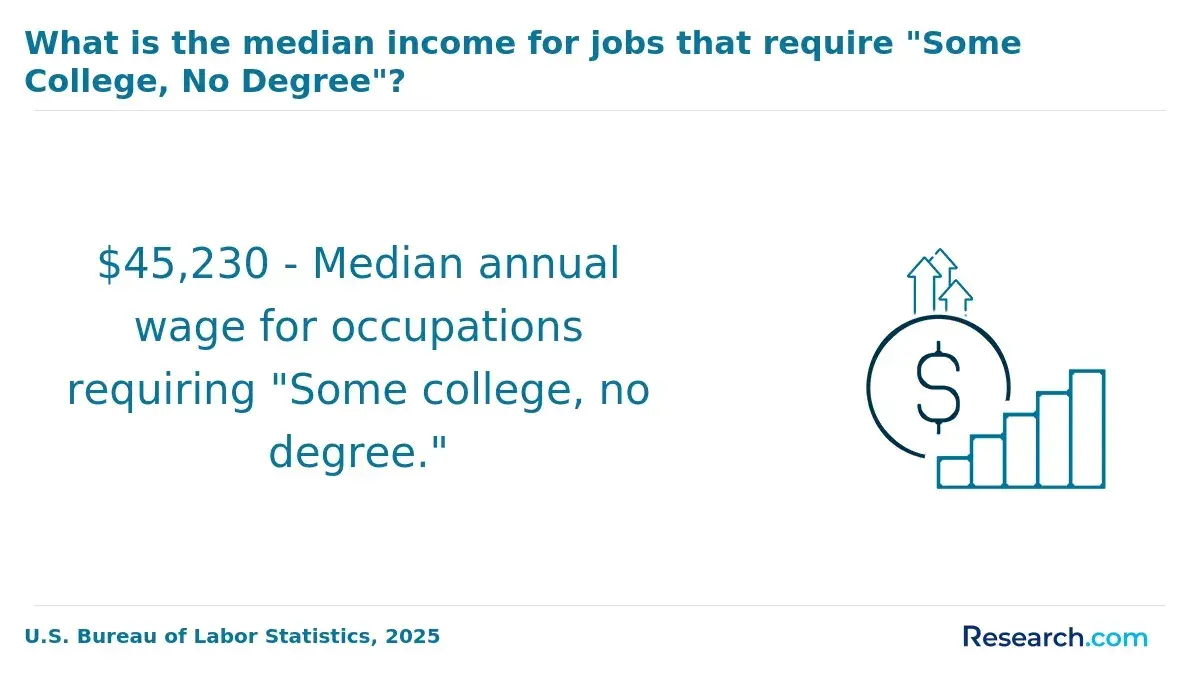
Graduates with art studies degrees tend to face lower median salaries compared to peers in design, architecture, and related fields. According to data from the U.S. Bureau of Labor Statistics and the National Center for Education Statistics (2024), the median annual salary for art studies graduates is approximately $45,000.
This wage gap is influenced by the diversity of career paths art graduates pursue, which often include freelance, education, and nonprofit roles-sectors that typically offer less financial reward but may provide other forms of professional fulfillment. Considering these disparities is essential for those weighing the return on investment in an art studies degree amid rising tuition and inflation pressures. Here is how art studies earnings compare with related fields:
- Graphic Design:This field reports median salaries near $58,000, higher than art studies. Graphic design careers often align with commercial and corporate demand, benefiting from stronger hiring pipelines and clear technical skill sets that command better pay.
- Architecture:Graduates with architecture degrees exceed $60,000 in median salary. These roles usually require licensure and involve specialized, highly technical work, which drives up earning potential and long-term financial stability compared to art studies.
- Media Arts:With median salaries between $55,000 and $65,000, media arts leverages current digital and technological trends, offering higher entry-level and mid-career earnings because of substantial industry demand for skilled practitioners.
- Industrial Design:This degree area offers stronger corporate placement and higher starting salaries due to technical training and innovation-driven roles, positioning graduates ahead of art studies holders in wage growth over time.
While art graduates face lower starting pay, their salary range can widen considerably with experience and specialization. However, the wage growth often trails behind the increasing costs of education.
Students and career changers should also explore alternative career pathways and interdisciplinary skills that can enhance earnings, particularly if considering switching fields or looking into more commercially focused degrees or roles. Access to comprehensive information such as the college degrees for felons may also provide guidance for those with unique employment obstacles.
How Is Employer Demand Affecting Art Studies Salary Trends?
Employer demand for art studies graduates significantly shapes salary trends by affecting how competitive the hiring landscape becomes for qualified candidates. For instance, graphic designers and animators experience roughly a 4% annual increase in job openings, according to the U.S. Bureau of Labor Statistics (2024), driven by the expanding need for digital content and marketing.
However, a recent graduate specializing in traditional art techniques may find limited wage growth if local markets are saturated, while peers with hybrid skills combining art and digital tools can command higher salaries. This illustrates how demand influences wages through competition, hiring activity, and employer willingness to invest more in specific skill sets.
Factors shaping employer demand include geographic location, economic conditions, and industry-specific trends. Employers increasingly seek versatile candidates skilled both in artistic fundamentals and digital proficiency, but oversupply in major urban centers creates localized wage pressures, dampening salary increases despite rising demand.
While strong employer demand can accelerate wage growth, salaries also depend on factors like experience, specialization, and organizational budgets. For prospective art students weighing educational investments, it is prudent to evaluate such market dynamics carefully; exploring focused paths such as photography programs online for veterans may offer more targeted opportunities.
Ultimately, the impact of the job market on art studies salaries is uneven, reflecting varied employer demand across niches and geography. Though rising demand for creative professionals offers some salary upside, it currently falls short of compensating for tuition inflation and living costs, indicating a complex balance between opportunity and financial return for many graduates.
How Can Students Maximize Their Lifetime Earnings With a Art Studies Degree?
Maximizing lifetime earnings with an art studies degree requires strategic choices that go beyond the traditional paths. Data from the National Center for Education Statistics and the U.S. Bureau of Labor Statistics reveals that specialization, location, and continuous skill enhancement are critical factors influencing income trajectories.
For example, a graduate who focuses on digital media while living in a creative hub like New York is likely to see stronger financial outcomes than a peer in a less competitive market. Practical application and networking also play decisive roles, turning academic credentials into flexible, high-value careers. Below are targeted strategies grounded in current labor market insights to help students boost their earning potential.
- Focused Specialization: Concentrating on high-demand niches such as user experience design or graphic design positions graduates for better-paying roles due to market shortages and evolving digital trends.
- Geographic Advantage: Relocating or targeting employment in cities known for creative industries-New York, Los Angeles, or San Francisco-leverages competitive salaries driven by dense networks and opportunities.
- Advanced Credentials: Pursuing graduate degrees or specialized certifications increases median lifetime earnings by 20% or more, reflecting employers' higher valuation of advanced technical and conceptual skills.
- Portfolio Diversification: Developing a versatile digital portfolio that includes mastery of tools like Adobe Creative Suite or 3D modeling software enhances employability and opens freelance or contract opportunities.
- Networking and Internships: Building industry connections through internships leads to better job placement and frequently yields supplemental freelance work that boosts total income.
- Cross-Industry Skills: Applying artistic skills within adjacent fields such as marketing or content creation diversifies income streams and increases resilience against industry shifts.
- Lifelong Learning: Continuously updating skills with emerging digital tools and trends ensures long-term relevance and access to higher-paying, specialized roles.
References
- The Art Institute https://www.theartinstitute.co.uk/us/en/blog-art-history-graduates-1
- Careers in the Arts: Who Stays and Who Leaves? https://snaaparts.org/findings/reports/careers-in-the-arts-who-stays-and-who-leaves
- Art https://www.careerpilot.org.uk/job-sectors/subject/art
- Average Cost of College [2025]: Yearly Tuition + Expenses https://educationdata.org/average-cost-of-college
- Here's How Getting a Degree in Art Helps You | All Art Schools https://www.allartschools.com/art-careers-degrees/
- Artists’ Livelihoods | Artquest https://artquest.org.uk/research/artists-livelihoods/
- What Can You Do With and Art Major? Turning an Art Degree Into Income https://www.erikalancaster.com/art-blog/what-can-you-do-with-an-art-major-turning-an-art-degree-into-income
- Did Inflation Affect Households Differently? A Look at the Postpandemic Inflation and Wage Growth Dynamics https://www.clevelandfed.org/publications/economic-commentary/2025/ec-202511-did-inflation-affect-households-differently
- The Most Popular College Degrees Ranked by Return on Investment (ROI) After 5 Years in the Workforce - StudentChoice.org https://www.studentchoice.org/news/the-most-popular-college-degrees-ranked-by-return-on-investment-roi-after-5-years-in-the-workforce/
Other Things You Should Know About Art Studies
Specialized art studies programs often provide deeper skillsets aligned with specific artistic careers, potentially enhancing employability in niche markets. However, these programs may limit flexibility and expose students to narrower job opportunities, which can restrict salary growth if market demand shifts.
Conversely, broader programs foster versatility but might dilute skill proficiency, leading to longer job search periods post-graduation and potentially lower starting salaries. Students should prioritize program structures that balance skill depth with adaptability, aligning with their long-term career goals and regional job market dynamics.
Art studies often require extensive project work, studio time, and portfolio development, which can limit students' capacity to maintain consistent part-time employment during their studies. This constraint can exacerbate financial pressure, especially when offsetting rising tuition costs and living expenses.
Consequently, students may accumulate higher debt or delay graduation, impacting post-degree financial stability. Prioritizing programs that integrate flexible scheduling, online components, or paid internships could mitigate this tradeoff by balancing academic intensity with earning opportunities.
Market demand for creative roles tied to art studies fluctuates with economic cycles, technology adoption, and cultural trends, causing inconsistent salary trajectories. Graduates entering oversaturated markets may face stagnant wages or underemployment, while shifts toward digital media and design can create pockets of higher demand and pay.
This volatility means that relying solely on historical salary trends risks misjudging future earnings. Therefore, graduates should closely monitor emerging sectors within art fields and consider supplementary skills that enhance adaptability.
Given that base-level salaries in art studies often show limited growth, pursuing graduate study or specialization can sometimes improve earning potential, but not universally. Advanced credentials may signal higher competency and open doors to academia, curation, or senior creative roles that pay more.
Still, graduate programs come with additional tuition costs and time investment, which may not yield immediate salary gains. Students should critically assess whether the incremental wage benefits justify further education or if gaining practical experience and networking offers better financial returns.